Moments of major change in sports often invite reflection, and the NCAA tournament’s expansion to 76 teams is no exception. What was once considered a nearly perfect format has now been altered, leaving many questioning how such a widely criticized decision gained traction. The answer lies less in competitive balance and more in influence, leverage, and the growing power of major conferences.
Conference Expansion Pressure Forces NCAA To Grant Power Leagues Greater Tournament Control
The shift began as conference realignment reshaped college athletics, particularly when powerhouse leagues expanded across the country. As these conferences grew in size and financial strength, discussions emerged about the possibility of them breaking away from the NCAA entirely. With control over football championships already outside NCAA governance, the idea of forming an independent structure no longer seemed far-fetched. Even if unlikely, the mere threat placed pressure on the NCAA to accommodate their demands.
In response, the NCAA granted greater autonomy to these dominant conferences, allowing them more control over major decisions. This included approving a recommendation that tournament participation should involve roughly 25 percent of teams in each sport. For men’s basketball, with more than 300 programs, the existing 68-team bracket fell short of that benchmark. Expansion quickly became the proposed solution, though it was driven largely by self-interest rather than a desire to improve competition.
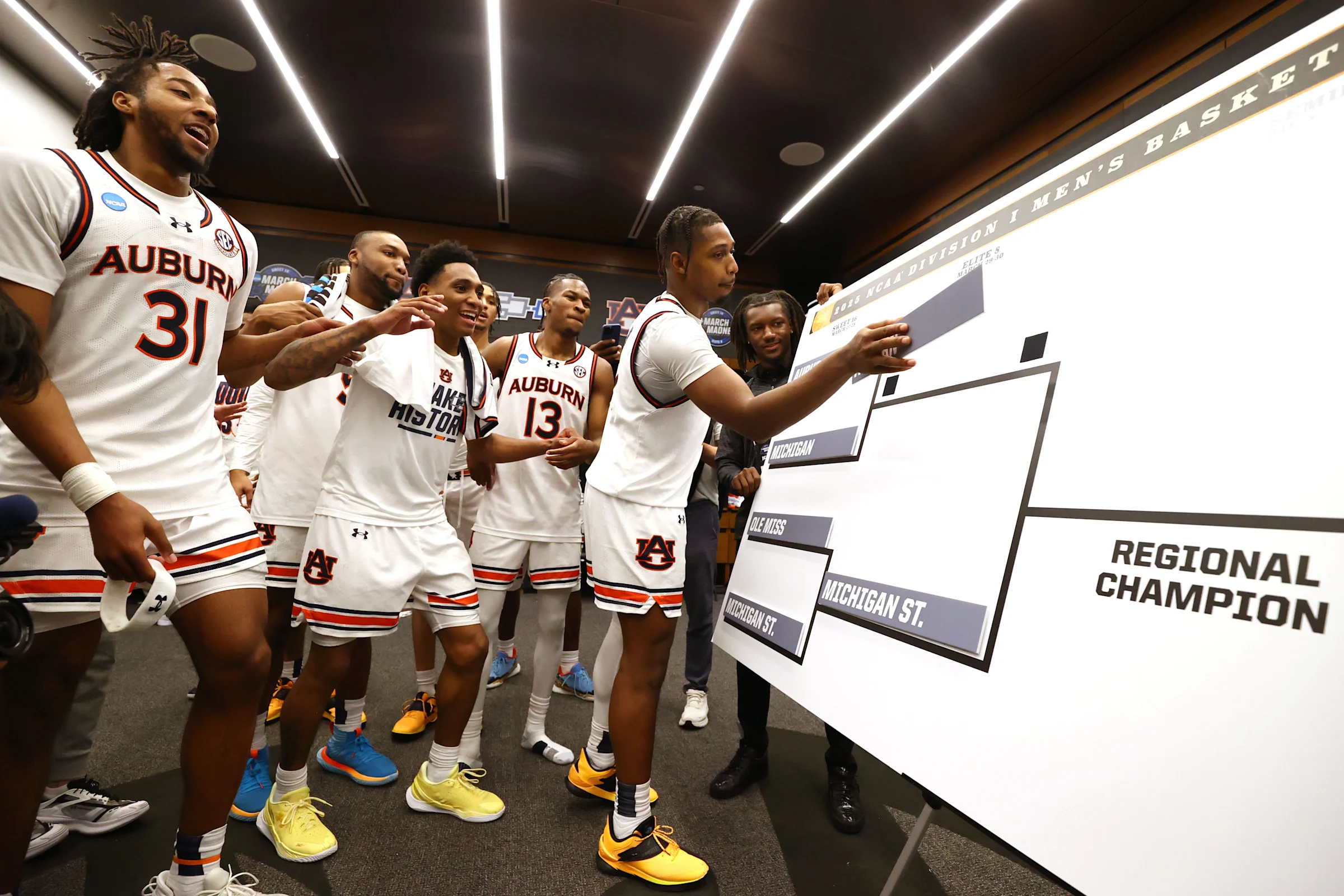
Larger conferences argued that expanded membership created tougher schedules, leading to more losses within their own leagues and reducing chances for at-large bids. However, this reasoning overlooked a fundamental principle of sports: stronger teams typically rise regardless of schedule difficulty. Instead, expansion serves as a safety net, ensuring more representation for power programs even when results fall short.
Expansion Burdens Smaller Schools And Threatens Tournament Parity And Future Competitive Balance
The consequences are most visible for smaller schools. Increasing the field size shifts lower-seeded teams into more difficult positions, often requiring additional play-in games just to reach the main bracket. Programs that once secured direct entry now face extra hurdles, reducing opportunities for the kind of unexpected runs that have defined the tournament’s appeal. Historic underdog moments, like shocking first-round upsets or deep Cinderella runs, become less likely under this structure.
While the tournament will remain compelling, its character risks subtle erosion. The excitement has always been rooted in equal opportunity and the possibility that any team, regardless of resources, could compete on the same stage. Expansion dilutes that balance, favoring established programs with greater financial backing.
Looking ahead, the decision raises concerns about what comes next. Concessions made to powerful conferences may not end here, as influence often leads to further demands. The tournament will endure, but its evolution reflects a broader shift in priorities, where financial considerations and institutional power increasingly shape the direction of college basketball.