Kyle Busch’s sudden death at age 41 has left the NASCAR world reeling, especially after details emerged suggesting a rapid and severe medical emergency in the days leading up to his passing. While officials have not released an official cause of death, new information from an emergency 911 call and accounts from those close to the situation reveal that Busch’s condition deteriorated quickly after he was hospitalized for what his family described as a “severe illness.”
The most detailed account comes from a 911 call placed from the General Motors training facility in Concord, where Busch was present shortly before his death. During the call, an unidentified staff member reported that Busch was experiencing shortness of breath, overheating, and coughing up blood. The caller also said Busch feared he might pass out. At the time of the call, he was reportedly conscious but lying on a bathroom floor. The dispatcher was given calm, specific instructions on how to reach him, including a request to turn off sirens when arriving on scene.
Sudden Hospitalization, Nationwide Tributes, And NASCAR Honors Kyle Busch Legacy
Sources familiar with the situation say Busch had been working in a Chevrolet racing simulator the day before he became unresponsive. He was then transported to a hospital in Charlotte after the incident. His family later confirmed he had been hospitalized three days before he was scheduled to compete in the Coca-Cola 600, though they did not disclose the nature of his illness.
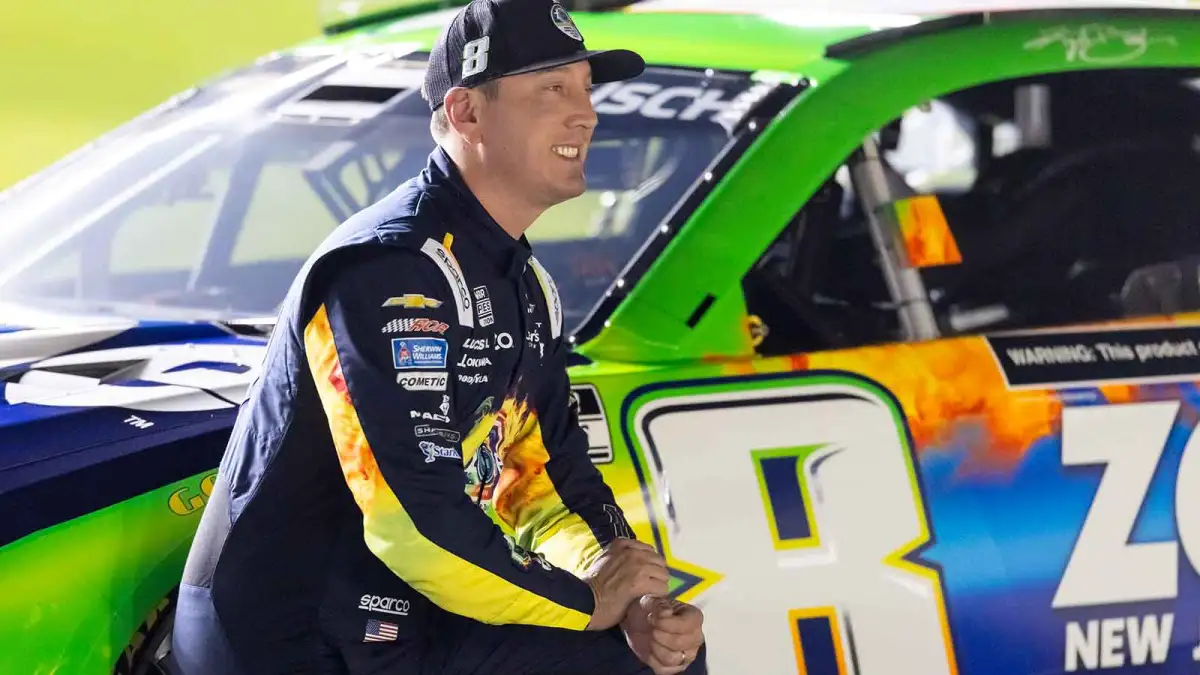
News of Busch’s death spread rapidly across the motorsports community during one of the sport’s biggest weekends, which also includes the Indianapolis 500. Tributes began pouring in almost immediately. The Carolina Hurricanes of the NHL held a moment of silence before their playoff game, while public figures, including Vice President JD Vance, expressed condolences and reflected on Busch’s impact on racing and those who met him personally.
Within NASCAR, teams and drivers reacted with visible grief and disbelief. Richard Childress Racing, Busch’s team over the past four seasons, announced that it would retire the No. 8 Cup Series car he drove and replace it with the No. 33 starting at the Coca-Cola 600. The organization said the No. 8 would be preserved for Busch’s son, Brexton, when he eventually enters competitive racing. The team emphasized that Busch had been central to the identity of the car, calling it closely tied to his legacy.
Drivers React With Shock As NASCAR Reflects On Busch’s Final Week And Legacy
The emotional impact was echoed by fellow drivers. Christopher Bell, who had raced alongside Busch and was scheduled to compete in an event Busch was also set to enter, described the situation as “gutwrenching.” He noted that Busch had appeared completely normal in their last conversation earlier in the week, underscoring how abruptly his condition changed. Bell said it would feel unusual to be on track without him and acknowledged the difficulty of adjusting to the loss.
Busch’s final week had included both professional success and personal milestones. He had recently won a Trucks Series race at Dover, marking what would become the final victory of his career. He also spent time with his family, including celebrating his son’s birthday and attending a go-kart facility opening in North Carolina.
As NASCAR continues its weekend events under a somber atmosphere, the sport is left reflecting on Busch’s legacy, his sudden decline, and the shock of losing one of its most accomplished drivers without warning.