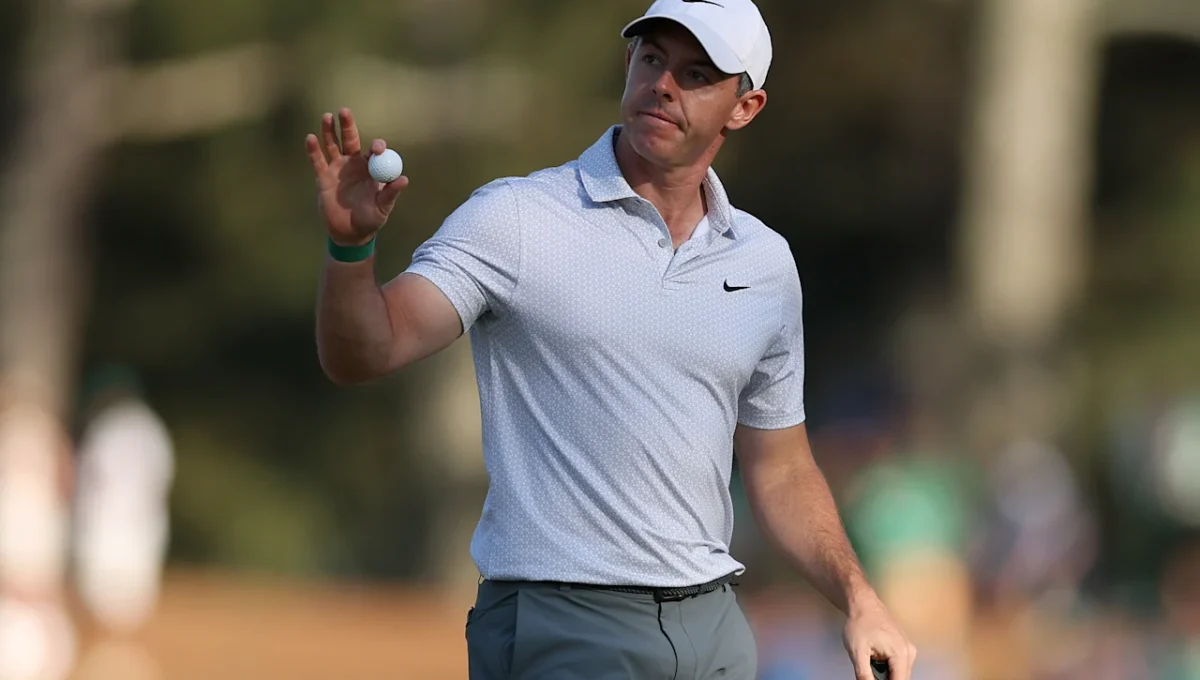
At Augusta National Golf Club, where traditions are strictly upheld and even running is discouraged, Rory McIlroy delivered a performance defined by speed, precision, and dominance during the second round of The Masters Tournament. The defending champion surged ahead of the field with a remarkable six-shot lead heading into the weekend, putting himself in position to become the first back-to-back winner since Tiger Woods achieved the feat in 2002.
McIlroy Surges Ahead With Dominant Round as Augusta Conditions Challenge Field
McIlroy followed his strong opening round of 67 with an outstanding seven-under-par 65, highlighted by nine birdies that erased two bogeys. His total score of 12 under par not only placed him firmly in control but also marked the largest 36-hole lead in Masters history. His aggressive mindset paid off, especially late in the round, where he birdied six of the final seven holes despite several errant shots into the trees. His ability to recover and turn difficult situations into scoring opportunities showcased both confidence and creativity.
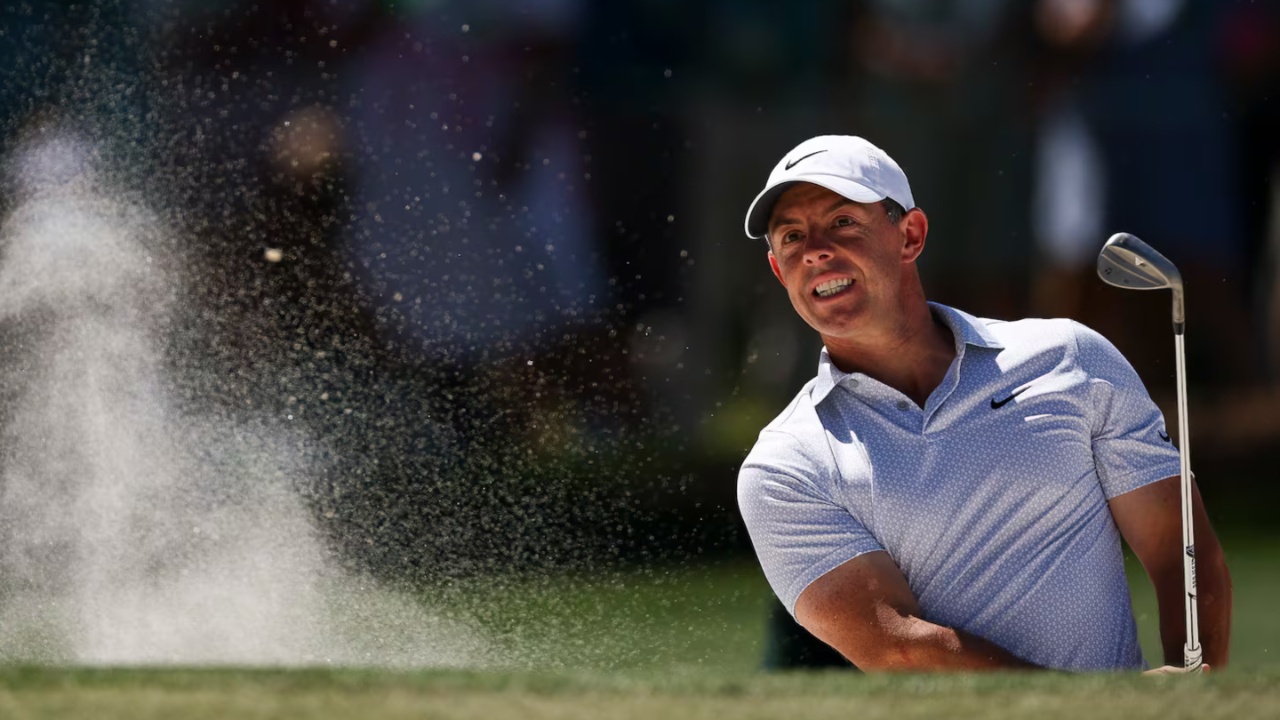
Course conditions at Augusta added another layer of difficulty. With warm weather and no wind, the greens became increasingly fast and firm, demanding precision from all players. Wyndham Clark noted that the greens were becoming “like concrete,” emphasizing the importance of accuracy and patience. Clark himself rebounded from an even-par first round with a four-under 68, placing him among the top contenders.
Chasers Battle for Position as McIlroy Dominates Masters Leaderboard Heading Into Weekend
While McIlroy pulled away, others fought to stay competitive. Tyrrell Hatton made a significant comeback after an opening round of two over par, shooting a 66 and hitting all 18 greens in regulation, a rare accomplishment at Augusta. He joined Clark in a tie for seventh. Meanwhile, Patrick Reed, the 2018 Masters champion, posted consistent rounds of 69 to share second place with Sam Burns. Reed’s prior experience at Augusta was evident, as he emphasized the confidence that comes from having already won the tournament.
A group tied for fourth included Justin Rose, who narrowly lost to McIlroy in a playoff the previous year, along with Shane Lowry and Tommy Fleetwood. Rose downplayed the idea that last year’s near victory added pressure, suggesting that extra effort does not necessarily translate to better performance.
Not all top players fared well. World No. 1 Scottie Scheffler struggled to a 74, leaving him 12 shots behind McIlroy. Bryson DeChambeau narrowly missed the cut after a costly triple bogey on the final hole. Former champions Bubba Watson and Fred Couples also failed to advance to the weekend.
McIlroy’s performance left a strong impression on fellow competitors, including 18-year-old amateur Mason Howell, who marveled at his playing partner’s closing stretch, particularly a chip-in birdie that stood out as one of the most memorable moments of the tournament so far.
With a commanding lead, exceptional form, and growing momentum, McIlroy enters the final rounds as the clear favorite, aiming to secure another historic victory at Augusta.