Texas Tech quarterback Brendan Sorsby’s future for the 2026 college football season is set to be determined in a Lubbock courtroom on Monday, where a judge will decide whether to grant an injunction that could temporarily restore his eligibility while his legal battle with the NCAA continues. The senior signal-caller was declared permanently ineligible by the NCAA after allegations that he gambled on games involving his own team, a violation that typically results in the loss of college eligibility.
Sorsby is seeking emergency legal relief that would allow him to play while his broader lawsuit against the NCAA moves forward. His initial request for reinstatement was previously denied, prompting the current push for an injunction, which is the only issue the court will rule on during this hearing. The judge will not be able to overturn or modify NCAA punishment, but only determine whether Sorsby can participate temporarily during the legal process.
The case has drawn significant attention because of the seriousness of the allegations and the high-profile legal representation involved. Sorsby has hired attorney Jeffrey Kessler, known for his role in major college sports litigation, including the House v. NCAA settlement, along with Texas politician and attorney Dustin Burrows. Their argument centers on claims that Sorsby’s gambling addiction and anxiety disorder contributed to his actions and should be considered mitigating factors. They also argue that the NCAA’s strict enforcement is inconsistent, given its financial ties to the broader sports betting industry.
Court Considers Gambling Allegations, Rehabilitation Efforts, NCAA Stance, And Eligibility Decision
Court filings indicate that Sorsby admitted to placing hundreds of bets over a four-year span, including wagers made through intermediaries such as friends and family. Reports state that at least 40 of those bets involved Indiana football while he was enrolled there. NCAA regulations explicitly prohibit athletes from betting on their own team or institution, with permanent ineligibility listed as the standard penalty for violations of this nature.
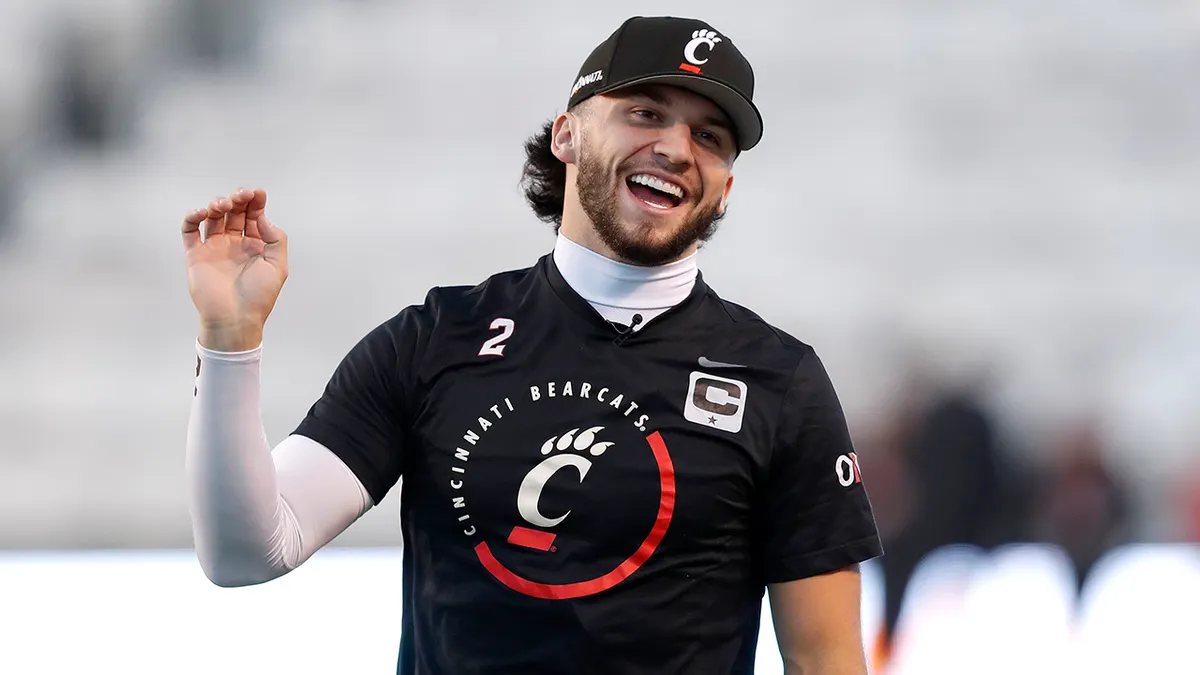
Following the investigation, Sorsby reportedly spent several weeks in a gambling rehabilitation program before returning home briefly to be with family. Texas Tech head coach Joey McGuire has publicly supported the quarterback’s recovery, stating that the program continues to stand behind him and that he is proud of Sorsby for seeking treatment.
Texas Tech leadership has also expressed support. University president Lawrence Schovanec wrote publicly that Lubbock and the university’s addiction resources provide an appropriate environment for Sorsby’s recovery. The coaching staff has echoed similar sentiments, emphasizing both accountability and rehabilitation rather than permanent exclusion.
The NCAA, however, has taken a firm stance in its court response, arguing that allowing a player who gambled on his own games to compete would set an unprecedented precedent. The organization maintains that gambling violations strike at the core of competitive integrity and that exceptions of this type would undermine enforcement across college sports.
Judge Ken Curry, a retired Houston-based jurist, will preside over the hearing after the originally assigned judge recused himself. Curry will consider whether Sorsby has demonstrated sufficient legal grounds to justify immediate participation, focusing on whether denying the injunction would cause irreparable harm before the case is fully resolved.
If the injunction is granted, Sorsby could return to the field for the 2026 season while the lawsuit continues. If denied, his college football career would effectively end, given the timeline of legal proceedings and NCAA eligibility rules.
Texas Tech Quarterback Depth, NFL Draft Options, And Season Outlook Uncertain Ahead of Hearing
Sorsby’s athletic profile adds further weight to the case. He transferred to Texas Tech as one of the top-rated players in the portal and was expected to be a key figure in the program’s offensive plans. At Cincinnati, he completed 62 percent of his passes for 2,800 yards with 27 touchdowns and only five interceptions, while also producing more than 1,000 rushing yards and 18 rushing touchdowns over two seasons.
Should he be ruled ineligible, one potential path forward would be the 2026 NFL Supplemental Draft, although selections in that format have been extremely rare in recent years. The more immediate concern for Texas Tech, however, is the impact on its quarterback depth chart.
Backup quarterback Will Hammond is viewed as the leading internal option if Sorsby is unavailable. Hammond is recovering from a torn ACL and is expected to return to practice later in the offseason, with a potential game return early in the season. The coaching staff also has additional depth in Lloyd Jones III, transfer Kirk Francis, and freshman recruit Stephen Cannon.
The outcome of Monday’s hearing will therefore have immediate consequences not only for Sorsby’s career but also for Texas Tech’s offensive direction heading into the 2026 season.