The 2026 Upper Deck NHL Draft, scheduled for June 26–27 at KeyBank Center in Buffalo, has developed an early focal point: the comparison between two standout left wings, Gavin McKenna of Penn State University and Ivar Stenberg of Frölunda in the Swedish Hockey League. With the first round on June 26 and rounds two through seven on June 27, scouts and executives continue to debate which player could emerge as the top selection in a class that does not feature a clear generational prospect.
The discussion has grown steadily among scouts, general managers, and analysts, with both players offering strong but very different profiles. McKenna and Stenberg are viewed as offensive drivers, yet their paths, environments, and styles of play differ significantly, making the evaluation highly nuanced.
Stenberg, a 5-foot-11, 190-pound winger, has established himself in one of the most demanding professional leagues in the world. Playing for Frölunda in the SHL, he recorded 33 points (11 goals, 22 assists) in 43 games against seasoned professionals. That production placed him among the most productive teenagers in SHL history, ranking fifth all-time for an under-19 player, behind notable names such as Daniel Sedin, Markus Näslund, Tomas Sandström, and Henrik Sedin. His game is defined by strong puck control, smart positioning, and the ability to generate offense in tight, physical areas.
Stenberg’s International Consistency and McKenna’s Dynamic Offensive Impact Compared
Stenberg also delivered on the international stage. At the 2026 IIHF World Junior Championship, he helped Sweden capture gold, tying for the team lead with 10 points in seven games and playing a key role in the final. He followed that with a solid showing at the senior World Championship, producing eight points in eight games while handling significant ice time. His ability to transition between junior and professional levels has strengthened his reputation as a dependable and adaptable forward.
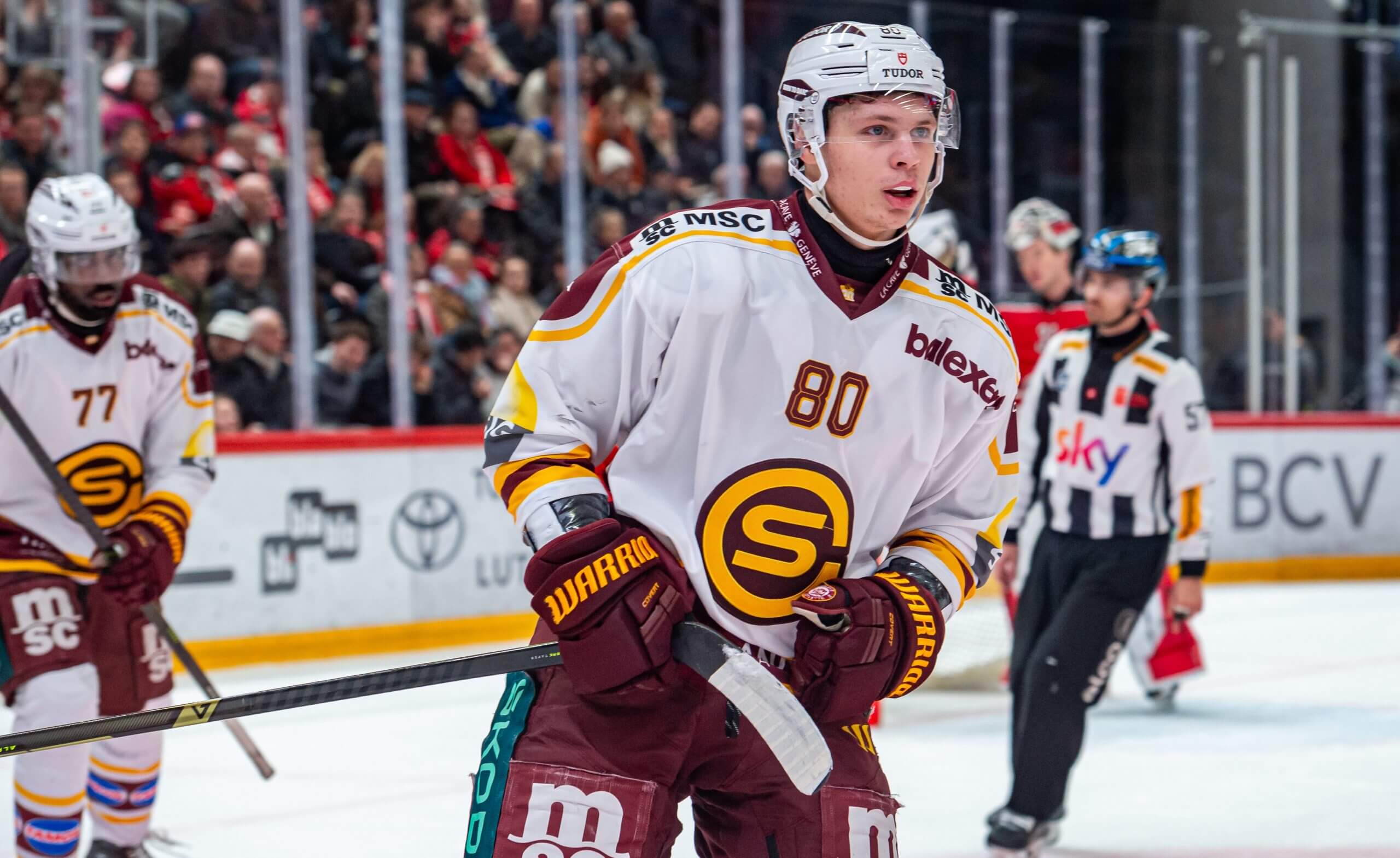
McKenna, listed at 5-foot-11 and 170 pounds, presents a more dynamic offensive profile. In his freshman season at Penn State in the Big Ten, he produced 51 points (15 goals, 36 assists) in 35 games, averaging 1.46 points per game. His style is built on speed, creativity, and constant motion, often changing the flow of games with quick decisions and sharp offensive reads. Rather than simply finishing plays, he frequently drives them from the wing.
Internationally, McKenna also performed at a high level with Canada at the World Junior Championship, finishing second in tournament scoring with 14 points in seven games. His standout performances included a hat trick against Denmark and a four-point outing in the bronze medal game against Finland. He ended his college season strongly as well, producing 33 points over his final 18 games, showing clear growth in consistency and decision-making.
One of the key discussion points around McKenna is his balance between even-strength and power-play production. He recorded 27 points at even strength and 21 on the power play, showing that his offense is not limited to special teams situations. Scouts frequently highlight his vision and ability to read developing plays, which allows him to create chances for teammates in a variety of situations.
McKenna and Stenberg Debate Split Scouts Between Creativity, Readiness, and Draft Projection
Opinions among evaluators remain closely divided. TSN scouting director Craig Button described both players as highly effective within their offensive roles, noting that Stenberg leans more toward finishing while McKenna functions more as a primary playmaker. He emphasized that there is little separation between them, with both continuing to develop and adjust to higher levels of competition.
A 10-scout poll conducted by NHL.com favored McKenna 7–3, largely due to his creativity and ability to improve the play of those around him. Supporters of McKenna point to his vision, hockey sense, and strong second-half progression at Penn State, where he adjusted to the pace and physicality of college hockey after an early transition period.
Those who prefer Stenberg highlight his production against professional competition in the SHL, his goal-scoring ability, and his physical readiness. Some scouts argue that his game is already closer to NHL standards, with one noting his shooting ability from distance and his effectiveness in all three zones. Others believe his well-rounded game and consistency make him a safer projection at the next level.
The debate is further shaped by the nature of the 2026 draft class itself. Without a clear standout talent comparable to recent years, the decision between McKenna and Stenberg is less about clear superiority and more about preference in style and projection.
As the draft approaches, McKenna represents high-end creativity and offensive unpredictability, while Stenberg offers structure, finishing ability, and experience against men in a top professional league. Both remain strong candidates for the top selection, and the final decision is likely to come down to how teams value long-term projection versus immediate readiness.