
Categories
FEATURED

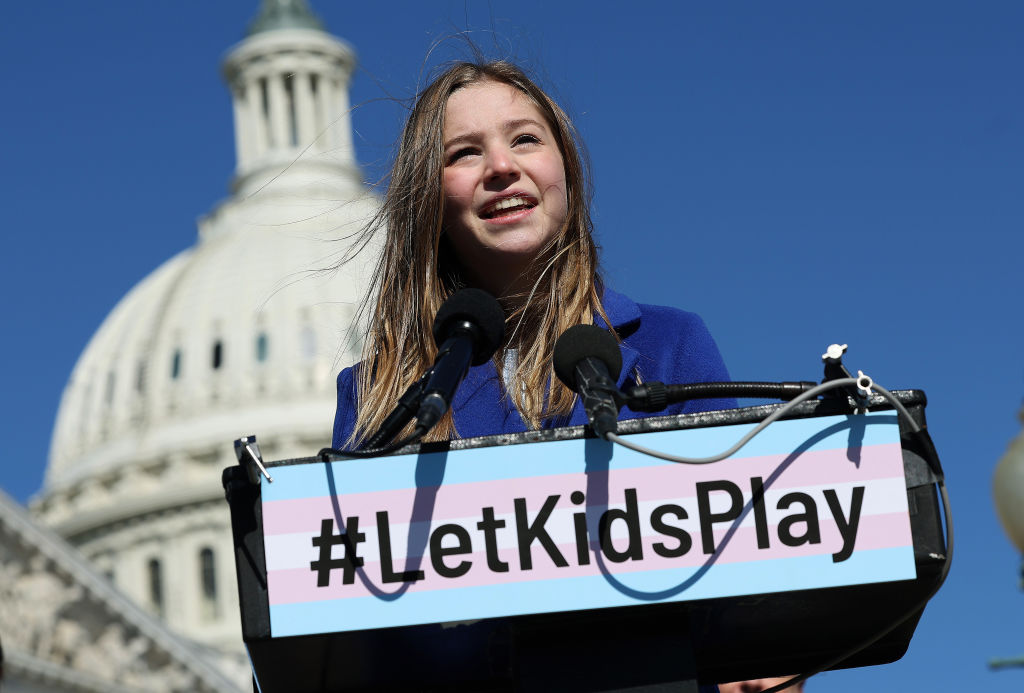
Transgender Participation in Sports Faces New Challenges as House Passes Protection of Women and Girls Act

The House of Representatives has passed a bill, with a vote of 218 to 206, to ban trans women from competing in women’s sports nationwide. The bill, called the Protection of Women and Girls in Sports Act, was sponsored by Republican Representative Greg Steube of Florida. It received nearly unanimous Republican support, with two Texas Democrats, Henry Cuellar and Vicente Gonzalez, voting in favor. The legislation builds on state-level efforts to restrict transgender participation in sports aligned with their gender identity and has a higher likelihood of advancing this session due to the Republican majority in both chambers of Congress.

The proposed legislation marks a significant push by Republicans to address what they frame as a culture war issue. It prohibits institutions receiving federal funds from allowing individuals assigned male at birth to compete on women’s teams, defining sex strictly based on reproductive biology at birth. However, the bill does not explain how institutions would enforce such a requirement. It also notably does not prevent trans men from participating in men’s sports. This legislative focus reflects broader Republican efforts to limit transgender rights, with this bill being one of the first priorities in the new Congress.

Transgender Participation in Sports Faces New Challenges as House Passes Protection of Women and Girls Act

Proponents of the bill argue it protects opportunities for cisgender female athletes and ensures fair competition. They claim trans women could pose a safety risk or disadvantage cisgender athletes due to perceived physical advantages. Supporters, including some female athletes like Riley Gaines, also highlight concerns about losing scholarships and sharing facilities with trans women. Despite these claims, limited research has yet to conclusively demonstrate that trans women retain significant athletic advantages over cisgender women.

Opposition from Democrats and LGBTQ+ advocates centers on the idea that this legislation marginalizes transgender individuals. They argue that sports participation improves mental health and outcomes for all youth, and trans women should have the chance to play on teams that align with their gender identity. Critics of the bill also view it as part of a broader Republican strategy to curtail transgender rights and fuel divisive cultural debates. The Biden administration previously opposed similar efforts, seeking to amend Title IX to protect transgender students’ rights, though it recently withdrew a specific proposal on the issue.

The legislation highlights deepening divides over gender identity and sports, with its passage in the House drawing strong reactions from both sides. Republicans, like Representative Tim Walberg, assert that allowing trans women to compete undermines fairness and opportunities for cisgender women. In contrast, LGBTQ+ advocates emphasize inclusion and equality as foundational principles. Whether the bill progresses further will depend on its reception in the Senate and potential challenges from advocacy groups and the Biden administration.

Categories
FEATURED

8 Athlete Protests That Shaped History and Redefined the Role of Sports in Activism

Athletes have long used their platforms to address societal issues, blending sports and activism into a powerful force for change. Colin Kaepernick’s 2016 protest against racial inequality and police brutality is one of the most recent and polarizing examples. However, this form of resistance is deeply rooted in history. From boycotts to public demonstrations, these acts of defiance have often come with significant personal and professional sacrifices. This summary revisits key moments in athlete protests, reshuffled to shed light on the varied contexts and impacts of their actions.

1. 1968: Tommie Smith and John Carlos at the Olympics

At the 1968 Mexico City Olympics, Tommie Smith and John Carlos staged one of the most iconic protests in sports history by raising black-gloved fists on the medal podium during the national anthem. Their act of solidarity with the Black Power movement cost them their Olympic careers, as they were expelled from the Games and faced media vilification. Supported by silver medalist Peter Norman, the protest drew attention to racial injustice globally and remains a defining symbol of human rights advocacy.

1968 Tommie Smith and John Carlos at the Olympics

2. 1970: Billie Jean King’s Fight for Pay Equity

Tennis legend Billie Jean King became a trailblazer for gender equality in sports when she boycotted a 1970 tournament over unequal prize money. Organizing a rival women’s tennis tour, King’s activism pressured organizers to offer better payouts, culminating in equal prize money at the U.S. Open in 1973. Her leadership reshaped women’s tennis, established the Women’s Tennis Association, and proved that athletes could successfully challenge systemic inequities within their sports.

1970: Billie Jean King’s Fight for Pay Equity

3. 1965: AFL All-Stars Relocate Their Game

In 1965, Black players selected for the AFL All-Star Game refused to play in New Orleans due to widespread racial discrimination. Taxis wouldn’t pick them up, and nightclubs denied them entry. Their protest led to the game’s relocation to Houston, supported by AFL Commissioner Joe Foss. The boycott accelerated desegregation in New Orleans, as business owners realized the economic consequences of segregation. The incident underscored the power of collective action in achieving social change.

1965 AFL All-Stars Relocate Their Game

4. 1961: Bill Russell and the Celtics Boycott

When Bill Russell and four Black teammates on the Boston Celtics were refused service at a Kentucky restaurant in 1961, they decided to boycott a planned exhibition game. Russell’s stand underscored the ongoing fight for civil rights. While the team faced criticism, Celtics owner Walter Brown vowed not to schedule games in the South again, demonstrating support for his players. Russell’s activism solidified his legacy as a civil rights advocate and one of the NBA’s greatest icons.

1961: Bill Russell and the Celtics Boycott

5. 1969: Wyoming’s Black 14 Ban

In 1969, 14 Black football players at the University of Wyoming were dismissed from the team for planning to protest alleged racial discrimination by Brigham Young University. Their dismissal sparked solidarity from other athletes and widespread backlash. The university issued a formal apology decades later, but the incident highlighted the systemic challenges Black athletes faced and the risks of activism in collegiate sports. This protest remains a symbol of resistance against institutional racism.

1969: Wyoming’s Black 14 Ban

6. 1995: Mahmoud Abdul-Rauf’s Anthem Protest

In the 1995-96 NBA season, Mahmoud Abdul-Rauf refused to stand for the national anthem, citing his Muslim faith and opposition to the flag as a symbol of oppression. His one-game suspension led to a compromise allowing him to pray during the anthem, but his stance effectively ended his career. Abdul-Rauf’s protest underscored the personal costs athletes often bear for challenging deeply ingrained societal norms through their platforms.

1995: Mahmoud Abdul-Rauf’s Anthem Protest

7. 1970: Syracuse Nine Boycott Season

In 1970, nine Black football players at Syracuse University protested racial inequality by boycotting the season. They called out the lack of Black coaching staff and unequal access to resources. Despite backlash from teammates and fans, their protest drew national attention to institutional racism in college sports. The players ultimately graduated, but their careers were sacrificed in the name of justice, highlighting the sacrifices activists often make for systemic change.

1970: Syracuse Nine Boycott Season

8. 1967: Muhammad Ali Refuses the Draft

Muhammad Ali’s refusal to be drafted into the Vietnam War in 1967 was a profound act of resistance. Citing religious beliefs and ethical objections, Ali was stripped of his heavyweight title and banned from boxing. Despite public scorn and a five-year prison sentence (later overturned), he remained steadfast in his convictions. Ali’s protest not only solidified his reputation as an activist but also challenged America’s role in the Vietnam War, reshaping his legacy as a global icon for justice.

1967: Muhammad Ali Refuses the Draft

These historical protests illustrate the powerful intersection of sports and activism. Whether fighting for racial equality, gender pay equity, or broader human rights, these athletes exemplified courage in the face of adversity. Their sacrifices and actions ignited conversations that transcended sports, inspiring future generations to continue advocating for justice. While the contexts and causes vary, these protests collectively highlight the enduring power of athletes to effect meaningful change on and off the field.

Categories
FEATURED

7 Athletes Who Battled Substance Abuse and Overcame Challenges in Their Careers

The Olympics are held every four years, serving as a global stage for athletes to display their skills and compete for top honors. These events bring immense public attention, where athletes are scrutinized for their performances and personal lives. While some become icons for their victories, others face challenges that affect their careers, such as struggles with substance abuse. From drugs to alcohol, many athletes grapple with addiction, impacting both their professional achievements and personal well-being. This article explores the experiences of athletes who have dealt with substance abuse, shedding light on the impact it has had on their lives.

Substance abuse is a frequent topic of discussion as major sporting events approach. The pressure to perform at the highest level can lead athletes to experiment with various substances, from alcohol to performance enhancers. A well-known example is Sha’Carri Richardson, who faced disqualification from the 2021 Olympics after testing positive for marijuana. This incident demonstrates how substance use can disrupt an athlete’s career, with the media often focusing on the negative consequences. Behind these publicized cases lies the mental health strain that athletes endure, which may drive them to use substances as a form of coping.

1. John Daly: A Career Shaped by Alcohol and Gambling

John Daly, a professional golfer, is no stranger to substance abuse, particularly alcohol and gambling. His turbulent career was marked by frequent drinking, which started before many of his matches. Daly believed that drinking helped him win, although he refrained from drinking while actually competing. He struggled with his addictions throughout his career, entering rehab several times. Despite these efforts, Daly’s alcoholism remained a prominent part of his public image. His chaotic lifestyle, including gambling losses and public intoxication, highlights how addiction can overshadow athletic talent and personal life.

John Daly
John Daly

2. Paul Merson: Battling Alcohol and Gambling Addiction

Paul Merson, a former footballer from England, has been open about his struggles with alcohol and gambling. His addictions were worsened by depression, leading to a public admission in 1994 that he was battling alcohol, cocaine, and gambling dependencies. Merson sought help through rehabilitation and has since become an advocate for addiction recovery. His career was impacted by his issues, including a drunk-driving arrest and a car accident. Merson’s willingness to discuss his struggles has helped raise awareness about addiction’s impact on athletes, showing that recovery is possible despite the challenges.

Paul Merson
Paul Merson

3. Lawrence Taylor: Cocaine Addiction and Its Consequences

Lawrence Taylor, an NFL legend, was known for his ferocious playing style and success on the field. However, his career was plagued by cocaine addiction, which began early in his professional journey. After trying the drug in 1981, Taylor’s use escalated, leading to multiple failed drug tests. His substance abuse impacted his performance and personal life, leading to several rehab attempts. Despite his success, Taylor’s addiction persisted well after his playing days. His story underscores the difficulty athletes face when trying to overcome addiction, even with significant career achievements.

Lawrence Taylor
Lawrence Taylor

4. Mickey Mantle: Alcohol Addiction and Its Consequences

Mickey Mantle, a legendary baseball player, spent much of his career with the New York Yankees. Despite his athletic success, Mantle struggled with alcohol addiction for much of his life. He did not seek treatment until later in his life, by which time the damage had already been done. Mantle was diagnosed with liver cancer, cirrhosis, and hepatitis caused by years of drinking. He died in 1995, just months after undergoing a liver transplant. His struggles with addiction were shared by his sons, who also battled alcohol-related issues, making Mantle’s story a tragic example of the long-term consequences of substance abuse.

Mickey Mantle
Mickey Mantle

5. Steve Howe: A Life Defined by Substance Abuse

Steve Howe, a former MLB pitcher, had a career tainted by substance abuse. Howe faced multiple suspensions for drug-related offenses, including testing positive for cocaine on several occasions. He entered rehab multiple times, but his struggles persisted throughout his life. His addiction ultimately led to his tragic death in 2006, when he overdosed on methamphetamine. Howe’s life demonstrates the persistent nature of addiction, even for professional athletes who receive treatment. His death serves as a grim reminder of how addiction can take a devastating toll, both on careers and personal lives.

Steve Howe
Steve Howe

6. Michael Phelps: Struggling and Overcoming Addiction

Michael Phelps, the most decorated Olympian in history, with 23 gold medals, has had his own battles off the poolside. Despite his incredible achievements, Phelps faced scrutiny after a photograph surfaced showing him smoking marijuana in 2009. This resulted in the loss of his sponsorships and a three-month suspension. In addition, Phelps had issues with alcohol, which led to arrests and rehab admissions. He later explained that his substance use stemmed from depression. Through years of therapy and sobriety, Phelps has worked to overcome his struggles, illustrating how addiction can affect even the most successful athletes.

Michael Phelps
Michael Phelps

7. CC Sabathia: Sobriety After Years of Alcohol Abuse

CC Sabathia, a former MLB pitcher, struggled with alcohol abuse throughout much of his career. Although he was an accomplished player with numerous accolades, including a Cy Young Award and World Series victory, his drinking habits began to affect his professional life. In 2015, Sabathia checked into rehab after realizing that alcohol was interfering with his career. Since becoming sober, Sabathia has made significant strides in his health, including losing 60 pounds. His successful recovery shows that athletes can turn their lives around, even after years of substance abuse.

CC Sabathia
CC Sabathia

Athletes often face pressures that lead to substance abuse, much like non-athletes. Mental health struggles, such as depression or anxiety, are common triggers for substance use. The physical toll of intense training, combined with the stress of competition, can push athletes to seek relief through alcohol or drugs. These substances may initially seem like a way to cope with pain or stress, but over time, they can lead to addiction, which harms both the mind and body. Athletes may struggle with addiction due to the same emotional and psychological factors that affect others, underscoring the need for proper support.

The stories of athletes like Michael Phelps, John Daly, and Lawrence Taylor illustrate how substance abuse can impact even the most successful careers. Addiction does not discriminate, and even the brightest stars are not immune to its effects. While some athletes have managed to overcome their struggles and find recovery, others continue to face the lasting consequences of addiction. The importance of mental health support and rehabilitation cannot be overstated, as athletes need assistance not only with their physical training but also with managing the psychological pressures that often lead to substance abuse. Their experiences highlight the need for greater awareness and help for those facing similar challenges.

Categories
FEATURED

Top 10 Highest-Paid Athletes of 2024 Reveal Record Earnings and Transformations in Professional Sports

In mid-2022, Jon Rahm stood as a vocal supporter of the PGA Tour, contrasting sharply with the emerging appeal of LIV Golf. At the U.S. Open, he publicly expressed his disdain for choosing money over legacy, stating that even a $400 million offer wouldn’t sway his commitment. Rahm highlighted his love for golf, his desire to compete against the world’s best, and the historical significance of the PGA Tour as key factors driving his loyalty.

Fast-forward two years, and Rahm’s tune had drastically changed. By December 2024, the golf world was buzzing as Rahm donned a LIV-branded jacket on Fox News, confirming his departure from the PGA Tour. Reports of a $350 million contract, with $175 million upfront, underscored the financial allure that ultimately drew Rahm to LIV Golf. This move not only made him a marquee signing for LIV but also propelled him to second place on Forbes’ 2024 list of the highest-paid athletes.

Rahm’s move reflects the significant shifts that LIV Golf has brought to professional sports. With the backing of Saudi Arabia’s $925 billion Public Investment Fund (PIF), LIV has leveraged its immense financial resources to attract elite athletes from golf and other sports. From Cristiano Ronaldo to Neymar and Karim Benzema, PIF’s influence stretches across various leagues, highlighting Saudi Arabia’s strategic effort to establish a dominant presence in the global sports world.

At the same time, broader trends in sports economics have fueled record-breaking athlete earnings. Exploding media rights deals and lucrative endorsement opportunities have created unprecedented wealth. Athletes like LeBron James, Giannis Antetokounmpo, and Stephen Curry have turned their stardom into multimillion-dollar paydays, with LeBron alone earning $80 million from off-court ventures. Collectively, the world’s ten highest-paid athletes earned $1.38 billion in 2024, the most ever.

This financial surge is evident across sports. In the NFL, Lamar Jackson signed a $260 million contract in May, momentarily holding the title of the league’s richest deal before it was surpassed. Whether through Saudi-backed investments or traditional revenue streams, elite athletes are entering a golden age of wealth, reshaping the economics of professional sports in ways previously unimaginable.

Top 10 Highest-Paid Athletes of 2024

1. Cristiano Ronaldo

Cristiano Ronaldo tops the list with an astonishing $260 million in earnings, setting a new benchmark for soccer players. His on-field earnings amount to $200 million, stemming from his lucrative contract with Saudi Arabia’s Al Nassr. His impact on the Saudi Pro League is monumental, leading with 33 goals and clinching multiple Player of the Month honors. Off the field, Ronaldo’s global brand value remains unmatched. With 629 million Instagram followers, he promotes brands like Binance, Nike, and Herbalife. Additionally, he is owed $10.5 million by Juventus from unpaid wages during the pandemic, further adding to his total income.

Jon Rahm
Jon Rahm

2. Jon Rahm

Jon Rahm’s $218 million earnings make him the second-highest-paid athlete, largely due to his move to LIV Golf. While his $350 million signing bonus grabbed headlines, he’s also earned $6.6 million from tournament performances in 2024 alone. Rahm’s captaincy of Legion XIII, which includes a 25% equity stake, bolsters his financial standing. Though he’s yet to win a LIV event, his decision to join the Saudi-backed league underscores the growing financial opportunities in golf. Rahm’s strategic choices place him among the sport’s highest earners, proving his influence extends beyond the course.

Lionel Messi
Lionel Messi

3. Lionel Messi

Lionel Messi has redefined Major League Soccer (MLS) with his $135 million earnings. Splitting his income between $65 million on-field and $70 million off-field, Messi’s transfer to Inter Miami sparked transformative changes. The club’s value surged to $1.03 billion, with revenues expected to exceed $200 million this year. Messi’s 10 goals in nine matches and record-setting assists have solidified his reputation as a game-changer. Off the field, Messi’s partnerships with Adidas, Apple, and Konami, along with plans to launch a sports drink, exemplify his unparalleled marketability and global appeal.

LeBron James
LeBron James

4. LeBron James

LeBron James continues to dominate with $128.2 million in earnings, including $80 million from endorsements. Despite another challenging season with the Lakers, James remains a powerhouse. His future plans include playing alongside his son, Bronny, and competing in the 2024 Paris Olympics. Off the court, James expanded his portfolio with a DraftKings partnership and investments in PGA Tour Enterprises. As he approaches the twilight of his NBA career, James’ ventures into entertainment and business ensure his continued presence in the spotlight, solidifying his legacy as both an athlete and an entrepreneur.

Giannis Antetokounmpo

5. Giannis Antetokounmpo

Giannis Antetokounmpo’s $111 million earnings highlight his growing influence. Despite a tumultuous season with the Milwaukee Bucks, Giannis’ off-court ventures thrive. He launched a production company, partnered with Pepsi’s Starry soft drink, and is set to release his sixth signature Nike sneaker. His $65 million off-field income underscores his rising star power, even as injuries and a first-round playoff exit marred his season. Giannis’ brand continues to expand, reflecting his enduring appeal as one of basketball’s most marketable players.

Kylian Mbappé
Kylian Mbappé

6. Kylian Mbappé

Kylian Mbappé’s $110 million earnings are a testament to his dual impact on and off the field. With $90 million earned on-field, his impending move to Real Madrid marks the end of PSG’s $1.3 billion super-team experiment. Mbappé’s production company, partnerships with the NBA, and endorsements with Nike and Hublot illustrate his multifaceted career. Despite PSG’s failure to clinch a Champions League title, Mbappé’s influence in soccer and his commercial ventures highlight his status as a global superstar, poised for continued success with his next career move.

Neymar
Neymar

7. Neymar

Neymar’s $108 million earnings come from a mix of on-field dominance and off-field ventures. His $80 million salary with Al Hilal includes extravagant perks like a private jet and a luxury mansion. However, an ACL injury sidelined him for much of the season. Despite this setback, Neymar expanded his endorsement portfolio with deals including Skims and Puma. He also launched a cocktail brand, showcasing his entrepreneurial spirit. Neymar’s ability to maintain financial success amid challenges underscores his global appeal and versatility as a brand ambassador.

Karim Benzema
Karim Benzema

8. Karim Benzema

Karim Benzema earned $106 million, driven primarily by his $100 million salary at Al Ittihad. His move from Real Madrid was influenced by personal and religious motivations, offering a rare glimpse into his values. While injuries plagued his first season in Saudi Arabia, Benzema’s legacy as a Ballon d’Or winner remains intact. His decision to join the Saudi Pro League reflects a growing trend among elite athletes seeking lucrative opportunities in emerging sports markets, ensuring his continued relevance both financially and culturally.

Stephen Curry
Stephen Curry

9. Stephen Curry

Stephen Curry’s $102 million earnings reflect his sustained excellence on and off the basketball court. Leading the NBA in three-pointers and earning a spot on Team USA’s Olympic roster, Curry’s on-field performance remains elite. Off the court, his lifetime deal with Under Armour and expansion of the Curry Brand highlight his entrepreneurial acumen. Curry’s ventures into entertainment, including a mockumentary series with Peacock, showcase his versatility. As his career progresses, Curry’s influence extends beyond basketball, cementing his status as a cultural icon and business mogul.

Lamar Jackson
Lamar Jackson

10. Lamar Jackson

Lamar Jackson rounds out the top ten with $100.5 million in earnings, thanks to his historic $72.5 million signing bonus with the Baltimore Ravens. Acting as his own agent, Jackson secured a landmark contract while leading the Ravens to a successful season and earning his second NFL MVP award. Off the field, Jackson’s ventures include endorsements with Oakley and StatusPro, as well as ownership of businesses like a soul food restaurant and a clothing line. Jackson’s dual success in football and business exemplifies his savvy approach to maximizing opportunities.

Categories
FEATURED

Are Sports Extracurricular Activities?

In the academic spectrum, the term extracurricular is often used to describe any activity that takes place outside the classroom. These activities are an essential complement to academics as it helps in the development of a student.

One significant extracurricular activity is sports. From being used as a means to keep students active and fit to being seen as a career prospect, sports have become an integral part of academic institutions worldwide.

But are sports really extracurricular? Should sports be seen as an equivalent to academics rather than a compliment?

How do academic institutions perceive sports?

Although there are various sports colleges and schools around the world, in many parts of the world, sports are still perceived as a side activity that could act as a distraction for students from their academic prowess.

In today’s world, majority of the academic institutions can be seen conducting seminars or demonstrations on the importance of exercise, but these same institutions don’t provide their students with the right facilities for the same. Hypocrisy?

What are the benefits of sports?

For one, sports teach us a lot of things that cannot be taught in the classroom with traditional teaching methods being applied. Things such as discipline, teamwork, loss, and, most importantly, focus.

The body of a teenager, as we all know, goes through a lot of changes, some of which may prove to be overwhelming for the person in question. Sports allow room for teens to manage those emotions in a healthy manner.

While students may be stressed in the classroom with upcoming deadlines or getting good grades, sports allow them to disconnect from the world and just focus on the present for some time.

Sport
Sport (Credit: Soccer Wire)

Skills such as leadership skills, patience, perseverance, and social skills are also inculcated into those who regularly indulge in sports.

Naturally, sport also has physiological benefits. It is proven that those who regularly keep themselves busy with sports live longer.

Do athletes make better students?

The thought of balancing a sporting career while also trying to do well academically can be strenuous for a few students. But research suggests that those who do both provide themselves with the means of relieving stress more efficiently than those who only focus on one of the aspects.

Some studies also found that students who involve themselves in sports have lower levels of depression, self-derogation, truancy (bunking), and misbehavior while having higher self-esteem, greater aspirations, and better grades.

All the studies conducted on this topic suggest only one thing: sports and academics goes hand in hand.

Also Read: How many types of sports are there?

Should sports be given the same importance as academics?

Despite the suggestions of evidence, many schools worldwide would still prefer a traditional approach where they don’t give the same importance to sports and studies.

There are a few schools in the States that have understood this data and have started taking steps on how to inculcate sports into the curriculum, which, hopefully, would motivate other schools and colleges to do the same.

Sports and academics are two sides of the same coin. If one is able to succeed in sports, then they automatically gain confidence to start doing well in their academics too.

Sports and academics have been treated as competitive factors for the longest time, but now, that must change.

Also Read: What is the oldest sport in the world?

Categories
FEATURED

Top 10 Athletes That Have Successful Careers in Hollywood

The entertainment industry is full of talented stars and celebrities. Many of them are athletes that have transitioned from playing sports to acting in movies, television shows, and commercials. From Dwayne Johnson to Shaquille O’Neal, these athletes have made a successful leap from the sports world to the entertainment industry. Here are the top 10 athletes that have found success in Hollywood.

1. Dwayne Johnson – The Rock

Dwayne Johnson, also known as “The Rock,” is one of the most recognizable athletes turned actors. He began his career as a professional wrestler in the WWE, where he won numerous championships. After his wrestling career ended, he transitioned to acting and has since starred in many films, such as The Scorpion King, Fast & Furious, Jumanji, and Baywatch.

2. Shaquille O’Neal

Shaquille O’Neal is one of the most successful athletes who made the jump to Hollywood. After retiring from the NBA, he began to focus on his acting career. He has starred in films such as Kazaam, Steel, and Scary Movie 4. He has also had roles in various television shows, including Curb Your Enthusiasm and The Parks and Recreation.

3. Arnold Schwarzenegger

Arnold Schwarzenegger is one of the most iconic athletes that have made the transition to Hollywood. After a successful bodybuilding career, he began to focus on acting. His most notable roles are in The Terminator, Predator, and Total Recall. He has also had roles in many other films and television shows.

4. Ronda Rousey

Ronda Rousey is a former UFC fighter and Olympic judoka. After retiring from MMA, she began to focus on her acting career. She has had roles in films such as Furious 7, Mile 22, and The Expendables 3. She also starred in the television show Blindspot.

5. Conor McGregor

Conor McGregor is a former professional MMA fighter. After retiring from the UFC, he began to focus on his acting career. He has had roles in films such as The King, The Mule, and Takers. He also starred in the television show Game of Thrones.

6. David Beckham

David Beckham is a former professional soccer player. After retiring from the sport, he began to focus on his acting career. He has had roles in films such as Goal!, Bend It Like Beckham, and The Man from U.N.C.L.E. He also starred in the television show The Getaway.

7. Michael Jordan

Michael Jordan is one of the most iconic athletes of all time. After retiring from the NBA, he began to focus on his acting career. He has had roles in films such as Space Jam, He Got Game, and Creed II. He also starred in the television show The Last Dance.

8. Terry Crews

Terry Crews is a former NFL player. After retiring from the sport, he began to focus on his acting career. He has had roles in films such as White Chicks, The Expendables, and Idiocracy. He also starred in the television show Brooklyn Nine-Nine.

9. Oscar De La Hoya

Oscar De La Hoya is a former professional boxer. After retiring from the sport, he began to focus on his acting career. He has had roles in films such as Southpaw, Million Dollar Baby, and The Fighter. He also starred in the television show The Contender.

10. Hulk Hogan

Hulk Hogan is one of the most iconic wrestlers of all time. After retiring from the sport, he began to focus on his acting career. His most notable roles are in films such as Rocky III, No Holds Barred, and Suburban Commando. He also starred in the television show Thunder in Paradise.

These are the top 10 athletes that have found success in Hollywood. From Dwayne Johnson to Oscar De La Hoya, these athletes have made the successful leap from the sports world to the entertainment industry. Their success is an inspiration to anyone that is looking to make the transition from athlete to actor. With hard work, dedication, and the right attitude, anyone can make it in Hollywood.

Categories
Uncategorized

The Top 15 Highest Paid Athletes In The World

The world of professional sports has seen its fair share of stars come and go, but the biggest names in the industry are some of the highest-paid athletes in the world. These athletes have made their mark by performing consistently at the highest level and have been rewarded with huge contracts and endorsements. According to Forbes, the top 15 highest-paid athletes in the world earned a combined total of $1.9 billion in 2020, with the majority of their earnings coming from endorsements.

1. Lionel Messi: The Argentinian soccer star tops the list with a total of $126 million in earnings. He is the second-highest-paid soccer player in the world and has been playing for FC Barcelona since 2004. He has won the FIFA Ballon d’Or six times, an unprecedented achievement that speaks to his greatness.

2. Cristiano Ronaldo: The Portuguese soccer star is the highest-paid soccer player in the world and second on the list, with a total of $117 million in earnings. He has been playing for Juventus since 2018 and has won the Ballon d’Or five times. His success on the field has led to a wealth of endorsement deals.

3. Neymar Jr.: The Brazilian soccer star is third on the list, with a total of $96 million in earnings. He is the most expensive soccer player in history after his transfer from Barcelona to Paris Saint-Germain in 2017. He has been a key player for the French club and has won a number of individual awards.

4. LeBron James: The American basketball star is fourth on the list with a total of $88 million in earnings. He has been playing in the NBA since 2003 and is currently a member of the Los Angeles Lakers. He is a four-time NBA champion and has won the NBA MVP award four times.

5. Roger Federer: The Swiss tennis star is fifth on the list with a total of $85 million in earnings, the highest of any tennis player in the world. He has been a top player on the ATP tour since 1998, winning 20 Grand Slam titles. He is the most successful male tennis player in the Open Era.

6. Stephen Curry: The American basketball star is sixth on the list with a total of $74.4 million in earnings. He has been playing in the NBA since 2009 and is currently a member of the Golden State Warriors. He is a three-time NBA champion and has won the NBA MVP award twice.

7. Kevin Durant: The American basketball star is seventh on the list with a total of $63.9 million in earnings. He is currently a member of the Brooklyn Nets and has been playing in the NBA since 2007. He is a two-time NBA champion and won the NBA MVP award in 2014.

8. Tiger Woods: The American golfer is eighth on the list with a total of $62.3 million in earnings. He is one of the most successful golfers in history and has won 15 major championships. He has been playing professionally since 1996 and is currently the highest-paid golfer in the world.

9. Kirk Cousins: The American football star is ninth on the list with a total of $60.5 million in earnings. He has been playing in the NFL since 2012 and is currently a member of the Minnesota Vikings. He has been selected to two Pro Bowls and is one of the highest-paid quarterbacks in the league.

10. Carson Wentz: The American football star is tenth on the list with a total of $59.1 million in earnings. He has been playing in the NFL since 2016 and is currently a member of the Philadelphia Eagles. Wentz is one of the highest-paid quarterbacks in the league and has been selected to two Pro Bowls.

11. Russell Wilson: The American football star is eleventh on the list with a total of $58.3 million in earnings. He has been playing in the NFL since 2012 and is currently a member of the Seattle Seahawks. He is one of the highest-paid quarterbacks in the league and has been selected to six Pro Bowls.

12. Aaron Rodgers: The American football star is twelfth on the list with a total of $57.5 million in earnings. He has been playing in the NFL since 2005 and is currently a member of the Green Bay Packers. He has been selected to nine Pro Bowls and is one of the highest-paid quarterbacks in the league.

13. James Harden: The American basketball star is thirteenth on the list, with a total of $47.6 million in earnings. He has been playing in the NBA since 2009 and is currently a member of the Brooklyn Nets. He is a six-time NBA All-Star and won the NBA MVP award in 2018.

14. Matthew Stafford: The American football star is fourteenth on the list with a total of $45.8 million in earnings. He has been playing in the NFL since 2009 and is currently a member of the Detroit Lions. Stafford is one of the highest-paid quarterbacks in the league and has been selected to three Pro Bowls.

15. Anthony Davis: The American basketball star is fifteenth on the list with a total of $45.4 million in earnings. He has been playing in the NBA since 2012 and is currently a member of the Los Angeles Lakers. He is a six-time NBA All-Star and won the NBA Defensive Player of the Year award in 2019.

The world of professional sports is filled with stars who have made their mark in the industry and have been rewarded with lucrative deals. These top 15 highest-paid athletes in the world have proven their worth on and off the field, and their success has been reflected in their earnings.

Categories
FEATURED

Commonwealth Games 2022 Facts: Everything You Need To Know Is Here

In exactly a week from now, one of the grand sporting events will commence the Commonwealth Games 2022. Facts are important for everyone to know to keep everyone aware of the correct information. This article deals with the same thing. The time is coming when the entire city will be lit up and celebrating the big occasion. The Commonwealth Games, held every four years, will be held in Birmingham, England, this time. Over the past many years, England has hosted many legendary sporting events. The 2012 London Olympics was one such event, probably the biggest. Thousands of athletes are ready to assemble in the city or in the players’ village. The authorities are making sure that everything is in place and in order.

Over a period of ten days, the athletes will compete against each other. Everything will come down to their four years of hard work and dedication for this event. The Commonwealth Games create star athletes, world-class performers, and sportspeople willing to change the game. Influencing millions of people to take up any sport is the biggest achievement for events of this nature. Another million will be sitting at home and watching their favorite sports and athletes. At the end of the day, all the fight is about those three medals: Bronze, Silver, and Gold.

Also Read: Where To Watch Commonwealth Games 2022: In The US, UK, And Australia

Commonwealth Games 2022 Facts: Athletes 

The most valuable point to consider when we discuss the ‘Commonwealth Games 2022 Facts’ is the athletes. Without them, there would be no event and nobody to vouch for. A total of 72 countries are participating this year, with an estimated total of over 5000 athletes. It was the first time that the games had to be postponed by a day because of other ongoing tournaments. This delay was caused by the UEFA Women’s Euro 2022 and the World Athletic Championship. Anyhow, the athletes are all set to leave their mark on one of the biggest sporting stages.
Commonwealth Games 2022 Facts athletics
Commonwealth Games 2022 Facts

Commonwealth Games 2022 Facts: Events

The Commonwealth Games 2022 Facts states that there will be a total of 283 events in a span of 10 days. Aquatics and diving will have the maximum number of events at 66, followed by athletics at 59. The preparations are in full flow to make sure each and every event goes well. 5000 athletes have never participated in any Commonwealth Games before, so this is the first time we get to see this number. Total events and total athletes need to have a balance, and in this case, it looks just fine.

Total Cost And Venues

These games are going to be the second most expensive in the history of sporting events held in England. Only the London Olympics in 2012 were more expensive than the current ones. The Commonwealth Games 2022 cost £778 million, as compared to £8.8 million for the London Olympics. Only the 2010 Delhi Commonwealth Games cost more, at £8.6 billion. Now coming to the venues, there are a total of 15 venues in the city, covering all the different sports. They have also built a £73 million aquatic center for all the water sports events.
Commonwealth Games 2022 Facts Venues
Commonwealth Games 2022 Facts

Special Mention: Commonwealth Games 2022 Facts

This is specifically for all the volunteers participating in the Commonwealth Games 2022. Close to 13,000 volunteers will be giving their time and energy to ensure the games are fun for everybody