
Los Angeles stands apart from every other esports hub because it combines infrastructure, talent, media reach, and cultural gravity in one place. Professional arenas, creator studios, and organization headquarters coexist within a few miles, creating a constant exchange between competition and entertainment. In 2026, the city is not defined by one game or one era, but by a roster of individuals who collectively shape how esports is played, consumed, and understood on a global scale.
1. Tyson “TenZ” Ngo: From Champion to Cultural Symbol
TenZ’s impact on Los Angeles esports is less about match results and more about legacy. After stepping away from full-time professional play, he became the Sentinels’ most recognizable ambassador.
Working daily from the organization’s LA headquarters, he mentors players, produces content, and represents competitive excellence. His mechanical peak defined early VALORANT history, and his continued presence ensures Los Angeles remains synonymous with elite tactical shooter talent and long-term competitive credibility.
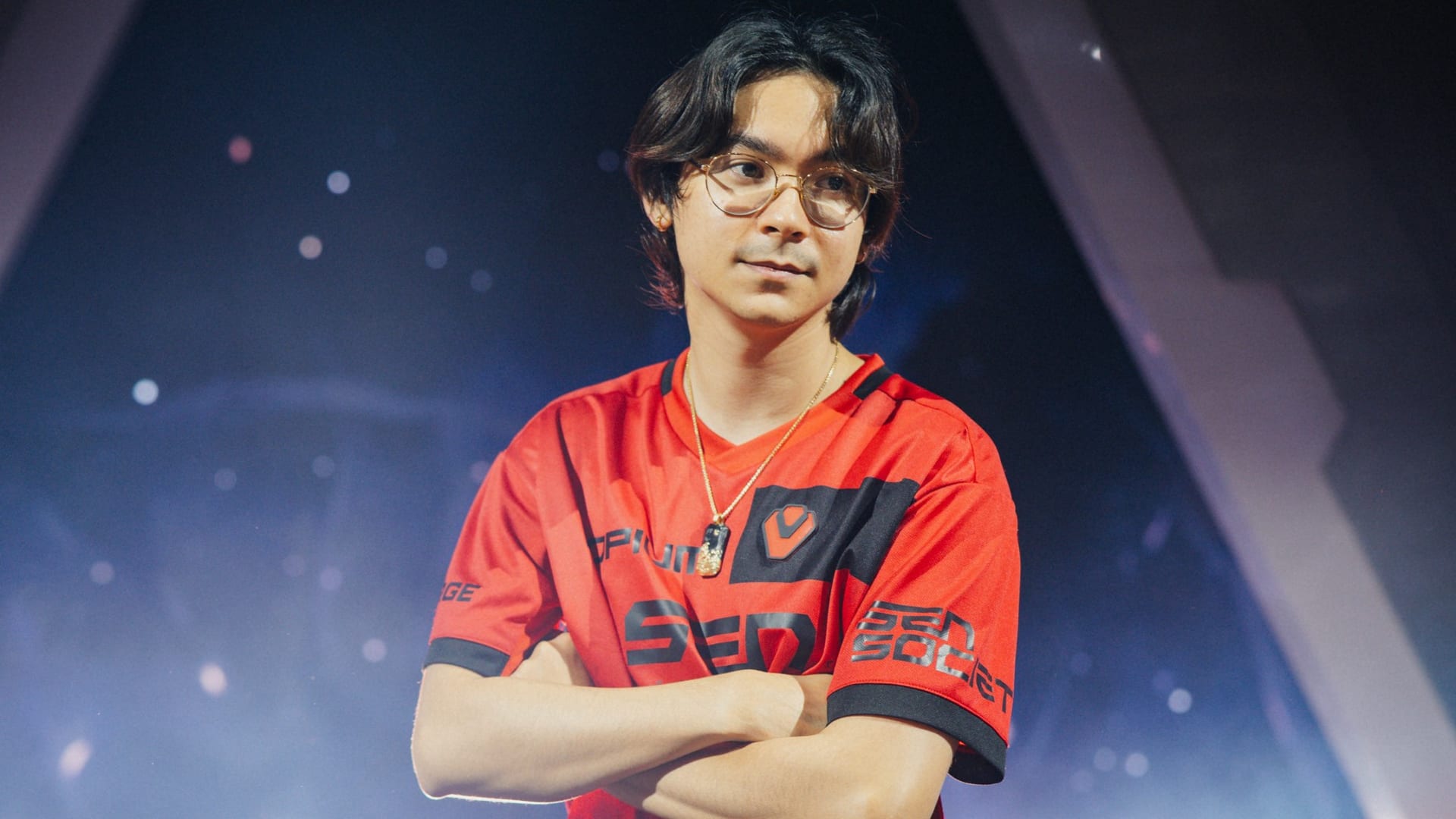 Tyson “TenZ” Ngo
2. Tarik “tarik” Celik: Entertainment as Competitive Infrastructure
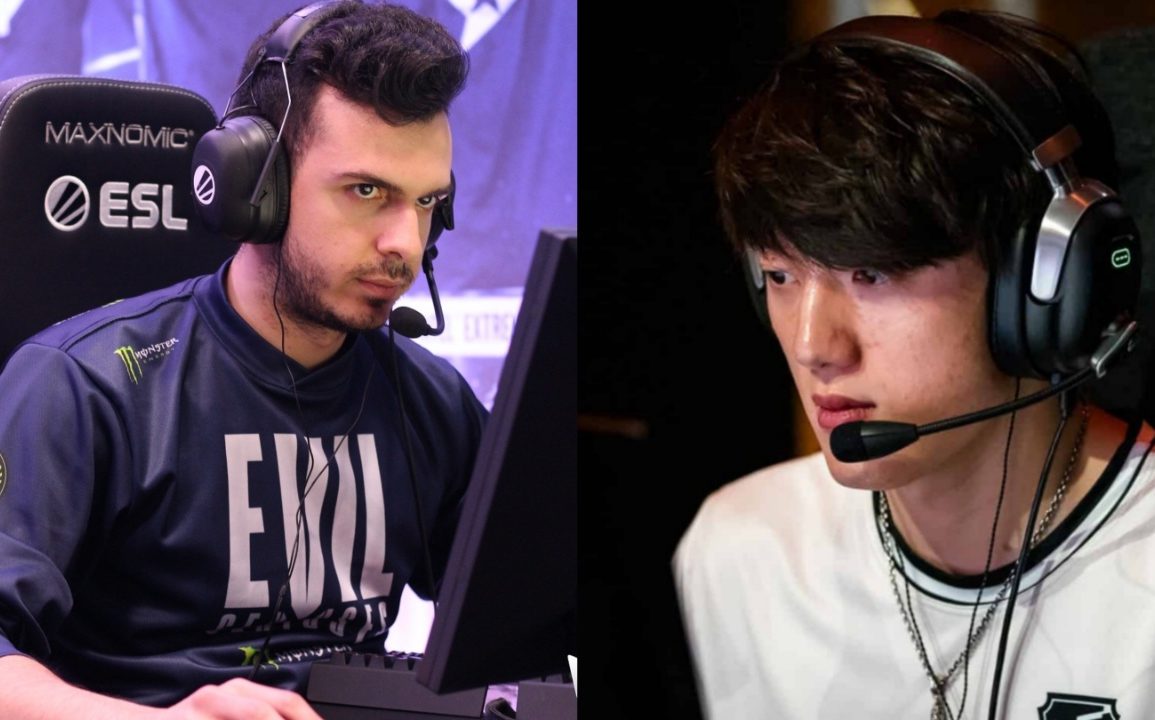
Tarik’s influence can be measured in numbers, but its significance is cultural. Streaming from Los Angeles, he regularly draws audiences that surpass official tournament broadcasts.
His background as a Counter-Strike Major MVP gives his commentary authority, while his personality keeps viewers engaged. Rather than replacing competition, Tarik reframes it, turning professional play into a shared community experience that anchors LA as esports’ most powerful media city.
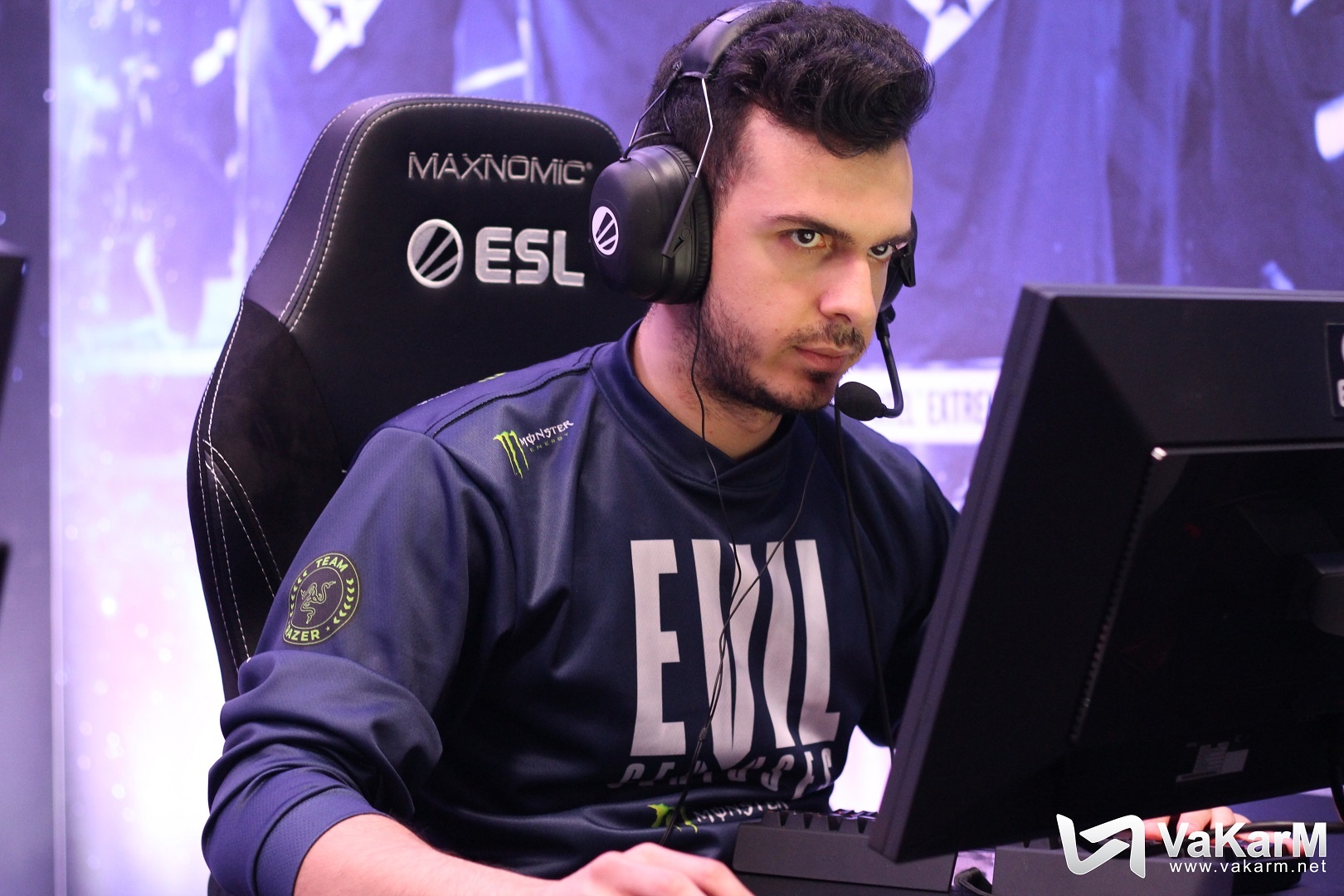 Tarik “tarik” Celik
3. Yiliang “Doublelift” Peng: Experience as an Analytical Weapon
Few players embody institutional knowledge like Doublelift. His career spans every major era of the North American League of Legends, much of it centered in Los Angeles. Today, his role blends competition, streaming, and deep analysis of the LCS.
When matches are played at Riot’s West LA arena, his breakdowns contextualize them historically and strategically, giving fans a clearer understanding of how the league has evolved over time.
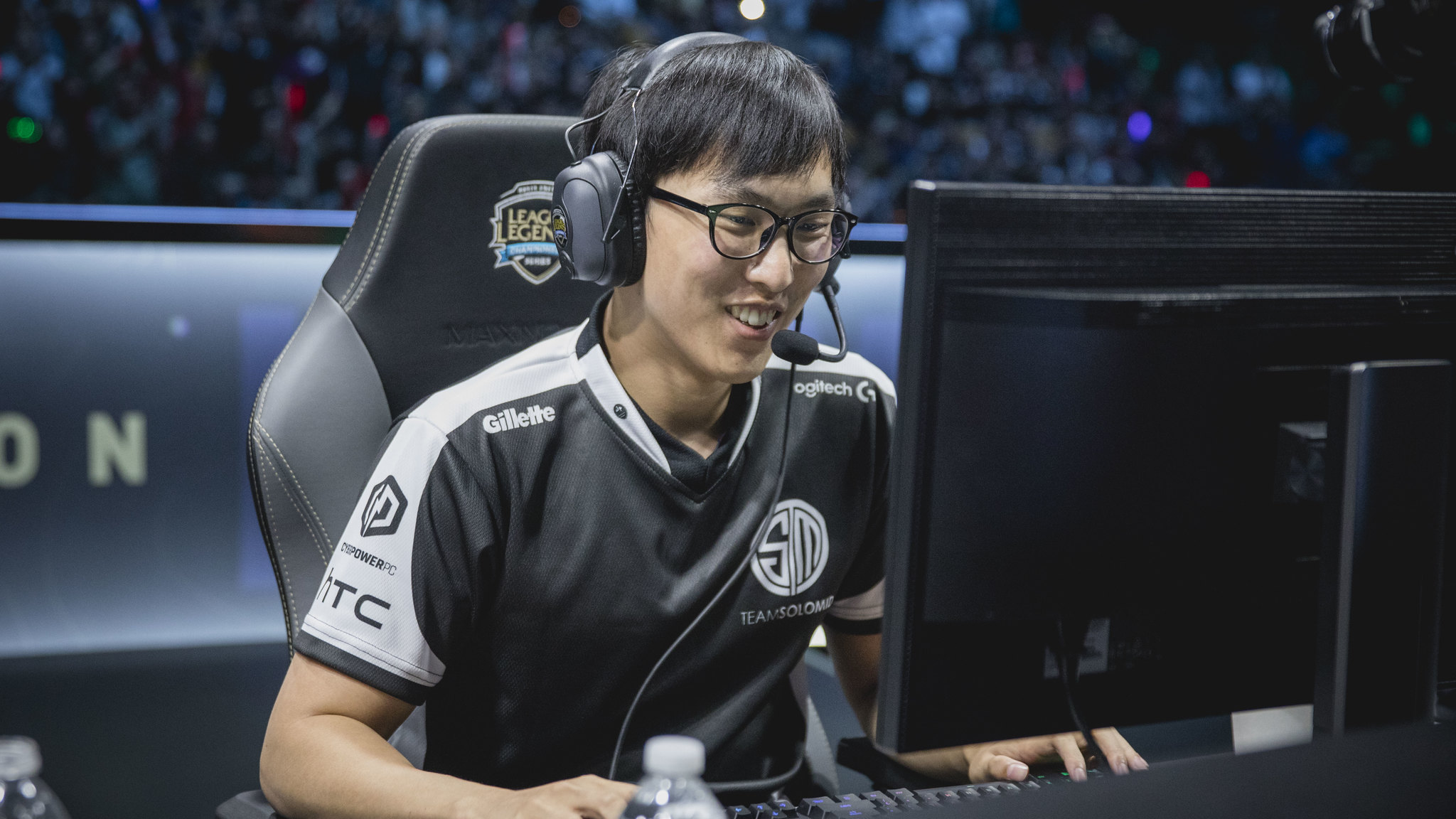 Yiliang “Doublelift” Peng
4. Mouhamed “Johnqt” Ouarid: Leadership Over Flash
Johnqt represents a shift in what defines star power in esports. As Sentinels’ in-game leader, his value lies in decision-making, preparation, and composure rather than highlight clips.
Living in Los Angeles for the VCT Americas League, he guided his team to an international Masters title. His success reinforces LA’s reputation not just for aim-heavy talent, but for producing leaders capable of directing teams on the world stage.
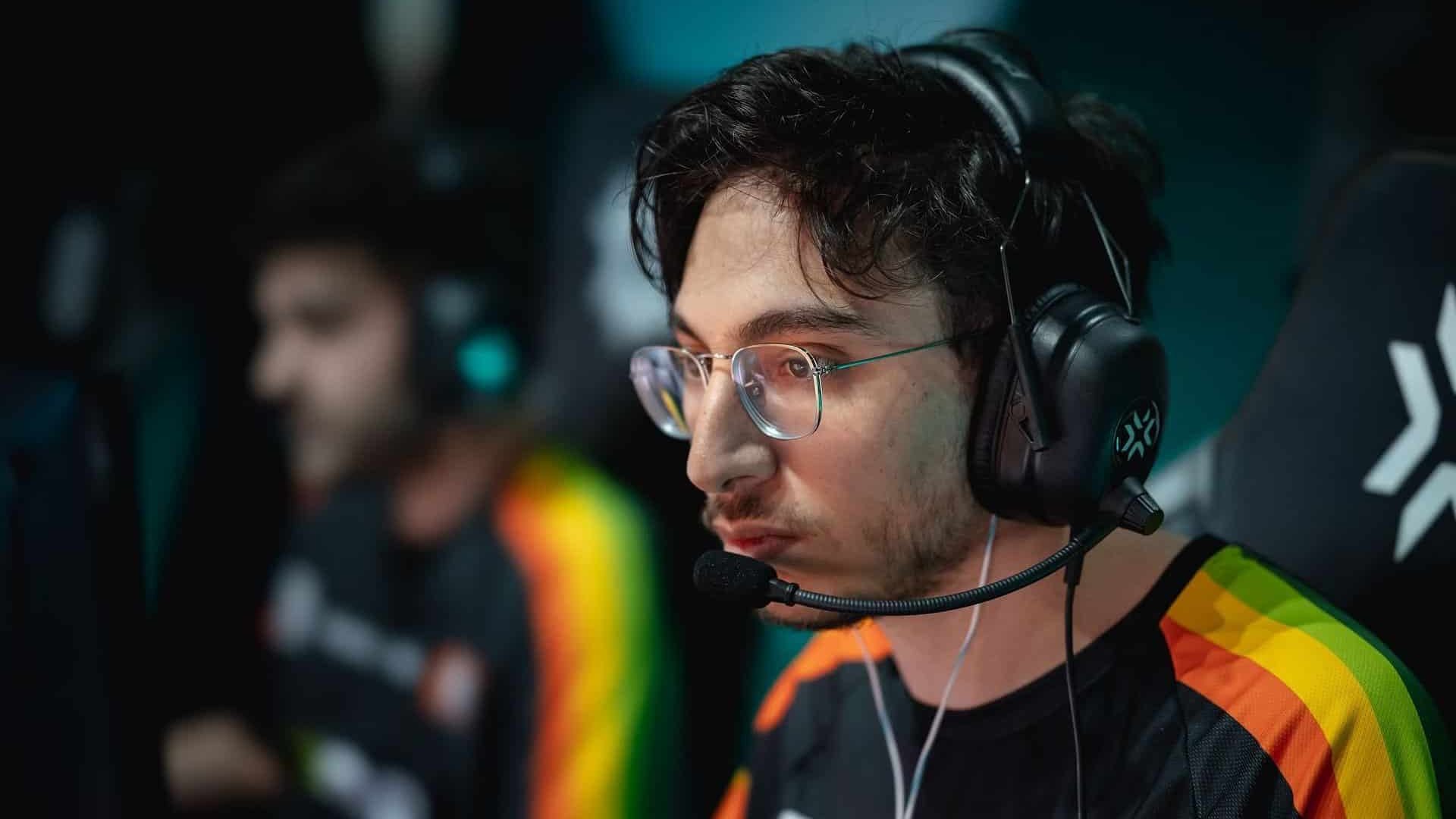 Mouhamed “Johnqt” Ouarid
5. Timothy “iiTzTimmy” An: Versatility as a Career Model
Timothy An’s career resists simple categorization. Based in Los Angeles with 100 Thieves, he competes professionally in both Apex Legends and VALORANT while maintaining elite-ranked status in each. At the same time, he sustains a massive online following.
This combination demonstrates a uniquely LA pathway where competitive relevance, personal branding, and technical mastery develop simultaneously rather than in isolation.
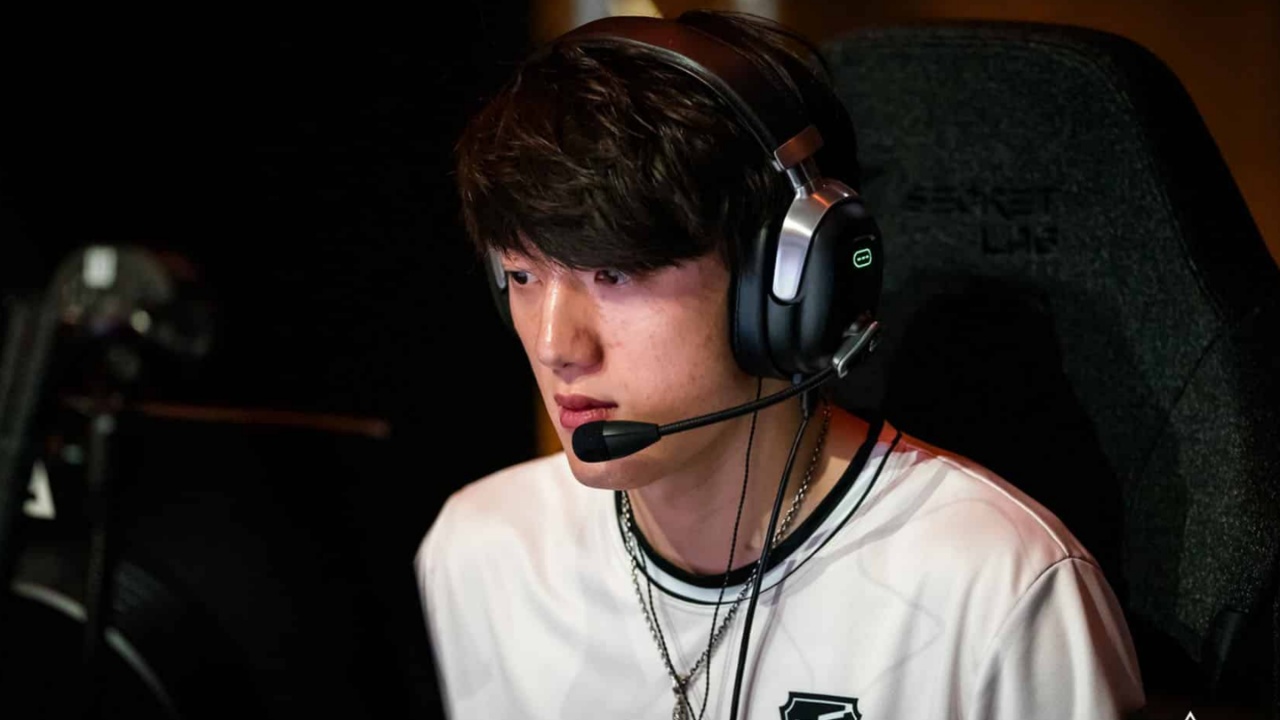 Timothy “iiTzTimmy” An
6. Matthew “Nadeshot” Haag: Competitive Roots, Executive Reach
Nadeshot’s authority comes from lived experience. Before becoming CEO of 100 Thieves, he won championships and medals as a Call of Duty competitor. In 2026, he operates from the Culver City compound that houses teams, creators, and production staff. His leadership connects past and present, ensuring Los Angeles remains a place where former players can transition into executives without losing competitive authenticity.
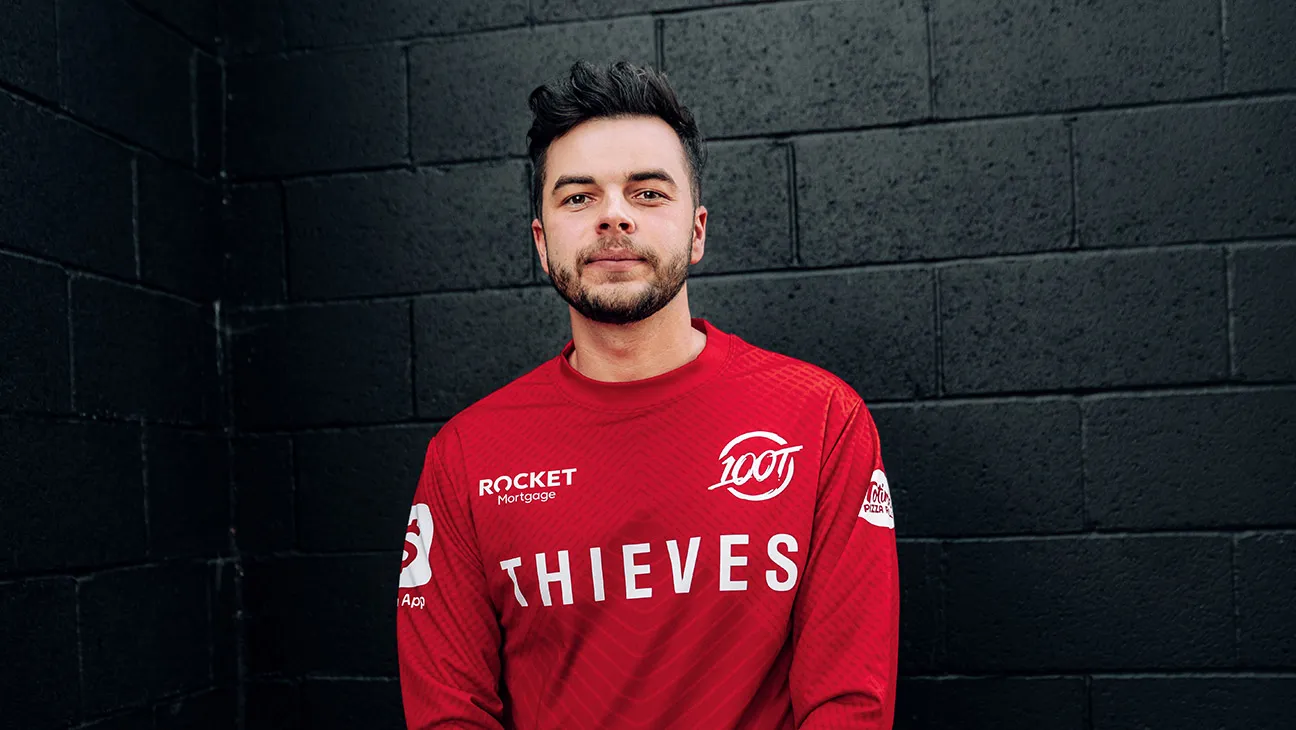 Matthew “Nadeshot” Haag
7. Sean “Bang” Bezerra: Youth, Precision, and Expectation
Bang’s arrival at Sentinels signaled confidence in the next generation of VALORANT professionals. Training and competing in Los Angeles, he brings mechanical consistency and discipline to a roster built for championships. Fans at the Riot Games Arena quickly embraced him, not just for skill, but for reliability under pressure. His rise reflects how LA continues to attract and refine emerging talent at the highest level.
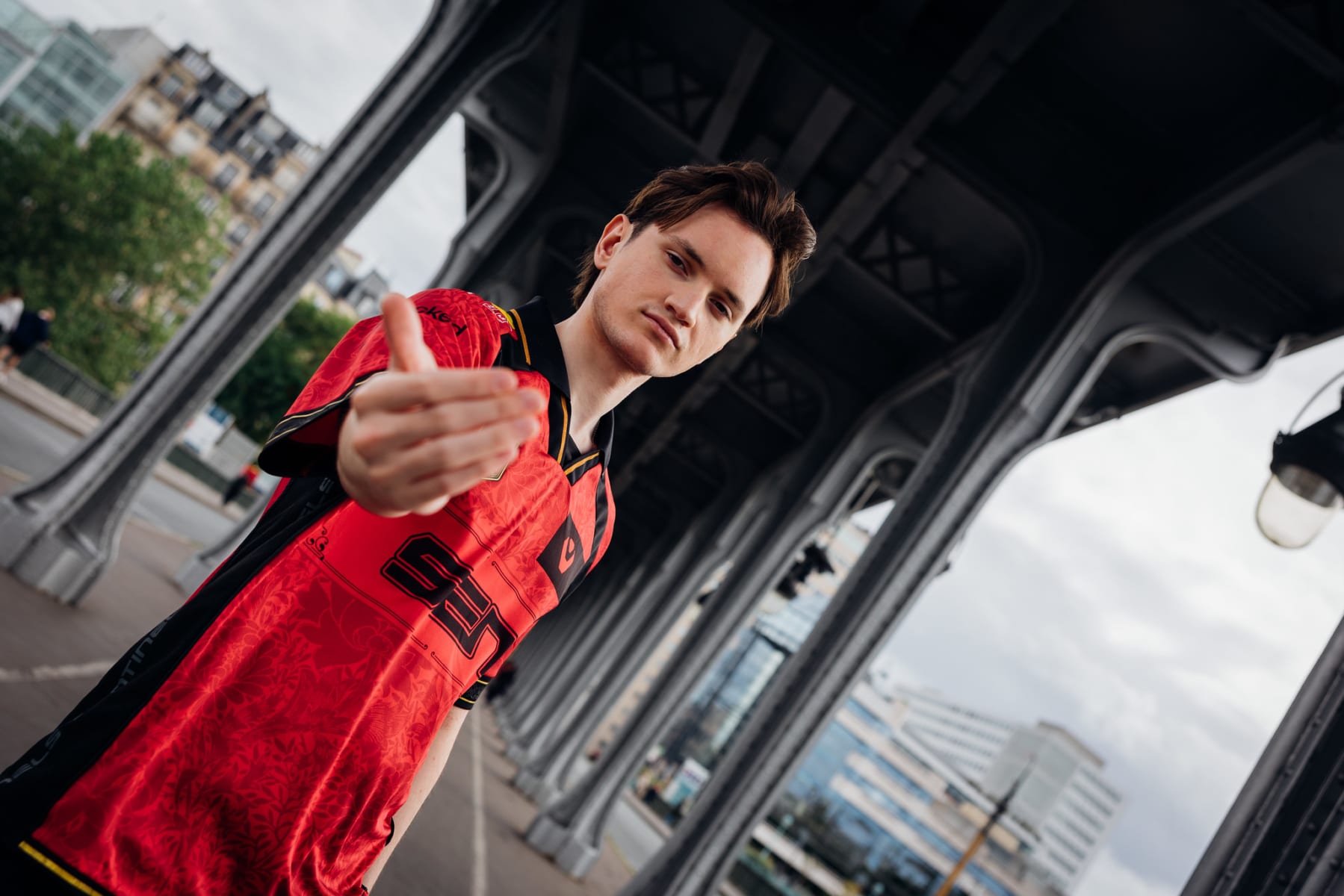 Sean “Bang” Bezerra
8. Leslie “Fuslie” Fu: Community as Competitive Support
Fuslie’s contribution to Los Angeles esports is defined by connection. With roots in competitive League of Legends and a prominent role at 100 Thieves, she bridges professional play, content creation, and community events.
From hosting tournaments to participating in pro-am competitions, she helps normalize broader participation in esports. Her work strengthens LA’s ecosystem by making high-level gaming feel accessible without diminishing its competitive seriousness.
 Leslie “Fuslie” Fu
9. Brandon “Aceu” Winn: Mechanics Without a Team Jersey
Aceu’s reputation was forged in professional Apex Legends and Counter-Strike, but his current influence exists beyond team structures. Living near Los Angeles, he continues to set the standard for movement-based shooter mechanics through content and high-level play.
Aspiring FPS players study his techniques frame by frame. His independence highlights LA’s ability to support elite careers that thrive outside traditional organizational boundaries.
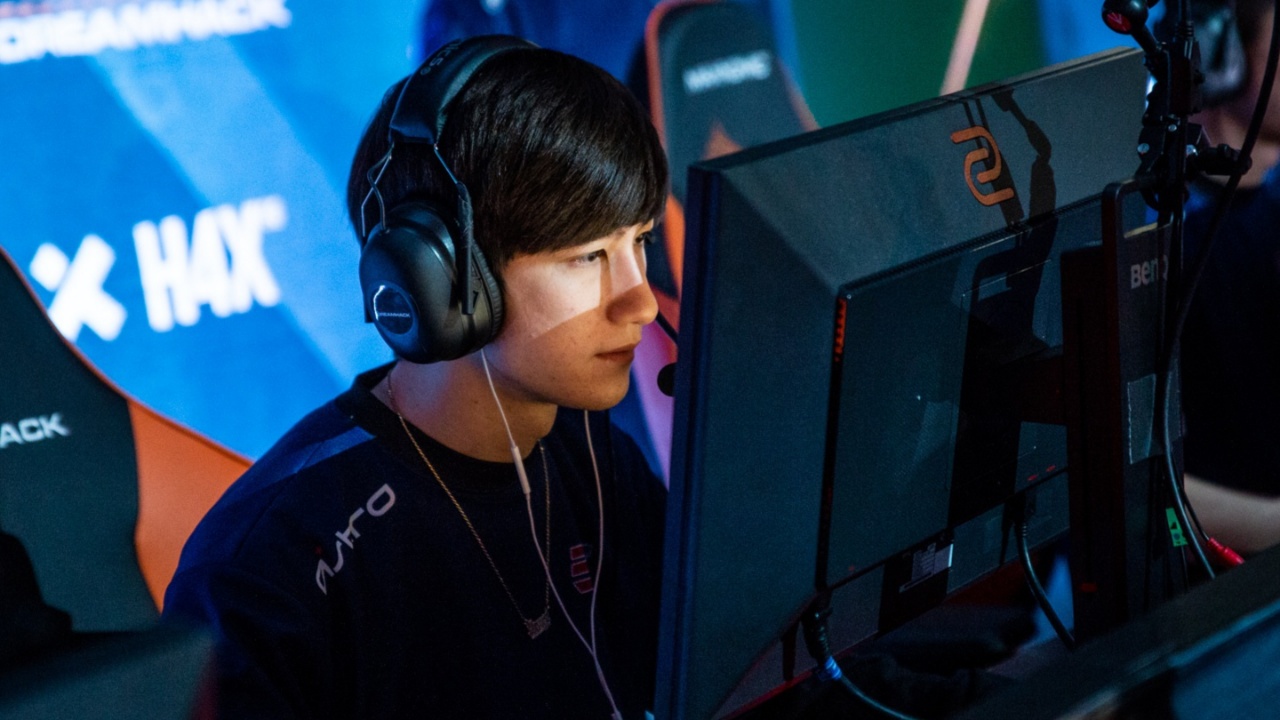 Brandon “Aceu” Winn
10. Kira Sung: Discipline Across Physical and Digital Arenas
Kira Sung represents a different vision of what an esports athlete can be. Based in Los Angeles, she combines professional gaming with martial arts training, bringing physical discipline into digital competition.
Her appearances at international events, including the Asian Games, underscore esports’ growing legitimacy. Los Angeles provides the infrastructure and cultural openness that allow such hybrid careers to develop and gain global recognition.
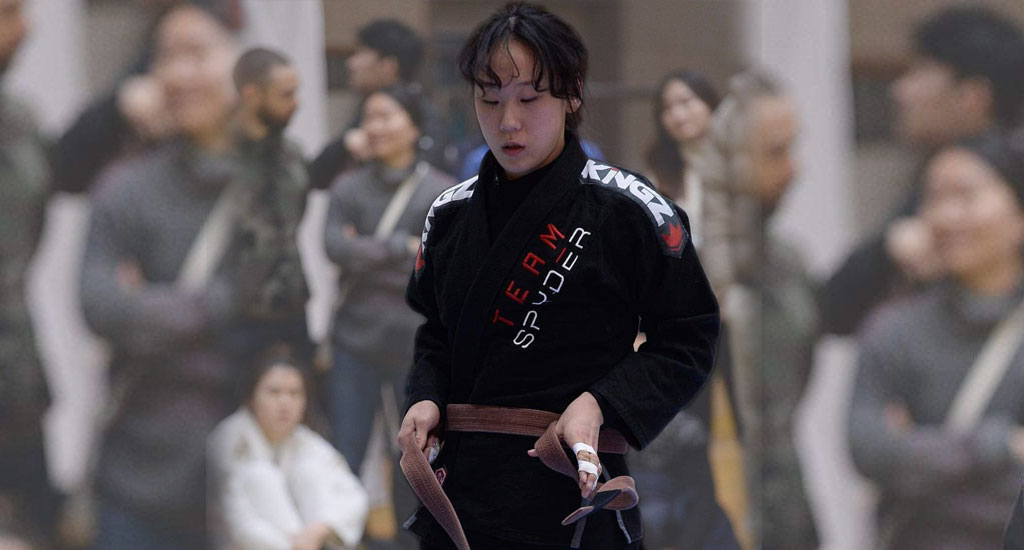 Kira Sung
Taken together, these figures reveal why Los Angeles remains unmatched in esports influence. The city supports champions, strategists, creators, executives, and hybrid athletes within a single ecosystem. Competition feeds content, content feeds culture, and culture sustains relevance. In 2026, LA is not just hosting esports. It is shaping careers, setting standards, and determining how competitive gaming presents itself to the world.