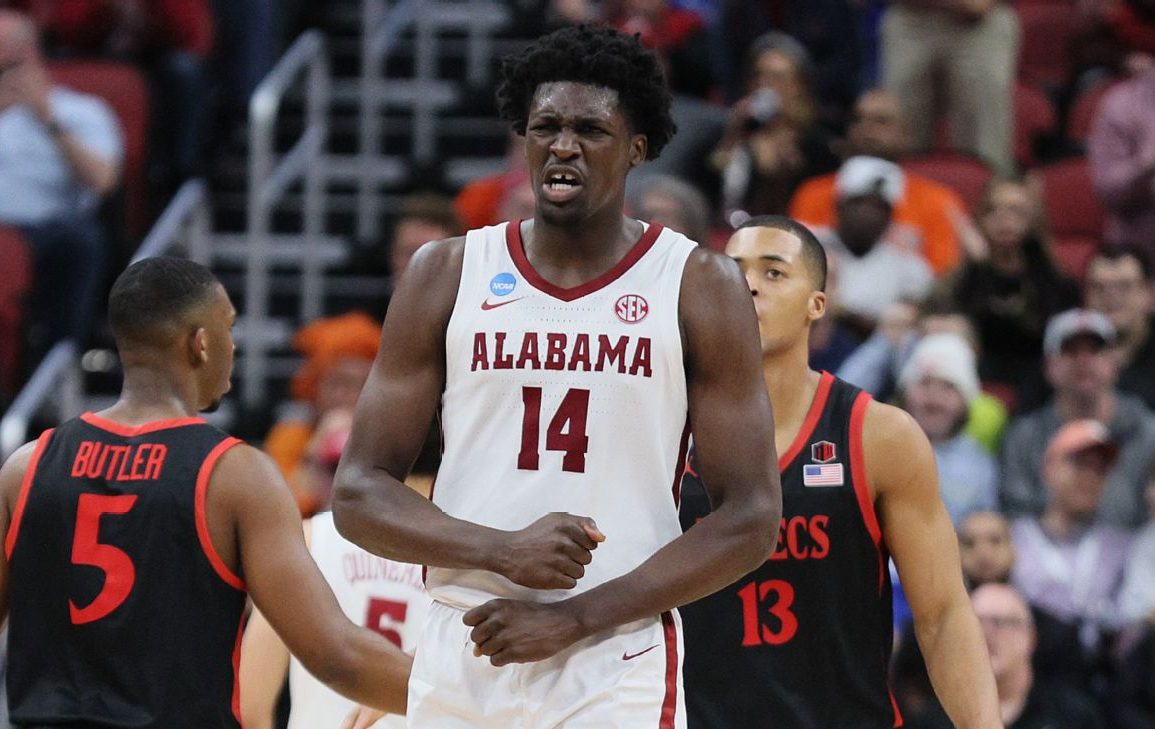
Charles Bediako, a former Alabama men’s basketball player, has been granted immediate eligibility to rejoin the Crimson Tide after a Tuscaloosa County judge issued a temporary restraining order on Wednesday. Judge James H. Roberts Jr. ruled that Bediako can participate in practices and games for the next 10 days. The decision follows Bediako’s lawsuit against the NCAA, filed to regain eligibility for the remainder of the season. A hearing on his request for a preliminary injunction is set for January 27.
Bediako, a 7-foot center from Brampton, Ontario, played two seasons at Alabama from 2021 to 2023, averaging 6.6 points and 5.2 rebounds in 70 games. After declaring for the 2023 NBA Draft with two years of eligibility remaining, Bediako went undrafted. He later signed a two-way contract with the San Antonio Spurs and spent the past three years in the G League, most recently in December 2025, without appearing in an NBA game.
Bediako Could Join Rare Players Returning After NBA Draft, Raising Eligibility Questions
If Bediako returns to Alabama, he would become one of the few modern players to return to college basketball after declaring for the NBA Draft. Larry Bird’s return to Indiana State in 1978 remains one of the most famous precedents. Bediako’s case has sparked renewed attention on eligibility rules, particularly regarding professional experience and the NCAA’s policies.
The lawsuit comes amid a wave of former professional and international players entering college programs. For instance, James Nnaji, a 2023 NBA Draft pick who played in the NBA Summer League, was granted four seasons of eligibility at Baylor despite previously competing professionally. These cases raise questions about how the NCAA distinguishes between types of professional experience and who qualifies to compete in college sports.
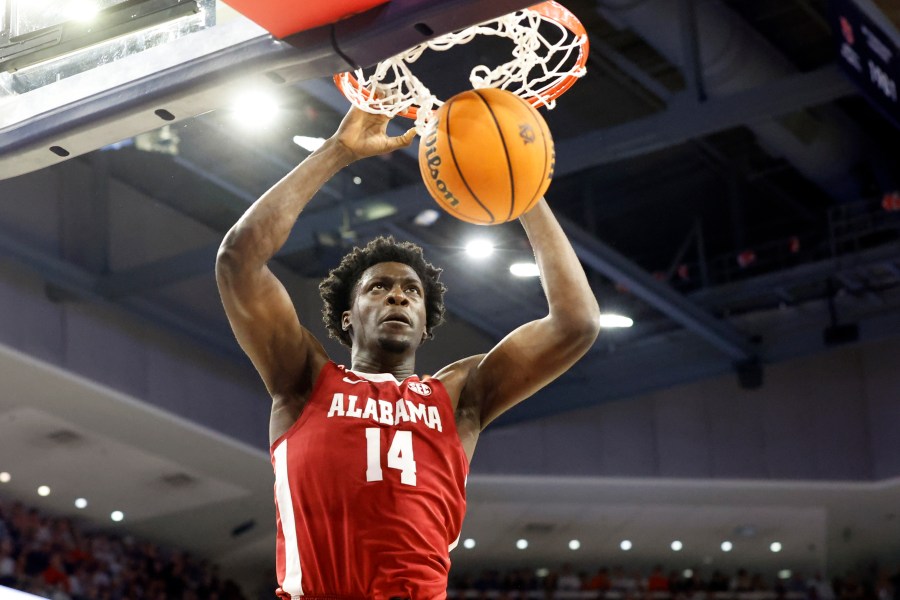 Charles Bediako (NBA)
Bediako Argues Irreparable Harm, NCAA Rules Challenged, Alabama Supports Potential Return
Bediako’s motion stressed that he would suffer “irreparable harm” if not reinstated, citing lost competitive, educational, and financial opportunities. He remains enrolled at Alabama, and under current rules, this semester would have been his final eligible term. The complaint argues that had Bediako known he could earn compensation as a student-athlete, he would have remained in college rather than entering the NBA Draft.
The NCAA, however, maintains that signing an NBA contract, including a two-way deal, renders a player ineligible for college sports. The organization has called for government intervention, stating that allowing former NBA contract holders to play undermines opportunities for high school athletes and traditional college players.
Bediako’s legal team countered that the NCAA’s rules are inconsistent. Some athletes with professional experience are allowed to compete in college, while others, like Bediako, are denied. The judge’s order also prohibits the NCAA from imposing sanctions on Bediako or Alabama if he participates.
The University of Alabama has publicly supported Bediako’s return, emphasizing both his educational and athletic contributions. The case highlights ongoing challenges in college sports eligibility and has prompted discussions about the need for clearer and more consistent rules. Coaches such as Arkansas’ John Calipari have suggested collective bargaining as a potential solution to these recurring disputes.
Bediako’s potential return could set a precedent for players who have declared for the NBA Draft but wish to return to college competition. His participation would represent a unique opportunity to navigate the intersection of professional and collegiate basketball.
Bediako’s reinstatement would mark both a personal comeback and a significant moment in college basketball eligibility discussions. Whether he suits up for Alabama this season, his case underscores the complexities of NCAA rules, the evolving opportunities for athletes, and the tension between professional experience and collegiate competition.