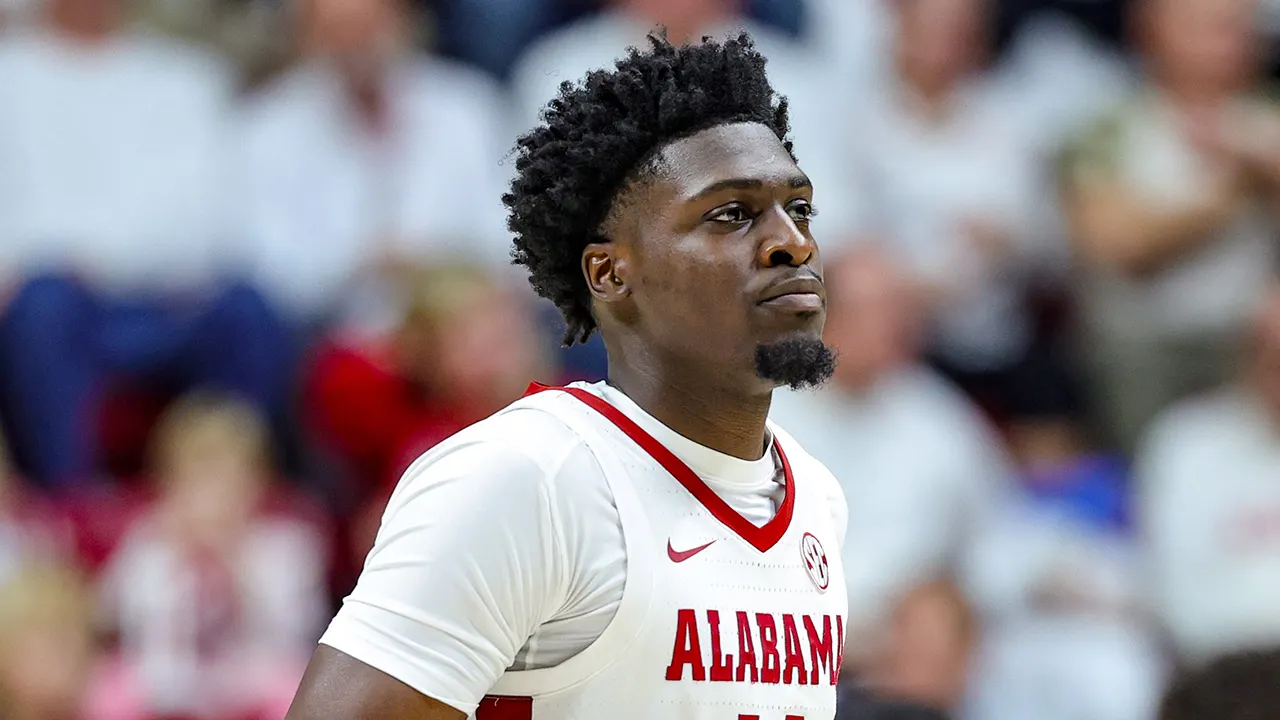
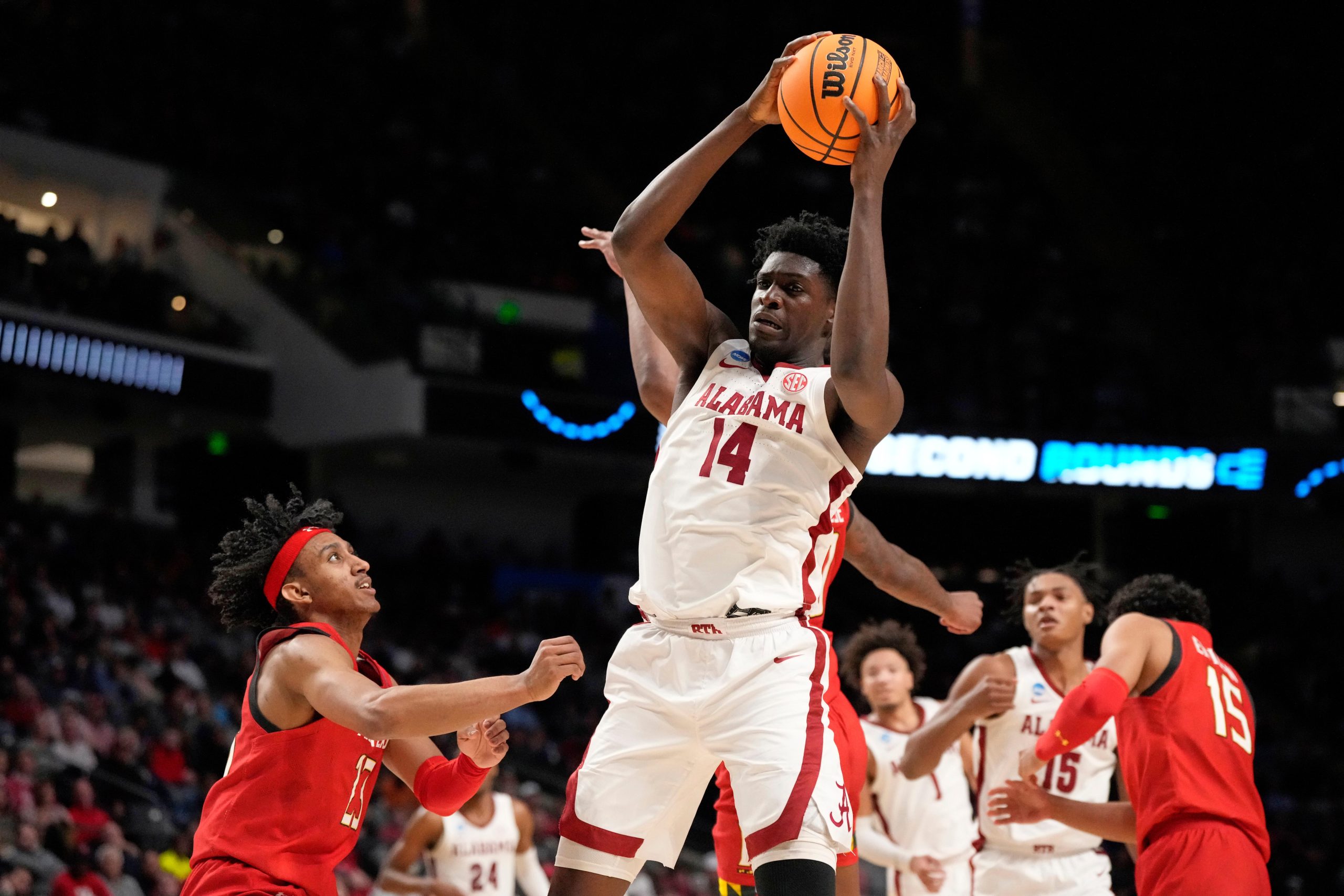
A federal judge’s decision in Tuscaloosa, Alabama, has halted what could have been a transformative moment for college basketball and NCAA eligibility rules. On Monday, the court denied Alabama center Charles Bediako’s request for a preliminary injunction that would have allowed him to continue playing for the Crimson Tide after previously declaring for the 2023 NBA Draft and pursuing a professional career. As a result, Bediako’s season is officially over after just five games back in a college uniform.
Bediako, a 7-foot center who last played for Alabama during the 2022–23 season, declared for the NBA Draft following that year but went undrafted. He subsequently spent time in professional basketball, including stints in the G League, most recently appearing in six games for the Motor City Cruise. After attempting to return to college basketball, the NCAA denied Alabama’s request to reinstate his eligibility. That decision prompted Bediako to file a lawsuit challenging the NCAA’s rules.
In January, a temporary restraining order allowed Bediako to briefly rejoin the Crimson Tide while the case was under review. However, Monday’s ruling ended that opportunity, reaffirming the NCAA’s stance that players who leave college to pursue professional basketball cannot later return as eligible student-athletes. The judge’s decision effectively closed the door on Bediako’s comeback and reinforced long-standing eligibility boundaries.
Baker Defends NCAA Mission as Coaches Debate Professional Returns and Youth Opportunities
NCAA president Charlie Baker praised the ruling, framing it as a defense of college athletics’ core mission. He argued that college sports are intended for students, not individuals who have already pursued professional careers and then seek to return. Baker emphasized concerns about former professionals taking roster spots away from younger athletes, particularly high school recruits whose college opportunities could be diminished. He also used the moment to call on Congress to address the growing patchwork of state laws and legal challenges that continue to complicate NCAA governance.
Bediako’s case is not an isolated one. In recent years, the NCAA has faced increasing pressure as more players test professional waters through the NBA Draft, G League, or overseas leagues before attempting to return to college basketball. One notable example is James Nnaji, who was drafted in the same year as Bediako and later committed to Baylor. Nnaji became the first former NBA draftee cleared to play college basketball, setting a precedent that sparked confusion and controversy across the sport.
That decision opened the door for other players with professional experience, including G League athletes Thierry Darlan and London Johnson, who committed to Santa Clara and Louisville for future seasons. These cases highlighted inconsistencies in how eligibility rules have been applied, fueling arguments that the NCAA has struggled to enforce its standards evenly.
Alabama head coach Nate Oats strongly defended Bediako, insisting the player had done nothing wrong. Oats stated that Bediako would remain on scholarship even though he can no longer play, emphasizing his commitment to supporting his athletes regardless of external criticism. From Alabama’s perspective, the issue is not Bediako’s conduct but the lack of clarity and consistency in NCAA decision-making.
The controversy has drawn sharp criticism from prominent voices in college basketball. Arkansas head coach John Calipari delivered a passionate critique of the current system, warning that allowing former professionals to return threatens opportunities for 17- and 18-year-old American players. Calipari argued that college programs could increasingly favor older, more experienced players from professional leagues or overseas, potentially sidelining high school recruits and undermining player development at the grassroots level.
Conflicting Positions Expose Growing Tension Over NCAA Eligibility Enforcement and Future Player Pathways
On the administrative side, SEC commissioner Greg Sankey supported the NCAA’s position, submitting an affidavit urging the court to uphold existing eligibility rules. Sankey argued that these rules are vital to maintaining competitive balance, protecting the educational mission of college sports, and preserving opportunities for future student-athletes.
Alabama, however, pushed back after the ruling, pointing out that the NCAA has granted eligibility to more than 100 men’s basketball players with prior professional experience in the G League or overseas leagues. In a university statement, officials argued that selective enforcement, rather than the rules themselves, has created chaos. Granting eligibility to some former professionals while denying it to others, Alabama contended, is what has destabilized the system and prompted legal challenges like Bediako’s.
During his brief return, Alabama went 3–2 with Bediako available, underscoring both his on-court value and the uncertainty surrounding his status. While his season is now over, the broader implications of the ruling are far from settled. The case has intensified debates over fairness, player rights, and the future of NCAA eligibility rules in an era where the line between amateur and professional basketball continues to blur.
The court’s decision reinforced the NCAA’s authority for now, but it also highlighted deep fractures within college basketball. As more players explore professional options earlier and seek flexibility in their careers, pressure will continue to mount for clearer, more consistent policies that balance opportunity, integrity, and the evolving realities of the sport.