

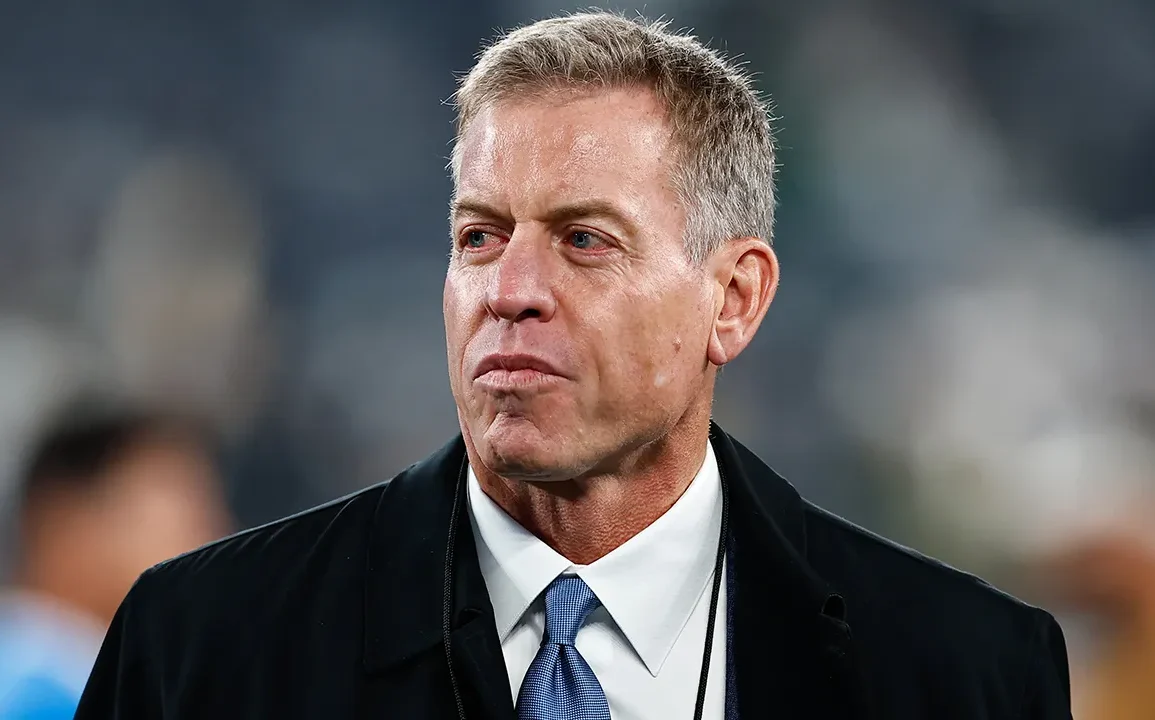
Troy Aikman recently shared his views on modern training rules in the National Football League, saying that while many changes have improved player safety, some restrictions may unintentionally contribute to injuries early in the season. Speaking on the Rodeo Time Podcast, the former quarterback discussed how training camps and preseason preparation have changed dramatically compared to his playing days.
Aikman Reflects on Intense Cowboys Camps Compared to Modern NFL Training Practices
During his career with the Dallas Cowboys, Aikman experienced training camps that were physically demanding and intense. He recalled the team’s camp in Wichita Falls, Texas, where players practiced twice a day in extreme heat while wearing full pads. These sessions were known as “two-a-days,” and they pushed players to build physical endurance and resilience before the regular season began.
 Troy Aikman Cautions That Modern NFL Training Rules Might Increase Early Injuries
Today’s training camps operate under stricter rules created through the league’s collective bargaining agreement. These regulations limit the number of full-contact practices and reduce the amount of time players spend in pads. According to Aikman, players may now practice in pads only once a week or participate in shorter sessions combined with walk-through practices. While he acknowledged that these changes reduce physical strain and may protect players from overwork, he believes they also leave athletes less prepared for the demands of the regular season.
Aikman Warns Reduced Preseason Practices May Increase Early-Season NFL Injuries Risks
Aikman argued that this reduced preparation could be a reason for the number of early-season injuries seen across the league. In particular, he pointed to soft tissue injuries such as muscle strains and pulls that often occur during the first few weeks. In his view, players are not able to condition their bodies in the same way they once did during intense training camps. Although modern athletes still train hard on their own, Aikman emphasized that independent workouts cannot fully replicate the physical movements and contact involved in actual football practices.
He also discussed how decisions about practice schedules are influenced by negotiations between team owners and players. According to Aikman, owners usually secure financial advantages in collective bargaining agreements, while players often seek concessions related to workload and time spent at team facilities. Coaches, he said, typically have little influence in those negotiations and must adapt once the rules are finalized.
Despite his concerns, Aikman clarified that he supports many safety improvements introduced by the NFL. As a former quarterback, he appreciates rules that better protect passers from dangerous hits. However, he believes defensive players face difficult expectations when trying to pressure quarterbacks without making even minor contact with their helmets.
In Aikman’s view, the league must continue searching for a balance between improving safety and ensuring players are physically prepared for the intensity of professional football.