

Just a little over two years before celebrating a national title, Michigan basketball was facing instability and doubt. The program had just completed a dismal eight-win season, leaving leadership with no option but to part ways with head coach Juwan Howard.
While Howard had helped reconnect the university with an important era of its history, performance on the court had declined sharply. The roster lacked depth, team morale had dropped, and the program’s direction was unclear. Michigan needed a reset, but there were no assurances that it could attract a coach capable of delivering immediate success.
Dusty May’s Arrival Sparks Immediate Success and Championship Glory at Michigan
That opportunity came in the form of Dusty May, a rising coaching figure who gained national attention after leading Florida Atlantic to a Final Four appearance in 2023. For much of his career, May had taken opportunities as they came, often without hesitation. This time, he had options. With strong interest from programs like Louisville and Vanderbilt, he carefully evaluated his next move. Ultimately, he chose Michigan, believing in its potential to compete at the highest level and its ability to support a championship vision.
 Michigan’s Remarkable Two Year Rise From Struggle to National Champions
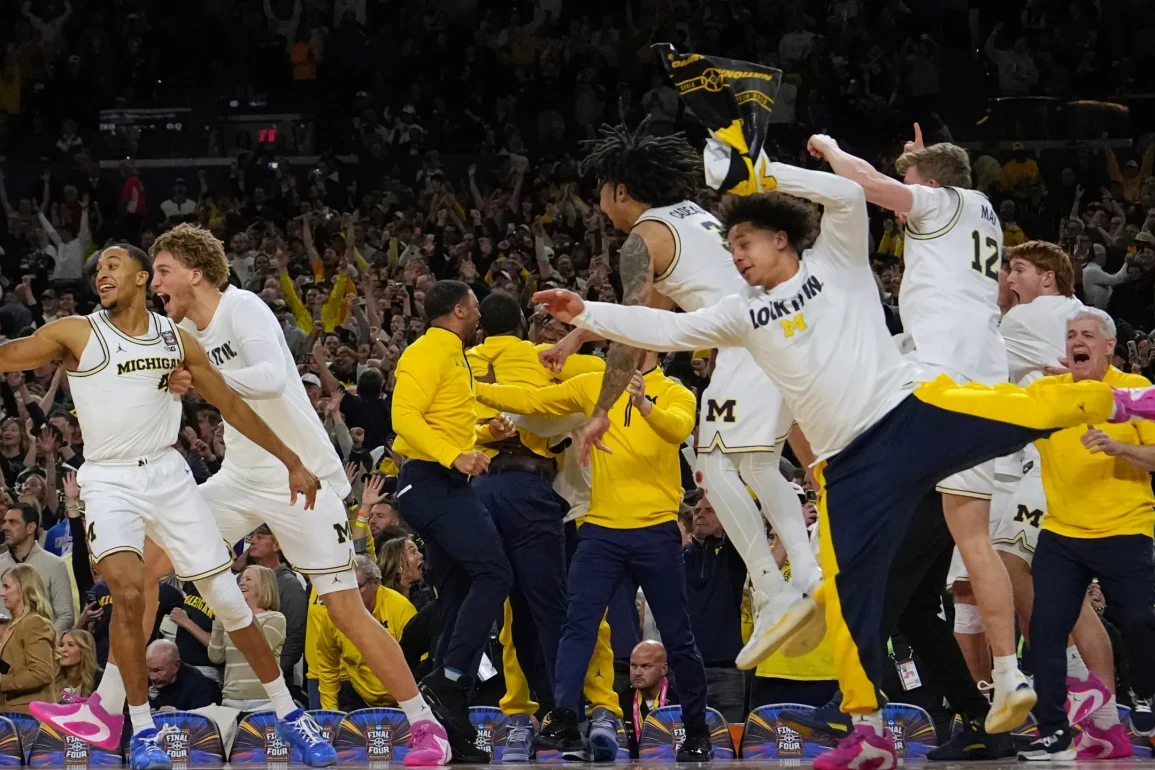
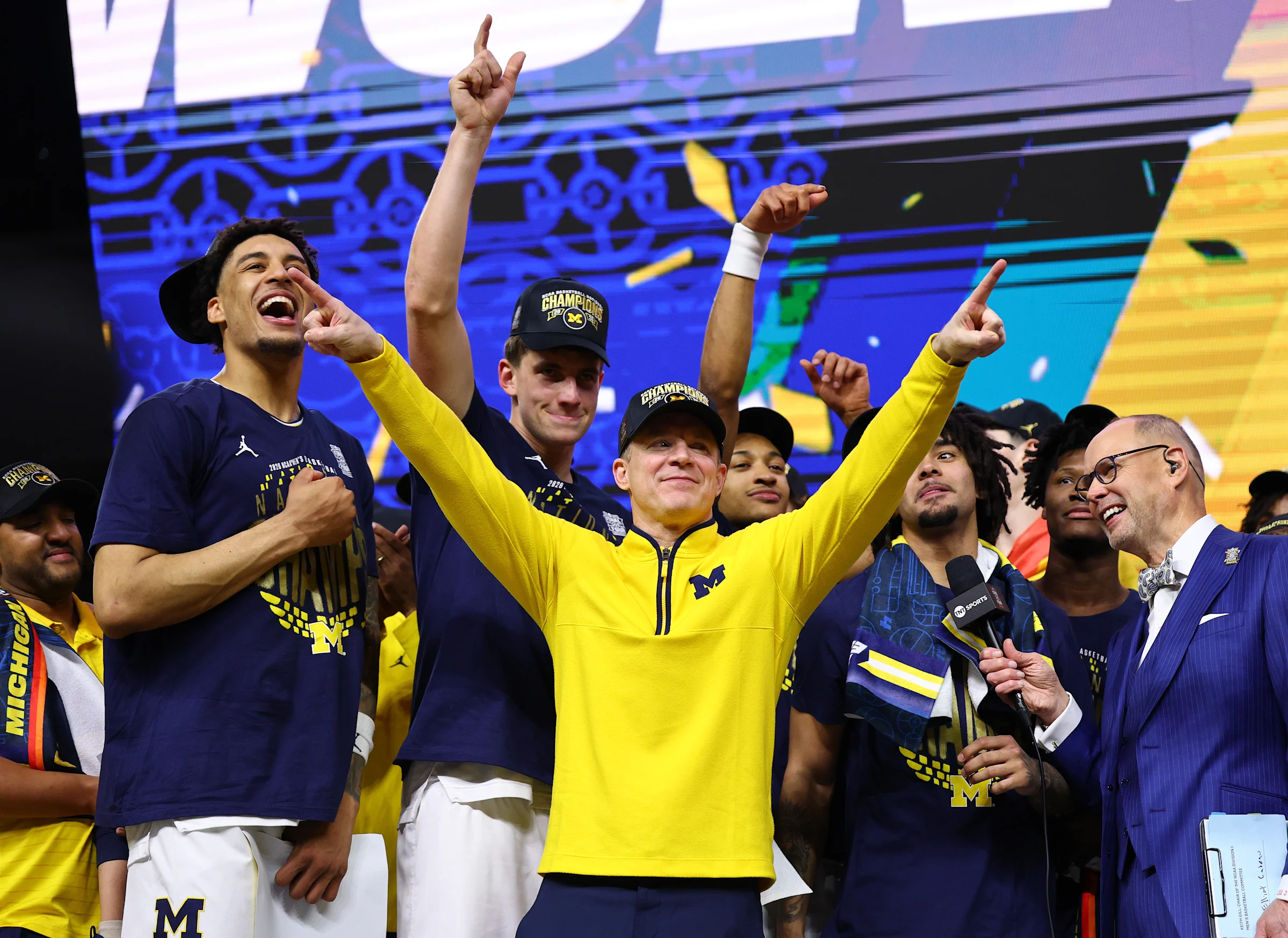
The impact of that decision was almost immediate. In his first season, May guided Michigan to a Sweet 16 appearance, signaling a major step forward. By his second season, the Wolverines had developed into one of the most dominant teams in the country. Their consistency, discipline, and resilience were on full display throughout the year, culminating in a 69 to 63 victory over UConn in the national championship game. The win secured Michigan’s first title in 37 years and ended a long drought for the Big Ten.
Rapid Roster Building, Strong Culture, and Leadership Fuel Michigan’s Historic Turnaround
A key factor in Michigan’s rapid rise was May’s ability to adapt and build a competitive roster quickly. Rather than relying solely on traditional recruiting cycles, he utilized the transfer portal to assemble experienced and impactful players. This approach allowed the team to compete at a high level without enduring a prolonged rebuilding phase. The strategy proved effective, as Michigan quickly developed chemistry and depth across the roster.
Equally important was May’s emphasis on relationships and team culture. His leadership style fostered trust, accountability, and unity among players, which became evident in high-pressure moments. Even when faced with injuries and challenges late in the season, the team remained composed and connected, ultimately delivering when it mattered most.
Michigan’s journey from a struggling program to a national champion in just two years stands as a powerful example of how decisive action, strong leadership, and clear vision can reshape a team’s future. It underscores how quickly fortunes can change when the right coach meets the right opportunity, resulting in one of the most impressive turnarounds in college basketball history.