Categories
Wrestling

Two WWE Superstars Injured After the Royal Rumble: What We Know So Far

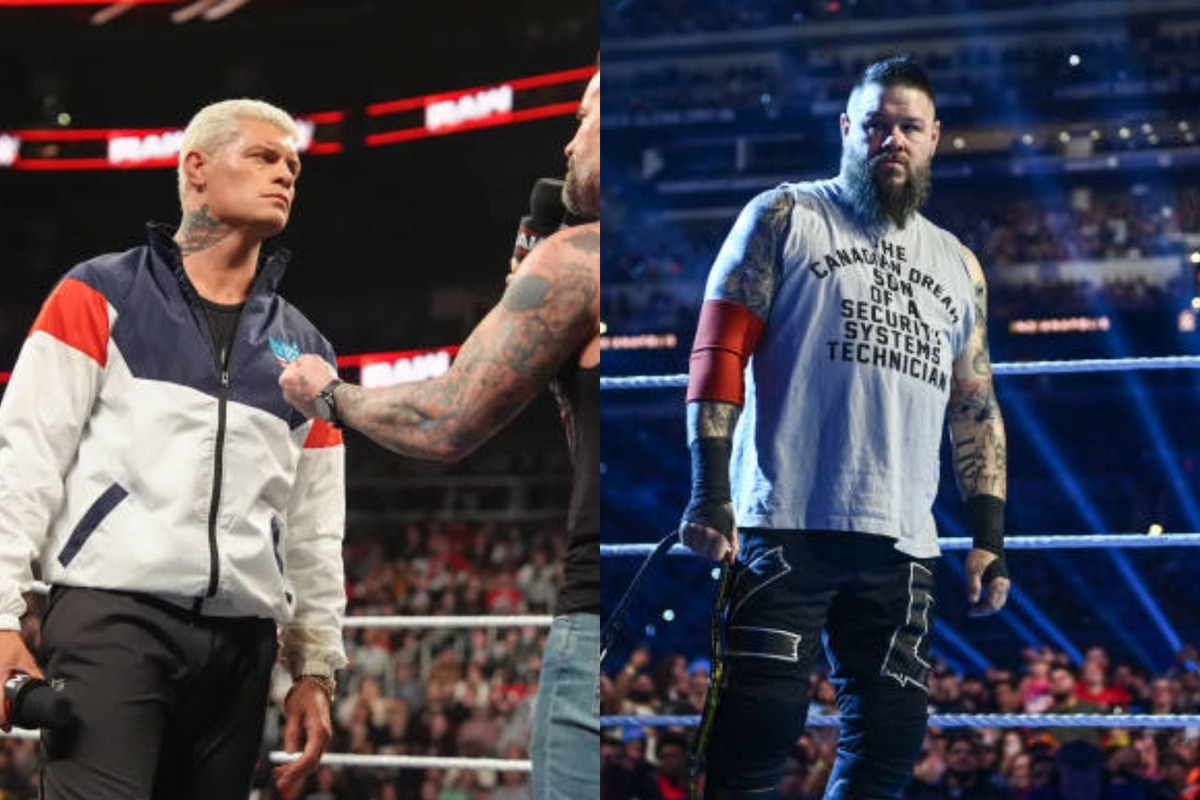
The 2025 WWE Royal Rumble delivered all the excitement fans could ask for, with jaw-dropping moments and hard-fought battles, but it wasn’t all celebration. Two of WWE’s biggest superstars, Cody Rhodes and Kevin Owens, sustained injuries that could change the course of their careers—at least temporarily. Here’s what we know about their injuries, and what comes next for them.

The Royal Rumble Mayhem

The Royal Rumble match is famous for its chaotic nature, but it’s also known for pushing WWE superstars to their limits. This year’s event proved no different, as both Cody Rhodes and Kevin Owens suffered injuries during their intense matches.

Cody Rhodes, who has been one of the most promising superstars in WWE, was competing in a high-stakes match when he appeared to suffer a shoulder injury. Initial reports suggest that the injury occurred during one of the more physically demanding sequences of the match. While it didn’t immediately seem serious, further assessments post-event indicated that Rhodes might require time off to recover. Fans are hoping that his shoulder injury won’t affect his highly anticipated participation in WrestleMania 41, but that remains uncertain at this stage.

Kevin Owens, another fan favorite, didn’t fare much better. Owens, who has been involved in a storyline with Roman Reigns, faced off in a brutal match for the Undisputed WWE Championship. During a high-impact spot, Owens appeared to twist his knee awkwardly, which immediately raised alarms. Medical personnel rushed to the ring, and Owens was taken backstage for further evaluation. While the severity of his injury is still being determined, early reports suggest it could sideline him for a few weeks—though the damage may not be as long-term as some feared.

The Fallout from the Injuries

These injuries come at a critical time for WWE, with WrestleMania on the horizon. Both Cody Rhodes and Kevin Owens have been integral parts of WWE’s major storylines, and their injuries could leave a significant gap in the roster if they’re unable to compete. WWE officials are no doubt keeping a close eye on their recovery and will likely make announcements regarding their status as soon as more information becomes available.

For Rhodes, this injury could potentially stall his momentum, especially after his impressive return to WWE. Fans have been eagerly anticipating his storyline, and any delay could change the course of his involvement at the biggest event of the year. WWE fans are notoriously passionate, and they’re already wondering if Rhodes’ injury will lead to a dramatic comeback story or cause a setback for his career.

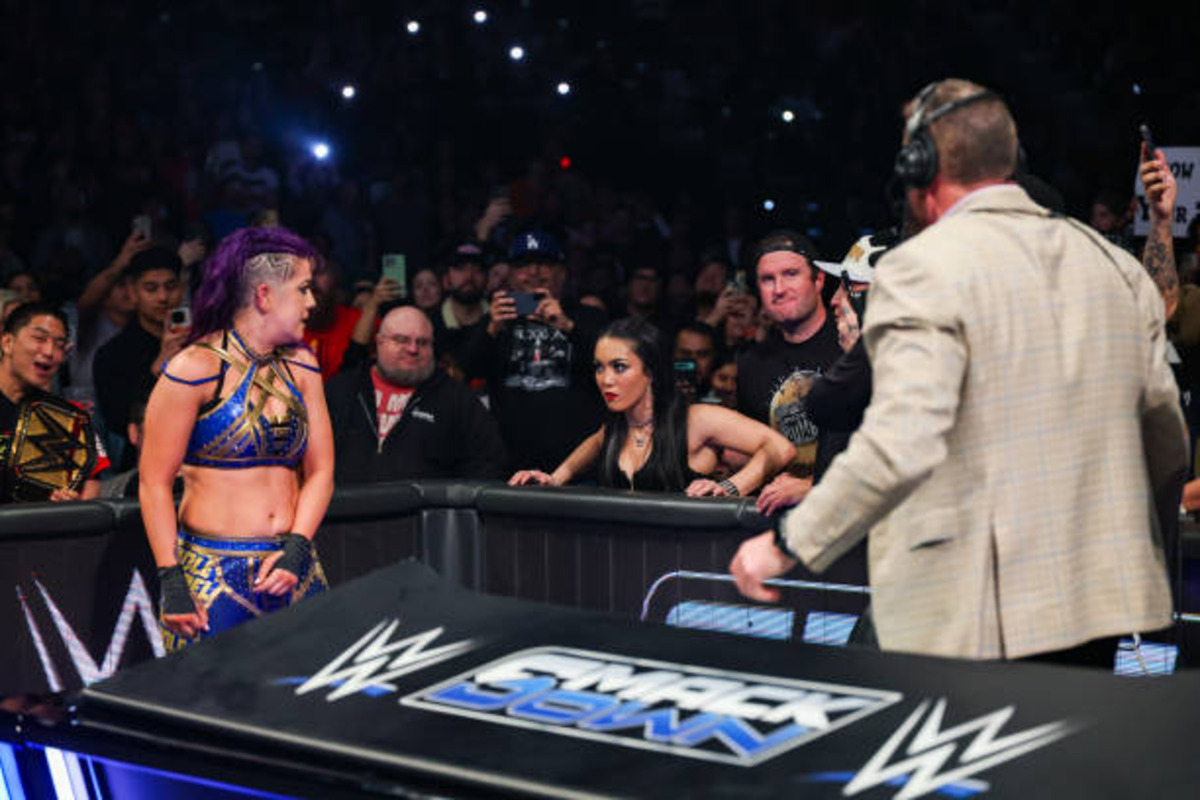
WWE stars Cody Rhodes and Kevin Owens face uncertain futures after suffering injuries at the Royal Rumble.

Similarly, Owens has been a key player in WWE’s top storylines, particularly in his feud with Roman Reigns. If he is sidelined, it could impact the build-up for some of WWE’s most anticipated matches at WrestleMania. Fans will be hoping for a swift recovery, as Owens’ return to the ring is a major draw for the company.

The Impact on WWE’s Roster

These injuries serve as a reminder of the physical toll that professional wrestling takes on its performers. While fans see the excitement, the danger is always present. WWE stars train their bodies to endure extreme physical stress, but accidents are inevitable in a high-intensity sport like wrestling.

With the Royal Rumble behind us, the spotlight shifts to who might fill the void left by Rhodes and Owens’ injuries. Will new superstars rise to the occasion, or will WWE have to adjust its booking for WrestleMania to account for these setbacks? The company has proven time and time again that they can adapt to changes quickly, but the loss of two fan favorites—especially this close to WrestleMania—could be a huge challenge.

What’s Next for Cody and Kevin?

Both stars will likely undergo medical evaluations over the next few days to determine the full extent of their injuries. While no official word has been given on their timeline for recovery, fans are hoping that Rhodes and Owens will recover quickly and return to action soon. With WrestleMania just around the corner, WWE will need to make adjustments to its plans—but given the unpredictable nature of wrestling, anything can happen.

In the meantime, the WWE Universe will continue to watch, eagerly awaiting the return of two of its top stars. Let’s hope they’re back in the ring sooner rather than later.
Categories
Wrestling

Stephanie McMahon Shakes Up WWE Universe by Kicking Off Royal Rumble 2025

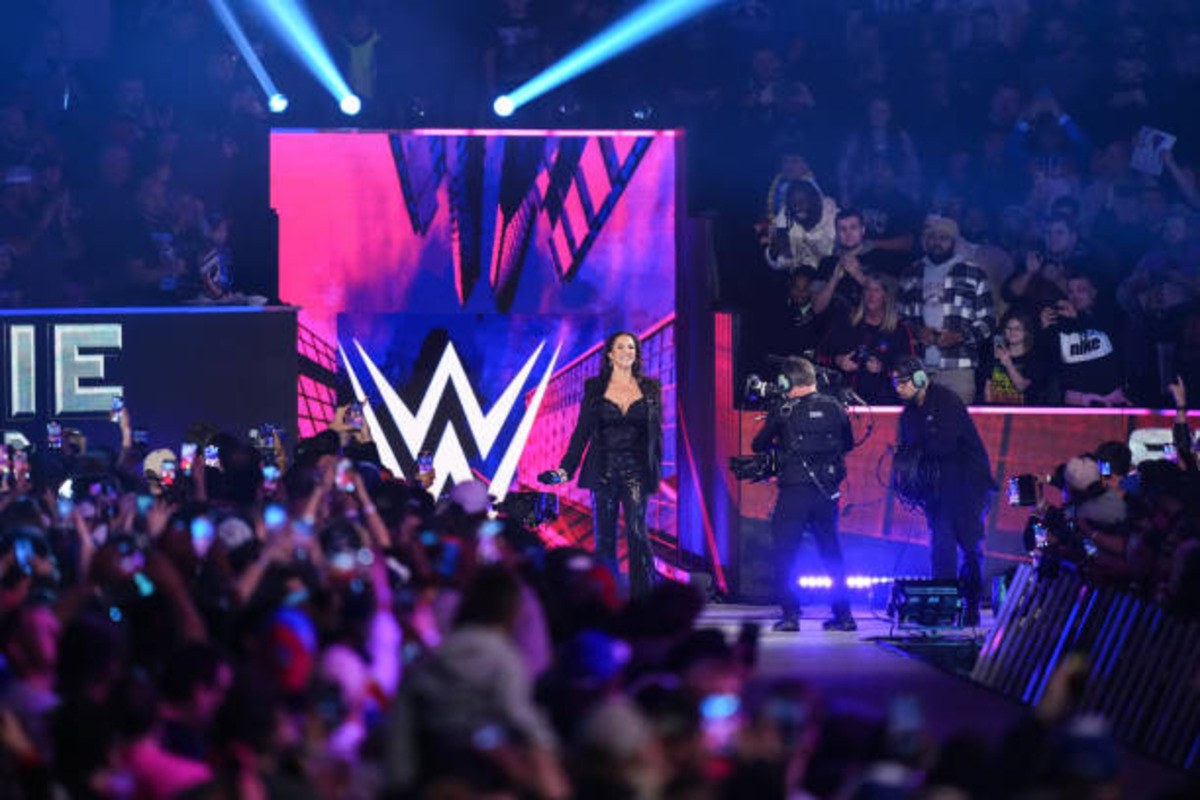
The WWE Universe was left in awe as Stephanie McMahon, the formidable and influential figure behind WWE’s corporate and creative powerhouse, made a shocking return to kick off the Royal Rumble 2025.

Known for her commanding presence and strategic mind, Stephanie’s unexpected appearance set the tone for an evening filled with surprises, drama, and high-octane action.

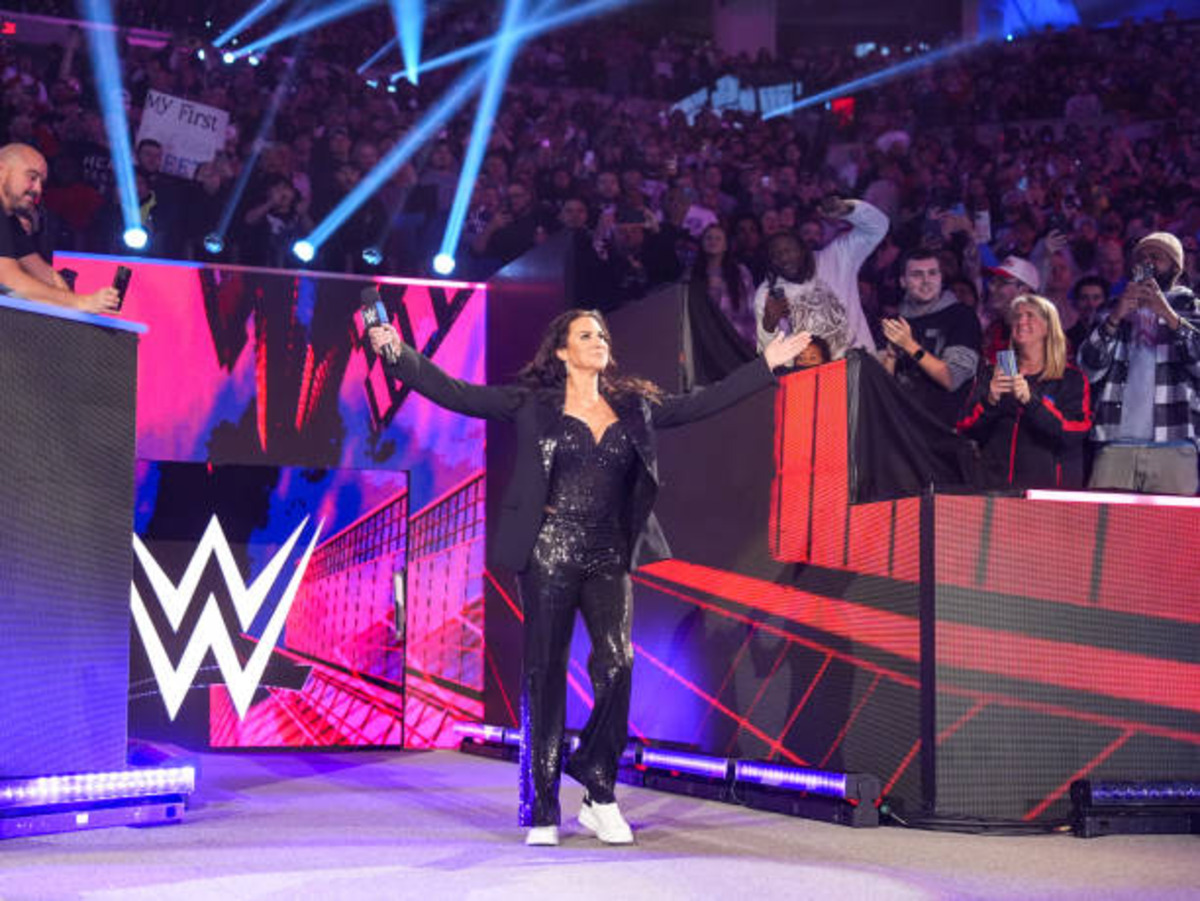
Stephanie entered the arena to a roaring crowd, her theme music reverberating through the packed stadium. Dressed in her signature power attire, she exuded authority, grabbing a microphone to deliver a statement that would redefine the trajectory of the event. “This is not just another Royal Rumble,” she declared. “Tonight marks the dawn of a new era in WWE!”

Her announcement ignited a wave of excitement and speculation. Without wasting time, Stephanie officially started the 2025 Royal Rumble match herself, a move that stunned fans and wrestlers alike.

Though not a competitor, her role was symbolic, emphasizing her influence and the unpredictability she brings to WWE storylines.

Stephanie’s involvement wasn’t limited to ceremonial duties. Throughout the night, she orchestrated surprise entries, unexpected alliances, and shocking eliminations, showcasing her knack for dramatic flair.

The Queen of WWE surprises fans with a bold move, starting the Royal Rumble 2025 with authority.

WWE Superstars, from rising talents to seasoned veterans, were caught off guard by the twists she introduced, adding a fresh dynamic to the event.

This bold move by Stephanie is seen as a strategic effort to rejuvenate the Royal Rumble, blending the essence of traditional wrestling with the thrill of unpredictable storytelling. Her presence not only honored WWE’s rich history but also highlighted the evolving role of women in wrestling, both in the ring and behind the scenes.

Fans took to social media, flooding platforms with reactions ranging from astonishment to admiration. Hashtags like #RoyalRumble2025 and #StephanieMcMahon trended worldwide, reflecting the global impact of her surprise appearance.

As the dust settled, one thing became clear: Stephanie McMahon’s decision to start the Royal Rumble 2025 wasn’t just a momentary shock.

It was a powerful statement about leadership, legacy, and the ever-evolving world of WWE. This year’s Royal Rumble will be remembered not just for its epic matches but for the night Stephanie McMahon reminded everyone why she’s the Queen of WWE.

Categories
Wrestling

Roxanne Perez Makes History with Third Consecutive Royal Rumble Appearance

Roxanne Perez continues to solidify her place as one of WWE’s brightest rising stars by making her third consecutive appearance at the Royal Rumble. The 2025 edition of this high-stakes event marked yet another milestone in her rapidly ascending career, showcasing not only her in-ring prowess but also her enduring popularity with fans worldwide.

Perez, who first stunned the WWE Universe with her debut Royal Rumble entry in 2023, has since become a name synonymous with resilience and determination. Her ability to consistently deliver electrifying performances has earned her admiration from wrestling veterans and new fans alike. Each Royal Rumble appearance has seen her evolve, adapting her style, strategy, and presence to meet the increasing competition.

This year’s Royal Rumble was no exception. Entering the match with the confidence of a seasoned competitor, Perez demonstrated exceptional athleticism, executing high-impact maneuvers and smart tactics to outlast several top-tier superstars. Her agility, quick thinking, and fearless attitude turned heads once again, proving that she belongs among WWE’s elite.

What sets Perez apart is her remarkable consistency. In an environment where fresh faces frequently come and go, maintaining relevance and performance at this level is no small feat.

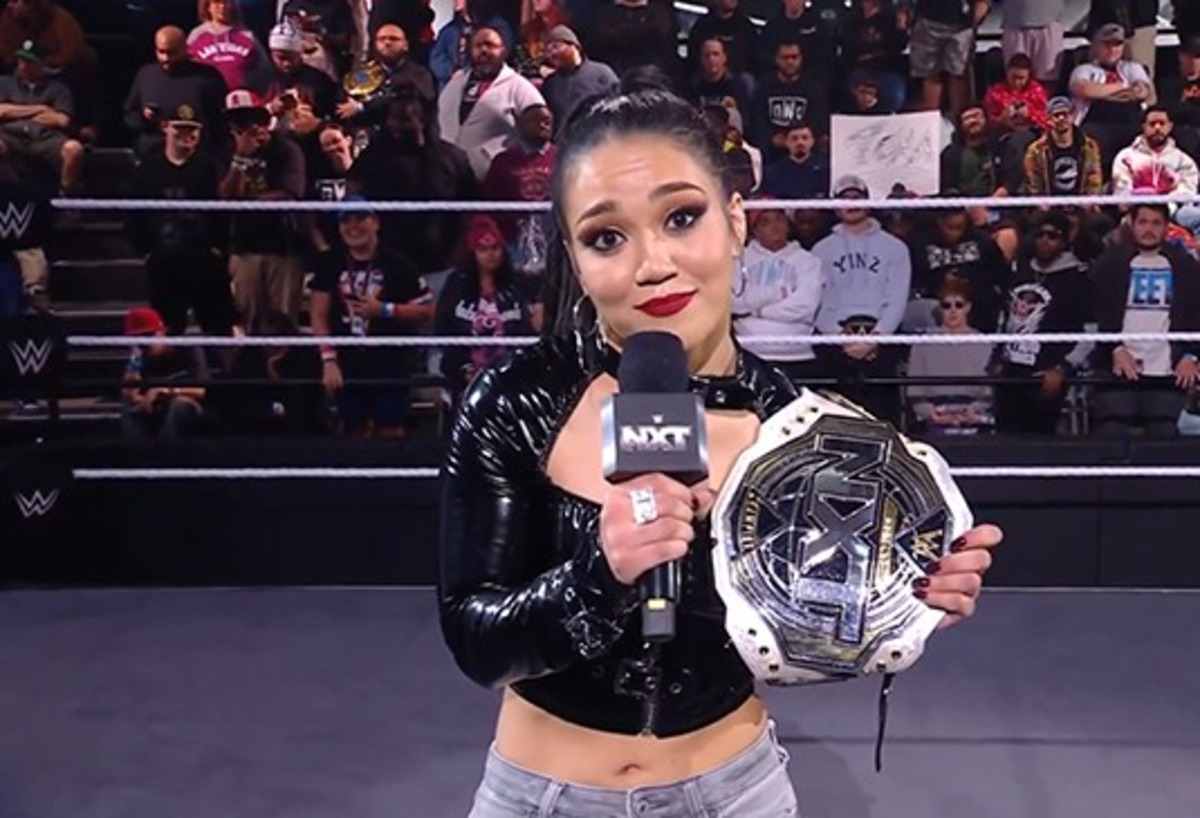
Consistency, courage, and charisma — Roxanne Perez shines again at the Royal Rumble!

Her growth over the past three years reflects not just physical training but a deep understanding of the psychological aspects of the sport. This combination has made her a standout performer who thrives under pressure.

Moreover, Perez’s journey inspires aspiring wrestlers, particularly young women who see her as proof that passion and hard work can break barriers in traditionally male-dominated spaces. Her story is a testament to what dedication and perseverance can achieve in the ever-evolving landscape of professional wrestling.

While she didn’t clinch victory this year, Roxanne Perez’s impact was undeniable. The crowd’s reaction, her memorable spots during the match, and the buzz following her performance all point to a superstar whose star continues to rise. Fans and analysts alike speculate that it’s only a matter of time before she not only participates but emerges victorious in the Royal Rumble.

As we look forward to what the rest of 2025 holds, one thing is certain: Roxanne Perez is not just a participant in the Royal Rumble; she’s becoming a fixture, a symbol of grit and ambition that defines the spirit of the event. Her journey is far from over, and the WWE Universe will be watching eagerly to see what heights she reaches next.

Categories
Basketball

North Carolina Tar Heels, Why They Struggle Against Top-10 Teams

The North Carolina Tar Heels are one of the most storied programs in college basketball history.

With multiple national championships, Hall of Fame coaches, and a pipeline of NBA talent, they are a perennial powerhouse in the NCAA. However, in recent seasons, UNC has developed a troubling trend: struggling to win against top-10 ranked opponents.

While they dominate lesser competition and maintain their reputation as a March Madness contender, their performance against elite teams has raised concerns.

Why do the Tar Heels falter when facing the nation’s best? Several factors contribute to this issue, including inconsistent defense, lack of elite depth, and struggles with in-game adjustments.

Defensive Inconsistencies

Defense has traditionally been a defining strength of championship-caliber UNC teams, but in recent seasons, their defensive efficiency has been inconsistent.

Against top-10 teams, defensive lapses often become glaring, exposing weaknesses in perimeter coverage and interior protection.

One key issue is that UNC’s aggressive defensive scheme, which thrives against weaker competition, tends to be exploited by elite offenses.

Top-10 teams move the ball efficiently, execute crisp offensive sets, and have players who can break down defenses with one-on-one play. UNC, at times, struggles to contain dribble penetration, leading to open perimeter shots or easy baskets in the paint.

Lack of Elite Depth

Recruiting has never been a major issue for North Carolina, but recent rosters have lacked the kind of depth needed to sustain success against the best teams in the country.

While they often have strong starting lineups, their bench production against elite competition has been underwhelming.

Top-10 teams typically feature multiple high-impact players who can step up when a starter struggles. In contrast, UNC has occasionally lacked the depth to match that firepower.

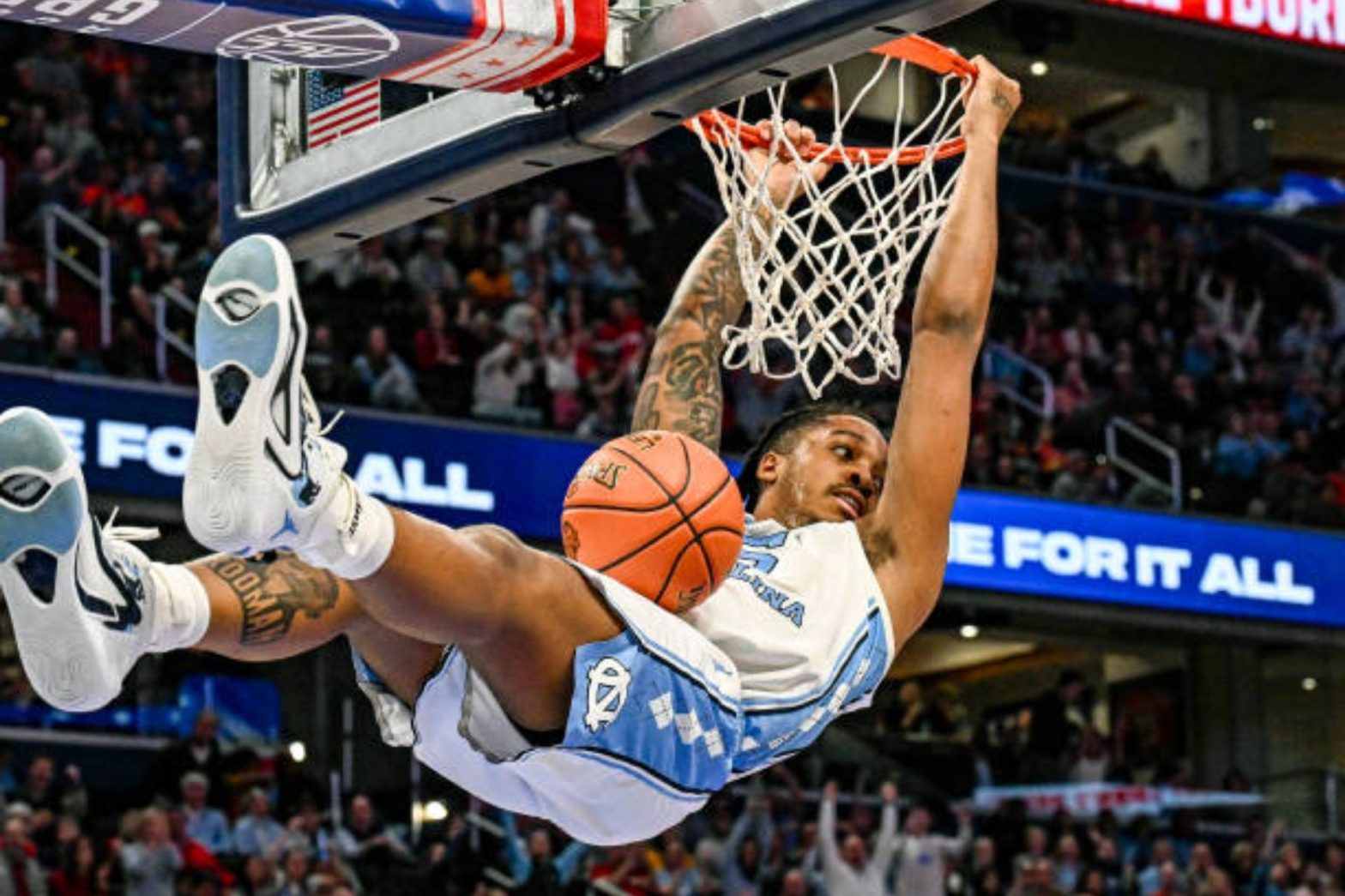
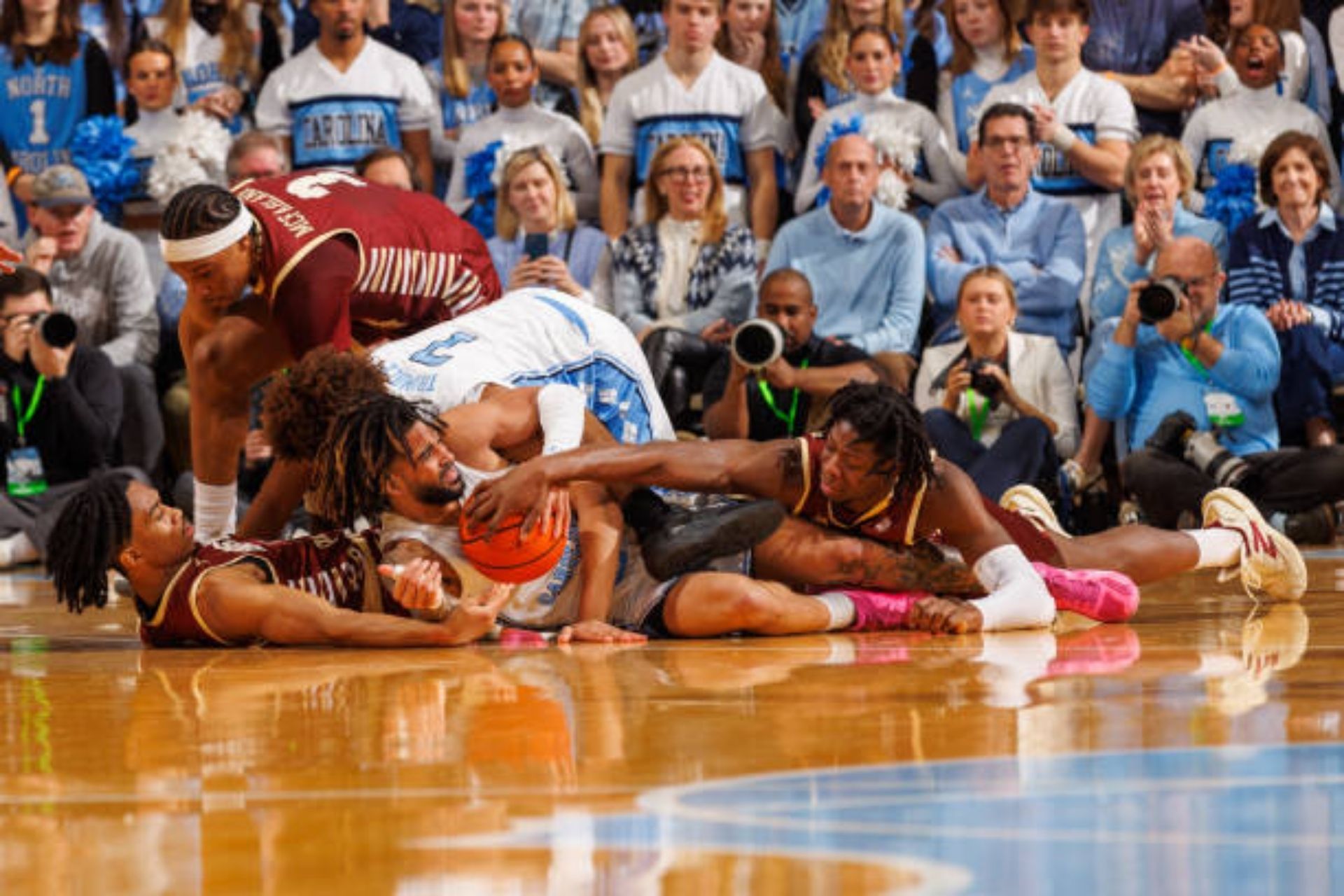
Can UNC turn the tide against college basketball’s best? A deep dive into their struggles against top-10 teams.

If their primary scorers are contained or have an off-night, there aren’t always enough secondary options to keep them competitive.

This was evident in key losses where UNC’s starters performed well but received little help from the bench. Against top-tier programs, depth matters—especially when dealing with foul trouble or fatigue late in games.

Struggles with In-Game Adjustments

Great coaches separate themselves from the pack by making timely in-game adjustments. While North Carolina’s coaching staff has an impressive track record, they have occasionally been outmaneuvered when facing top-10 teams.

Opponents often exploit UNC’s weaknesses by forcing them out of their comfort zone. Whether it’s disrupting their fast-paced offense, forcing contested jump shots, or attacking mismatches on defense, top teams have been able to dictate the flow of the game.

UNC, at times, has been slow to counter these adjustments. If their initial game plan doesn’t work, they have struggled to pivot effectively, leading to long scoring droughts or defensive breakdowns. Against elite competition, that margin for error is razor-thin.

Mental and Emotional Challenges

Beyond the X’s and O’s, the psychological aspect of facing a top-10 team cannot be ignored. There’s a different level of pressure when stepping onto the court against a national powerhouse, and at times, UNC has seemed to struggle with that intensity.

In close games, composure is key, and UNC has sometimes faltered under high-pressure situations. Whether it’s missing crucial free throws, committing costly turnovers, or losing defensive focus in the final minutes, their late-game execution has been a concern against elite teams.

What Needs to Change?

To regain dominance in big matchups, North Carolina must address these issues. Strengthening their defensive identity, developing a deeper bench, and improving adaptability in high-pressure situations will be crucial moving forward.

The Tar Heels have all the tools to compete at the highest level. But if they want to return to championship form, they must start winning the biggest games.

Categories
NHL (National Hockey League)

Seattle Kraken’s Draft Strategy, Are They Playing It Too Safe?

Since their NHL debut in 2021, the Seattle Kraken have built their roster through the expansion draft, free agency, and the NHL Entry Draft.

However, one question lingers as they continue to shape their future: Is their draft strategy too conservative?

A Methodical Approach

Unlike the Vegas Golden Knights, who made an immediate splash with aggressive moves in their inaugural season, Seattle has opted for a more measured approach.

General Manager Ron Francis has emphasized long-term stability, prioritizing player development and accumulating draft picks rather than making high-risk trades.

This methodical strategy has produced a strong prospect pipeline. Players like Shane Wright, a projected first-overall pick who slid to the Kraken at fourth in the 2022 NHL Draft, highlight the team’s ability to capitalize on unexpected opportunities.

Similarly, they have focused on high-character players with strong two-way abilities, ensuring a balanced and responsible team identity.

Playing It Safe?

While the Kraken’s approach has been steady, critics argue that they lack the boldness needed to accelerate their success.

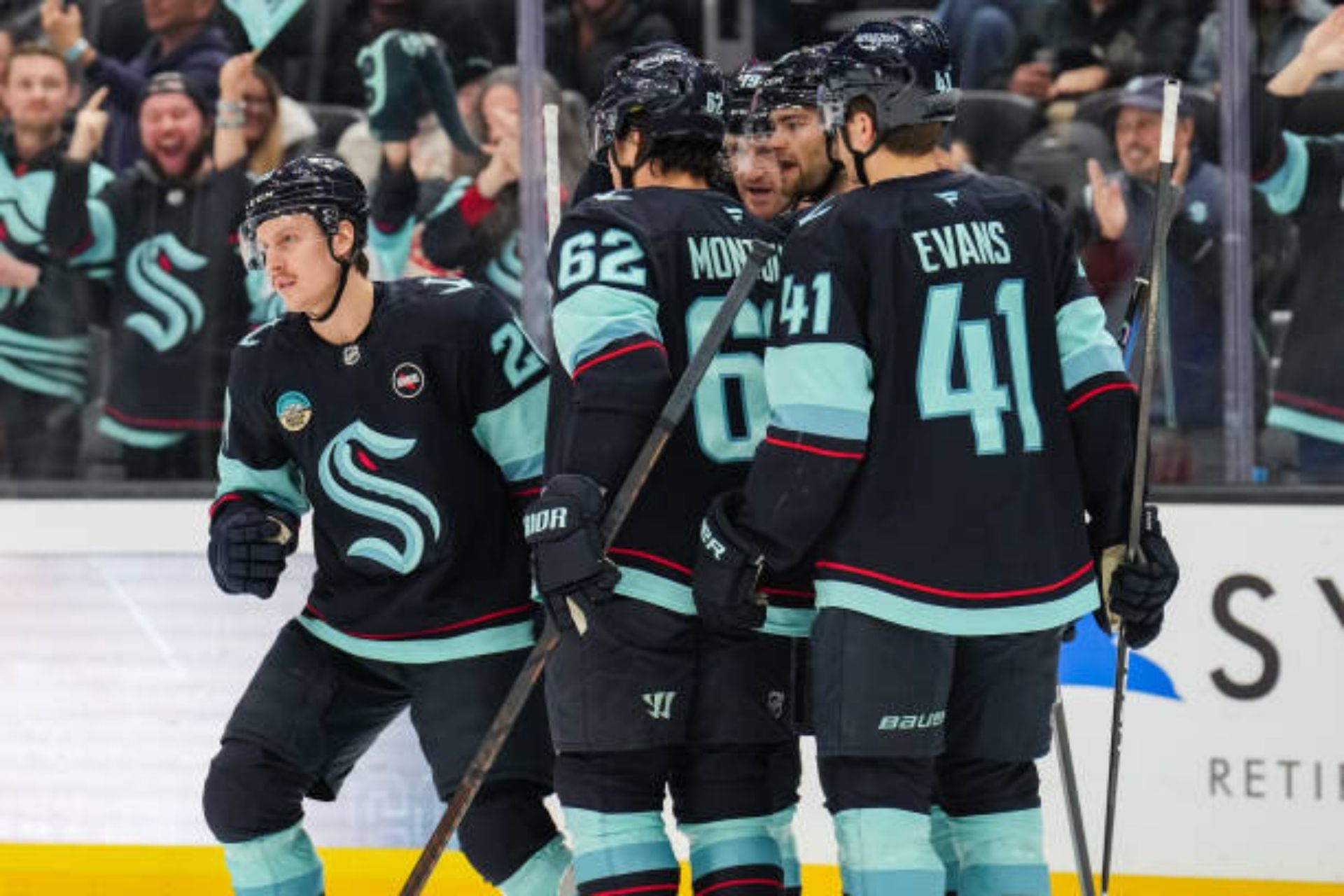
With a deep prospect pool, the Kraken are set for the future — but should they be more aggressive now?

With ample salary cap space and a solid core, some expected Seattle to trade up in recent drafts or make a blockbuster move to acquire an elite prospect. Instead, they have largely stayed the course, favoring safe picks over high-ceiling gambles.

For instance, their first-ever draft pick, Matty Beniers, was a consensus top-tier selection, but other teams have taken bigger risks on boom-or-bust players with elite offensive upside. Similarly, in the 2023 NHL Draft, the Kraken focused on well-rounded players rather than chasing raw talent that could redefine their offensive game.

The Trade Market Factor

Another aspect of Seattle’s conservative approach is their hesitancy to use draft capital in the trade market.

Many teams package high draft picks to secure immediate impact players, but the Kraken have largely avoided this route, choosing instead to stockpile prospects. This decision has preserved their long-term flexibility but also delayed their emergence as a powerhouse.

However, there are signs that Seattle is willing to adapt. The team made some aggressive free-agent signings and minor trades, signaling a potential shift in their strategy. If they find themselves in playoff contention again, their front office might take bigger swings to add immediate firepower.

A Balanced Future

Ultimately, the Kraken’s draft strategy reflects a patient philosophy that prioritizes sustainable success. While they may not be making headline-grabbing moves, their slow and steady approach could build a foundation for consistent playoff contention.

As the team enters another draft cycle, fans will be watching closely to see if Seattle continues their careful planning or if they finally take a bold leap toward Stanley Cup contention.

Categories
MLB (Baseball)

Chicago Cubs’ Farm System, Why It’s Still Failing to Deliver

For years, the Chicago Cubs have prided themselves on building a strong farm system, hoping to develop homegrown talent that could sustain the franchise for years to come.

However, despite investments in scouting, analytics, and player development, the Cubs’ minor league pipeline continues to fall short of expectations.

While there have been bright spots, the system has struggled to produce impact players at the major league level in recent years.

What are the key factors behind these shortcomings, and what can the organization do to reverse the trend?

A History of Development Struggles

After the Cubs ended their 108-year championship drought in 2016, much of the core that led them to victory was assembled through a mix of savvy trades and top draft picks.

However, since that historic run, the farm system has not replenished the roster with sufficient young talent to keep the team competitive.

The front office’s efforts to rebuild the system after trading away top prospects in win-now moves have not yielded the expected results.

While the Cubs have occasionally produced solid contributors, they have largely failed to develop star-caliber players. Prospects such as Nico Hoerner and Justin Steele have carved out roles, but the system has yet to deliver the next Kris Bryant, Javier Báez, or Anthony Rizzo.

This inability to generate top-tier talent has forced the Cubs to rely more on free agency and trades, putting additional financial and roster constraints on the organization.

Drafting and Scouting Woes

One of the biggest issues has been the Cubs’ inconsistent track record in the MLB Draft.

While every organization misses on picks, the Cubs have had a particularly difficult time identifying and developing high-upside players, especially in the first round.

Since selecting Bryant second overall in 2013, they have struggled to land a true impact player through the draft.

For example, in 2018, the Cubs used their first-round pick on Nico Hoerner, a solid player but not a franchise-altering talent.

Meanwhile, other teams have unearthed superstars in the same draft class. This pattern has repeated itself multiple times, leading to a lack of elite homegrown talent.

Additionally, international scouting has been an area of concern. While the Cubs found success with players like Willson Contreras in the past, their ability to land and develop international stars has lagged behind rival organizations.

Teams like the Dodgers and Braves have continuously excelled in this area, leaving the Cubs playing catch-up.

Player Development Woes

Even when the Cubs have drafted highly touted prospects, their development process has often failed to maximize their potential.

Pitching development, in particular, has been a glaring issue. The Cubs have not produced a legitimate ace from their system in over a decade, forcing them to rely on free-agent signings and trade acquisitions to fill their rotation.

From drafting misfires to player development woes, the Chicago Cubs’ farm system faces major hurdles in delivering the next generation of stars.

Young pitchers like Adbert Alzolay and Caleb Kilian have shown promise but have struggled with consistency. Meanwhile, other teams have routinely turned mid-round picks into frontline starters, highlighting the Cubs’ deficiencies in developing arms.

The organization’s reluctance to embrace modern pitching philosophies and biomechanics may be contributing to these struggles.

On the hitting side, the Cubs have also faced challenges. Many prospects show promise in the minors but fail to translate their success to the major leagues. A prime example is Brennan Davis, who was once viewed as a future star but has been plagued by injuries and inconsistency.

The Path Forward

To change course, the Cubs must revamp their approach to scouting and player development. This starts with overhauling their analytics department and ensuring they are at the forefront of player evaluation and training methodologies.

They should also prioritize hiring top-tier player development personnel who can better nurture young talent.

Investing more heavily in international scouting and player acquisition is another avenue for improvement.

Many of today’s top MLB superstars, such as Ronald Acuña Jr. and Juan Soto, came through international signings. If the Cubs can be more aggressive and strategic in this market, they may uncover hidden gems.

Lastly, the organization must show patience and a commitment to long-term success. The best farm systems do not improve overnight, but with the right changes, the Cubs can once again build a pipeline that consistently produces high-impact players.

The Cubs’ farm system still has potential, but significant changes are needed to ensure it becomes a true asset rather than a lingering weakness. The future of the franchise depends on it.

Categories
NBA (Basketball)

Phoenix Suns in NBA, Can They Overcome Their Inconsistent Playoff Performances?

The Phoenix Suns have had an exciting and sometimes turbulent history in the NBA, particularly regarding playoff appearances.

With the franchise’s long-standing reputation for success in the regular season, they often find themselves on the cusp of greatness, yet their playoff performances have been notoriously inconsistent.

Whether it’s been the ups and downs of their previous stars or uncharacteristic slips in the postseason, the Suns have often struggled to maintain the same level of excellence when the stakes are highest.

Can they finally overcome these playoff inconsistencies and secure their place as one of the league’s elite teams year in and year out?

Inconsistent Performances: A Playoff Pattern

Over the years, the Phoenix Suns have built a solid foundation in the regular season, often posting impressive win-loss records.

However, when the playoffs arrive, their inconsistencies become glaring. From spectacular runs, like their surprise trip to the NBA Finals in 2021, to early exits in other seasons, the Suns have struggled with maintaining momentum when it matters most.

One of the most notable examples of this inconsistency came in 2022 when they, as the No. 1 seed in the Western Conference, were shockingly eliminated in the second round by the Dallas Mavericks.

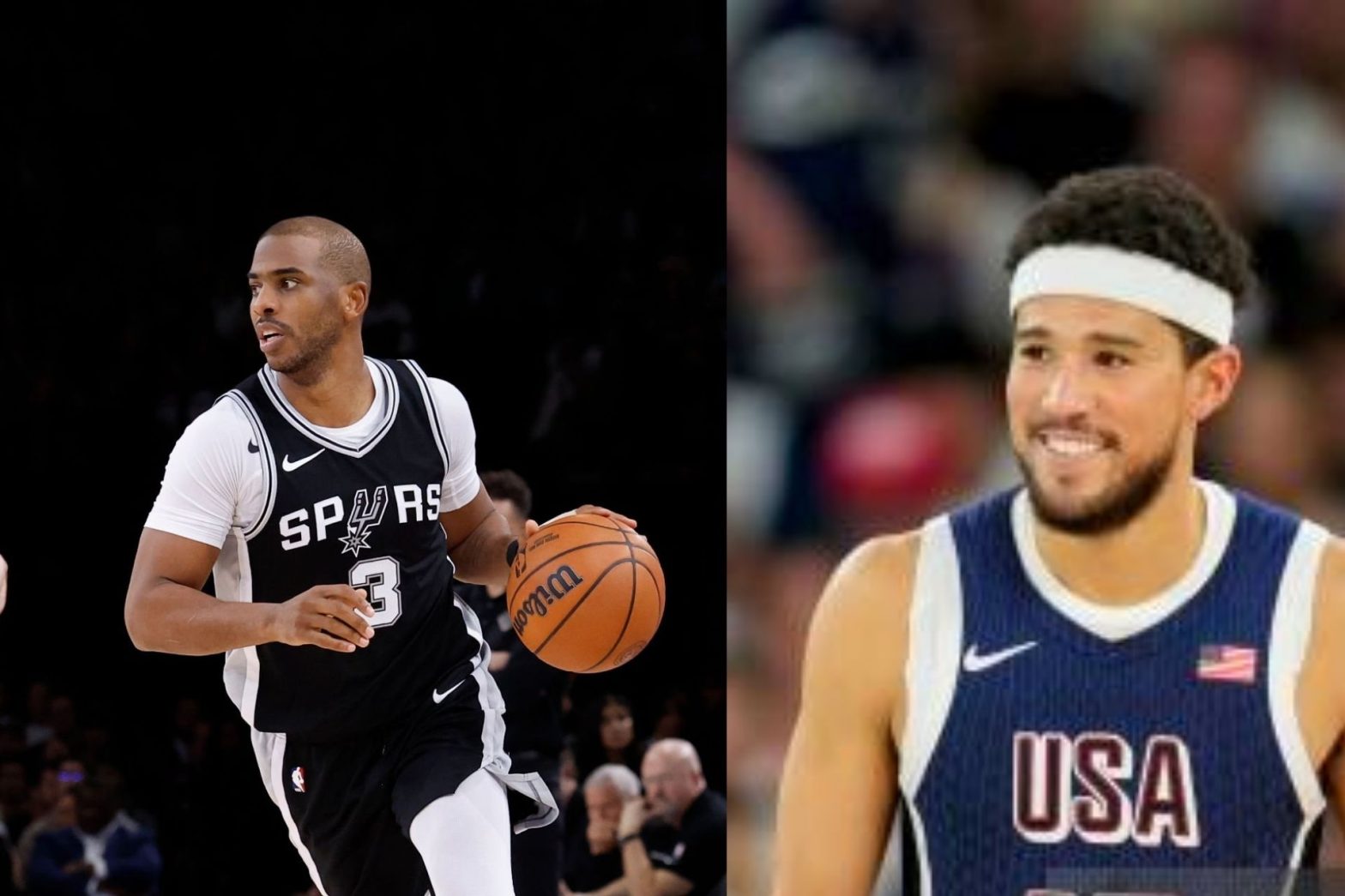
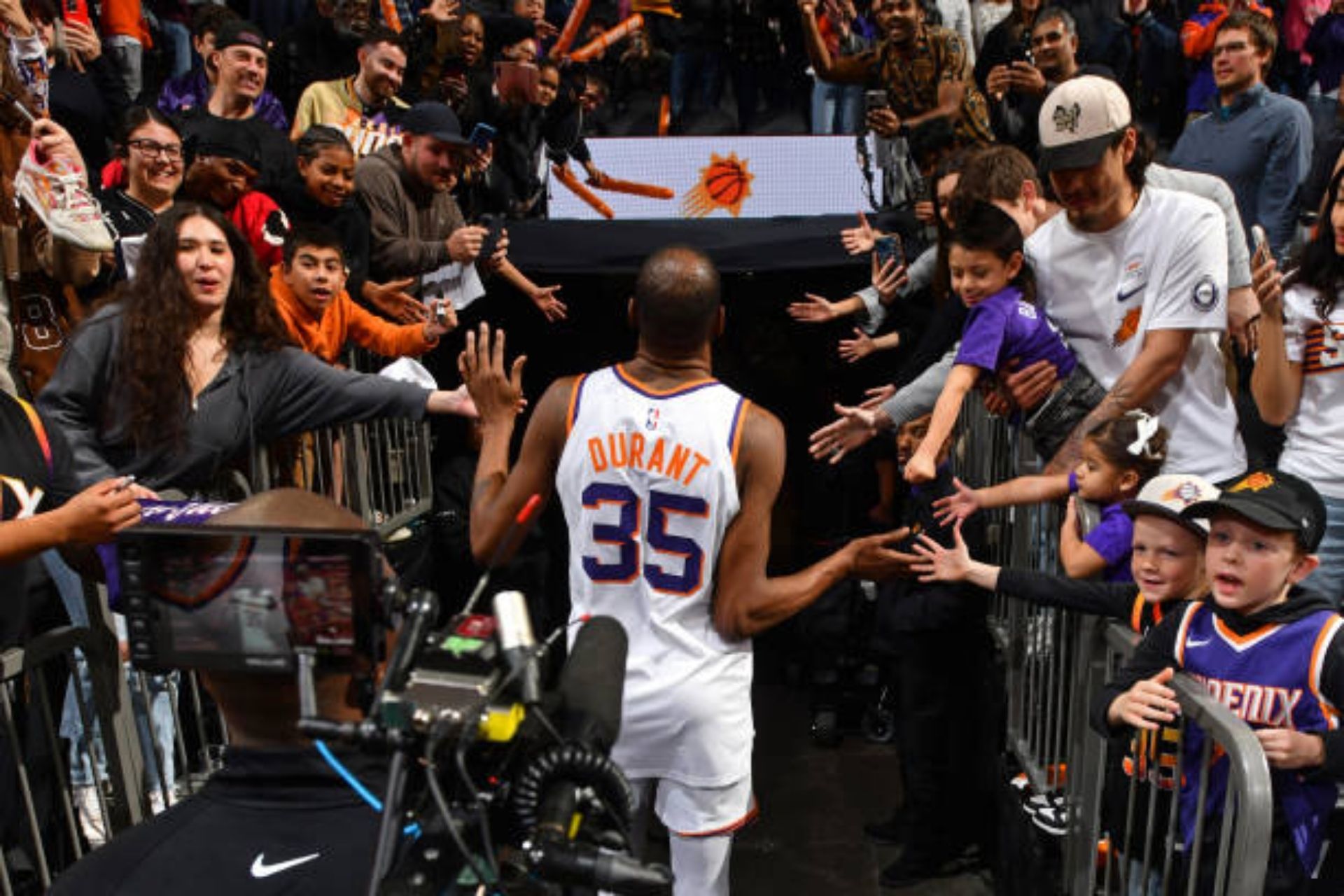
The Phoenix Suns must improve their defense and bench depth to make a sustained playoff run in the future.

Despite having one of the league’s best rosters, led by Devin Booker and Chris Paul, the Suns’ lack of a strong finish and inability to close out games left fans and analysts wondering what went wrong.

What plagues the Suns in the postseason? One issue is their occasional lack of mental fortitude under pressure. Inconsistency in performance from game to game, paired with a failure to execute in clutch moments, has repeatedly derailed their playoff aspirations.

Key Factors for Success

To achieve postseason success, the Suns must address several key factors that have contributed to their previous struggles. One is the defense.

While they have a solid defensive core, including Mikal Bridges, who has emerged as one of the best perimeter defenders in the league, the Suns have sometimes lacked the defensive intensity required for deep playoff runs.

In the postseason, teams need to adjust to different styles of play quickly, and the Suns have occasionally struggled with that adaptation.

Another critical factor is depth. The Suns have had a top-heavy roster in recent years, relying heavily on Booker and Paul for offensive production.

While these two players are undoubtedly capable of leading the team, playoff series often require contributions from every player on the roster. The lack of consistent bench play and secondary scoring can leave the Suns vulnerable when their stars are not performing at their best.

Player Contributions: Stars and Struggles

The Phoenix Suns’ playoff performances are, in many ways, tied to the performances of their stars. Devin Booker, a player capable of carrying his team offensively, has often risen to the occasion in big games.

However, his efforts have sometimes been in vain when the supporting cast doesn’t show up or when other stars underperform. Chris Paul, while still one of the league’s top point guards, has struggled with injuries in recent years, hindering his ability to lead effectively in critical playoff games.

The importance of Deandre Ayton cannot be overstated. The young center has shown flashes of brilliance but has been inconsistent, especially when the Suns need him most. Whether it’s a lack of aggression or a failure to match up against elite bigs, Ayton’s development will play a major role in the Suns’ future playoff chances.

Coaching and Management: Stability at the Top

Monty Williams has been an instrumental figure in the Suns’ rise to prominence. His leadership and ability to develop young talent have been crucial. However, even Williams’ well-established system has not been foolproof in the postseason.

Inconsistent rotations, failure to make timely adjustments, and an over-reliance on his star players have sometimes cost the Suns in tight playoff matchups. For the Suns to succeed, Williams will need to ensure his team is adaptable and resilient when things don’t go according to plan.

The front office has also made moves to strengthen the roster, but their success in the postseason will depend on how well those additions mesh with the existing group.

The Suns need to continue building a balanced team, ensuring they have depth, versatility, and an ability to compete across all positions.

The Road Ahead: Can the Suns Find Their Consistency?

The road ahead for the Phoenix Suns will require a combination of staying healthy, improving their defensive intensity, and building a more consistent team performance across the board.

Their ability to evolve into a more balanced and resilient playoff team will determine whether they can overcome their historical inconsistencies. It will also depend on whether their star players can avoid injuries, maintain their form, and elevate their performances when it matters most.

If the Suns can iron out their inconsistencies, they certainly have the potential to be a championship contender for years to come. With a talented roster, strong coaching, and a fan base eager for success, the time has come for the Suns to prove that their playoff woes are a thing of the past.

Categories
NBA (Basketball)

The Dallas Mavericks’ Luka Problem: Is He Too Big for the Team?

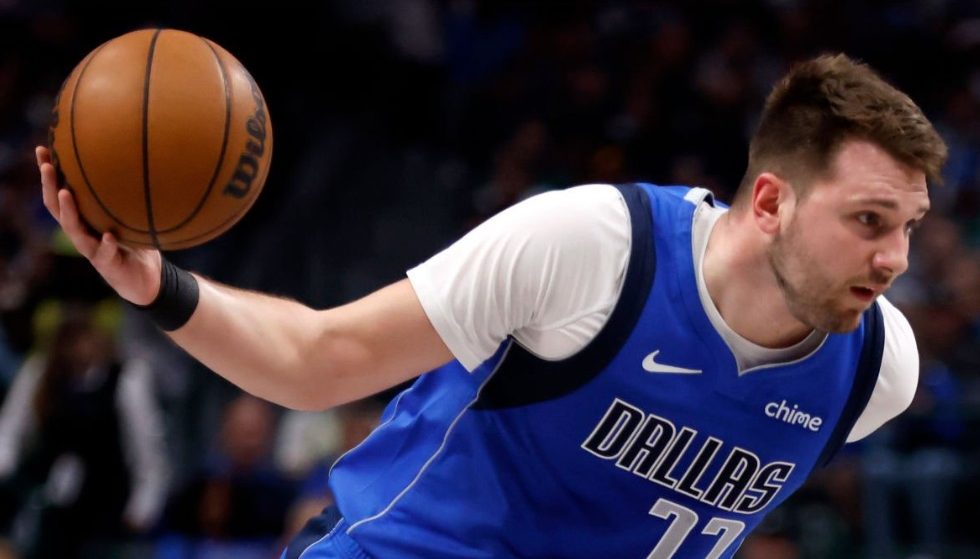
The Dallas Mavericks have a superstar, but do they have a team? That’s the burning question as Luka Dončić continues to put up jaw-dropping numbers while the Mavericks struggle to break through as a true title contender.

The issue isn’t his talent—he’s an offensive wizard capable of making even the most difficult plays look effortless. But as the franchise builds around him, some are beginning to wonder: Has Luka become too big for the Mavericks?

Luka’s Dominance and the Team’s Dependence

At just 24 years old, Dončić has already established himself as one of the NBA’s premier players. He consistently ranks among the league leaders in scoring, assists, and overall impact. His ability to control the game, dictate pace, and take over in crunch time has drawn comparisons to legends like LeBron James and James Harden.

Yet, for all his individual brilliance, the Mavericks have struggled to find sustained success. While they’ve made playoff runs, their dependence on Luka has been both their greatest asset and their biggest weakness.

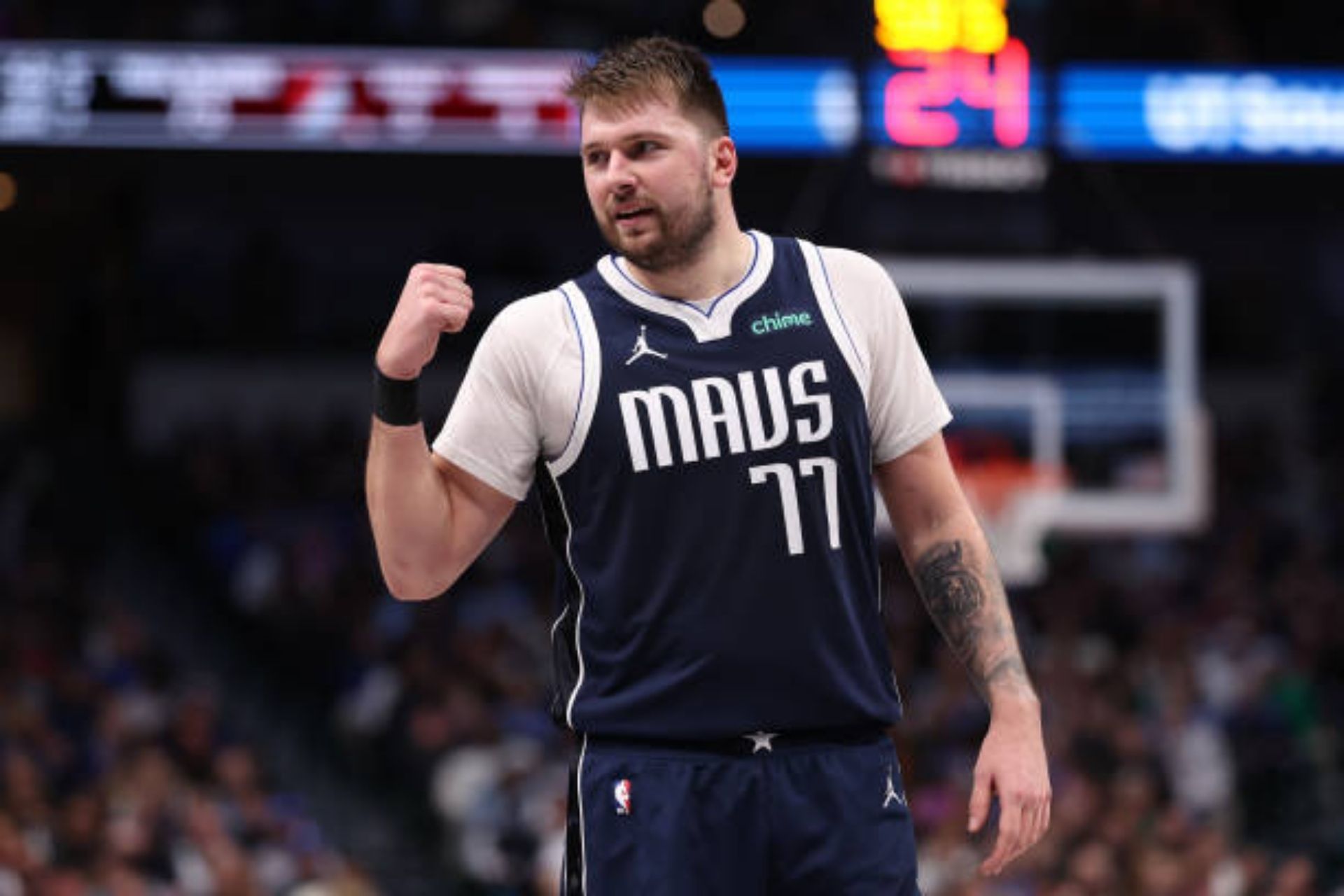
As Luka continues to shine, the Mavericks search for the perfect supporting cast to bring them to the next level.

The team’s offensive structure revolves entirely around him, which often leads to stagnation when he’s off the floor. It’s a double-edged sword: his usage rate soars, but the supporting cast struggles to develop consistency.

The Superstar Dilemma

Every team wants a transcendent star, but building around one comes with challenges. The Mavericks have tried multiple roster configurations, pairing Dončić with Kristaps Porziņģis, and more recently, Kyrie Irving. Yet, none have proven to be the perfect fit.

Porziņģis was supposed to be Luka’s long-term running mate, but injuries and inconsistency derailed that plan. Irving, an elite scorer and playmaker, provides a different dynamic, but chemistry issues and injuries have made their partnership unpredictable.

This raises a critical question: Is Luka’s playstyle—one that demands heavy usage and control—preventing Dallas from fostering a more balanced team? While he is an exceptional passer, the offense often slows down to his rhythm, making it difficult for teammates to find their own flow.

Can the Mavericks Find the Right Balance?

For the Mavericks to truly compete for a championship, they need to strike a balance between maximizing Dončić’s abilities and creating a system that allows other players to thrive. That requires smart roster construction and a commitment to a more fluid style of play.

One potential solution is finding the right mix of role players who complement Luka’s game. Players who excel at off-ball movement, three-point shooting, and defensive versatility could help relieve some of the offensive burden.

Another strategy is encouraging Luka to adapt his approach—becoming more effective off the ball, improving his defense, and trusting his teammates more in high-pressure situations.

The Future of the Luka-led Mavericks

The Mavericks’ front office faces a crucial period. They must ensure that Dončić doesn’t become frustrated with the team’s trajectory, as we’ve seen in other superstar-led situations across the league.

Stars like Kevin Durant and Giannis Antetokounmpo have pressured their organizations to improve their rosters, and Luka could follow suit if Dallas doesn’t take the next step.

Luka Dončić is undoubtedly one of the most talented players in the league, but the Mavericks must ask themselves a hard question: Is their reliance on him hindering their ability to build a true contender?

Finding the right pieces and evolving their game plan could be the difference between a perennial playoff team and a championship dynasty.

Categories
NFL (American Football)

Minnesota Vikings’ Overpaid Stars: Are They Worth the Investment?

The Minnesota Vikings have long been a franchise willing to spend big to stay competitive. From blockbuster contracts to lucrative extensions, the team has consistently prioritized retaining top talent.

But as the NFL salary cap tightens and younger stars emerge, the question remains: Are the Vikings’ highest-paid players delivering value, or are they overpaid liabilities?

The Cost of Star Power

The Vikings’ salary cap situation has been under scrutiny for years. General Manager Kwesi Adofo-Mensah has had to face difficult financial waters, balancing veteran contracts with the need for fresh talent. The team’s spending has led to mixed results, making it crucial to analyze the return on investment (ROI) of its top earners.

Let’s take a closer look at some of the most highly paid Vikings and whether their performances justify their hefty paychecks.

Kirk Cousins: The $35 Million Question

Since arriving in 2018, quarterback Kirk Cousins has been one of the league’s highest-paid players. His current deal, which carried a $35 million cap hit in 2023, makes him the 6th highest-paid QB in the NFL.

The Case For: Cousins has been statistically solid, consistently throwing for over 4,000 yards and 25+ touchdowns per season. His durability and leadership have kept the Vikings in playoff contention multiple times.

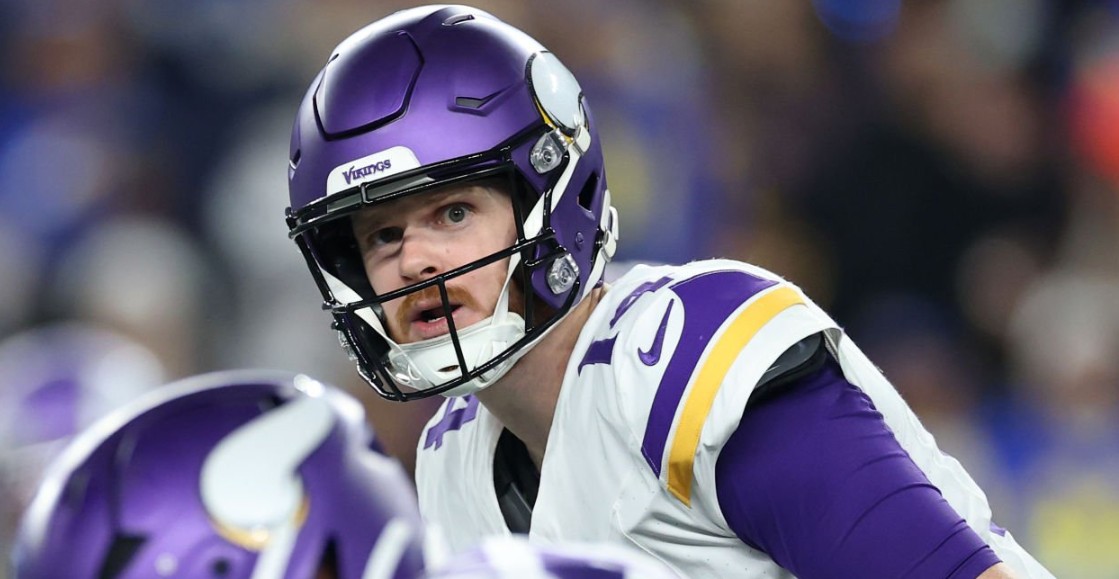
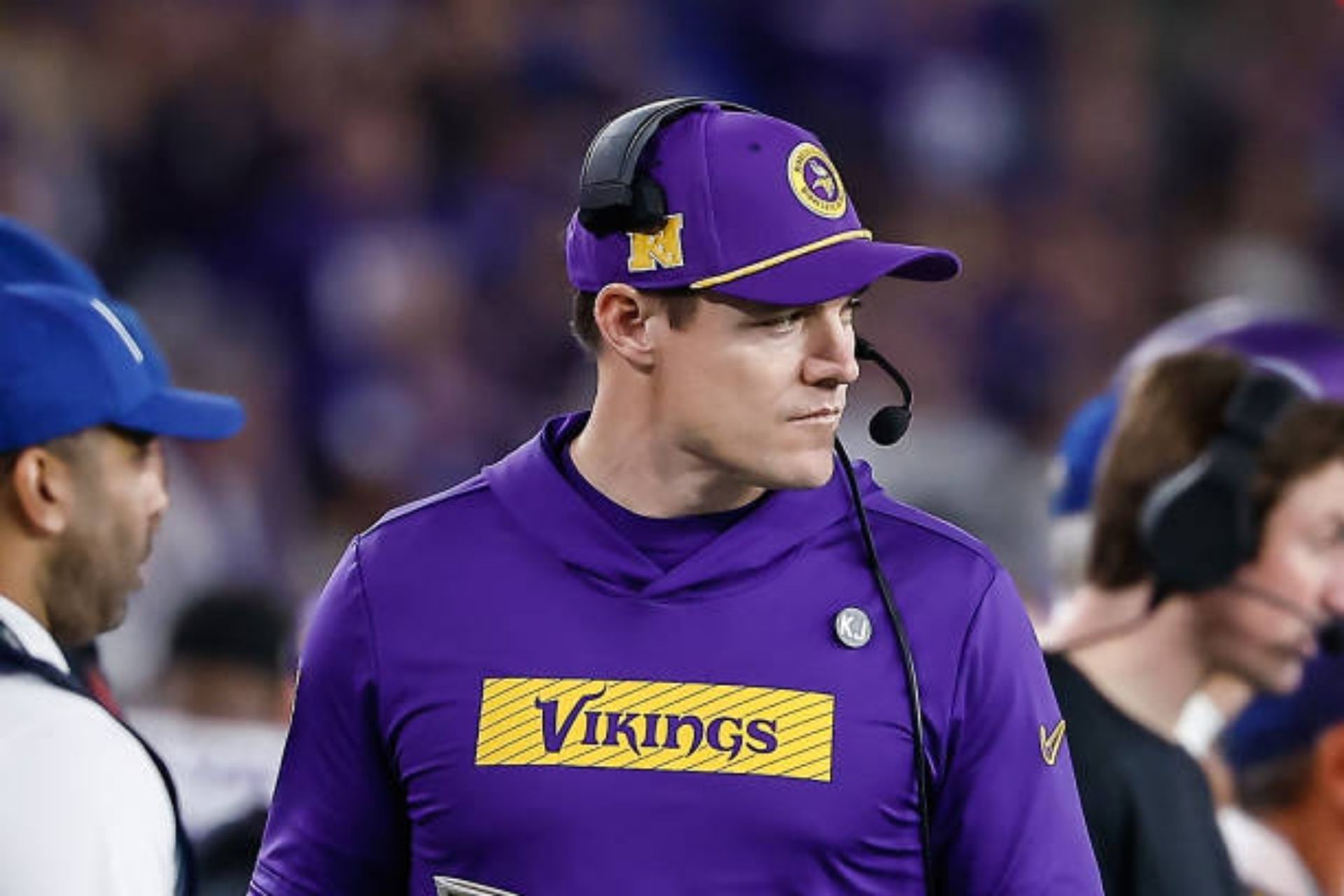
Splashing the cash or wasting cap space? A deep dive into the Minnesota Vikings’ biggest contracts!

The Case Against: Despite impressive numbers, Cousins has been criticized for his struggles in primetime and playoff games. The lack of a deep postseason run raises concerns about whether he’s worth such a massive chunk of the team’s cap space.

Verdict: Slightly Overpaid. While productive, Cousins hasn’t elevated the Vikings to Super Bowl contention, which is expected from a top-tier quarterback salary.

Danielle Hunter: Sack Machine or Cap Drain?

Pass rusher Danielle Hunter signed a lucrative extension worth $20 million per season, making him one of the highest-paid edge rushers in the league.

The Case For: When healthy, Hunter is a dominant force. He recorded 16.5 sacks in 2023, proving he can still be a top-tier pass rusher.

The Case Against: Injuries have plagued Hunter’s career, forcing him to miss significant time in previous seasons. Some argue that the team could have allocated funds to a younger, more durable option.

Verdict: Worth the Investment. Hunter remains one of the league’s premier pass rushers, and his production justifies his contract.

T.J. Hockenson: A Tight End Worth Every Penny?

The Vikings made T.J. Hockenson the highest-paid tight end in the NFL with a 4-year, $68.5 million contract.

The Case For: Hockenson quickly became Cousins’ go-to weapon, finishing with over 900 receiving yards in 2023. His ability to stretch the field and block makes him a valuable asset.

The Case Against: While talented, tight ends rarely make game-changing impacts like quarterbacks or wide receivers. Some believe the Vikings could have used the money elsewhere.

Verdict: Fairly Paid. Hockenson is a key offensive weapon, and his contract aligns with his value.

The Vikings’ Spending Strategy

While some of the Vikings’ biggest contracts raise eyebrows, others are justified based on performance. The challenge moving forward will be balancing high-end talent with financial flexibility to ensure long-term success.

Do you think the Vikings’ stars are worth their paychecks, or should the team restructure its salary cap strategy? Let us know!

Categories
FEATURED

Why North Carolina Football May Never Be Relevant in College Sports

When you think of North Carolina sports, one thing comes to mind: basketball. The Tar Heels’ dominance on the hardwood, from Michael Jordan to multiple national championships, has cemented UNC as a powerhouse. But on the football field? The story is much different.

For decades, North Carolina football has struggled to break into the national conversation. While the program has seen occasional flashes of success—most recently under Mack Brown—it has never sustained elite-level competitiveness. But why is that?

Let’s dive into the key reasons why North Carolina football may never be a major player in the college football landscape.

1. The Basketball-First Culture

The biggest hurdle for UNC football is its own school culture. North Carolina is, and always will be, a basketball-first institution. The Dean Smith legacy, the Cameron rivalry with Duke, and the passionate fan base make basketball king in Chapel Hill.

While schools like Alabama and Ohio State pour resources into football as their primary sport, UNC’s focus remains divided. The energy from fans, boosters, and administration is heavily invested in basketball, making it difficult for football to command the same level of attention and financial backing.

2. Recruiting Challenges in a Competitive Region

North Carolina is in a unique position geographically. The state produces some solid football talent, but it’s surrounded by recruiting powerhouses like Georgia, Alabama, Clemson, and Florida.

Top recruits in the Southeast dream of playing in the SEC or at a perennial powerhouse like Clemson.

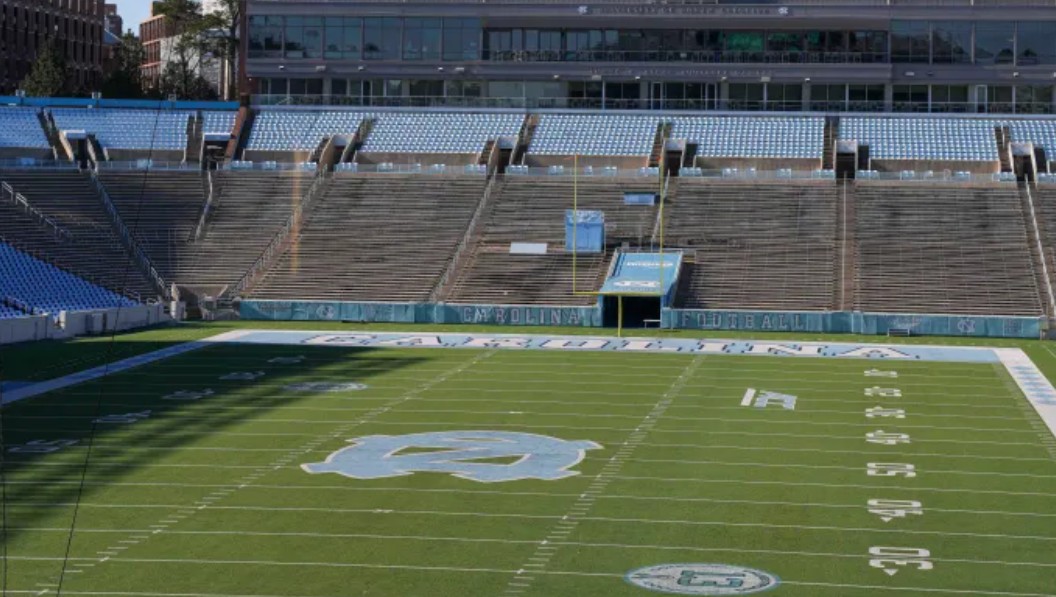
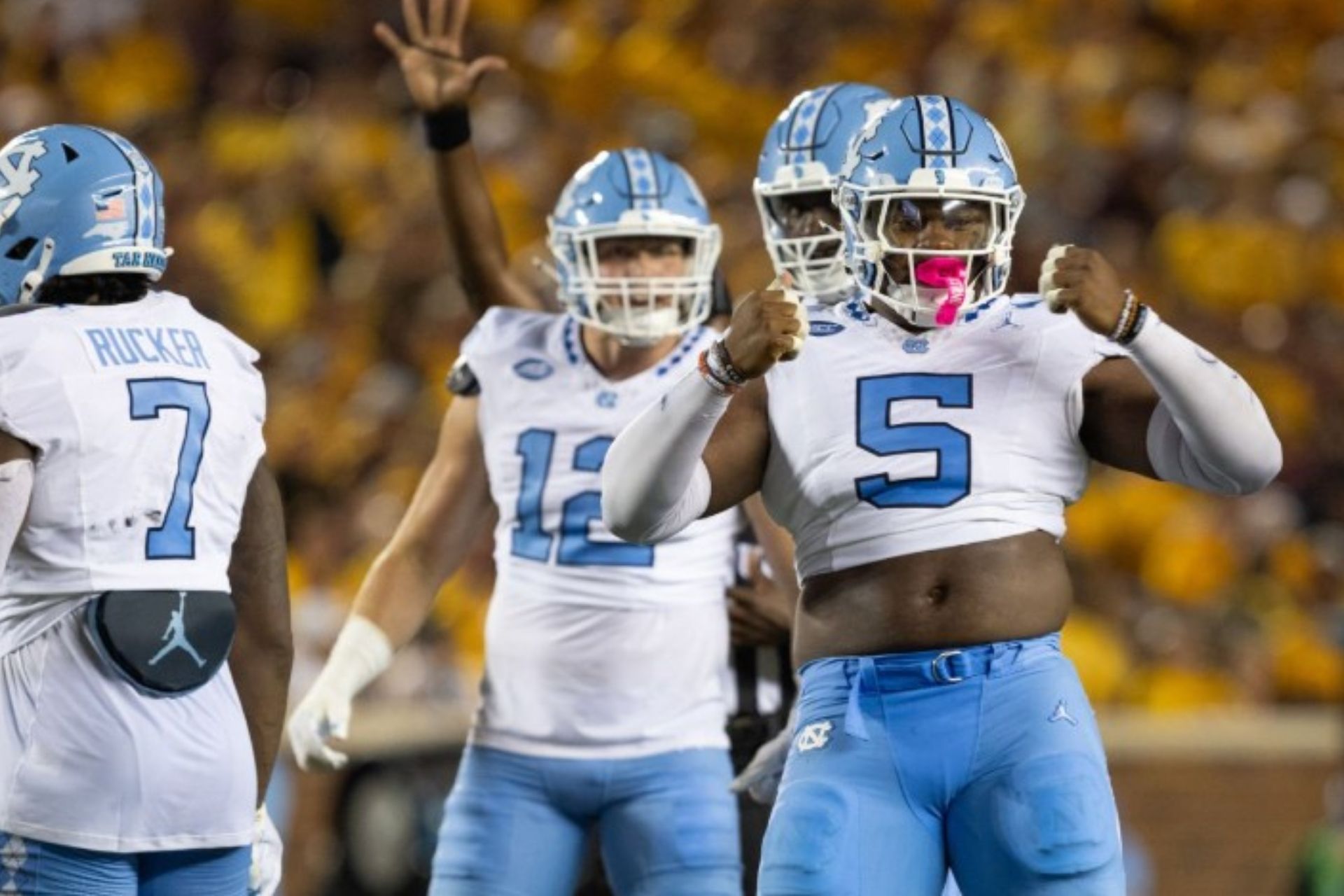
Can North Carolina ever be more than a mid-tier football program?

UNC, despite its facilities and coaching efforts, struggles to attract five-star talent consistently. While they’ve landed top recruits like Sam Howell, they rarely build complete rosters that can compete with the best teams year in and year out.

3. A History of Inconsistency

Unlike other schools that have long football traditions, UNC’s history in the sport is marked by inconsistency. There have been occasional 10-win seasons, but never a sustained run of dominance.

Even Mack Brown’s return to Chapel Hill, which initially brought optimism, hasn’t resulted in a breakthrough. The team has had promising seasons, but they continue to fall short when it matters most. Without a proven track record of competing at the highest level, it’s hard to convince recruits and fans that UNC football is anything more than a mid-tier program.

4. The ACC’s Lack of Football Prestige

Playing in the ACC has also hindered UNC’s ability to gain national relevance. The conference, outside of Clemson and Florida State, has lacked consistent football dominance.

Compared to the SEC or Big Ten, the ACC simply doesn’t have the same level of week-in, week-out competition. This means fewer high-profile matchups, lower TV ratings, and less national attention.

Even when UNC puts together a strong season, it often gets overshadowed by powerhouse programs from other conferences.

5. Coaching Turnover and Stability Issues

For a football program to thrive, coaching stability is crucial. UNC has struggled with that over the years. The program has gone through multiple head coaches, with different philosophies and recruiting strategies, leading to a lack of continuity.

Mack Brown brought experience, but his return has yet to yield championship-level success. If he retires soon, UNC will again be in search of a leader who can recruit, develop talent, and build a consistent winner.

Can UNC Ever Change the Narrative?

While UNC football faces significant challenges, it’s not impossible for the program to rise. Schools like Oregon and TCU have managed to elevate themselves into national relevance with the right mix of coaching, recruiting, and investment.

But for North Carolina to truly matter in college football, they need:

  • A commitment to football at the same level as basketball
  • A major recruiting shift to land top-tier talent consistently
  • A long-term head coach who can build a winning culture

Until then, UNC football will likely remain what it has always been—an afterthought in the college football landscape, forever overshadowed by the banners hanging in the Dean Dome.

Categories
NFL (American Football)

Dallas Stars: Are They Relying Too Much on Veterans?

The Dallas Stars are once again in the thick of the Western Conference playoff race, but their formula for success has a familiar feel. With veteran stars like Jamie Benn, Joe Pavelski, and Tyler Seguin leading the charge, the question arises—are the Stars leaning too heavily on their aging core at the expense of developing younger talent?

The Backbone of Experience

There’s no denying the impact of veterans on the Stars’ success. Joe Pavelski, at 39, remains one of the NHL’s most reliable forwards, providing leadership and offensive production. Jamie Benn has found a second wind in his career, and Tyler Seguin continues to play a vital role despite battling injuries in recent seasons.

From a leadership standpoint, this veteran presence is invaluable. These players set the tone in the locker room and provide a level of stability for younger teammates. Pavelski, in particular, has mentored budding stars like Jason Robertson and Wyatt Johnston, helping them navigate the pressures of the NHL.

However, the question remains: Is this reliance sustainable?

The Youth Movement: Held Back or Supported?

Dallas has an impressive crop of young talent. Jason Robertson has already cemented himself as one of the league’s top wingers, while Wyatt Johnston continues to develop into a top-six forward. Defenseman Thomas Harley has shown promise, and Jake Oettinger has proven he can be a franchise goaltender.

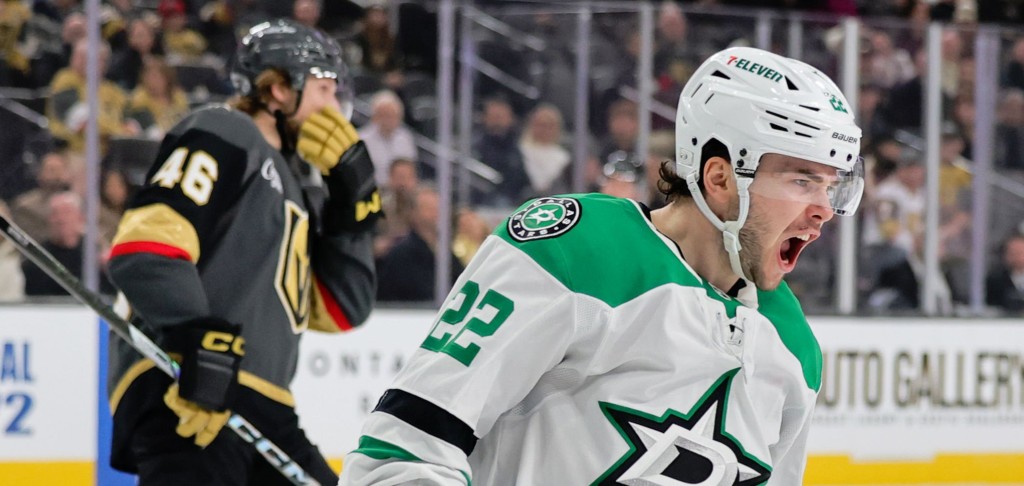
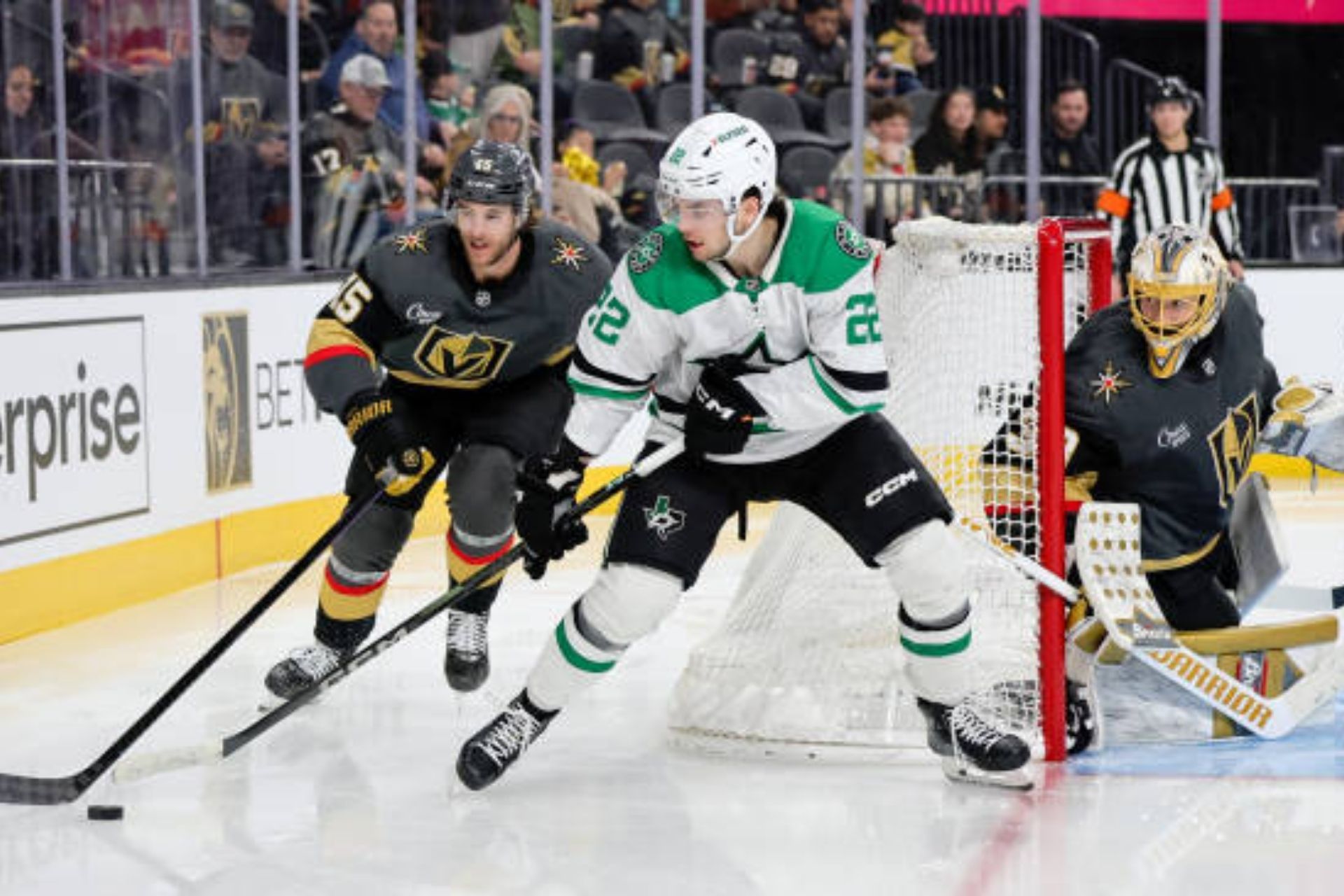
Dallas’ experienced core leads the way, but is it time for the young guns to take over?

Despite this young core, the Stars still prioritize their veteran group in key situations. Coach Pete DeBoer often leans on his experienced players in high-stakes moments, sometimes limiting the opportunities for younger players to take on bigger roles. While this strategy has its merits, it could slow down the development of the next generation.

Balancing the Present and Future

The Stars are currently built to win, and their mix of veteran leadership and young skill has proven effective. However, other teams that have leaned too long on an aging core—like the Chicago Blackhawks or Pittsburgh Penguins—have faced steep declines once their veterans slowed down.

If Dallas wants to avoid a similar fate, they must ensure their young stars are given ample opportunities to develop into franchise cornerstones.

Ultimately, the Stars’ reliance on veterans isn’t necessarily a bad thing, but it’s a fine line to walk. If they can transition their younger players into larger roles while still utilizing their experienced core, they could set themselves up for long-term success.

Categories
FEATURED

Minnesota Twins: Their Biggest Weaknesses Heading Into the Season

As the Minnesota Twins gear up for another season, optimism surrounds the team following a successful 2023 campaign that saw them clinch the AL Central title.

However, while the roster boasts talent and depth in several areas, no team is without flaws. If the Twins hope to make a deeper postseason run, they must address some key weaknesses before Opening Day.

1. Starting Pitching Depth

The Twins’ starting rotation performed well last season, but injuries remain a major concern. While Pablo López and Joe Ryan provide a strong one-two punch, the back end of the rotation is far less certain.

Sonny Gray’s departure in free agency leaves a void that Bailey Ober, Louie Varland, or a returning Kenta Maeda (if re-signed) will need to fill. If any of their top arms go down, the Twins lack proven depth to step in and maintain consistency.

Adding another reliable starter—whether through free agency or a trade—could be crucial in ensuring the rotation doesn’t falter if injuries strike.

2. Bullpen Uncertainty

The bullpen, which was solid last year, has some glaring uncertainties heading into 2024. Jhoan Durán is an electric closer, but the bridge to him is less stable. Griffin Jax and Caleb Thielbar have been reliable, yet the Twins could use another high-leverage reliever to solidify the late innings.

Furthermore, Minnesota lacks left-handed relief depth beyond Thielbar, which could pose problems against teams with lefty-heavy lineups. If the bullpen struggles early in the season, expect the front office to make adjustments at the trade deadline.

3. Lack of Offensive Consistency

Minnesota’s offense showed flashes of dominance in 2023, but inconsistency plagued them throughout the season. The team was heavily reliant on home runs, often struggling to manufacture runs when the long ball wasn’t in play.

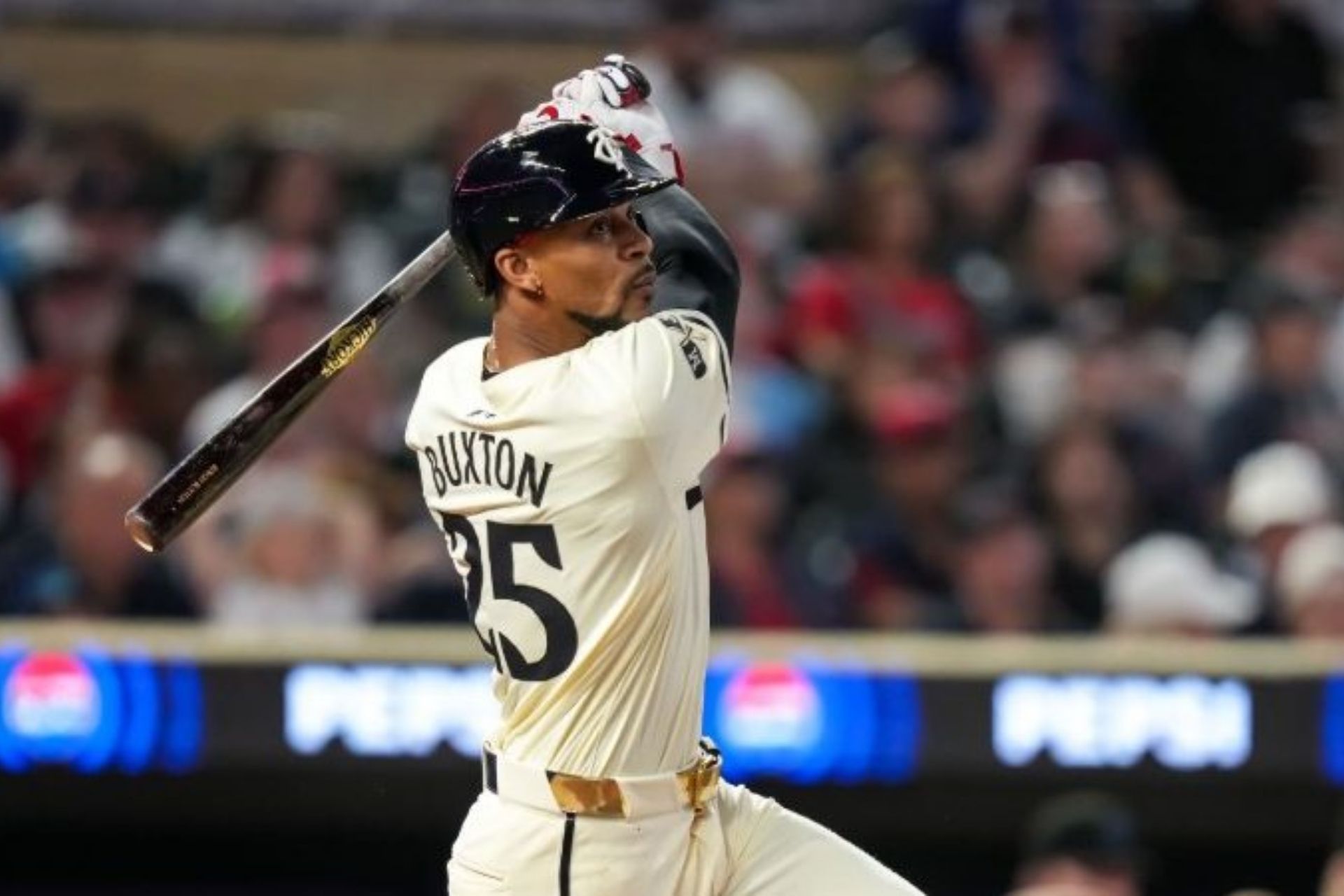
Carlos Correa and Byron Buxton are expected to lead the offense, but both dealt with injuries last season. The Twins need reliable production from emerging talents like Royce Lewis, Edouard Julien, and Alex Kirilloff to avoid extended slumps.

Developing a more balanced offensive approach—one that includes better situational hitting and fewer strikeouts—should be a priority.

4. Health Concerns with Key Players

Perhaps the biggest wildcard for the Twins remains the health of their star players. Buxton, when healthy, is one of the most dynamic players in the league, but his injury history is well-documented. Correa also battled plantar fasciitis last season, which hampered his production.

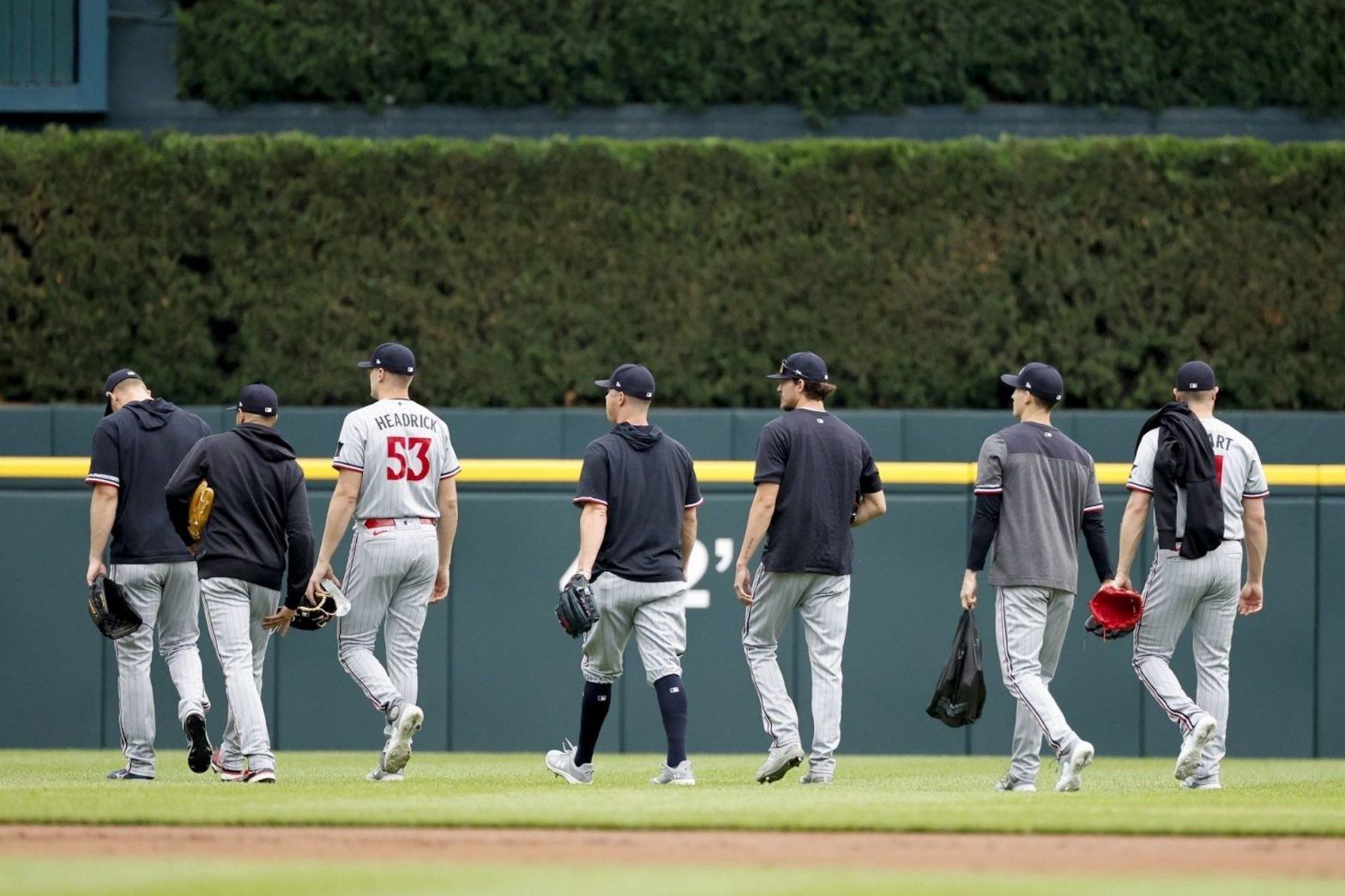
The Twins’ bullpen remains a question mark—will they find the right pieces to support closer Jhoan Durán?

The Twins’ ability to contend hinges on keeping their core healthy. If Buxton and Correa can stay on the field, the team’s ceiling is significantly higher. Otherwise, Minnesota will once again be forced to rely on unproven depth options.

5. Lack of Veteran Leadership

With Sonny Gray, Kenta Maeda, and potentially other veterans departing, the Twins could find themselves lacking experienced leadership in the clubhouse.

While Correa has taken on a leadership role, a team with so many young players benefits from having seasoned veterans to help navigate the ups and downs of a long season.

Bringing in an experienced presence, even in a bench role, could help maintain stability, particularly if the Twins hit rough patches during the year.

Despite these weaknesses, the Twins remain a strong contender in the AL Central. Their young core has the potential to take a step forward, and the front office has shown a willingness to make in-season adjustments.

However, addressing these issues—particularly rotation depth and offensive consistency—will be key if they hope to challenge for more than just a division title.