


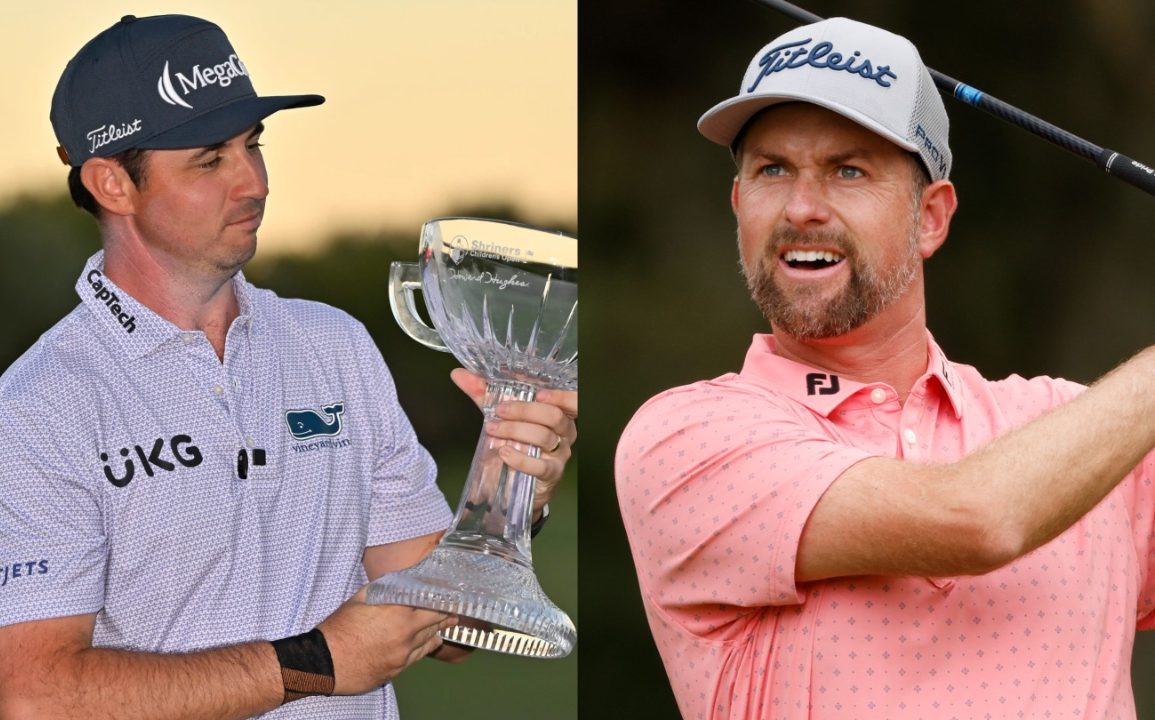
North Carolina has long been a cradle of golfing talent, producing players who have left indelible marks on the sport at both national and international levels. From historic major winners to trailblazing pioneers, the state’s golfers embody skill, perseverance, and a deep connection to their roots. This overview highlights ten of the most influential North Carolina golfers across eras, showcasing their achievements, personalities, and lasting impact on the game.
1. Raymond Floyd: The Stare of Fort Bragg
Raymond Floyd, born in Fort Bragg, stands as arguably North Carolina’s most accomplished golfer. His career, spanning over five decades, is defined by adaptability and relentless determination. Floyd claimed four major championships: the 1969 and 1982 PGA Championships, the 1976 Masters, and the 1986 U.S. Open. Notably, his Master’s victory tied the scoring record at 17-under par—a feat that cemented his place in golfing history.
Floyd was also known for his “stare,” an intense gaze that unnerved opponents and symbolized his competitive focus. With 22 PGA Tour wins and 14 Champions Tour victories, he demonstrated remarkable longevity. His induction into the World Golf Hall of Fame in 1989 affirmed his status as a legend, representing the pinnacle of North Carolina’s golfing talent.
 Raymond Floyd
2. Davis Love III: Carolina’s Ryder Cup Hero
Davis Love III, hailing from Charlotte and a product of the University of North Carolina, dominated American golf through the 1990s and 2000s. His career reached its zenith at the 1997 PGA Championship, famously won under a rainbow on the 18th green—a moment etched into the sport’s lore.
Structurally, Love’s success combines statistical achievement with leadership. He amassed 21 PGA Tour wins, including two Players Championships, and demonstrated extraordinary longevity by winning the Wyndham Championship at age 51. Beyond his victories, Love’s influence as a two-time Ryder Cup captain underscores his leadership both on and off the course, shaping the next generation of golfers.
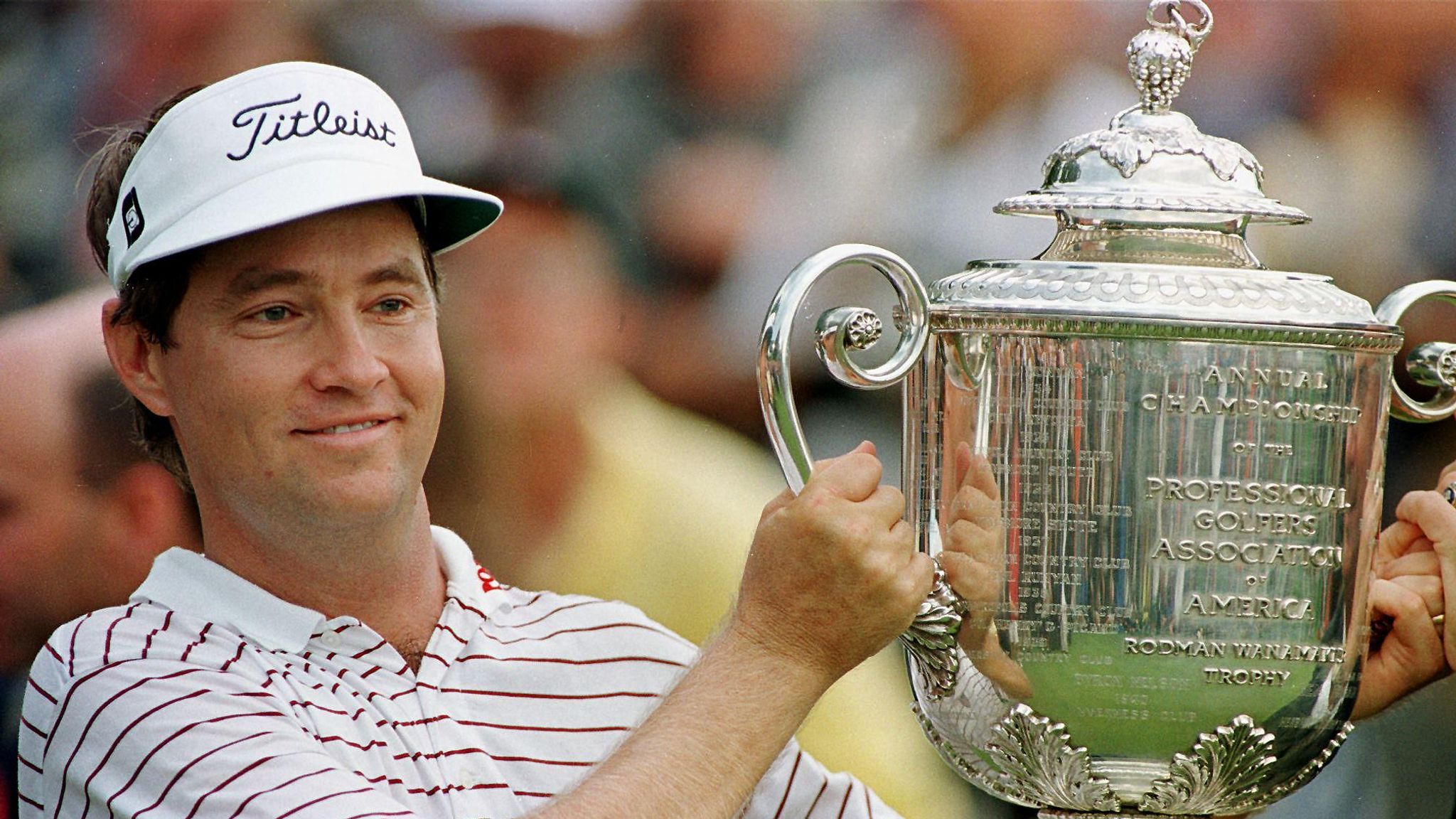 Davis Love III
3. Webb Simpson: Precision from Raleigh
Webb Simpson represents North Carolina’s modern golfing excellence. Born in Raleigh and a Wake Forest alumnus, Simpson’s career breakthrough came at the 2012 U.S. Open, where his composure under pressure secured his first major.
A technical analysis of Simpson’s game highlights his precision and elite putting. His 2018 Players Championship victory, achieved by a four-stroke margin over one of the strongest fields in history, demonstrates his consistent high-level performance. With seven PGA Tour wins and multiple appearances for Team USA in both the Ryder and Presidents Cups, Simpson’s trajectory showcases a blend of talent and meticulous preparation.
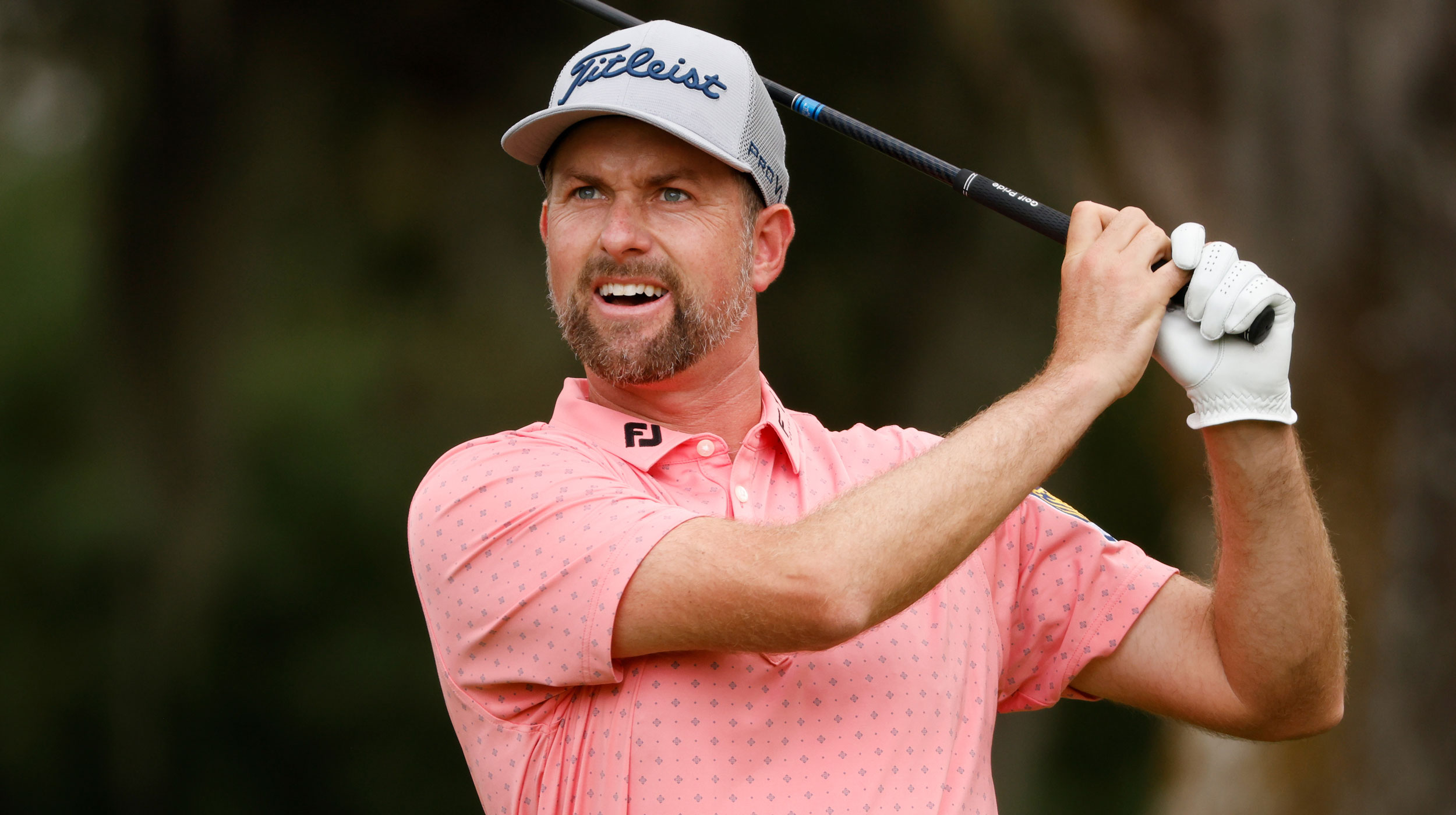 Webb Simpson
4. Scott Hoch: The Consistent Strategist
Scott Hoch, also from Raleigh and a Wake Forest standout, thrived through consistency and tactical play. While major victories eluded him, Hoch’s 11 PGA Tour wins and eight top-10 finishes in majors reflect an enduring presence in competitive golf.
Using a chronological lens, Hoch’s career peaked in the 1980s and 90s, marked by repeated Ryder Cup appearances. Often remembered for a missed putt at the 1989 Masters, his legacy is more accurately captured through his pragmatic, high-percentage approach to challenging courses. Hoch’s career is a study in longevity and the strategic mastery of the game.
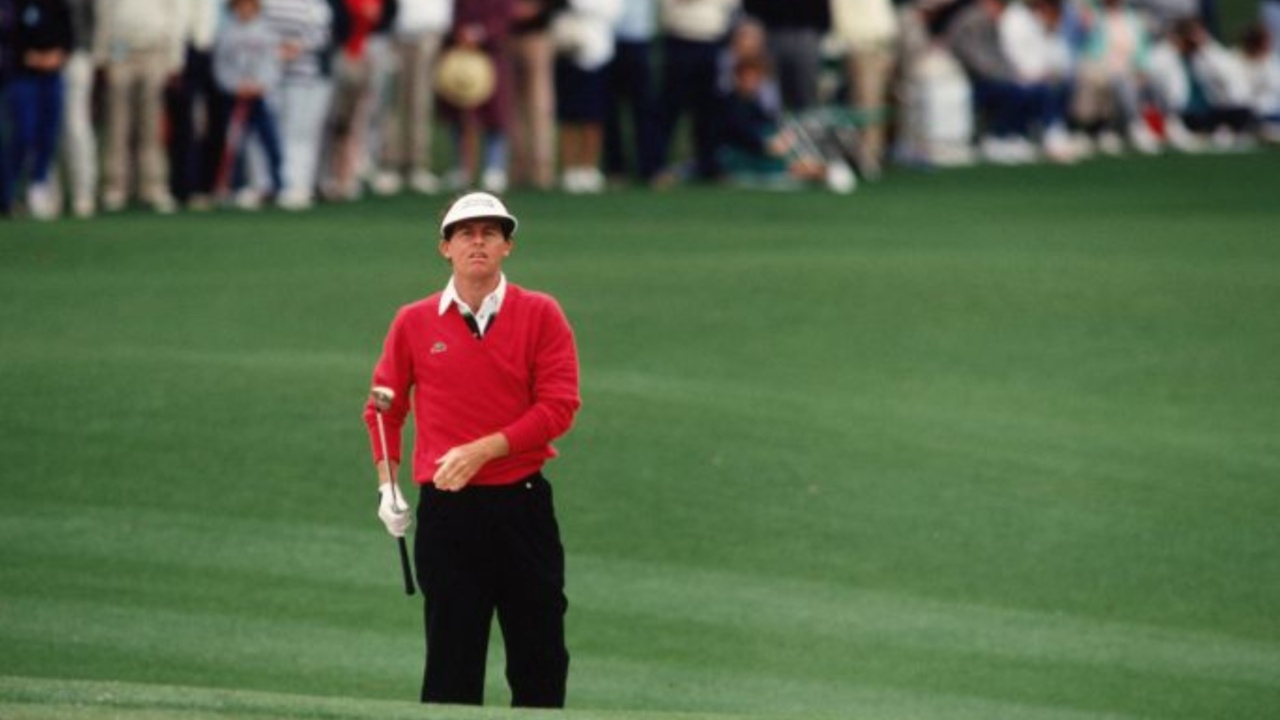 Scott Hoch
5. Bill Haas: Clutch Performer of Charlotte
Bill Haas, born in Charlotte into the golfing Haas dynasty, exemplifies composure under pressure. Playing for Wake Forest like his father, Jay Haas, he became a prominent tour figure with six PGA Tour wins.
Haas’ career-defining moment came in 2011, winning the Tour Championship and FedExCup in dramatic fashion, including a daring shot out of a water hazard. His ability to deliver in team formats, such as securing the 2015 Presidents Cup victory, demonstrates both individual skill and collaborative excellence. This combination of family legacy and personal achievement cements his place in North Carolina golf history.
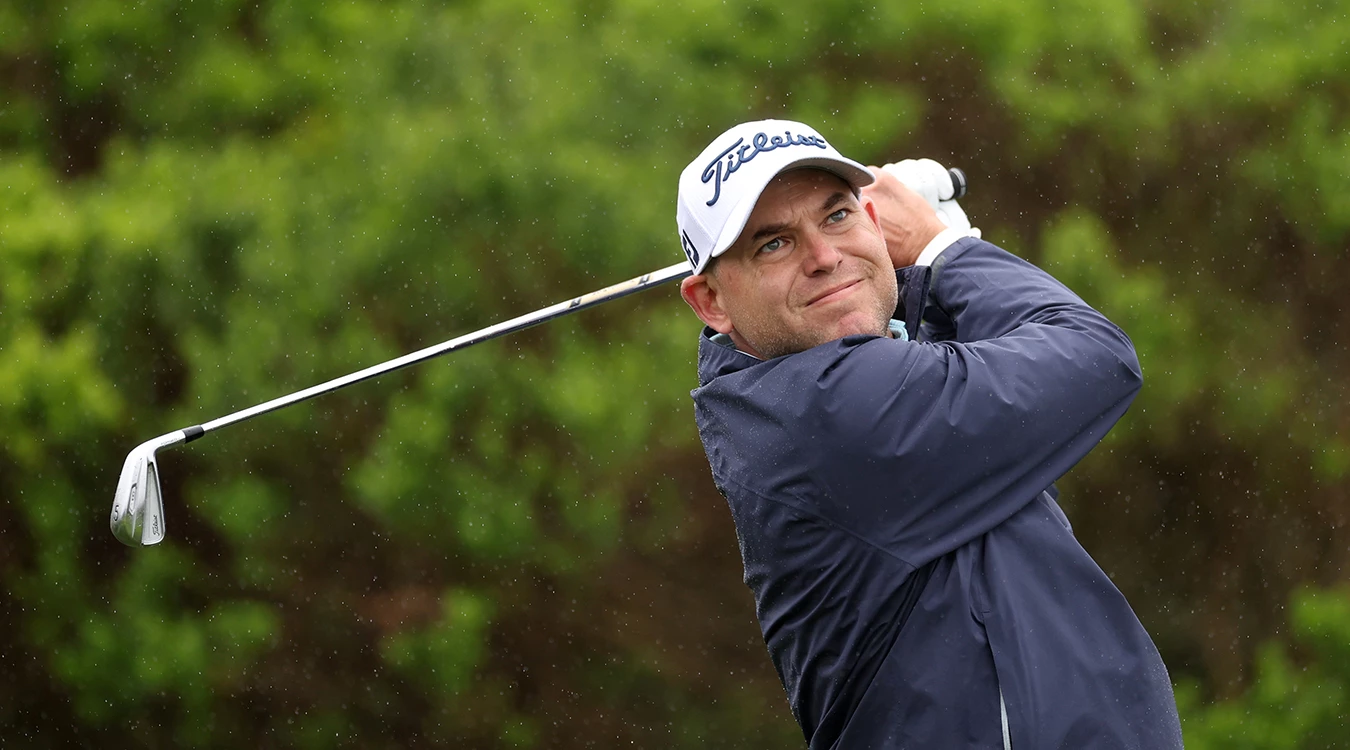 Bill Haas
6. Chip Beck: Fayetteville’s Record-Setter
Chip Beck from Fayetteville achieved international recognition in the late 1980s, reaching World No. 2. His career is punctuated by precision and historic feats, including a 59 at the 1991 Las Vegas Invitational a milestone in PGA Tour history.
Analyzing Beck’s career statistically, he won five PGA Tour events and was a runner-up in three majors. His four Ryder Cup selections underscore his consistency and reliability on the global stage. Beck’s achievements illustrate the competitive peaks possible for North Carolina golfers in the modern era, blending technical skill with historical significance.
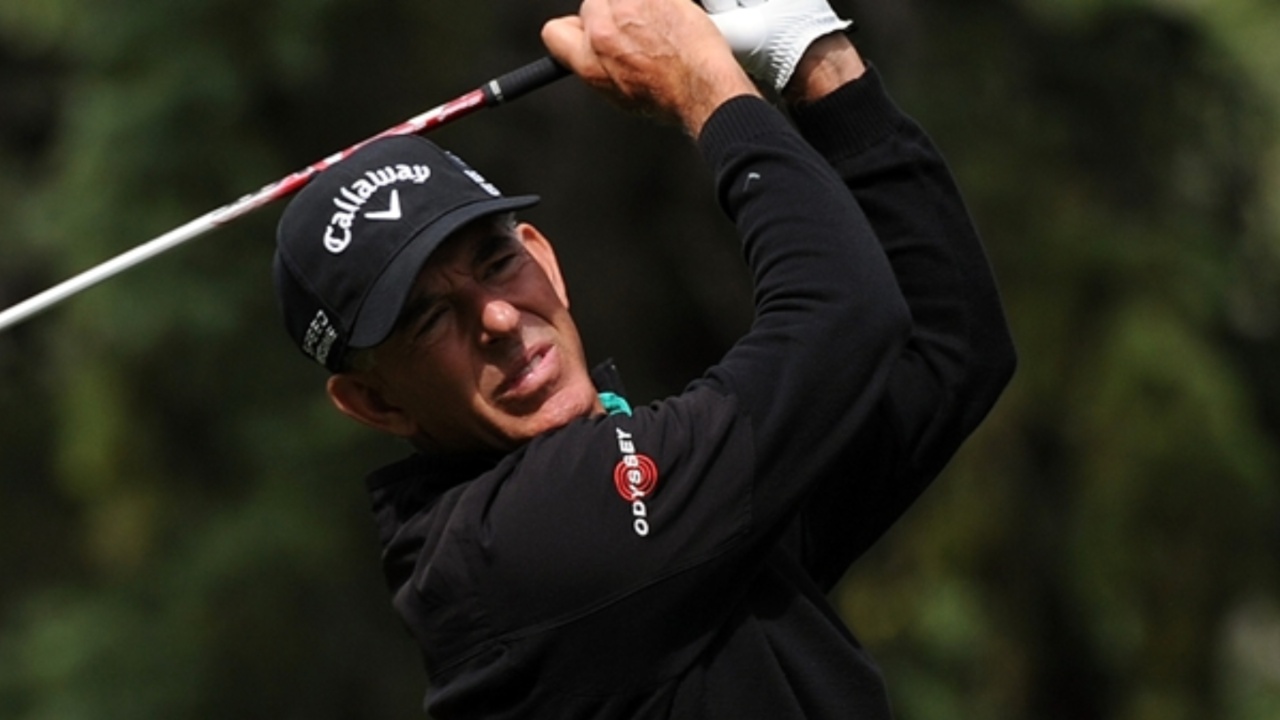 Chip Beck
7. Johnny Palmer: The Post-War Trailblazer
Johnny Palmer, active in the post-World War II era, was among the earliest North Carolina golfers to achieve national prominence. Between 1946 and 1954, he captured seven PGA Tour victories, including a landmark win at the 1949 Canadian Open.
Palmer’s influence extends beyond individual titles. He finished as runner-up in the 1949 PGA Championship and served on the Ryder Cup team, mentoring younger professionals who would shape the state’s golfing legacy. His career, examined historically, provides the foundation upon which modern North Carolina golf has been built.
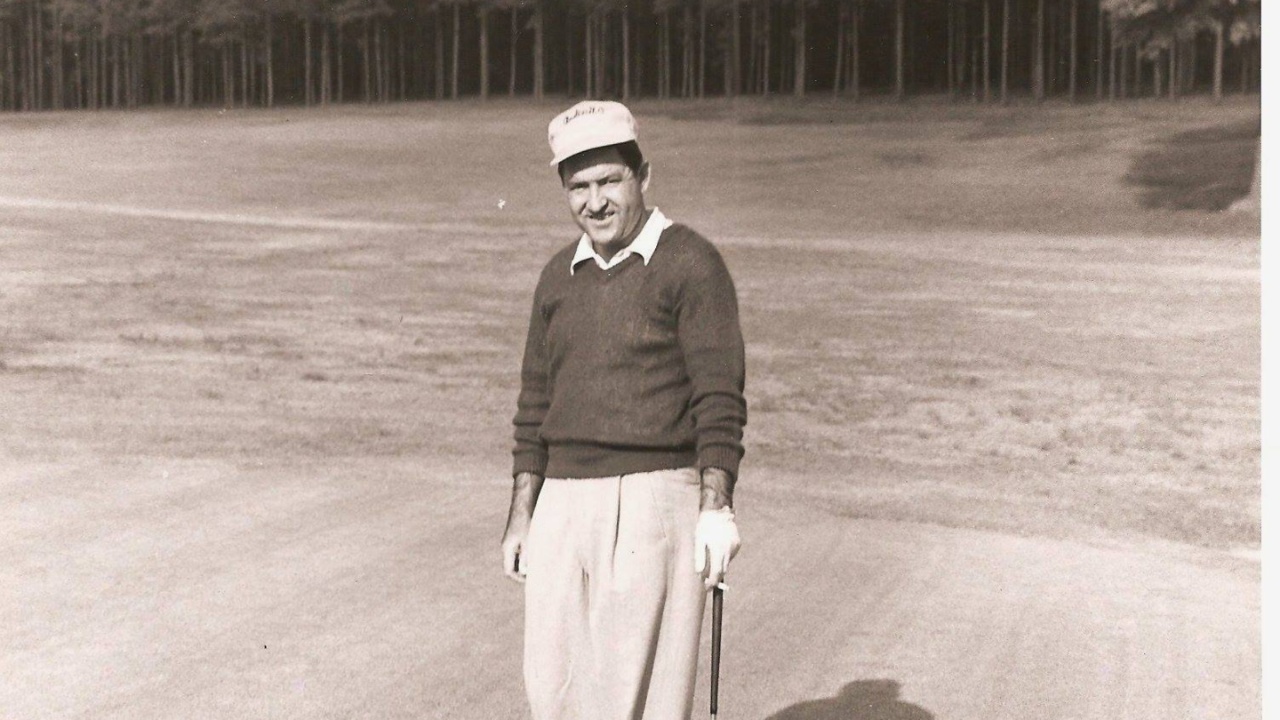 Johnny Palmer
8. Peggy Kirk Bell: Southern Pines’ Golfing Matriarch
Peggy Kirk Bell, from Southern Pines, combined competitive success with transformative influence on the sport. Her playing career included a 1949 Titleholders Championship victory and three Ohio State Amateur titles.
Bell’s broader impact, however, was institutional. As a charter member of the LPGA and owner of Pine Needles Lodge & Golf Club, she nurtured generations of golfers and hosted multiple U.S. Women’s Opens. Her induction into the World Golf Teachers Hall of Fame and receipt of the Bob Jones Award highlight her dual legacy as a competitor and mentor.
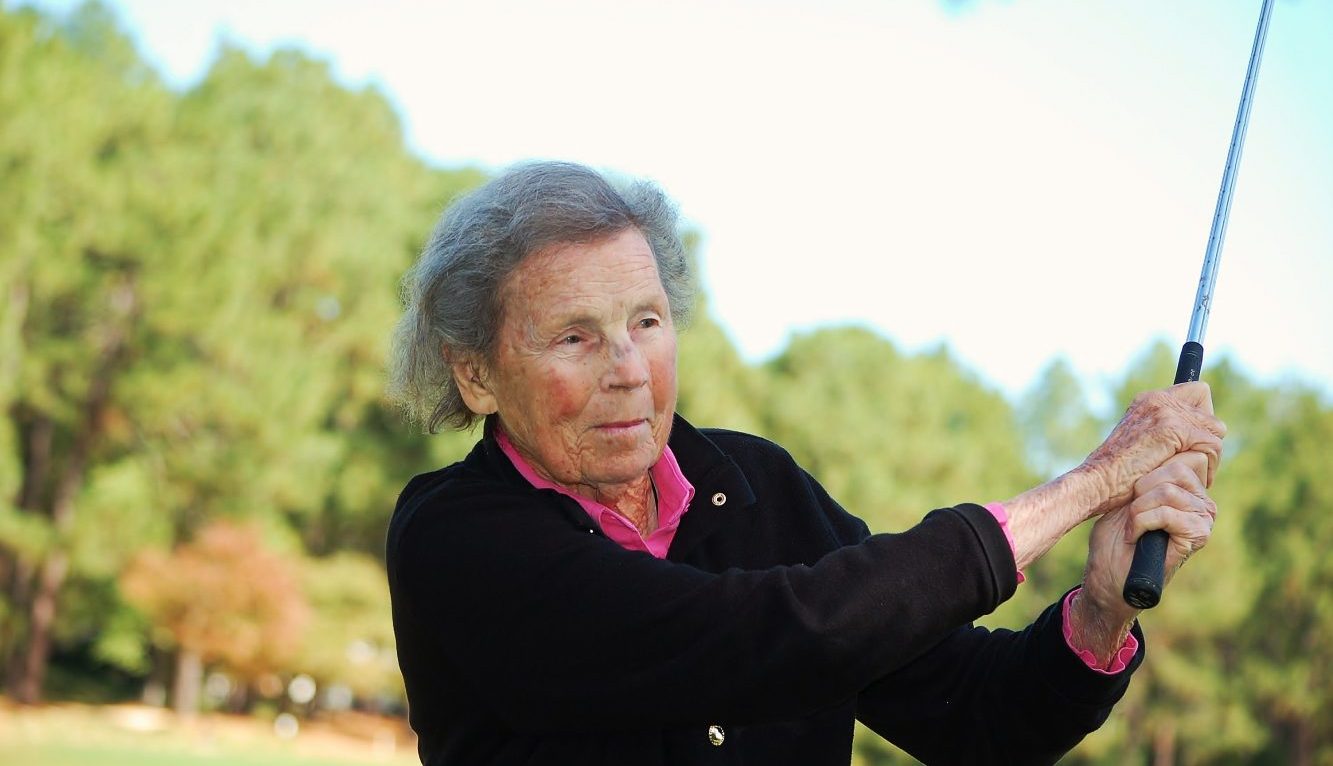 Peggy Kirk Bell
9. Jim Thorpe: Roxboro’s Trailblazing Champion
Jim Thorpe, born in Roxboro, broke barriers as an African American golfer and became a fan favorite for his charismatic style. While he won three PGA Tour events in the 1980s, his dominance emerged on the PGA Tour Champions, where he captured 13 victories, including the 2002 Tradition.
Thorpe’s significance lies not just in numbers but in cultural impact. His “blue-collar” approach and accessibility inspired golfers from non-traditional backgrounds, expanding the reach of the sport within North Carolina and beyond. Thorpe’s career exemplifies resilience, representation, and excellence in both competitive and social dimensions of golf.
 Jim Thorpe
10. J.T. Poston: Hickory’s Modern Star
J.T. Poston, a native of Hickory and Western Carolina University graduate, represents North Carolina’s future on the global stage. His 2019 Wyndham Championship win, achieved without a single bogey over 72 holes, marked a rare golfing accomplishment.
Poston’s career trajectory illustrates progression and consistency. He has continued to perform at the highest level through 2026, including strong showings at the Masters, while maintaining a spot in the top 50 of the World Rankings. Poston embodies the state’s ongoing influence in modern golf, bridging local roots with international acclaim.
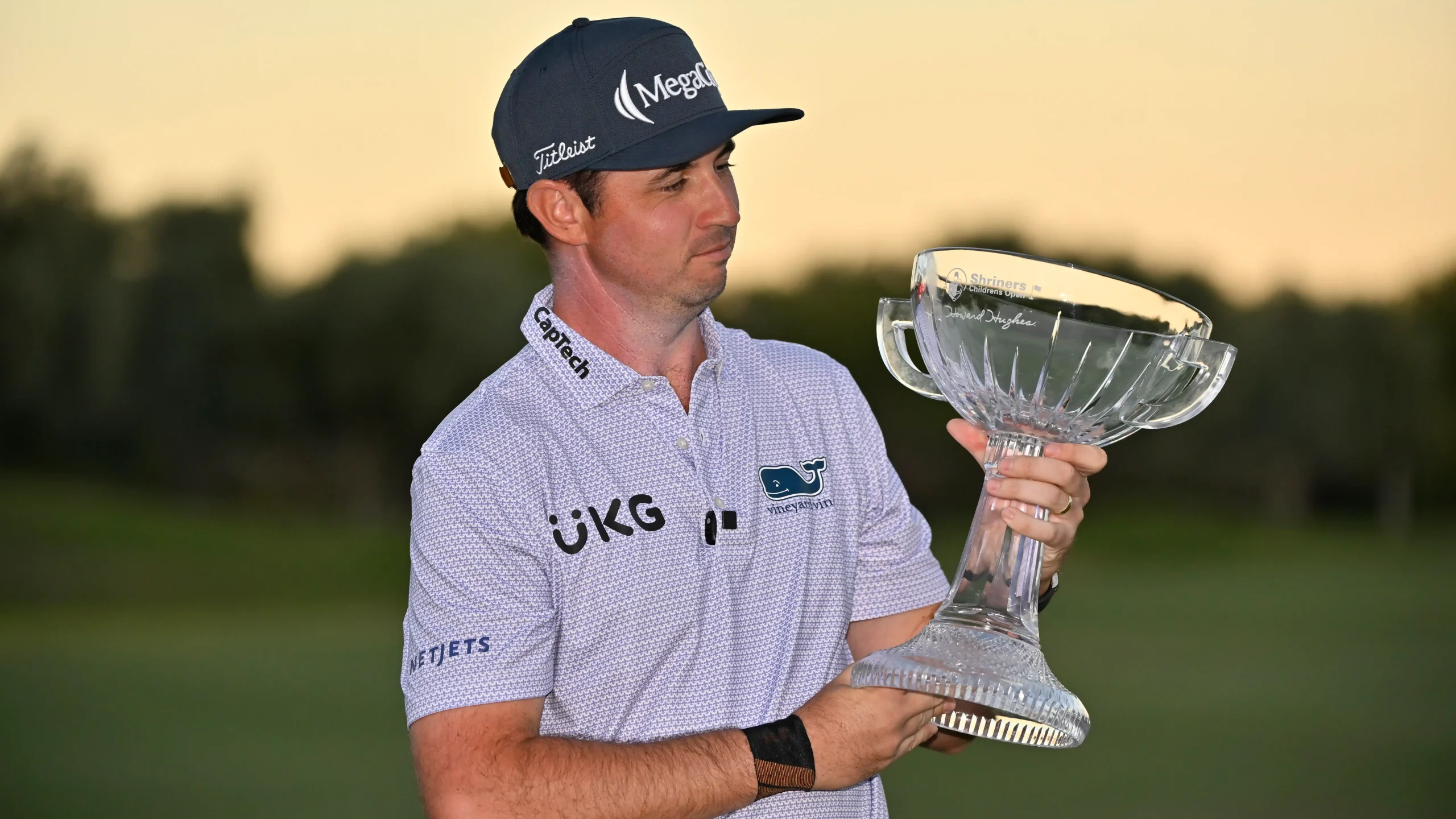 J.T. Poston
From the trailblazers of the mid-20th century to contemporary stars, North Carolina has consistently produced golfers of extraordinary talent. Figures like Raymond Floyd and Peggy Kirk Bell established a legacy of excellence, while current players like Webb Simpson and J.T. Poston continue to shape the game. Across eras, North Carolina’s golfers demonstrate resilience, skill, and the ability to inspire generations, ensuring the state’s enduring prominence in the world of golf.