


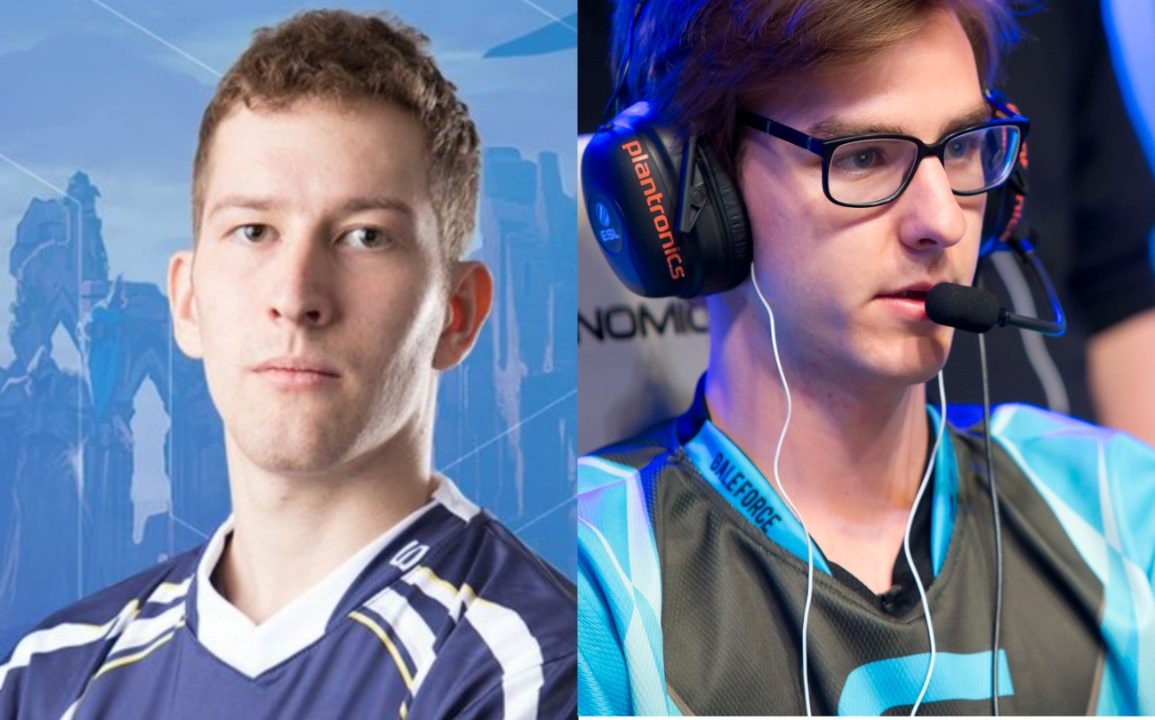
The Phoenix metropolitan area has emerged as a notable hub for collegiate esports, largely fueled by Arizona State University and its surrounding programs. Over the past decade, the region has cultivated talent that spans genres from tactical shooters to MOBAs and even competitive programming.
Through structured training, local LAN events, and strong academic support, Phoenix has proven capable of producing players who transition from student competition into national and semi-professional stages. The following profiles illustrate how the city’s esports ecosystem develops talent, fostering both competitive success and community growth across multiple disciplines.
1. Brindon “Breezyyy” Keesey: Support Player to Academy Competitor
Brindon “Breezyyy” Keesey serves as a prime example of a collegiate athlete making the leap into higher-tier play. As a support player for ASU’s League of Legends roster, he guided the team into national prominence through disciplined gameplay and leadership in high-pressure situations.
His consistent performance earned him a spot on an LCS Academy team, a rare achievement for an Arizona-based competitor. By 2026, Breezyyy is recognized not only for his individual skill but also as a model for how Phoenix players can bridge the gap between local and professional ecosystems, showcasing that structured development programs can yield tangible results.
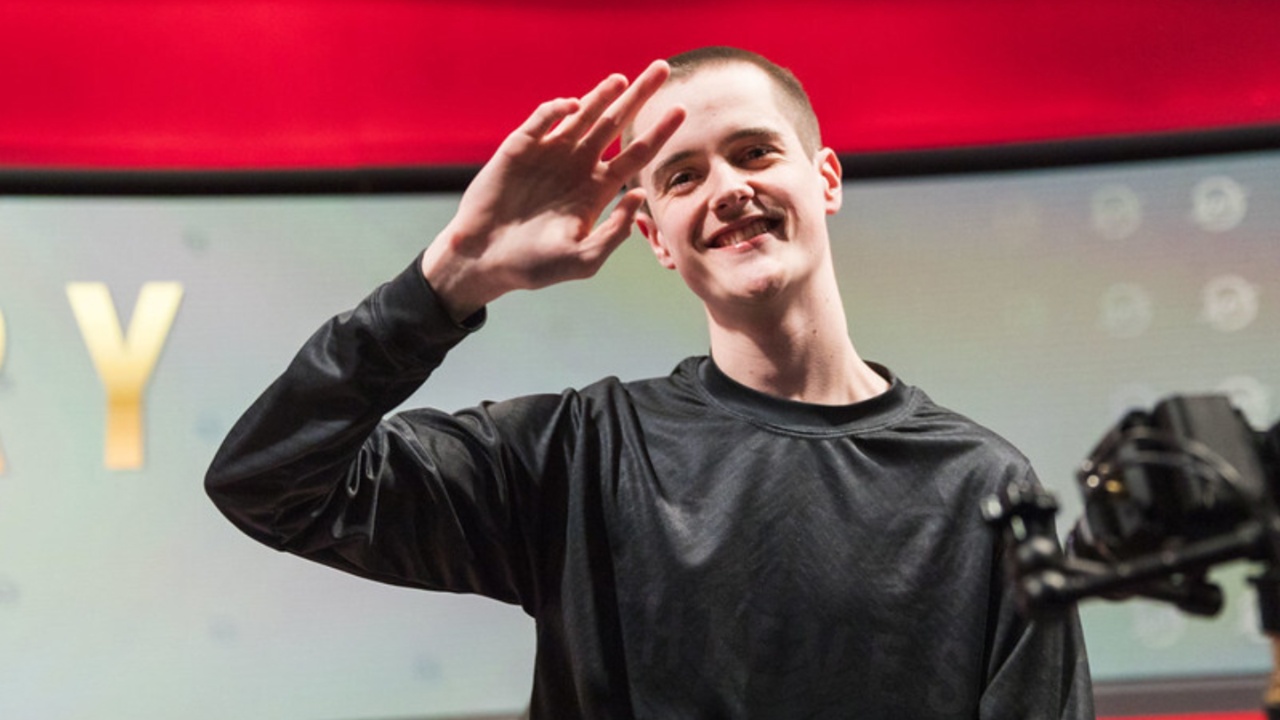 Brindon “Breezyyy” Keesey
2. Jason “MaGeRdAsGeR” Magerkurth: Strategic Versatility
Jason “MaGeRdAsGeR” Magerkurth is distinguished by his technical precision and deep strategic understanding. Unlike players who rely solely on mechanical skill, Magerkurth’s adaptability allowed him to thrive in a variety of competitive scenarios.
Scouted alongside his ASU teammates for the LCS Academy system, he represents the potential of Phoenix as a training ground for professional-caliber players. By 2026, his reputation as a high-pressure competitor underscores the value of combining local support networks with rigorous preparation, inspiring future players in the Valley to embrace both technical growth and strategic acumen.
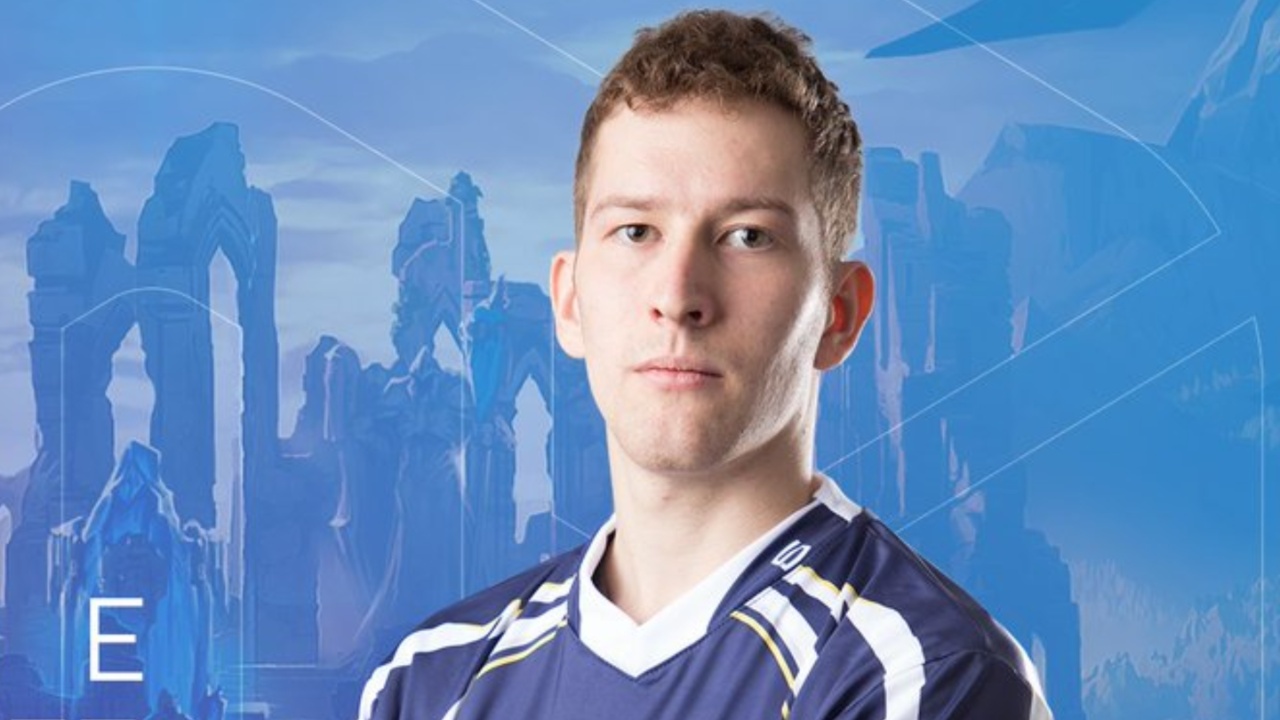 Jason “MaGeRdAsGeR” Magerkurth
3. Max Wang: The Pro-Or-Bust Mindset
Max Wang’s journey highlights a different kind of commitment: the willingness to prioritize esports over traditional career paths. After competing with ASU’s Valorant Maroon team, Wang opted to pursue professional play full-time rather than enter conventional employment.
Known for his pinpoint aim and in-game leadership, he exemplifies the “pro-or-bust” mentality that has become more common in Phoenix’s competitive shooter community. As of 2026, Wang continues grinding through Tier 2 Challengers, seeking a permanent place in the Valorant Champions Tour, illustrating both the challenges and opportunities of full-time pursuit in competitive gaming.
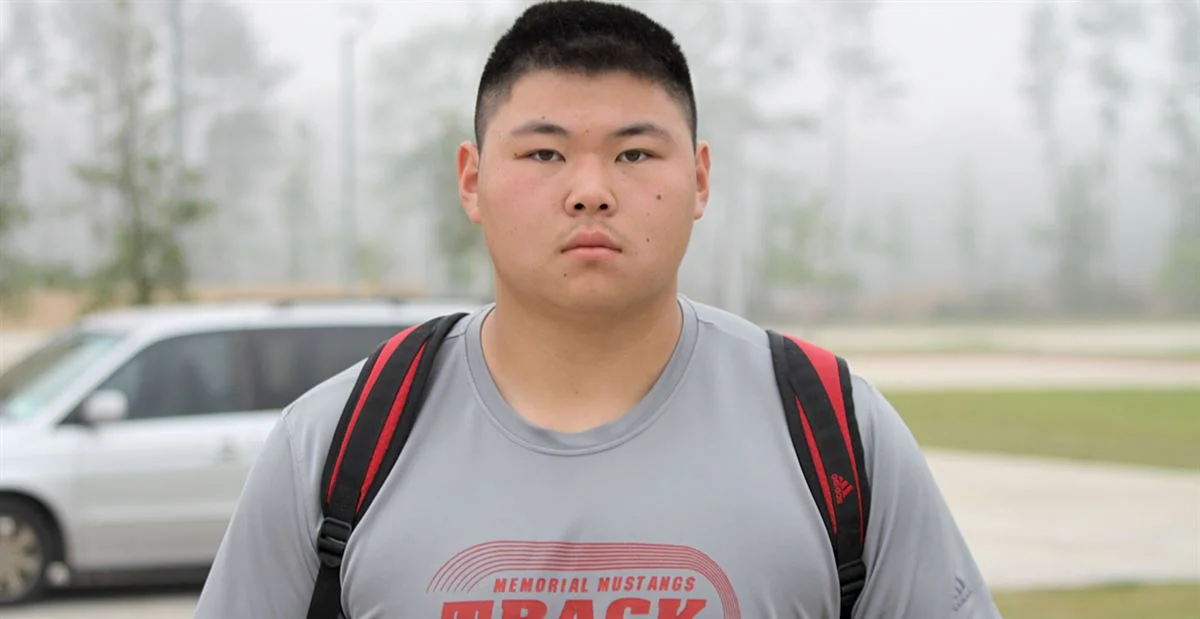 Max Wang
4. Michael Udall: Pioneering Champions and Lasting Influence
Michael Udall’s legacy is rooted in the Heroes of the Dorm era, when ASU claimed national attention. His leadership as captain helped legitimize collegiate esports in Arizona, creating a template for institutional support and organized competition.
Though Heroes of the Storm’s popularity has waned, Udall’s influence persists as he mentors newer players and produces content that bridges generations of gamers. By 2026, he will embody the role of a veteran guiding emerging talent, ensuring that the knowledge and professionalism developed during Phoenix’s formative esports years continue to influence the local competitive scene.
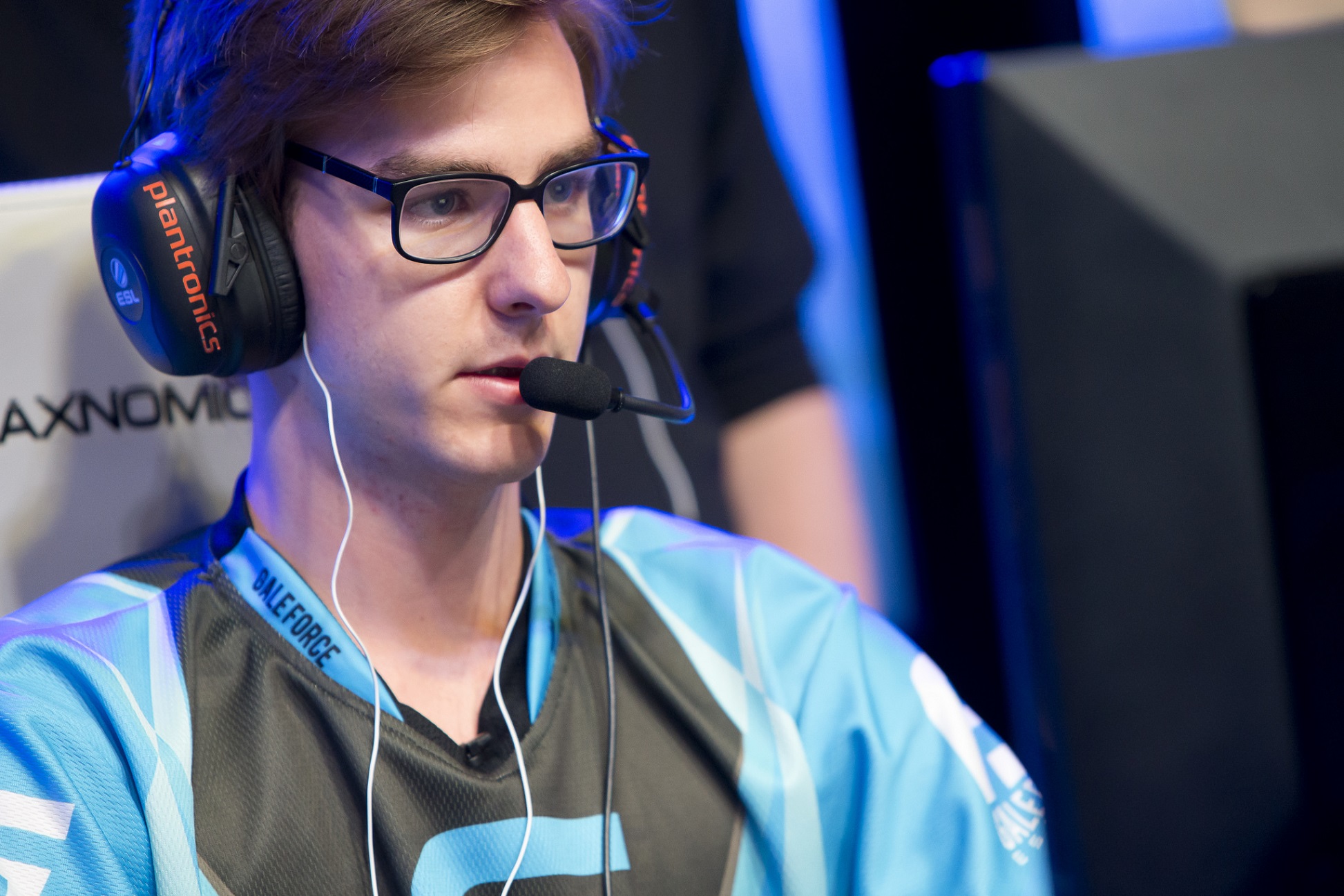 Michael Udall
5. Christian Mireles: From Grassroots to Collegiate Success
Christian Mireles demonstrates the importance of early exposure and grassroots development. Starting at Mountain View High School, Mireles’ interest in Overwatch was fueled by watching national finals on television, eventually leading him to join the Arizona Esports Academy and the University of Arizona’s esports programs.
His trajectory emphasizes the value of local pathways for aspiring players. In 2026, Mireles remains an active competitor at regional LAN events, bridging Phoenix and Tucson’s gaming communities while serving as an example of how high school programs can feed into higher-level collegiate competition.
6. Stefen “akaface” Anderson: Longevity and Adaptation
Stefen “akaface” Anderson exemplifies the benefits of adaptability and long-term presence in a rapidly evolving scene. Initially a Heroes of the Storm champion alongside Udall, Anderson transitioned seamlessly to other titles, including League of Legends.
His sustained engagement with the Southwest region’s competitive circles has contributed to professionalizing local teams and cultivating community standards. By 2026, he will remain a respected figure whose versatility across multiple genres demonstrates the importance of evolving skillsets and long-term dedication in maintaining regional relevance.
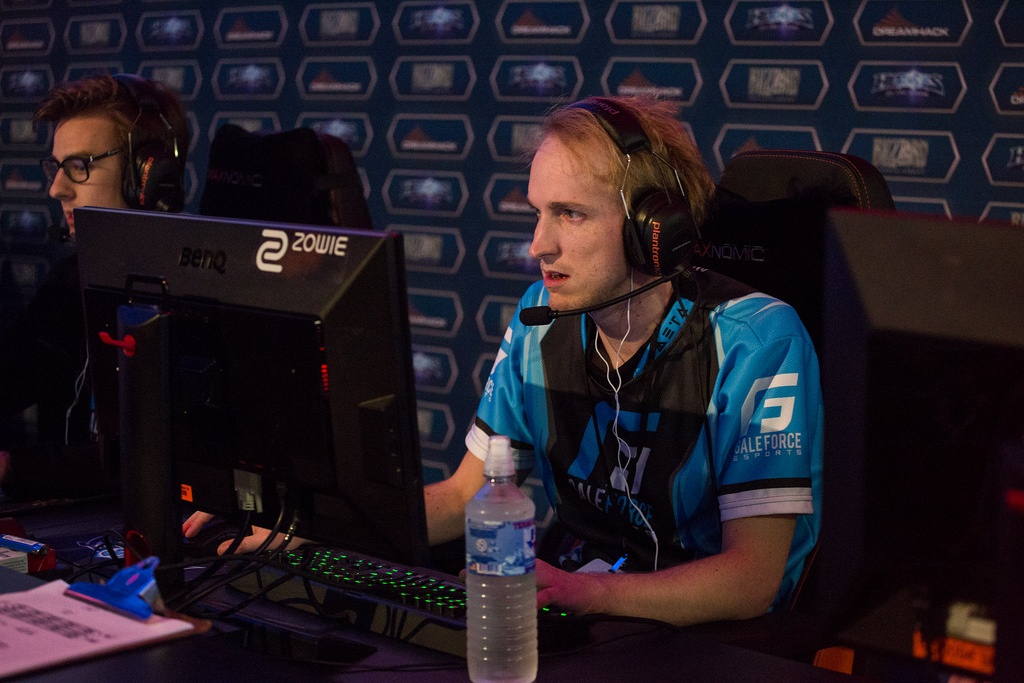 Stefen “akaface” Anderson
7. Parham “pham” Emami: Consistency in Tactical Shooters
Parham “pham” Emami is celebrated for reliability under pressure, particularly in team-based tactical shooters. A product of ASU’s championship rosters, he successfully carried his collegiate experience into the broader North American amateur and semi-pro scene.
Known for his calm demeanor in high-stakes situations, Emami often anchors younger Phoenix teams competing in national qualifiers. As of 2026, he continues to be a fixture in online tournaments for games like Valorant and Counter-Strike 2, illustrating that consistent performance is as valuable as raw talent when sustaining a competitive career.
8. Isaiah “Snickers” Rubin: Academic Excellence Meets Esports
Isaiah “Snickers” Rubin represents a balance between academic rigor and competitive performance. As one of ASU’s first major esports achievers, he proved that high-level gaming could coexist with strong scholastic performance. His success laid the groundwork for scholarship-based programs now present in Maricopa Community Colleges.
By 2026, Rubin will have transitioned to analytical and organizational roles, helping run local “Combine” events that allow emerging Phoenix players to gain exposure. His journey underscores how structured support and academic integration can enhance the long-term sustainability of local esports ecosystems.
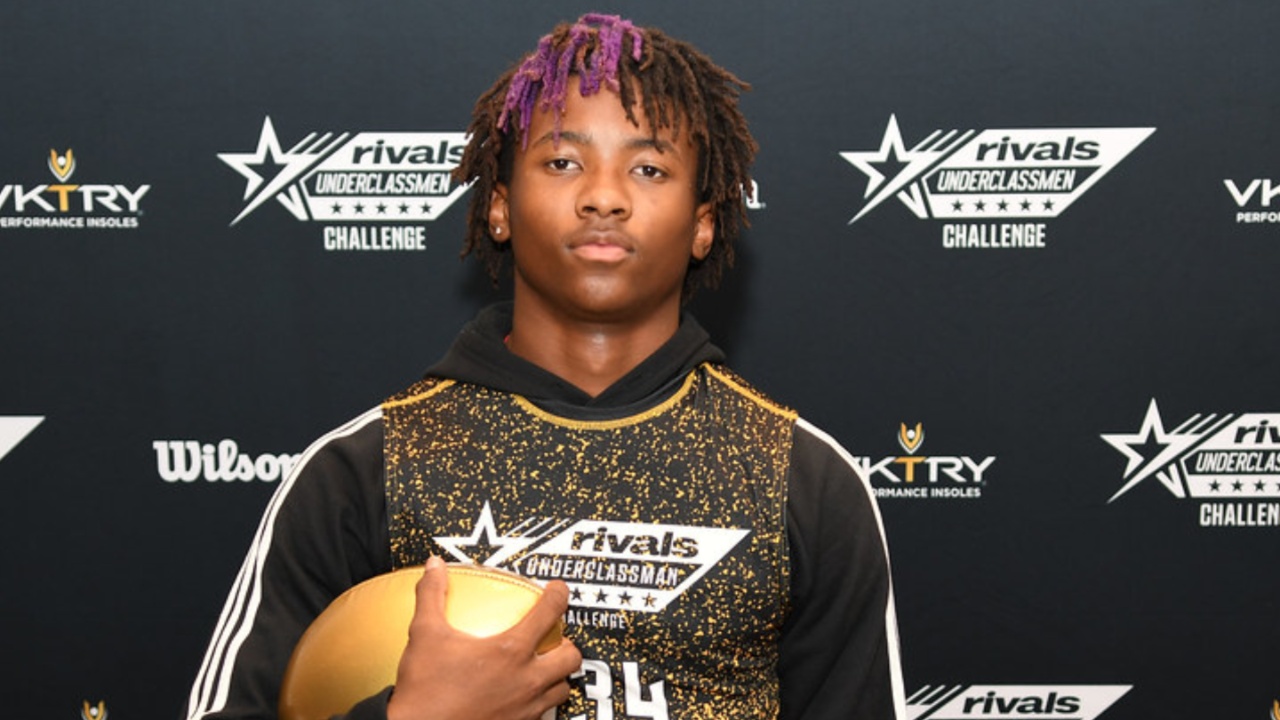 Isaiah “Snickers” Rubin
9. Vann “Vanity” Childs: Tactical Insight and Mentorship
Vann “Vanity” Childs has built a reputation for strategic intelligence in team-based shooters. At ASU, his understanding of in-game dynamics helped raise competitive standards across the Phoenix region. In 2026, Childs continues to contribute by competing at LAN centers and mentoring younger players, ensuring knowledge transfer across generations. His presence reinforces the notion that regional success depends not only on personal achievement but also on community engagement and the cultivation of emerging talent.
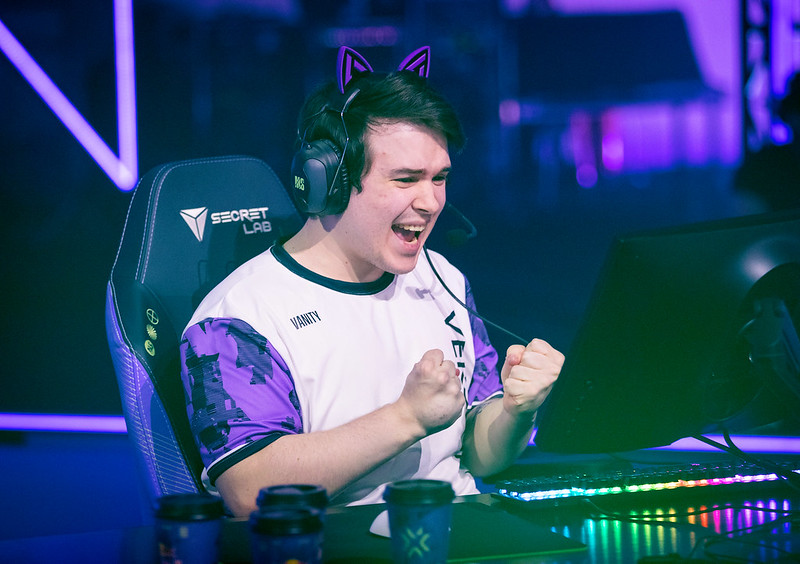 Vann “Vanity” Childs
10. Sahaj Rastogi: Bridging Competitive Programming and Esports
Sahaj Rastogi represents a unique intersection of coding and competitive gaming. As part of ASU’s ICPC World Finals team, he competes in an environment demanding both strategic depth and mental endurance similar to traditional esports.
By 2026, he will collaborate with local organizations to optimize performance analytics and contribute to training methodologies, illustrating how competitive programming can complement and enhance esports infrastructure. Rastogi’s accomplishments bring both technical prestige and international recognition to the Phoenix gaming community.
Collectively, these players demonstrate the maturity and diversity of Phoenix’s esports ecosystem. From MOBAs and tactical shooters to programming competitions, the region nurtures talent capable of advancing to national and international stages. By 2026, Phoenix will have established itself as a model for cultivating sustainable competitive gaming, blending academic programs, mentorship, and community engagement. These individuals not only highlight the city’s past successes but also point toward a future where structured pathways, consistent training, and local support networks ensure continued growth and innovation in the esports scene.