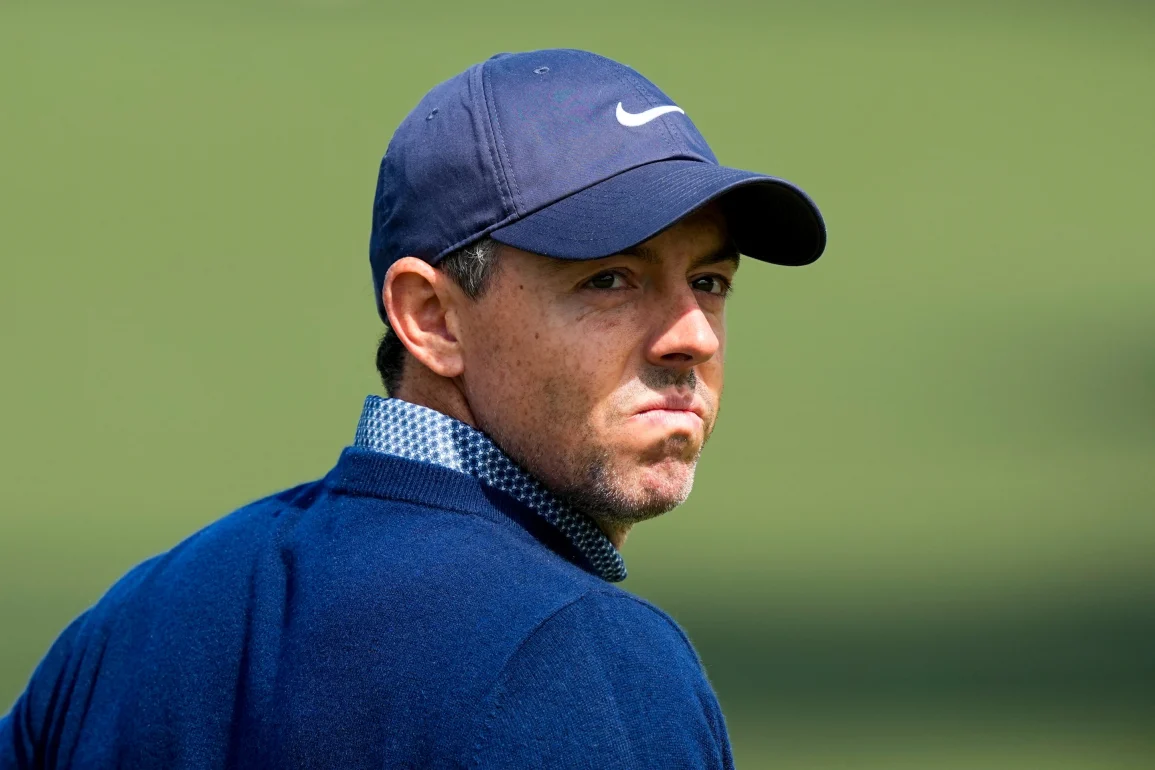
The Masters began with high expectations surrounding defending champion Rory McIlroy, and the Northern Irish star delivered an impressive opening statement at Augusta National Golf Club. A year after completing the career Grand Slam with a dramatic playoff win over Justin Rose, McIlroy returned seeking to become only the fourth golfer in history to successfully defend his Masters title. Despite the weight of expectation, he insisted he would not get ahead of himself after a strong start placed him in contention early in the tournament.
McIlroy carded a five-under-par 67 in his opening round, mixing six birdies with a single bogey. The performance left him tied at the top of the leaderboard alongside Sam Burns. It was only the second time in his last eight appearances at Augusta that he opened with an under-par round, making the achievement even more significant. The round also represented a sharp improvement on his previous year’s opening day, when he fell seven shots behind after a difficult start.
His round was marked by resilience as much as scoring brilliance. McIlroy began inconsistently, dropping a shot at the third hole after opening with a birdie at the par-five second. He remained level for much of the front nine but finished strongly with consecutive birdies from the eighth hole, closing the first half with a three-under 34. Despite struggling at times off the tee, he avoided letting early mistakes derail his momentum.
McIlroy’s Composure, Clutch Play, And Adaptability Impress Golf Legends
Speaking after his round, McIlroy emphasized control and composure over excitement. He described the importance of staying grounded, noting that although his position was strong, there was still a long tournament ahead. He reflected on swinging freely even when missing fairways, highlighting his commitment to maintaining an aggressive approach rather than becoming cautious under pressure. That mindset allowed him to recover quickly during difficult stretches and build momentum late in his round.4
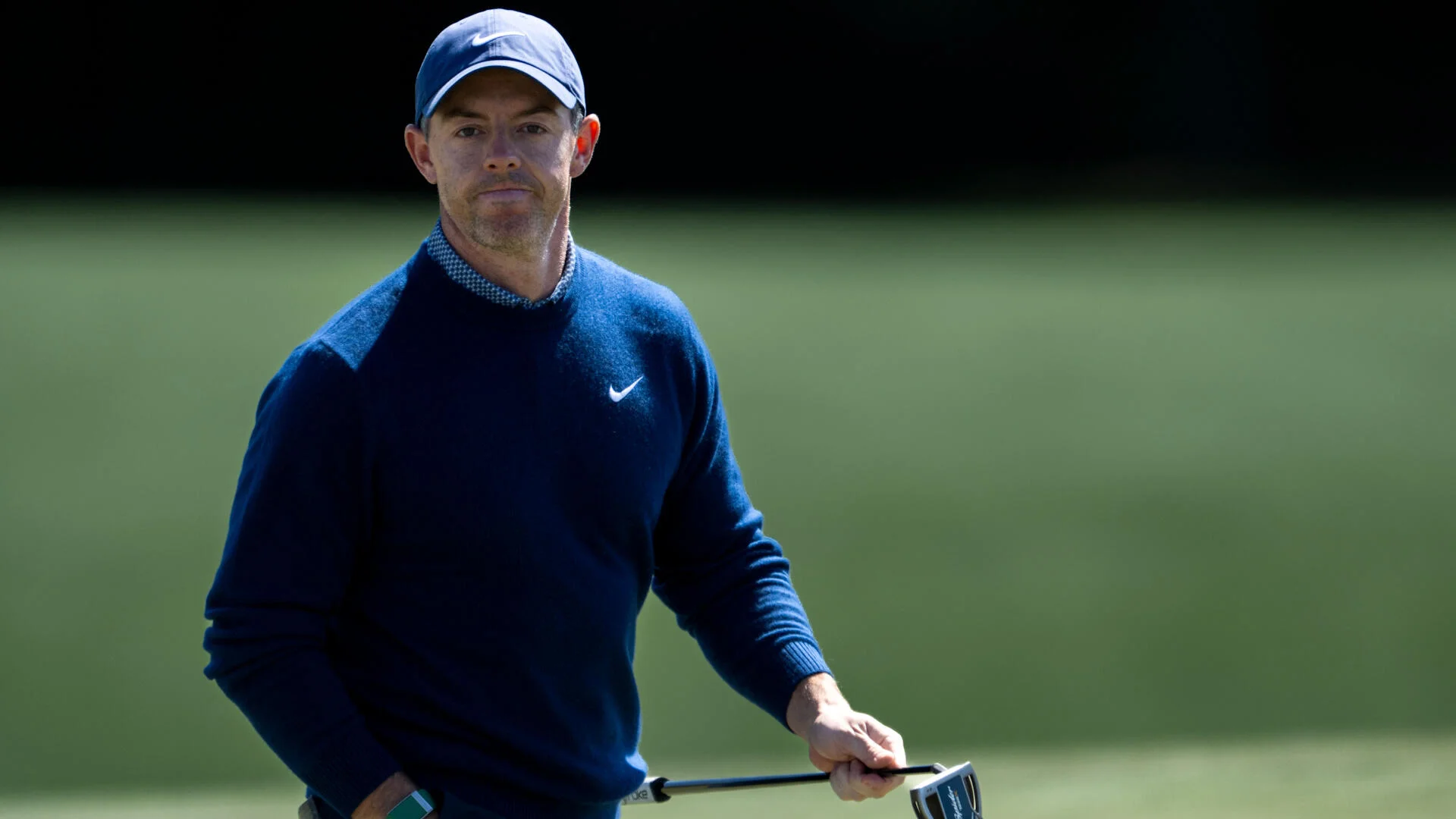
The back nine showcased McIlroy’s ability to respond under pressure. A key moment came with a 30-foot birdie putt at the 15th hole, which brought him back into a share of the lead. Earlier, he produced a crucial par save at the 12th, followed by a run of three consecutive birdies across the second nine that solidified his position near the top. Even after missing a chance to take the outright lead at the 17th, he recovered from a fairway bunker on the final hole to secure par and complete a composed finish.
Analysts and commentators praised McIlroy’s adaptability throughout the round. Golf instructor Butch Harmon described him as an “escape artist,” highlighting his ability to recover from difficult positions and still produce a top-level score. Sky Sports analysts noted that in past years, similar performances might have resulted in a mid-70s score, but McIlroy’s decision-making and putting efficiency turned it into a 67. His ability to convert pressure situations into scoring opportunities was seen as a key factor in his early success.
The performance also drew attention from golf greats, including Jack Nicklaus, who won back-to-back Masters titles in 1965 and 1966. Nicklaus expressed confidence that McIlroy had a strong chance of repeating his triumph, citing his experience and mental growth since securing the career Grand Slam. He suggested that McIlroy now has the confidence and adaptability needed to handle the varying conditions at Augusta across four days.
McIlroy Shows Resilience Early As Masters Title Defense Remains Open
McIlroy’s statistics reflected both strength and room for improvement. He found only five fairways off the tee but compensated with strong recovery shots and precise putting. His ability to manage errors and maintain scoring momentum was especially notable given the pressure of defending a major title. His five-under round placed him among a group of early contenders in a tightly packed leaderboard, consistent with recent Masters trends where most winners are positioned near the top after the opening round.
Despite the strong start, McIlroy remained cautious about his prospects. He acknowledged feeling the same nerves he always experiences at the beginning of a major championship, emphasizing that such pressure is natural and even necessary. He said that settling into the round quickly was key and that he felt increasingly comfortable after the opening holes.
Other competitors, including Jason Day, also acknowledged McIlroy’s strong position but stressed that conditions and consistency over four days would determine the outcome. With many players still in contention and unpredictable weather expected, the tournament remains wide open.
McIlroy’s opening round, therefore, sets up an intriguing title defense. His combination of resilience, shot-making ability, and mental discipline positions him well heading into the remaining rounds. However, as he himself cautioned, the challenge at Augusta National is long and demanding, and maintaining this level across the entire tournament will be essential if he is to make further Masters history.
