Categories
NHL (National Hockey League)

Minnesota Wild: Are They Destined to Be Just Another Average NHL Team?

For years, the Minnesota Wild have struggled to shed the label of mediocrity. Despite flashes of promise and a loyal fan base, the franchise has been unable to take the next step toward becoming a true Stanley Cup contender.

The question remains: Are the Wild doomed to remain just another middle-of-the-pack NHL team, or is there still hope for a breakthrough?

A History of Consistency—For Better or Worse

Since their inception in 2000, the Wild have been a model of consistency—just not in the way their fans would prefer.

While they have regularly made the playoffs, deep postseason runs have been rare. Their best effort came in 2003 when they reached the Western Conference Finals, only to be swept by the Anaheim Ducks.

Since then, Minnesota has been trapped in a cycle of early playoff exits. They are good enough to compete but not elite enough to challenge for a championship.

This pattern has left many wondering whether they are simply destined to be an average team in a league where only the top contenders truly matter.

Roster Strengths and Limitations

Minnesota has built a respectable roster in recent years, anchored by superstar winger Kirill Kaprizov.

Good, but not great—can the Wild break free from NHL mediocrity?

His offensive talent and playmaking ability have provided a spark that the Wild have sorely lacked in the past. Alongside him, players like Joel Eriksson Ek and Mats Zuccarello offer solid support, and goaltender Filip Gustavsson has shown flashes of brilliance between the pipes.

However, despite their individual talent, the Wild struggle with depth issues and a lack of elite-level defense.

While their blue line features capable players such as Jared Spurgeon and Jonas Brodin, they have yet to establish a true shutdown pairing that can dominate in the postseason.

The lack of a true No. 1 center has also plagued the team, making it difficult for them to match up against elite squads like the Colorado Avalanche or Vegas Golden Knights.

Cap Struggles and Future Outlook

One of the biggest roadblocks for the Wild is their salary cap situation. The team is still dealing with the financial consequences of buying out Zach Parise and Ryan Suter’s contracts in 2021, which has limited their flexibility in adding key pieces to the roster.

These cap constraints have forced Minnesota to rely on younger players and bargain signings rather than acquiring high-impact talent.

That said, there is hope for the future. The Wild have a strong prospect pool, featuring players like Marco Rossi and Brock Faber, who could develop into crucial pieces of the team’s core. If these young players reach their potential, Minnesota could finally break free from mediocrity.

What’s Next for the Wild?

If the Wild want to move beyond their “just average” status, they will need to make bold decisions. Whether it’s making a blockbuster trade, finding a true top-line center, or adjusting their defensive strategy, something has to change for them to become a true contender.

For now, Minnesota finds itself stuck in the middle of the NHL pack—too good to rebuild but not quite good enough to win it all.

Unless they can make the necessary moves to take the next step, they may remain where they’ve been for years: a solid, respectable team, but not one that strikes fear into their opponents.

Categories
FEATURED

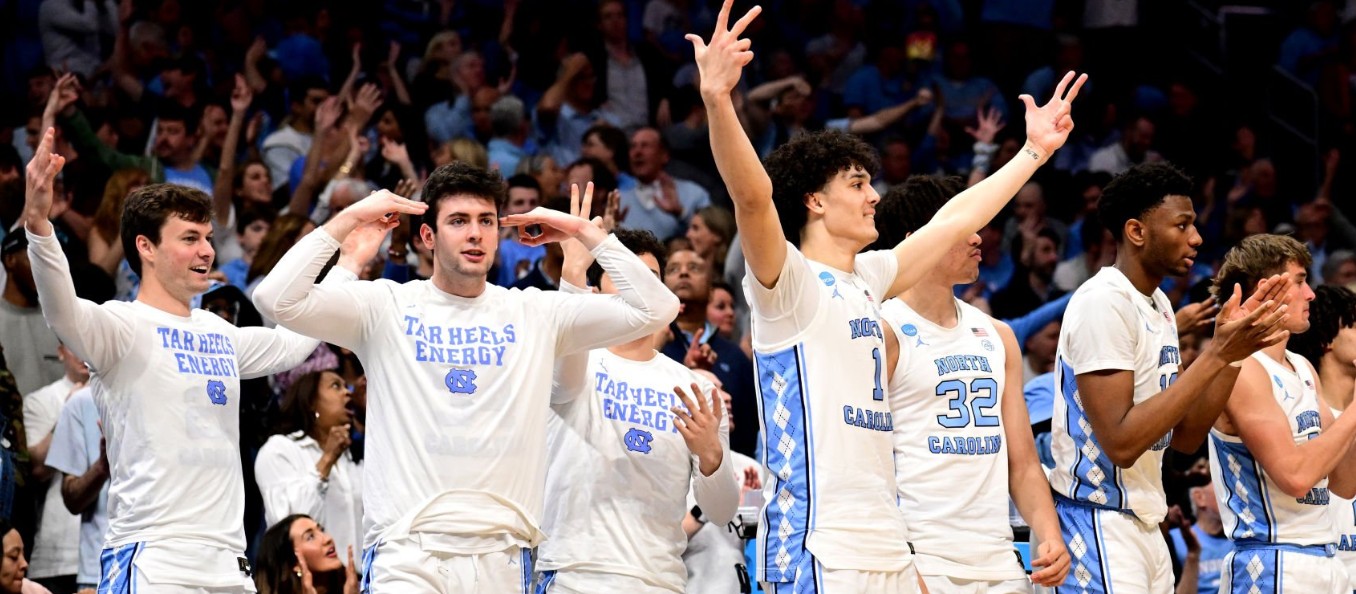
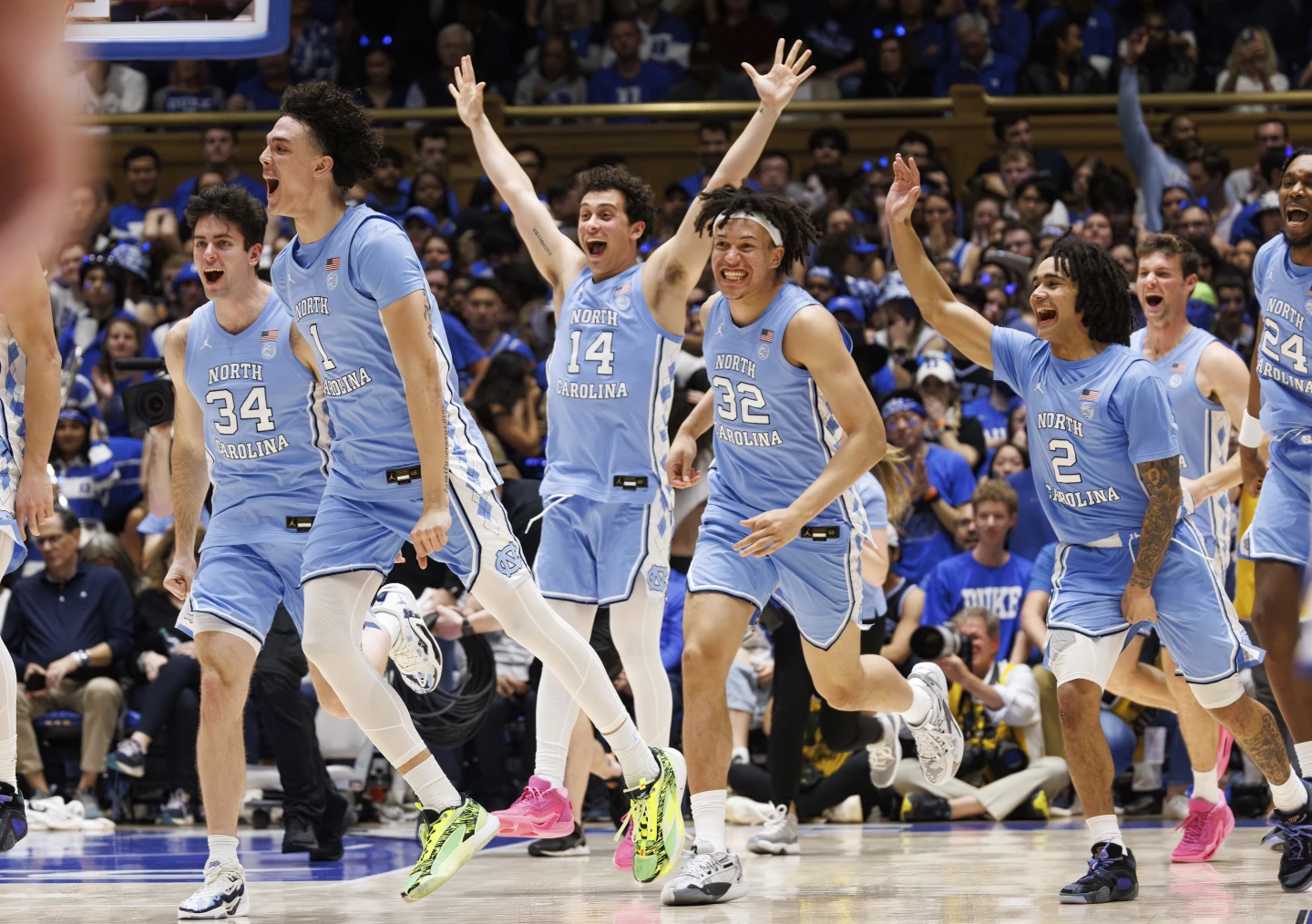
Are North Carolina Basketball Fans Stuck in the Past or Backing the Future?

North Carolina has long been a powerhouse in college basketball, and its fan base remains one of the most passionate in the country.

The Tar Heels have enjoyed a legacy of success, with six national championships, multiple Final Four appearances, and a history of legendary players like Michael Jordan, James Worthy, and Vince Carter.

However, as the program moves forward, many wonder if the fans are holding onto the past too tightly or if they are prepared to embrace a new era.

The success of North Carolina basketball over the decades is undeniable. Throughout the 1980s and 1990s, under coaches like Dean Smith and Roy Williams, the team became synonymous with excellence.

With a history of winning and dominating in the ACC, it’s no surprise that many fans are fiercely protective of that tradition.

For many, the days of Michael Jordan sinking clutch shots or the team’s memorable championship runs are cherished memories that cement the program’s place as one of the greatest in NCAA history.

These moments have shaped the identity of Tar Heels fans, and some are reluctant to let go of the past.

However, as the years go on, the game of basketball is evolving. The style of play is faster, with a greater emphasis on three-point shooting and a more open court. North Carolina’s program, while still strong, has faced challenges in keeping up with these changes.

Under new head coach Hubert Davis, the team has looked to adjust to the modern game while honoring the principles that have made the Tar Heels successful.

The recent trend of more teams focusing on recruiting players for one-and-done seasons has also affected how North Carolina builds its roster, as they typically prioritize recruiting players who stay for multiple years.

This shift has led to some mixed results, with fans questioning whether this approach will continue to bring success.

The North Carolina (NCAAB)

Davis has a sense of Loyalty

Supporters of the program’s future argue that the team is on the right path. Davis is a former player with deep ties to the school, and he’s instilled a sense of loyalty and pride in his players.

His leadership aims to blend tradition with innovation, ensuring that North Carolina stays competitive while adapting to the changing dynamics of college basketball.

Under his guidance, the team has had moments of success, and there’s a sense of optimism for the next generation of Tar Heels stars.

Yet, some fans remain nostalgic for the past. They long for the days when the team dominated the ACC with near-regularity and could count on its roster to feature future NBA stars.

The uncertainty of the program’s future leaves some feeling uneasy, as they wonder if the team can replicate the glory years or if they’ll fall behind other elite programs.

What many fans seem to forget is that the strength of a program doesn’t only come from its past but from its ability to evolve with the game.

While the success of previous decades should be honored and cherished, it is crucial to embrace change to keep the program relevant. The future of North Carolina basketball relies on balancing tradition with the flexibility to adapt.

As the season progresses, it’s clear that the fan base will continue to walk a fine line between honoring its storied past and supporting the new era of Tar Heels basketball.

While some may yearn for the glory of years gone by, others are eager to see what the future holds for the team.

What’s certain is that North Carolina fans, no matter their outlook, will continue to support their team through thick and thin.

Categories
NFL (American Football)

Seattle Seahawks Fans: The Loudest or Just Hype?

Seattle Seahawks fans have long been recognized for their thunderous support of their team. Known for their enthusiastic noise levels at home games, they’ve set records for crowd volume in NFL stadiums.

However, as the noise intensifies, so does the debate—are Seahawks fans truly the loudest, or is the reputation they’ve earned just a case of hype?

The loudness of the 12th Man, as they’re called, is a significant part of Seahawks culture. Fans have consistently pushed the boundaries of noise, with records being broken at the CenturyLink Field, now known as Lumen Field.

At times, they’ve been credited with causing disruptions for opposing teams’ communication, especially during key moments like third downs.

Some argue that this home-field advantage has contributed to the Seahawks’ strong performances in the postseason and regular season games.

The idea of the “12th Man” comes from a deep-seated tradition in the Pacific Northwest, where fans proudly embrace their role as part of the team.

This connection is so strong that it has become an identity. The Seahawks have embraced this culture, with a prominent symbol representing the 12th Man being displayed in their stadium.

It’s more than just fan participation; it’s about a bond between the team and the city of Seattle. The fans view themselves as an extension of the team, offering their energy and passion as support.

But are they truly the loudest? Some critics argue that the claims of Seattle being the “loudest” stadium are overstated.

Several other stadiums across the NFL have seen similarly loud crowds. For instance, Kansas City Chiefs fans have also been known for their raucous behavior, and their noise levels have rivaled those of Seattle’s supporters on numerous occasions.

The Chiefs, for example, have had their own “loudest stadium” moments, and even on a few instances, they’ve broken the same noise records that Seattle once set.

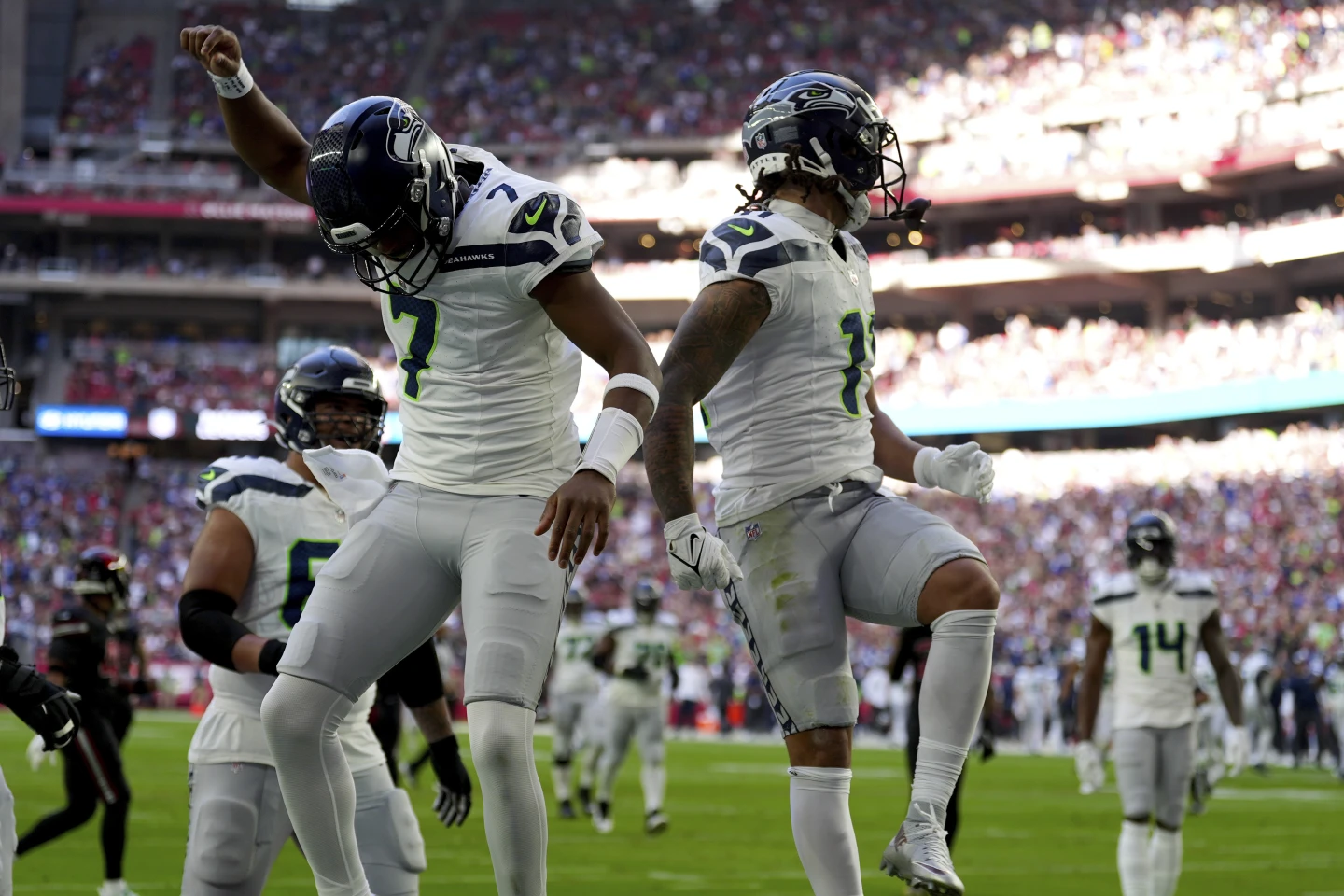
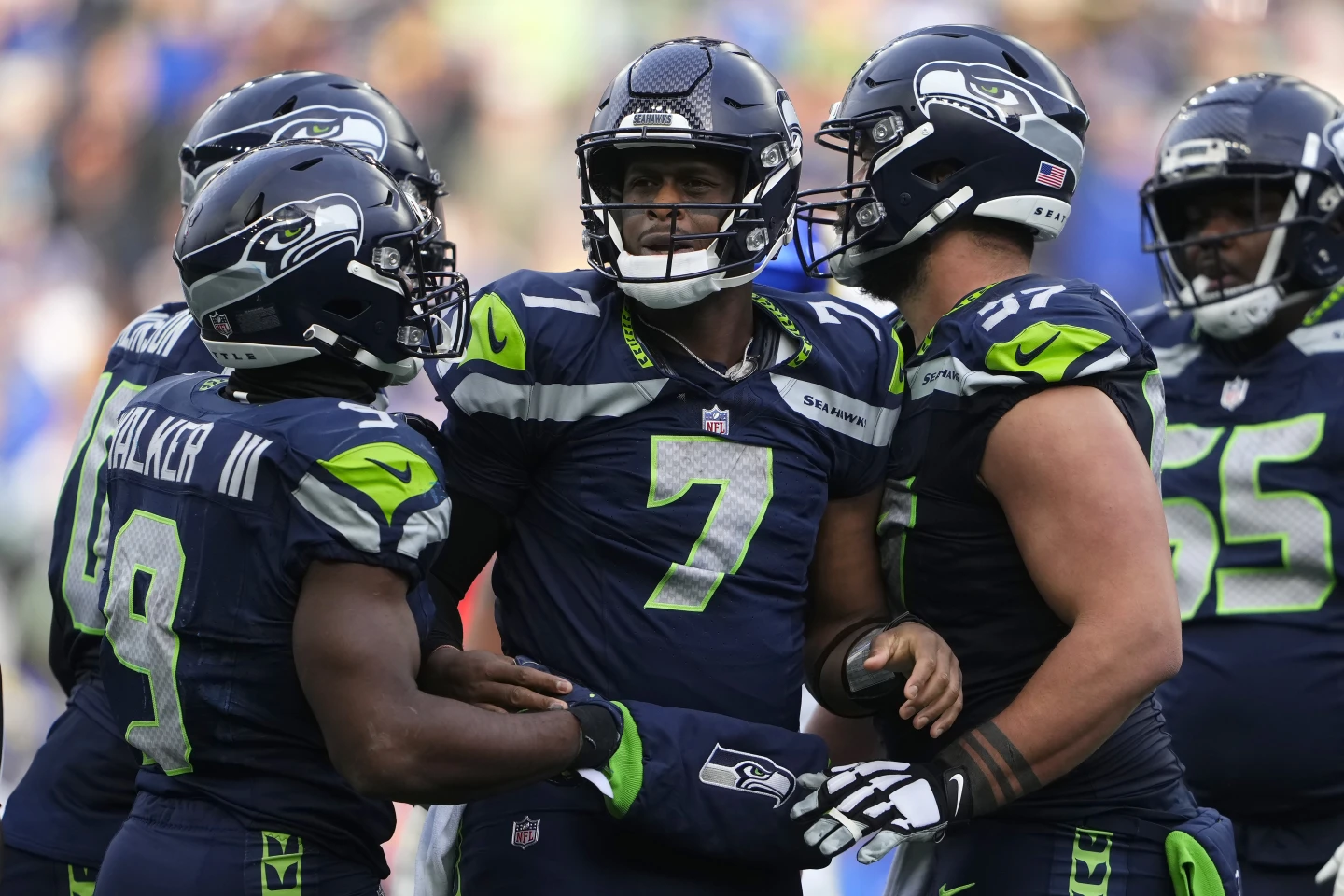
Seattle Seahawks players celebrate in the 1st half

The True Measurement

There’s also the question of how noise is measured and whether a few extraordinary moments during a game should define an entire fanbase.

Seattle’s record-setting noise levels were the result of a single, spectacular moment—a 137.6 decibel reading in 2013—but how often does this level of noise truly occur?

Some believe that while Seattle fans may get loud in crucial moments, other stadiums maintain an energetic atmosphere throughout games, providing consistent home-field advantages that may be undervalued.

Another aspect of the debate is the idea of whether the Seahawks’ fans’ loudness is genuinely helpful to the team’s success. Of course, the noise can throw off opposing teams, especially when they’re trying to make calls or communicate in tight situations.

However, the real question might be whether the Seahawks’ performance depends more on their roster and coaching than on their fans’ decibel levels.

With standout players like Russell Wilson and a strong defense in recent years, the team’s success could be attributed more to their on-field abilities than their crowd’s volume.

The flip side to the admiration of the 12th Man is a growing sentiment that some fans have begun to rely too much on their noise-making reputation.

While their support is undoubtedly appreciated, some believe that focusing too much on the volume of the crowd can overshadow other factors that contribute to the team’s success.

Critics argue that the loudness can become a gimmick or a form of self-promotion rather than an organic expression of true fan devotion.

What’s clear, though, is that Seattle’s fan base is unlike any other in the NFL. Whether they’re the loudest or not is up for debate, but the passion and dedication are undeniable. The culture of the 12th Man has become an integral part of the Seahawks’ identity.

Whether you view them as the NFL’s loudest or not, one thing remains certain: Seattle fans are a powerful force that helps to make the game a spectacle. The energy in Lumen Field is not just about noise—it’s about creating an atmosphere that is uniquely theirs.

In the end, while Seattle fans might not always hold the decibel record, they will continue to be one of the most passionate and dedicated fanbases in the NFL.

Whether they’re truly the loudest or not may be subjective, but their impact on the team and the game is undeniable.

Categories
NHL (National Hockey League)

Phoenix Coyotes: Can Relocation Be the Key to Their Success?

The Phoenix Coyotes, now known as the Arizona Coyotes, have been in a turbulent state for years. From issues surrounding their home arena, and ownership struggles, to an inconsistent fan base, the franchise has faced numerous challenges.

Despite these hurdles, the team has managed to stay afloat in the National Hockey League (NHL), but the question remains: can the Coyotes overcome their struggles in Phoenix, or is relocation their only hope for long-term success?

Arena Troubles and Attendance Woes

One of the primary challenges the Coyotes have faced since their move to Phoenix in 1996 has been the arena situation. Currently, they play at the Mullett Arena in Tempe, a small venue with a capacity of just over 5,000. This is far from ideal for an NHL franchise.

The team has bounced between various arenas throughout its existence, and the inconsistent locations have made it difficult to build a stable fan base.

Their previous home, Gila River Arena, in Glendale, was located far from downtown Phoenix, and as a result, fans were deterred by long travel times. This issue, coupled with a lack of consistent success on the ice, has caused attendance to fluctuate over the years.

The Coyotes have faced an uphill battle trying to build a loyal following in a market that traditionally has not been a hotbed for hockey.

Phoenix has many other professional sports teams like the NBA’s Suns and NFL’s Cardinals, meaning competition for fan attention is fierce. With poor attendance numbers and a lack of a permanent, ideal arena, the team’s future in the city seems uncertain.

Ownership Instability

Another major problem for the Coyotes has been the instability of ownership. The team has gone through multiple ownership groups over the years, with many of them struggling to maintain a financial footing.

This has led to a lack of investment in the team, inconsistent roster decisions, and difficulties in attracting top-tier players. The ownership turmoil has resulted in a lack of stability within the organization, which has hampered the team’s ability to compete at the highest level.

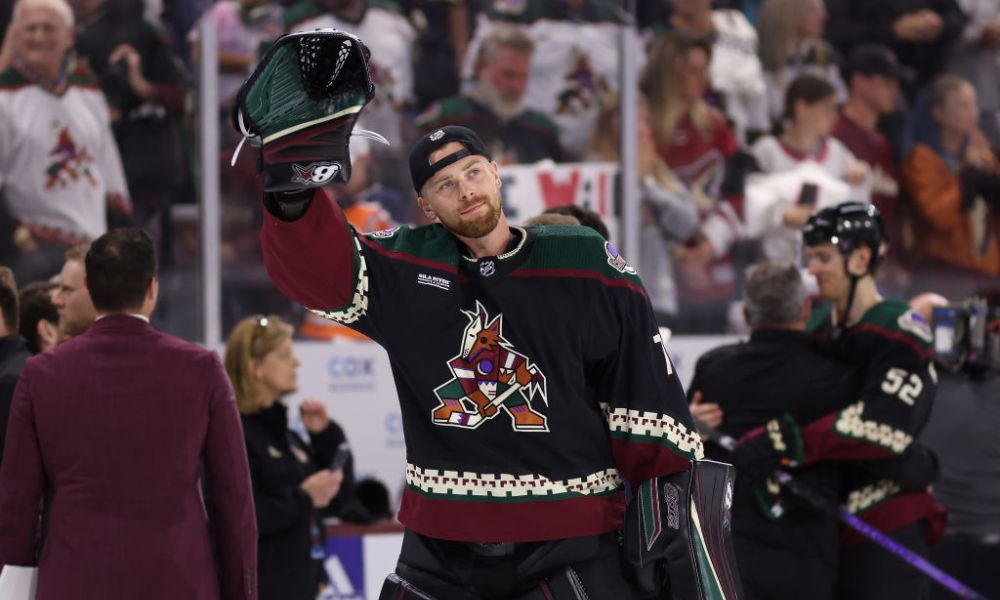
Arizona Coyotes (NHL)

Many other NHL teams have benefitted from stable, wealthy ownership groups that have been able to pour resources into their franchises.

In contrast, the Coyotes have often been forced to work with limited resources and uncertain futures. This instability has hurt the team’s competitiveness and ability to grow a passionate fan base.

Relocation Talk

With all these challenges, the question of relocation has been raised multiple times. Over the years, there have been several cities, such as Quebec City and Houston, that have expressed interest in acquiring an NHL team.

These cities have long histories of being hockey markets with potential to support an NHL franchise.

Quebec City, for instance, was home to the Nordiques, who relocated to Colorado in 1995. The city has maintained a strong desire to regain a team, and with the proper arena, it could be a viable option.

Houston, the fourth-largest city in the United States, has never had an NHL team, but it has a thriving sports culture and could offer the Coyotes a fresh start

Relocation to a city with a more established hockey fan base and greater financial resources might provide the team with a better shot at success.

However, relocation is not without its difficulties. Moving a franchise requires approval from the NHL’s Board of Governors, and the league is often hesitant to approve such moves unless they are financially necessary.

The league also weighs factors such as market size, arena readiness, and long-term sustainability when considering a relocation. With the Coyotes’ uncertain future in Arizona, the league might see a move as an opportunity to place the team in a more stable and profitable market.

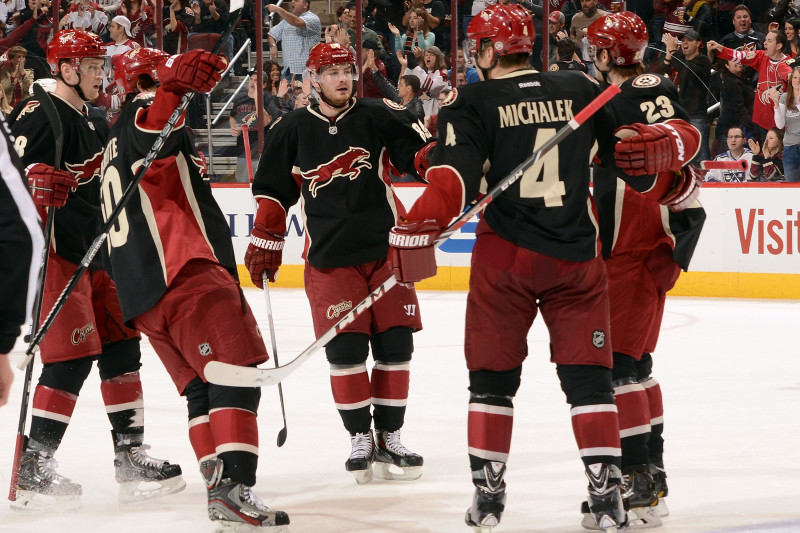
Arizona Coyotes (NHL)

Can Arizona Still Work?

Despite the issues, there are several reasons to believe the Coyotes could still thrive in Arizona. The team has a loyal, if small, fan base, and the state of Arizona continues to grow, with a rising population and increasing interest in various sports.

If the team were able to secure a more permanent, state-of-the-art arena in a better location, there might be a renewed opportunity for the franchise to connect with the community and generate more fan interest.

Moreover, the NHL’s growing presence in non-traditional hockey markets could benefit the Coyotes in the long run. As hockey continues to expand in popularity in areas like California, Florida, and Texas, it’s not inconceivable that Arizona could become a more prominent hockey destination in the future.

However, this requires strong leadership, a stable ownership group, and a clear plan for growth. The Coyotes need to make significant changes both on and off the ice to compete with the other major sports teams in the region.

They must build a stronger brand and identity in Arizona, creating an environment where hockey can thrive beyond the fleeting interest of casual fans.

Categories
MLB (Baseball)

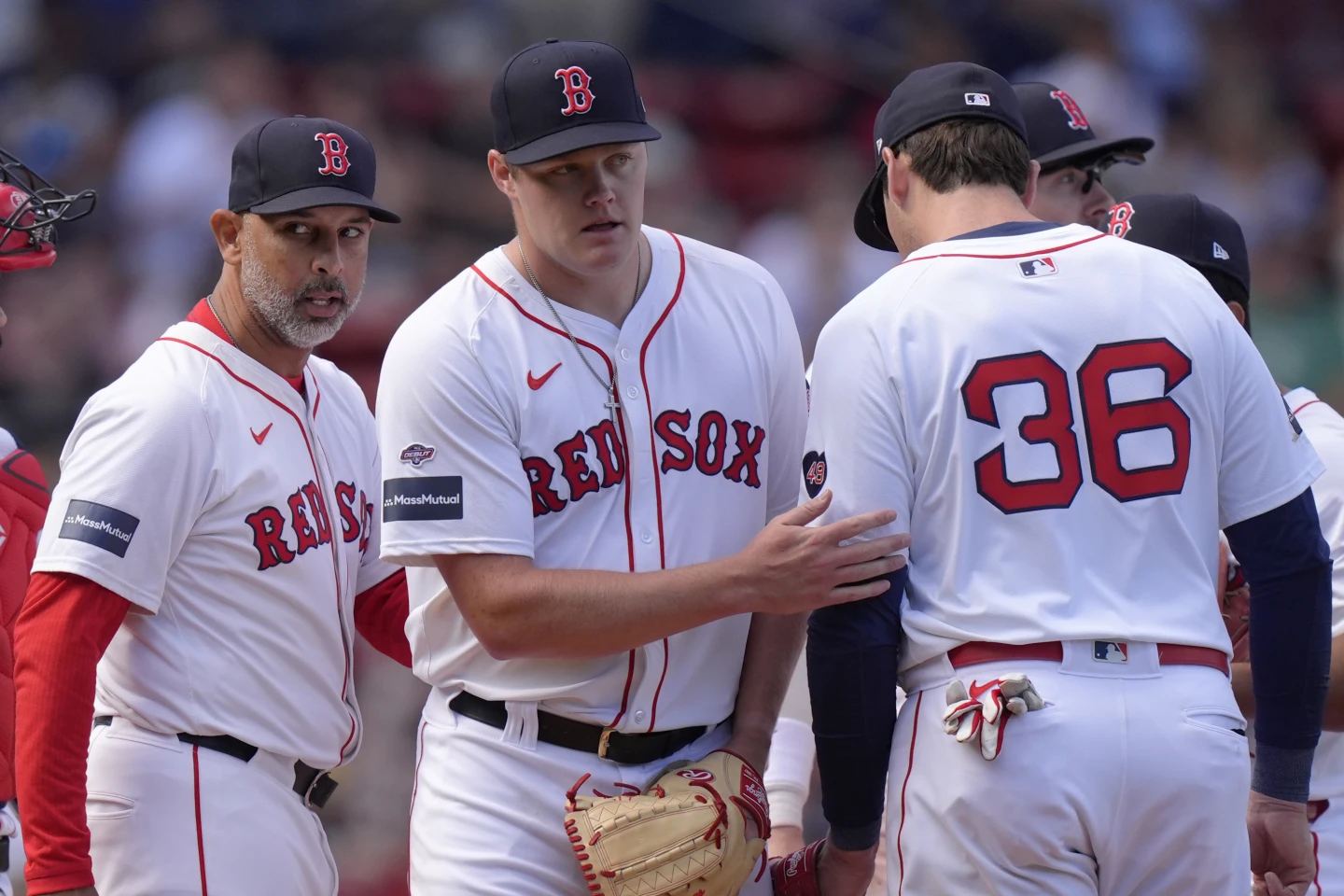
Are the Boston Red Sox Overspending on Flops?

The Boston Red Sox are one of the wealthiest teams in Major League Baseball, with a history of big spending in the free-agent market.

Over the years, they’ve made some massive signings, adding big names to their roster. However, not every high-priced acquisition has worked out as expected.

Several players the Red Sox have signed for big contracts have underperformed, leaving fans and critics to wonder if the team is spending its money in the right way.

In recent seasons, the Red Sox have made multiple moves that haven’t paid off. One of the most notable missteps was the signing of pitcher Chris Sale in 2017 to a five-year, $145 million contract extension.

While Sale was dominant in his early seasons with the team, injuries have derailed his performance over the last few years.

His ability to stay on the field has been a major concern, as he’s missed significant time due to elbow and shoulder injuries.

This investment has turned into a financial burden for the team, and Sale’s inability to contribute at a high level has raised questions about whether the Red Sox should have spent that money elsewhere.

Another questionable move was the acquisition of outfielder Carl Crawford in 2011. The Red Sox inked him to a seven-year, $142 million contract, expecting him to provide a major offensive boost. Crawford, however, struggled to adjust to the pressures of playing in Boston, posting disappointing numbers during his time with the team.

Worst deal in the history

After just two seasons, he was traded to the Los Angeles Dodgers in a salary dump. The deal is widely regarded as one of the worst in Red Sox history, and it didn’t help that Crawford never lived up to the lofty expectations set by his big contract.

More recently, the Red Sox made a significant splash by signing slugger J.D. Martinez in 2018. Martinez was coming off a stellar season with the Arizona Diamondbacks, and the Red Sox believed he would provide the offense they needed to complement their lineup.

While Martinez has had some impressive seasons, his performance has been inconsistent, especially in the last couple of years.

His struggles at the plate, coupled with his age, have made it unclear whether he’s worth the $110 million the team committed to him. With Martinez’s production declining, the Red Sox are left wondering if they could have spent that money more wisely.

In addition to these high-profile free-agent deals, the Red Sox have also invested heavily in players through trades. The acquisition of infielder Pablo Sandoval in 2014 is another example of a move that didn’t pan out as hoped.

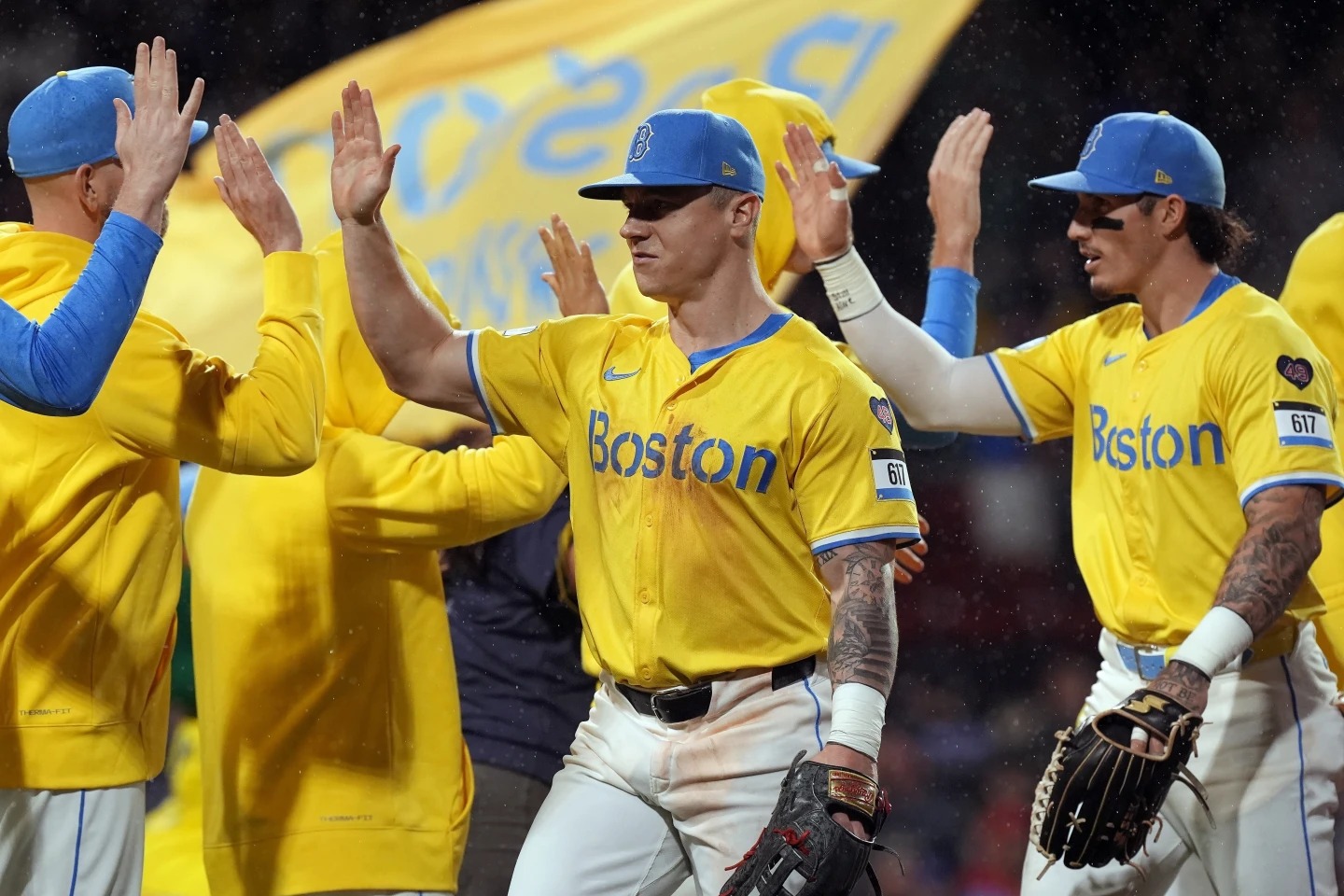
Boston Red Sox celebrates after the win

Sandoval, who was signed to a five-year, $95 million contract, was expected to provide power and stability to the lineup.

However, his weight issues and poor performance on the field led to his release after just three seasons. Sandoval’s contract, much like Crawford’s, is viewed as a waste of resources that could have been better allocated elsewhere.

The common thread in many of these deals is the reliance on high-priced free agents or aging players who were coming off strong individual seasons. The Red Sox have often spent big money in hopes of immediate results, but these contracts have not always lived up to expectations.

In an era where teams are becoming more strategic with their spending and focusing on younger, more cost-effective talent, the Red Sox’s approach has raised eyebrows.

Bleeding Money

One of the issues with spending large sums on free agents is that it often locks a team into long-term commitments. This limits flexibility in the future and can leave a team vulnerable if a player’s performance declines or they are unable to stay healthy.

For example, when Sale and Crawford were signed, both seemed like the right moves at the time. However, injuries and inconsistent play have made those deals tough to swallow.

The Red Sox’s spending habits have also been criticized for lacking a clear long-term vision. While it’s understandable to want to win now, investing heavily in aging players or high-risk contracts can be detrimental to building a sustainable and successful team.

The focus on short-term success has prevented the team from fully embracing a more balanced approach that combines smart investments in younger talent with the occasional big signing.

As the Red Sox continue to build their roster, it’s important for them to rethink their approach to spending.

In a league where analytics and player development are becoming increasingly important, the Red Sox need to find a way to blend big-money signings with a sustainable strategy that ensures long-term success.

With the team’s rich history and large fanbase, there’s no reason why the Red Sox can’t find the right balance between spending and building for the future.

Categories
NFL (American Football)

Denver Broncos: What Caused the Drop in Fan Support?

The Denver Broncos, once one of the NFL’s most dominant franchises, are struggling to maintain a loyal and engaged fan base.

The team’s long history of success has made them a cornerstone of Denver’s identity, but recent seasons have seen a steady decline in attendance, TV ratings, and general enthusiasm among their supporters. So, what happened to the Broncos’ fan base?

A Decline in Team Performance

The most obvious reason behind the waning support for the Denver Broncos is their performance on the field.

For nearly a decade, the team has failed to consistently compete for championships. The team’s last Super Bowl appearance came in 2015, when they defeated the Carolina Panthers. That victory, behind the legendary Peyton Manning, seemed to signal the end of an era.

However, after Manning’s retirement, the Broncos began to flounder. Their quarterback carousel, which saw a parade of players including Trevor Siemian, Paxton Lynch, Case Keenum, and Drew Lock, was a clear sign of instability.

The inability to find a consistent and elite quarterback has plagued the franchise and left fans disillusioned.

Football, perhaps more than any other sport, is a quarterback-driven game, and without a reliable leader at the helm, it’s hard to generate consistent success.

In the years following Manning’s departure, the Broncos’ performance dipped sharply. Even with a strong defense, the offense remained ineffective.

Fans began to lose hope, as the team struggled to stay competitive within a tough AFC West division. This underperformance caused frustration to grow, and many fans found themselves tuning out, with little hope of immediate improvement.

Front Office Instability

Behind every successful football team, a strong and coherent management team is essential. Unfortunately for the Broncos, they have faced significant instability at the front office level in recent years.

The hiring and firing of multiple head coaches, including Vance Joseph and Vic Fangio, made it clear that the team was struggling to find a leader who could take them to the promised land.

The 2022 season brought a glimmer of hope when the Broncos hired Nathaniel Hackett, but this quickly turned to disappointment after his tenure ended prematurely. The Broncos then brought in Sean Payton, a highly respected coach from the New Orleans Saints.

Sean Payton
Sean Payton (NFL)

Though Payton’s resume provides optimism, the lack of continuity and rapid turnover in coaching staff has prevented the team from building the kind of consistency and culture that many successful franchises enjoy.

Furthermore, the ownership saga, which involved the sale of the team to a new group led by Rob Walton, has created a sense of uncertainty. The new owners’ approach to managing the franchise will take time to show results, and it’s clear that fans are growing impatient.

Fan Disconnection from the Team

With the Broncos’ struggles on the field and instability off it, many fans began to feel disconnected from the team.

During their glory years, the Broncos cultivated a passionate and loyal fan base. This loyalty has begun to wane as fans have found themselves less invested in a team that fails to excite or deliver.

Games that were once sold out are now seeing empty seats, and season ticket holders are abandoning their memberships in search of a more rewarding fan experience.

In addition to the underperformance on the field, there is also a sense that the Broncos are not doing enough to connect with their fan base.

The team’s social media presence and community outreach have not matched the level of engagement seen in other successful franchises. In an era where fan loyalty can be nurtured through digital platforms and interactive fan experiences, the Broncos have lagged behind in cultivating a new generation of passionate followers.

Many long-time supporters of the team have simply moved on, especially with the rise of other entertainment options.

Fans are often more inclined to invest their time in teams that seem to be making strides toward success. With the Broncos stuck in a cycle of mediocrity, it has been hard to build momentum for fan support.

Competing in a Crowded Sports Market

The Denver sports market is also increasingly crowded. While the Broncos were once the undisputed kings of sports in Denver, the rise of other local teams, including the Denver Nuggets and Colorado Avalanche, has shifted some attention away from football.

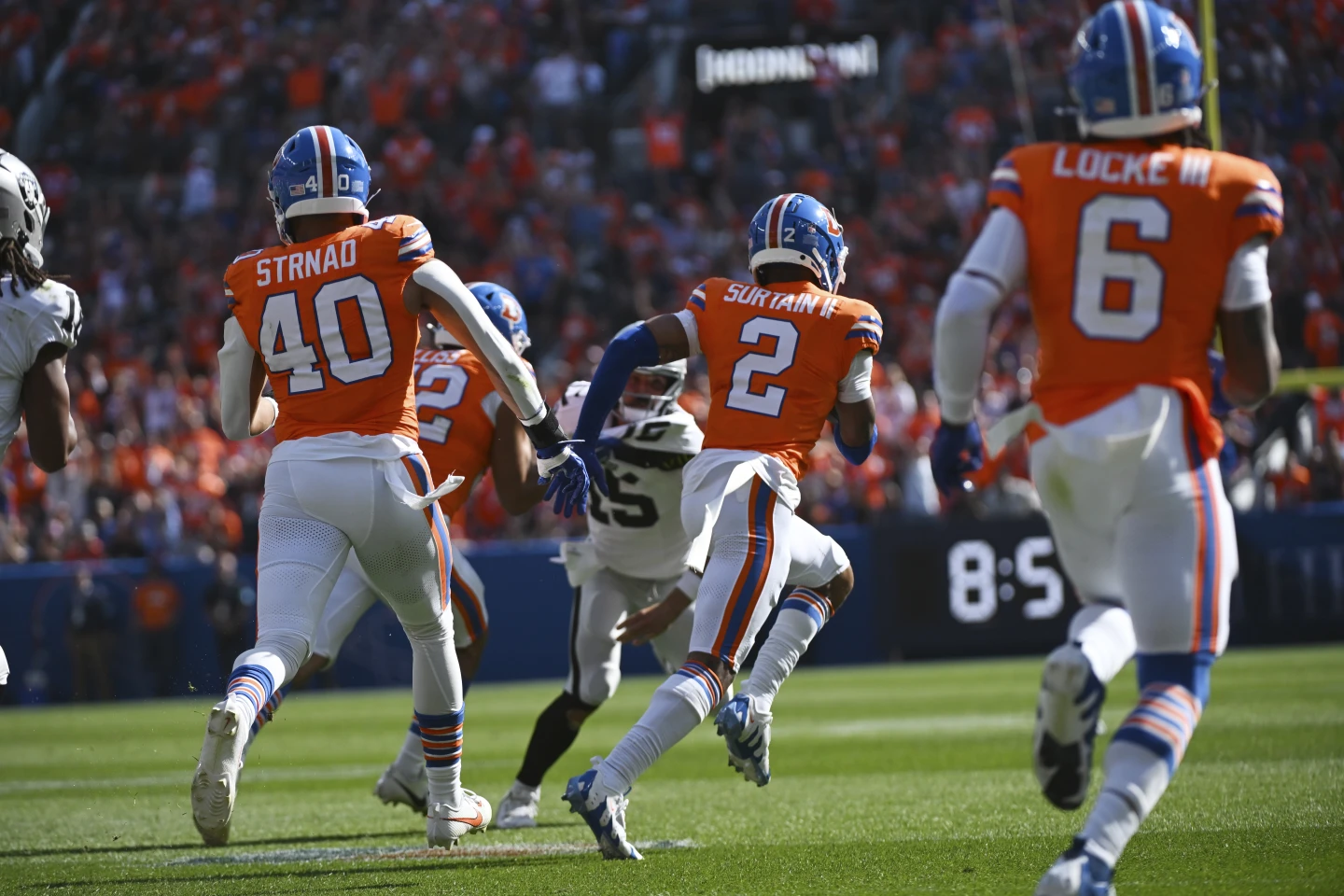
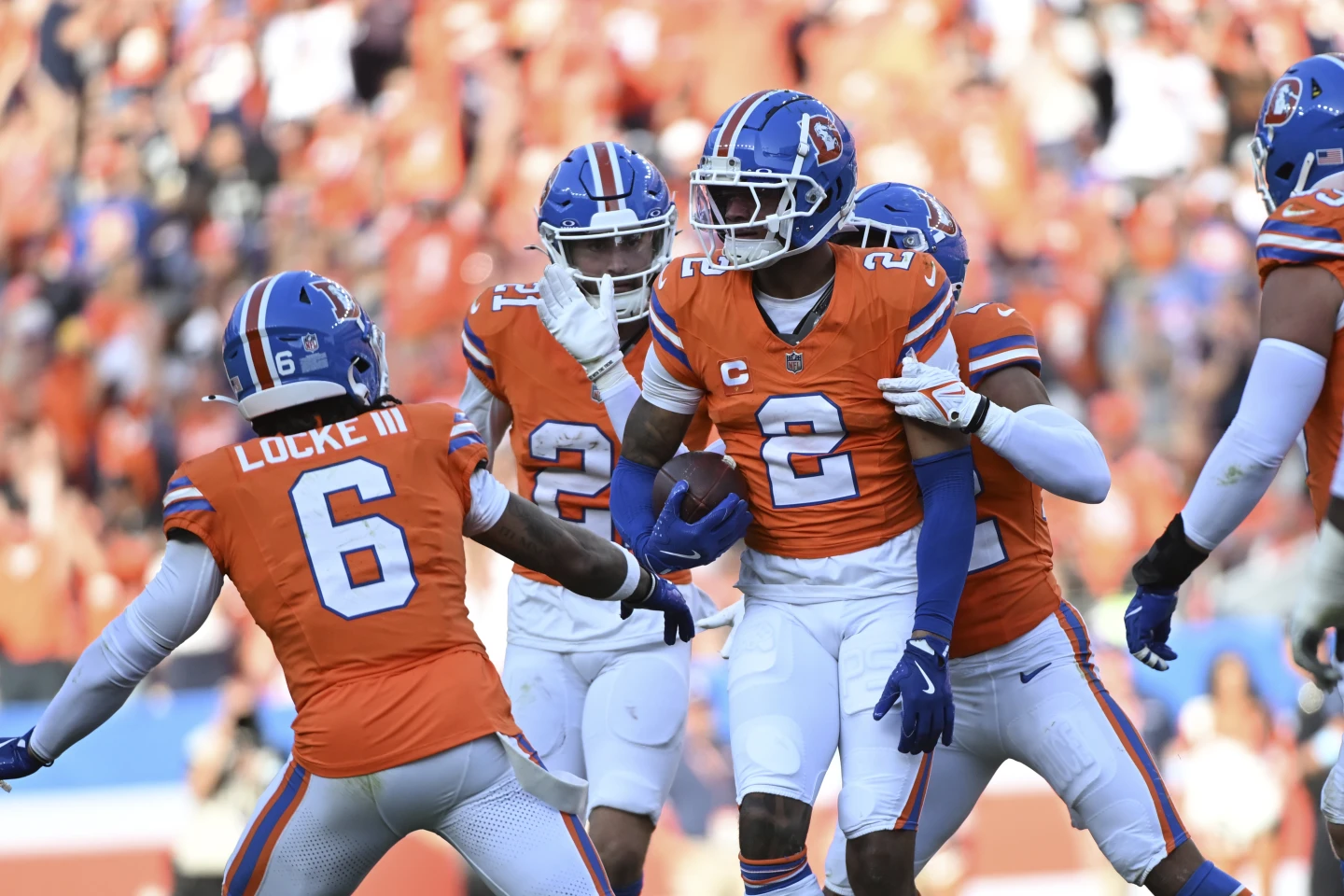
Denver Broncos players celebrate after a play

Both the Nuggets and Avalanche have experienced success in recent years, with the Nuggets winning the NBA championship in 2023 and the Avalanche capturing the Stanley Cup in 2022.

As a result, fans have started to invest more in these teams, and the Broncos are now fighting for attention in an already competitive market.

Moreover, the rise of fantasy sports, sports betting, and streaming platforms has changed the way fans engage with teams. Many viewers no longer watch games with the same level of devotion as they did in the past.

Instead, they’re more likely to tune in to specific matchups or individual players rather than supporting a team from start to finish. The Broncos’ inability to maintain a strong team performance makes it harder to retain these casual fans.

Moving Forward

While the Broncos’ fan base may be shrinking, all hope is not lost. The team still has a dedicated group of supporters who continue to show up in the face of adversity. If the front office can secure the right coach and quarterback combination, and the team can start winning again, there is potential to reignite the fan base.

Rebuilding a culture of success will take time, but history shows that Denver fans are incredibly loyal when the team is competitive.

The road back to relevance for the Broncos may be long, but with the right leadership, it’s possible to rebuild a passionate and committed fan base.

For now, the team must focus on improving both on the field and in its connection with the Denver community to ensure that its legacy remains intact.

Categories
MLB (Baseball)

San Francisco Giants: Is the Team Facing a Decline or Simply a Short-Term Setback?

The San Francisco Giants have long been a cornerstone of Major League Baseball’s elite teams, especially with their success in the 2010s. Three World Series titles in five years (2010, 2012, 2014) solidified their position as a powerhouse in the National League.

However, the team’s performance in recent seasons has left fans wondering if the Giants are heading into a period of decline or if they are simply facing a temporary slump.

A Strong Foundation

The Giants’ dynasty in the early 2010s was built on solid pitching and a timely offensive attack. Key players like Buster Posey, Madison Bumgarner, and Hunter Pence led the team to championships.

Their pitching staff, which was anchored by Bumgarner’s postseason dominance, and a gritty offense focused on manufacturing runs, was a recipe for success. With this group of players, the Giants were able to become one of the most consistent teams in the league.

However, things began to shift after 2014. Players like Posey and Bumgarner were still key parts of the team, but the Giants started facing stiffer competition.

The Los Angeles Dodgers rose to prominence in the National League, and the Giants found it harder to maintain the same level of success. Despite making it to the playoffs in 2016 and 2018, they didn’t manage to go very far, with their postseason hopes often falling short.

The Struggles of the Last Few Seasons

The decline became more apparent starting in 2019. The Giants were in the midst of a rebuild, with key veterans like Madison Bumgarner leaving the team and a new generation of talent beginning to emerge.

In 2020, the team showed glimpses of hope, finishing above .500 despite a shortened season. However, the absence of a consistent offensive force and the struggles of their pitching staff were evident.

The 2021 season was a surprise for the Giants. They finished with a franchise-record 107 wins, besting even their fierce rivals, the Los Angeles Dodgers.

Players like Brandon Crawford, Buster Posey, and newcomers such as Kris Bryant made significant contributions. Yet, despite the success, the team fell short in the postseason, losing to the Dodgers in a thrilling five-game division series.

The Current State of the Team

Heading into the 2024 season, the Giants found themselves in a bit of a transitional phase. The roster had undergone changes, with several veterans either leaving or retiring, and younger players being integrated into the lineup. While some of these young players have shown potential, consistency has remained a problem.

For example, players like Joey Bart and Tyro Estrada have had their moments but have not been able to fully step into prominent roles.

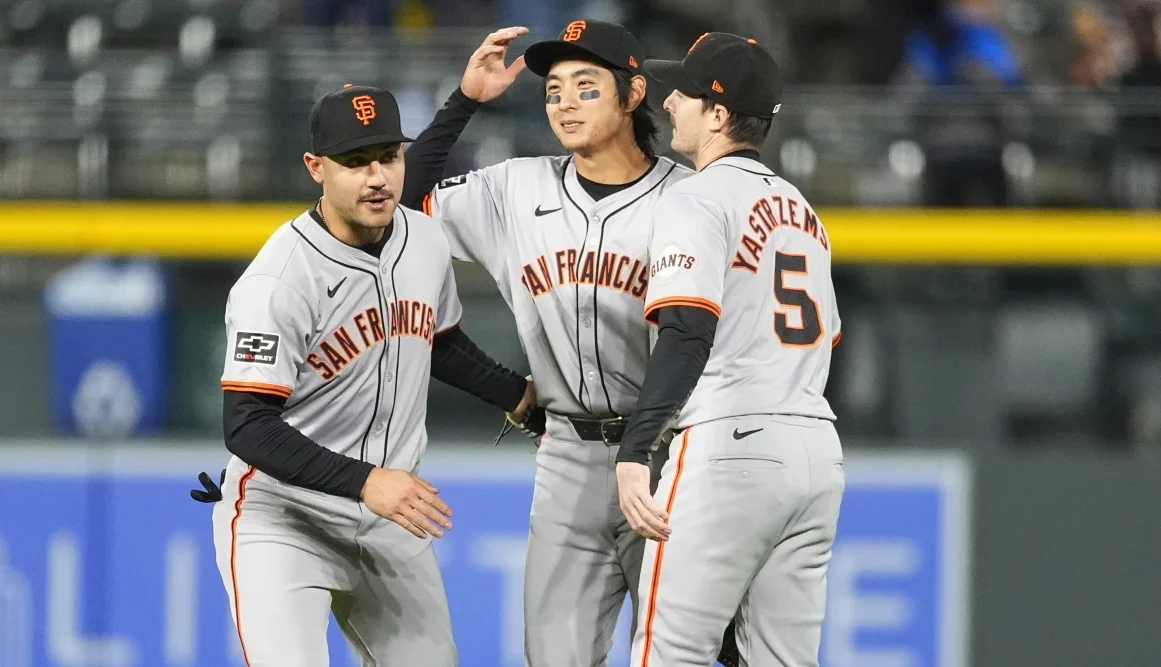
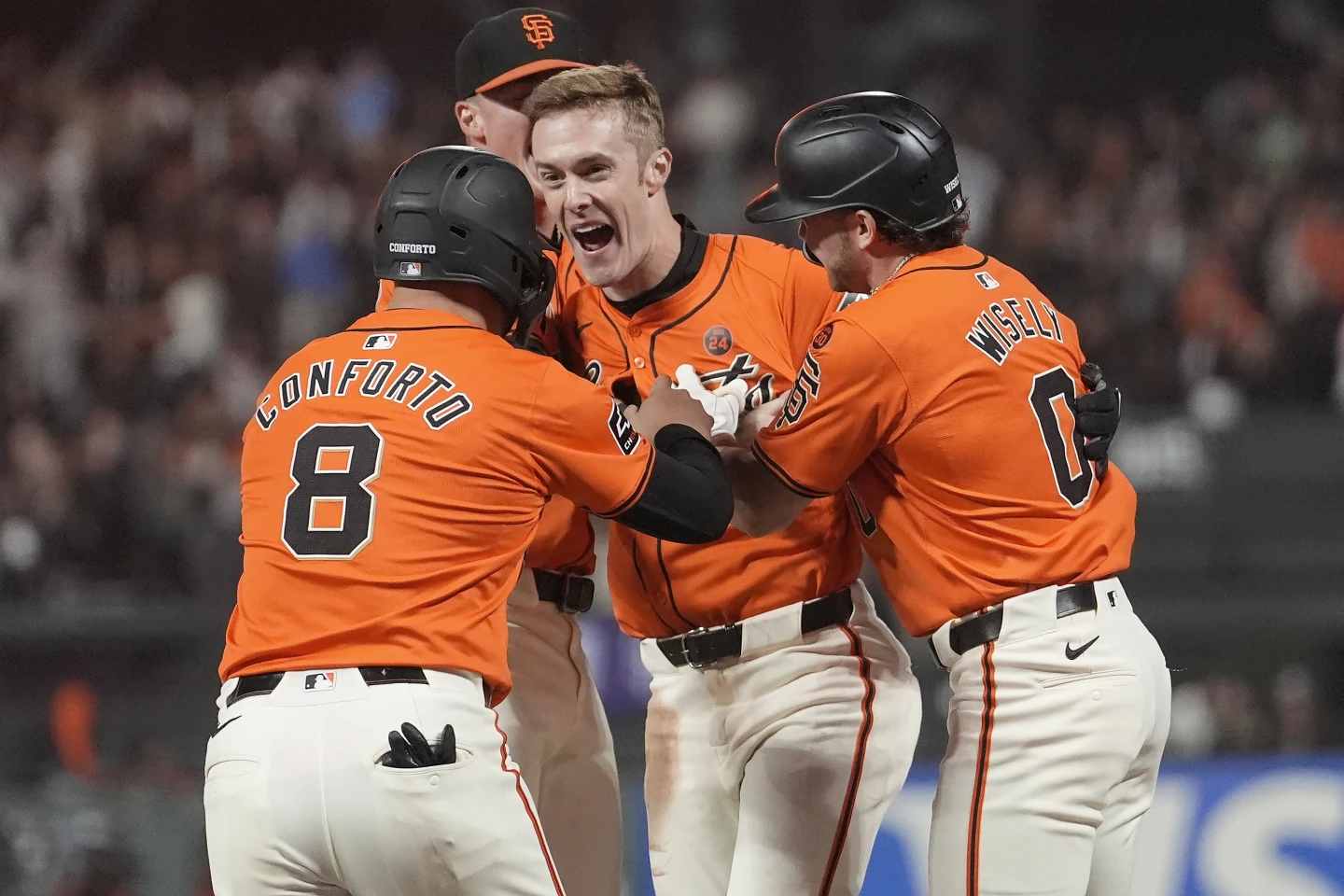
San Francisco Giants celebrates in the 9th inning

Pitching remains a mixed bag. Logan Webb has emerged as a reliable ace, but beyond him, the starting rotation has been inconsistent. The bullpen, which had been a strength in the past, has been plagued by high-profile struggles in recent seasons. The team’s defense, once one of its best features, has also been less reliable, with mistakes costing them games at critical points.

One of the major issues for the Giants has been their offensive woes. While they’ve had brief periods of success, their lineup has not been as potent as it once was.

The power hitting that made the Giants such a feared team in the past has significantly diminished.

Despite acquiring a few key players to improve their lineup, such as outfielder Mitch Haniger and former All-Star Michael Conforto, the team’s offense has lacked consistency.

Hopeful Future?

Despite the struggles, there is still hope for the future. The front office has shown a commitment to building a competitive team, and they’ve made moves to strengthen the roster.

The Giants have an impressive minor league system that has produced several promising prospects. Players like Marco Luciano, a shortstop with elite potential, could make an impact in the coming seasons.

Additionally, the Giants’ culture of resilience and grit, which helped them achieve so much success in the past, is still present.

Manager Gabe Kapler has instilled a sense of accountability, and although the team has faced challenges, they are not giving up.

The next few years could be crucial for determining the future of the franchise. If the team can continue to develop young talent and find a way to restore offensive power, they may not be in decline for long.

The path forward will require both smart investments and a commitment to long-term success.

The San Francisco Giants are currently in a tough spot, but they’re far from being written off. The team is at a crossroads, and the decisions made in the coming years will determine whether they continue to decline or rebound into contention once again.

Categories
NFL (American Football)

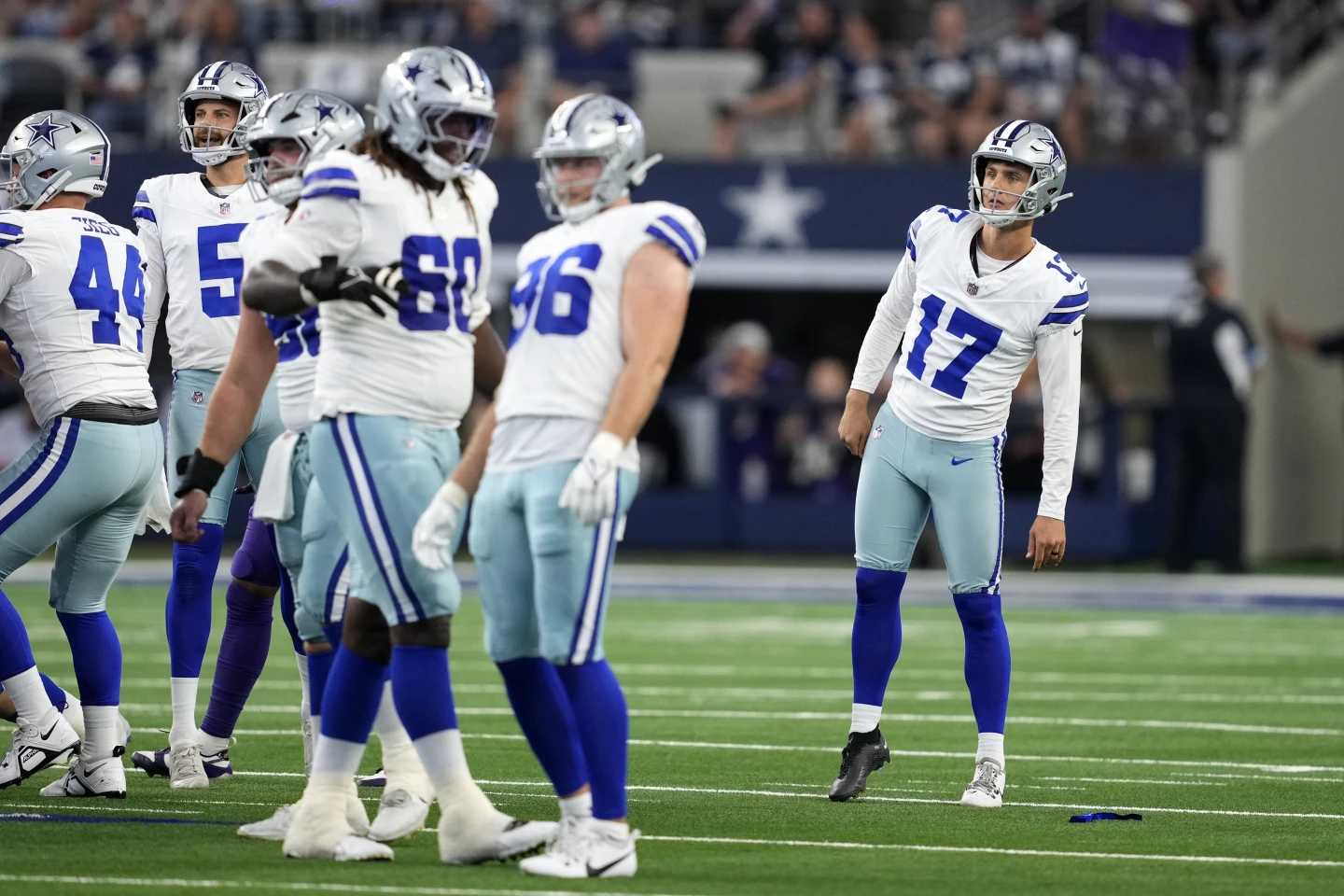
Dallas Cowboys’ Billion-Dollar Brand: More Flash Than Substance?

The Dallas Cowboys are not just a football team; they are an empire. With an estimated value of over $9 billion, they are the most valuable sports franchise in the world, surpassing even global powerhouses like Real Madrid and the New York Yankees.

Jerry Jones’ marketing genius has transformed the Cowboys into a brand that extends far beyond the gridiron, making them a financial juggernaut. However, as their fan base continues to grow worldwide, one question remains: Is their reputation built more on spectacle than on success?

The Business of the Star

When Jerry Jones purchased the Cowboys for $140 million in 1989, few could have predicted the meteoric rise that would follow.

Today, the Cowboys boast sponsorship deals with major corporations like AT&T, Pepsi, and Ford, while their iconic stadium, AT&T Stadium, is one of the most extravagant in sports history.

With a state-of-the-art facility, a massive merchandising empire, and lucrative TV deals, the Cowboys have mastered the art of making money.

Social media engagement, high-profile marketing campaigns, and a reputation as “America’s Team” have further solidified their standing.

America’s Team or America’s Illusion? The Cowboys shine in business, but not in championships.

Whether they win or lose, their merchandise sales remain sky-high, and their Thanksgiving Day game consistently ranks as one of the most-watched regular-season broadcasts.

But while the Cowboys dominate off the field, their on-field success tells a different story.

A Dynasty That Faded

The Cowboys’ last Super Bowl victory came in the 1995 season, an era when Troy Aikman, Emmitt Smith, and Michael Irvin dominated the NFL. Since then, the franchise has endured nearly three decades of postseason disappointments.

Despite multiple promising seasons and a wealth of talent, the team has struggled to advance past the divisional round, frustrating a fan base that craves a return to glory.

Dak Prescott, Micah Parsons, and CeeDee Lamb represent a core capable of winning, but year after year, expectations outweigh results.

In contrast, teams like the Kansas City Chiefs and the San Francisco 49ers have built their dominance through consistent playoff success, leaving the Cowboys behind despite their financial supremacy.

The “America’s Team” Illusion?

The Cowboys’ nickname, “America’s Team,” originated from their widespread popularity in the 1970s. But is it still relevant today?

Their inability to win when it matters has led critics to argue that the team is more about entertainment than excellence.

Even so, they remain a ratings powerhouse. Their matchups—especially against rivals like the Philadelphia Eagles and the Green Bay Packers—often draw record-breaking television numbers.

The Cowboys have mastered staying relevant, ensuring they dominate conversations even in the offseason.

Some argue that their appeal is more about branding than football. The star logo, the prestige, and the spectacle that keeps fans invested, despite the lack of championship success. But for diehard supporters, the flash means little if it doesn’t translate into Lombardi Trophies.

Business vs. Football

The Dallas Cowboys’ billion-dollar empire is undeniable. Their financial dominance, global recognition, and marketing prowess make them the most successful business in sports.

However, football is not just about balance sheets and brand deals—it’s about winning championships.

Until the Cowboys reclaim their former dominance on the field, they risk being remembered as a team that excels at making headlines but falls short where it counts. For now, they remain a brand built on nostalgia, hope, and hype—but not necessarily results.

Categories
NBA (Basketball)

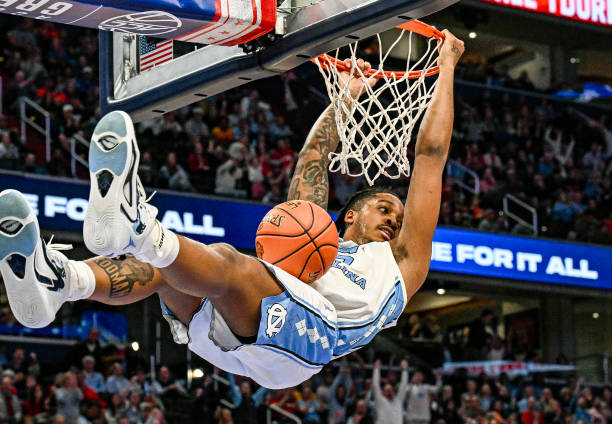
North Carolina Tar Heels: Is Their Coaching Philosophy Outdated?

The North Carolina Tar Heels have long been one of college basketball’s most storied programs. From the legendary Dean Smith to Roy Williams and now Hubert Davis, the Tar Heels have maintained a tradition of excellence built on fundamentals, teamwork, and player development.

However, as modern college basketball evolves, questions have emerged about whether UNC’s coaching philosophy is keeping up with the times.

The Tar Heel Way: A Legacy of Success

The Tar Heels’ coaching philosophy has historically emphasized fast-paced play, strong rebounding, and a commitment to half-court execution. Under Smith and Williams, UNC dominated with a mix of structured offense and freedom for players to make plays within the system.

This approach produced multiple national championships and NBA-ready talent, including Michael Jordan, Vince Carter, and more recently, Cole Anthony.

However, in today’s game, where analytics, perimeter shooting, and position less basketball dominate, some critics argue that UNC’s style is struggling to adapt.

Struggles Against Modern Basketball Trends

One of the biggest concerns for UNC’s coaching staff is their traditional reliance on a dominant inside presence. While post play remains valuable, the emphasis in college basketball has shifted toward three-point shooting, spacing, and defensive versatility.

The game is evolving—is UNC adapting fast enough? A look at the Tar Heels’ coaching philosophy and its impact on their future.

The Tar Heels have historically ranked near the bottom in three-point attempts compared to other top programs, which has hurt them against teams that stretch the floor.

Moreover, player retention and the rise of the transfer portal have changed roster-building strategies. Programs like Duke and Kansas have embraced a mix of one-and-done talents and experienced transfers, while UNC has occasionally struggled with roster continuity. This has led to inconsistent performances, particularly against teams with more modern offensive schemes.

Hubert Davis’ Challenge: Modernizing While Preserving Tradition

Hubert Davis took over in 2021 with the goal of continuing UNC’s legacy while making necessary adjustments. In the 2021-22 season, he led the Tar Heels to the national championship game, proving that the program could still compete at the highest level.

However, in the following season, UNC missed the NCAA Tournament entirely, raising concerns about whether Davis’ coaching philosophy can sustain long-term success.

Davis has made some efforts to adapt. He has encouraged more three-point shooting, especially from his big men, and has adjusted the team’s pace at times.

But compared to schools like Alabama, Houston, or Purdue, which fully embrace modern trends, UNC still seems to be playing catch-up.

Can UNC Evolve Without Losing Its Identity?

The key question is whether the Tar Heels can balance their historic philosophy with the demands of modern basketball. The pressure to win in today’s landscape is higher than ever, and fans are eager to see adjustments that bring the program back to national dominance.

The good news is that UNC remains a top recruiting destination, and with the right mix of talent and coaching innovation, they can return to their championship-contending ways.

Davis and his staff must continue evolving, utilizing analytics, and adapting their system to fit the modern game.

If they can do that while maintaining the values that made UNC a powerhouse, the Tar Heels will remain a force in college basketball. If not, they risk falling behind in an ever-changing landscape.

Categories
NBA (Basketball)

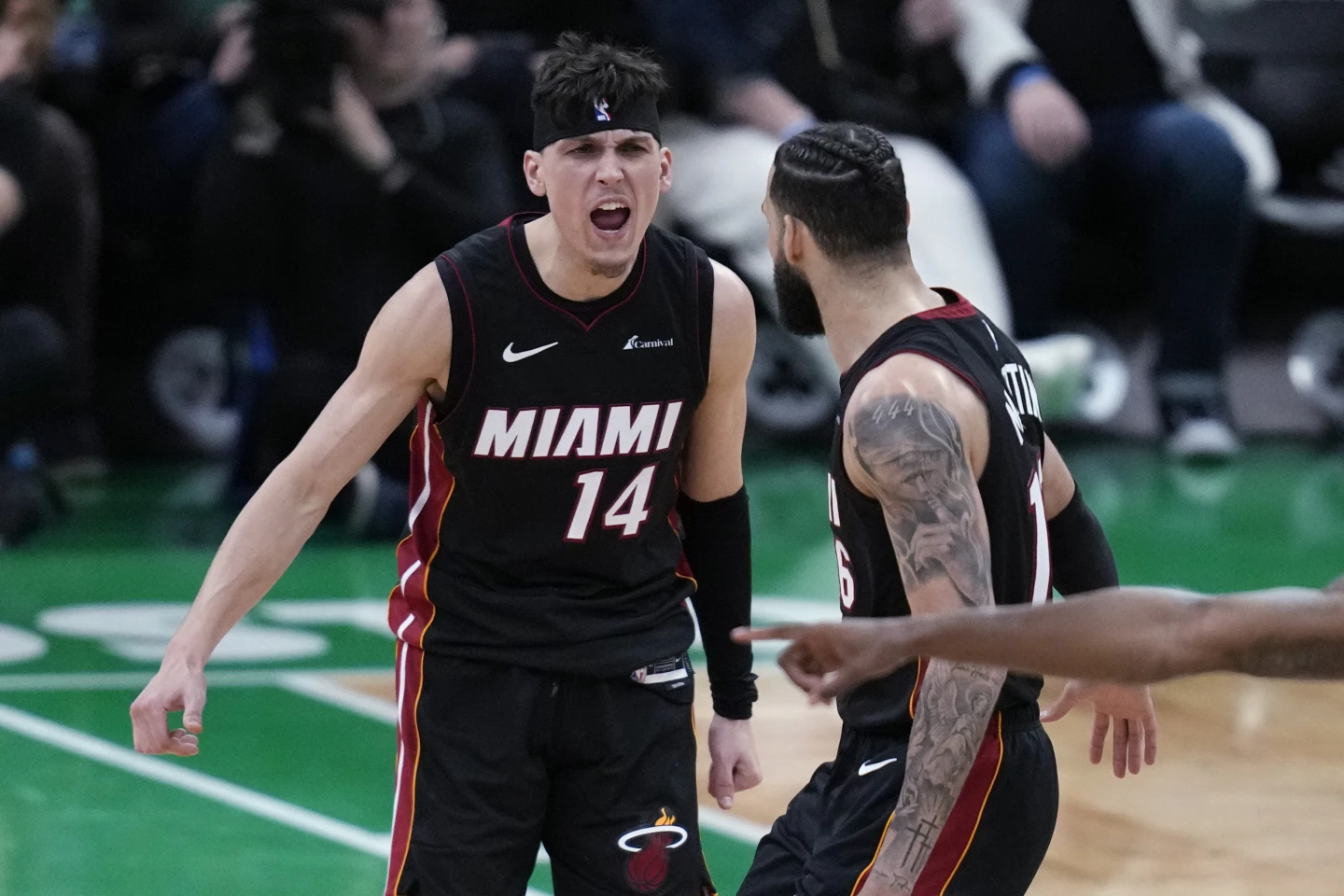
Is the Miami Heat’s Lack of Youth Holding Them Back?

The Miami Heat have been a dominant force in the NBA for decades, with a rich history of success, championship runs, and legendary players.

From the era of Alonzo Mourning and Dwyane Wade to the more recent dominance led by LeBron James, Chris Bosh, and Wade, the team has been a perennial contender.

However, as the NBA continues to evolve, questions are being raised about the Heat’s approach to team-building, particularly when it comes to acquiring and developing young talent.

Is the franchise stuck relying on past methods? Are they failing to adapt to the modern NBA’s growing emphasis on youth?

The Aging Base

At the heart of the Miami Heat’s roster are a few key veterans, such as Jimmy Butler and Bam Adebayo, who are both pivotal to the team’s success.

Butler, now in his mid-thirties, continues to perform at a high level, but the question is how long he can maintain that elite production.

Adebayo, on the other hand, is still in his prime and continues to develop, though he hasn’t quite become the player that can carry a team by himself in the postseason.

Beyond Butler and Adebayo, the Heat’s supporting cast is also aging. Players like Kyle Lowry, who joined the Heat in 2021, and veteran shooters like Duncan Robinson, have not yet proven to be reliable long-term contributors.

Lowry has shown signs of wear in his later years, and Robinson, despite his shooting prowess, has not found consistency.

The Heat’s roster is built on experience, but age might limit the team’s ceiling moving forward, especially if the younger players don’t step up to provide support.

The Lack of Development

One of the glaring issues with the Heat’s current roster is the lack of young players emerging as reliable contributors.

While Miami has had some success with undrafted players like Kendrick Nunn and Max Strus, their ability to develop talent into true stars has been limited in recent years.

The Heat’s development system, which has had success in the past, doesn’t seem to have produced the level of young talent necessary to keep the team competitive in the long run.

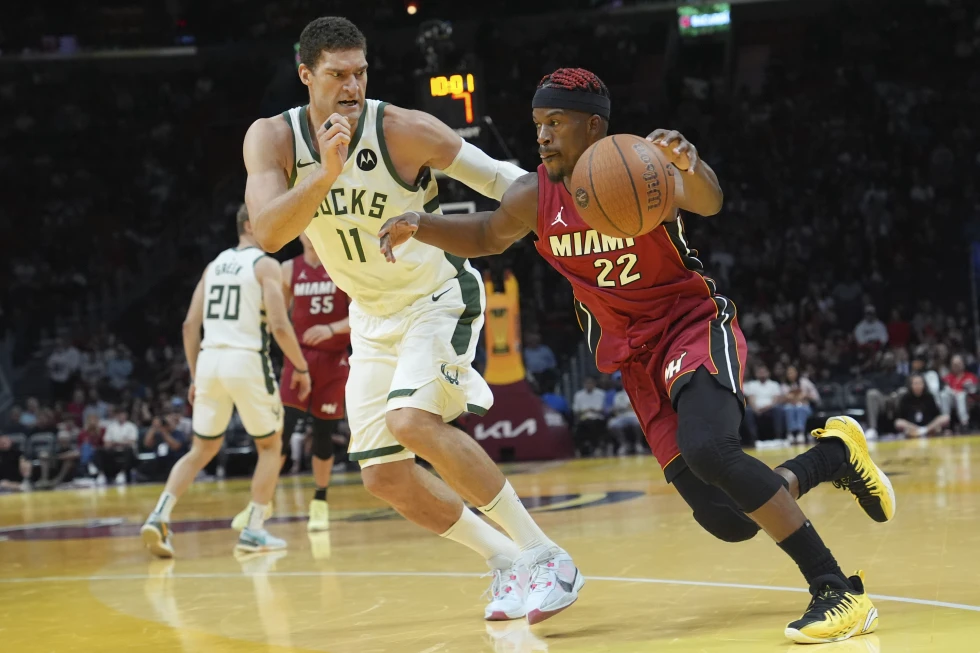
Miami Heat forward Jimmy Butler drives to the basket as Milwaukee Bucks center Brook Lopez defends during the second half of an Emirates NBA Cup basketball game

The franchise’s tendency to prioritize veterans and immediate success over long-term growth has hindered its ability to build a sustainable future.

With most of the team’s primary contributors aging, the Heat’s window for contention is rapidly closing unless they can infuse the roster with youthful energy and potential.

Drafting Woes

Another aspect of the Heat’s strategy that has come under scrutiny is their draft history. Miami has consistently drafted in the late first or early second round due to their success as a team, but their ability to find impact players in these spots has been limited.

While they’ve had some hits with players like Adebayo (who was selected at 14th overall in 2017), their recent draft classes have not produced significant contributors.

In an NBA that increasingly relies on building through the draft, the Heat’s lack of success in this area is concerning. Teams like the Milwaukee Bucks, Denver Nuggets, and Boston Celtics have thrived due to smart drafting and player development, but Miami has not been able to replicate that formula in recent years.

As teams continue to find young talent that can contribute immediately, the Heat are being left behind in terms of building a new wave of stars.

The Importance of Adaptation

As the NBA shifts toward an emphasis on younger players, particularly those who can impact both ends of the floor, the Heat seem to be stuck in the past. While veteran leadership and experience are vital, modern NBA teams need more than just a few older stars.

Teams like the Phoenix Suns and Memphis Grizzlies have shown that youth can provide the energy and growth needed for long-term success. The Heat’s reliance on older players and a lack of young talent could be their biggest obstacle in keeping pace with the league.

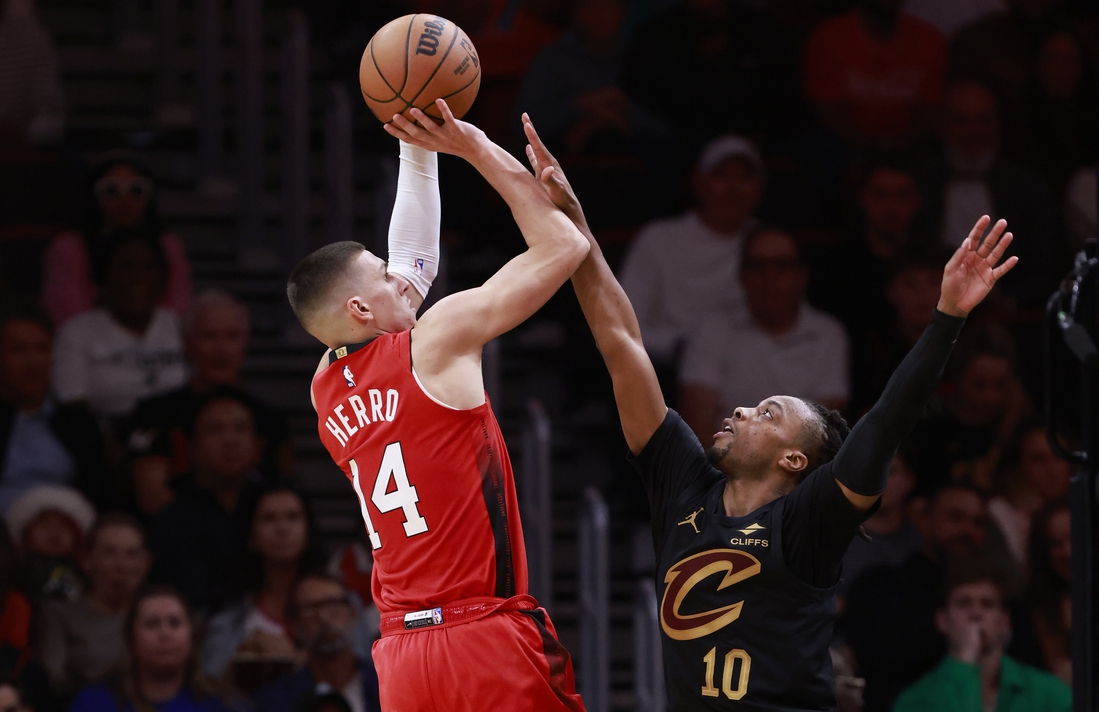
Miami Heat and Cleveland Cavaliers

There are signs of change, however. The Heat’s front office has shown a willingness to make moves, and they have been involved in several trade discussions over the past few years. Miami has a strong culture and a proven coach in Erik Spoelstra, who is known for maximizing his players’ potential.

If the franchise can adapt its philosophy and prioritize player development and younger talent acquisition, it could quickly return to relevance in the ever-changing NBA.

Adding young players can help

For the Miami Heat to continue to contend for championships, they need to reevaluate their strategy. Adding youth to the roster should be a priority, whether it’s through the draft, trades, or free agency.

The Heat have the foundation to build upon with Butler and Adebayo, but they cannot rely on them forever.

A strong influx of young talent, paired with the team’s existing leadership and experience, would give Miami the balance it needs to compete for years to come.

The Heat are not in dire straits yet, but their current trajectory could lead to stagnation if they don’t make adjustments.

In the fast-paced, talent-driven NBA, it’s essential to have both seasoned veterans and rising stars, and Miami’s lack of young talent might soon hold them back from the success they have enjoyed in the past.

Categories
MLB (Baseball)

Why Chicago White Sox Fans Are Losing Trust in Front Office Decisions?

For the past several seasons, the Chicago White Sox have struggled to fulfill the expectations set by fans and analysts.

The team was expected to be a contender in the American League after years of rebuilding. However, front-office decisions in recent seasons have left many fans frustrated, feeling disconnected from the team they once supported so passionately.

The White Sox’s front office has faced criticism on multiple fronts, from roster construction to decision-making processes.

The team’s inability to build around its young stars, such as Luis Robert, Tim Anderson, and Eloy Jiménez, has been a point of contention for fans. With such a promising core, the White Sox’s failure to improve the roster in key areas has been a bitter pill to swallow.

One of the most glaring issues is the team’s lack of investment in pitching. While the White Sox have invested in starting pitchers like Lance Lynn and Dylan Cease, the club has struggled to develop and maintain consistent arms.

Injuries have been a recurring problem, but the front office has not made enough moves to provide depth or acquire reliable reinforcements.

The team’s failure to add proven, durable pitchers to the rotation has hurt its chances to remain competitive.

Free agent signings were never seamless

The decision-making surrounding free-agent signings has also raised eyebrows. Several high-profile signings have been questioned, especially with players who have not performed up to expectations.

For instance, the White Sox signed veteran players in recent seasons in an attempt to push for a playoff spot, but many of these players have been underwhelming.

While it’s understandable that front offices have to make calculated risks, the lack of long-term vision and focus on high-risk, short-term additions has given the impression that the White Sox aren’t serious about building a sustainable championship contender.

On top of that, the team has failed to make meaningful upgrades in the bullpen, an area that could have made a major difference in close games. A lack of consistency from relief pitchers has left the White Sox in many tight spots, especially in late-game situations.

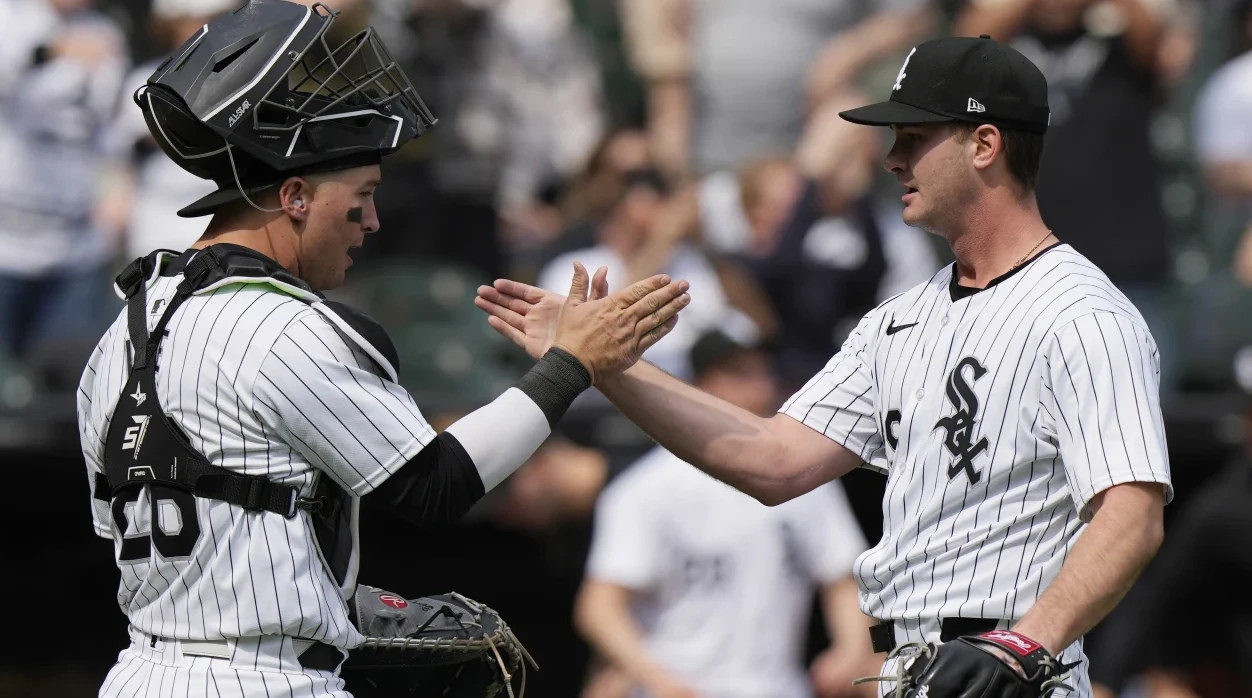
Chicago White Sox players high five each other

While some of this can be attributed to injury, the front office has not done enough to add quality depth in this critical area. The team needs better solutions for late innings, and this oversight has not gone unnoticed.

Even more concerning is the team’s lack of progress in the coaching staff and developmental systems. While they have developed some notable young players, questions remain about whether the coaching staff has the right mix of leadership and experience to take this team forward.

Despite a strong youth movement, it appears the White Sox have struggled to consistently get the best out of their players.

Whether it’s underperformance at the plate or mistakes on the field, this frustration extends directly to the management team that’s been entrusted with leading the charge.

Some fans have expressed concerns about the ownership’s priorities. Under owner Jerry Reinsdorf, there is a belief that the White Sox are treated more like a side project than a serious competitor.

This perception has grown due to the club’s reluctance to spend big on talent and a tendency to rely on internal options rather than bolstering the team through free-agent signings.

The team and organization lack content

While every organization has its approach to team-building, there seems to be a disconnect between the team’s potential and the willingness of the front office to push for excellence.

Beyond performance, the front office’s lack of communication with the fanbase has been a contributing factor to the loss of faith. Fans are passionate about their teams, and they want to see commitment from ownership and management.

The White Sox have not always delivered in this regard. Fans feel that they are left in the dark when it comes to team plans, future directions, and key decisions. This lack of transparency only adds to the growing sense of frustration and alienation.

Adding to the issue is the team’s inconsistent presence in the postseason. Despite having a promising core, the White Sox have failed to make a significant playoff push, which has fueled doubts about the team’s direction.

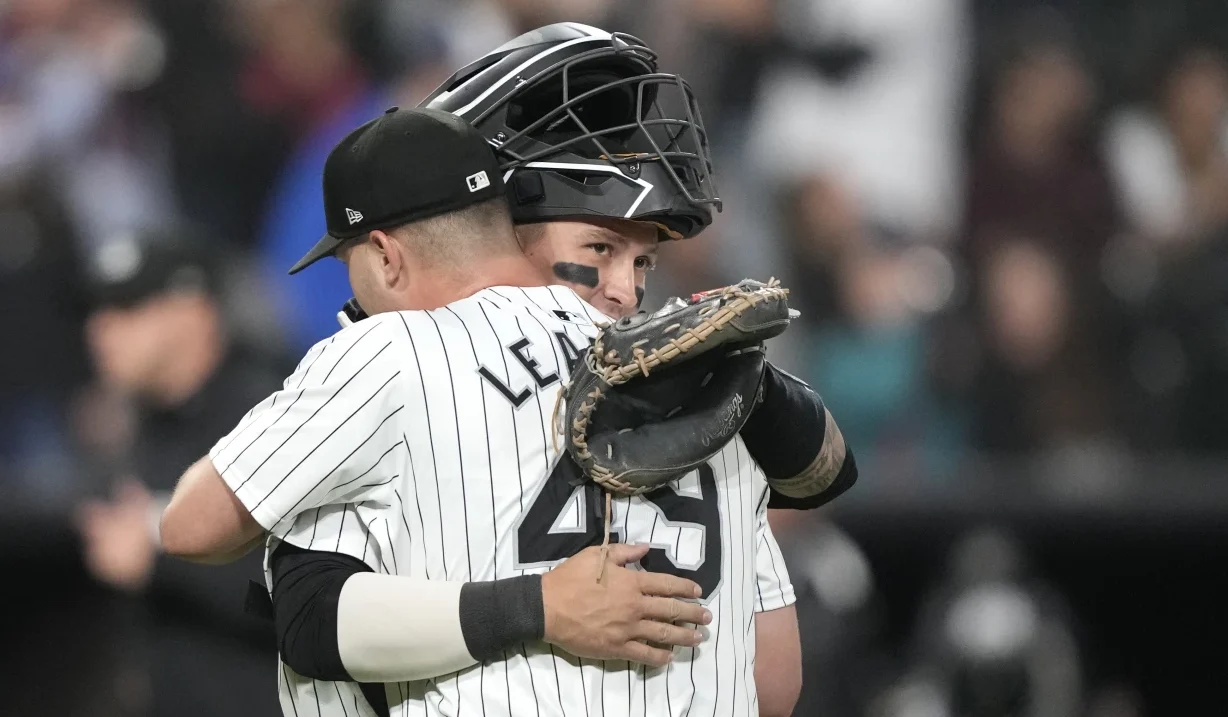
Chicago White Sox players hug eachother

Every team experiences seasons where things don’t go as planned, but the White Sox have not shown the ability to recover quickly and make meaningful changes to turn the tide.

So, what’s next for the White Sox and their beleaguered fanbase? For the team to regain its former glory and rekindle the passion of its supporters, significant changes need to occur in the front office. There needs to be a clear, coherent strategy to build a sustainable, competitive roster.

The organization needs to focus on scouting, player development, and making the right acquisitions that complement the existing talent. If the front office fails to make changes, the disillusionment from the fans will only continue to grow.

It’s not too late for the White Sox to turn things around, but they will need to make smarter, more calculated decisions going forward. Fans have invested too much time and emotion into the team to be let down by inept management.

There is still hope for a brighter future, but that hope depends on whether the White Sox can make the right moves in the coming seasons. The clock is ticking, and the pressure is on. The time to act is now.

Categories
NFL (American Football)

Dallas Cowboys: America’s Pride or Its Greatest Letdown?

For Chicago White Sox fans, frustration has been building steadily over the last few years. Despite high expectations and a strong start to the 2020 season, the team has faced an unsteady decline, leaving many supporters questioning the direction of the franchise.

The focus of their dissatisfaction? The decisions made by the White Sox’s front office.

A brief look at the team’s performance history in recent years paints a picture of inconsistency. After a long rebuild, the White Sox appeared poised for success, boasting a promising young roster and a few key veterans.

However, the last few seasons have shown that talent on paper doesn’t always translate into on-field success. Injuries, poor roster moves, and questionable leadership have played major roles in the team’s struggles.

Roster Management Concerns

One of the most significant points of contention has been the White Sox’s roster management. The front office’s failure to address key weaknesses in the team has led to repeated mistakes on the field.

Whether it’s underperforming players in crucial positions or failure to fill gaps through free-agent signings or trades, the roster decisions seem to have missed the mark in recent seasons.

In particular, the team’s struggles with pitching have been an ongoing issue. Despite having some strong arms in the rotation, injuries and inconsistent performances have left the staff looking weaker than expected.

The lack of significant upgrades to the pitching staff, despite the clear need for reinforcements, has been a major point of disappointment for fans who had hoped for more proactive moves.

Front Office’s Failure to Adapt

Another area where the front office has faltered is in its ability to adapt to the changing dynamics of Major League Baseball. While the White Sox have done a good job in the past of building a solid foundation, the competition in the league continues to evolve.

The team’s front office has been criticized for not keeping pace with the changing trends in baseball strategy, from advanced analytics to smarter roster construction.

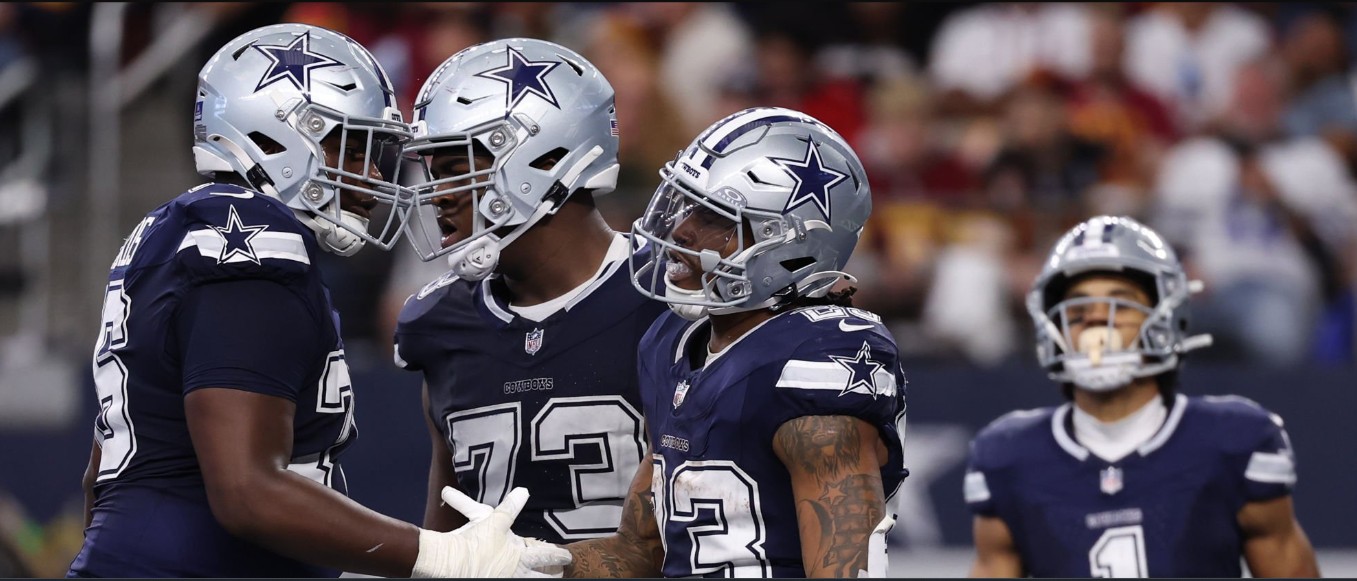
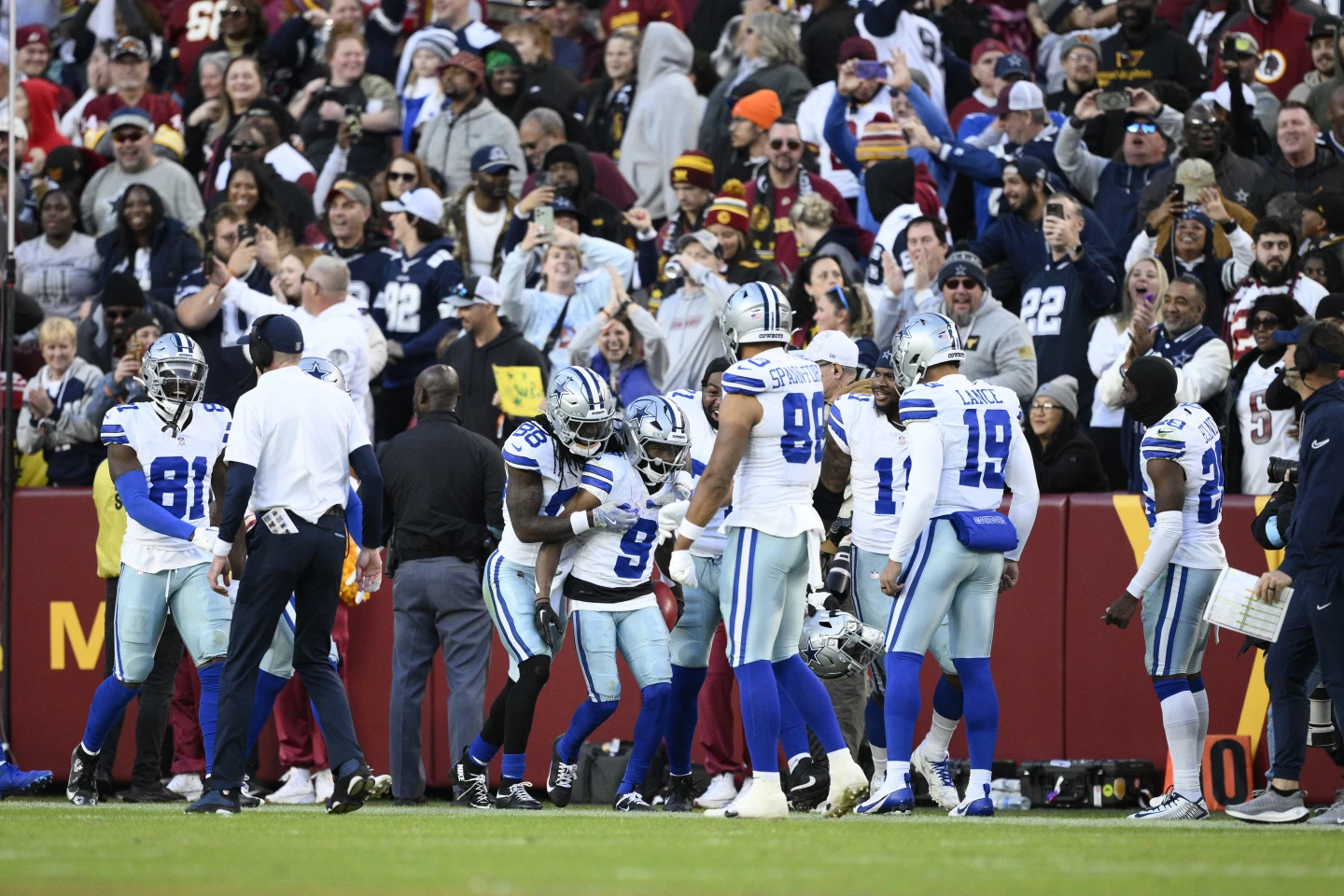
Dallas Cowboys players celebrate

For example, while many teams in MLB are embracing data-driven strategies and analytics, the White Sox have often been slow to implement these approaches.

This lack of adaptation has led to some missteps when it comes to decision-making, both in terms of player development and game strategy.

Questionable Signings and Trades

The White Sox’s trade and signing decisions have also raised eyebrows. In the past few years, several high-profile trades and acquisitions have failed to yield the expected returns.

From underperforming veterans to unfulfilled potential in traded players, these moves have left fans questioning whether the front office is making the right calls.

One such example is the trade for Dallas Keuchel, a former Cy Young Award winner, who was signed in 2020. Despite initial hopes for him to bolster the pitching staff, Keuchel’s performance has been lackluster, and he was ultimately released by the team in 2022.

The failure to get significant production from a high-profile signing like Keuchel speaks to the broader problem of ineffective decision-making that has plagued the team in recent seasons.

Another problematic trade was the acquisition of Adam Eaton, a veteran outfielder brought back to Chicago in hopes of providing leadership and stability. Eaton’s return was underwhelming, and the White Sox ended up trading him away for little return. This trade exemplified a pattern of moves that didn’t pay off, leading fans to wonder whether the front office truly understood the needs of the team.

Lack of Long-Term Vision

Perhaps one of the most concerning aspects of the White Sox’s front office is their lack of a clear, long-term vision.

While they have invested in young talent and seen some success in the draft and development, their moves haven’t reflected a coherent strategy for sustained success. Fans are left wondering whether the team’s leadership truly understands how to build a championship contender from the ground up.

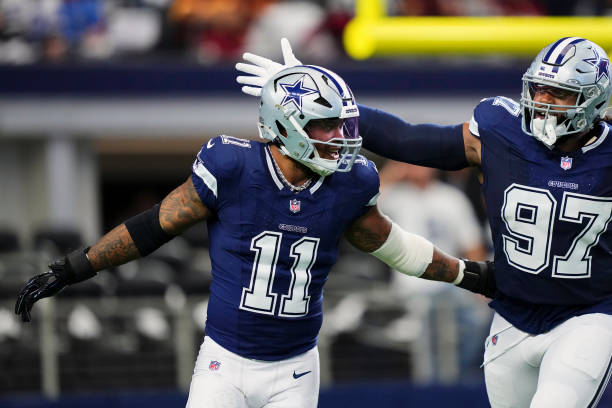
Dallas Cowboys and New Orleans Saints in the 1st half

One aspect of this lack of vision is the handling of manager Tony La Russa’s tenure. While La Russa brought experience and a championship pedigree to the team, his age and outdated approach to managing the game have raised questions.

The front office’s decision to hire La Russa, despite his controversial style and tactics, has come under scrutiny, especially after the team struggled under his leadership.

Fan Frustration and Disillusionment

The frustration among fans is palpable. White Sox supporters have invested years of their lives into following the team, and many are growing tired of the constant underachievement.

The excitement surrounding the team’s youth movement and rebuilding efforts is wearing thin as the White Sox continue to fail to meet expectations.

For many fans, it’s not just about the losses but the feeling that the front office isn’t doing enough to address the team’s glaring issues.

Whether it’s failing to sign key free agents or not making the necessary moves to improve the roster, fans are losing confidence that the White Sox’s front office has the ability to build a true contender.

In the end, the White Sox’s front office decisions have led to a mounting sense of frustration and disappointment among fans.

With questionable roster moves, a lack of adaptation to modern trends, and the absence of a long-term vision, it’s no wonder that the fanbase is beginning to lose faith in the direction of the franchise.

Until the front office takes a hard look at its mistakes and starts making more calculated, forward-thinking decisions, it seems likely that the frustration will continue to mount, leaving the White Sox’s future uncertain.