The extension of tournaments in Madrid and Rome from eight days to nearly two weeks has been a great success for tennis organizers. However, many players, especially the top-ranked ones, are not as happy about it.
With Indian Wells and Miami already being two-week events, players who consistently reach the later stages of these tournaments are feeling exhausted from spending so much time on the road.
Stefanos Tsitsipas, the recent champion of Monte Carlo, expressed his concerns in Rome, saying it takes almost superhuman effort to maintain consistency in back-to-back 10-day events.
What bothers top players is that while these tournaments are trying to match the status of Grand Slams like the Australian Open, the French Open, Wimbledon, and the U.S. Open, they still fall short in terms of prestige. Essentially, Madrid and Rome are seen as warm-up events for Roland Garros.
Victoria Azarenka, a former world No. 1, compared the tournaments’ extended length to a never-ending soap opera. She hopes adjustments will be made because the current format is too exhausting.
Next year, the Cincinnati Open, which serves as a warm-up event for the U.S. Open, will also adopt the two-week format. This means the number of players in the draws will increase from 64 to 96.
“People want to see top players competing against each other every week. There’s a demand for that, but we need to ensure we also take care of our players,” said Azarenka.
In the expanded events, the top 32 seeds will receive byes to the second round, and all players will have days off between matches, which is different from the previous format.
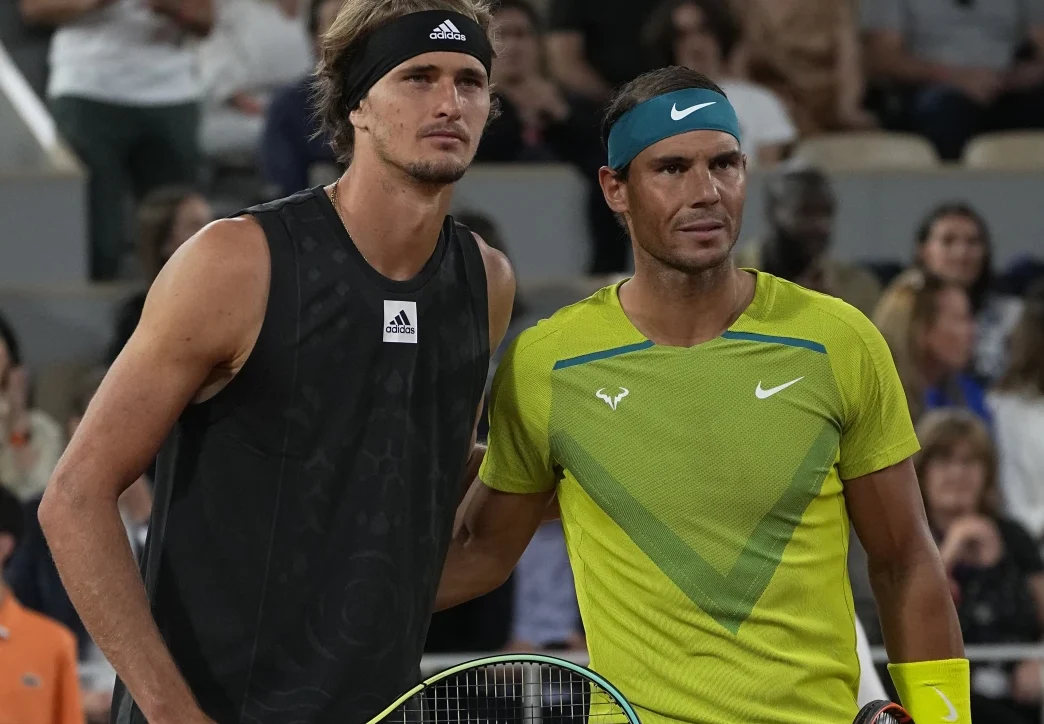
“The two-week Masters 1000 events benefit players ranked between 50 and 100 in the world because they get to participate in the main draw. However, it’s not ideal for top-10 players,” explained fifth-ranked Alexander Zverev.
“Yes, we’re told there’s a day off between matches, but that’s not the same as resting. Resting means being at home, sleeping in your own bed, spending time with family, pets, or kids if you have them,” Zverev continued.
“Having a day off between matches while being away from home for extended periods adds more work and time away,” he concluded.