Categories
Gaming

Dazzle’s Role Shift from Support to Core Highlights Dota 2’s Evolving Hero Dynamics

Dota 2 is a constantly evolving game, and while balance updates may not come as frequently as players would like, the game still sees shifts in the meta. New strategies and trends emerge naturally, even in the absence of direct updates.

However, instead of focusing on these temporary trends, this article examines how certain heroes have deviated from their original designs, resulting in gameplay that feels different from what was initially intended. These heroes are still viable and even popular in high-level play, but their roles are no longer what they were originally created for.

Dazzle’s Role Shift from Support to Core Highlights Dota 2’s Evolving Hero Dynamics.

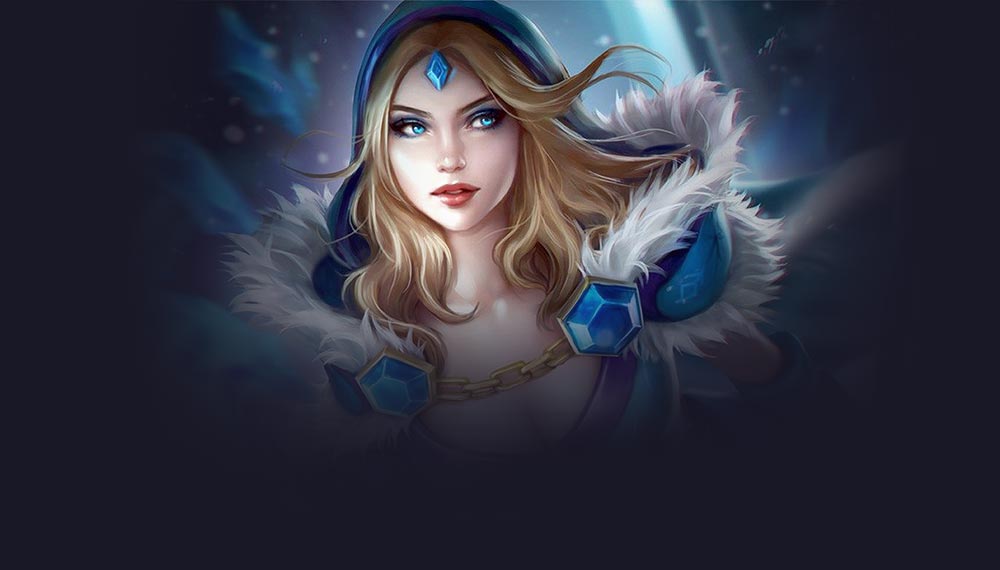
Dazzle, once a quintessential support hero, has experienced a shift in his role over the years. The introduction of Oracle, a hero who could perform Dazzle’s core role better, left Dazzle in a precarious position. While Dazzle was known for his strong lane presence, healing abilities, and teamfight impact, he now struggles to maintain relevance in the support role.

Today, Dazzle is increasingly picked as a core hero, leveraging his Universal attribute and items like Aghanim’s Scepter to scale into a powerful damage dealer. However, this versatility comes at the cost of focus: heroes that are good at everything are often not exceptional at anything in particular, and Dazzle’s identity as a support has been overshadowed. The hero has yet to find a solid spot in the competitive scene, and fans are left waiting for a true return to form.
Dazzle’s Role Shift from Support to Core Highlights Dota 2’s Evolving Hero Dynamics.

Invoker’s transition to a Universal hero is one of the more peculiar design decisions in Dota 2. Known for being an Intelligence hero and a master of spells, Invoker’s shift toward becoming a hero who scales through right-clicks feels out of place. Lore-wise, Invoker as a Universal hero might make sense, aligning with characters like magi-warriors who blend magic and physical prowess.

However, in gameplay terms, seeing Invoker build right-click items like Wraith Band and Manta Style feels contradictory to his intended design as a spellcaster. Many players long for a return to his roots, where his abilities were the focal point, and right-clicking was secondary. A rework that focuses more on his spellcasting abilities could restore his original role as a potent magical force.

Muerta’s Unexpected Support Role Challenges Her Design as a Powerful Right-Click Carry Hero.

Muerta, a hero with a powerful auto-attack steroid and a chance to crit, is an anomaly in the current Dota 2 meta. Despite these strong abilities, Muerta is most commonly played as a support rather than the carry hero her design would suggest.

There are several factors that contribute to this: her Intelligence attribute doesn’t mesh well with common right-click DPS items, her lack of mobility makes farming difficult, and her overall squishiness makes her a poor fit for a traditional carry role.

Much like Invoker, Muerta’s current role doesn’t feel “wrong,” but it does feel unexpected. This divergence from the original design is not a problem in terms of balance, but it does raise questions about the hero’s true potential.

The examples of Dazzle, Invoker, and Muerta highlight how Dota 2’s sandbox-style design allows for unexpected shifts in hero roles. While this flexibility leads to innovative and diverse strategies, it also means that some heroes end up in roles that don’t align with their original purpose.

This is a natural part of Dota’s evolving nature, and while it can feel odd, it is not necessarily a flaw. The complexity of Dota 2 is part of what makes it so engaging, and seeing heroes adapt in different ways adds depth to the game. Ultimately, these heroes may not always follow their intended design, but they still offer opportunities for creative play and strategic exploration.
Categories
Gaming

Avoiding the Account Buyer Trap in Dota 2: Why Improvement Requires Adaptation

Account buyers in Dota 2 often stand out due to their questionable match history, high win rates, and lack of in-game awareness. Despite gaining access to high-rank matches, they struggle to perform at that level. Winning becomes nearly impossible, and constant losses make the experience frustrating rather than enjoyable.

Some may argue that playing in high-rank games accelerates learning, but in reality, the skill gap is too large for meaningful progress. This highlights a broader issue in Dota—learning the game is an overwhelming process, especially when players attempt to grasp too many aspects at once.

Dota’s complexity has led to the rise of statistical websites like Dotabuff, which aggregate match data to define the game’s evolving meta. While these statistics provide valuable insights, effectively utilizing them requires their own learning curve.

Recently, access to data from the top 0.5% of players has been restricted, causing some concern. However, blindly copying professional-level builds and strategies may not necessarily help most players. Understanding why certain choices work in specific contexts is crucial, as different skill brackets require different playstyles and decision-making approaches.

Understanding MMR Brackets and Adapting Strategies for Effective Growth at Every Level

Many players attempt to shortcut their learning by mimicking professional item builds and skill choices. However, without understanding the reasoning behind these builds, they risk making the same mistakes as account buyers. They assume that strategies successful in top-tier games will translate directly to lower-rank matches.

When these strategies fail, they often blame their teammates rather than acknowledging the fundamental differences in gameplay between different skill levels. Winning at lower ranks requires adapting strategies to the specific challenges of that environment rather than replicating what works for elite players.

Dota 2
Dota 2 (Blizzard Entertainment)

Gameplay at different MMR brackets varies significantly. For example, a Magnus player at 1k MMR should focus on executing a simple Reverse Polarity combo, while a 5k MMR player must consider enemy reactions and preemptively use Black King Bar.

At the 10k level, this evolves into highly advanced maneuvers like chaining abilities with perfect execution. Attempting high-level strategies in lower brackets can introduce unnecessary complexities and inefficiencies, making it harder to improve. Instead, players should focus on mastering the fundamentals that are relevant to their skill level before gradually integrating more advanced tactics.

Flexibility and Critical Thinking: The Keys to True Improvement in Dota 2

Relying solely on meta builds and strategies limits a player’s ability to adapt to different game scenarios. While some items and strategies are undeniably strong, forcing a particular approach can hinder personal growth and overall enjoyment. Dota offers multiple ways to play successfully, and even at the highest levels, top players find creative solutions beyond established norms.

For example, Topson’s Diffusal Blade Gyrocopter at The International was a product of deep game understanding, not just statistical analysis. True improvement comes from flexibility and critical thinking rather than blindly following trends.

While statistics provide useful insights, they should be used to guide learning rather than dictate decisions. A high MMR is not achieved simply by copying the most popular strategies but by understanding why they work and applying them appropriately.

Players should focus on analyzing their own mistakes, recognizing their current skill level, and identifying ways to improve within their specific bracket. The key to ranking up is developing a deeper understanding of the game and adapting to new challenges rather than searching for a universal formula for success.

Categories
FEATURED

Dota 2 2024: A Quick Guide for New Players

Getting started with Dota 2 in 2024 might seem daunting, especially if you’re venturing into it solo. Learning the game’s core mechanics without the guidance of friends can feel like navigating quantum physics from scratch. However, overcoming the initial learning curve reveals a captivating game with intricate systems, hardcore mechanics, and strategic depth, ranking it among the best MOBAs ever.

For newcomers eager to dive into Dota 2, consider this your orientation program. Here’s everything you need to know for a solid start.

A Quick Guide for New Players
A Quick Guide for New Players (Credits: DOTA 2 Freaks)

6 Tips to Navigate Dota 2 as a New Player

1. Play the Tutorials: Dota 2 offers a decent tutorial accessible through the Learn tab on the Home Screen. While it doesn’t cover everything, it provides a foundational understanding, and completing tutorials rewards you with in-game items.

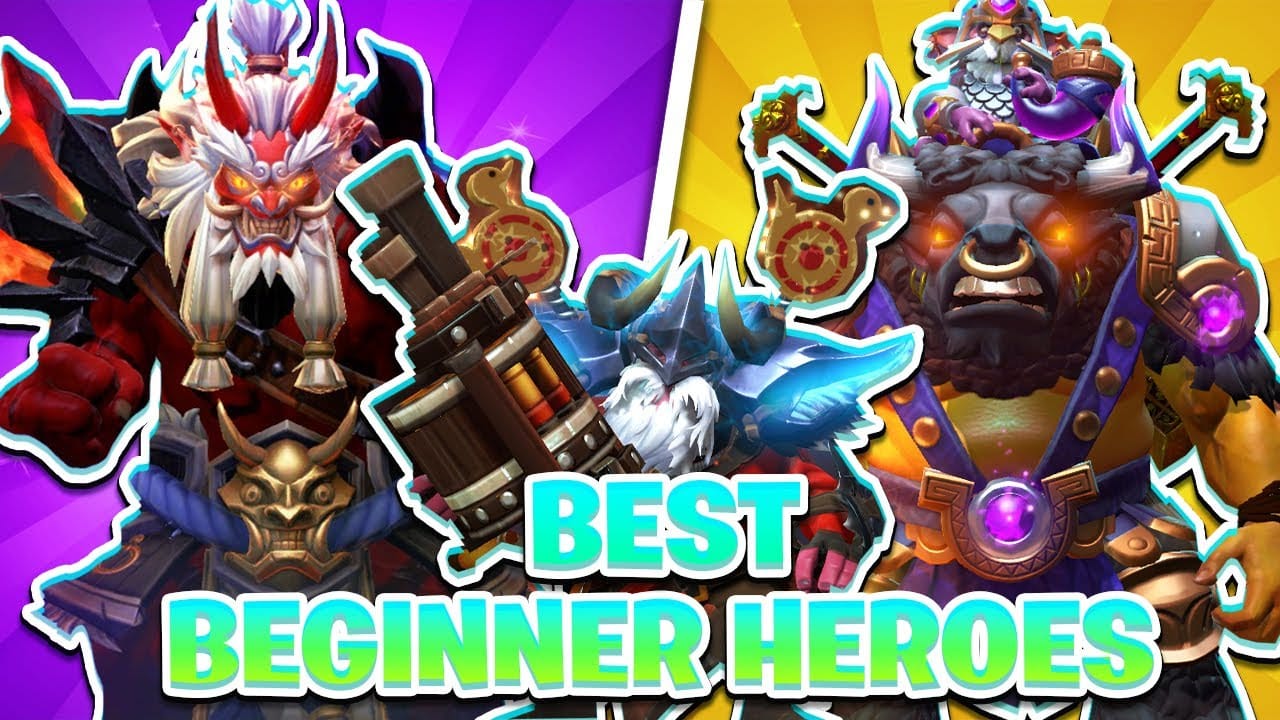
2. Learn the Heroes and Spells: With 124 unique heroes, each with distinct abilities, strengths, and weaknesses, start by practicing with easier heroes. Utilize the Low Complexity filter in the Heroes tab, enter Demo Hero mode, and test your abilities before playing in practice mode.

3. Use the Play vs. Bots Game Mode: Practice against bots in Dota 2’s Play vs. Bots mode. Start with Easy or Medium difficulty to gradually build confidence and learn the game at your own pace.

4. Utilize the Hero Build Guide Feature: Dota 2’s Hero Build Guide helps new players choose effective items. Access it in-game by clicking the Gold button, opening the Shop window, and exploring different guides created by the Dota 2 community.

5. Experiment with Items: While the Hero Build Guide offers guidance, don’t hesitate to experiment with different items based on the game situation. Dota 2’s versatility allows for diverse item builds, contributing to your understanding of strategic choices.

6. Watch Professional Games: Learn from the best by watching professional Dota 2 matches. Tournaments and the Watch tab in Dota 2 allow you to spectate live matches, gaining insights from seasoned players and analysts.

Don’t Give Up

Dota 2 is a challenging game to master, but perseverance pays off. Even professional players invested hours in excelling. With these tips, navigating the early stages of your Dota 2 journey becomes more manageable. Good luck with your adventure!