Rockies Hit Historic Low with 21-0 Loss, Tying MLB’s Worst 39-Game Start Since 1900
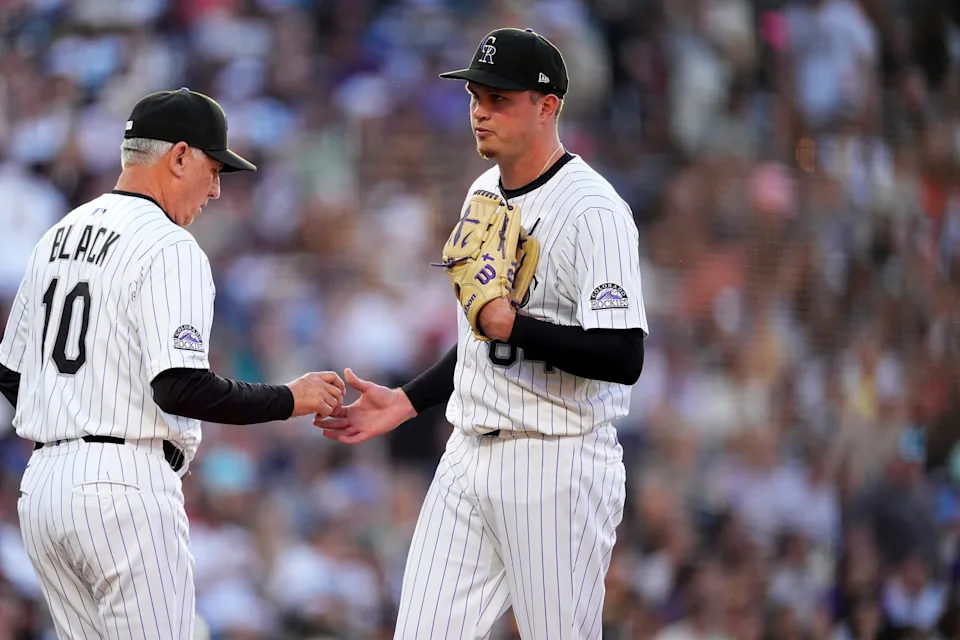
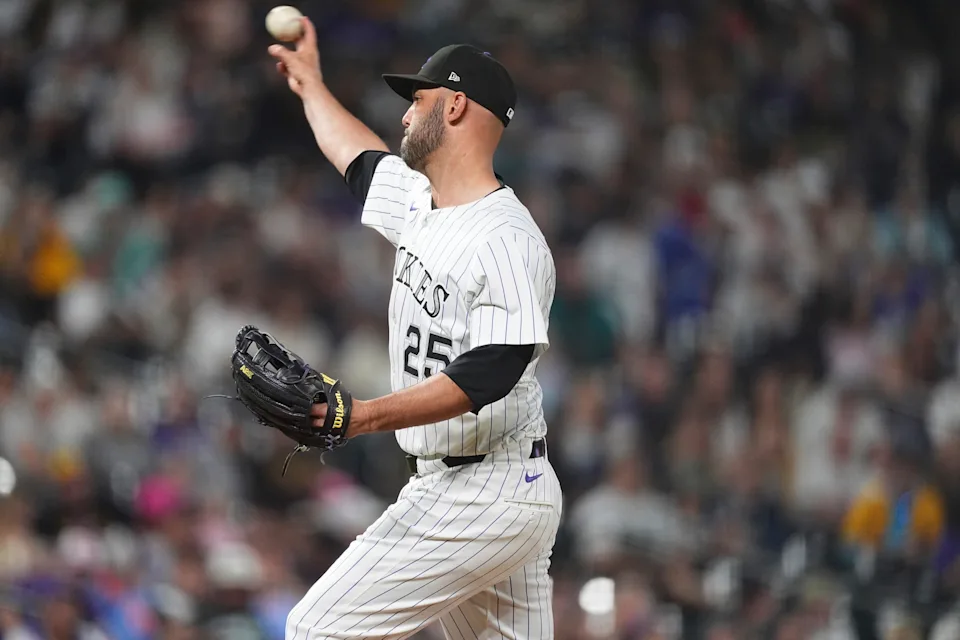
The Colorado Rockies endured a devastating 21-0 loss to the San Diego Padres on Saturday night, bringing their season record to 6-33. This defeat matched the 1988 Baltimore Orioles for the worst 39-game start in MLB history since 1900. The Rockies’ abysmal performance in this game has drawn significant attention as they continue to struggle in the early months of the season.
Padres’ Dominant Win Highlights Rockies’ Struggles, Extending Loss Streak to Eight Games
The Padres dominated the game, highlighted by a pair of home runs from Fernando Tatis Jr. and Xander Bogaerts in the fifth inning. San Diego hit five homers in total during the game, adding to their commanding lead. Stephen Kolek (2-0) threw a shutout in his second major league start, marking the biggest shutout win in Padres franchise history. This victory also tied for the third-largest shutout win in MLB history since 1901.
Rockies Hit Historic Low with 21-0 Loss, Tying MLB’s Worst 39-Game Start Since 1900
The Rockies have now lost eight consecutive games, and the team is headed toward a seventh straight losing season. With the possibility of a third consecutive 100-loss season under manager Bud Black, the future of the team looks uncertain. The team’s lack of success has become a growing concern for both fans and the management.
GM Bill Schmidt Expresses Confidence in Rockies’ Potential Despite Ongoing Struggles and Frustrations
Despite the team’s ongoing struggles, Rockies general manager Bill Schmidt publicly supported manager Bud Black ahead of Saturday’s game. Schmidt expressed belief that the team could still turn the season around, pointing to the players’ effort and energy. He emphasized that while the team is frustrated, they continue to work hard every day, and the belief in their direction remains intact, though significant improvements are necessary.
Schmidt acknowledged the disappointment of the fans and the team’s underperformance, noting that the Rockies are not as bad as they have played but still face a tough road ahead. He emphasized that there is still plenty of time left in the season, and with a collective effort, the team could improve.
The focus for the Rockies moving forward is growth and finding a way to battle through their struggles, with Schmidt urging the team to push for better results as the season progresses.
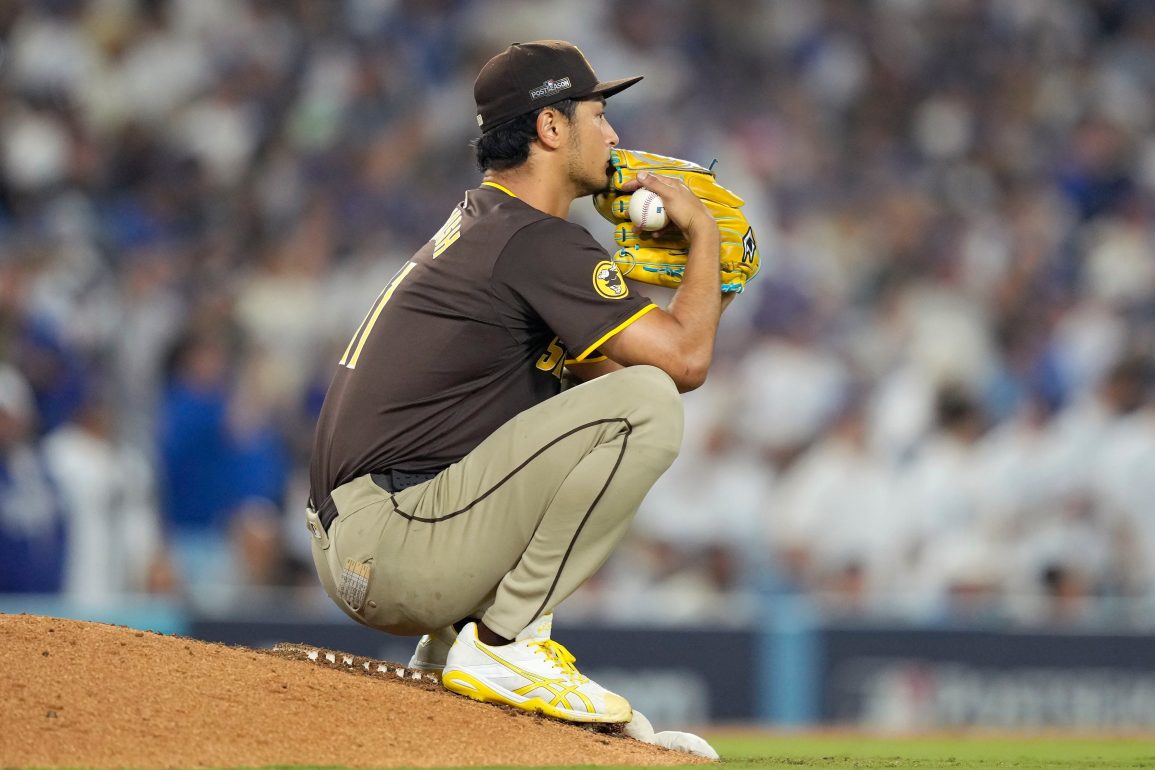
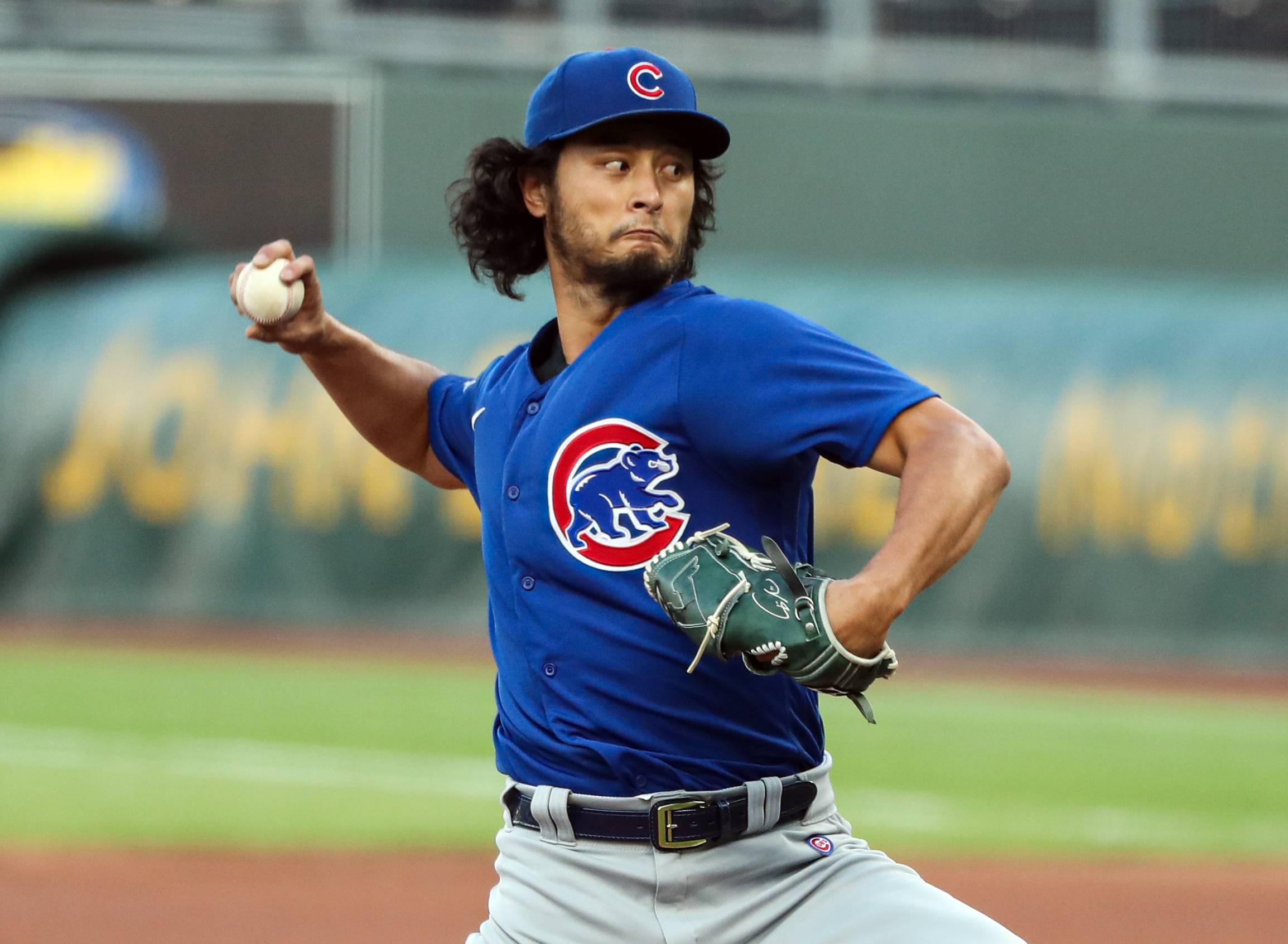
Experimentation never stops as Darvish refines his pitch selection (San Diego Padres)
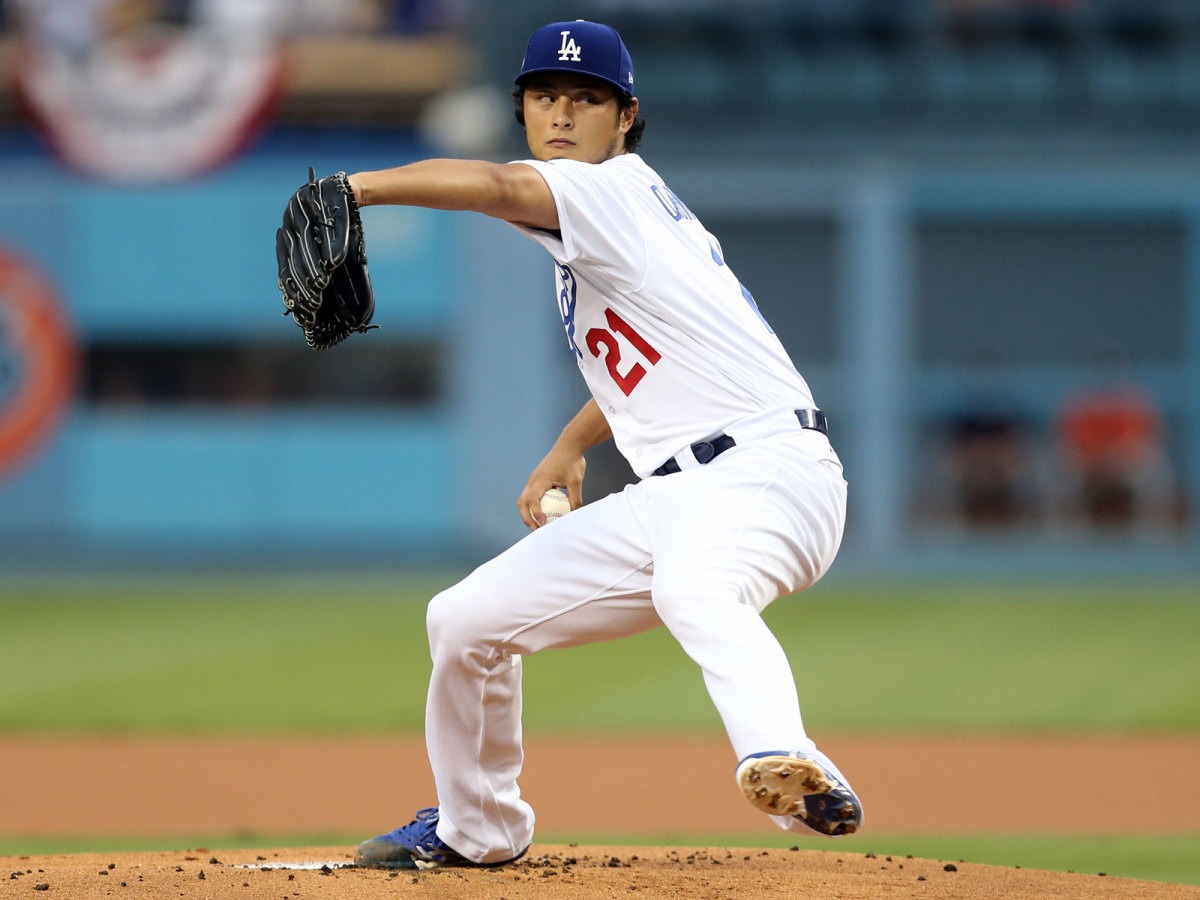
During August of 2019, Yu Darvish approached his Chicago Cubs teammate Craig Kimbrel to learn the mechanics of a knuckle-curve. Just a week later, he used the pitch to record a strikeout. That wasn’t quite sufficient for a pitcher of his caliber, as Darvish has always been known for making constant adjustments.
“Working on different pitches is something I genuinely enjoy,” he remarked recently. Victor Caratini, the catcher who was included in the Padres’ trade package alongside Darvish in December, recalled how often he experimented. “He’ll be working on something new, throwing it repeatedly,” Caratini said. “Then he’ll tell me, ‘Hey, I’ve got a new pitch.’”
The art of pitching redefined as Darvish fine-tunes his wide-ranging repertoire (San Diego Padres)
Unhappy with the performance of his knuckle-curve, Darvish reached out last year to the person behind @PitchingNinja, a well-known Twitter account dedicated to pitching analysis, and requested footage of Shane Bieber’s version of the pitch.
Yu Darvish: Expanding His Arsenal
The knuckle-curve became part of his arsenal in 2020, responsible for 10 of his 97 strikeouts. The pitch, with its unpredictable movement, ranged from 77 to 84 mph. Another variation of his curveball, which moves more diagonally and is approximately 5 mph slower, also accounted for one of those strikeouts.
Additionally, Darvish has a “slow curve” in his repertoire, which fluctuates between 62 and 67 mph. Beyond those, his collection includes a four-seam fastball and a two-seam fastball.
He has also developed a pitch he calls The Supreme, a hybrid of a splitter and a two-seam fastball. This offering sits between his two-seamer (which averages 95 mph) and his split-finger fastball (which comes in around 90 mph), featuring changeup-like movement as it approaches the plate.
The split-finger fastball itself might undergo some refinements. This spring, Darvish has been consulting with Padres adviser Hideo Nomo to gain insights into how Nomo executed his signature pitch.
“There was a time when I attempted to learn his forkball or splitter, but I wasn’t able to pick it up then,” Darvish admitted. “Now that I have more experience, I might finally be able to figure it out.”
If he masters Nomo’s version, he could swap it in for his existing split-finger fastball or possibly create a new name for it, adding another pitch to his deep arsenal.
On top of everything else, he also has a slider, which resembles his cutter but with a more pronounced break. His cutter itself comes in two variations: one “hard” and another “soft.” And, of course, he has a changeup.
Across all his offerings, Darvish maintains remarkable consistency. His 11 different pitches can vary by over 30 mph in velocity yet follow similar paths before veering unpredictably toward the plate.
“His ability to do this is remarkable,” Padres pitching coach Larry Rothschild said. “This isn’t just some guy experimenting without results. He has a rare talent for manipulating the baseball in different ways. … It’s not just throwing for the sake of it. He knows exactly what he’s doing.”
A starting pitcher with four effective pitches is already considered to have an above-average arsenal. Padres outfielder Tommy Pham pointed out that only a small number of major leaguers can manage that level of diversity in their repertoires.
Three-time Cy Young winner Max Scherzer relies on five pitches. Joe Musgrove, a new addition to the Padres, has six that he deploys at least five percent of the time. “He’s got several more than I do,” Musgrove commented recently. “And I already thought I had a lot.”
No one in the league, however, approaches the sheer variety that Darvish brings to the mound. The 10 different pitches he has utilized in games over the past two seasons stand as the highest total since Statcast began tracking pitch data in 2008.
Yu Darvish’s Change in Approach Leads to Success
Not every offering is used frequently. His primary seven pitches in 2020 included:
His cutter, thrown 43.6 percent of the time, was his go-to option. Since Statcast doesn’t distinguish between different variations of the cutter, this figure encompasses speeds ranging from the low 80s to the mid-90s.
Other regularly used pitches included his slider (15.2 percent), four-seam fastball (14.7), sinker/two-seam fastball (9.5), knuckle-curve (8.1), split-finger fastball (4.9), and standard curveball (3.6).
One of Darvish’s greatest strengths is throwing strikes. Among pitchers who logged at least 50 innings in 2020, his 69 percent strike rate tied for the highest in the majors.
His ability to generate swings and misses is just as remarkable. His career strikeout rate of 29.9 percent ranks second all-time among pitchers with at least 1,000 innings, trailing only Chris Sale’s 30.7 percent. Since 2012, only five pitchers have posted a higher whiff rate than Darvish’s 29.3 percent.
The last time he took the mound against the Padres, back in September 2019, he dominated with 14 strikeouts over six scoreless innings. Wil Myers was among those who struggled, striking out three times.
A true pitching scientist, Darvish constantly reinvents his approach on the mound (San Diego Padres)
“Beyond just having electric stuff, his command of the strike zone is outstanding,” Myers recalled when discussing that game. “His pitches are top-tier, and he understands how to use them effectively. … I’m relieved he’s on my team now, so I don’t have to face him.”
Finding ways to hit against Darvish has become increasingly difficult. Yet for much of his career, he had been viewed as a very good pitcher rather than an elite one. Injuries and a difficult adjustment period in Chicago led to a stretch where his performance was unremarkable from early 2018 until midway through 2019.
From the start of his big-league tenure through his first 18 starts of 2019—a span covering 170 outings—Darvish ranked 39th in MLB with a 3.64 ERA and held a 3.58 FIP (Fielding Independent Pitching), which accounts for a pitcher’s effectiveness without factoring in defense.
A dramatic improvement began in his next 25 starts, beginning on July 12, 2019, all of which were caught by Caratini. Since then, he has posted a 2.40 ERA, ranking fifth in the majors, and a 2.54 FIP, which places him third in that span.
His opponents’ batting average dipped 15 points to .204, while his strikeouts per nine innings jumped from 10.9 to 12.4 over that stretch. Darvish has credited his resurgence to improved health and feeling more at ease in Chicago. Another key element, however, was a noticeable change in his pitch selection.
A greater emphasis was placed on his splitter, while usage of the four-seam fastball declined very well. His cutter became a primary weapon, and he incorporated more curveballs, though his approach fluctuated from game to game.
“The past year and a half, I’ve focused on refining my approach,” Darvish said. “So far, the results have been positive. Hopefully, I can maintain that progress.”
His new team certainly believes in his abilities. The Padres made a financial commitment of $59 million over the next three years to secure the services of the 34-year-old, who holds a career ERA of 3.43.
“All the film I’ve watched and conversations I’ve had indicate that he’s truly finding his stride,” Rothschild said. “Since the middle of 2019, things have started clicking for him. He reached a point where he was comfortable doing what worked best for him, and the Cubs gave him the space to do that.” Rothschild has no intention of interfering with that success.
“One mistake people have made with him before was trying to alter what he does best,” Rothschild explained. “His greatest strength is his ability to manipulate the baseball, to know which pitches to throw and when to use them. His fastball velocity reaches 98 mph, sometimes even higher.
But just because someone throws hard doesn’t mean fastballs should be the priority. His real edge comes from confidence in his craft, his command of spin, and understanding how to make all his pitches work together. … Trying to change that would be a huge misstep.”
Yu Darvish’s current team as of February 2025 is San Diego Padres.
The San Diego Padres are still exploring their options this winter, and this includes possibly trading some of their key players.
In a recent article by Bleacher Report’s Zachary D. Rymer, it’s suggested that the Padres might trade their ace, Dylan Cease, to the Baltimore Orioles in exchange for outfielders Heston Kjerstad and Enrique Bradfield Jr., who is the Orioles’ No. 5 prospect.
“According to Jon Morosi of MLB Network, the O’s were in on Cease even before they lost Corbin Burnes to the D-backs,” Rymer wrote. “With his exit now official, the need for an ace atop Baltimore’s starting rotation is certainly that much more glaring.”
“As Cease is ticketed for free agency after 2025, the Orioles would be running the same play they ran on Burnes if they were to trade for him. It could prove to be an upgrade. Whereas Burnes is declining as a whiff artist, Cease was in the 92nd percentile for whiff rate this year.”
The Padres are in need of starting pitchers, which makes trading Cease seem unlikely. However, it’s still a possibility since they are trying to reduce their payroll. San Diego’s projected payroll for 2025 is about $40 million higher than it was at the end of last season.
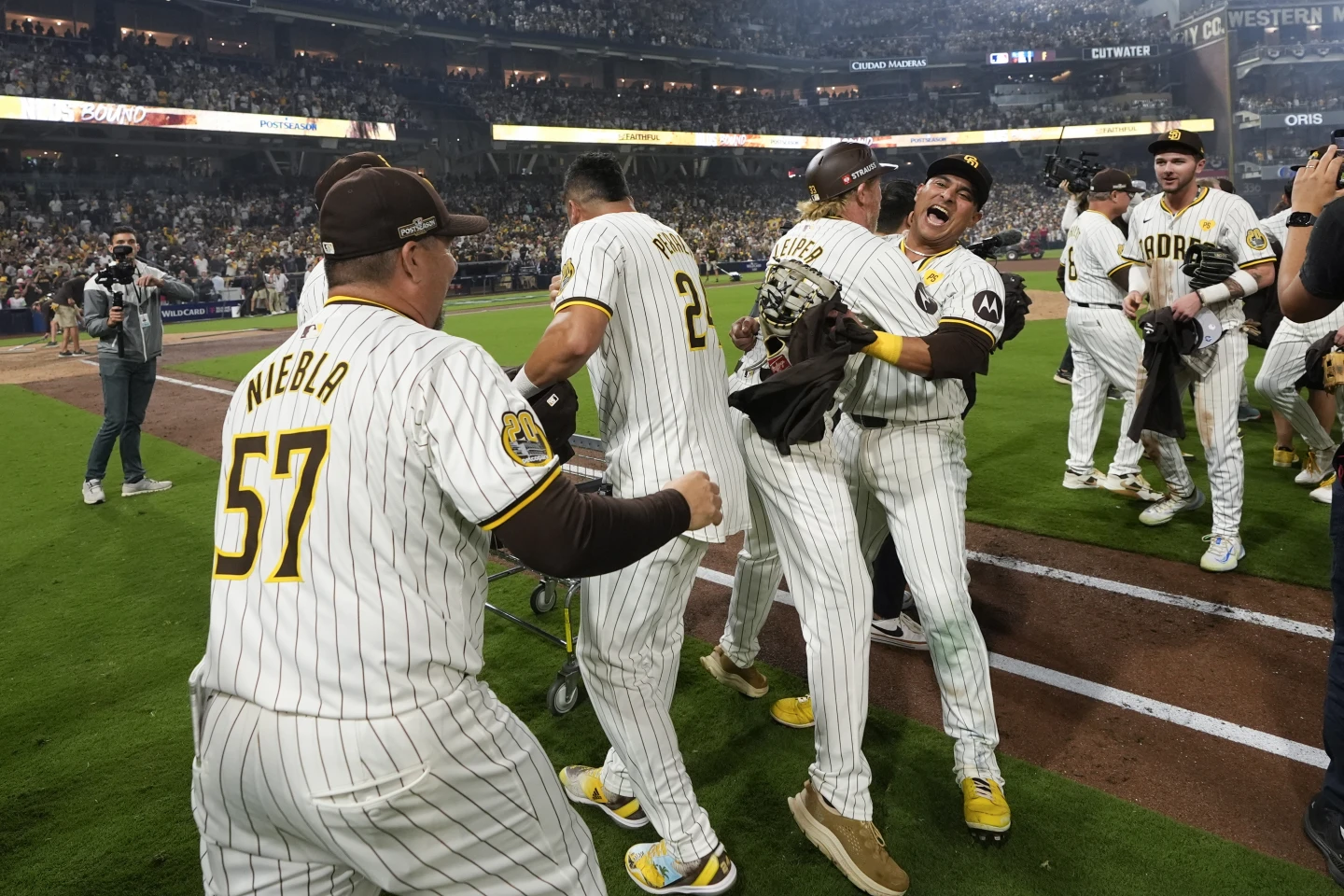
San Diego Padres players celebrate after the win
The Padres might also be waiting to see if Japanese free agent Roki Sasaki makes his decision. Sasaki is their top target and is not expected to sign with any team until at least Jan. 15.
Jon Morosi of MLB Network also mentioned the Orioles as a possible destination for Cease in early December.
Cease had a solid season, making 33 starts with a 14-11 record, 3.47 ERA, 1.067 WHIP, 224 strikeouts, and a 4.2 WAR. He finished fourth in the NL Cy Young voting and two years ago placed second in the AL Cy Young race with the White Sox.
Cease, who will turn 29 later this month, has a career record of 48-35 with a 3.52 ERA, 1.207 WHIP, 891 strikeouts, and a 16.0 WAR since 2021.
With Cease set to become a free agent next year, the Padres don’t expect to be able to re-sign him. However, A.J. Preller, the Padres’ general manager, is known for his unpredictable approach.
San Diego Padres Sign Former Cubs Prospect Cole Roederer, Bolstering Minor League Depth
The San Diego Padres announced the signing of center fielder Cole Roederer to a minor league contract on December 16, adding him to their growing roster of offseason acquisitions. This deal marks the 13th minor league signing for the Padres this winter, as they continue to bolster their developmental system. The same day, the team also signed right-handed pitcher Miguel Alvarez, further emphasizing their focus on depth.
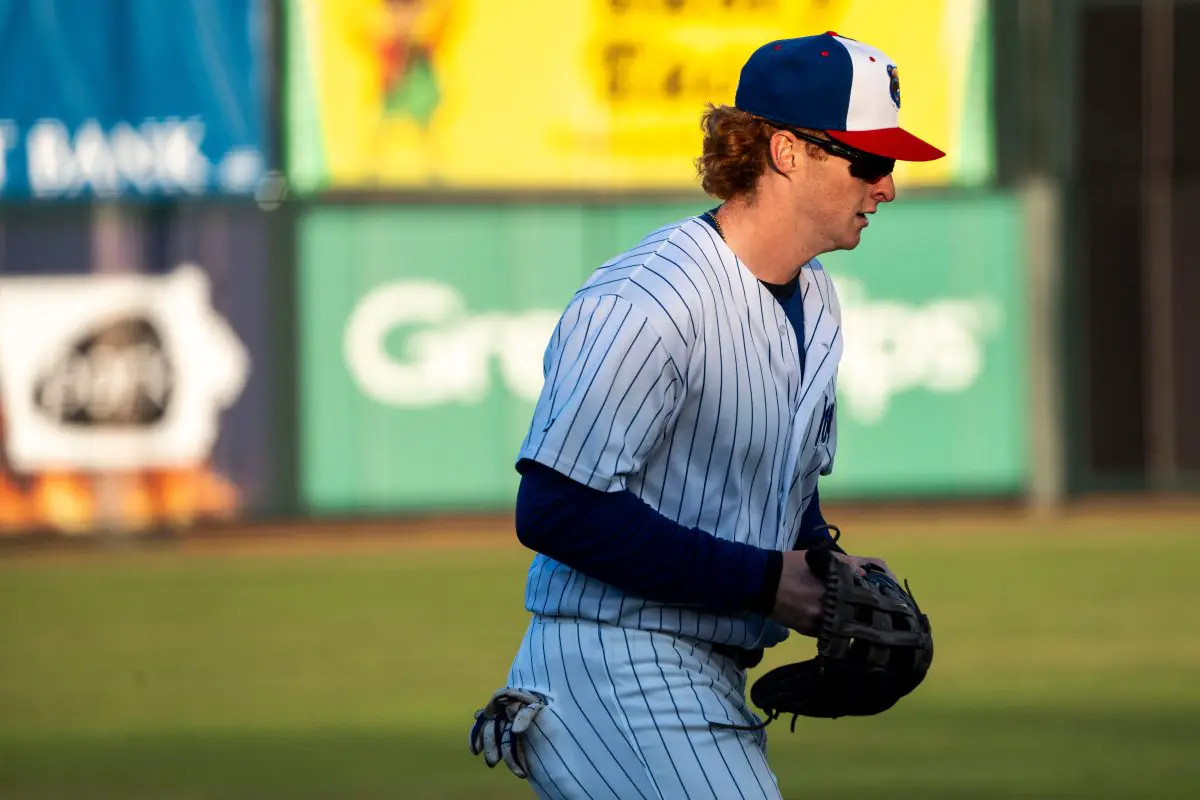
Originally drafted by the Chicago Cubs as the 77th overall pick in the 2018 MLB Draft, Roederer bypassed his commitment to UCLA to begin his professional baseball career. By 2020, he was ranked as one of the Cubs’ top prospects, earning the No. 5 spot in their organization and ranking third among outfielders. Despite early promise, Roederer’s path to the Major Leagues has been slower than anticipated, with his projected 2023 debut yet to materialize.
San Diego Padres Sign Former Cubs Prospect Cole Roederer, Bolstering Minor League Depth
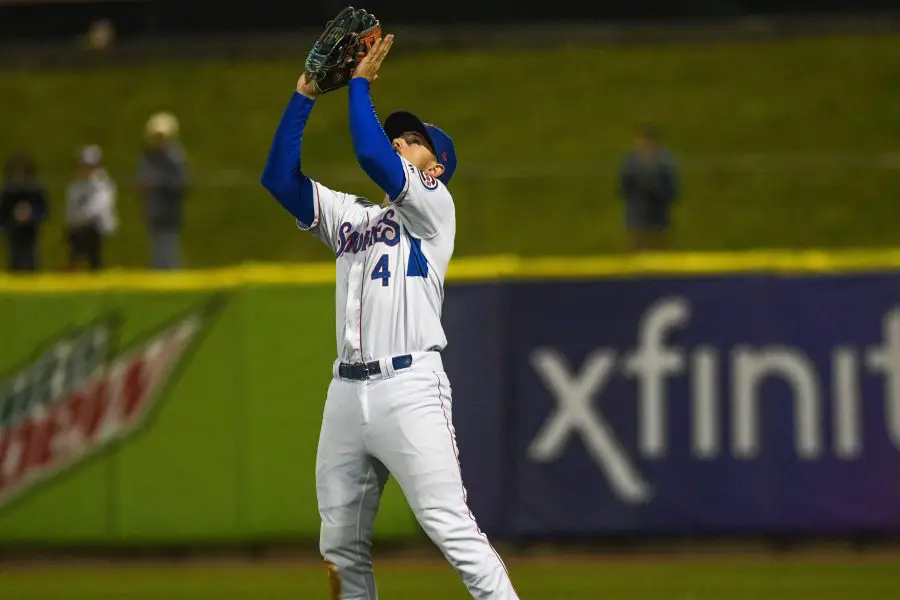
Roederer’s journey through the minor leagues has been marked by moments of potential and challenges. He reached Triple-A for the first time in September 2023 with the Iowa Cubs, showing an improved offensive performance compared to his Double-A stint earlier that year. However, he began the 2024 season back with the Tennessee Smokies in Double-A, where he showcased defensive versatility across all three outfield positions while primarily playing left field.
A midseason return to Triple-A in May 2024 saw Roederer transition to center field as his primary position. Despite ample playing time, his offensive struggles continued, culminating in a career-worst season at the plate. For the first time in his professional career, he posted a batting average below .200, finishing the season with a .186 average, a .306 on-base percentage, and a .617 OPS—numbers that reflected ongoing challenges in his development.
Now at 25, Roederer arrives in the Padres organization at a crossroads in his career. While his recent offensive struggles present a hurdle, his defensive skills and previous potential as a prospect offer hope for a rebound. If he can rediscover the form that once made him a standout, Roederer could become a valuable asset for San Diego’s minor league system and potentially earn an opportunity at the Major League level.