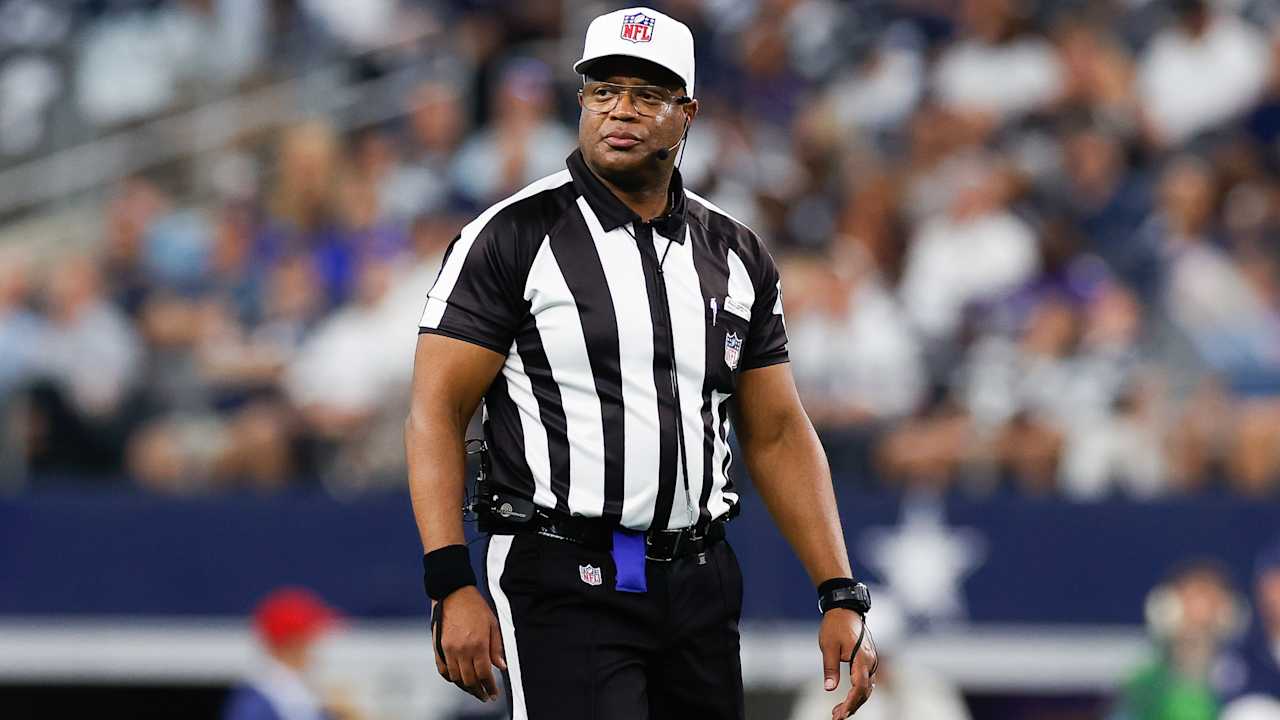
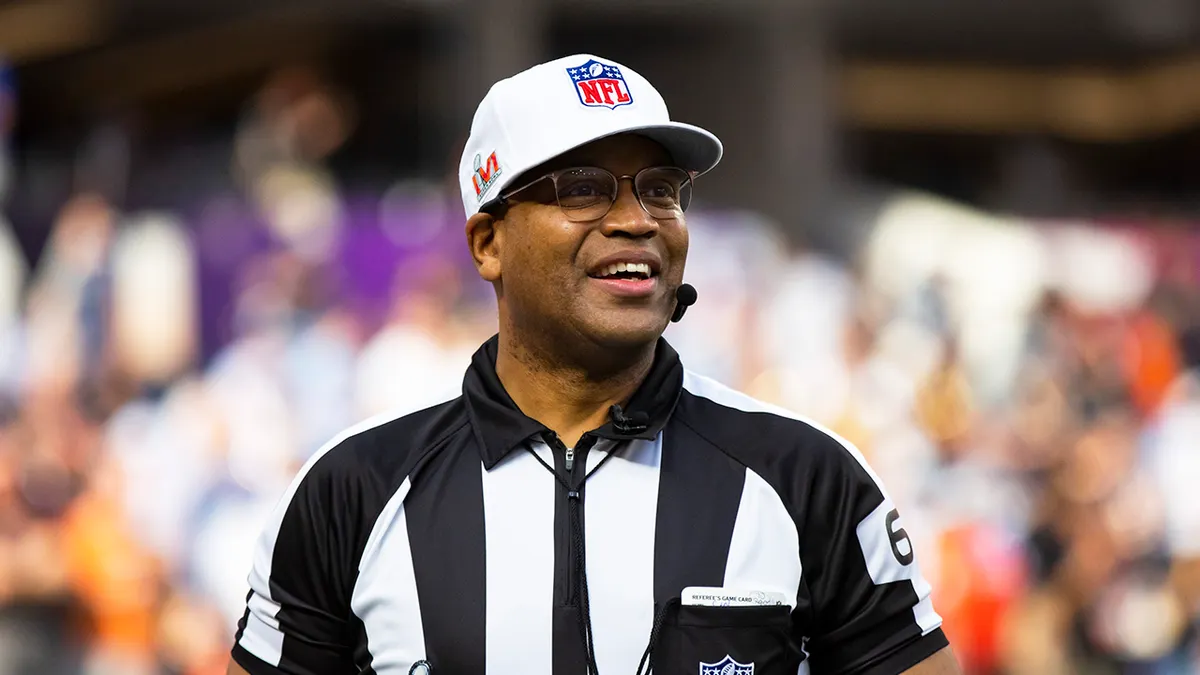
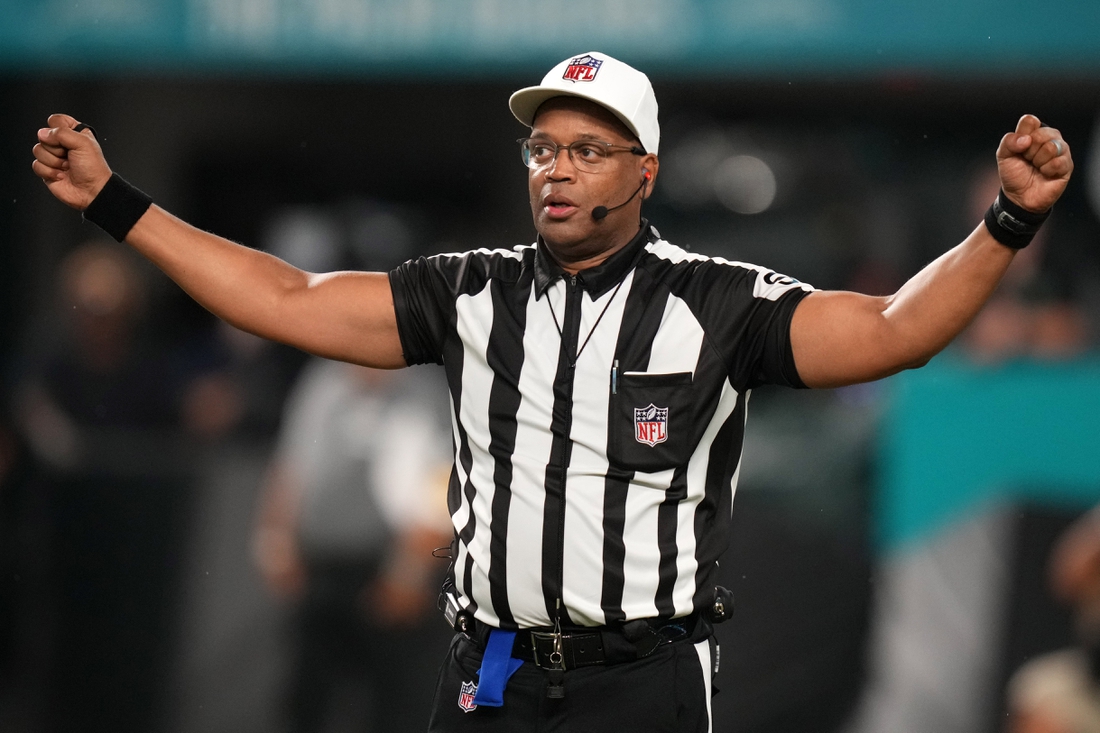
Veteran NFL official Ron Torbert has been selected as the referee for Super Bowl LIX, set for February 9 in New Orleans, the NFL announced on Tuesday. Torbert, who previously officiated Super Bowl LVI when the Los Angeles Rams defeated the Cincinnati Bengals 23-20, will lead the officiating crew for this year’s big game. His crew includes umpire Mike Morton, down judge Max Causey, line judge Mark Stewart, field judge Mearl Robinson, side judge Boris Cheek, back judge Jonah Monroe, and replay official Kevin Brown.
This marks the second time Torbert has officiated a Super Bowl. In addition to his experience as a referee, Cheek will be making his fourth Super Bowl appearance. He recently became the all-time leader in NFL games officiated with 461, surpassing Walt Coleman on December 30. Cheek was also a member of Torbert’s crew during Super Bowl LVI in 2022.
Ron Torbert (NFL)
Mike Morton, another member of this year’s crew, brings unique experience to the table, as he won Super Bowl XXXIV as a linebacker for the then-St. Louis Rams. Morton was part of the Rams’ victory over the Tennessee Titans in the 1999 Super Bowl. Although Morton transitioned to a career as an NFL official in 2022, he also works as a full-time dentist in North Carolina.
The announcement highlights the diverse backgrounds of the officials working Super Bowl LIX, with multiple crew members having prior Super Bowl experience. The appointment of Torbert and his team is expected to contribute to a well-officiated and memorable championship game in New Orleans.
Veteran NFL official Ron Torbert has been named the referee for Super Bowl LIX, set to take place on February 9 in New Orleans, as announced by the NFL on Tuesday.
The officiating team for the big game will also include umpire Mike Morton, down judge Max Causey, line judge Mark Stewart, field judge Mearl Robinson, side judge Boris Cheek, back judge Jonah Monroe, and replay official Kevin Brown.
This will be Torbert’s second time officiating the Super Bowl, having previously served as the referee during Super Bowl LVI when the Los Angeles Rams defeated the Cincinnati Bengals 23-20 in Inglewood, California. Torbert also officiated the NFC divisional round matchup between the Washington Commanders and the Detroit Lions, where the Commanders pulled off an upset win.
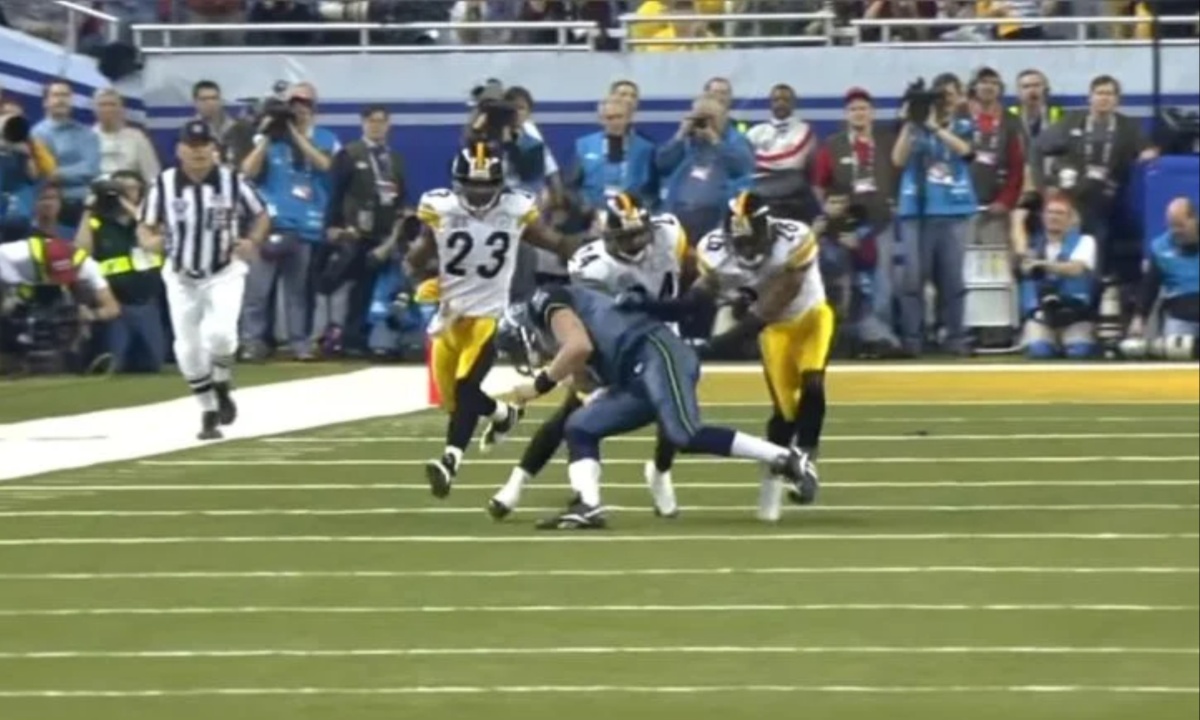
Officiating Controversies in Super Bowl XL
Cheek, a seasoned official, will be working his fourth Super Bowl. He was part of Torbert’s crew in 2022 and became the all-time leader in NFL games officiated on December 30, surpassing Walt Coleman with 461 games.
Morton brings a unique background to the crew, having played as a linebacker for the St. Louis Rams during their Super Bowl XXXIV win over the Tennessee Titans following the 1999 season. Morton transitioned into officiating in 2022, and in his day job, he works as a dentist in North Carolina.
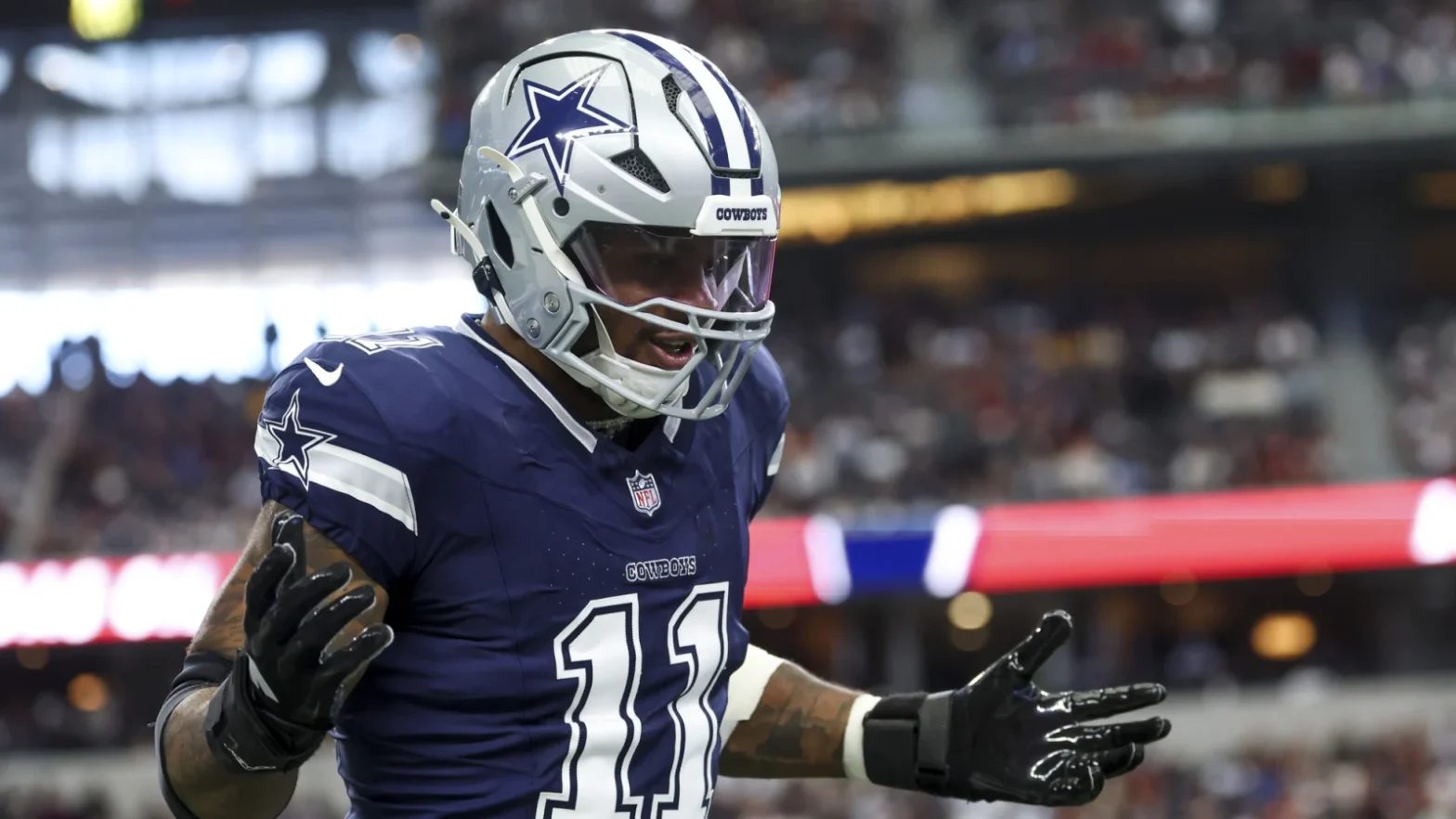
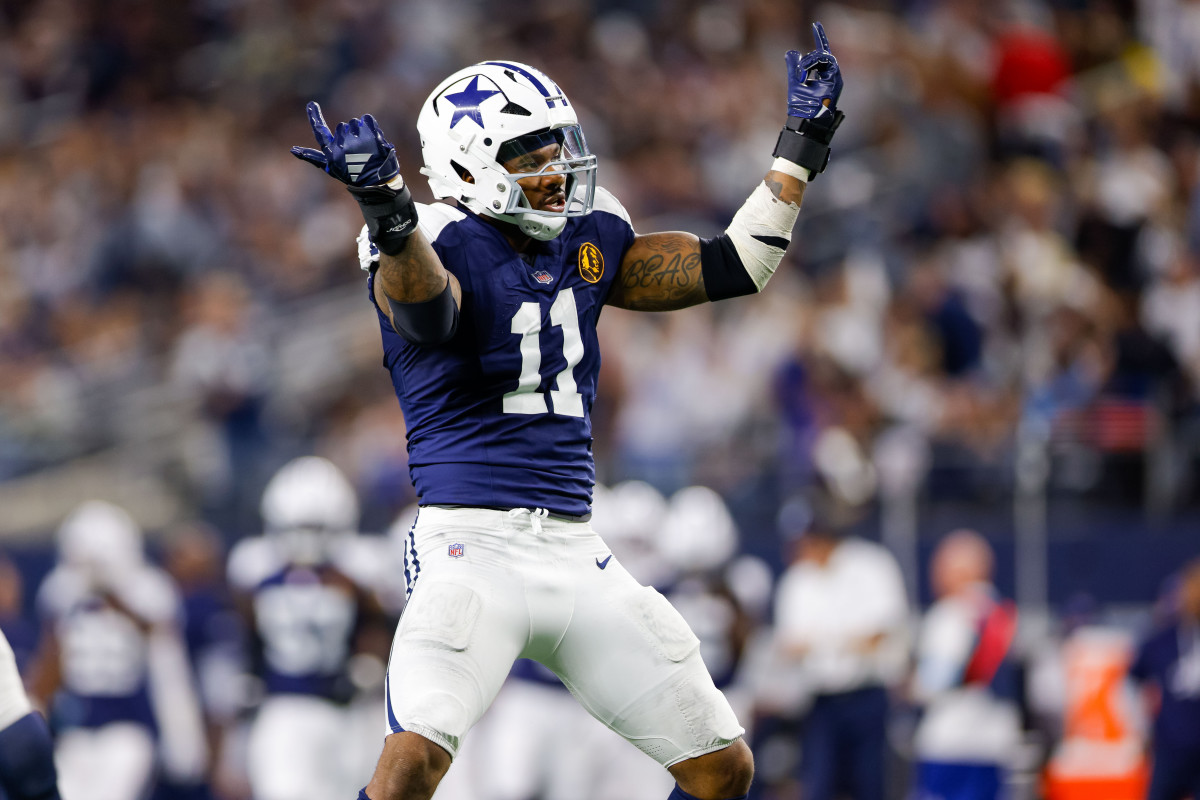
Micah Parsons, the defensive standout for the Dallas Cowboys, is well-known for his confident and often controversial statements. This season, Parsons boldly predicted that the Cowboys would make the playoffs, a claim that has since been validated.
However, he has doubled down by recently declaring that Dallas will win Super Bowl LX, a statement that has sparked criticism from various commentators, including NFL analyst Shannon Sharpe. Sharpe dismissed Parsons’ comments as attempts to generate attention rather than realistic predictions.
Sharpe’s Criticism of Parsons’ Predictions
Sharpe questioned the validity of Parsons’ Super Bowl aspirations for the Cowboys, pointing to the team’s recent track record. The Cowboys have not appeared in a conference championship in 30 years, and Sharpe argued that their quarterback, Dak Prescott, is not among the NFL’s top five. Sharpe emphasized that teams rarely make such drastic improvements in a single offseason, and he cited examples of successful teams that had foundational talent and consistency prior to their Super Bowl runs.
Micah Parsons (NFL)
During his podcast, Sharpe addressed a counterpoint raised by a researcher about the 2020 Tampa Bay Buccaneers, who won the Super Bowl after missing the playoffs the previous year. Sharpe dismissed the comparison, highlighting that Tampa Bay had exceptional talent and only needed a capable quarterback, which they found in Tom Brady. He argued that such extraordinary transformations are uncommon and do not align with the current state of the Cowboys roster.
Challenges Facing the Cowboys
The Cowboys face significant challenges if they hope to realize Parsons’ bold prediction. Although Dak Prescott could provide stability upon his return after missing much of the previous season, the team still lacks depth in key areas. For the Cowboys to succeed, they must execute flawlessly during the 2025 free agency and draft. Without substantial improvements, Parsons’ optimistic forecast might prove overly ambitious.
Micah Parsons’ confidence reflects his belief in his abilities and the potential of the Cowboys, but it has also opened him to criticism. While his predictions have sparked debate, critics like Shannon Sharpe argue that his statements lack a practical basis. The Cowboys’ path to Super Bowl contention remains fraught with obstacles, and their success will ultimately depend on strategic decisions and consistent performance rather than bold proclamations.
With the Kansas City Chiefs and the San Francisco 49ers set to compete in the 2024 Super Bowl, discussions about the TV commercials during this highly anticipated event are picking up. While many regular advertisers will return to air their ads to the over 110 million viewers in the U.S., some familiar names will be missing this year.
As professors who specialize in marketing and business ethics, we took a closer look at the Super Bowl advertisers to identify trends. One of the most surprising findings was the absence of the Big Four automakers – Ford, General Motors, Chrysler parent Stellantis, and Toyota.
These companies have opted to spend their ad budgets on more targeted marketing campaigns. Kia and BMW, however, will advertise their new electric vehicles, while Volkswagen will celebrate its 75th anniversary in the U.S. through its ads.
Another notable absence is GoDaddy, which has been known for its Super Bowl ads in the past. The company’s management has shared that it is exploring other marketing strategies that might create more engagement with its target audience.
This year, food and beverage brands dominate the list of advertisers, and Super Bowl ads sold out by early November 2023. Many of these brands appeal to a wide range of viewers. First-time advertisers such as Popeyes, Drumstick, Nerds, and Pepsi’s new lemon-lime soda, Starry, will join returning advertisers like Reese’s, M&M’s, Pringles, Frito-Lay, and Mountain Dew.
Anheuser-Busch InBev, the world’s largest brewer, is planning multiple ads across its brands, including Bud Light, which faced some recent controversy, aiming to continue its history of memorable Super Bowl commercials.
At a cost of up to $7 million for a 30-second commercial, the price for a Super Bowl ad has remained the same as last year. This cost doesn’t include the expenses of producing the ads, which can be more than double the cost of airing them. In total, a single ad could cost over $20 million.
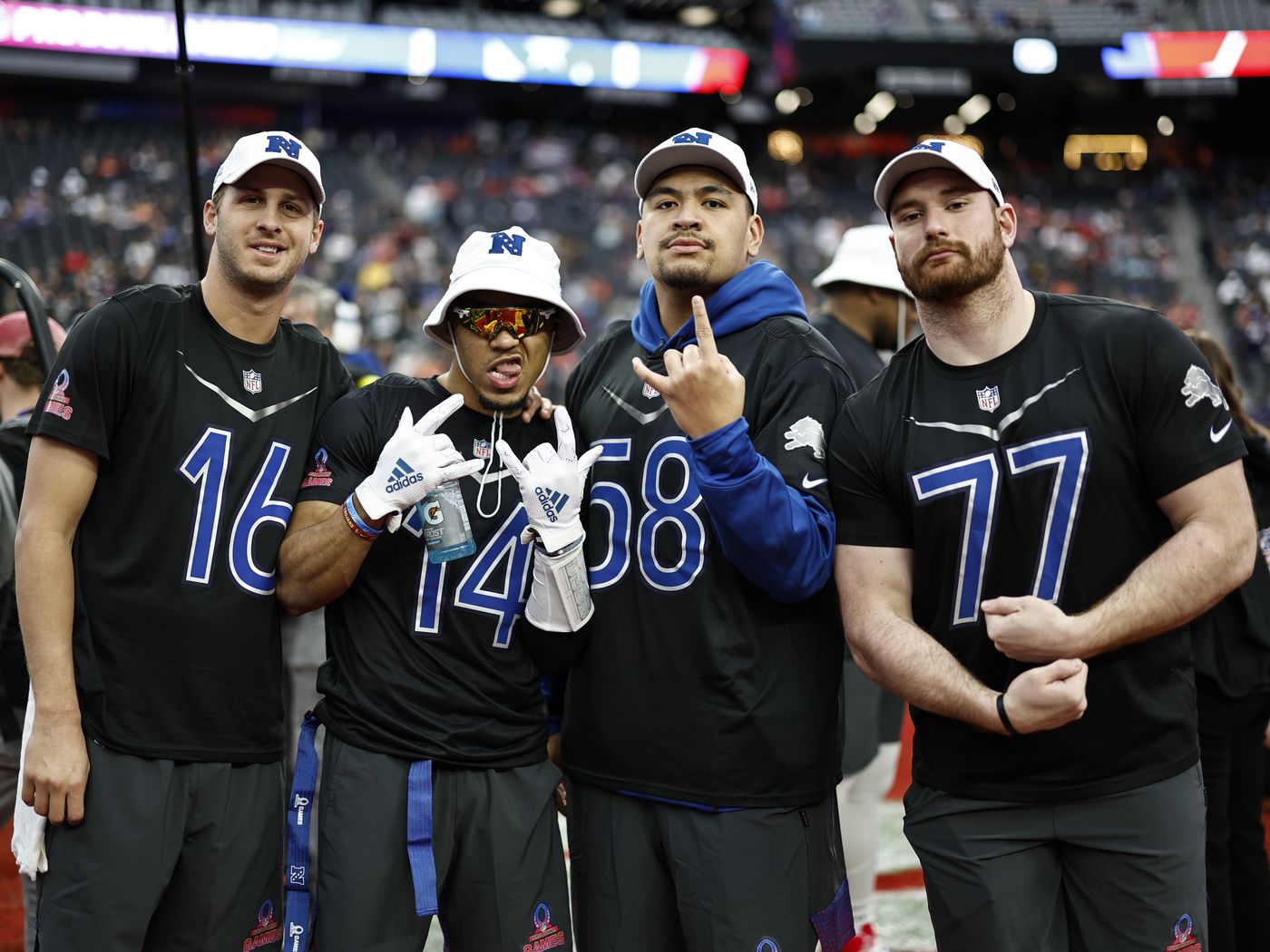
2024 Pro Bowl Games Highlight Star Players and Expanded Events as NFL Announces Rosters
So, what do these advertisers hope to achieve, and is it worth the investment? For many, it clearly is.
Effective ads often become memorable well before the game and continue to get attention long after. Teasers and trailers, sometimes the full ads, are released in the weeks leading up to the Super Bowl, reviewed on TV, online, and across social media.
After the game, people continue discussing which ads were successful, and some ads even have a lasting impact that goes beyond the Super Bowl. For example, the iconic 1980 Coca-Cola commercial featuring Pittsburgh’s Mean Joe Greene and a young fan remains memorable today.
Even decades later, these ads are still part of Super Bowl discussions, and they’ve been revived in new commercials, like the remake of the “Have a Coke and a Mean Joe Greene” ad for Coke Zero in 2009.
So, why are big companies like the Big Four automakers, GoDaddy, and others pulling back from Super Bowl ads? Younger generations, especially Gen Z, don’t seem as interested in Super Bowl ads and aren’t as engaged with traditional broadcast TV.
Marketers are finding that platforms like TikTok are more effective for reaching specific audiences, with a better return on investment, and easier tracking of how ads perform. These ads are often shared quickly among family and friends, making the reach more effective.
However, even with the rise of social media, the Super Bowl is still a rare event with massive reach. Over 60% of Americans watched the game last year, according to the NFL, which is a large number of viewers.
Today’s marketers understand that Super Bowl commercials are most successful when they promote products that appeal to a wide audience, often using humor, animals, nostalgia, celebrities, or causes that resonate with viewers.
Associating a brand with memorable, creative storytelling is an effective way to enhance brand visibility. This is the strategy that advertisers will likely use in the 2024 Super Bowl.