Categories
College Football

Texas Longhorns Deny $40M NIL Claim as College Football Spending Hits New Heights

The University of Texas at Austin’s athletic department is renowned for its substantial financial resources, particularly within its flagship Texas Longhorns football program. Often cited as having among the best amenities in the country, the Longhorns are seen as a symbol of financial strength in collegiate athletics.

This reputation has become even more prominent with the rise of name, image, and likeness (NIL) opportunities, which have led to increased investments in football and other high-profile sports across the nation.

NIL Spending Soars as Texas Denies Reported $40 Million Football Roster Cost

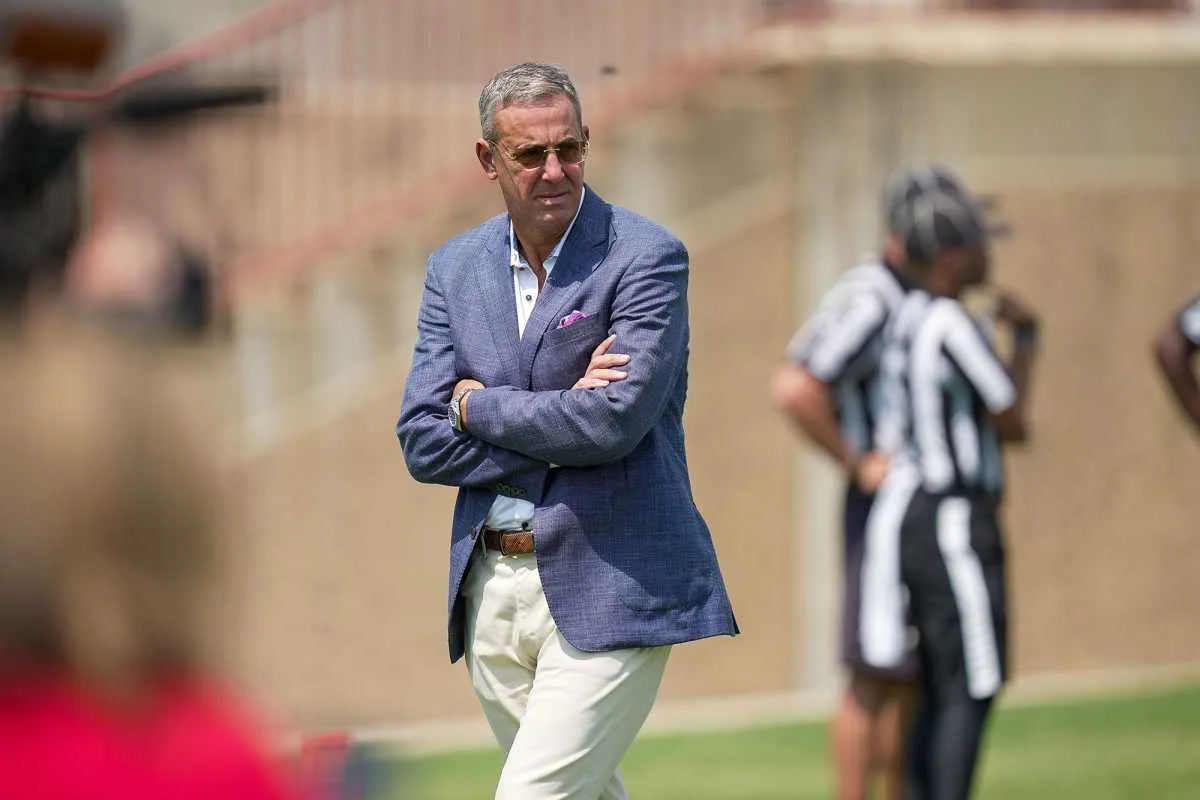
Programs nationwide, such as Ohio State, have significantly increased their financial commitments in the NIL era, with reports indicating the Buckeyes spent over $20 million to assemble a championship-caliber roster. In this fiercely competitive environment, Texas was rumored to have matched or even surpassed that amount. However, the accuracy of claims suggesting a $40 million expenditure by the Longhorns was quickly called into question.
Texas Longhorns Deny $40M NIL Claim as College Football Spending Hits New Heights

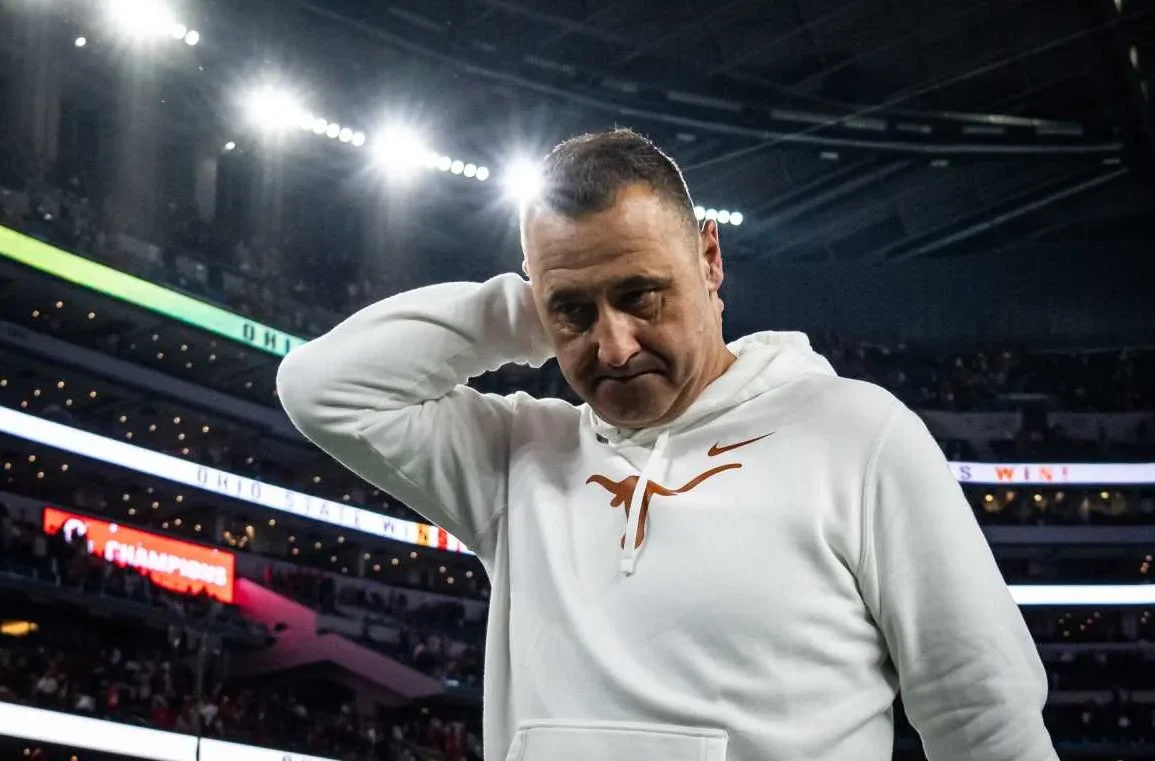
Texas head coach Steve Sarkisian denied the widely circulated claim that the Longhorns’ roster cost $40 million. Referring to a Houston Chronicle report, Sarkisian pointed out that the team’s expenses—including NIL collective payouts and revenue-sharing funds—were closer to $25 million. He criticized the $40 million figure as a product of “irresponsible reporting” and emphasized that only one anonymous source had made that claim.

High Spending Becomes the Norm as Texas Competes in a Financially Driven Era

Sarkisian acknowledged the current financial state of college football, noting that major programs across the country are pouring significant resources into acquiring top players. He recognized that high spending has become a standard practice in the sport and described it as an unavoidable part of today’s game. His comments showed an understanding of both Texas’ role and the overall competitive nature of college football.

Despite the speculation about its spending, Texas has backed its financial investments with strong performances on the field. The Longhorns reached the College Football Playoff in the past two seasons, advancing past Clemson and Arizona State before falling to Ohio State in the semifinals of the latest campaign. Sarkisian joked that an extra $15 million might have helped them go further, underscoring both the competitiveness of elite programs and the growing importance of financial resources in college football success.
Categories
NFL (American Football)

NFL’s integrity raised after player’s sideline outburst in Houston

Former Texas Longhorns cornerback Kris Boyd is under fire after pushing Houston Texans special teams coordinator Frank Ross during the team’s divisional playoff game against the Kansas City Chiefs on Saturday. Kansas City won the game 23-14, securing a spot in the AFC Championship.

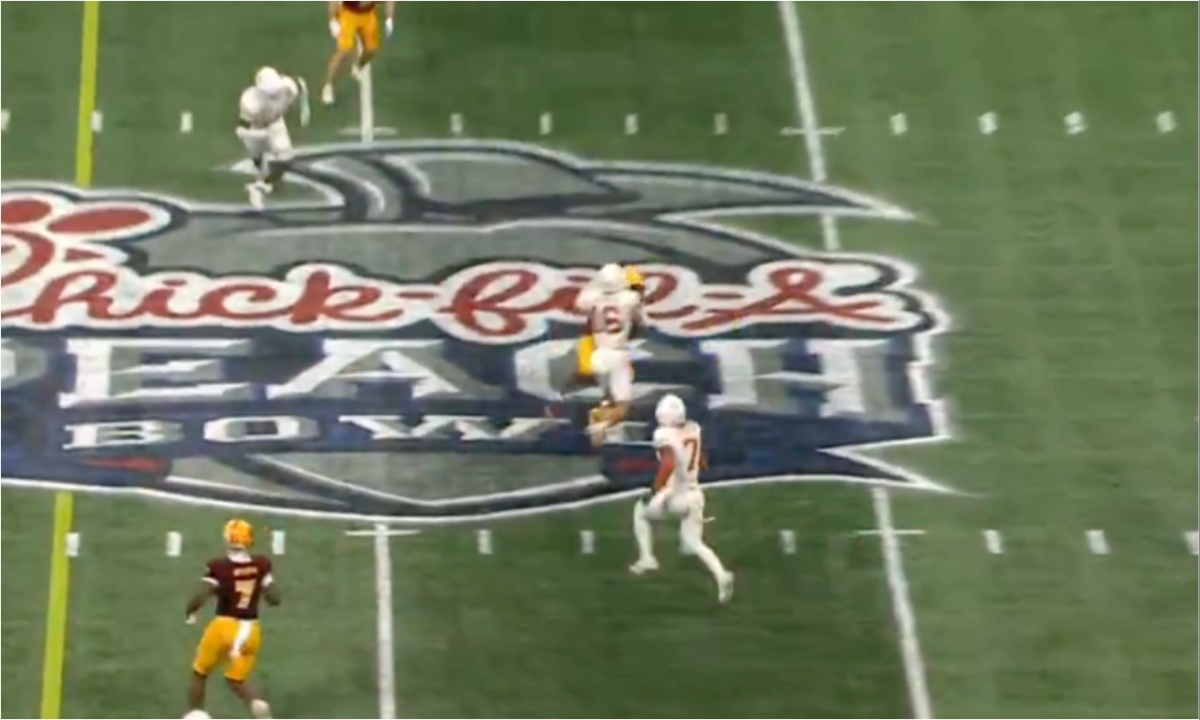
The incident occurred when Chiefs returner Nikko Remigio broke through the Texans’ coverage and started a run towards the end zone. Boyd managed to catch up with him and went to the sidelines to celebrate the fumble. However, Boyd was unaware that the Chiefs had recovered the fumble.

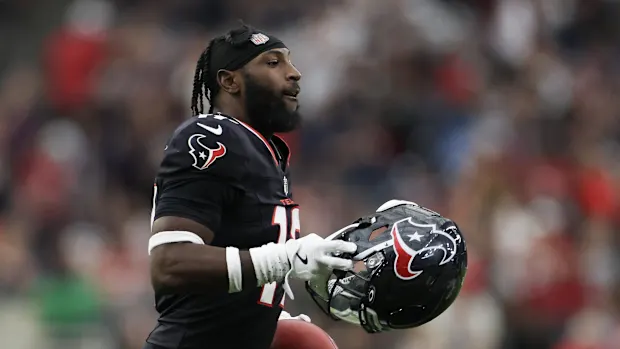
Boyd shoved Ross on the sidelines and was penalized for unsportsmanlike conduct after removing and throwing his helmet. This resulted in a 15-yard penalty for the Texans.

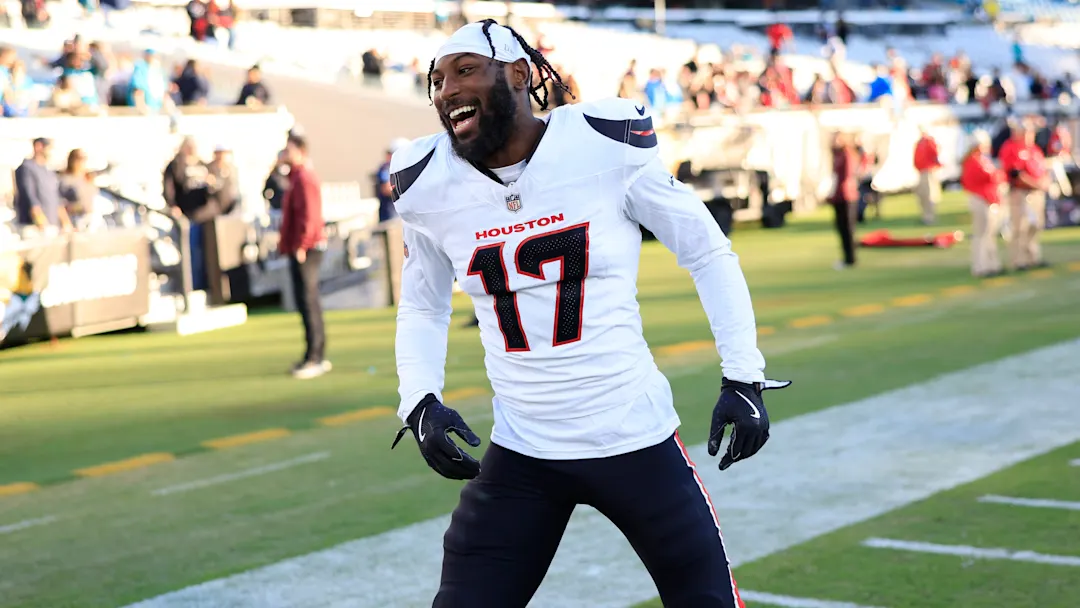
Boyd was criticized on social media, with many assuming the shove was out of frustration. However, Boyd explained to reporters afterward that it was a gesture of excitement, not anger. Regardless, the penalty negatively impacted the Texans.

Houston Texans cornerback Kris Boyd celebrates

Boyd, who played at Texas from 2015 to 2019 and was drafted by the Minnesota Vikings in the seventh round, had spent four seasons with the Vikings and part of a season with the Arizona Cardinals. He joined the Texans in his second season, starting on the practice squad.

After the incident, Boyd returned to the field on the very first play, but the Texans were trailing 13-6 at halftime. He was seen back on the field after Ka’imi Fairbairn’s successful field goal briefly tied the game.

Categories
College Football

Controversial No-Call on Targeting Ignites Debate in Texas vs. Arizona State Playoff Thriller

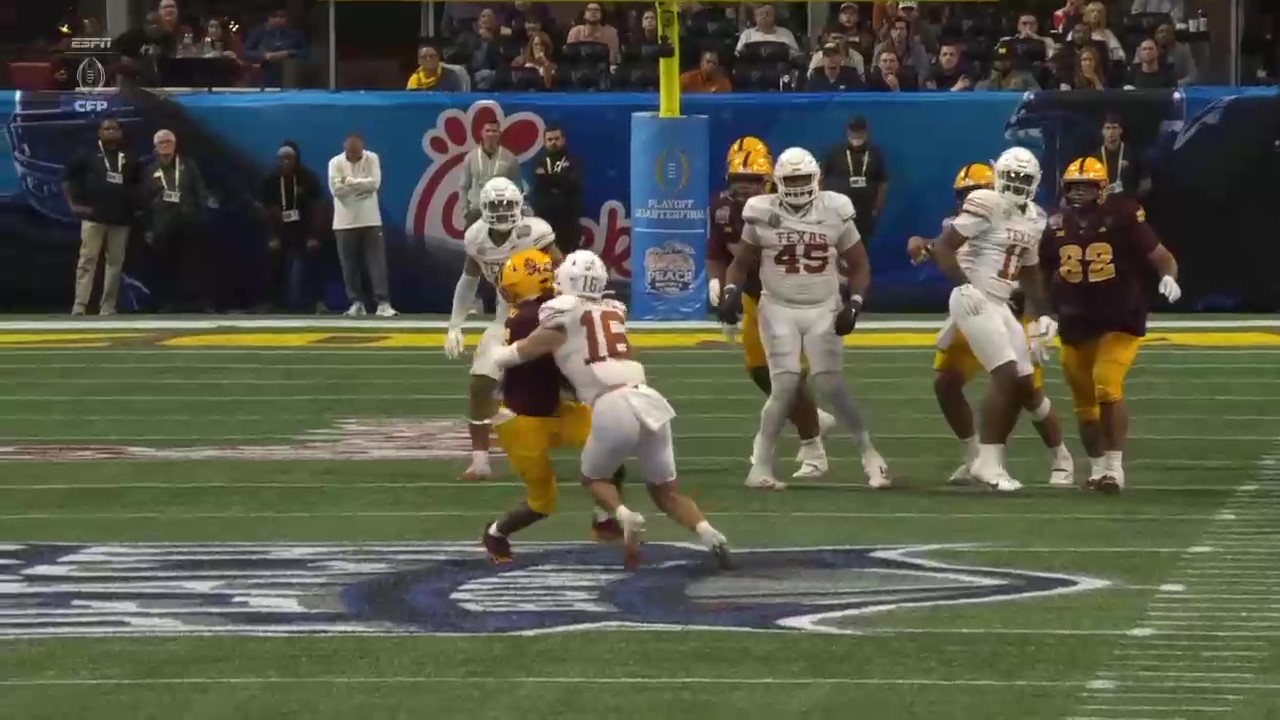
The College Football Playoff quarterfinal between Texas and Arizona State featured a controversial moment in the final minutes of the fourth quarter. With the game tied at 24-24 and just over a minute remaining, Arizona State quarterback Sam Leavitt threw a short pass to wide receiver Melquan Stovall. As Stovall caught the ball and was tackled, Texas defender Michael Taaffe delivered a hard hit that involved helmet-to-helmet contact. Despite a review by officials, no targeting penalty was called, which stirred significant debate.

The lack of a targeting call was further scrutinized when ESPN’s rules expert, Matt Austin, examined the play. Austin noted that Stovall, a defenseless receiver, was hit in the head just as he was turning to make the catch. He expressed surprise that the officials didn’t call targeting, suggesting that the play could have warranted such a penalty from the booth. Despite this, the officials did not flag the play, and Arizona State was forced to punt on the ensuing fourth down.

Controversial No-Call on Targeting Ignites Debate in Texas vs. Arizona State Playoff Thriller

In the final moments of the game, Texas had an opportunity to win with a field goal, but the attempt was missed. Arizona State’s chances were also dwindling, and the game went into double overtime. Texas ultimately won 39-31 in the overtime period, but the non-call on targeting remained a hot topic of conversation in the aftermath.

Social media erupted in disbelief and frustration after the play, with many commentators and analysts expressing outrage over the lack of a targeting penalty. Football analyst Warren Sharp and NFL RedZone’s Scott Hanson both criticized the officials for missing what seemed to be a clear targeting violation. Sports radio personality Mike Francesa went further, calling it “one of the most gutless, non-calls” he had ever seen, emphasizing how obvious the hit seemed to him.

After the game, Arizona State’s head coach, Kenny Dillingham, addressed the controversy by admitting his confusion over what constitutes targeting. He stated that he was unsure about the definition of targeting and preferred not to comment further until he had a better understanding. This response reflected the widespread confusion and dissatisfaction with how the play was handled by the officials.

Categories
College Football

Controversy Erupts as Arch Manning Takes Hit Amid Calls for Quarterback Change at Texas

Texas Longhorns head coach Steve Sarkisian has been under pressure this season to substitute starting quarterback Quinn Ewers with Arch Manning, a highly touted five-star recruit. Despite Ewers’ solid performance in a recent game, completing 10-of-19 passes for 133 yards and a touchdown calls for Manning to take the field persisted. Sarkisian finally made the decision to insert Manning late in the first half, even though Ewers had been playing well.

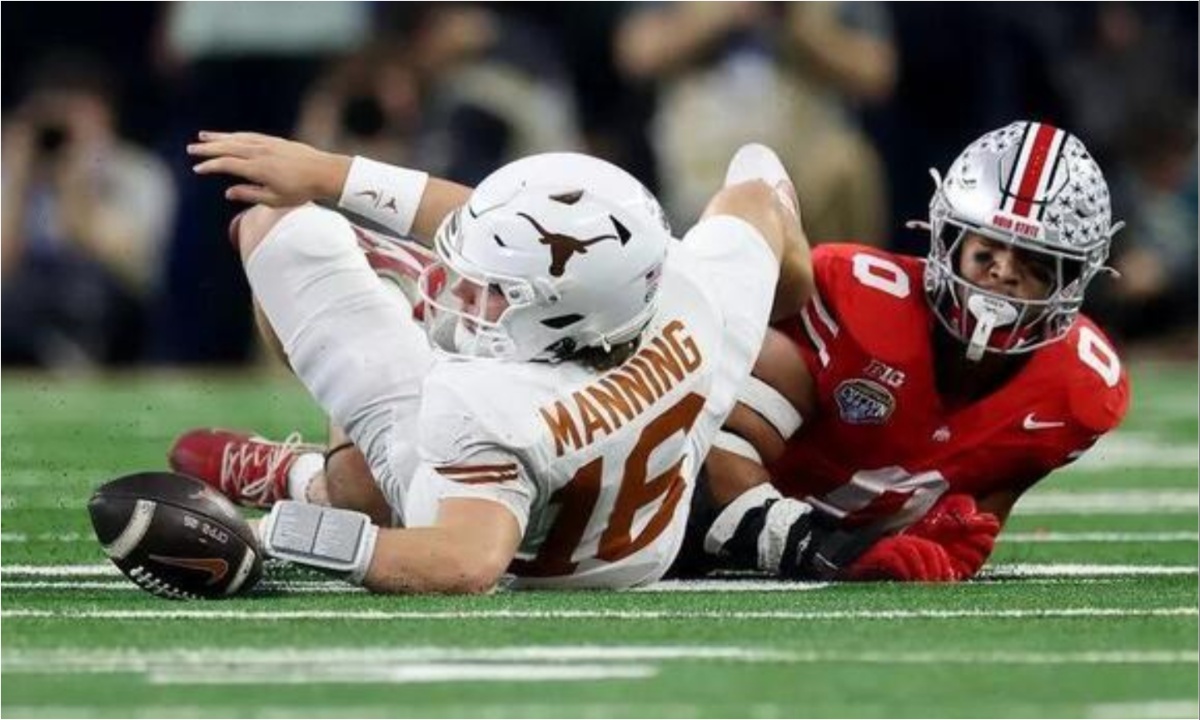
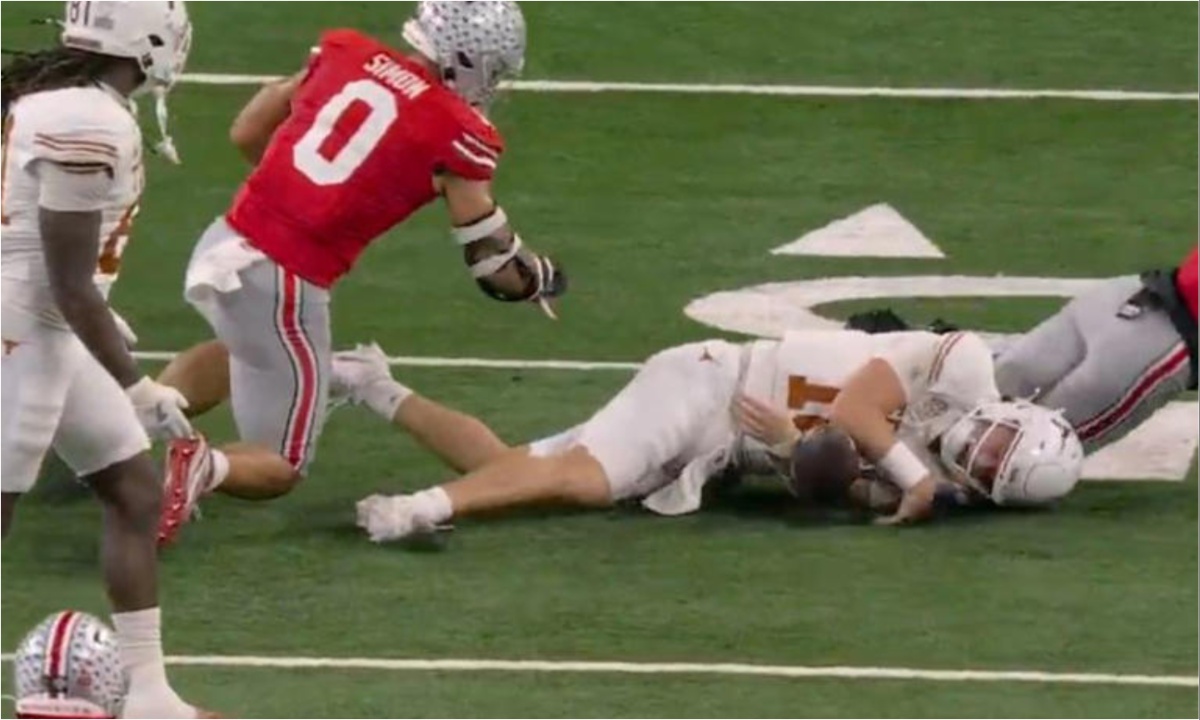
The substitution came on a crucial fourth-and-short play near midfield. Manning, stepping in for Ewers, managed to pick up the first down but was hit hard by a helmet-to-helmet collision. As Manning’s left arm touched the turf, the ball seemed to come loose, raising concerns about a potential fumble. However, after a quick review by the officials, it was determined that Manning was down before the ball came out, so the fumble was not counted.

Controversy Erupts as Arch Manning Takes Hit Amid Calls for Quarterback Change at Texas

While the attention was on the fumble, some fans pointed out that the play could have been flagged for targeting. They observed that the defender had used the crown of his helmet to make contact with the back of Manning’s helmet. Social media erupted with questions and disbelief over the lack of a targeting penalty. Fans expressed their concern over the hit, noting that it seemed to meet the criteria for targeting under the rules.

Many were surprised that the broadcast did not address the potential targeting call, focusing instead on the fumble review. The lack of discussion regarding the safety of Manning, who appeared to be dazed after the hit, added to the frustration among fans. As the play was reviewed, there was no mention of the possible targeting violation, which led to further criticism of the officials’ handling of the situation.

By the end of the first half, Ohio State held a 14-7 lead over Texas, and the game remained closely contested. Despite the controversy surrounding Manning’s hit, the focus shifted back to the game, with fans continuing to debate the fairness of the officiating and the impact of the hit on the young quarterback’s performance.