Categories
FEATURED

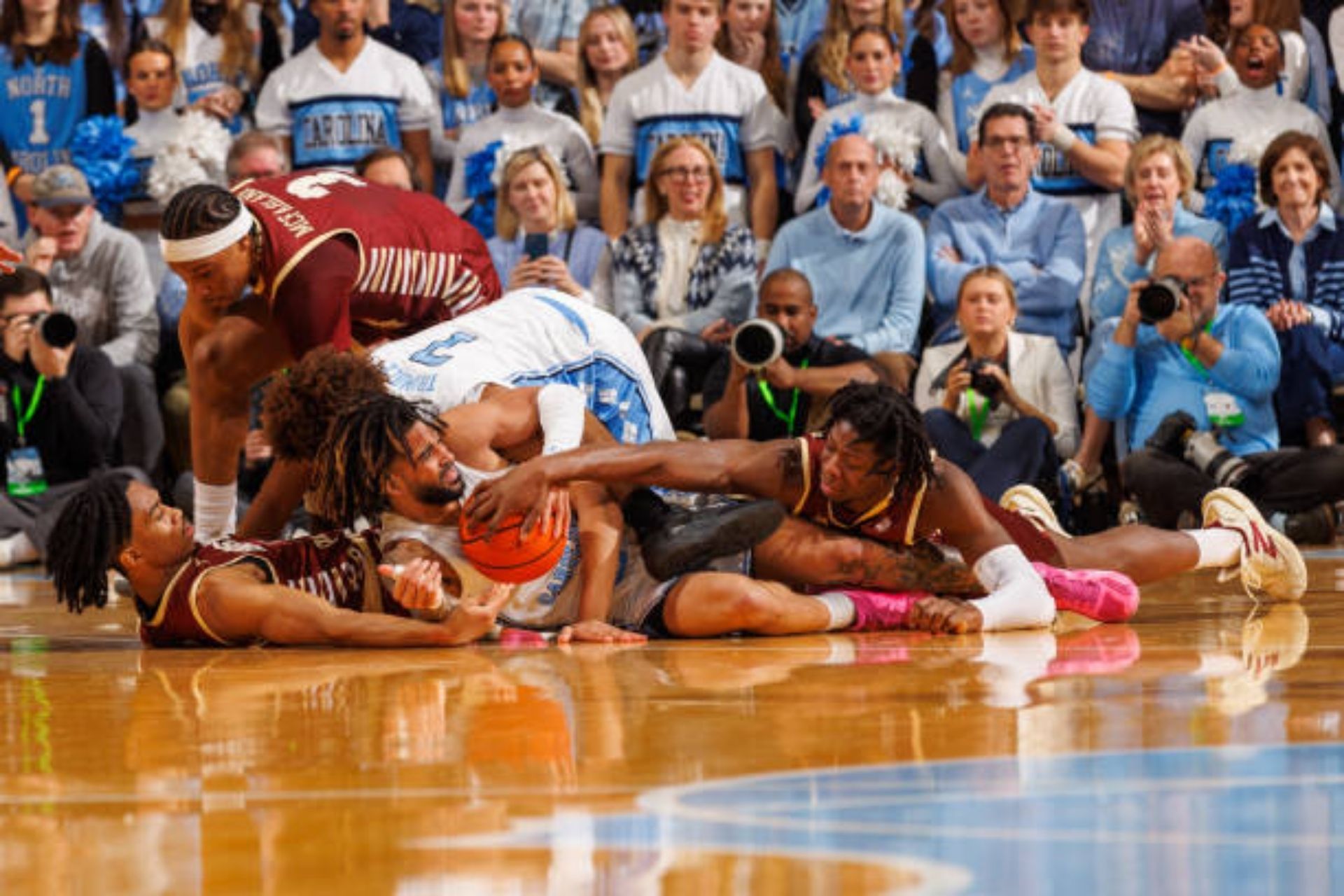
Duke dominates UNC in first half, cruising to an 87-70 win in Durham

Duke’s freshmen shined on Saturday, delivering a strong performance that quickly took the excitement out of the rivalry with North Carolina.

The game, which was expected to be a dramatic renewal of the Duke-North Carolina rivalry, turned into a one-sided affair with second-ranked Duke dominating early. By halftime, it was clear the Blue Devils were in control, and they went on to win 87-70.

This result highlighted Duke’s impressive potential, while also showing the struggles that UNC faces as they try to stay on track for an NCAA Tournament spot.

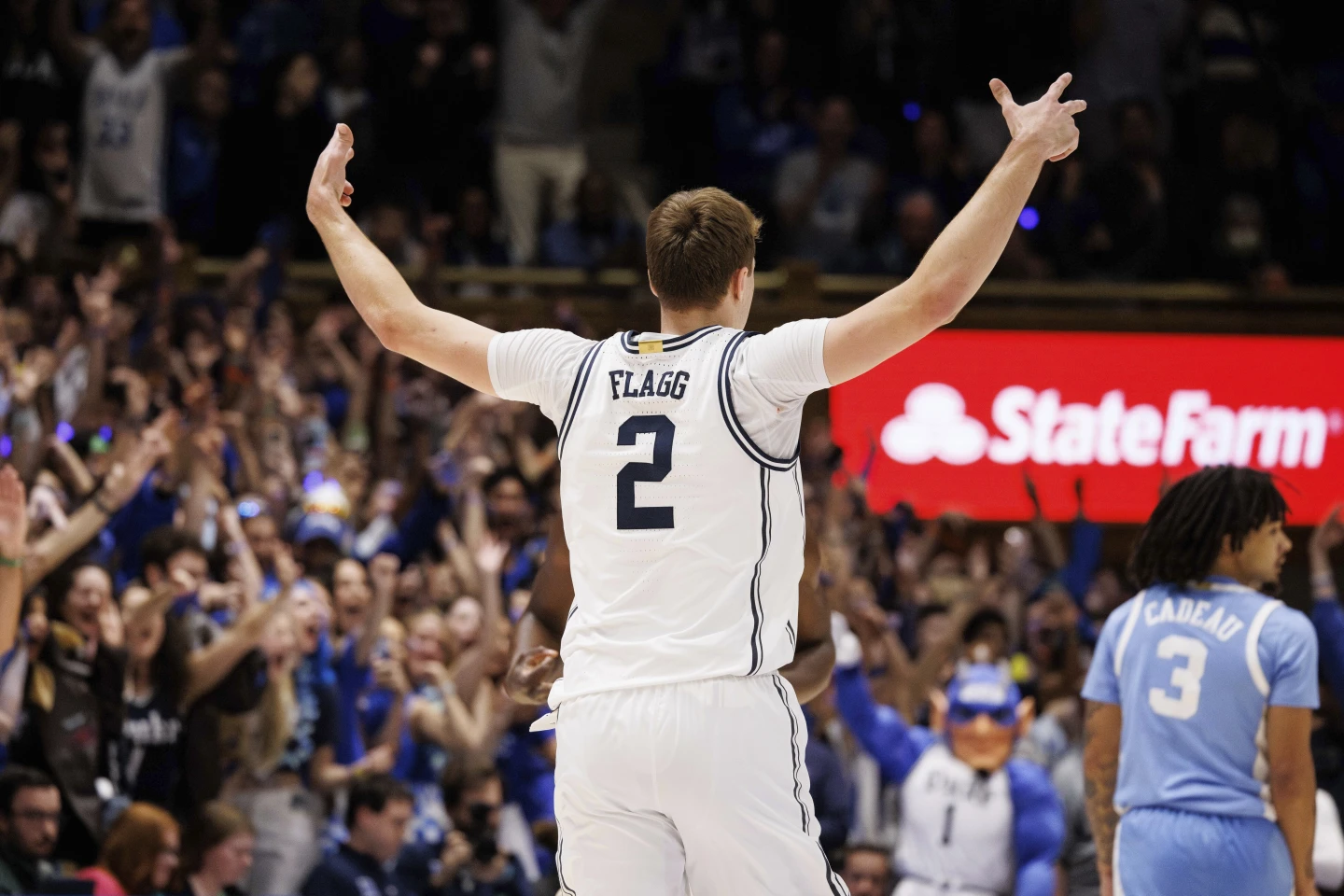
“I think it just shows when we come locked in and ready, and we stick to our game plan, what we can do,” said Duke’s standout freshman, Cooper Flagg.

Flagg, who is considered a top NBA draft prospect, and fellow freshman Kon Knueppel led the charge for Duke. Knueppel scored a game-high 22 points, while Flagg added 21 points, eight rebounds, seven assists, three steals, and two blocks. Neither player appeared nervous in their first Duke-UNC game. By the time the game began, it was clear Duke was already in control.

“We whupped us, they kicked us — straight and back, right from the jump,” UNC guard Seth Trimble said bluntly.

Duke (19-2, 11-0 ACC) made an early statement with a 16-0 run in the first seven minutes. Shortly after, they put together an 11-0 run, taking a 40-13 lead. The Blue Devils were up by 32 points midway through the second half.

There was no chance for a memorable moment like Austin Rivers’ buzzer-beater for Duke in 2012 or the more recent drama of coaching changes at both schools. In 2022, UNC stunned Duke in the Final Four, ending Coach K’s career with a victory, and they’ve had some success in recent years, including a win in the first meeting of the 2023 season.

But on Saturday, there was no such drama. Duke’s offensive efficiency and defensive pressure forced UNC to take difficult shots and make mistakes. The Blue Devils played with intensity and focus, outclassing the Tar Heels in every way.
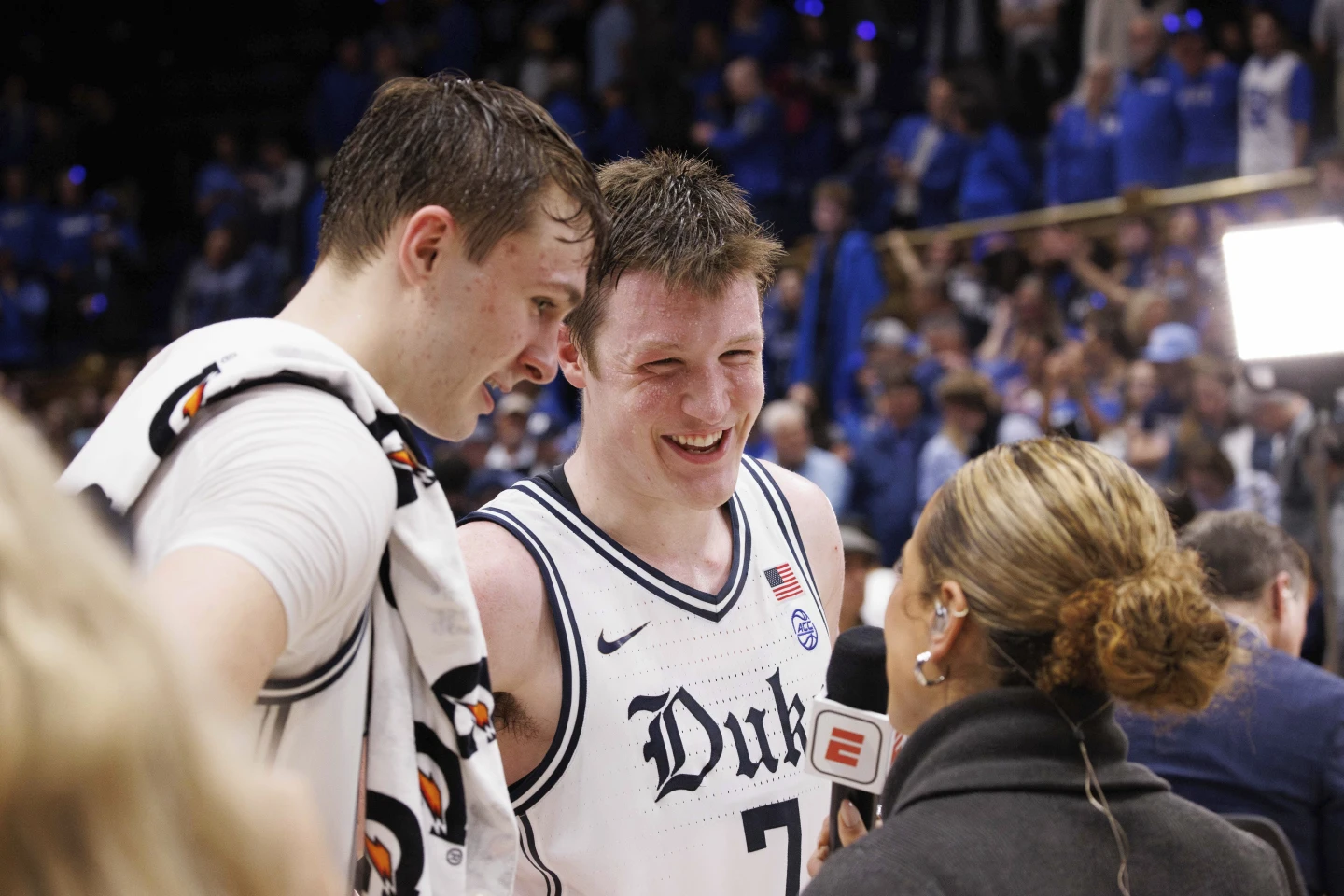
Kon Knueppel and Cooper Flagg after the game

“We just kept talking about: our edge, our focus. And these guys had it,” said Duke head coach Jon Scheyer, reflecting on the team’s preparation and energy.

Duke’s performance was a complete team effort. Flagg displayed his playmaking ability by finding open teammates after drawing double teams. Knueppel was sharp from the outside and also drove to the basket. Tyrese Proctor, who had been struggling in recent games, scored 17 points. Duke’s defense was tight, with 23 deflections, a season-high according to Scheyer.

“It feels awesome to get a big-time win like this and do it at home in front of the fans,” said Knueppel, who is from Milwaukee and had studied up on the rivalry for his first taste of it.

For North Carolina (13-10, 6-5), it was another tough loss. The final seven minutes of the game were mainly about trying to make the score more respectable. In the first half, UNC had more turnovers (nine) than field goals (eight).

UNC, which started the season ranked No. 9 in the AP Top 25, has now lost four of its last five games. Their only win in that stretch came in overtime against Boston College, which entered the weekend with just one ACC victory. With a poor nonconference record, the Tar Heels are running out of opportunities to improve their NCAA resume.

Despite the setback, UNC head coach Hubert Davis remained hopeful.

“Yes we’re discouraged, but we’re going to move forward,” Davis said. “We’re going to get back up, move forward and continue to get better, and try to become the team that I think we all know we can be.”
Categories
Basketball

North Carolina Tar Heels, Why They Struggle Against Top-10 Teams

The North Carolina Tar Heels are one of the most storied programs in college basketball history.

With multiple national championships, Hall of Fame coaches, and a pipeline of NBA talent, they are a perennial powerhouse in the NCAA. However, in recent seasons, UNC has developed a troubling trend: struggling to win against top-10 ranked opponents.

While they dominate lesser competition and maintain their reputation as a March Madness contender, their performance against elite teams has raised concerns.

Why do the Tar Heels falter when facing the nation’s best? Several factors contribute to this issue, including inconsistent defense, lack of elite depth, and struggles with in-game adjustments.

Defensive Inconsistencies

Defense has traditionally been a defining strength of championship-caliber UNC teams, but in recent seasons, their defensive efficiency has been inconsistent.

Against top-10 teams, defensive lapses often become glaring, exposing weaknesses in perimeter coverage and interior protection.

One key issue is that UNC’s aggressive defensive scheme, which thrives against weaker competition, tends to be exploited by elite offenses.

Top-10 teams move the ball efficiently, execute crisp offensive sets, and have players who can break down defenses with one-on-one play. UNC, at times, struggles to contain dribble penetration, leading to open perimeter shots or easy baskets in the paint.

Lack of Elite Depth

Recruiting has never been a major issue for North Carolina, but recent rosters have lacked the kind of depth needed to sustain success against the best teams in the country.

While they often have strong starting lineups, their bench production against elite competition has been underwhelming.

Top-10 teams typically feature multiple high-impact players who can step up when a starter struggles. In contrast, UNC has occasionally lacked the depth to match that firepower.

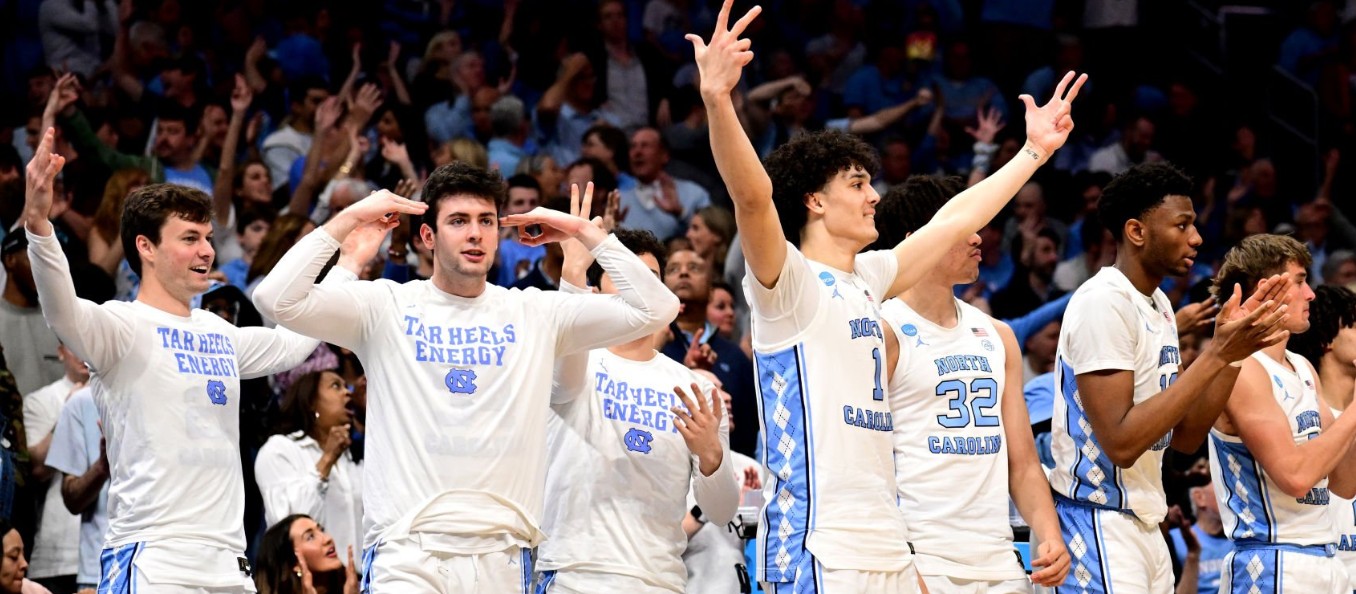
Can UNC turn the tide against college basketball’s best? A deep dive into their struggles against top-10 teams.

If their primary scorers are contained or have an off-night, there aren’t always enough secondary options to keep them competitive.

This was evident in key losses where UNC’s starters performed well but received little help from the bench. Against top-tier programs, depth matters—especially when dealing with foul trouble or fatigue late in games.

Struggles with In-Game Adjustments

Great coaches separate themselves from the pack by making timely in-game adjustments. While North Carolina’s coaching staff has an impressive track record, they have occasionally been outmaneuvered when facing top-10 teams.

Opponents often exploit UNC’s weaknesses by forcing them out of their comfort zone. Whether it’s disrupting their fast-paced offense, forcing contested jump shots, or attacking mismatches on defense, top teams have been able to dictate the flow of the game.

UNC, at times, has been slow to counter these adjustments. If their initial game plan doesn’t work, they have struggled to pivot effectively, leading to long scoring droughts or defensive breakdowns. Against elite competition, that margin for error is razor-thin.

Mental and Emotional Challenges

Beyond the X’s and O’s, the psychological aspect of facing a top-10 team cannot be ignored. There’s a different level of pressure when stepping onto the court against a national powerhouse, and at times, UNC has seemed to struggle with that intensity.

In close games, composure is key, and UNC has sometimes faltered under high-pressure situations. Whether it’s missing crucial free throws, committing costly turnovers, or losing defensive focus in the final minutes, their late-game execution has been a concern against elite teams.

What Needs to Change?

To regain dominance in big matchups, North Carolina must address these issues. Strengthening their defensive identity, developing a deeper bench, and improving adaptability in high-pressure situations will be crucial moving forward.

The Tar Heels have all the tools to compete at the highest level. But if they want to return to championship form, they must start winning the biggest games.

Categories
FEATURED

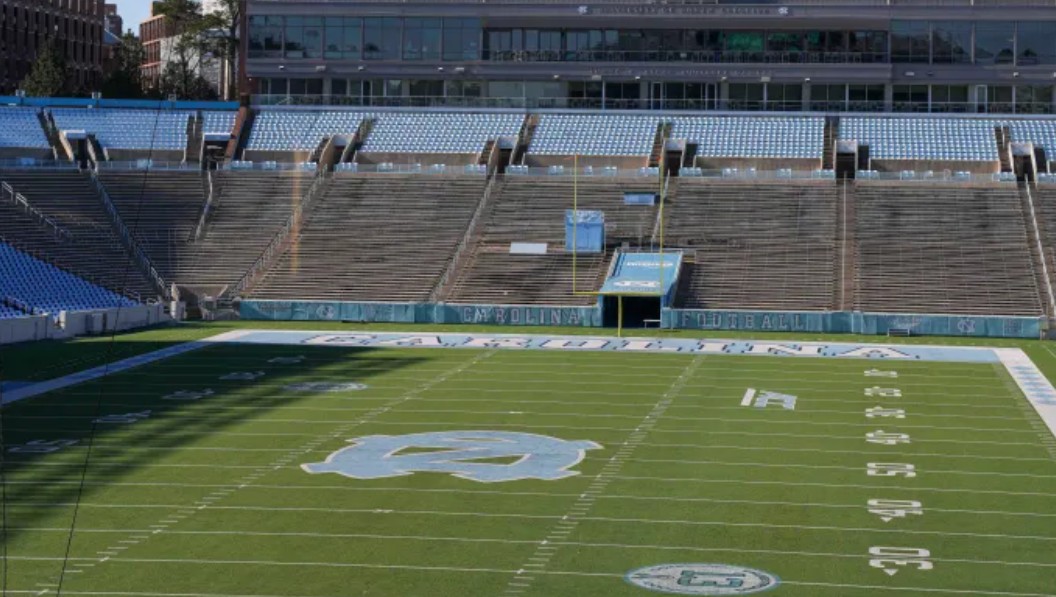
Why North Carolina Football May Never Be Relevant in College Sports

When you think of North Carolina sports, one thing comes to mind: basketball. The Tar Heels’ dominance on the hardwood, from Michael Jordan to multiple national championships, has cemented UNC as a powerhouse. But on the football field? The story is much different.

For decades, North Carolina football has struggled to break into the national conversation. While the program has seen occasional flashes of success—most recently under Mack Brown—it has never sustained elite-level competitiveness. But why is that?

Let’s dive into the key reasons why North Carolina football may never be a major player in the college football landscape.

1. The Basketball-First Culture

The biggest hurdle for UNC football is its own school culture. North Carolina is, and always will be, a basketball-first institution. The Dean Smith legacy, the Cameron rivalry with Duke, and the passionate fan base make basketball king in Chapel Hill.

While schools like Alabama and Ohio State pour resources into football as their primary sport, UNC’s focus remains divided. The energy from fans, boosters, and administration is heavily invested in basketball, making it difficult for football to command the same level of attention and financial backing.

2. Recruiting Challenges in a Competitive Region

North Carolina is in a unique position geographically. The state produces some solid football talent, but it’s surrounded by recruiting powerhouses like Georgia, Alabama, Clemson, and Florida.

Top recruits in the Southeast dream of playing in the SEC or at a perennial powerhouse like Clemson.

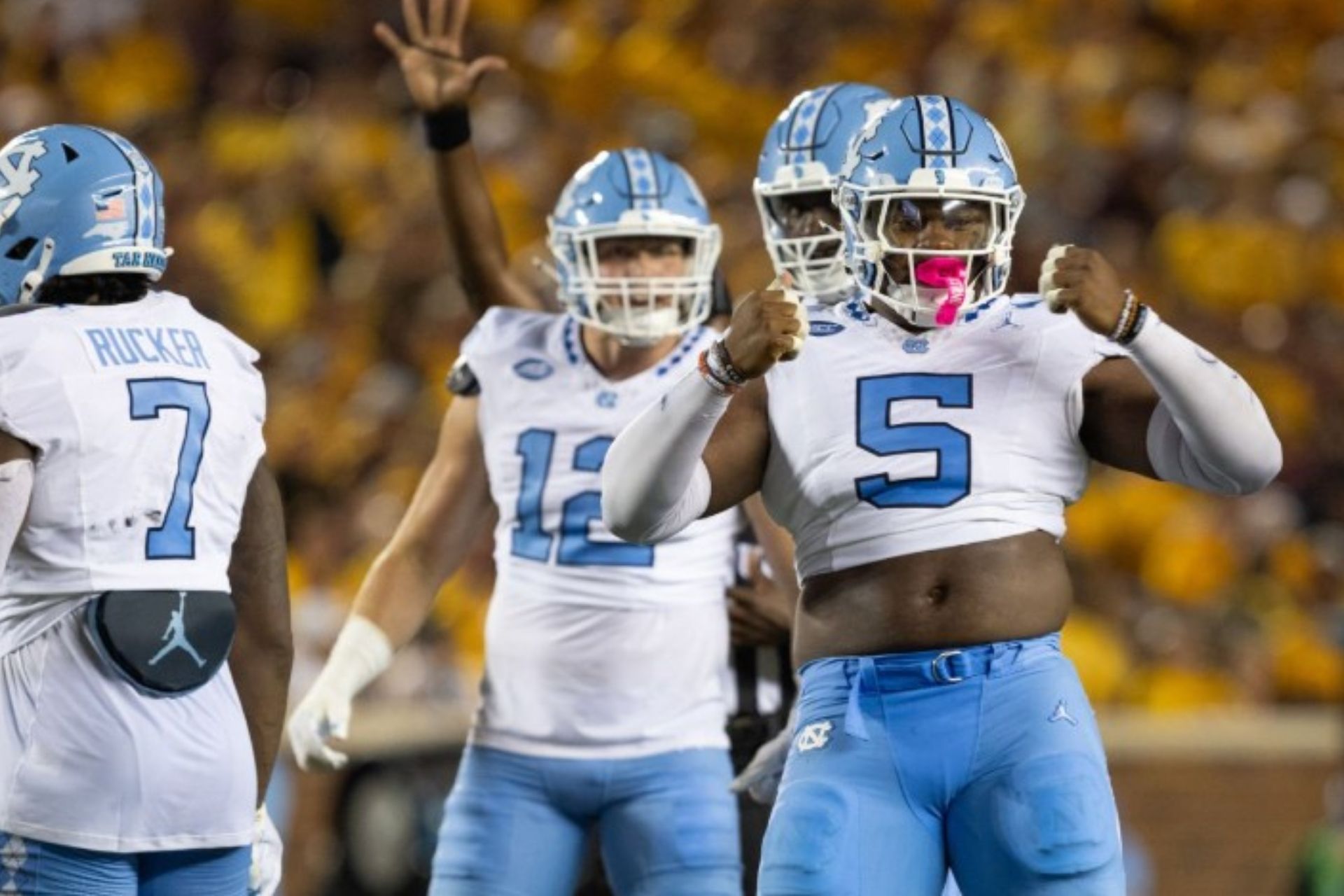
Can North Carolina ever be more than a mid-tier football program?

UNC, despite its facilities and coaching efforts, struggles to attract five-star talent consistently. While they’ve landed top recruits like Sam Howell, they rarely build complete rosters that can compete with the best teams year in and year out.

3. A History of Inconsistency

Unlike other schools that have long football traditions, UNC’s history in the sport is marked by inconsistency. There have been occasional 10-win seasons, but never a sustained run of dominance.

Even Mack Brown’s return to Chapel Hill, which initially brought optimism, hasn’t resulted in a breakthrough. The team has had promising seasons, but they continue to fall short when it matters most. Without a proven track record of competing at the highest level, it’s hard to convince recruits and fans that UNC football is anything more than a mid-tier program.

4. The ACC’s Lack of Football Prestige

Playing in the ACC has also hindered UNC’s ability to gain national relevance. The conference, outside of Clemson and Florida State, has lacked consistent football dominance.

Compared to the SEC or Big Ten, the ACC simply doesn’t have the same level of week-in, week-out competition. This means fewer high-profile matchups, lower TV ratings, and less national attention.

Even when UNC puts together a strong season, it often gets overshadowed by powerhouse programs from other conferences.

5. Coaching Turnover and Stability Issues

For a football program to thrive, coaching stability is crucial. UNC has struggled with that over the years. The program has gone through multiple head coaches, with different philosophies and recruiting strategies, leading to a lack of continuity.

Mack Brown brought experience, but his return has yet to yield championship-level success. If he retires soon, UNC will again be in search of a leader who can recruit, develop talent, and build a consistent winner.

Can UNC Ever Change the Narrative?

While UNC football faces significant challenges, it’s not impossible for the program to rise. Schools like Oregon and TCU have managed to elevate themselves into national relevance with the right mix of coaching, recruiting, and investment.

But for North Carolina to truly matter in college football, they need:

  • A commitment to football at the same level as basketball
  • A major recruiting shift to land top-tier talent consistently
  • A long-term head coach who can build a winning culture

Until then, UNC football will likely remain what it has always been—an afterthought in the college football landscape, forever overshadowed by the banners hanging in the Dean Dome.

Categories
NBA (Basketball)

North Carolina Tar Heels: Is Their Coaching Philosophy Outdated?

The North Carolina Tar Heels have long been one of college basketball’s most storied programs. From the legendary Dean Smith to Roy Williams and now Hubert Davis, the Tar Heels have maintained a tradition of excellence built on fundamentals, teamwork, and player development.

However, as modern college basketball evolves, questions have emerged about whether UNC’s coaching philosophy is keeping up with the times.

The Tar Heel Way: A Legacy of Success

The Tar Heels’ coaching philosophy has historically emphasized fast-paced play, strong rebounding, and a commitment to half-court execution. Under Smith and Williams, UNC dominated with a mix of structured offense and freedom for players to make plays within the system.

This approach produced multiple national championships and NBA-ready talent, including Michael Jordan, Vince Carter, and more recently, Cole Anthony.

However, in today’s game, where analytics, perimeter shooting, and position less basketball dominate, some critics argue that UNC’s style is struggling to adapt.

Struggles Against Modern Basketball Trends

One of the biggest concerns for UNC’s coaching staff is their traditional reliance on a dominant inside presence. While post play remains valuable, the emphasis in college basketball has shifted toward three-point shooting, spacing, and defensive versatility.

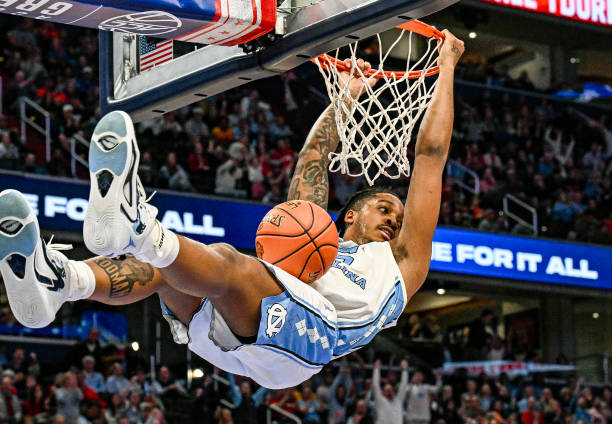
The game is evolving—is UNC adapting fast enough? A look at the Tar Heels’ coaching philosophy and its impact on their future.

The Tar Heels have historically ranked near the bottom in three-point attempts compared to other top programs, which has hurt them against teams that stretch the floor.

Moreover, player retention and the rise of the transfer portal have changed roster-building strategies. Programs like Duke and Kansas have embraced a mix of one-and-done talents and experienced transfers, while UNC has occasionally struggled with roster continuity. This has led to inconsistent performances, particularly against teams with more modern offensive schemes.

Hubert Davis’ Challenge: Modernizing While Preserving Tradition

Hubert Davis took over in 2021 with the goal of continuing UNC’s legacy while making necessary adjustments. In the 2021-22 season, he led the Tar Heels to the national championship game, proving that the program could still compete at the highest level.

However, in the following season, UNC missed the NCAA Tournament entirely, raising concerns about whether Davis’ coaching philosophy can sustain long-term success.

Davis has made some efforts to adapt. He has encouraged more three-point shooting, especially from his big men, and has adjusted the team’s pace at times.

But compared to schools like Alabama, Houston, or Purdue, which fully embrace modern trends, UNC still seems to be playing catch-up.

Can UNC Evolve Without Losing Its Identity?

The key question is whether the Tar Heels can balance their historic philosophy with the demands of modern basketball. The pressure to win in today’s landscape is higher than ever, and fans are eager to see adjustments that bring the program back to national dominance.

The good news is that UNC remains a top recruiting destination, and with the right mix of talent and coaching innovation, they can return to their championship-contending ways.

Davis and his staff must continue evolving, utilizing analytics, and adapting their system to fit the modern game.

If they can do that while maintaining the values that made UNC a powerhouse, the Tar Heels will remain a force in college basketball. If not, they risk falling behind in an ever-changing landscape.

Categories
College Football

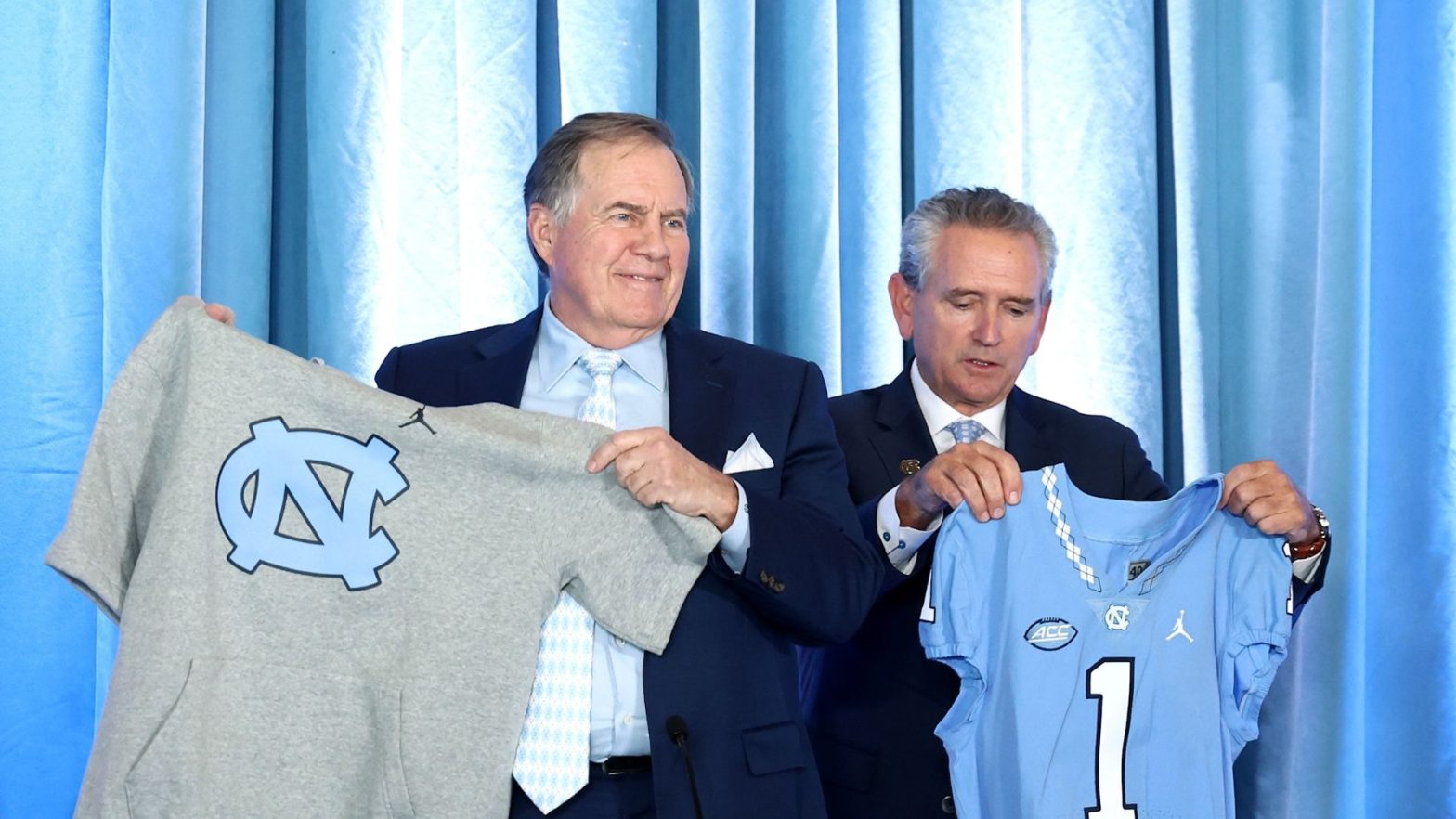
UNC Contract Worth $10 Million for Bill Belichick Comes to Light

Bill Belichick made a surprising career decision by opting to leave the professional stage and step into the world of college football for the first time.

Despite being 72 years old, Belichick hesitated to finalize the agreement, fueling widespread speculation about the possibility of reuniting with Tom Brady and potentially leading the head coach-less Las Vegas Raiders.

Bill Belichick begins a new chapter by stepping into college football at UNC (Chapel Hill)

All such rumors were put to rest this week when Belichick officially signed his contract with the University of North Carolina, signaling a fresh chapter in Chapel Hill’s football program.

The agreement spans five years, though it guarantees only the first three. Additionally, the contract includes a $10 million buyout clause if Belichick chooses to leave before June, which drops to $1 million afterward.

Performance-Driven Incentives

Once the deal was finalized, specifics of Belichick’s contract were revealed, highlighting unique financial incentives tied to his performance.

Beyond his $10 million annual salary, Belichick stands to earn substantial bonuses if he transforms UNC into a college football powerhouse.

Achieving eight regular-season victories would secure him a $150,000 bonus, with each additional win beyond that adding $50,000 more.

A berth in the 12-team College Football Playoff would further reward Belichick with a $750,000 bonus, underscoring UNC’s confidence in his ability to raise their program to new heights.