

Atlanta has long been recognized as a cultural powerhouse in the United States, influencing music, film, sports, and technology. Over the last decade, the city has also quietly emerged as a significant hub for gaming and esports.
With a strong tech ecosystem, affordable living compared to other major cities, and a thriving creative culture, Atlanta has produced some of the most influential gamers in the country.
From competitive esports champions to content creators who dominate Twitch and YouTube, Atlanta-based gamers have helped shape how Americans play, watch, and engage with games today.
This list highlights ten of the most impactful gamers from Atlanta, chosen not just for raw popularity but for their influence, achievements, and lasting contribution to gaming culture.
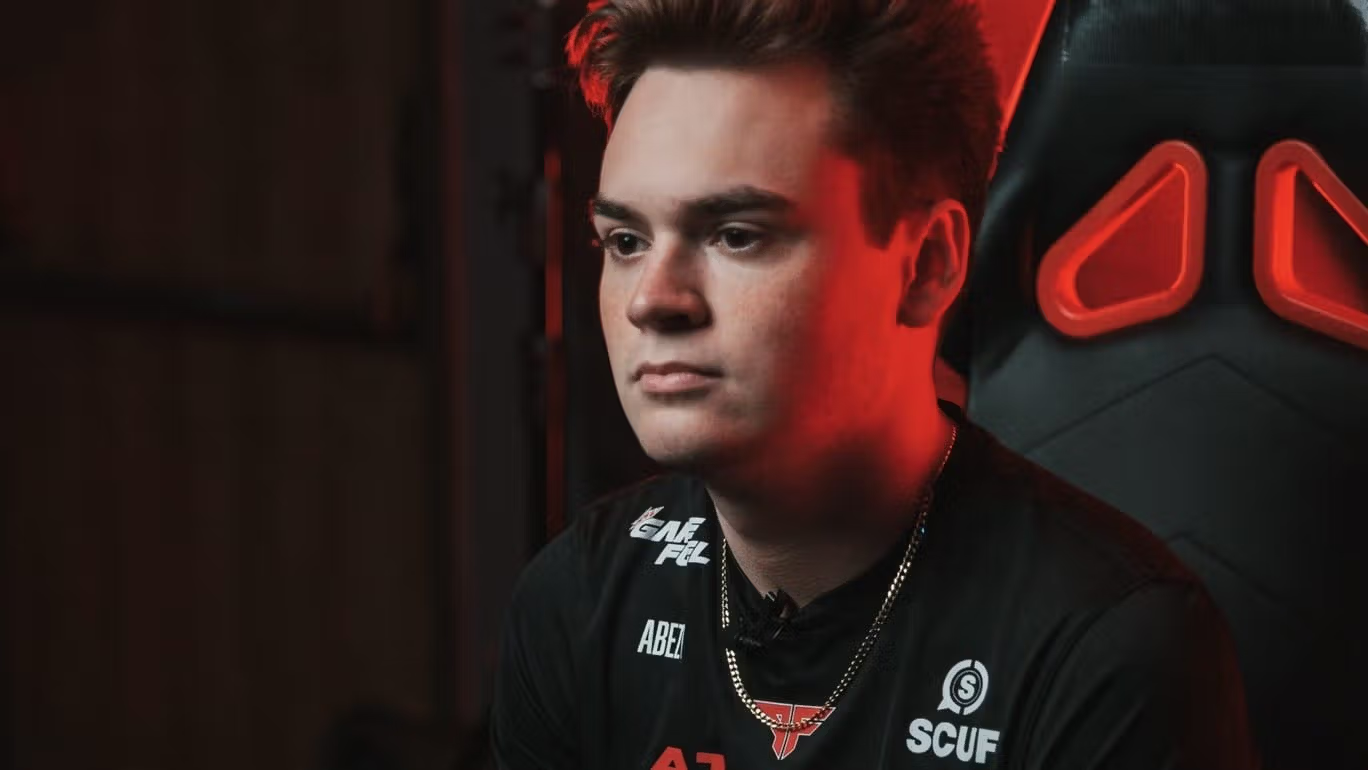
1. FaZe Simp (Chris Lehr)
Chris “Simp” Lehr is widely considered one of the most talented Call of Duty players of his generation, and his Atlanta roots are a major part of his story. As a key player for the Atlanta FaZe, Simp helped turn the city into a global Call of Duty hotspot.
Known for his elite gun skill, game sense, and consistency under pressure, Simp has won multiple championships and MVP awards at a remarkably young age. His success has not only elevated Atlanta’s esports reputation but has also inspired a wave of young competitive players across the Southeast who now see professional gaming as a realistic career path.
 FaZe Simp
2. FaZe aBeZy (Tyler Pharris)
Another cornerstone of the Atlanta FaZe dynasty, Tyler “aBeZy” Pharris represents the relentless, fast-paced style that modern Call of Duty esports is known for. Based in Atlanta, aBeZy has become famous for his aggressive playstyle and clutch performances on the biggest stages.
His partnership with Simp is often cited as one of the best duos in esports history. Beyond trophies, aBeZy’s presence has helped establish Atlanta as a city capable of supporting elite esports infrastructure, teams, and fan engagement.
 FaZe aBeZy
3. Lil Poison (Victor De Leon III)
Long before esports became mainstream, Victor “Lil Poison” De Leon III was making headlines as one of the youngest professional gamers in the world. Raised in Atlanta, Lil Poison gained national attention in the early 2000s for competing in Halo tournaments at a remarkably young age.
While his career predates today’s streaming-driven gaming culture, his influence is undeniable. Lil Poison helped legitimize competitive gaming in the US at a time when many still dismissed it as a hobby, making him a true pioneer among Atlanta gamers.
4. iTemp (Jamie Davies – Atlanta-Based Era)
While originally from the UK, Jamie “iTemp” Davies spent a significant part of his content-creation career based in Atlanta, where he grew a massive American audience.
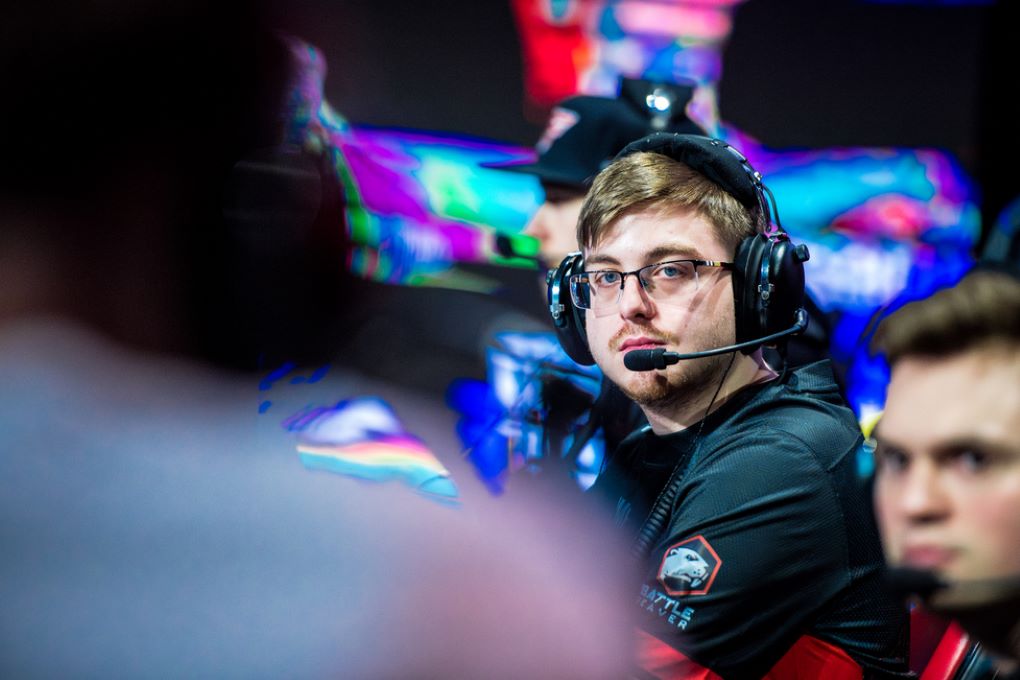
Known for his Battlefield gameplay and analytical commentary, iTemp became one of the most respected voices in the FPS community. His Atlanta-based years coincided with major growth on YouTube, and his presence highlighted the city’s appeal as a base for international gaming creators looking to connect with US audiences.
5. BigCheeseKIT (Christopher “KIT” Lumpkin)
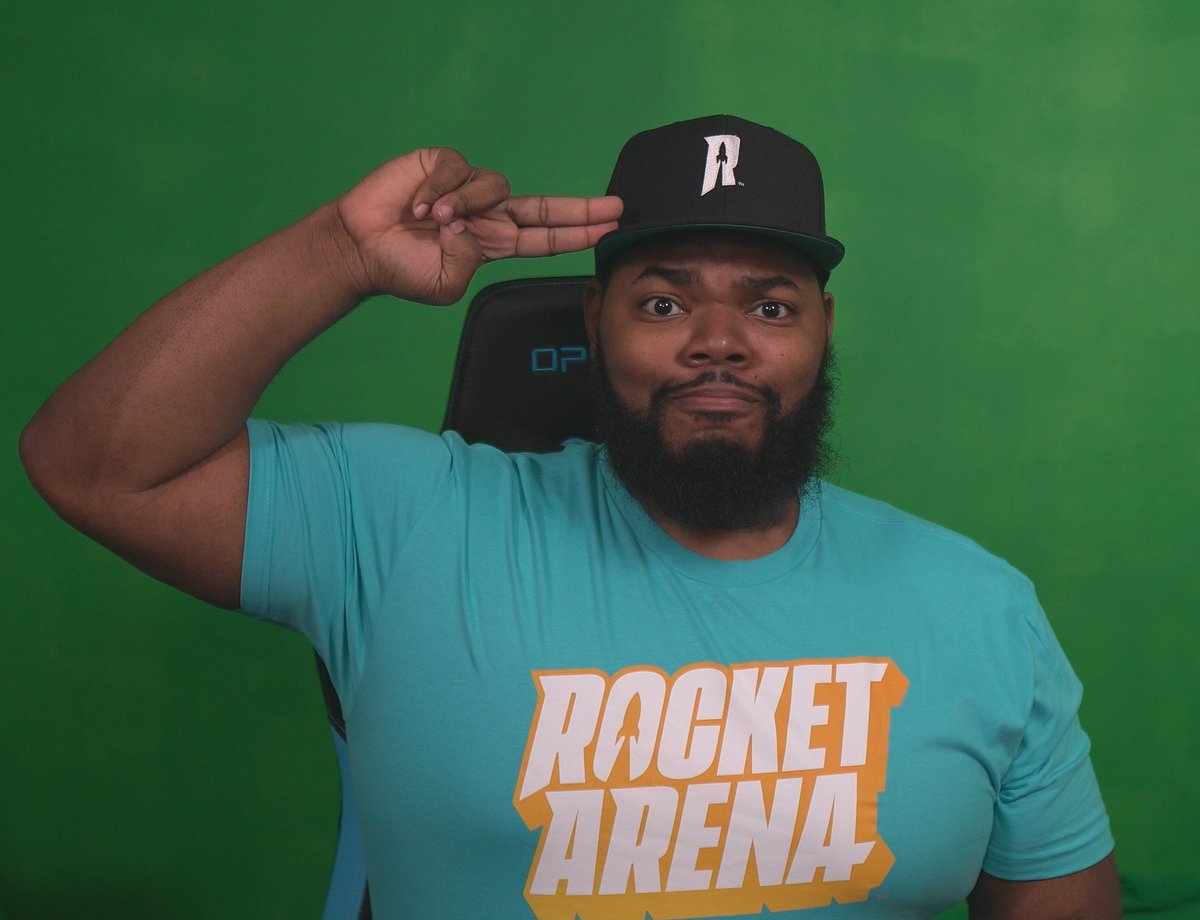
Christopher “BigCheeseKIT” Lumpkin is a respected figure in the fighting game community (FGC), particularly within Atlanta’s vibrant local scene. Specializing in games like Street Fighter and Tekken, KIT has represented Atlanta at major tournaments across the country.
Atlanta’s FGC is one of the strongest in the US, and BigCheeseKIT is often credited with helping build that reputation through grassroots events, consistent tournament appearances, and mentorship of younger players. His impact goes beyond wins, focusing on community growth and sustainability.
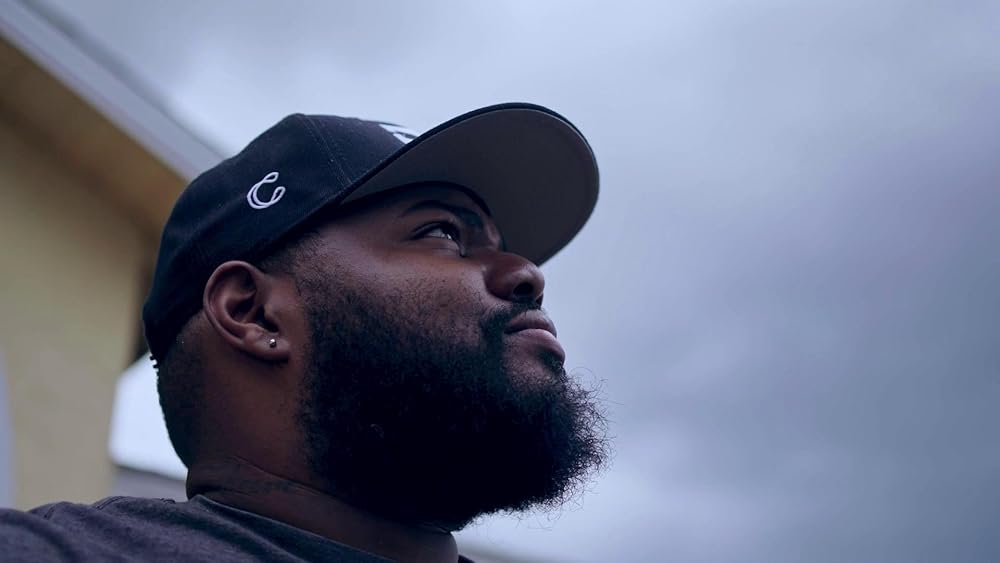
 BigCheeseKIT
6. Brad “Scar” Scarborough (Atlanta Roots)
Brad “Scar” Scarborough is a legendary commentator and personality in the fighting game world, with strong ties to Atlanta’s gaming community. While best known for his commentary rather than gameplay, Scar’s influence on competitive gaming culture is massive.
His time in Atlanta coincided with the city’s rise as a fighting game hub, and his energetic, insightful commentary helped bring FGC events to a broader American audience. Scar represents how Atlanta gamers contribute not just through playing, but through storytelling and entertainment.
7. Khaos (Mortal Kombat Pro)
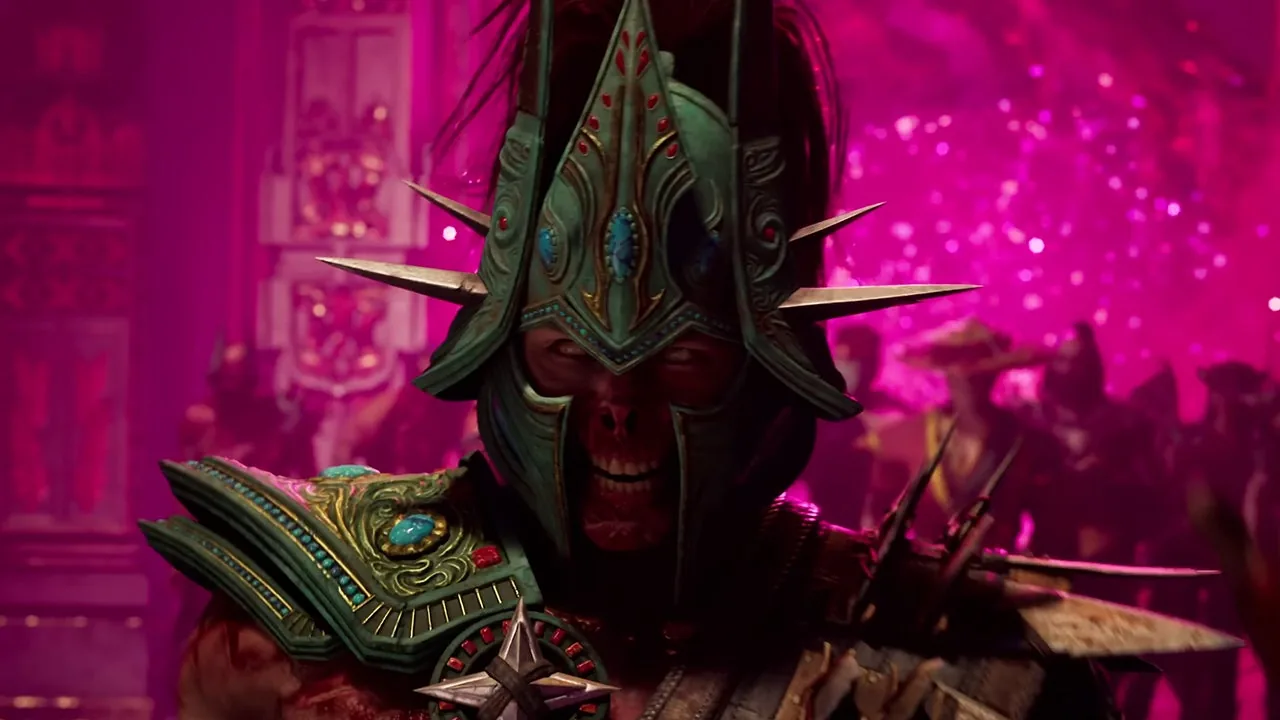
Atlanta has produced several elite Mortal Kombat players, and Khaos stands out as one of the most respected. Known for technical mastery and adaptability, Khaos has competed at major national tournaments and consistently represented Atlanta on the competitive circuit.
Mortal Kombat has deep roots in the American South, and Atlanta’s scene is among the strongest. Khaos exemplifies the discipline and dedication required to succeed in a highly technical fighting game while maintaining strong ties to the local community.
 Mortal Kombat Pro
8. Icy (Atlanta Smash Scene)
The Super Smash Bros. scene in Atlanta is one of the most competitive in the Southeast, and Icy has emerged as a standout talent. Competing primarily in Smash Ultimate, Icy is known for creative character choices and a strong mental game.
Atlanta’s Smash community is heavily grassroots-driven, with weekly locals and regional tournaments, and players like Icy represent how the city consistently develops high-level talent without relying solely on major sponsors or organizations.
 Icy (Atlanta Smash Scene)
9. DJMonopoli (Streamer and Community Builder)
DJMonopoli may not be an esports champion, but his influence as an Atlanta-based streamer and community builder earns him a spot on this list.
Streaming a mix of competitive shooters, variety games, and community-focused content, DJMonopoli has built a loyal following by emphasizing inclusivity and interaction. In a city known for its diverse culture, his channel reflects Atlanta’s broader identity and shows how gaming can be both competitive and socially driven.
 DJMonopoli
10. RetroRex ATL (Content Creator)
RetroRex ATL represents the modern era of gaming content creation, blending gameplay with commentary, reviews, and Atlanta-centric culture.
Focused on retro and modern titles alike, RetroRex ATL appeals to older gamers who grew up during the early console era as well as younger fans discovering classic games for the first time. His work highlights Atlanta’s role in preserving gaming history while still pushing forward with new platforms and trends.