

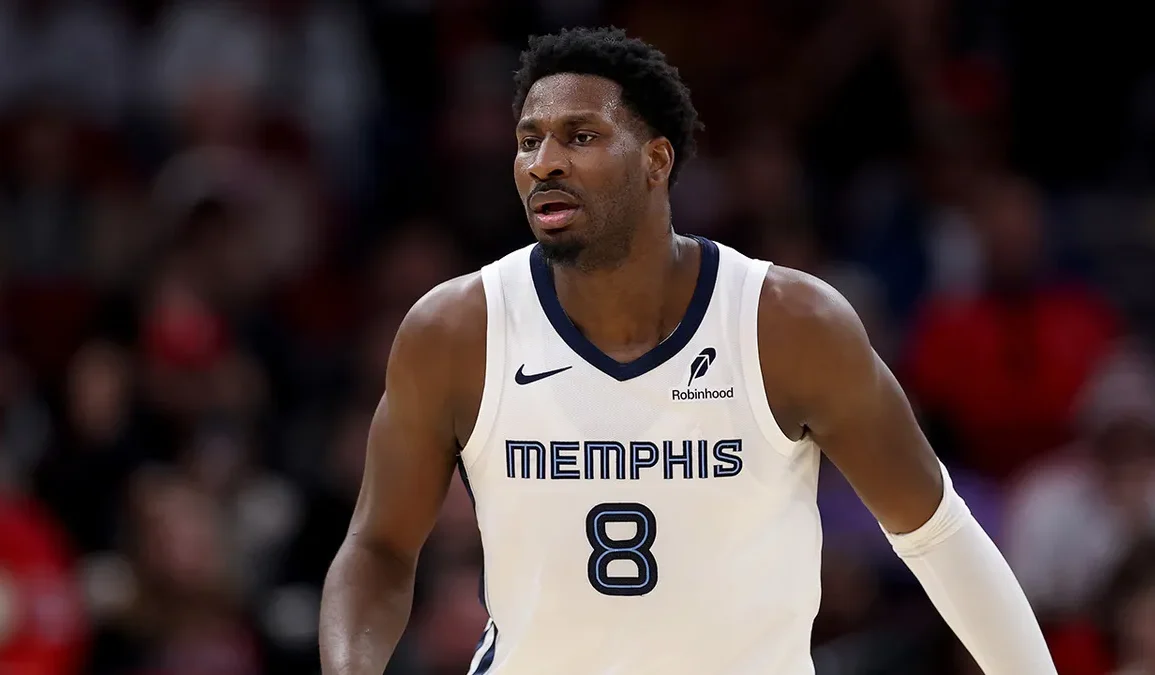
The NBA trade deadline delivered a major surprise on Tuesday, as the Memphis Grizzlies and Utah Jazz finalized a blockbuster deal that will significantly impact both franchises. The Jazz acquired former All-Star and Defensive Player of the Year Jaren Jackson Jr., along with John Konchar, Vince Williams, and Jock Landale. In return, Memphis received Walter Clayton, Taylor Hendricks, Kyle Anderson, Georges Niang, and three future first-round picks, according to ESPN.
The three draft picks in the deal are notable: the most favorable 2027 pick between the Jazz, Timberwolves, and Cavaliers, the Lakers’ 2027 top-four protected pick, and the Suns’ 2031 unprotected first-round pick. While Trae Young was the headline move at the deadline, that trade was largely a salary-cap maneuver. The Jackson trade, by contrast, is a genuine blockbuster that will reshape both franchises’ short-term and long-term plans.
Utah Jazz: Moving from Rebuild to Competitiveness
The Jazz began their rebuild four offseasons ago by trading Donovan Mitchell and Rudy Gobert. Since then, Utah has hovered near the bottom of the Western Conference standings. However, recent developments indicate the franchise is ready to transition from rebuilding to competing. Keyonte George has emerged as a breakout star this season, and the Jazz have resisted offers for Lauri Markkanen, signaling a commitment to retain their core players.
Adding Jackson addresses Utah’s primary weakness: defense. Currently ranked last in the league in defensive efficiency, the Jazz will now feature one of the NBA’s top rim-protecting duos in Jackson and Walker Kessler, who is expected to return next season from a torn labrum. Jackson functions best as a power forward alongside a bigger center rather than as a stretch-five, and pairing him with Kessler maximizes his defensive impact. This duo also compensates for the Jazz’s perimeter defensive limitations. Utah’s projected starting five for next season will be imposing, with 6-foot-4 George as the shortest starter and 6-foot-9 Ace Bailey at shooting guard.
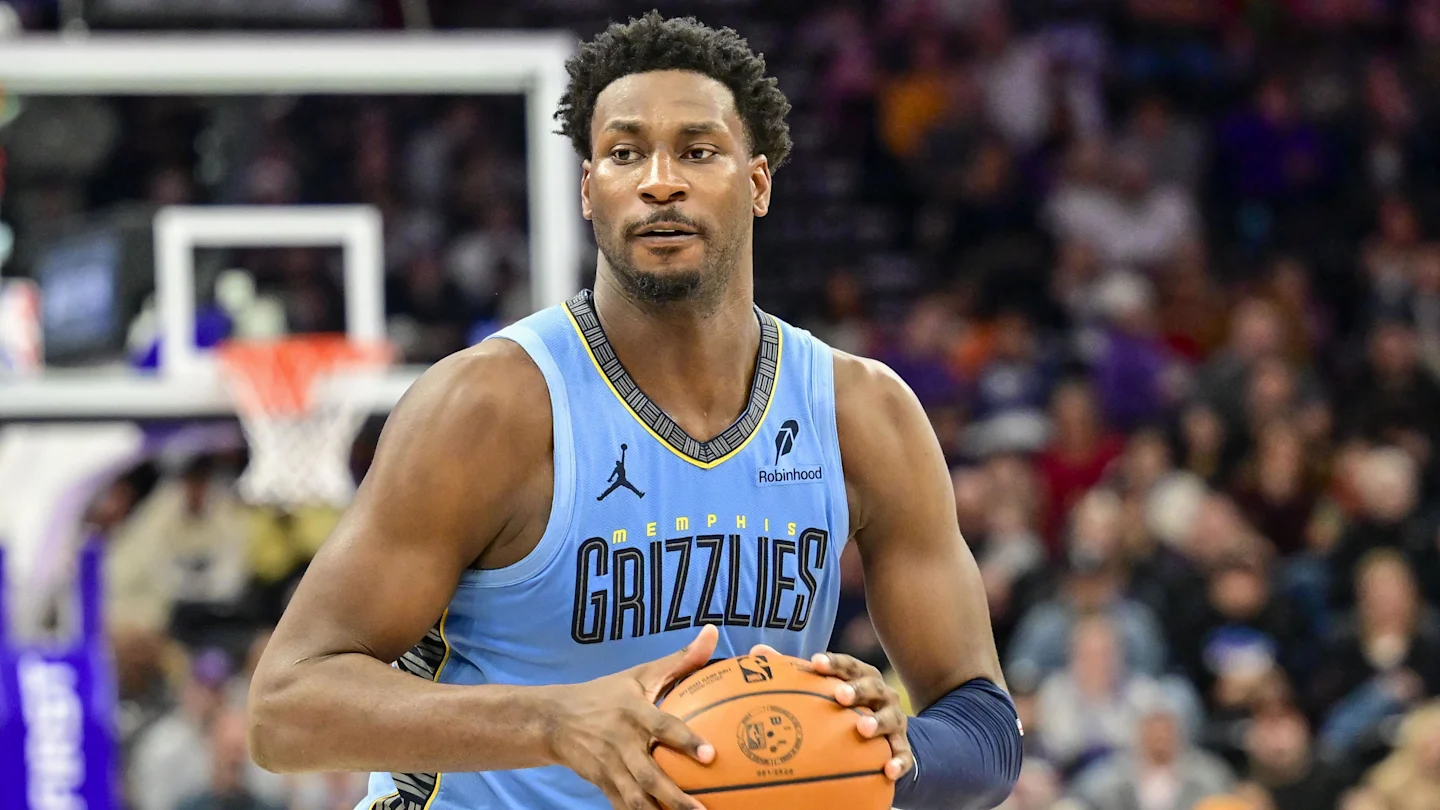 Jaren Jackson Jr.
The cost in draft capital is substantial but manageable. Two of the picks are in 2027, a draft projected to be relatively weak, and the third comes from Phoenix in 2031. Utah still retains control of most of its future selections, giving the franchise flexibility to build in the coming years. The main uncertainty is the top-eight protected 2026 pick owed to the Oklahoma City Thunder. Utah is projected at No. 6 in the lottery, making it likely safe, but management will need to monitor the team’s performance carefully to avoid losing the pick.
Financially, the Jackson addition increases salary obligations. Combining Jackson’s contract with Markkanen’s max deal and George’s upcoming rookie extension will limit Utah’s cap flexibility. Jackson’s injury history adds another risk factor, but big men who can shoot and protect the rim at an elite level are rare. While the Jazz are not yet championship contenders, the trade provides the tools to accelerate competitiveness and potentially rise in the Western Conference standings next season.
Memphis Grizzlies: Preparing for a Strategic Rebuild
For Memphis, the trade signals a commitment to rebuilding. The franchise began this process after trading Desmond Bane in the summer, and now mirrors the position Utah held after trading Mitchell and Gobert: a wealth of draft assets paired with a strong development system. The Grizzlies acquire young players in Hendricks and Clayton, along with high-value draft picks, setting the stage for a multi-year rebuild.
Each draft pick has unique potential. The 2027 Lakers pick could be in the 20s if Los Angeles remains competitive, but if the team struggles, it could provide a more valuable selection. The 2031 Suns pick is the long-term crown jewel, unprotected, potentially giving Memphis a high-value pick when Phoenix may be in transition following Devin Booker’s later career years. The “most favorable” 2027 pick between Utah, Cleveland, and Minnesota could yield a high-value selection depending on how those teams perform.
History shows that even drafts considered weak can produce high-level talent. Memphis has repeatedly demonstrated its ability to identify and develop late-round or overlooked prospects, giving the team a significant advantage in uncertain drafts. The franchise’s scouting and development systems are designed to extract value from any draft, allowing them to maximize the potential of these selections.
This trade also positions Memphis to move Ja Morant if an opportunity arises. With the influx of draft picks and young talent, retaining Morant is no longer essential. The team could execute a cap-friendly trade similar to the Trae Young deal, acquiring additional assets while using the new flexibility created by this trade.
Financial Flexibility and Strategic Advantage
A major component of this trade for Memphis is the $28.8 million trade exception it generates, the largest in NBA history. This exception allows the Grizzlies to absorb large contracts in exchange for draft picks or other assets, providing unmatched flexibility for future trades. Combined with young players and draft capital, Memphis is now positioned to execute a strategic rebuild over the next several seasons.
Although rebuilding will involve short-term struggles, Memphis’ front office has earned credibility through previous successes. The team previously built a contending core around Morant, Jackson, and Bane, and while injuries derailed that plan, the experience gives the organization valuable lessons for a more effective rebuild. Similar to the Thunder’s early challenges during the Kevin Durant era, Memphis can now leverage this period to set up long-term success.
Trade Grades and Implications
Utah Jazz: B
The Jazz gain a transformative player in Jackson, immediately addressing their defensive deficiencies. The Jackson-Kessler duo is one of the league’s premier rim-protecting tandems. Draft capital costs are manageable, and Utah retains control over most future selections. Financially, Jackson’s contract is a consideration, but his skill set is rare. Utah is signaling a move from rebuilding to competing, with potential to climb the Western Conference standings quickly.
Memphis Grizzlies: B+
Memphis secures young players, future draft picks, and unprecedented financial flexibility. While immediate competitiveness may decline, the franchise positions itself for a long-term rebuild. The Grizzlies’ scouting and development staff ensures the team can maximize the value of its selections, and the trade exception provides leverage in future negotiations. Memphis is prepared to turn a new page and build sustainably for the future.
The Jackson trade is a pivotal moment for both franchises. Utah accelerates its competitiveness, adding a rare combination of shooting and rim protection to its roster. Memphis embraces a strategic rebuild, acquiring draft capital, young players, and financial flexibility.
The trade’s impact will extend far beyond the current season, affecting roster construction, salary management, and draft strategy for both teams. Utah will focus on maximizing immediate potential, while Memphis uses its assets and trade exception to construct a sustainable future.
This marks the end of one era and the beginning of another. Utah is prepared to compete at a higher level, and Memphis is positioned to rebuild intelligently, making this one of the most consequential deals of the 2025-26 NBA season.