

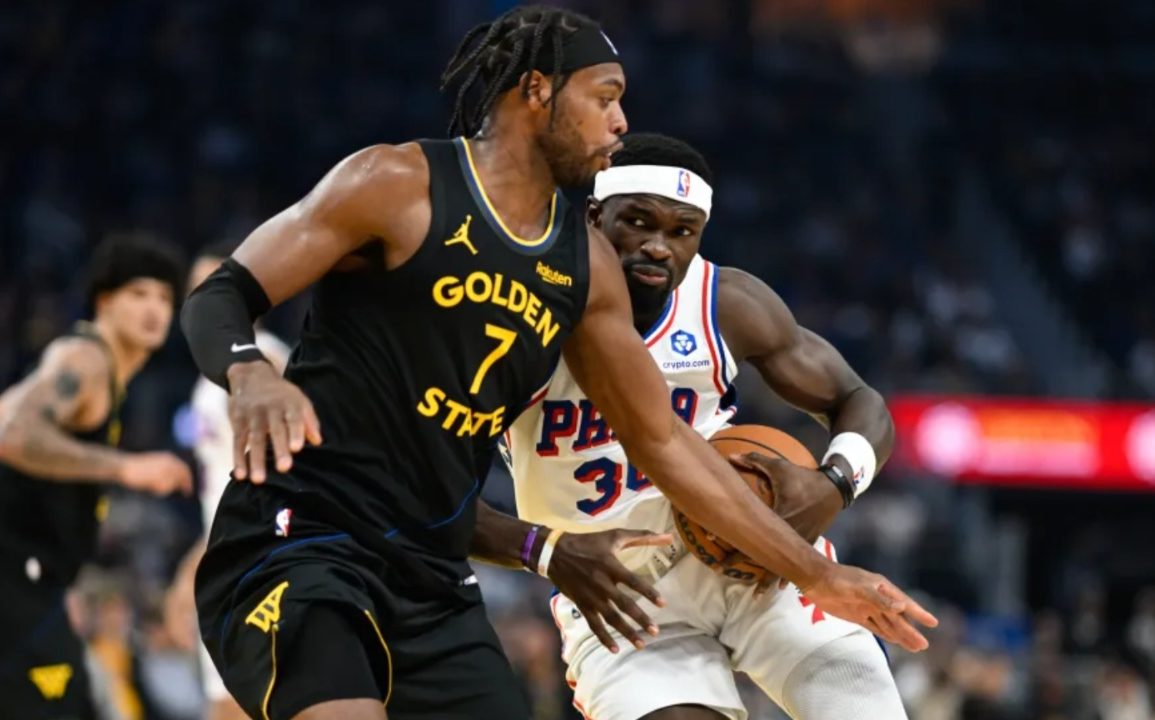
After five years in the Golden State, Jonathan Kuminga is finally moving on. The Warriors have traded him, along with Buddy Hield, to the Atlanta Hawks in exchange for Kristaps Porziņģis, signaling a major shift in Golden State’s roster strategy. The deal also marks a symbolic end to the Warriors’ pursuit of Giannis Antetokounmpo, as previous discussions involving Jimmy Butler’s max contract failed to materialize. The Hawks, meanwhile, continue a youth-focused rebuild, trading away their second former All-Star of the season after already moving on from Trae Young.
This trade reflects the very different paths both franchises are taking. For Golden State, it’s a low-risk, potentially high-reward move designed to give Stephen Curry a competitive supporting cast in the twilight of his career. For Atlanta, it’s about financial flexibility, roster experimentation, and building around a younger core.
Warriors Seek Immediate Impact While Hawks Prioritize Youth, Flexibility, And Long-Term Growth
Kuminga’s time in Golden State had been a story of untapped potential. Despite flashes of brilliance, he never fully fit into the Warriors’ system, and his trade value had declined. Summer discussions with Sacramento suggested a potential pick swap, but those talks collapsed once the Kings acquired De’Andre Hunter. Kuminga became little more than a salary-matching asset, and the uncertainty around landing Giannis forced the Warriors to pivot. Buddy Hield, with $3 million guaranteed for the next season, offered minimal long-term value.
Porziņģis presents an entirely different type of asset. At full strength, the Latvian big man provides spacing, rim protection, and a size advantage that Golden State has often lacked. Pairing him with Draymond Green and Al Horford addresses a long-standing team need: a center who can stretch the floor while defending the rim. His first eleven games this season suggested exactly that potential, with over 18 points per game and impressive on-off splits.
However, Porziņģis’ health remains the major question mark. He has struggled with POTS, an autoimmune disorder causing fatigue, rapid heartbeat, and dizziness, on top of a history of injuries. He has been largely ineffective in the last six games, leaving uncertainty about whether he can consistently contribute. Even so, the structure of the trade minimizes risk. Porziņģis is on an expiring contract, and no draft picks were surrendered. Golden State could part ways if his health fails to rebound, with minimal financial consequences.
A longer-term upside exists if Porziņģis accepts a team-friendly deal after the season. Even if re-signed for $10–15 million, the Warriors gain a potentially high-impact player without compromising future flexibility. In essence, the Warriors balanced risk and reward perfectly: a chance to improve the team now without endangering future rebuilding options. The trade also removes lingering Kuminga-related tension from the locker room, sending a clear message to Curry and fans that the franchise is actively seeking to compete in the near term.
The Hawks’ motivations were equally pragmatic. Porziņģis was originally seen as part of a long-term plan alongside Onyeka Okongwu, but his health concerns made committing to him financially risky. Atlanta prioritized financial flexibility over draft picks or long-term guarantees, a strategy that aligns with their post-Trae Young youth movement.
Kuminga represents a fresh opportunity. While he struggled to thrive in Golden State, Atlanta’s system under Quin Snyder less extreme than Golden State’s fast-paced, pass-heavy offense, may suit him better. Kuminga’s athleticism and skillset remain tantalizing, highlighted by a playoff series against Minnesota, where he averaged 24 points on highly efficient shooting. Snyder now has the chance to evaluate him as a potential core piece without the pressure of a guaranteed long-term contract.
Hield, meanwhile, provides short-term shooting depth and minimal financial risk. His contract, with only $3 million guaranteed next season, can be waived or stretched if necessary. Together, Kuminga and Hield give Atlanta flexibility, allowing it to experiment with its roster while maintaining cap space for future acquisitions or trades.
For the Hawks, the trade represents a low-risk, high-reward scenario. They essentially exchanged a player they were unlikely to retain for assets that can be tested in a new system or used in future transactions. With no guaranteed contracts over age 27, Atlanta has the freedom to rebuild and recalibrate around a young core, emphasizing development and financial prudence.
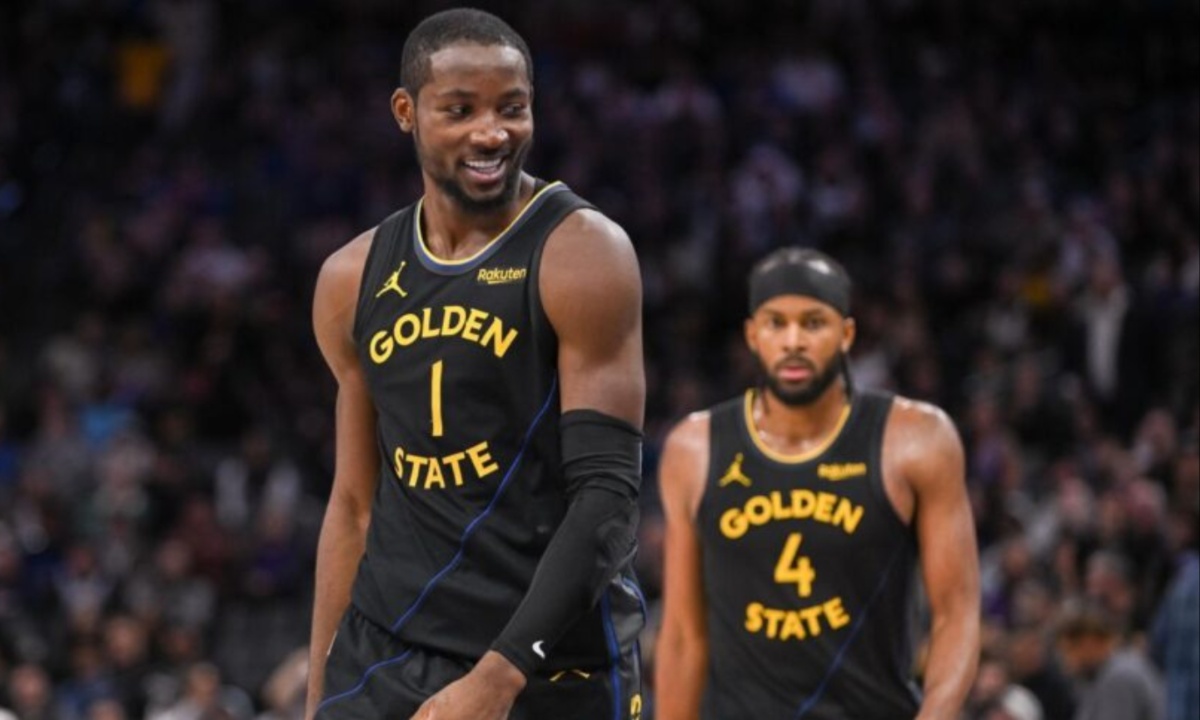 Warriors Trade Kuminga and Hield to Hawks for Porziņģis, Signaling Strategic Roster Shift
Warriors Prioritize Present Success While Hawks Focus On Youth Development And Flexibility
This trade exemplifies how different timelines and priorities shape NBA roster decisions.
Golden State: The Warriors are in win-now mode, trying to give Curry a competitive roster in the final phase of his prime. Porziņģis, even with health uncertainty, represents a meaningful upgrade over the expendable assets they traded away. By avoiding draft capital and keeping salaries manageable, Golden State maintains flexibility for future rebuilding while attempting to remain a playoff contender.
Atlanta: The Hawks, on the other hand, are focused on youth and flexibility. By moving Porziņģis for Kuminga and Hield, they preserve cap space, create opportunities to evaluate young talent, and maintain options for future trades. The franchise appears willing to experiment with short-term contracts and roster adjustments in the pursuit of a sustainable core built around younger players.
Both teams minimized downside risk. The Warriors took a potentially high-impact player on a short-term basis, while the Hawks acquired movable assets with developmental upside and financial flexibility. The move benefits each franchise relative to its timeline: Golden State maximizes immediate competitiveness, while Atlanta positions itself for longer-term growth.
Golden State and Atlanta Take Calculated Risks With Strategic Long-Term Trade Goals
Golden State: The primary risk is Porziņģis’ health. If he cannot perform consistently, the trade’s immediate impact diminishes. The reward, however, is a significant upgrade at center, better floor spacing, and rim protection, all without sacrificing long-term assets. The team can re-sign him for a team-friendly contract if desired, increasing the upside further.
Atlanta: The Hawks’ risk revolves around Kuminga’s fit and performance in a new environment. While the system differs from Golden State’s, Kuminga’s athleticism and potential scoring ability present upside. Hield’s low-cost contract allows flexibility, and both players can serve as trade assets if necessary. The reward is financial and roster flexibility, plus the chance to evaluate a former top draft pick in a new system.
For Golden State, the trade reinforces a strategy of cautious, calculated risk-taking to preserve competitiveness during Curry’s remaining prime years. It also maintains draft flexibility, allowing the franchise to plan for a post-Curry era without sacrificing the current window.
For Atlanta, the trade is consistent with a youth-first, financially flexible rebuild. The organization can experiment with Kuminga, evaluate Hield, and maintain cap space to acquire reliable talent at center or guard positions in future offseasons.
The Kuminga trade closes one chapter for the Warriors while opening a new one for both franchises. Golden State takes a calculated gamble on Porziņģis, a potentially transformative player with health concerns, while retaining the flexibility to pivot if necessary. Atlanta receives two assets in Kuminga and Hield that offer upside, flexibility, and future trade potential. Both teams executed low-risk, high-reward strategies aligned with their respective timelines: Golden State chasing near-term relevance for Curry, and Atlanta committing to youth development and financial prudence.
While Porziņģis’ future remains uncertain, the trade provides both franchises with opportunities to improve in ways consistent with their long-term goals, balancing present competitiveness with future flexibility. For Golden State, it’s a chance to show Curry they are still all-in. For Atlanta, it’s a step toward a sustainable, young core capable of growth and strategic maneuvering in upcoming seasons.