Categories
FEATURED

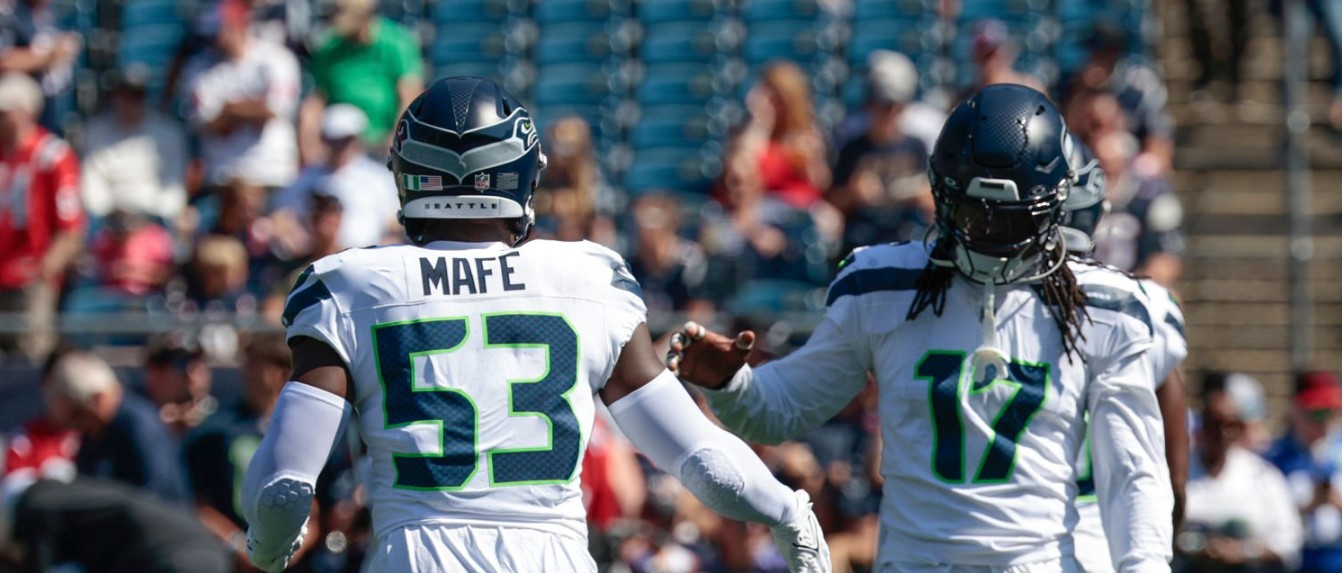
Seattle Seahawks’ Play Calling: Is It Holding the Team Back?

The Seattle Seahawks have long been a team defined by their gritty play, defensive strength, and ability to make big plays when it matters most. However, in recent years, one of the biggest criticisms surrounding the franchise has been its playcalling.

Many fans and analysts have begun to question whether conservative decision-making and a lack of offensive innovation are preventing the team from reaching its full potential.

A Stubborn Approach?

One of the main concerns surrounding the Seahawks’ play calling has been its predictability.

Under former offensive coordinator Shane Waldron, and even now under new leadership, the offense has often relied on a run-heavy approach, sometimes at the expense of maximizing the talents of their star quarterback and receiving corps.

Despite having dynamic playmakers like DK Metcalf and Tyler Lockett, the playbook has not always allowed for explosive downfield opportunities.

In key moments, particularly on third downs and in late-game situations, Seattle has often leaned on conservative play calling rather than trusting its quarterback to make a game-changing play.

This philosophy has led to stalled drives and has prevented the offense from developing a rhythm against high-caliber defenses. While establishing the run is important, an over-reliance on it can become a liability, especially when defenses anticipate it.

The Quarterback Conundrum

The play calling debate also extends to the quarterback position. Since the departure of Russell Wilson, the Seahawks have relied on Geno Smith to lead the offense.
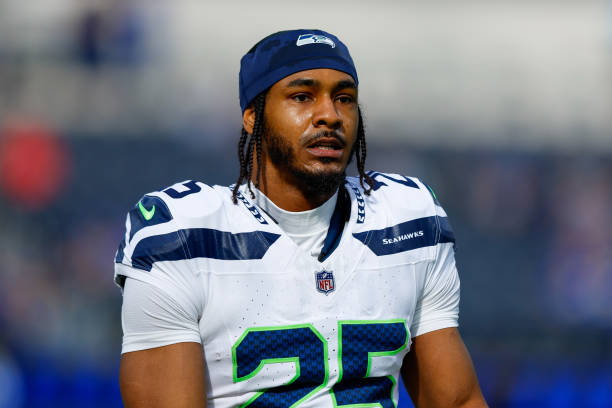
Seattle’s offense has weapons, but is the playbook holding them back?

While Smith has proven to be a capable starter, the coaching staff’s approach often seems designed to limit mistakes rather than unleash his full potential.

At times, he has shown flashes of brilliance, but questionable play calling has often led to conservative checkdowns rather than aggressive, game-breaking plays.

A more progressive offensive scheme could take better advantage of Smith’s skill set, particularly in utilizing play-action and spreading the field to create mismatches.

If Seattle hopes to compete with the top teams in the NFC, they must develop a more dynamic approach that adapts to game situations rather than sticking to a rigid philosophy.

Defensive Play Calling: Strength or Weakness?

While much of the criticism falls on the offensive side, defensive play calling has also been inconsistent. Head coach Pete Carroll has always prioritized a strong defensive identity, but in recent seasons, the team has struggled with getting key stops.

The lack of aggressive blitz packages and an over-reliance on soft zone coverage have allowed opponents to exploit the middle of the field and sustain long drives.

To regain their defensive dominance, Seattle must find a way to be more unpredictable.

Whether that means dialing up more blitzes, adjusting coverage schemes, or taking more risks in crucial moments, a more aggressive approach could be the key to turning the defense into a formidable unit once again.

As the Seahawks continue to fight for playoff positioning, the question remains: Will the coaching staff make the necessary adjustments to elevate the team?

If the current trends continue, Seattle risks becoming a team that is good, but not great—stuck in a cycle of mediocrity due to outdated and overly cautious play calling.

To truly contend, the Seahawks must embrace innovation on both sides of the ball. Whether that means adjusting the passing attack, trusting their quarterback in high-pressure situations, or finding ways to generate more defensive pressure, the key to success lies in adaptability.

If they fail to do so, the criticism will only grow louder, and the team may find itself falling behind in an increasingly competitive NFC landscape.
Categories
NFL (American Football)

Dolphins’ Trade-Heavy Strategy Falls Short as Chiefs and Eagles Thrive Through Drafting

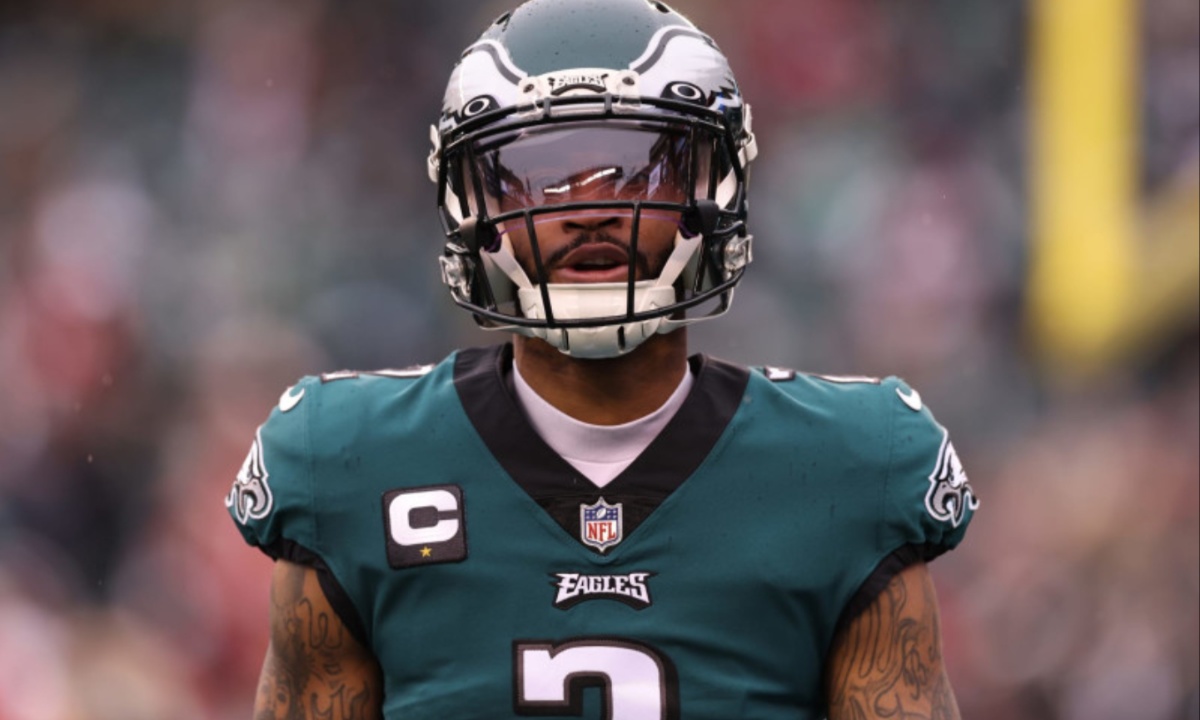
The Miami Dolphins’ recent strategy of trading draft picks for established players hasn’t yielded the desired results. This approach contrasts sharply with the Kansas City Chiefs and Philadelphia Eagles, who have built their success through strong drafting. Both teams, now meeting in the Super Bowl for the second time in three years, rely heavily on homegrown talent rather than expensive free-agent signings.

While the Eagles have key acquisitions like Saquon Barkley and A.J. Brown, their core remains drafted players. Fourteen of their starters in their dominant win against Washington came through the draft, including recent selections Quinyon Mitchell and Cooper DeJean. Similarly, the Chiefs featured 15 homegrown starters in their playoff win, reinforcing the importance of hitting on draft picks for sustained competitiveness.

Kansas City’s Blueprint: Draft and Develop

Kansas City’s dominance is not just about Patrick Mahomes but also their ability to develop talent. The Chiefs lost stars like Tyreek Hill and L’Jarius Sneed but remained competitive due to strong drafting. Their 2022 draft class alone produced five key starters, showcasing how teams can replace departing veterans with young, cost-controlled talent instead of relying on high-priced signings.

Dolphins’ Trade-Heavy Strategy Falls Short as Chiefs and Eagles Thrive Through Drafting
Dolphins’ Trade-Heavy Strategy Falls Short as Chiefs and Eagles Thrive Through Drafting (NFL)

Miami has taken the opposite approach, often sacrificing picks for established players. The 2022 draft saw them trade away key selections for Tyreek Hill, leading to a weak class that produced no significant contributors. A similar pattern followed in 2023, where only De’Von Achane has made an impact. The lack of young talent forces Miami to continually rely on short-term veteran fixes, preventing long-term stability.

Missed Opportunities in Recent Drafts

The Dolphins’ 2020 draft, which could have provided a solid foundation, has largely been a disappointment. While Tua Tagovailoa and Austin Jackson remain, injuries cloud their futures. Other picks like Noah Igbinoghene and Raekwon Davis never lived up to expectations. Even their strong 2021 class, featuring Jaylen Waddle and Jaelan Phillips, wasn’t enough to offset the missteps. Miami’s lack of homegrown depth has been costly.

The Dolphins might be correcting course, as their 2024 draft class shows promise with Chop Robinson and Jaylen Wright. With a crucial 2025 draft ahead, Miami must resist the urge to trade picks for short-term gains. GM Chris Grier and coach Mike McDaniel face a pivotal decision: continue chasing immediate success or build sustainably like Kansas City and Philadelphia. The long-term solution lies in the draft, not high-profile trades.

Categories
Basketball

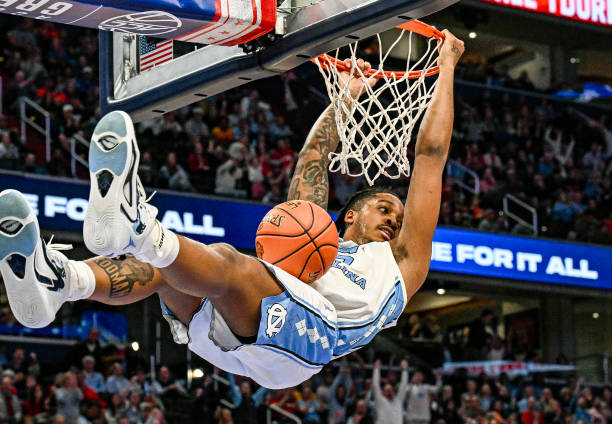
North Carolina’s Offensive and Defensive Struggles Put NCAA Tournament Hopes at Risk

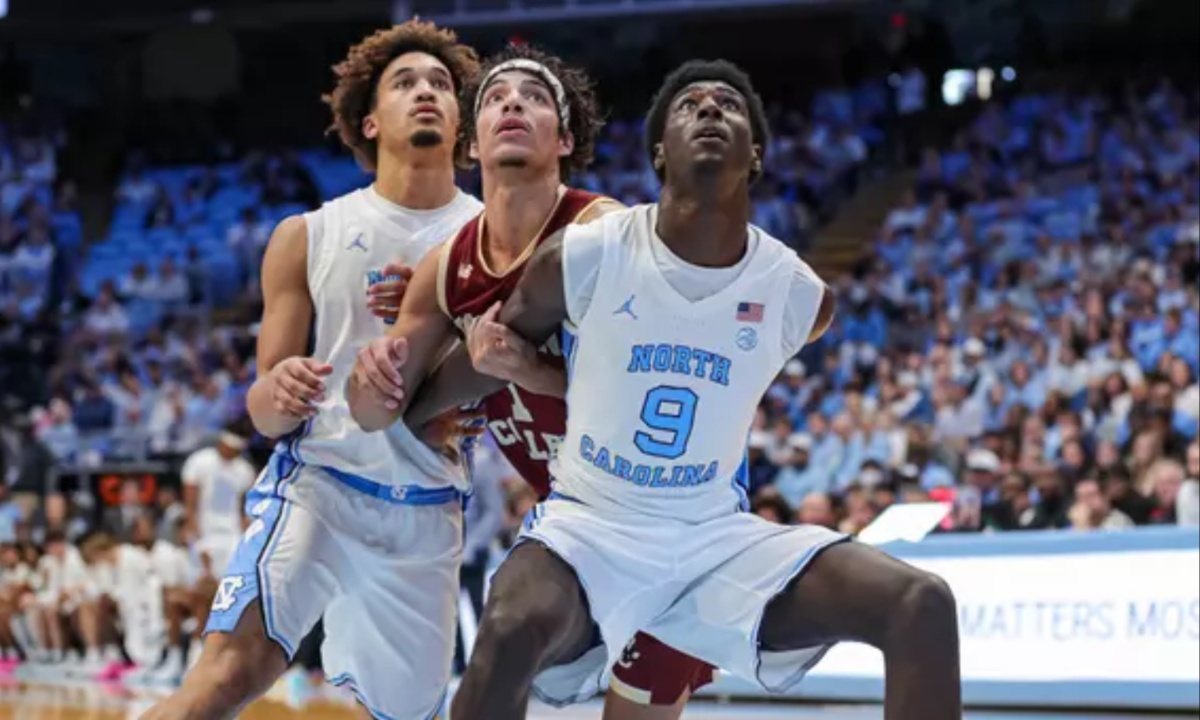
North Carolina barely escaped a third straight ACC loss, defeating Boston College in overtime. This win was crucial after recent narrow losses to Stanford and Wake Forest, both by just one point. However, it’s concerning for a program of UNC’s caliber to struggle against teams ranked outside the top-70 in KenPom.

UNC’s offense has been underwhelming this season, struggling both in the paint and on the perimeter. The absence of a true two-way center to replace Armando Bacot has exposed flaws. Jalen Washington and Ven-Allen Lubin, stepping into Bacot’s shoes, lack the same effectiveness, hurting the offensive flow and limiting opportunities for key players like RJ Davis and Elliot Cadeau.

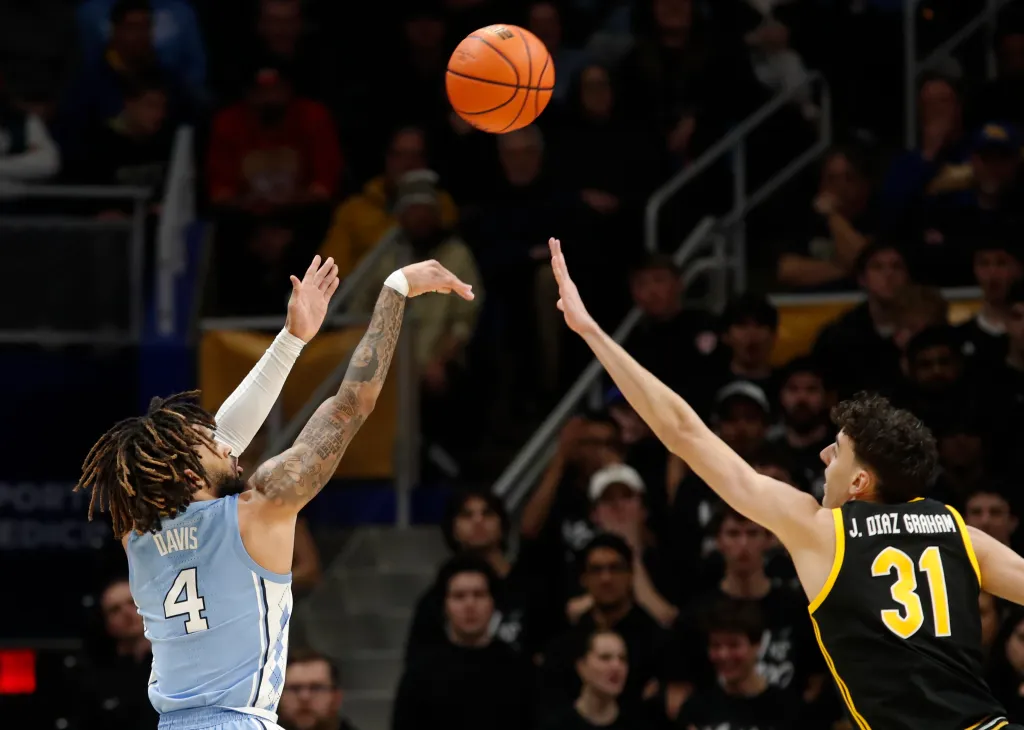
Three-point shooting has been a significant issue for the Tar Heels, with UNC ranking 243rd nationally at just 32.3%. In ACC play, that number has worsened to 31.3%, placing them 14th in the conference. Davis, shooting a career-low 29.5%, and other key players like Cadeau and Seth Trimble have contributed to this disappointing perimeter performance.

North Carolina's Offensive and Defensive Struggles Put NCAA Tournament Hopes at Risk
North Carolina’s Offensive and Defensive Struggles Put NCAA Tournament Hopes at Risk (NCAA)

Struggles Inside and Offensive Rebounding Hamper Scoring Opportunities

The lack of a strong inside presence has been detrimental to UNC’s offense. Without Bacot’s rebounding and post-scoring, the team has struggled in the paint. Additionally, UNC ranks 252nd nationally in offensive rebounding rate, failing to generate second-chance opportunities. This has significantly limited their ability to capitalize on missed shots and maintain consistent offensive pressure.

Despite these offensive struggles, there are potential fixes. Ian Jackson has had an impressive season, with a true shooting percentage above 60% and the best three-point shooting on the team. UNC could also benefit from a resurgence in Cade Tyson’s shooting. Although Tyson has struggled this season, his career 43% three-point shooting could be the key to improving the team’s perimeter game.

North Carolina’s defense has also regressed this season. After being ranked in the top-10 for defensive efficiency last year, UNC now sits just inside the top-50. The loss of versatile defenders like Harrison Ingram has weakened the team’s defense. The smaller backcourt, along with a lack of defensive depth in the frontcourt, has contributed to the team’s defensive struggles.

North Carolina's Offensive and Defensive Struggles Put NCAA Tournament Hopes at Risk
North Carolina’s Offensive and Defensive Struggles Put NCAA Tournament Hopes at Risk (NCAA)

Defensive Glass a Concern as Rebounding Numbers Decline

Rebounding has also been a key area of concern for UNC on the defensive end. Last season, the Tar Heels ranked 10th nationally in defensive rebounding; this year, they’ve dropped to 76th. The team’s inability to secure defensive rebounds has given opponents more opportunities, further hindering their defensive efficiency and overall performance.

Carolina’s small-ball lineups have not provided the necessary defensive stability. With small guards like Davis and Cadeau, the team has struggled against larger opponents. The lack of a defensive-minded power forward to replace Ingram has exacerbated this issue. As a result, UNC’s defensive rating has suffered, leading to more points allowed and less effective defensive schemes.

UNC’s hopes of making the NCAA Tournament are still alive, but their next few games are critical. With two important Quad 1 matchups against Pitt and Duke, the Tar Heels need at least one win to stay in contention for the tournament. Currently sitting at 1-7 in Quad 1 games, they have limited opportunities left to improve their resume.

The next week is crucial for North Carolina’s NCAA Tournament chances. The Tar Heels will face two tough Quad 1 opponents in Pitt and Duke. With just four remaining Quad 1 opportunities, including two games against the Blue Devils, UNC must secure a win to stay in the tournament race and avoid missing the NCAA Tournament for the second time in three years.

Categories
NHL (National Hockey League)

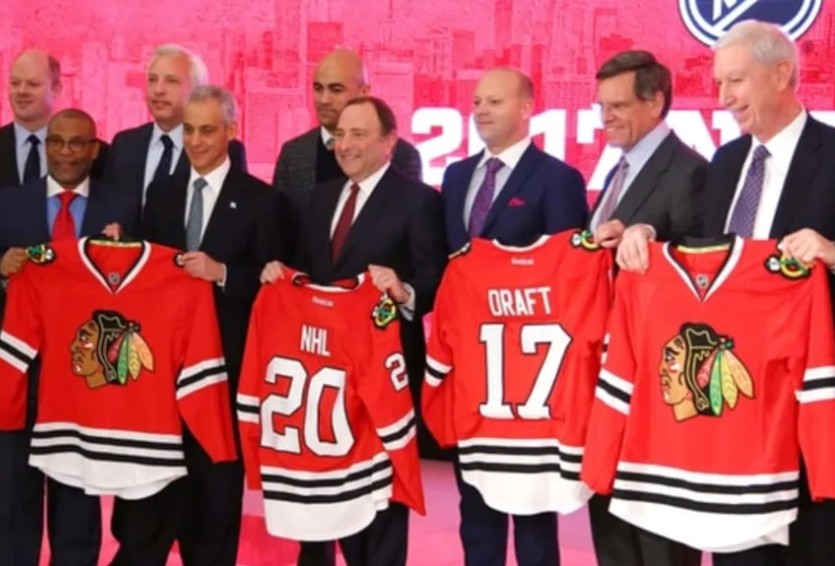
The Chicago Blackhawks’ Rebuild Plan: Is It Moving Too Slowly?

The Chicago Blackhawks are in the midst of a long-term rebuild, a process that began in earnest following the departure of franchise icons like Patrick Kane and Jonathan Toews.

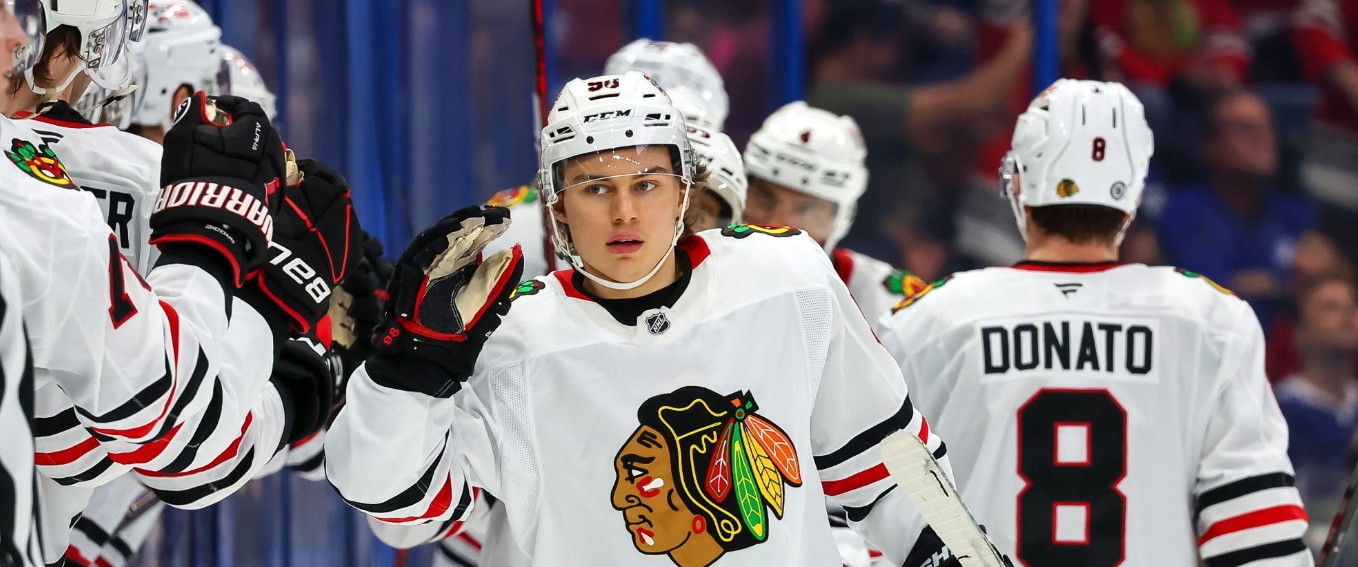
With the selection of Connor Bedard as the first overall pick in the 2023 NHL Draft, expectations soared for the future of the organization.

However, as the 2024-25 season unfolds, many fans and analysts are beginning to question whether the rebuild is progressing at an acceptable pace or if the organization is moving too slowly.

The Plan: Building Through Youth and Patience

The Blackhawks’ front office, led by general manager Kyle Davidson, has made it clear that their rebuild is centered on patience, youth development, and smart asset management.

The team has acquired numerous draft picks and young prospects through trades, focusing on laying a strong foundation rather than seeking quick fixes.

Connor Bedard’s arrival injected new energy into the franchise, but the Blackhawks’ strategy has been to surround him with complementary young talent rather than aggressively pursuing star players in free agency.

The organization has also emphasized the importance of player development, allowing prospects to grow in the AHL or other leagues before transitioning to the NHL.

The Concerns: Is It Too Cautious?

While the Blackhawks’ patient approach makes sense for sustained success, some critics argue that the process is moving too slowly.

Patience or stagnation? The Blackhawks’ front office takes the long road to success—will it pay off?

The team remains near the bottom of the standings, and while Bedard has shown flashes of brilliance, he lacks the supporting cast necessary to accelerate the rebuild. Many fans hoped that the team would make more significant moves in free agency or via trade to help build around their young star.

Another point of concern is whether the current development system is effectively preparing prospects for the NHL. Some highly touted young players have struggled to make an impact, raising questions about the coaching staff’s ability to transition them into key roles.

Bright Spots and Future Prospects

Despite concerns, there are reasons for optimism. In addition to Bedard, the Blackhawks have a promising group of young players, including Kevin Korchinski, Frank Nazar, and Lukas Reichel.

The organization has also stockpiled draft picks, ensuring that they have opportunities to bring in even more high-end talent over the next few seasons.

Additionally, the Blackhawks’ patient approach ensures they won’t fall into the trap of rushing their rebuild, a mistake that has plagued other franchises in the past.

By carefully managing their salary cap and allowing young players to develop properly, the team hopes to build a sustainable contender rather than a short-lived playoff team.

The Verdict: A Test of Patience

The Chicago Blackhawks’ rebuild is undoubtedly a long-term project, and while some fans may be frustrated with the pace, the organization appears committed to a methodical approach.

The next few seasons will be crucial in determining whether their patience pays off or if adjustments need to be made.

If Bedard continues to develop into a generational superstar and the team effectively surrounds him with talent, the Blackhawks could be poised for long-term success.

However, if the front office remains overly cautious and fails to make key acquisitions at the right time, the rebuild may extend longer than necessary, potentially wasting Bedard’s prime years.

For now, Blackhawks fans must continue to balance optimism with patience, hoping that the foundation being built today will lead to a championship-caliber team in the near future.

Categories
NHL (National Hockey League)

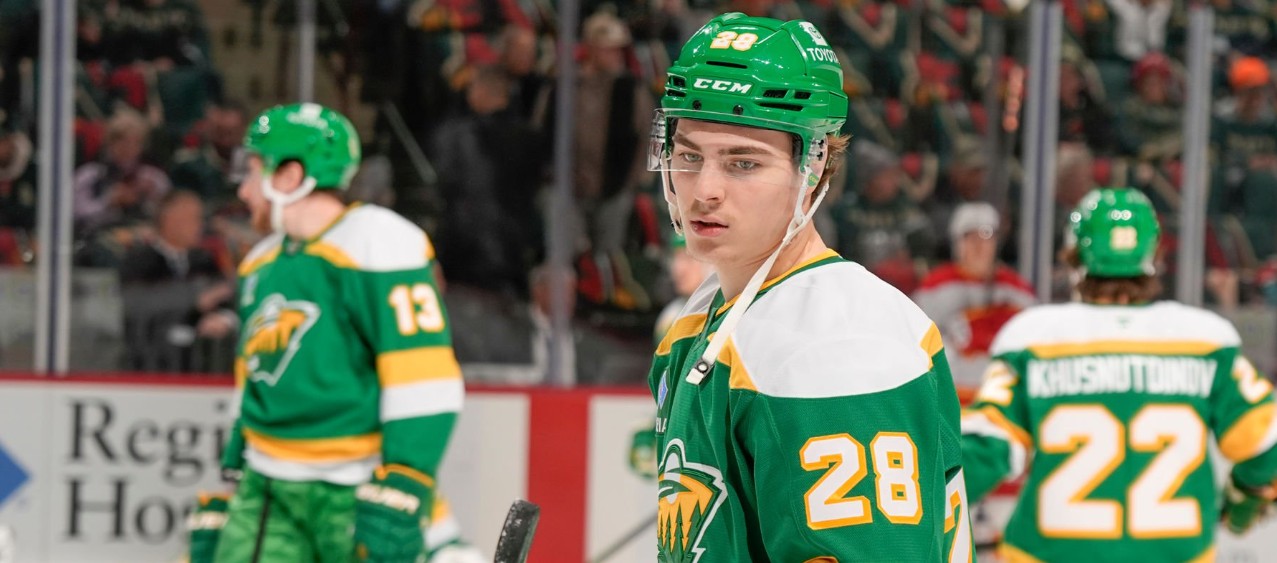
Minnesota Wild: Are They Destined to Be Just Another Average NHL Team?

For years, the Minnesota Wild have struggled to shed the label of mediocrity. Despite flashes of promise and a loyal fan base, the franchise has been unable to take the next step toward becoming a true Stanley Cup contender.

The question remains: Are the Wild doomed to remain just another middle-of-the-pack NHL team, or is there still hope for a breakthrough?

A History of Consistency—For Better or Worse

Since their inception in 2000, the Wild have been a model of consistency—just not in the way their fans would prefer.

While they have regularly made the playoffs, deep postseason runs have been rare. Their best effort came in 2003 when they reached the Western Conference Finals, only to be swept by the Anaheim Ducks.

Since then, Minnesota has been trapped in a cycle of early playoff exits. They are good enough to compete but not elite enough to challenge for a championship.

This pattern has left many wondering whether they are simply destined to be an average team in a league where only the top contenders truly matter.

Roster Strengths and Limitations

Minnesota has built a respectable roster in recent years, anchored by superstar winger Kirill Kaprizov.

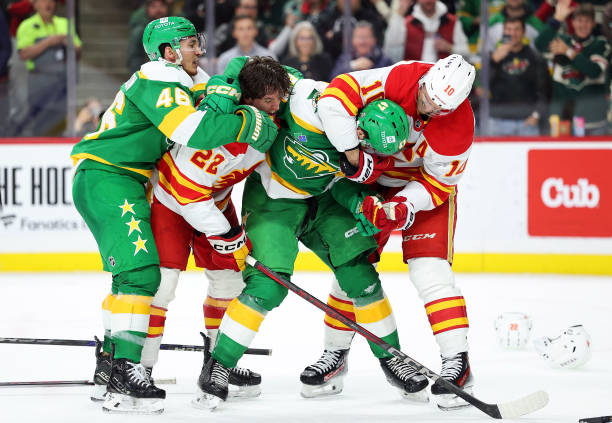
Good, but not great—can the Wild break free from NHL mediocrity?

His offensive talent and playmaking ability have provided a spark that the Wild have sorely lacked in the past. Alongside him, players like Joel Eriksson Ek and Mats Zuccarello offer solid support, and goaltender Filip Gustavsson has shown flashes of brilliance between the pipes.

However, despite their individual talent, the Wild struggle with depth issues and a lack of elite-level defense.

While their blue line features capable players such as Jared Spurgeon and Jonas Brodin, they have yet to establish a true shutdown pairing that can dominate in the postseason.

The lack of a true No. 1 center has also plagued the team, making it difficult for them to match up against elite squads like the Colorado Avalanche or Vegas Golden Knights.

Cap Struggles and Future Outlook

One of the biggest roadblocks for the Wild is their salary cap situation. The team is still dealing with the financial consequences of buying out Zach Parise and Ryan Suter’s contracts in 2021, which has limited their flexibility in adding key pieces to the roster.

These cap constraints have forced Minnesota to rely on younger players and bargain signings rather than acquiring high-impact talent.

That said, there is hope for the future. The Wild have a strong prospect pool, featuring players like Marco Rossi and Brock Faber, who could develop into crucial pieces of the team’s core. If these young players reach their potential, Minnesota could finally break free from mediocrity.

What’s Next for the Wild?

If the Wild want to move beyond their “just average” status, they will need to make bold decisions. Whether it’s making a blockbuster trade, finding a true top-line center, or adjusting their defensive strategy, something has to change for them to become a true contender.

For now, Minnesota finds itself stuck in the middle of the NHL pack—too good to rebuild but not quite good enough to win it all.

Unless they can make the necessary moves to take the next step, they may remain where they’ve been for years: a solid, respectable team, but not one that strikes fear into their opponents.

Categories
NFL (American Football)

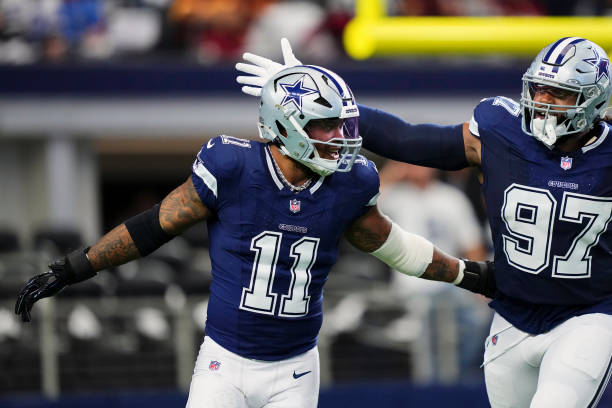
Dallas Cowboys’ Billion-Dollar Brand: More Flash Than Substance?

The Dallas Cowboys are not just a football team; they are an empire. With an estimated value of over $9 billion, they are the most valuable sports franchise in the world, surpassing even global powerhouses like Real Madrid and the New York Yankees.

Jerry Jones’ marketing genius has transformed the Cowboys into a brand that extends far beyond the gridiron, making them a financial juggernaut. However, as their fan base continues to grow worldwide, one question remains: Is their reputation built more on spectacle than on success?

The Business of the Star

When Jerry Jones purchased the Cowboys for $140 million in 1989, few could have predicted the meteoric rise that would follow.

Today, the Cowboys boast sponsorship deals with major corporations like AT&T, Pepsi, and Ford, while their iconic stadium, AT&T Stadium, is one of the most extravagant in sports history.

With a state-of-the-art facility, a massive merchandising empire, and lucrative TV deals, the Cowboys have mastered the art of making money.

Social media engagement, high-profile marketing campaigns, and a reputation as “America’s Team” have further solidified their standing.

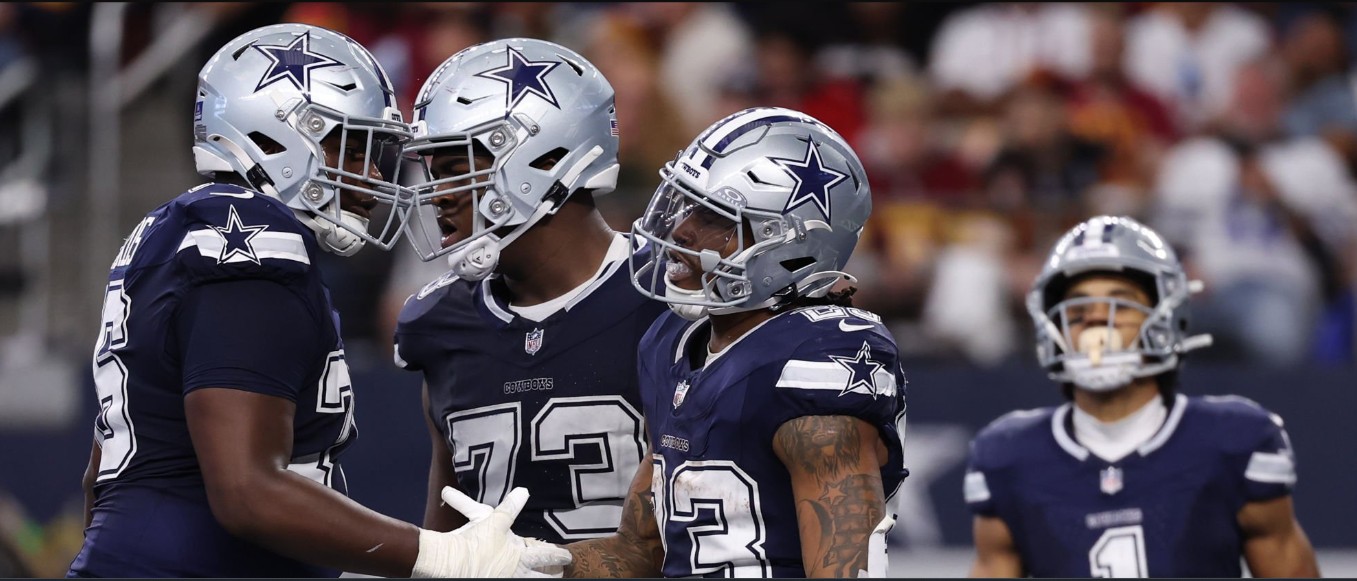
America’s Team or America’s Illusion? The Cowboys shine in business, but not in championships.

Whether they win or lose, their merchandise sales remain sky-high, and their Thanksgiving Day game consistently ranks as one of the most-watched regular-season broadcasts.

But while the Cowboys dominate off the field, their on-field success tells a different story.

A Dynasty That Faded

The Cowboys’ last Super Bowl victory came in the 1995 season, an era when Troy Aikman, Emmitt Smith, and Michael Irvin dominated the NFL. Since then, the franchise has endured nearly three decades of postseason disappointments.

Despite multiple promising seasons and a wealth of talent, the team has struggled to advance past the divisional round, frustrating a fan base that craves a return to glory.

Dak Prescott, Micah Parsons, and CeeDee Lamb represent a core capable of winning, but year after year, expectations outweigh results.

In contrast, teams like the Kansas City Chiefs and the San Francisco 49ers have built their dominance through consistent playoff success, leaving the Cowboys behind despite their financial supremacy.

The “America’s Team” Illusion?

The Cowboys’ nickname, “America’s Team,” originated from their widespread popularity in the 1970s. But is it still relevant today?

Their inability to win when it matters has led critics to argue that the team is more about entertainment than excellence.

Even so, they remain a ratings powerhouse. Their matchups—especially against rivals like the Philadelphia Eagles and the Green Bay Packers—often draw record-breaking television numbers.

The Cowboys have mastered staying relevant, ensuring they dominate conversations even in the offseason.

Some argue that their appeal is more about branding than football. The star logo, the prestige, and the spectacle that keeps fans invested, despite the lack of championship success. But for diehard supporters, the flash means little if it doesn’t translate into Lombardi Trophies.

Business vs. Football

The Dallas Cowboys’ billion-dollar empire is undeniable. Their financial dominance, global recognition, and marketing prowess make them the most successful business in sports.

However, football is not just about balance sheets and brand deals—it’s about winning championships.

Until the Cowboys reclaim their former dominance on the field, they risk being remembered as a team that excels at making headlines but falls short where it counts. For now, they remain a brand built on nostalgia, hope, and hype—but not necessarily results.

Categories
NBA (Basketball)

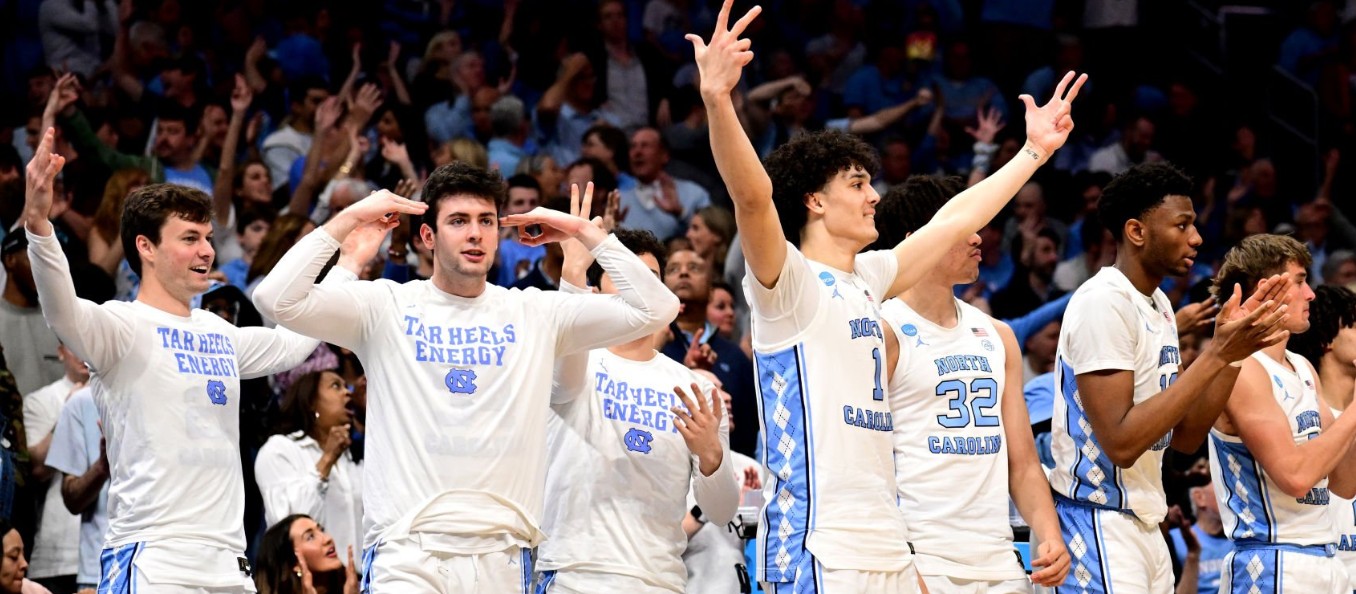
North Carolina Tar Heels: Is Their Coaching Philosophy Outdated?

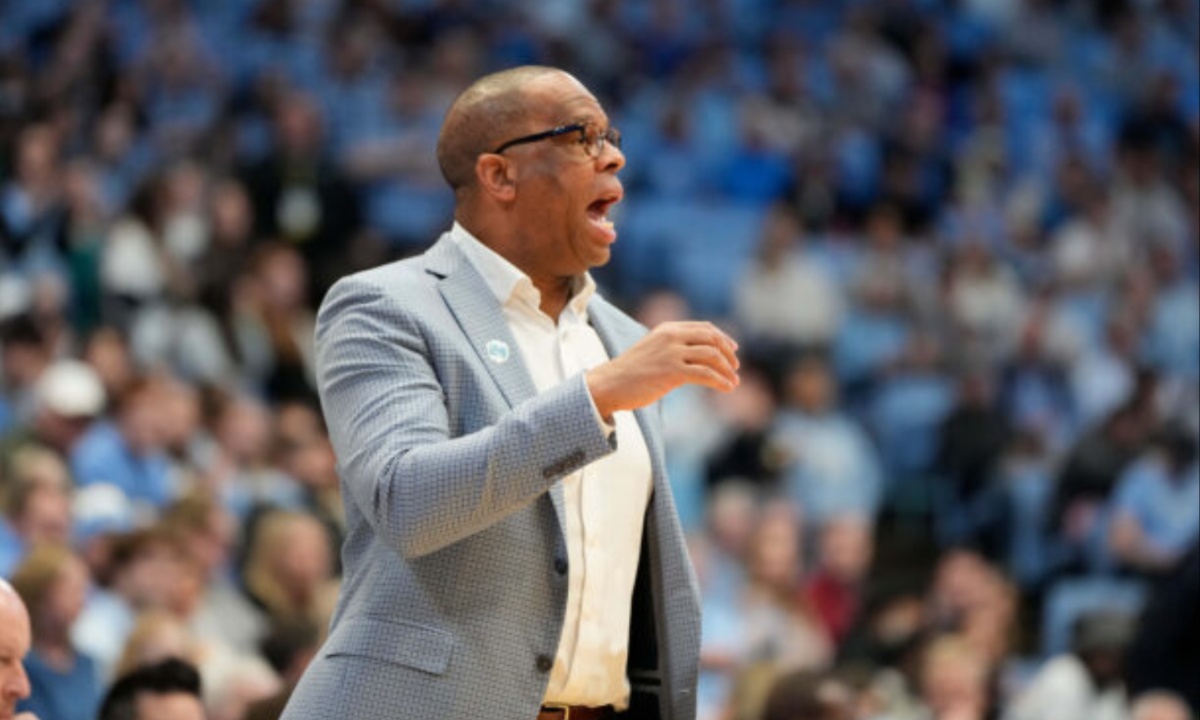
The North Carolina Tar Heels have long been one of college basketball’s most storied programs. From the legendary Dean Smith to Roy Williams and now Hubert Davis, the Tar Heels have maintained a tradition of excellence built on fundamentals, teamwork, and player development.

However, as modern college basketball evolves, questions have emerged about whether UNC’s coaching philosophy is keeping up with the times.

The Tar Heel Way: A Legacy of Success

The Tar Heels’ coaching philosophy has historically emphasized fast-paced play, strong rebounding, and a commitment to half-court execution. Under Smith and Williams, UNC dominated with a mix of structured offense and freedom for players to make plays within the system.

This approach produced multiple national championships and NBA-ready talent, including Michael Jordan, Vince Carter, and more recently, Cole Anthony.

However, in today’s game, where analytics, perimeter shooting, and position less basketball dominate, some critics argue that UNC’s style is struggling to adapt.

Struggles Against Modern Basketball Trends

One of the biggest concerns for UNC’s coaching staff is their traditional reliance on a dominant inside presence. While post play remains valuable, the emphasis in college basketball has shifted toward three-point shooting, spacing, and defensive versatility.

The game is evolving—is UNC adapting fast enough? A look at the Tar Heels’ coaching philosophy and its impact on their future.

The Tar Heels have historically ranked near the bottom in three-point attempts compared to other top programs, which has hurt them against teams that stretch the floor.

Moreover, player retention and the rise of the transfer portal have changed roster-building strategies. Programs like Duke and Kansas have embraced a mix of one-and-done talents and experienced transfers, while UNC has occasionally struggled with roster continuity. This has led to inconsistent performances, particularly against teams with more modern offensive schemes.

Hubert Davis’ Challenge: Modernizing While Preserving Tradition

Hubert Davis took over in 2021 with the goal of continuing UNC’s legacy while making necessary adjustments. In the 2021-22 season, he led the Tar Heels to the national championship game, proving that the program could still compete at the highest level.

However, in the following season, UNC missed the NCAA Tournament entirely, raising concerns about whether Davis’ coaching philosophy can sustain long-term success.

Davis has made some efforts to adapt. He has encouraged more three-point shooting, especially from his big men, and has adjusted the team’s pace at times.

But compared to schools like Alabama, Houston, or Purdue, which fully embrace modern trends, UNC still seems to be playing catch-up.

Can UNC Evolve Without Losing Its Identity?

The key question is whether the Tar Heels can balance their historic philosophy with the demands of modern basketball. The pressure to win in today’s landscape is higher than ever, and fans are eager to see adjustments that bring the program back to national dominance.

The good news is that UNC remains a top recruiting destination, and with the right mix of talent and coaching innovation, they can return to their championship-contending ways.

Davis and his staff must continue evolving, utilizing analytics, and adapting their system to fit the modern game.

If they can do that while maintaining the values that made UNC a powerhouse, the Tar Heels will remain a force in college basketball. If not, they risk falling behind in an ever-changing landscape.

Categories
MLB (Baseball)

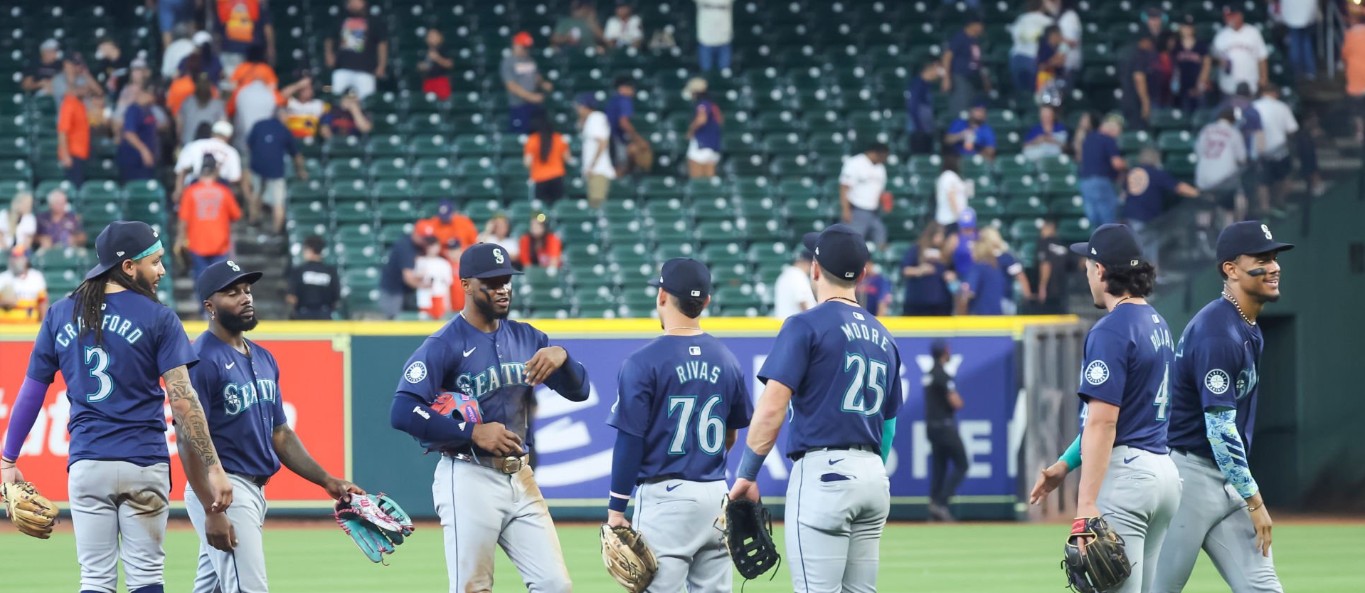
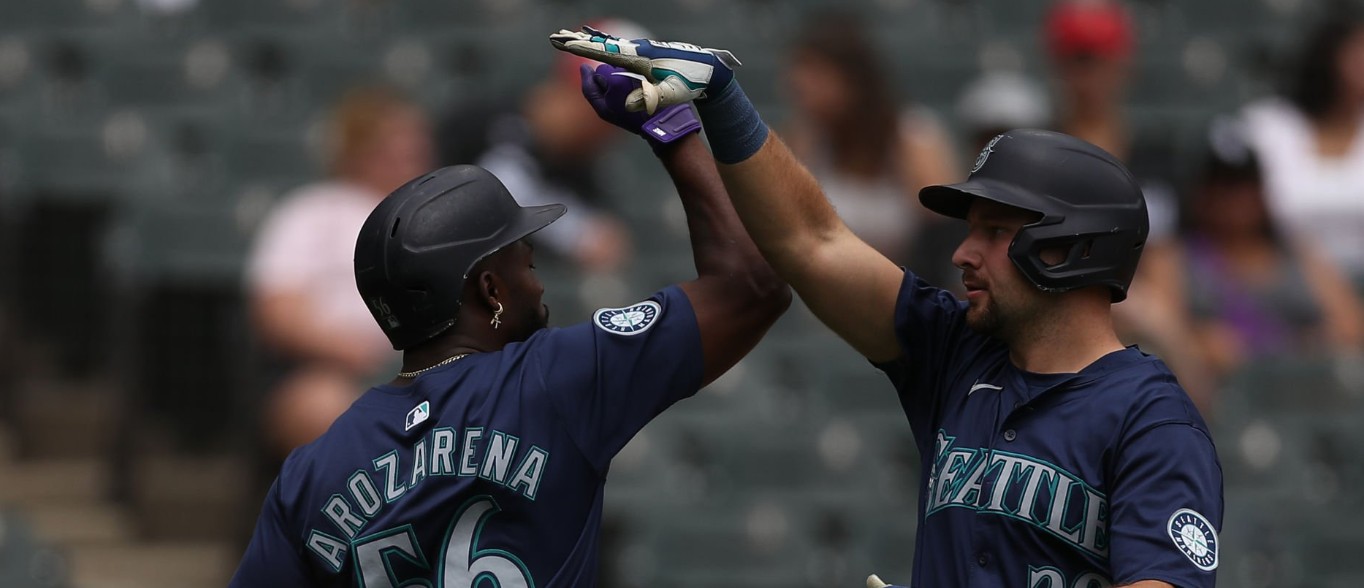
Why the Seattle Mariners Are Failing to Capitalize on Their Young Talent

The Seattle Mariners entered the 2025 MLB season with optimism fueled by a roster rich in young, promising players. Names like Julio Rodríguez, George Kirby, and Jarred Kelenic headline a group that represents the future of the franchise.

Yet, despite the potential, the Mariners have struggled to translate this talent into consistent success. Several factors contribute to their inability to capitalize on their youth, ranging from organizational mismanagement to on-field execution issues.

Inconsistent Player Development

One of the most glaring issues facing the Mariners is inconsistent player development. While prospects like Rodríguez have blossomed into stars, others have stagnated or regressed. Kelenic, for instance, has shown flashes of brilliance but has struggled to maintain consistency at the plate.

The organization’s track record with nurturing top-tier talent has been mixed at best, leaving many to question whether the Mariners have the right infrastructure in place to maximize the potential of their young players.

A strong player development system is critical for sustaining success in Major League Baseball, especially for a team like Seattle, which cannot rely solely on free-agent acquisitions. The lack of a cohesive plan to transition players from promising prospects to reliable major leaguers is a recurring problem that continues to hinder the team’s progress.

Questionable Roster Construction

Another significant factor is the team’s roster construction. The Mariners have struggled to surround their young stars with complementary veterans who can provide stability and leadership.

While the front office has made efforts to bring in experienced players, the acquisitions have often been mismatched or insufficient to address glaring weaknesses.

For instance, the Mariners’ lineup remains overly reliant on Rodríguez to drive offensive production. The lack of depth and consistency in the batting order puts undue pressure on young players to perform beyond their years.

Additionally, gaps in the pitching staff—particularly in the bullpen—have cost the team valuable games, undermining the contributions of rising stars like Kirby.

Managerial Challenges

The role of the manager cannot be overlooked when analyzing the Mariners’ struggles. Scott Servais, while experienced, has faced criticism for his in-game decision-making and handling of the bullpen.

Young players often thrive under managers who can instill confidence and provide clear roles. However, inconsistent lineups and questionable strategic decisions have left some players uncertain about their responsibilities, impacting their performance.

Servais’ management style may not be the best fit for a team built around developing talent. A more adaptable approach that emphasizes player growth and situational awareness could help the Mariners better utilize their roster.

Competitive AL West

The American League West is one of the toughest divisions in baseball, featuring perennial powerhouses like the Houston Astros and the Texas Rangers.

Promising prospects, persistent problems by exploring the Mariners’ challenges in unlocking their potential.

Competing against these well-rounded teams exacerbates the Mariners’ weaknesses. While their young talent has shown promise, it often pales in comparison to the depth and experience of their rivals.

This competitive environment highlights the importance of a balanced roster and effective resource allocation. Without these, the Mariners risk falling further behind in a division where even minor lapses can have significant consequences.

Unrealized Potential and Fan Frustration

The Mariners’ inability to capitalize on their young talent has led to mounting frustration among fans. After years of rebuilding, supporters expected the team to take the next step and contend for playoff spots. Instead, the organization’s shortcomings have dampened enthusiasm and raised concerns about its long-term direction.

The disappointment is compounded by the potential of players like Rodríguez, who could be the centerpiece of a championship-caliber team if properly supported. The failure to build around such talents risks squandering a rare opportunity to transform the franchise’s fortunes.

The Path Forward

For the Mariners to turn their fortunes around, several changes are necessary. First, the organization must invest in a more robust player development system to ensure that promising prospects reach their full potential. This includes hiring top-tier coaches, refining training programs, and fostering a culture that prioritizes growth.

Second, the front office needs to adopt a more strategic approach to roster construction. This involves acquiring complementary pieces to bolster both the lineup and pitching staff, as well as identifying veterans who can mentor younger players.

Finally, a fresh perspective on leadership could provide the spark needed to unite the team and maximize its talent. Whether through managerial changes or shifts in organizational philosophy, the Mariners must embrace a vision that aligns with their youthful core.

The Seattle Mariners possess an enviable array of young talent, but their struggles to harness this potential underscore deeper organizational flaws.

Inconsistent development, poor roster management, and a competitive division have all played a role in their underperformance. By addressing these issues, the Mariners can give their young stars the support they need to succeed and finally deliver on the promise of a brighter future.

Categories
NFL (American Football)

49ers Eye Joe Flacco as Veteran Backup Quarterback for 2025 Season Amid Offseason Plans

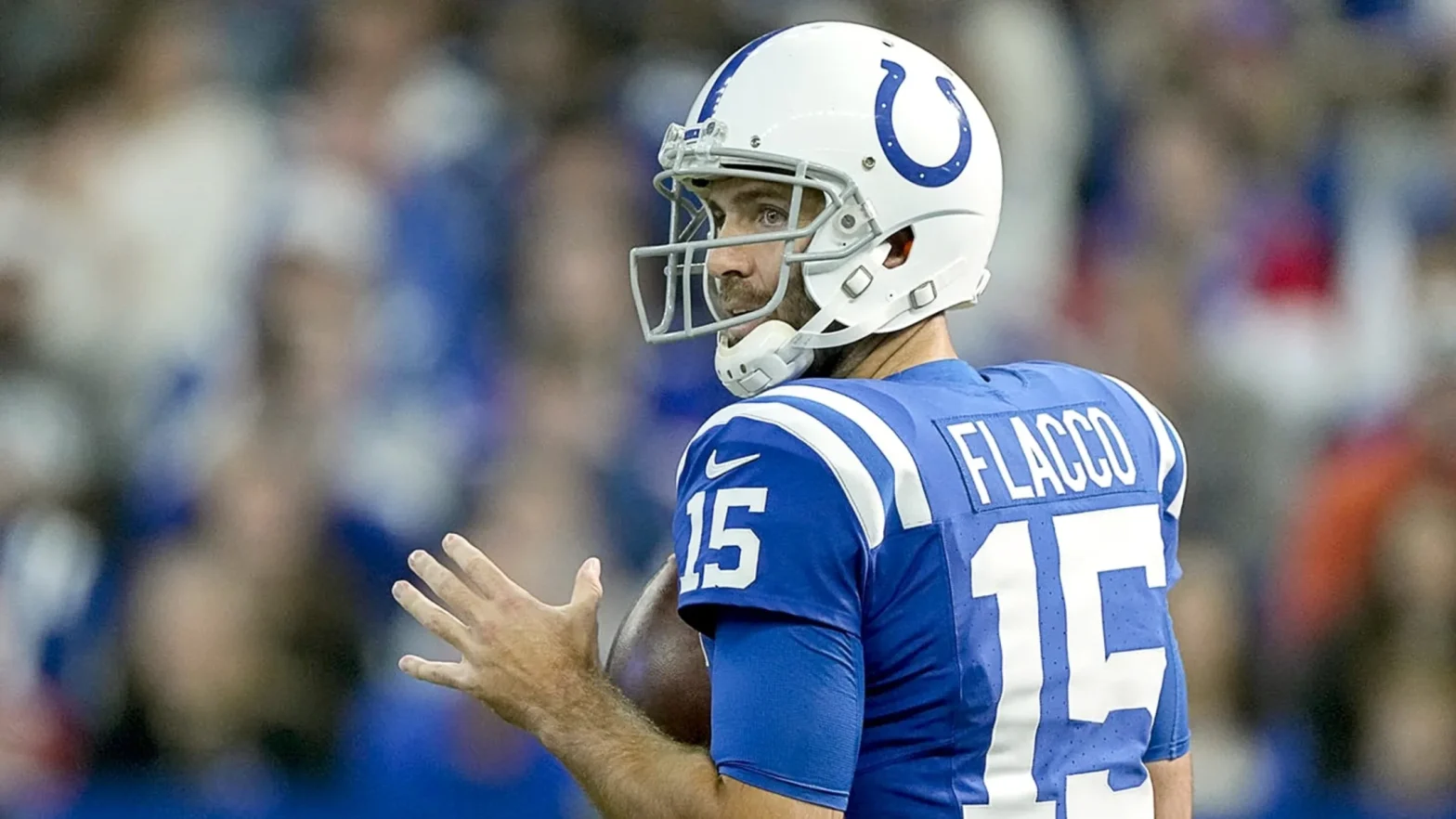
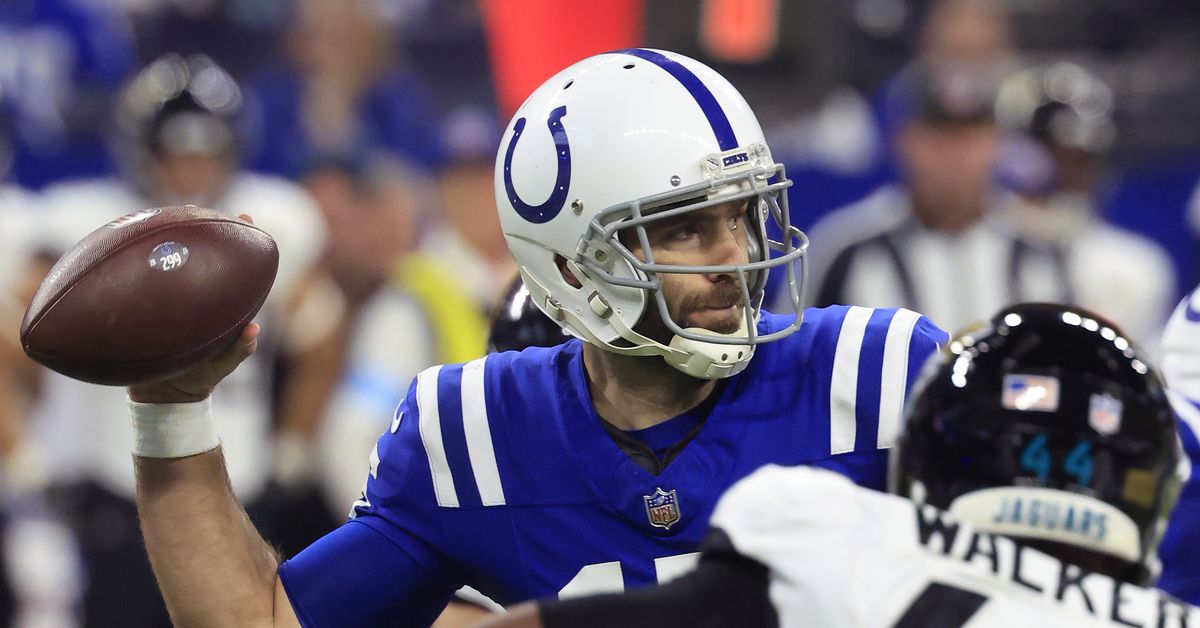
The San Francisco 49ers are reportedly considering adding a Super Bowl-winning quarterback to their roster during the upcoming offseason. Joe Flacco, who will be a free agent when the new league year begins on March 12, is expected to be a target for the 49ers, according to NFL insider Tony Pauline. Flacco, known for leading the Baltimore Ravens to a Super Bowl victory, has had a lengthy career with notable recent stints as a backup quarterback for the New York Jets, Cleveland Browns, and Indianapolis Colts. His experience makes him a strong candidate for the 49ers to consider as a veteran backup.

Flacco’s Connection with the 49ers

One key reason the 49ers may be interested in Flacco is his connection with the team’s current defensive coordinator, Robert Saleh. Flacco played for the Jets from 2021 to 2022 under Saleh, which could lead to a smoother transition if he were to join the 49ers. This familiarity between Flacco and Saleh could help integrate the veteran quarterback into the 49ers’ system. Additionally, Flacco’s intention to play in 2025 strengthens the possibility of him joining a team in need of a backup quarterback, with the 49ers among the frontrunners.

Joe Flacco
Joe Flacco (NFL)

While Flacco may no longer be a starting quarterback, his extensive experience and proven ability to perform in high-pressure situations could make him an ideal backup for the 49ers. Though not a mobile quarterback, Flacco still possesses a strong arm and the capability to win games. His 10-6 postseason record shows his ability to perform when it matters most, which could provide the 49ers with the assurance that he could step in if needed, particularly if Brock Purdy, the current starter, were to get injured.

Comparison to Other Backup Options

Flacco stands out as a more reliable option compared to other potential backup quarterbacks like Brandon Allen and Joshua Dobbs. His track record of postseason success and experience in big games gives him an edge in terms of leadership and performance under pressure. For a team with Super Bowl aspirations like the 49ers, having a backup who has already proven himself in the postseason could be a critical asset, especially if unforeseen circumstances arise, such as Purdy being sidelined.

While Flacco could be a valuable short-term solution as a veteran backup, the 49ers should also consider their long-term quarterback plans. Drafting a more mobile quarterback to develop into a dual-threat weapon could be a smart move for the team’s future. Though Flacco is a solid choice for immediate depth, investing in a younger, more dynamic quarterback for the future would provide the 49ers with additional versatility. Nonetheless, signing Flacco for the upcoming season would bolster the team’s quarterback depth and provide a reliable option if needed.

Categories
NBA (Basketball)

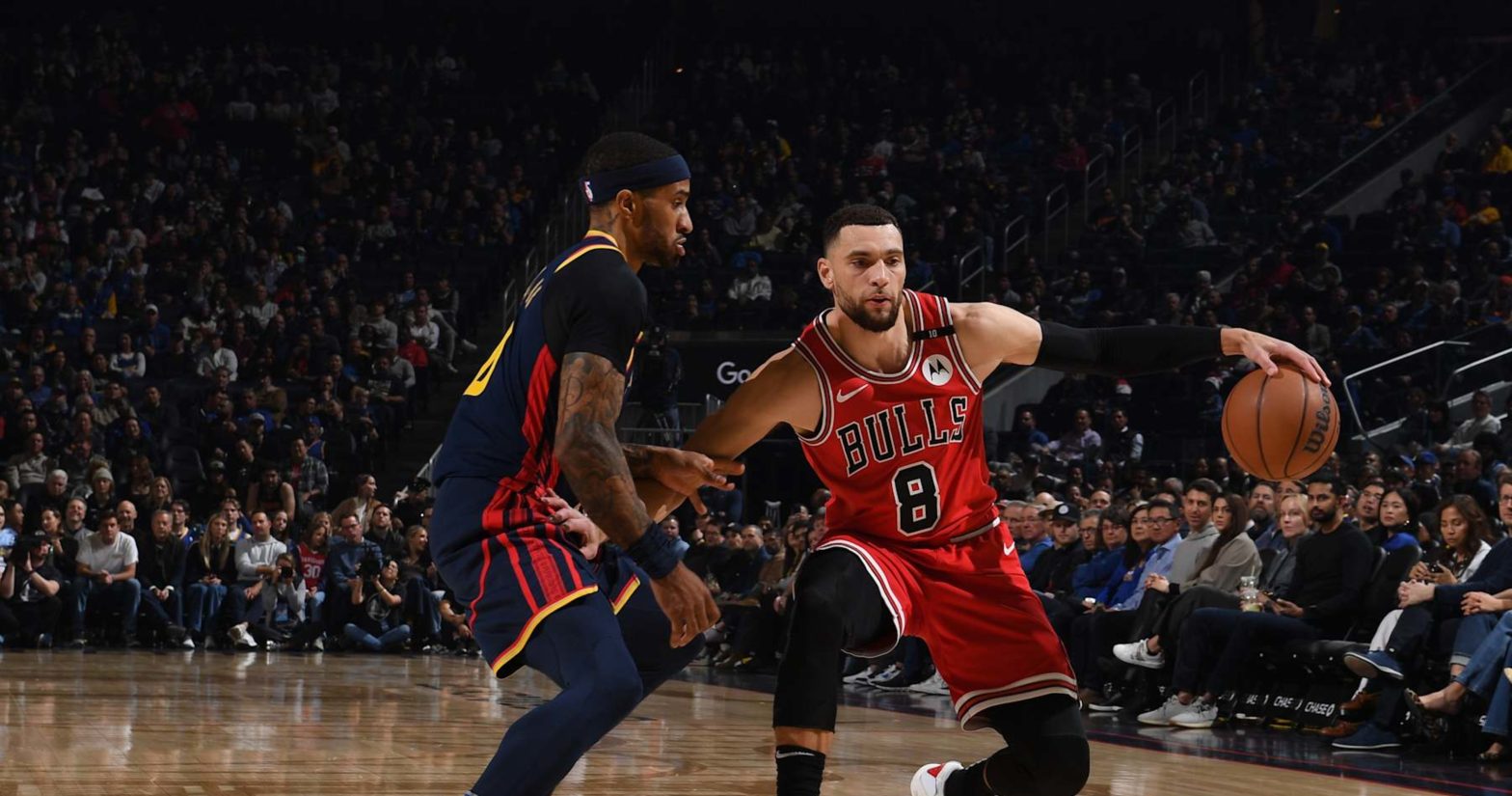
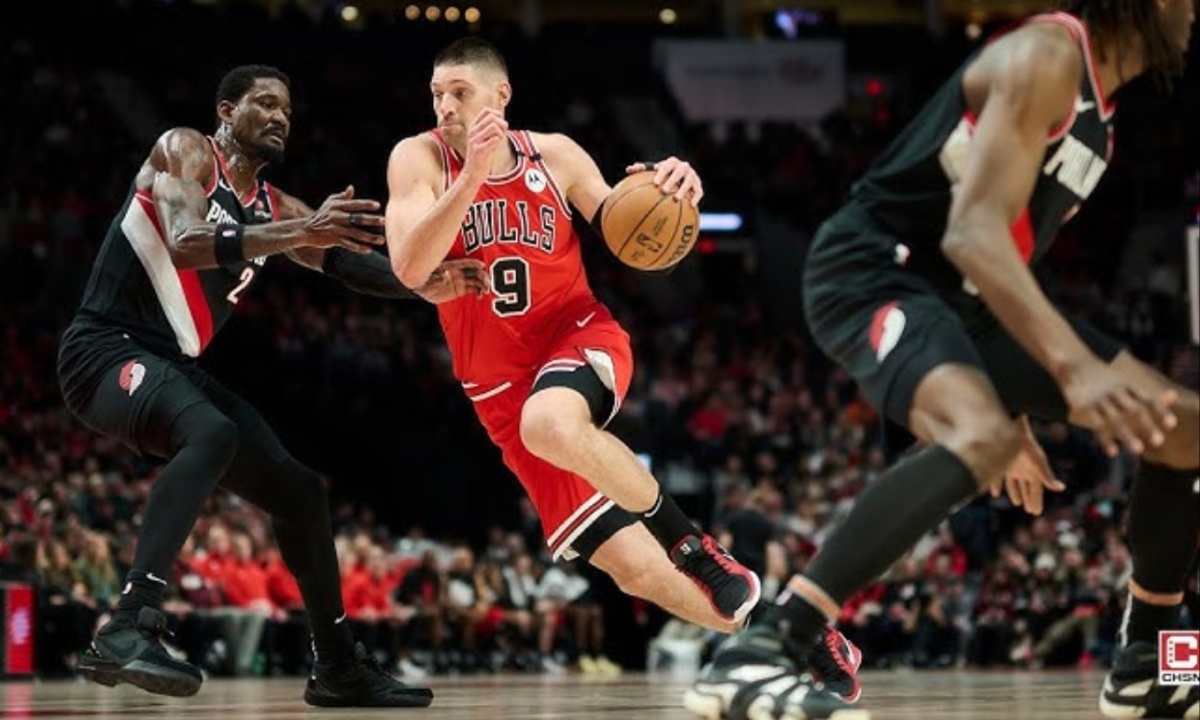
Chicago Bulls Struggle in January Amid Effort Issues and Trade Deadline Uncertainty

The Chicago Bulls have experienced a tough January, posting a 4-8 record for the month. Their performance has been marked by a lack of effort, especially in critical moments. Head coach Billy Donovan expressed his frustration during a timeout in their loss to the Golden State Warriors, visibly upset with the young players’ lack of effort in the game’s closing minutes.

Ayo Dosunmu, one of the team’s most consistent players this season, voiced his frustrations regarding the Bulls’ inconsistency. Despite contributing 12.4 points, 4.6 assists, and 3.8 rebounds per game, Dosunmu has struggled with consistency, a reflection of the team’s broader struggles. After the Warriors’ loss, he acknowledged the difficulty of maintaining a steady level of performance, which has been a major issue for the Bulls.

Donovan Identifies Key Team Problems

Head coach Billy Donovan has pinpointed several key issues affecting the Bulls, including their tendency to play down to their competition and their struggles with turnovers and rebounding. The team has allowed opponents 149 offensive rebounds in January while securing only 132 of their own. Additionally, the Bulls have committed 166 turnovers, which has led to further challenges, particularly in defending the paint where they’ve allowed 618 points.

Chicago Bulls Struggle in January Amid Effort Issues and Trade Deadline Uncertainty

For the Bulls to turn their season around, they need to focus on limiting turnovers and improving their rebounding, especially to prevent second-chance points. Donovan emphasized the importance of playing to the team’s potential and sticking to the identity they’ve tried to establish. The recent timeout incident highlighted the need for more effort, with Donovan urging the young players to take greater responsibility on both ends of the floor.

Trade Deadline Brings Roster Uncertainty

As the trade deadline approaches, the Bulls face uncertainty about their roster, especially with players like Zach LaVine and Nikola Vucevic drawing trade interest. The team’s performance over the next few weeks could determine whether they make roster changes or continue with their current players. The Bulls must quickly address their issues to avoid another rebuild and maintain their chances for a successful season.

The Bulls are running out of time to fix their season. With the trade deadline approaching, they need to quickly resolve their issues and start playing better. Both young players and veterans must take responsibility for their performance to avoid the team heading into another rebuilding phase and instead give themselves a chance at playoff contention.

Categories
MLB (Baseball)

Cubs Prepare for Key Moves with Financial Constraints, Eyeing Ryan Pressly and Other Targets

The Chicago Cubs’ payroll is approaching $200 million, and owner Tom Ricketts has stated that the payroll will rise before the season to get close to the first tier of the luxury tax. However, the Cubs will aim to stay just below the threshold this year, having surpassed it last season. A consecutive year over the tax would result in a 30% penalty on all dollars spent over the limit.

Financial Constraints for Jed Hoyer and Front Office

Despite the Cubs being a major market team, financial constraints have shaped their offseason moves. Owner Tom Ricketts has set specific payroll parameters, meaning general manager Jed Hoyer and the front office must work within these limits. Fans may want the Cubs to act like a big-market team, but they must recognize these financial realities. Nonetheless, rumors suggest the Cubs will make a significant move before the offseason ends.

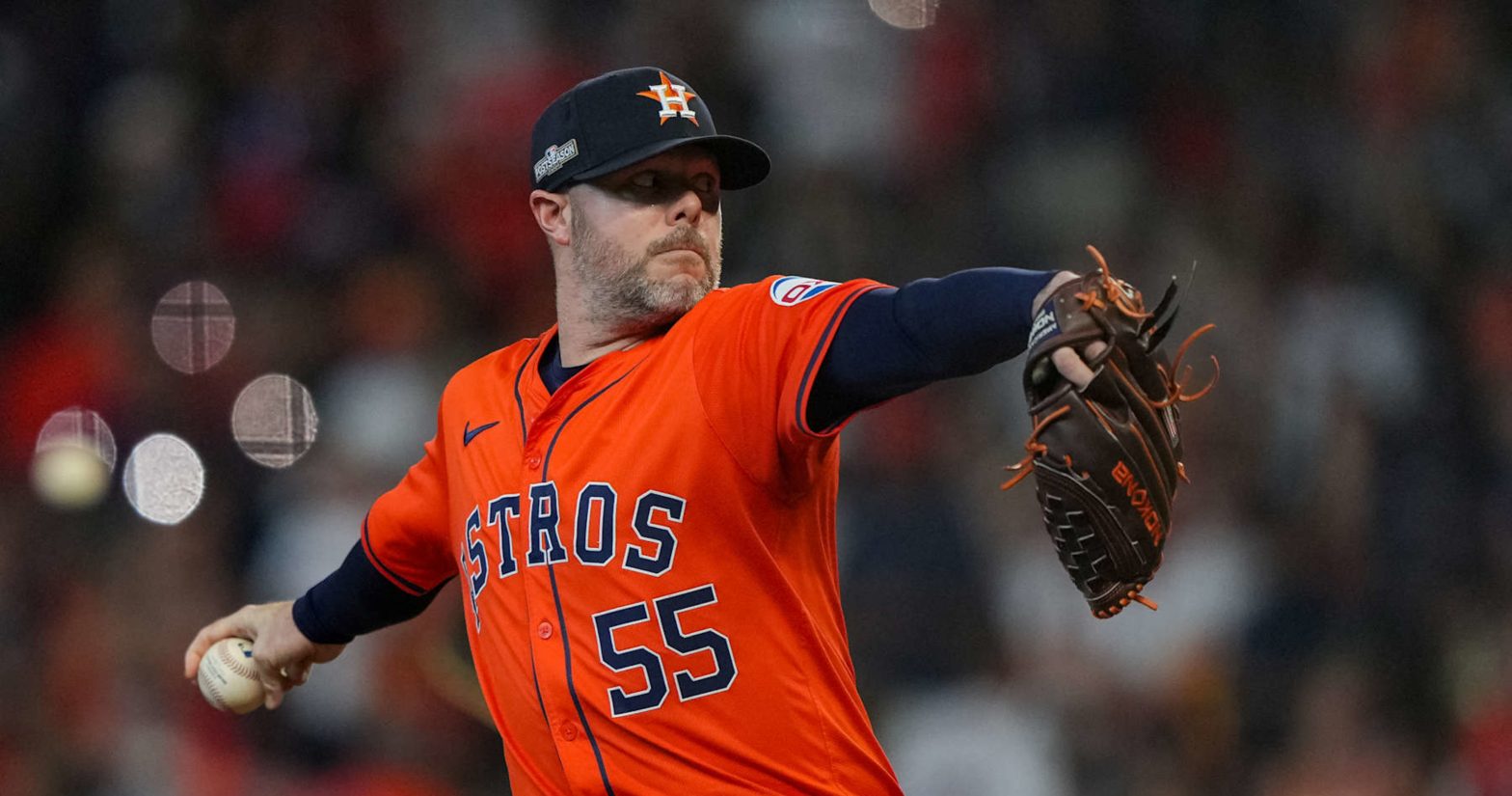
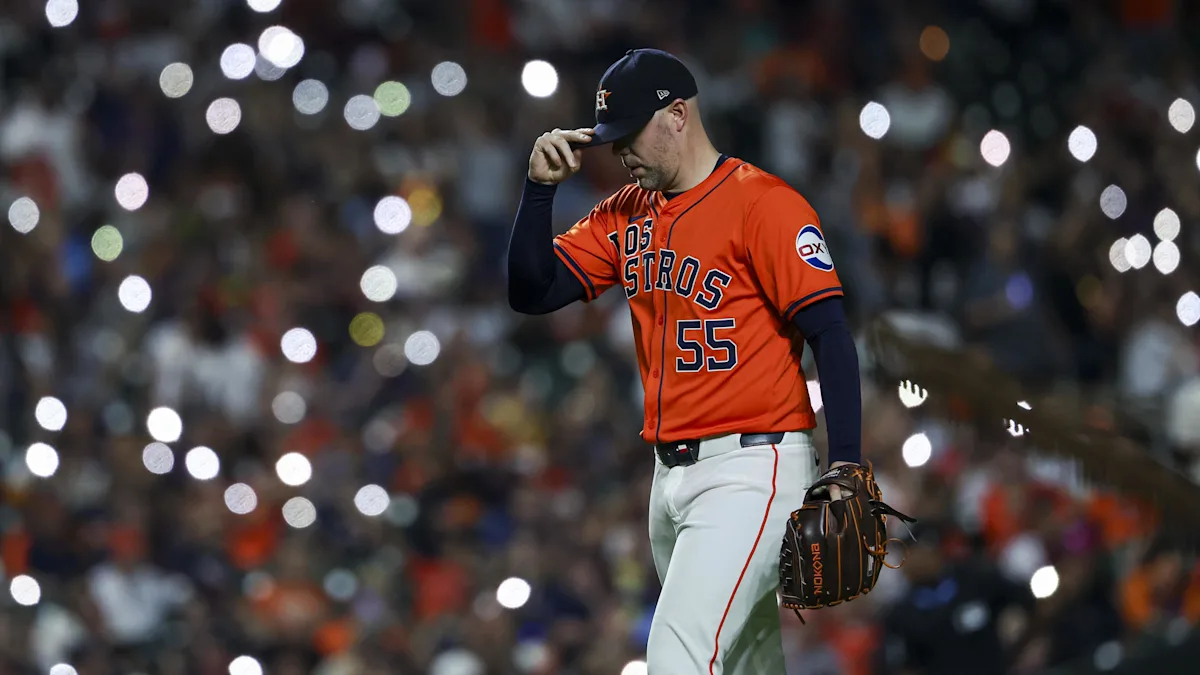
A trade for Ryan Pressly, the Houston Astros’ closer, is one of the most realistic moves for the Cubs. Reports indicate that the deal is in place, pending Pressly’s decision on waiving his no-trade clause. Moving to Chicago could offer Pressly an excellent opportunity to showcase his abilities in a contract year, as he would step into the Cubs’ closer role, increasing his free-agent value.

Ryan Pressly
Ryan Pressly (MLB)

Pressly’s Personal Situation Could Impact Trade

While the trade could benefit both parties, Pressly faces a personal dilemma. His family resides in Texas, and a move to Chicago would disrupt his home life. However, with his contract year approaching, relocating might be the best career move, especially if he seeks a new contract. Pressly is still far from retirement, so a change of scenery could help his future prospects.

If Pressly remains with the Astros, the Cubs may turn to David Robertson as a reliable backup option. Robertson, now 39, previously served as the Cubs’ closer in 2022, posting a 2.23 ERA. Though a bit older, Robertson has maintained consistent performance with a 2.82 ERA over the last three seasons. His familiarity with the Cubs and Wrigley Field makes him an ideal fallback if Pressly doesn’t join the team.

Jack Flaherty is another potential target for the Cubs, but he represents a risky move. Flaherty, who has battled injuries in recent years, showed flashes of his potential in 2024. However, given his injury history, the Cubs may only pursue Flaherty on a short-term, “prove-it” deal. The risk lies in his potential to underperform or get injured again, which could lead to financial complications, particularly with the looming possibility of signing Kyle Tucker.

The Cubs’ potential interest in Alex Bregman is complicated by financial factors. While Bregman is an accomplished third baseman, his salary demands could push the Cubs beyond their budget for other needs, like bullpen help. Even a short-term deal for Bregman would be financially challenging, and the Cubs would have to make significant roster changes to accommodate him. In the end, Bregman seems unlikely to join the Cubs, with teams like Boston or Detroit being more realistic landing spots.

Categories
NFL (American Football)

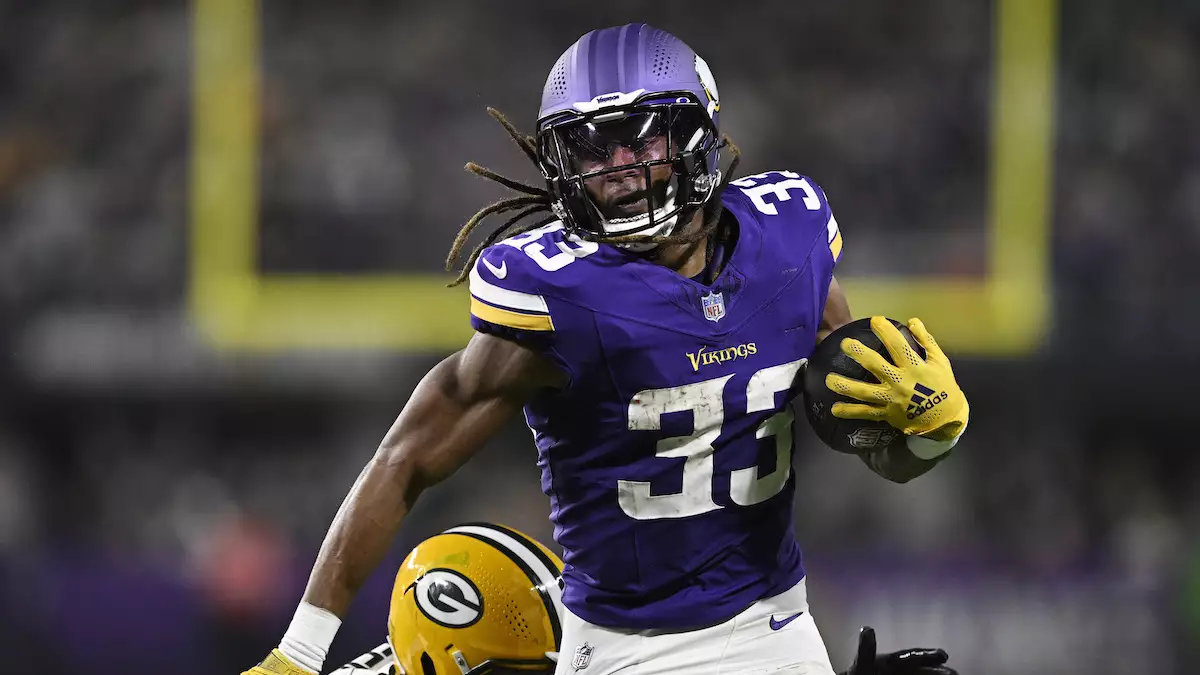
Aaron Jones Dominates for Vikings in 2024 but Faces Uncertain Free Agency Future

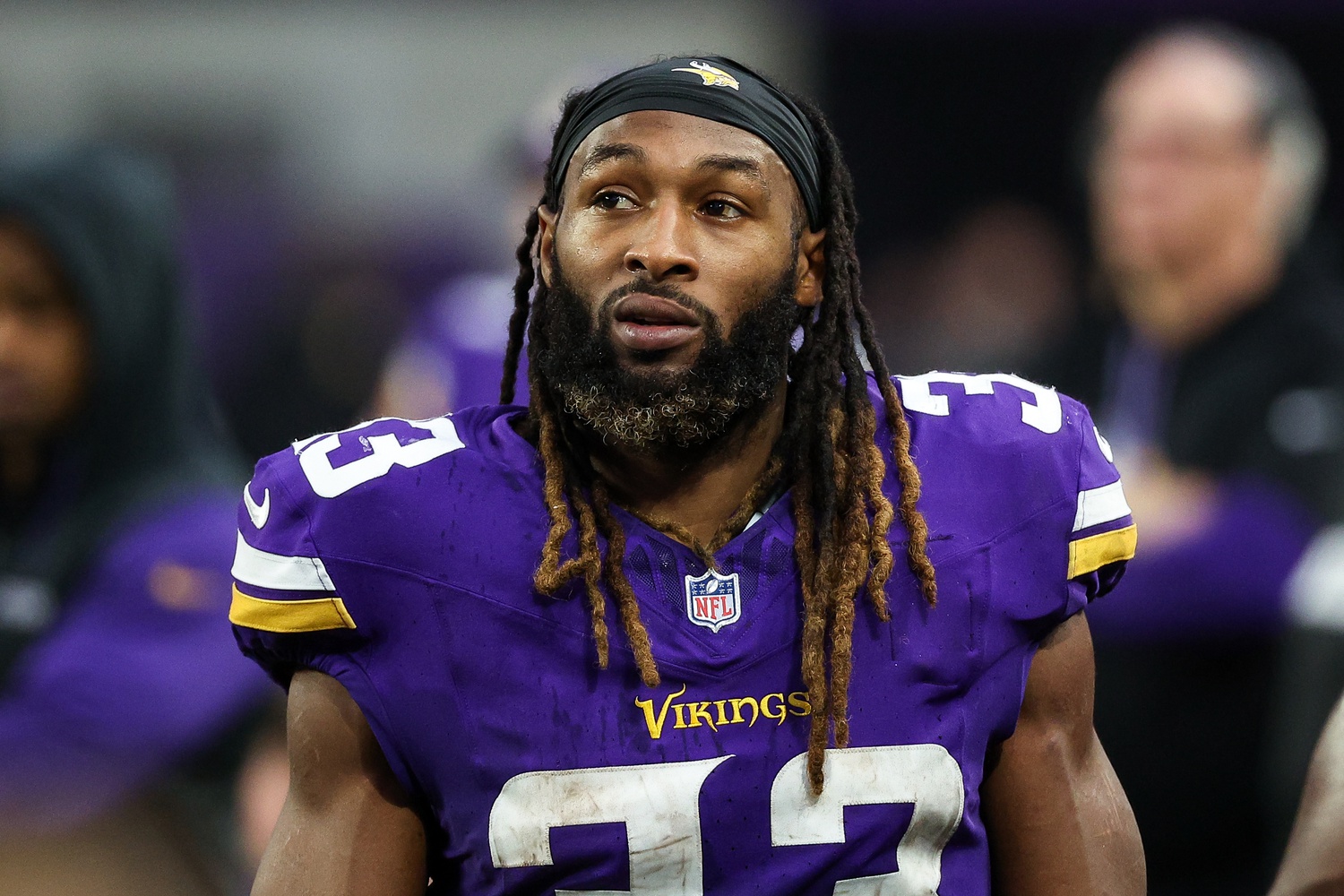
In his debut season with the Minnesota Vikings, Aaron Jones delivered one of the best performances of his NFL career. Over 17 games in 2024, Jones achieved a career-high 1,138 rushing yards and added five touchdowns on the ground. Additionally, he contributed significantly as a receiver, catching 51 passes for 408 yards and scoring two more touchdowns. His total of 1,546 yards from scrimmage was the second-highest in his professional career, showcasing his versatility and value to the team.

Free Agency Looms for Jones

Despite his stellar season, Jones’s future with the Vikings is uncertain as he is set to become a free agent in March. Both the player and the team seem interested in continuing their relationship, but the final decision will hinge on the cost of retaining him. The Vikings face a tough choice between offering Jones a new deal or letting him test the free-agent market, given the financial and strategic implications.

Aaron Jones
Aaron Jones (NFL)

Spotrac.com projects Jones’s market value at $5.6 million per year, but Bleacher Report’s Kristopher Knox recently proposed a more ambitious deal for the Vikings to consider. Knox suggested a three-year, $21 million contract, arguing that it would be a fitting reward for Jones’s impressive season. While Knox’s proposal underscores Jones’s impact on the team, it raises questions about whether the Vikings are willing to commit to such a substantial investment, especially for a veteran running back.

Concerns About Longevity and Alternatives

Jones’s age and the realities of his position complicate the decision. At 30 years old, he is entering a phase where many running backs experience a decline in performance due to wear and tear. Compounding this, the 2025 NFL Draft is expected to feature a strong class of running back prospects, making it an attractive alternative for the Vikings to secure younger, long-term talent at the position.

Given these factors, the Vikings might prefer to offer Jones a one-year contract, allowing them to evaluate his performance in 2025 while preparing to draft a successor. Although Jones would likely welcome the financial security of a three-year, $21 million deal, it seems improbable that Minnesota would agree to such terms. Instead, a shorter-term deal could balance the team’s immediate needs with its long-term strategy.