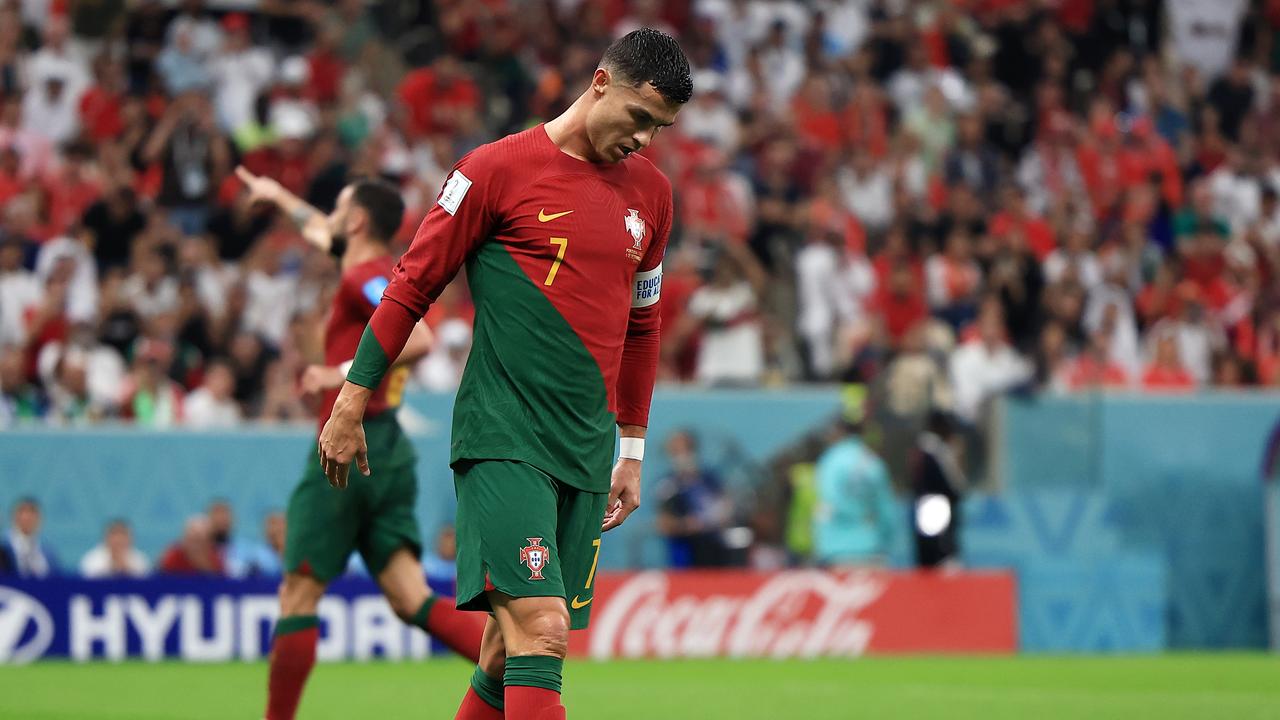
Cristiano Ronaldo’s current role with Portugal cannot be understood through performance alone because it is shaped heavily by history, reputation, and emotional attachment. His continued selection is not simply a reflection of present ability, but also the result of years of success that have built a strong sense of trust in what he once was. When a player has delivered at the highest level for so long, it becomes difficult for coaches, teammates, and supporters to fully separate memory from current reality.
There is also the psychological weight of being constantly affirmed. Ronaldo is still greeted with stadiums full of supporters who sing his name and celebrate his achievements. That kind of environment reinforces identity. When fans hold up messages declaring him a “GOAT” regardless of current results, it strengthens the idea that he remains central to success. In such conditions, it is understandable that both player and management continue to believe in his importance, even when his influence on matches has reduced.
The match against DR Congo illustrated this shift clearly. For large portions of the game, Ronaldo was barely involved in meaningful play. He was not particularly error-prone, but rather distant from the actions that shaped the match. At the highest level of international football, forwards are judged not only by goals or mistakes, but by consistent involvement in dangerous moments. In this match, that involvement was limited.
When opportunities did arrive in the second half, Ronaldo had two shots that went wide. Neither chance was simple, but both were situations where he previously would have been expected to score. In earlier stages of his career, his movement, timing, and finishing ability made such chances feel almost inevitable. Now, the same situations produce uncertainty rather than expectation. The difference is not just technical, but physical and instinctive.
Declining Aerial Dominance, Tactical Influence, and Shifting Opponent Perceptions
A particularly revealing moment came from a cross delivered to the far post. In his prime, Ronaldo would have attacked that ball with an explosive leap and precision. This time, he did not jump. The moment passed without a challenge. Whether that was due to timing, physical limitation, or hesitation is not fully clear, but the result contributed to a growing impression that he is no longer able to consistently impose himself in aerial situations that once defined him.
Despite this, Ronaldo still plays a role in shaping defensive attention. His positioning often forces defenders to stay alert, especially when he drifts into offside areas. This can create space for teammates and disrupt defensive structure. Wayne Rooney noted this aspect of his movement, explaining that it can still influence how opponents organize themselves. The limitation is that this influence is largely indirect. It does not regularly translate into goals or decisive actions, which reduces its impact on the outcome of matches.
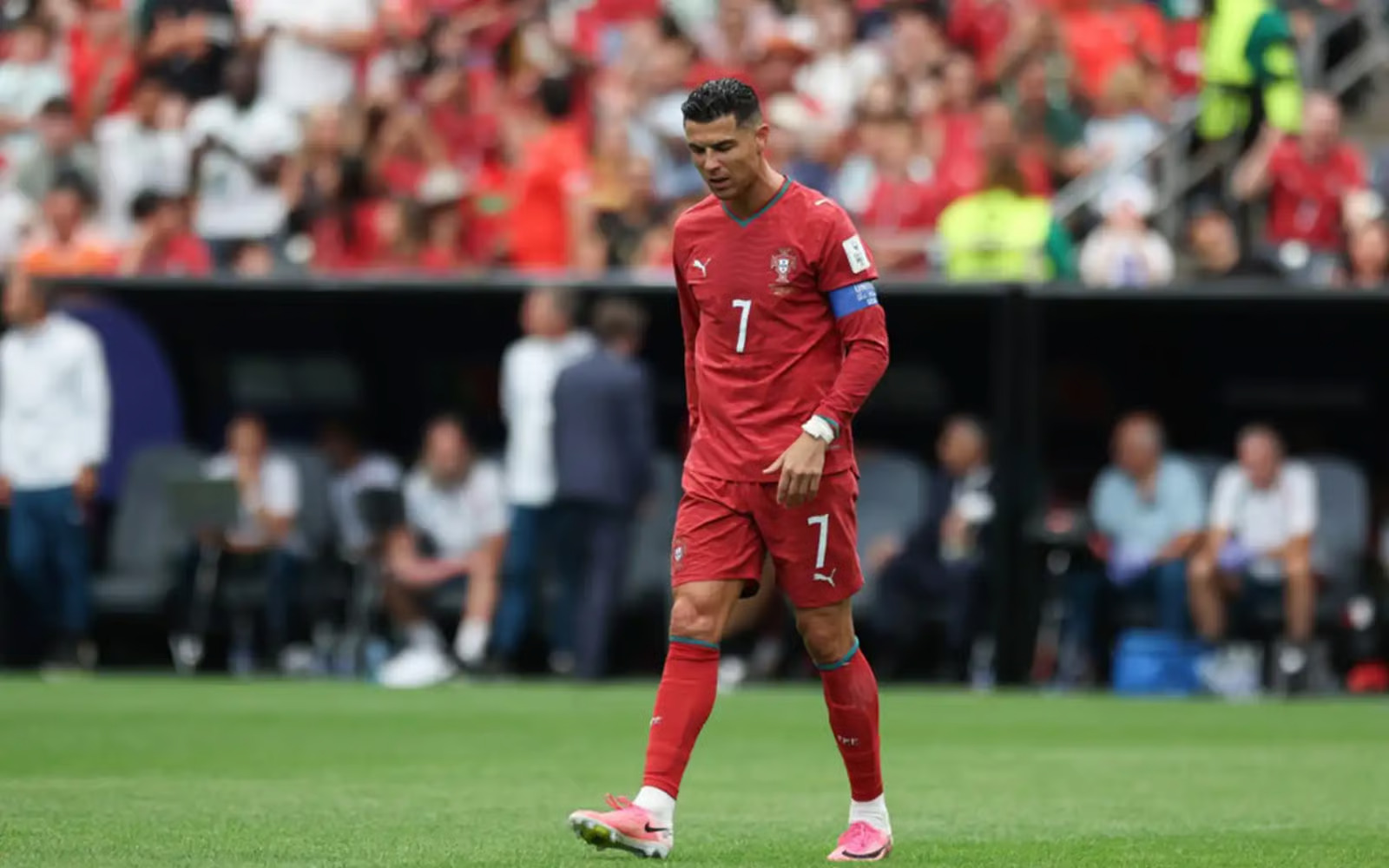
Opposition players also recognize this change. DR Congo midfielder Ngal’ayel Mukau acknowledged that Ronaldo is not the same player he once was and suggested that defenders no longer approach him with the same level of concern. This reflects an important shift in perception. At his peak, Ronaldo demanded constant attention because of the immediate threat he posed. Now, that threat is more conditional and less consistent.
Portugal manager Roberto Martinez continues to defend his selection, pointing to Ronaldo’s status as one of the greatest goal scorers in football history. From a managerial perspective, there is logic in valuing a player who has historically delivered in crucial moments. In tight matches, experience and reputation can still carry weight. However, relying heavily on past output creates tension when current performances no longer match that level.
Tactical Balance in Portugal Squad Versus Modern Elite Forward Standards
Portugal’s squad contains a wide range of attacking talent, including creative midfielders and fast, technical wingers capable of increasing tempo and movement. Within that context, building the attack around a player who contributes less to pressing and fluid combination play can limit the team’s rhythm. The concern is not about respect for achievement, but about how selection choices shape the way the team functions in real time.
The contrast becomes sharper when compared with other elite forwards of the current era. Erling Haaland continues to deliver goals with regularity for Norway. Kylian Mbappé remains decisive for France in major matches. Lionel Messi continues to influence games for Argentina through both scoring and creation. These players define the present standard of attacking influence, where involvement in key moments is frequent and sustained.
After the match, Ronaldo’s behavior added a quiet but noticeable layer to the narrative. He left the pitch earlier than most of his teammates, walking alone toward the tunnel while others stayed to acknowledge supporters. Although there is no suggestion of disrespect, the visual impression was of separation from the collective moment. It highlighted how his experience of the game increasingly feels distinct from the rhythm of the team around him.
There is a strong sense that Ronaldo’s situation is shaped by forces beyond personal control. His legacy continues to carry weight in selection decisions, fan expectations, and managerial trust. That legacy makes it difficult for those around him to fully transition toward a different tactical identity, even when present-day evidence suggests a change may be necessary.