

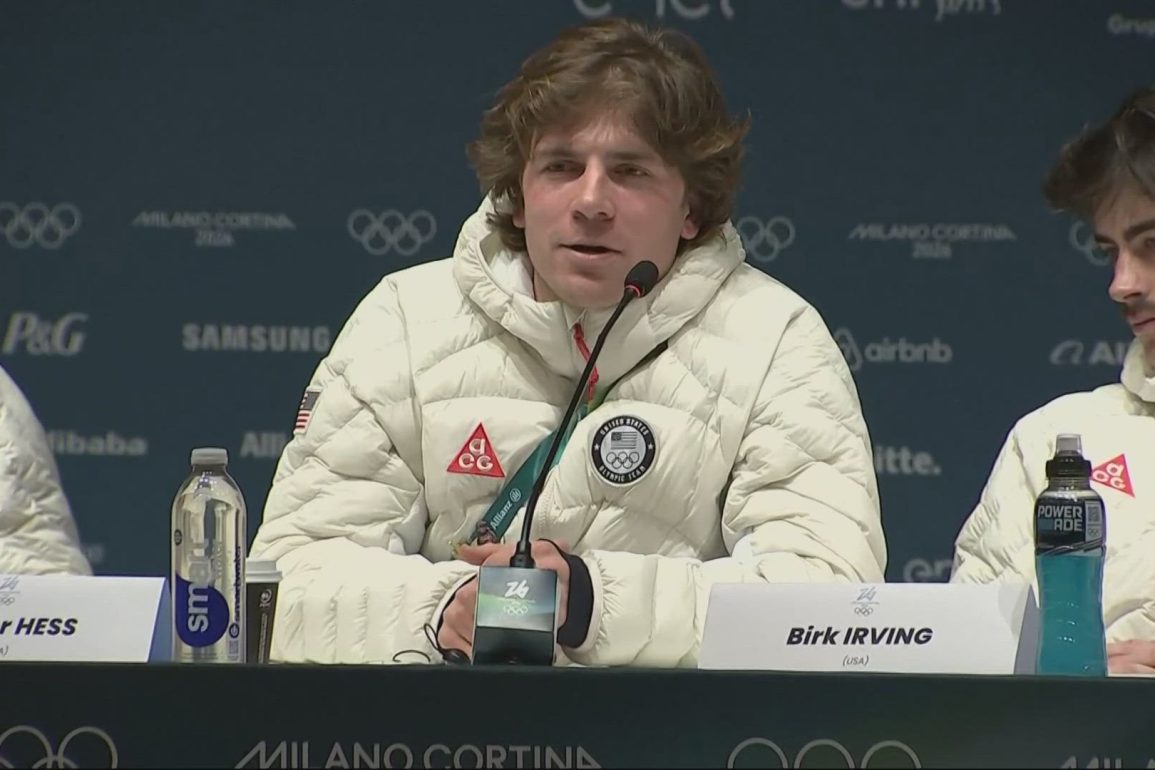
Freestyle skier Hunter Hess of Team USA has addressed recent criticism from former President Donald Trump after expressing “mixed emotions” about representing the United States in the Olympics. Hess, a two-time Winter X Games bronze medalist, had admitted during a press conference that he was “not the biggest fan” of U.S. politics. Trump responded by calling him a “real loser,” prompting Hess to clarify his position and reiterate messages of unity and freedom of speech.
Hunter Hess Advocates Unity and Free Speech While Acknowledging America’s Flaws
In an Instagram post, Hess emphasized his love for the country while acknowledging that there is always room for improvement. He wrote, “I love my country 🇺🇸. There is so much that is great about America, but there are always things that could be better. One of the many things that makes this country so amazing is that we have the right and the freedom to point that out.” Hess stressed that the Olympics are about bringing people together and highlighted the importance of unity, especially during times of division. He concluded by expressing excitement about representing Team USA at the upcoming Winter Games and thanking supporters for their encouragement.
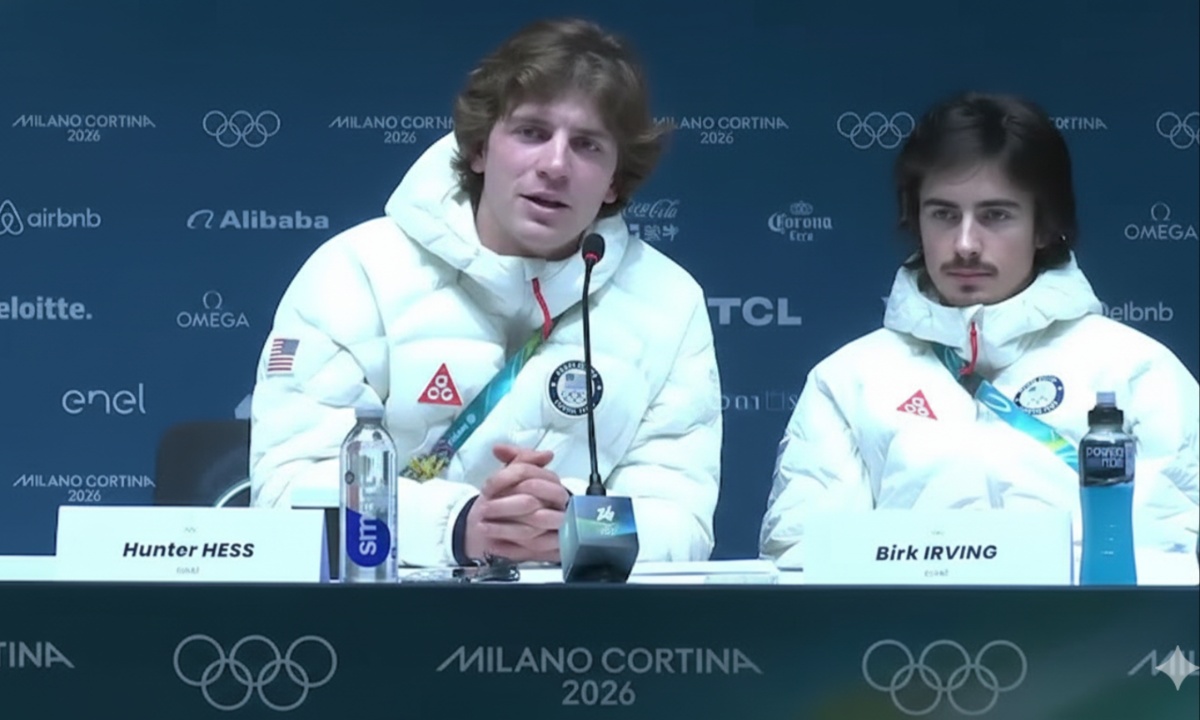 Hunter Hess and Team USA Athletes Stand for Free Speech, Unity, and Compassion
Hess is part of a broader trend among Team USA athletes speaking out on social and political issues. Figure skater Amber Glenn and freestyle skier Gus Kenworthy have similarly voiced concerns about U.S. policies, particularly regarding immigration and rising authoritarian tendencies.
Glenn noted that she had to limit her social media activity due to threats received following her statements. Kenworthy’s response was more provocative; he urinated on snow with the words “Fuck ICE” and shared a photo online, which also drew death threats. These incidents underscore the risks athletes face when expressing opinions on political matters while representing their country.
Team USA Athletes Promote Unity, Compassion, and Free Speech Amid Political Backlash
Other members of Team USA, including snowboarders Bea Kim, Maddie Mastro, and Chloe Kim, publicly supported Hess, emphasizing the values of diversity, compassion, and kindness.
Bea Kim highlighted that differing opinions are part of the nation’s strength, while Maddie Mastro acknowledged the difficulty of representing a country grappling with injustice, stressing that athletes must reconcile pride with awareness of societal issues. Chloe Kim expressed gratitude for the opportunities the U.S. provided her family while reinforcing the importance of voicing concerns respectfully, noting, “we need to lead with love and compassion.”
Collectively, these athletes underscore the dual role they play as both competitors and public figures, advocating for social awareness while maintaining commitment to their sport. Hess’s statement, along with the broader support from Team USA, reflects a growing movement among Olympians to use their platforms to promote unity, empathy, and constructive dialogue, even amid political controversy.
By addressing criticism without renouncing their right to free speech, Hess and his teammates highlight the challenges and responsibilities of modern athletes, demonstrating that patriotism and advocacy are not mutually exclusive and that speaking out can coexist with representing one’s country on the global stage.