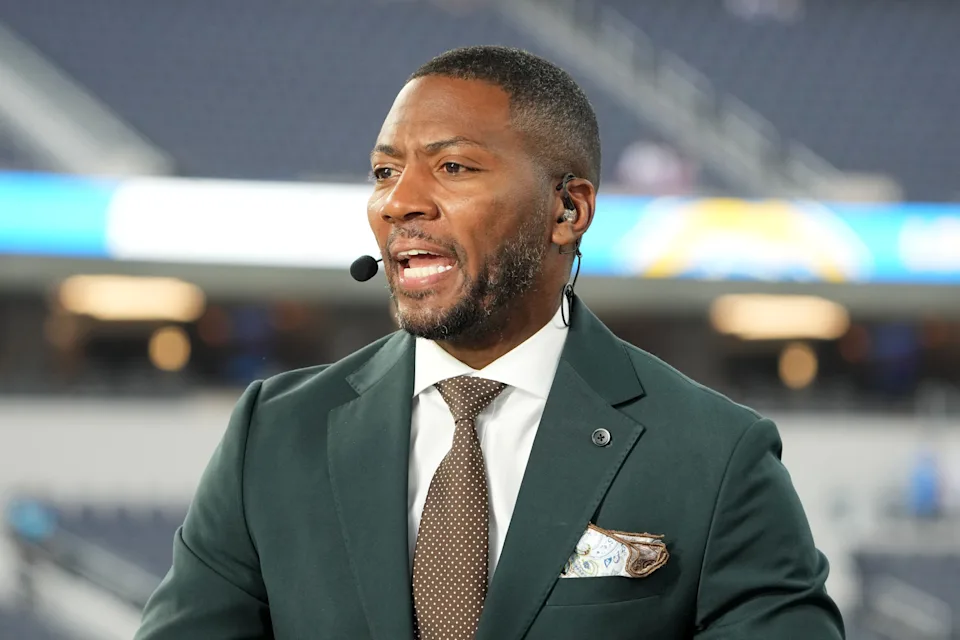
ESPN analyst Ryan Clark has ignited discussion after commenting on the reaction to New York Giants quarterback Jaxson Dart introducing former President Donald Trump at a public appearance. Clark argued that modern political affiliations are more polarizing than in previous election cycles, suggesting that public association with Trump carries heavier implications for athletes than support for past presidents like Barack Obama.
Clark said on his podcast that the current political climate is sharply divided and that standing beside Trump can be interpreted as taking a political position that may not align with all teammates. He also addressed linebacker Abdul Carter, stating that while Carter’s reaction could have been handled better, the frustration surrounding the situation was understandable.
Critics Challenge Ryan Clark, Say Political Divisions Have Always Existed in Sports and Society
His comments quickly drew criticism from media figures and commentators who believe the comparison between eras is flawed. They argue that political division has long existed in American elections and that both Obama’s and Trump’s presidencies have been politically charged in different ways. From this perspective, framing earlier election cycles as less controversial oversimplifies history.
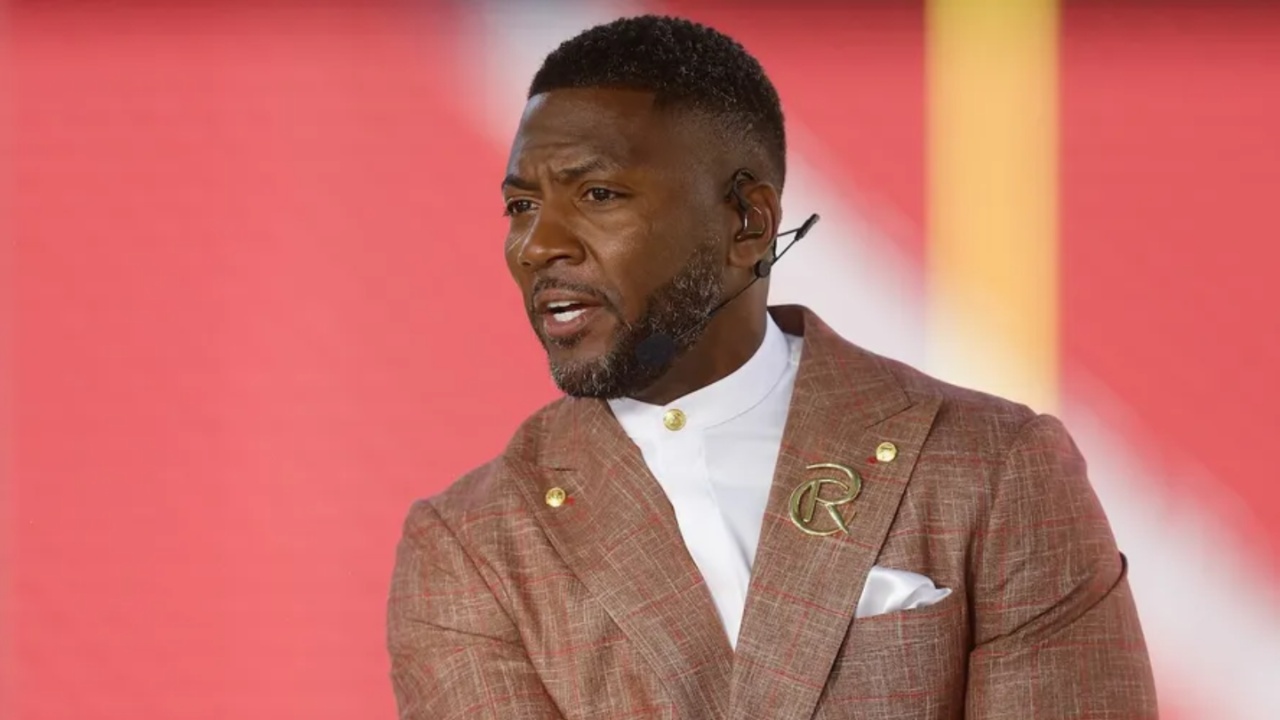
One of the most direct rebuttals came from OutKick founder Clay Travis, who rejected the idea that public support for Trump is uniquely divisive within sports. Travis argued that Trump maintains broad support across multiple voter groups and claimed that many figures within the NFL, including players, coaches, and owners, have supported him. He further suggested that sports media do not accurately reflect this reality.
Debate Over Sports Media Bias, Political Expression, and Athlete Scrutiny Standards Deepens
Travis also criticized what he sees as an inconsistency in sports journalism, arguing that political leanings within media organizations shape how athlete behavior is judged. He said that public political expression is often framed differently depending on the figure being supported, creating uneven standards in coverage.
The debate has also expanded into comparisons between political expression and other controversies involving athletes. Some critics question why political gestures draw sustained scrutiny while more serious off-field allegations involving players do not always receive equivalent attention in public discussion.
Supporters of Clark’s position counter that the current political environment is uniquely amplified by social media and heightened cultural tensions, making public political alignment more visible and potentially more divisive than in past decades.
The disagreement highlights an ongoing divide in sports media over how athletes’ political expression should be interpreted, and whether current reactions reflect genuine differences in the political climate or inconsistent standards in how public figures are evaluated.