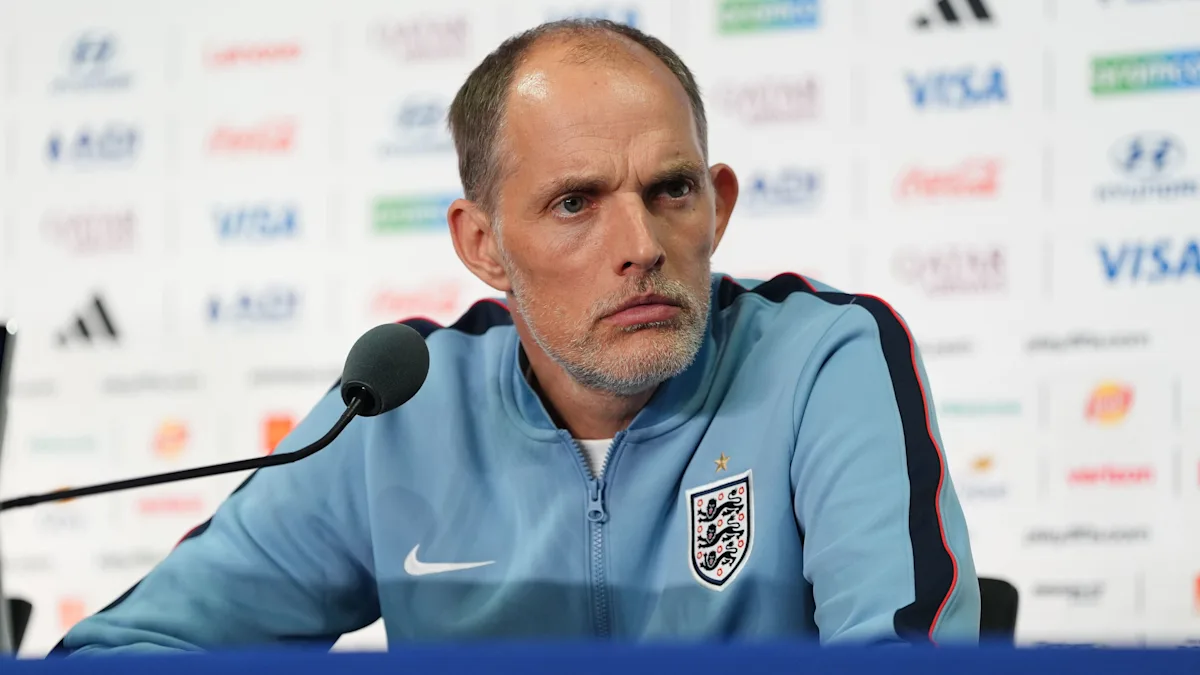
England’s final Group L match against Panama has become far more significant than expected after their frustrating 0-0 draw with Ghana. What initially appeared to be an opportunity for manager Thomas Tuchel to rotate his squad and rest key players has instead turned into a must-win encounter to secure top spot in the group. Rather than giving star striker Harry Kane a well-earned break before the knockout stages, Tuchel must now decide whether to continue relying on his strongest lineup or risk making changes in an already demanding tournament schedule.
The packed fixture list adds to England’s problems, with the team potentially facing four matches within just 13 days if they progress deep into the competition. While resting players would help reduce fatigue, failing to finish first in the group could create a much tougher path in the knockout rounds. As a result, Tuchel faces a difficult balancing act between protecting his squad’s fitness and ensuring qualification in the best possible position.
Injuries and suspensions have further complicated England’s preparations. Declan Rice is carrying a calf problem and is only one yellow card away from suspension, making his involvement a calculated risk. Meanwhile, the injury to Reece James represents a much greater setback. The right-back suffered a hamstring injury that will sideline him for at least two matches, depriving England of one of their most effective attacking full-backs.
James’ absence exposes weaknesses in Tuchel’s squad selection. England entered the tournament with limited attacking full-back options, and another defender, Tino Livramento, has already left the squad due to fitness concerns. His replacement, Trevoh Chalobah, is a centre-back rather than an attacking defender, leaving young Nico O’Reilly with increased responsibility on the left side. The remaining alternatives at right-back, Ezri Konsa, Jarell Quansah, and Djed Spence, are all more defensive-minded players. Consequently, Tuchel’s earlier decision to leave Trent Alexander-Arnold out of the squad is likely to receive increased criticism, particularly given England’s current need for creativity from wide areas.
The draw against Ghana also highlighted England’s ongoing difficulties against teams that defend deep. While England produced exciting attacking performances when facing more open opponents such as Croatia, they struggled to break down Ghana’s disciplined defensive structure. Panama is expected to employ a similar approach, making Saturday’s game another examination of England’s ability to overcome compact defensive systems.
England Search for Tactical Answers Against Stubborn Defences Before Panama Test
Although Panama has already been eliminated after narrow defeats to Ghana and Croatia, they have proved to be resilient opponents. Since suffering a heavy defeat to England at the 2018 World Cup, they have become a much more organised side under Thomas Christiansen. Tuchel expects Panama to defend with five players across the back, sometimes expanding into an even deeper defensive line with six or seven players behind the ball.
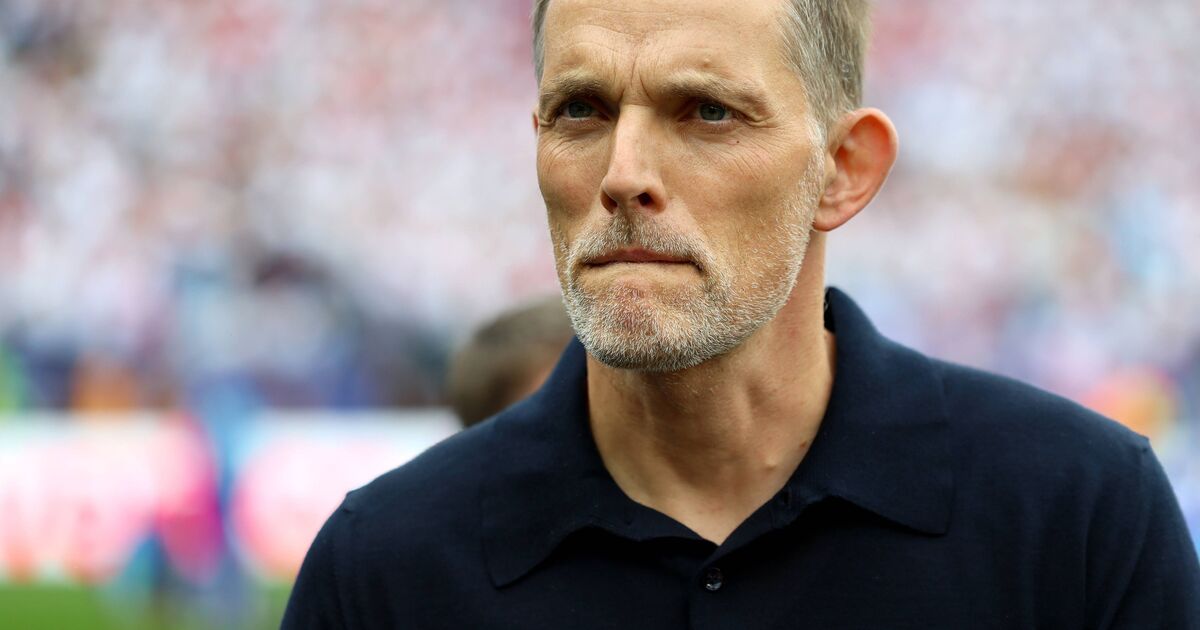
England’s problems against Ghana demonstrated just how difficult this style of opposition can be. Ghana operated with a compact 4-5-1 formation that successfully restricted space for Harry Kane. Midfielder Thomas Partey closely followed the England captain whenever he dropped deep to receive possession, preventing him from influencing the game. Kane managed only 19 touches throughout the match and exchanged just three passes with Jude Bellingham. Despite enjoying almost 79 percent possession, England failed to register a shot on target until the second half, underlining how ineffective their attacking play had become.
Tuchel admitted that there is no simple solution for breaking down defensive teams. He explained that football does not offer an automatic tactical formula capable of defeating every low block. Instead, England must remain patient, maintain control, and avoid becoming reckless in search of goals. While committing more players forward may increase attacking pressure, doing so could expose England to dangerous counterattacks, something Ghana nearly exploited on two occasions.
The manager’s preferred tactical philosophy centres on maintaining possession, creating numerical overloads in key attacking areas, and then accelerating play quickly once openings appear. However, Tuchel acknowledged that these overloads were almost impossible to create against Ghana because of the opposition’s compact shape. He expects Panama to pose a similar challenge, meaning England will have to rely more heavily on individual quality, movement, and intelligent decision-making rather than carefully rehearsed attacking patterns.
To improve England’s attacking threat, Tuchel is considering several personnel changes. Kobbie Mainoo could replace the tiring Declan Rice in midfield, providing greater composure and creativity in congested central areas. Bukayo Saka may return on the right wing in place of Noni Madueke, while Marcus Rashford is a strong candidate to replace Anthony Gordon on the left after Gordon struggled to make an impact in the opening matches. Alternative options include Eberechi Eze or Morgan Rogers, whose tendency to drift inside could create additional passing combinations around Jude Bellingham.
Tuchel believes England’s left side has particularly underperformed. During a recent friendly against Costa Rica, Gordon and Nico O’Reilly combined effectively, leading the manager to believe that the partnership had solved England’s problems in that area. However, those encouraging signs have not been repeated during the tournament. The left flank has lacked penetration, pace, and vertical attacking movement, limiting England’s ability to stretch opposing defences.
Tuchel Seeks Tactical Solutions to Revive England’s Attack Before Crucial Panama Clash
The introduction of Djed Spence at left-back against Ghana also failed to improve matters, as the naturally right-footed defender contributed little going forward. Rashford, introduced only in the closing stages, had too little time to influence the game. Nevertheless, Tuchel remains open to starting him against Panama in the hope that his pace and direct running can create the breakthrough England requires.
Beyond personnel changes, Tuchel emphasises the importance of collective improvement rather than relying on individual brilliance. He wants his players to attack defenders confidently in one-on-one situations, deliver more accurate crosses into dangerous areas, and attempt more shots from outside the penalty box. Long-range efforts, deflections, or second-ball opportunities could prove decisive against opponents determined to defend deep.
Despite the criticism surrounding England’s draw with Ghana, Tuchel has maintained perspective. He praised Ghana’s disciplined defensive display and explained that teams employing such tactics celebrate every successful tackle, interception, and counterattack as though they have scored a goal. Their satisfaction with a goalless draw reflected how effectively they executed their defensive game plan.
England, however, operates under far greater expectations. Supporters expect entertaining performances as well as victories, and another uninspiring display against Panama would raise further concerns ahead of the knockout stages. Tuchel’s challenge is therefore twofold: secure the victory needed to finish top of the group while also restoring confidence, attacking fluency, and momentum before the tournament enters its decisive phase. Finding the right tactical balance between patience, creativity, and attacking ambition will be essential if England is to progress with renewed belief.