

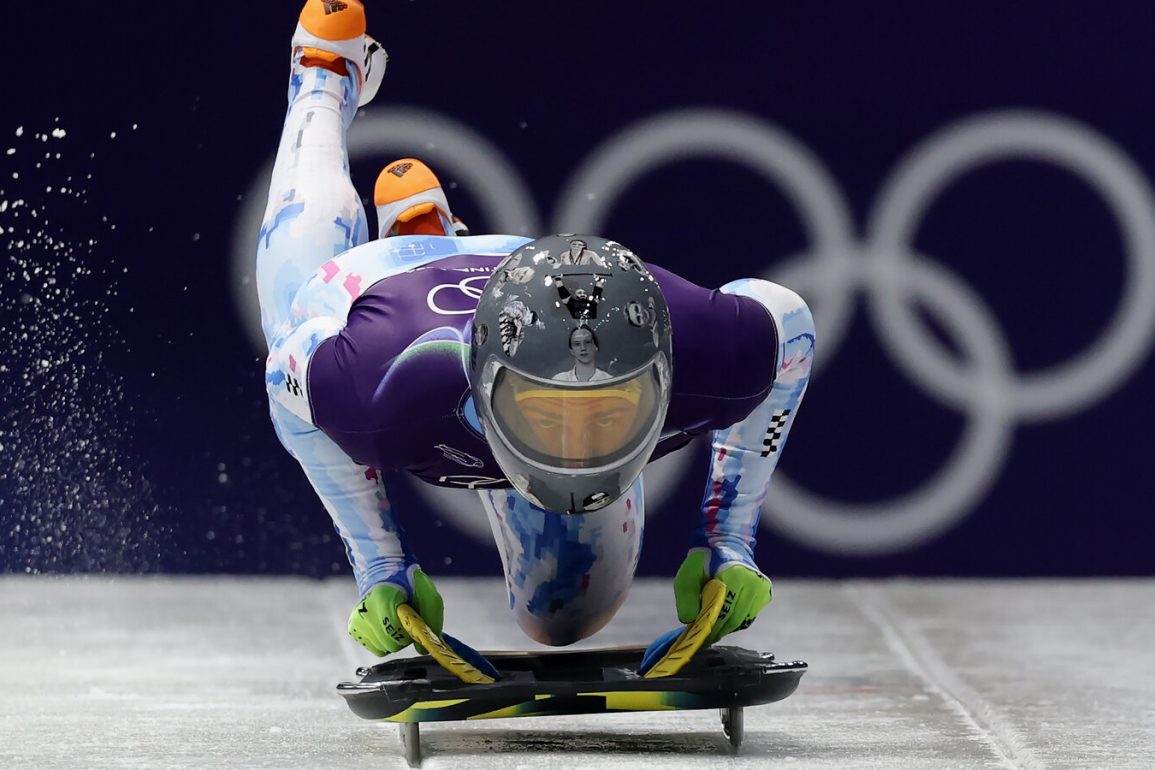
At the 2026 Winter Olympics in Italy, Ukrainian skeleton athlete Vladyslav Heraskevych was barred from competing for planning to wear a helmet commemorating countrymen killed in the war with Russia. Olympic officials informed Heraskevych that the helmet violated the Games’ rules prohibiting political statements during competition.
Despite this, he intended to wear it, arguing that the helmet was a personal tribute rather than a political message. On the morning of the skeleton event, the International Bobsleigh and Skeleton Federation ruled that the helmet was not compliant with regulations and barred him from competition. Following a meeting at the venue with International Olympic Committee President Kirsty Coventry, the IOC stated that Heraskevych “did not consider any form of compromise” and withdrew his accreditation.
 Ukrainian Olympian Barred Over Remembrance Helmet Sparks Controversy at Winter Games
Heraskevych Defends Remembrance Helmet, Calls IOC Apology and Support for Ukraine
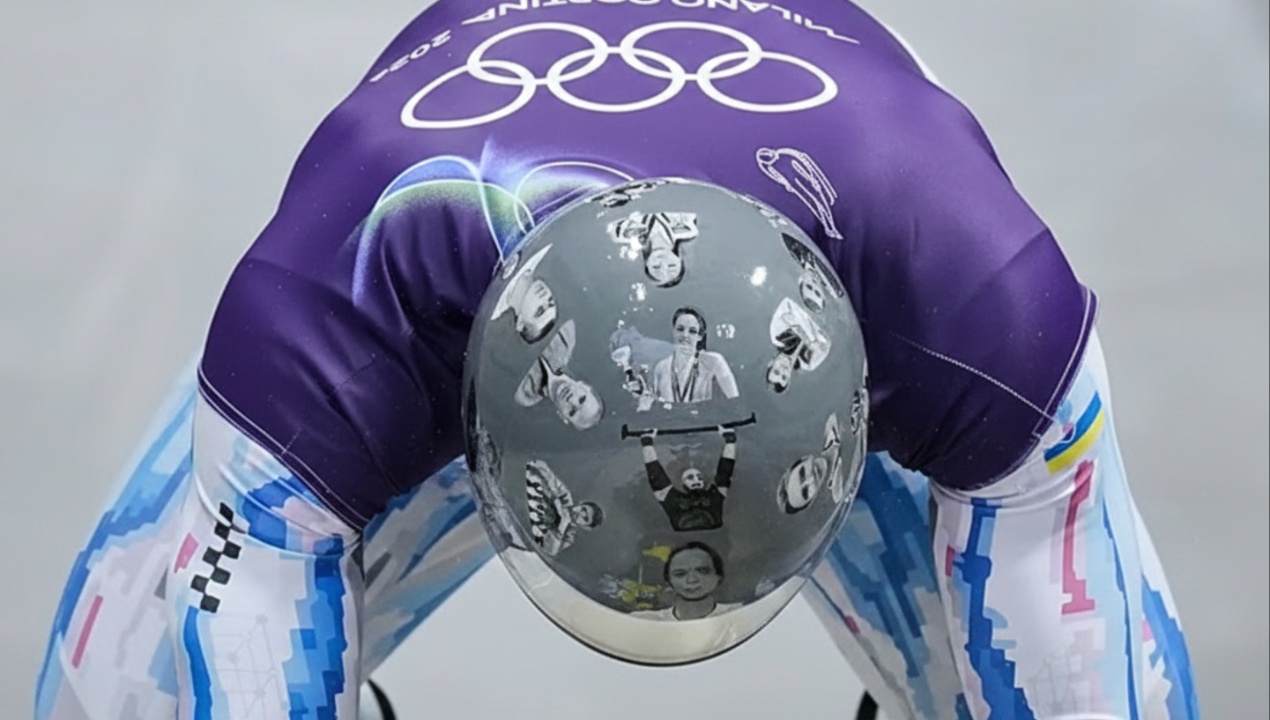
Heraskevych, 27, maintained that he had not violated IOC rules. He explained that his “remembrance helmet” depicted individuals, including athletes and friends, killed during Russia’s war with Ukraine. He had worn the helmet during training runs earlier in the week without issue, but Olympic officials warned that he could not use it in official competition, suggesting he wear a black armband instead to honor the dead.
Heraskevych also used social media to assert his right to wear the helmet and to call for the IOC to apologize and provide donations for power generators to support Ukrainian sports facilities damaged during the war.
Controversy Erupts Over Heraskevych Disqualification, Highlighting Ethics, Remembrance, and Olympic Rules Debate
The incident quickly became one of the first major controversies of the Games, highlighting the tension between Olympic rules and personal expression. Many observers noted that while the Olympics aim to remain apolitical, acts of remembrance often carry ethical and humanitarian significance.
Ukrainian officials and fellow athletes publicly supported Heraskevych. Luge competitor Olena Smaha displayed a message on her glove during her event stating, “Remembrance is not a violation.” Ukraine’s foreign minister, Andrii Sybiha, called the disqualification “a moment of shame” for the IOC, emphasizing that Heraskevych’s intent was to honor fellow athletes killed in conflict, an act entirely consistent with ethical standards.
The decision sparked debate about the balance between the IOC’s prohibition on political expression and athletes’ rights to commemorate human suffering and honor lives lost during conflicts. While Heraskevych was not considered a medal contender, his disqualification drew international attention, raising questions about the application of Olympic rules and the broader role of ethics and remembrance in global sporting events.