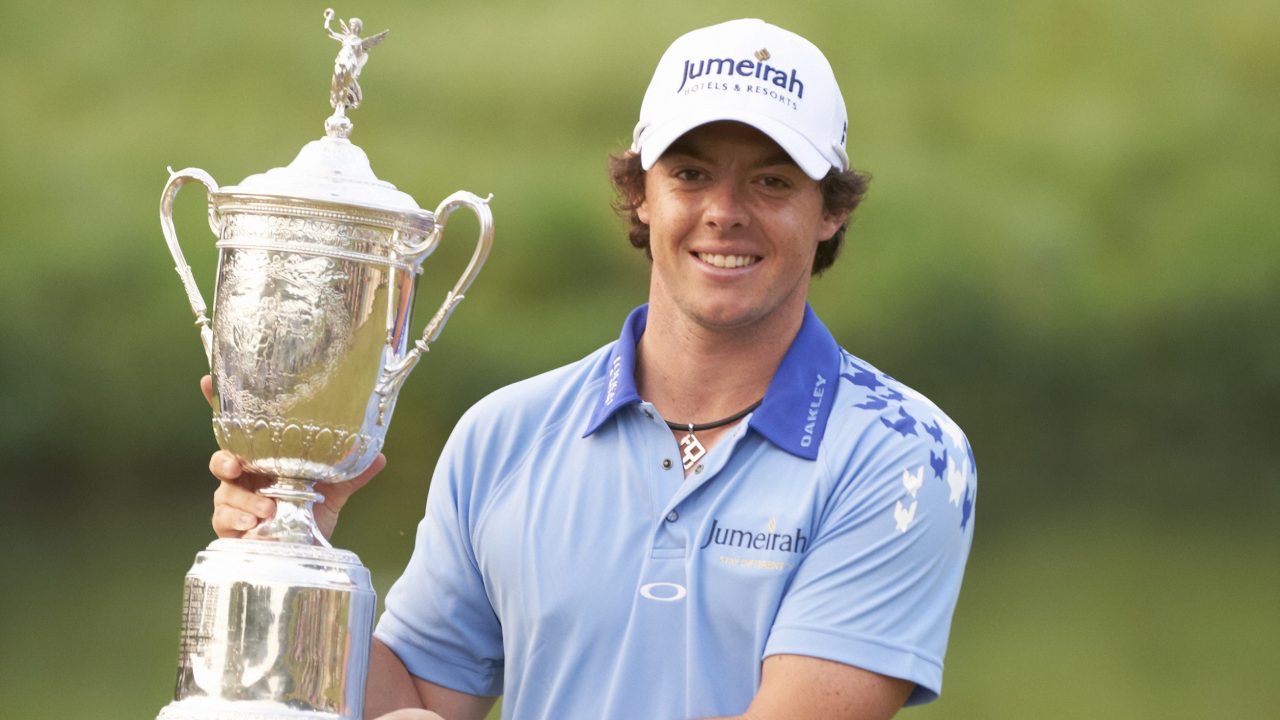
Rory McIlroy’s last U.S. Open victory in 2011 marked the beginning of a career defined by both sustained excellence and constant evolution. At that time, McIlroy was a rising force in golf, still shaping his identity on the world stage. He won the championship in commanding fashion, finishing 16 under par and eight strokes ahead of Jason Day. The tournament symbolized a moment of pure dominance, reflecting a younger McIlroy who relied heavily on natural power, fearless shot-making, and aggressive intent.
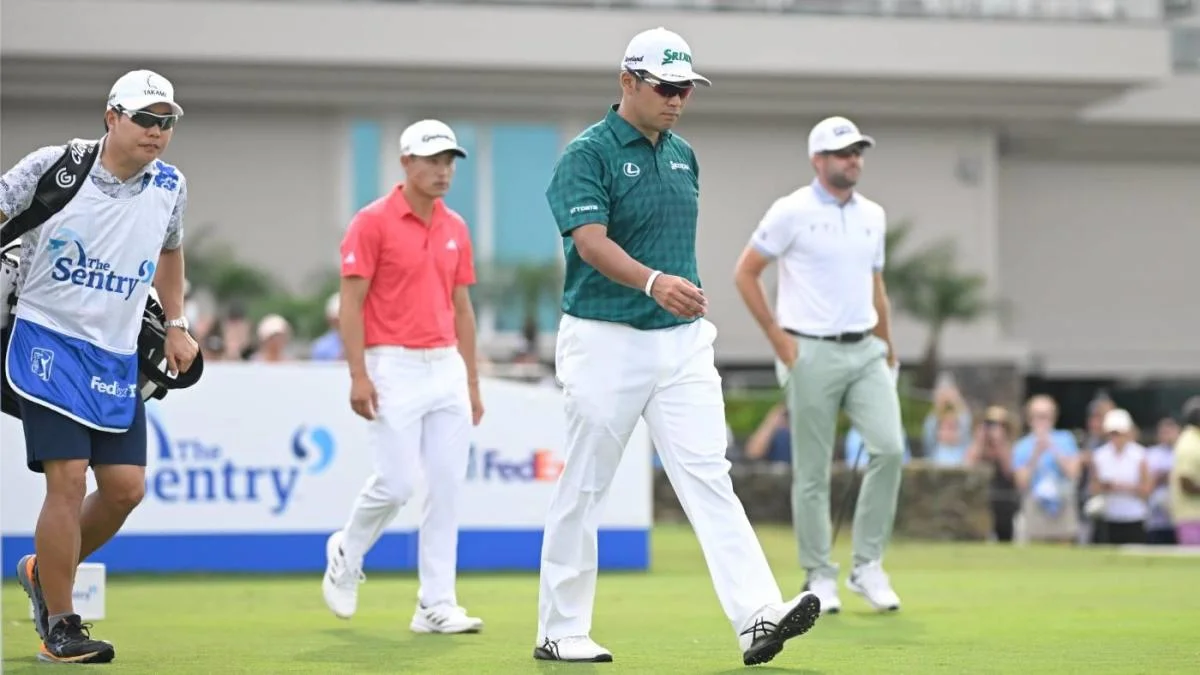
The field and atmosphere around him that week also highlighted how long ago that victory was. Players like Y.E. Yang were competing alongside him in final groups, while emerging figures such as Patrick Cantlay were present as amateurs. Since then, professional golf has transformed significantly, with new tours, rising stars, and shifting competitive dynamics reshaping the sport. Through all of this change, McIlroy has remained a consistent presence at the elite level, even as his approach and mindset have matured.
McIlroy’s Consistent U.S. Open Contention Built on Near Misses and Adaptation
In the years following his triumph, McIlroy’s relationship with the U.S. Open has been defined more by near misses than repeat success. He missed the cut at Shinnecock Hills in 2018 after a difficult opening round, but responded with remarkable consistency afterward, recording six consecutive top-10 finishes. More recently, he came close at both the Los Angeles Country Club in 2023 and Pinehurst No. 2 in 2024, reinforcing his status as one of the tournament’s most reliable contenders without securing a second title.
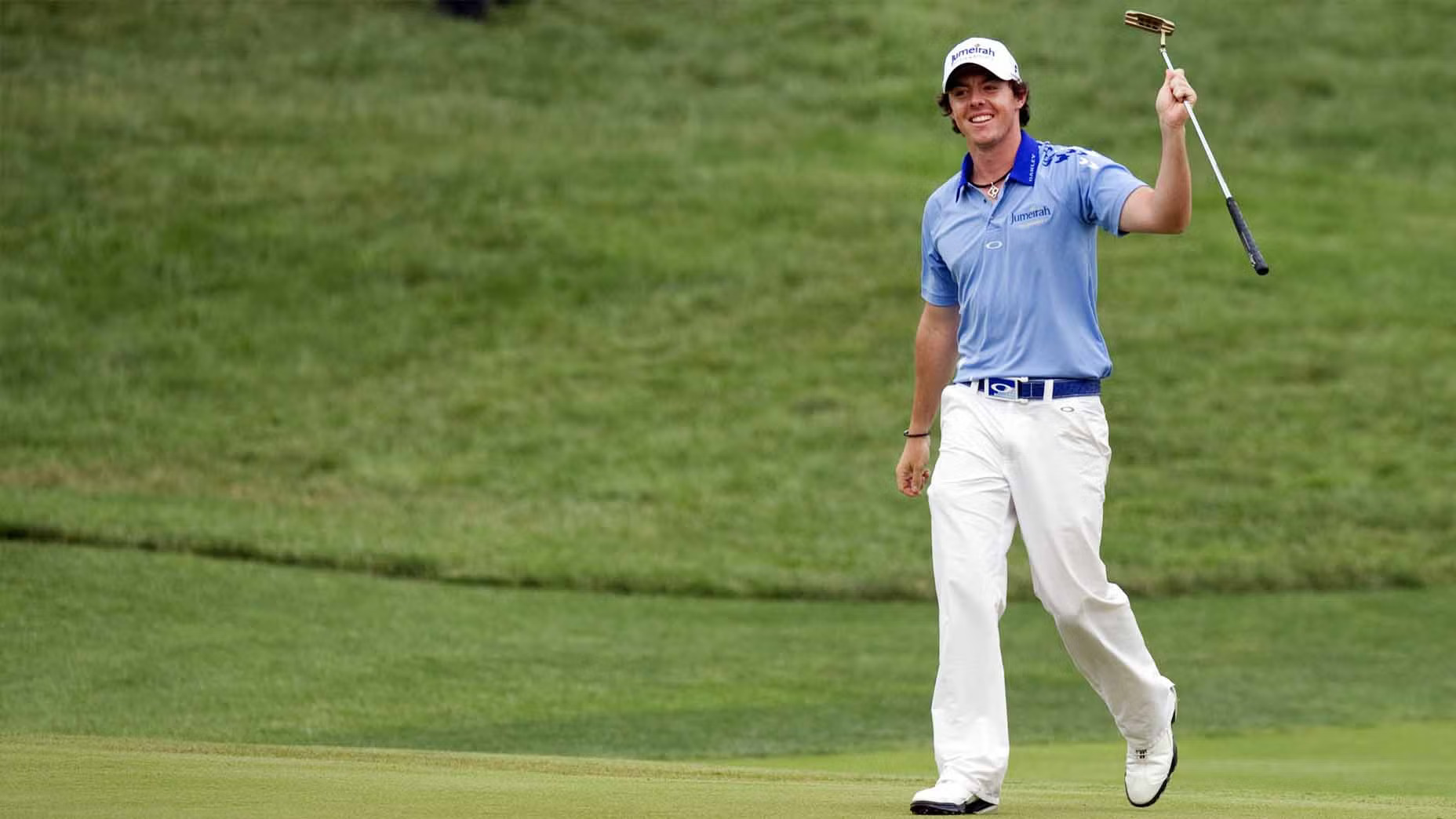
This sustained competitiveness reflects a significant evolution in his game. Early in his career, McIlroy was often described as a player who could only win on softer courses or under favorable conditions that allowed his driving strength to dominate. However, his recent major performances, including his Master’s victory where he successfully defended the title, have challenged that perception and demonstrated a more complete, adaptable skill set.
A key part of this transformation is McIlroy’s strategic maturity. He now emphasizes patience, precision, and risk management rather than pure aggression. At the U.S. Open, where course setups are famously demanding, he has adopted a more controlled approach. Instead of forcing difficult shots, he prioritizes hitting greens safely, managing angles, and avoiding unnecessary mistakes. This style has not always produced a trophy at the U.S. Open, but it has consistently kept him in contention.
McIlroy’s Strategic Maturity Blends Discipline, Control, and Championship Adaptation
McIlroy himself acknowledges this shift in mindset. He describes his strategy as one built around discipline, favoring safe positioning and conservative targets over high-risk plays. This reflects a broader change in how he interprets championship golf. Rather than attempting to overpower every course, he now focuses on surviving the inevitable challenges that define the U.S. Open.
What makes this evolution notable is how it balances his natural talent with improved mental control. McIlroy still possesses one of the most complete skill sets in golf, capable of producing exceptional drives and precise iron shots across all conditions. However, what has developed in parallel is his ability to think through tournaments with greater clarity, adjusting his game plan to suit the demands of each round.
The U.S. Open is widely regarded as the most punishing test in golf, demanding consistency, patience, and resilience. McIlroy now approaches it with a recognition that success depends as much on avoiding disaster as it does on creating brilliance. This understanding marks a clear contrast with his earlier years, when instinct and aggression often took precedence.
As he returns to compete in 2026, McIlroy represents a more complete version of the player who won in 2011. His talent remains unchanged, but it is now guided by experience, restraint, and strategic awareness. This combination keeps him firmly among the favorites, even as he continues his pursuit of a second U.S. Open title.