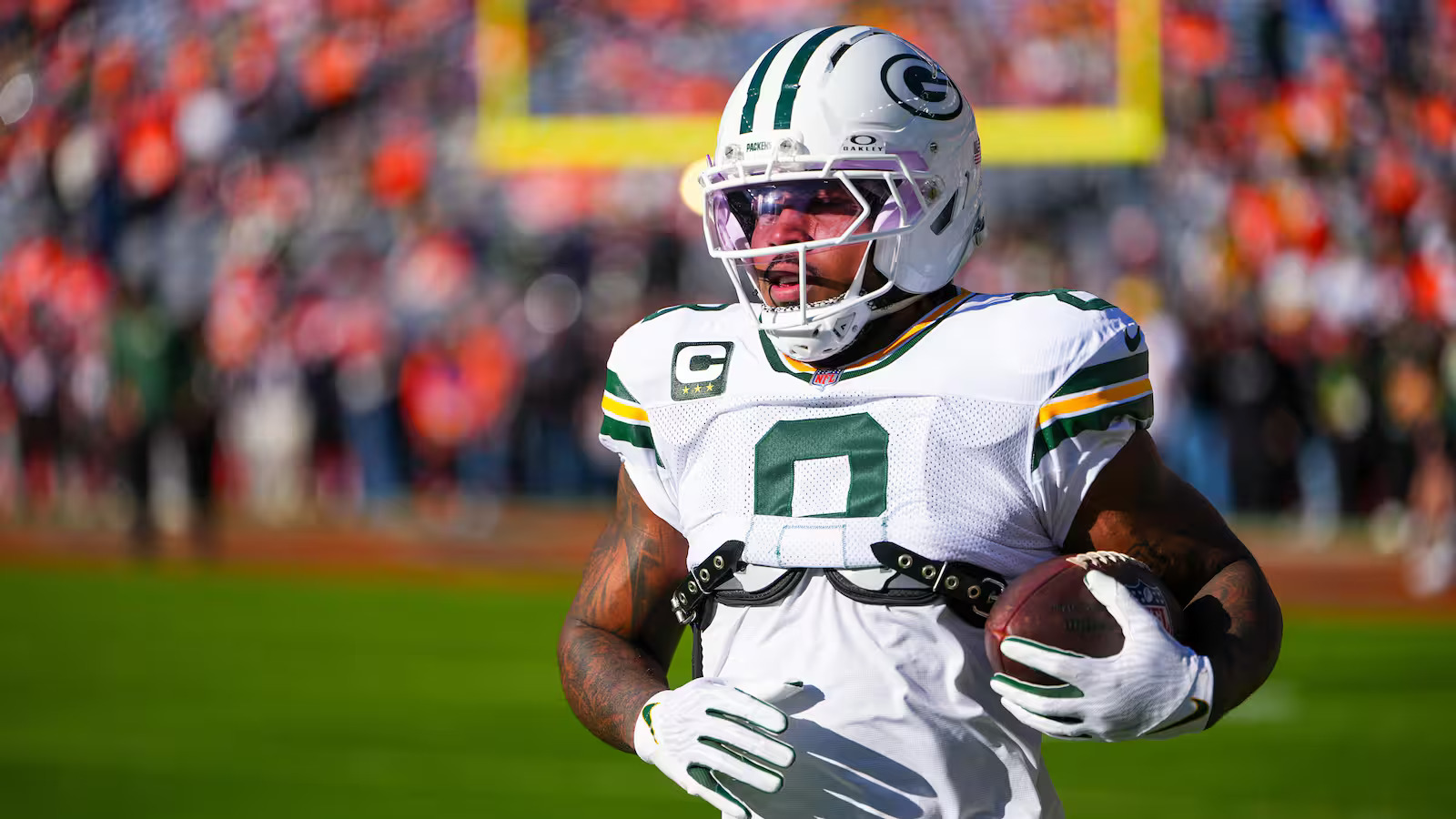
The arrest of Green Bay Packers running back Josh Jacobs on multiple domestic abuse-related charges has once again raised uncomfortable questions about how the NFL responds to violence allegations involving its players and staff. While every case must be handled through proper legal channels and no one should be assumed guilty before a verdict, the situation adds to an ongoing pattern that continues to follow the league.
What makes this issue larger than any single player is the repeated nature of similar stories across the NFL. Over time, cases involving players, coaches, and team personnel accused of domestic violence or related misconduct have surfaced with enough frequency to keep the league under constant scrutiny. The concern is not only about individual behavior but also about how the organization responds publicly and internally when these situations arise.
In recent years, the NFL has made its social messaging highly visible. Campaigns such as “End Racism” and “Inspire Change” have been featured prominently across stadiums, broadcasts, and league events. These initiatives are designed to highlight social responsibility and awareness. However, critics question why domestic violence has not received the same level of public emphasis, especially considering how often allegations involving league figures appear in the news.
NFL Domestic Violence Debate Continues Amid Questions About Accountability, Due Process, And Transparency
From that perspective, there is a belief that if the NFL is willing to place strong visibility on certain social issues, it should also be equally direct about addressing violence against women. Some argue that clearer and more visible messaging around domestic abuse prevention would demonstrate stronger accountability and awareness from the league.
At the same time, it is important to recognize that allegations do not automatically equal guilt. Legal systems exist to determine responsibility, and some cases are dismissed, settled privately, or result in not guilty findings. There are also situations where alleged victims do not continue with prosecution for personal, financial, or emotional reasons. These realities make it necessary to avoid broad conclusions based only on accusations.
Even with that context, critics point to the number of cases that continue to surface as a cause for concern. Recent examples often cited include lawsuits, arrests, and investigations involving current and former NFL figures. Some cases involve allegations of physical abuse, while others include claims of emotional or domestic conflict that remain unresolved in court. Each situation differs in outcome, but together they contribute to ongoing public debate about the league’s culture and accountability.
One example involved Tyreek Hill, who was accused in a civil lawsuit of causing a serious injury during a training-related incident. That case was later settled. In another situation, Kansas City Chiefs coach Dave Merritt faced a domestic battery charge involving a family matter, which was eventually dismissed. Wide receiver Rashee Rice has also been named in a civil lawsuit involving allegations of abuse spanning multiple years, with the case still unresolved.
There are also cases where legal proceedings did not move forward. Former coach Ryan Crow was arrested on assault-related allegations but later saw charges declined by prosecutors. In another instance, offensive lineman Shaq Mason was arrested following accusations of a violent domestic incident that included serious claims, resulting in bond restrictions and monitoring conditions.
Institutional history also plays a role in the discussion. The NFL has previously faced criticism and external investigations, including congressional scrutiny into how misconduct allegations were handled within team organizations. These broader concerns contribute to skepticism about whether the league consistently enforces accountability in a transparent way.
It is also important to acknowledge that not every accusation leads to a conviction. For example, Stefon Diggs was previously accused of a strangulation allegation but was later found not guilty in court. Cases like this highlight why due process remains essential and why public opinion should not replace legal judgment.
NFL Faces Renewed Scrutiny Over Domestic Violence Policies Following Josh Jacobs Arrest
The NFL has taken steps over the years to address domestic violence, particularly after high-profile incidents such as the Ray Rice case. The league has partnered with advocacy groups, supported awareness campaigns, and contributed to organizations focused on prevention and support for survivors. These efforts exist, but critics argue they are not as visible as other league-wide messaging campaigns.
This contrast is at the center of the debate. On one side, the league promotes broad social initiatives with strong public branding. On the other hand, domestic violence prevention efforts are often seen as less prominent and less integrated into the NFL’s public identity. Critics believe this creates an imbalance in how different social issues are prioritized and communicated.
The renewed attention following Josh Jacobs’ arrest reflects a larger ongoing conversation about responsibility, transparency, and consistency within the NFL. It raises questions about how the league should respond when repeated allegations continue to involve members of its organization. While each case must be judged individually, the pattern itself continues to fuel debate about whether stronger, more visible action is needed to address domestic violence within professional football.