Categories
Cycling

Lance Armstrong: The Iconic Victory and Controversy of Cycling

Lance Armstrong, a name synonymous with both athletic triumph and controversy, is a figure whose life story is defined by an extraordinary rise to fame, a near-miraculous recovery from cancer, and a stunning fall from grace due to one of the most infamous doping scandals in sports history.

Armstrong’s career reflects both the heights of success and the depths of scandal, making him one of the most complex figures in modern sports.

Born on September 18, 1971, in Plano, Texas, Lance Armstrong’s early years were marked by an enthusiasm for sports. He started out as a competitive swimmer before switching to cycling in his teenage years.

By the time he was in his twenties, Armstrong was already a promising talent in the cycling world. His breakthrough came in 1993 when he turned professional and began to gain attention for his potential in the grueling sport of road racing.

In 1996, however, Armstrong’s career and life would take a dramatic turn when he was diagnosed with testicular cancer. The disease had spread to his brain and lungs, and doctors gave him little hope for survival.

But Armstrong’s tenacity and will to live propelled him through a brutal battle with cancer. He underwent surgery and extensive chemotherapy, and after a year of treatment, Armstrong was declared cancer-free.

Armstrong’s victory over cancer was the catalyst for his return to cycling. In 1998, he made a stunning comeback to professional racing. His recovery from such a severe illness was remarkable, but what followed was even more extraordinary.
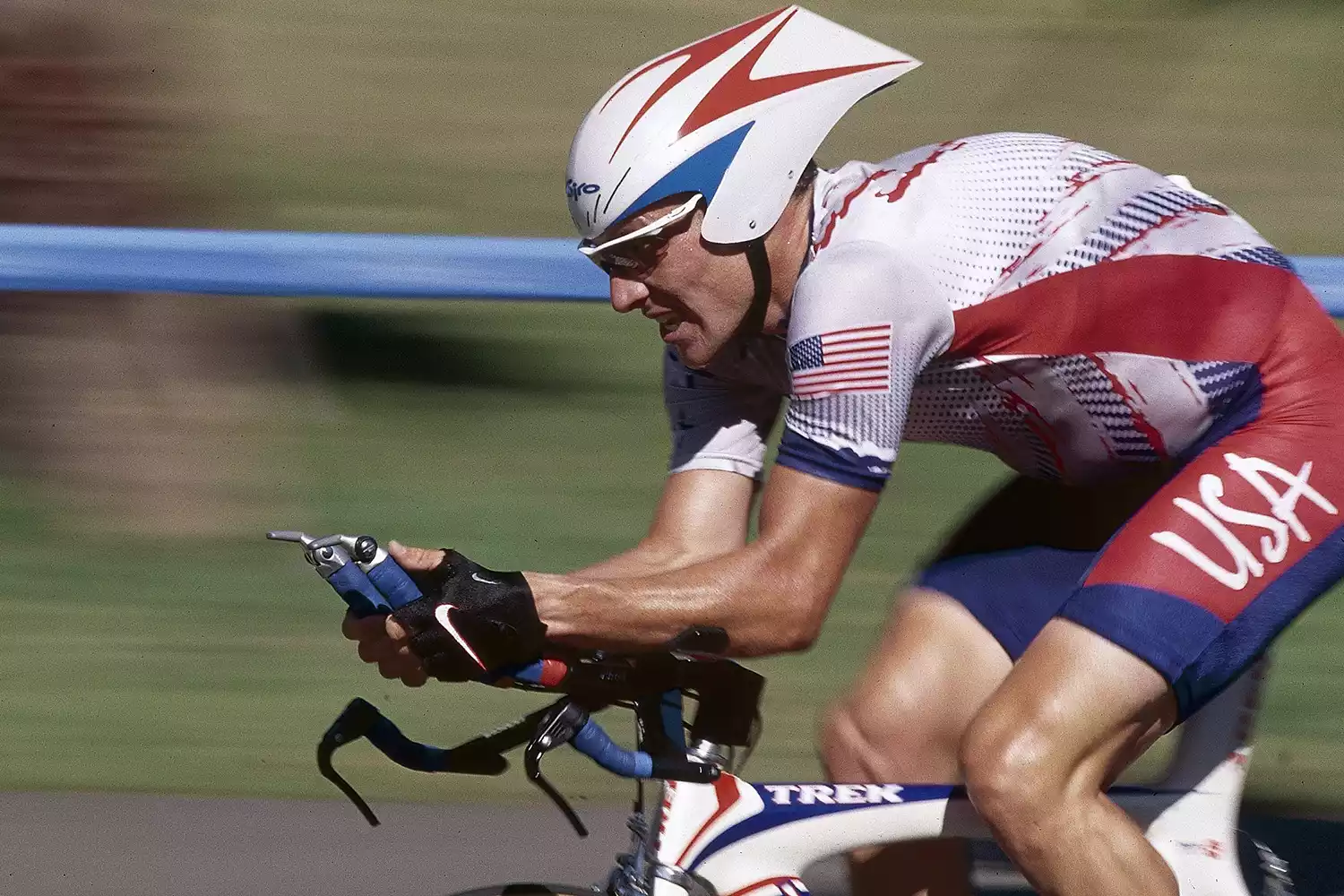
Lance Armstrong 2000 Sydney Olympics

Armstrong’s victory streak was not without controversy

Armstrong dominated the Tour de France, the most prestigious and challenging race in professional cycling, winning it seven times consecutively from 1999 to 2005. His success in the race was unprecedented, and he became a global icon, known for his physical prowess and unrelenting focus.

Rumors of doping had circulated in the cycling community for years, with many suggesting that Armstrong’s success was aided by performance-enhancing drugs.

Armstrong repeatedly denied any allegations of doping, maintaining that his achievements were the result of hard work, talent, and sheer determination. He was seen as a hero by millions, not just for his sporting accomplishments, but for his inspirational story of overcoming cancer.

In 2012, however, the truth came to light. After years of investigation, the United States Anti-Doping Agency (USADA) revealed that Armstrong had been part of an extensive doping program throughout his career, particularly during his Tour de France victories.

Armstrong was accused of using a range of banned substances, including EPO (erythropoietin), testosterone, and blood transfusions, to enhance his performance. The evidence was damning, with testimonies from former teammates and detailed records of his doping regimen. In response to these allegations, Armstrong denied any wrongdoing, but eventually, the pressure became too much.

In a stunning move, Armstrong was stripped of his seven Tour de France titles and banned from competitive cycling for life. The decision was a devastating blow to his legacy, and Armstrong’s once-admired reputation as a cancer survivor and cycling champion was forever tarnished.
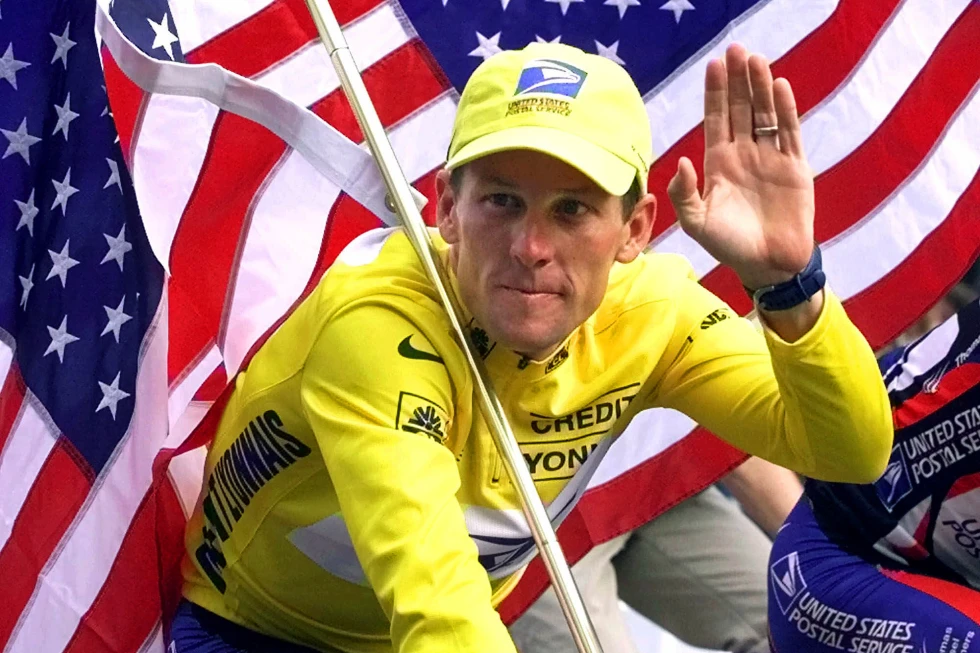
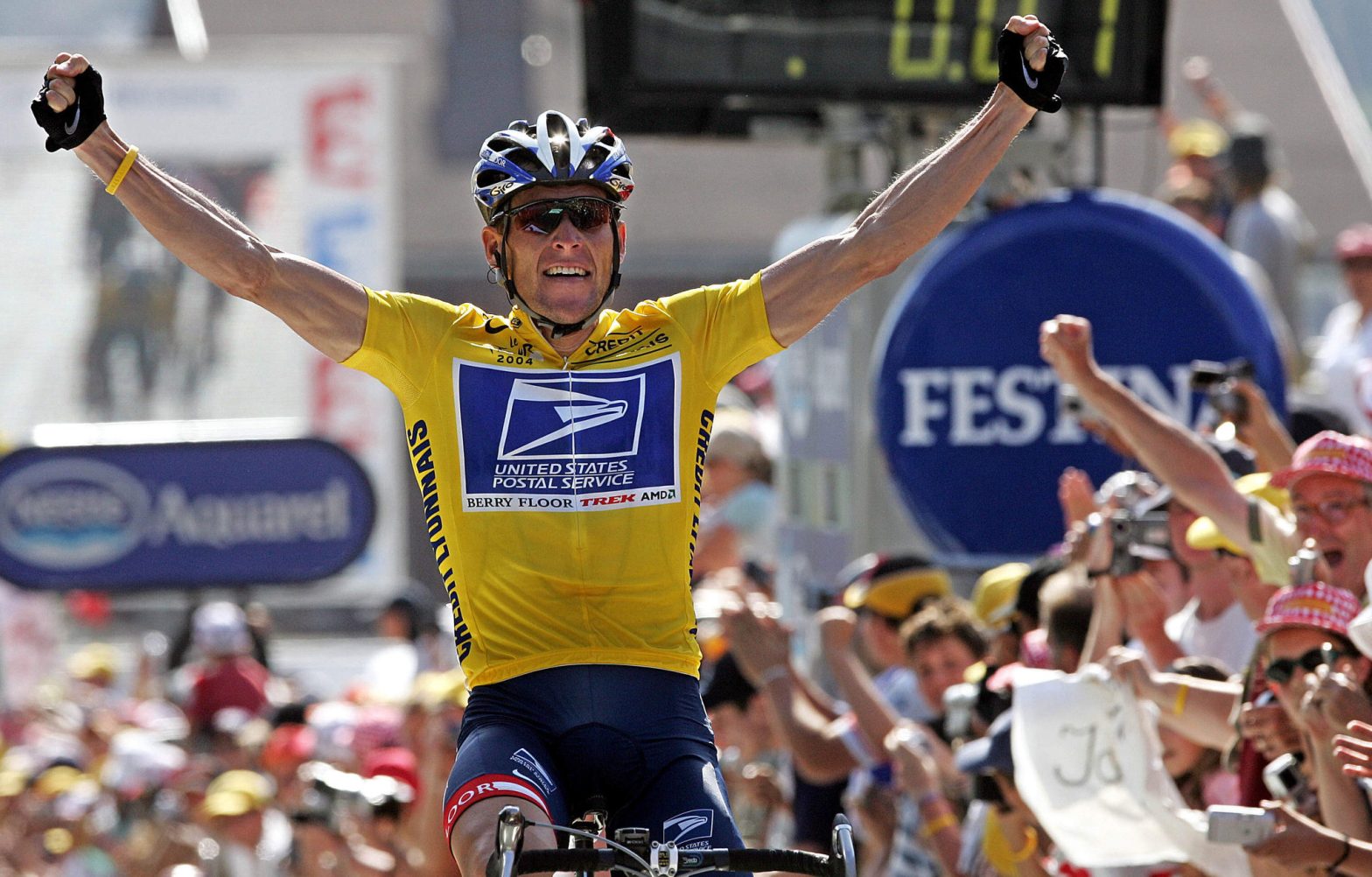
Lance Armstrong rides down the Champs Elysees after the final stage of the Tour de France cycling race in Paris

Despite the ban, Armstrong’s story did not end there

The scandal sent shockwaves through the sports world and prompted widespread debate about doping in professional cycling. Armstrong’s fall from grace was seen as one of the most significant scandals in sports history, with the public feeling betrayed by his deceit.

In 2013, he sat down for an interview with Oprah Winfrey, where he admitted to using performance-enhancing drugs during his career.

His confession was a pivotal moment in the saga, as it marked the first time he publicly acknowledged his involvement in doping. Armstrong’s apology was met with mixed reactions. Some saw it as a long-overdue admission of guilt, while others felt that his remorse was insincere.

Following the interview, Armstrong faced further consequences. He was forced to pay back millions of dollars in sponsorship money, and several of his corporate sponsors severed ties with him.

His charitable foundation, the Livestrong Foundation, which had raised millions of dollars for cancer research, was also negatively affected by the scandal. Despite these challenges, Armstrong has attempted to rebuild his life and his reputation in the years since his admission. He has continued to be involved in the cancer community, and some of his supporters maintain that his story remains one of triumph in the face of adversity.

Armstrong’s story serves as a cautionary tale about the dangers of doping in sports and the lengths to which some athletes will go to maintain their competitive edge. It also raises important questions about the ethics of performance enhancement and the responsibility of athletes to serve as role models.

Armstrong’s case has had a lasting impact on the sport of cycling and has led to changes in anti-doping regulations and enforcement. Many believe that his fall from grace was a pivotal moment in the ongoing fight against doping in sports.
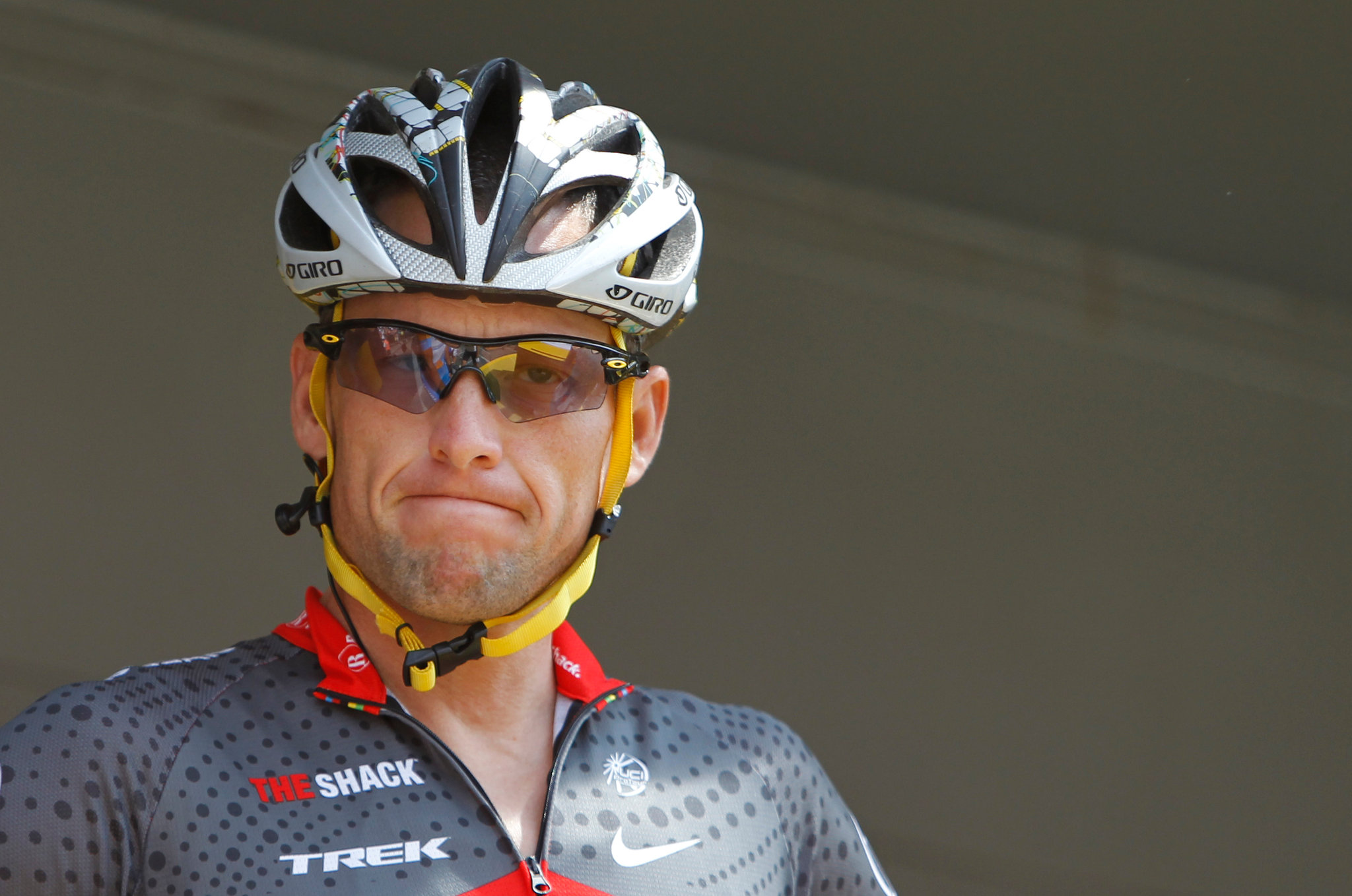
Lance Armstrong
Lance Armstrong

The shadow of his past continues to loom over him

In the years since the scandal, Armstrong has tried to rebuild his life in various ways, including hosting a podcast and engaging in public speaking.

The doping scandal will forever taint his achievements in cycling, and his legacy remains one of the most debated in sports history. Armstrong’s rise to fame, his battle with cancer, his domination of cycling, and his dramatic fall from grace are all elements of a story that is as complex as it is unforgettable.

Lance Armstrong’s journey through triumph and scandal serves as a reminder that the world of professional sports is not just about raw talent and hard work, but also about the choices athletes make along the way.

For Armstrong, his career will always be defined by both his stunning accomplishments and his equally stunning downfall. His story is one of both inspiration and caution, a tale of a man who achieved greatness and lost it all due to the consequences of his actions.
Categories
Wrestling

Khabib Nurmagomedov: The Eagle’s Unbeaten MMA Legacy – A Champion’s Rise

Khabib Nurmagomedov, the legendary Russian mixed martial artist, has carved a place for himself in the annals of MMA history. He retired with an astonishing undefeated record of 29-0, solidifying his legacy as one of the greatest fighters the sport has ever seen.

Known for his dominant grappling, unyielding work ethic, and unrelenting pursuit of victory, Khabib’s career remains unmatched. His incredible run in the UFC, particularly as the lightweight champion, has earned him respect and admiration from fans and peers alike.

Born on September 20, 1988, in the village of Sildi, in the Republic of Dagestan, Russia, Khabib was introduced to combat sports at an early age. His father, Abdulmanap Nurmagomedov, a former athlete and respected coach, began training Khabib in wrestling and judo when he was just a child.

Khabib’s rigorous training regimen was compounded by the tough environment he grew up in, where discipline and strength were necessary traits. His father, who would later become a key figure in Khabib’s coaching team, laid the foundation for Khabib’s highly effective fighting style, which blended wrestling, Sambo, and judo techniques.

Before his transition to MMA, Khabib made a name for himself in freestyle wrestling and Sambo, where he earned numerous titles. His transition to MMA was a natural progression, given his wrestling background and his desire to showcase his skills in the test of a fighter’s ability.

Khabib’s MMA debut came in 2008 at the age of 20, where he quickly made an impression with his grappling-heavy approach. It wasn’t long before he began climbing the ranks, dominating his opponents with suffocating pressure and an unmatched level of control.

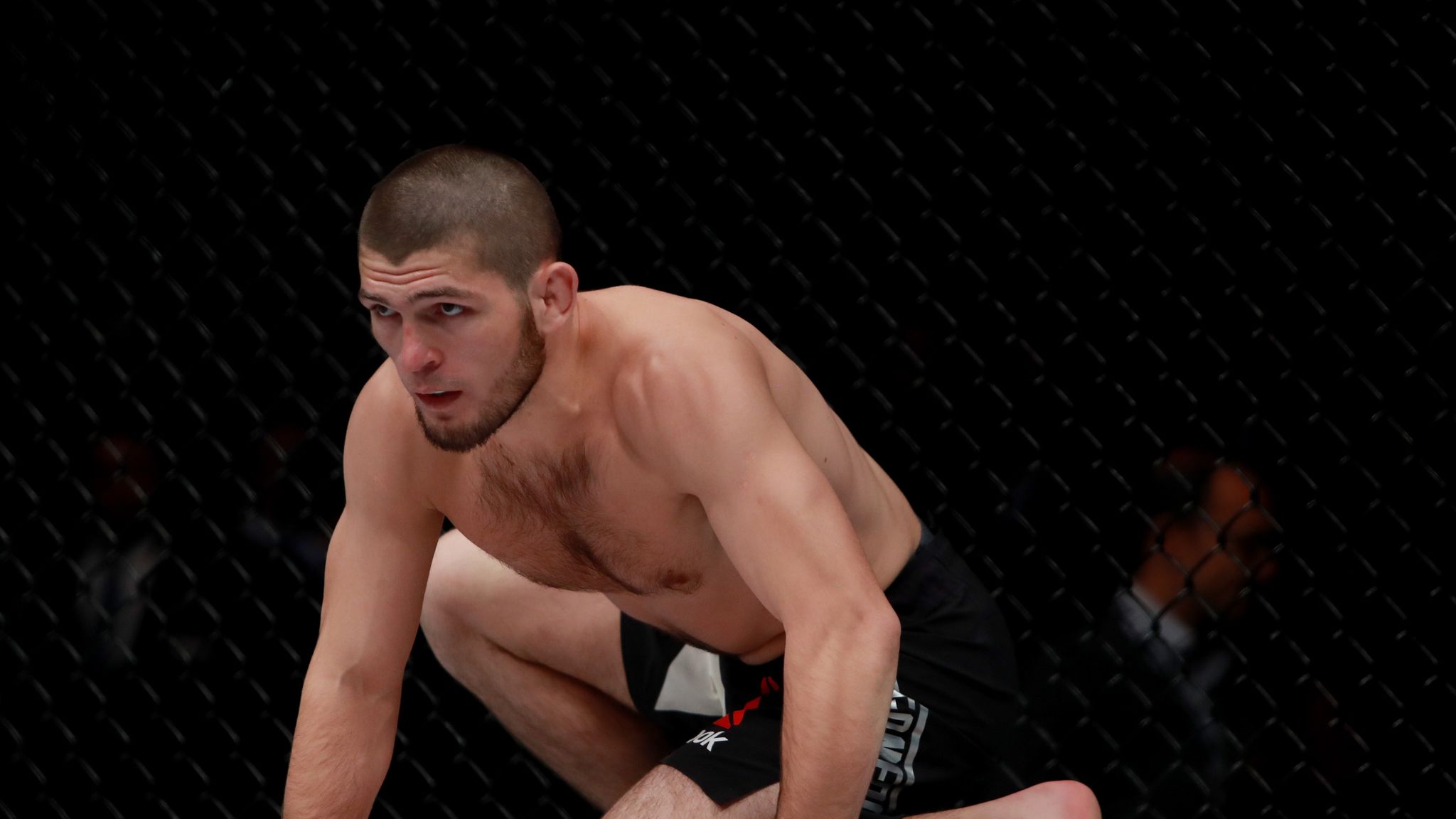
Khabib Nurmagomedov (UFC)

“The Eagle”

Khabib’s early MMA career was marked by a series of decisive victories. His ability to impose his will on his opponents, coupled with his relentless ground-and-pound, earned him the nickname “The Eagle.”

His imposing fighting style, which left little room for his opponents to escape, made him a nightmare for anyone in the lightweight division. He remained undefeated as he fought in several promotions, including M-1 Global, and his record was building toward something special.

In 2012, Khabib made his UFC debut against Kamal Shalorus. From the moment he stepped into the Octagon, Khabib showcased his mastery of wrestling and his unparalleled grappling skills. His ability to dictate the pace of the fight, control the position, and smother his opponents with pressure left fans in awe.

It was clear that Khabib was a force to be reckoned with in the UFC’s lightweight division. Over the next several years, Khabib went on to establish himself as a dominant contender, dispatching opponents with ease, including wins over fighters like Rafael dos Anjos, Edson Barboza, and Michael Johnson.

In 2018, Khabib earned the UFC lightweight championship title by defeating Al Iaquinta in a dominant five-round performance. The win was significant not only because it secured him the championship but also because it solidified Khabib’s position as one of the most dominant forces in the sport.

However, Khabib’s most significant fight came later that year when he faced Conor McGregor at UFC 229. The build-up to the fight was electric, with McGregor being a brash and outspoken challenger to Khabib’s undefeated record. The fight, which became one of the most highly anticipated bouts in MMA history, ended in dramatic fashion.

Khabib Nurmagomedov reacts to Tony Ferguson retirement
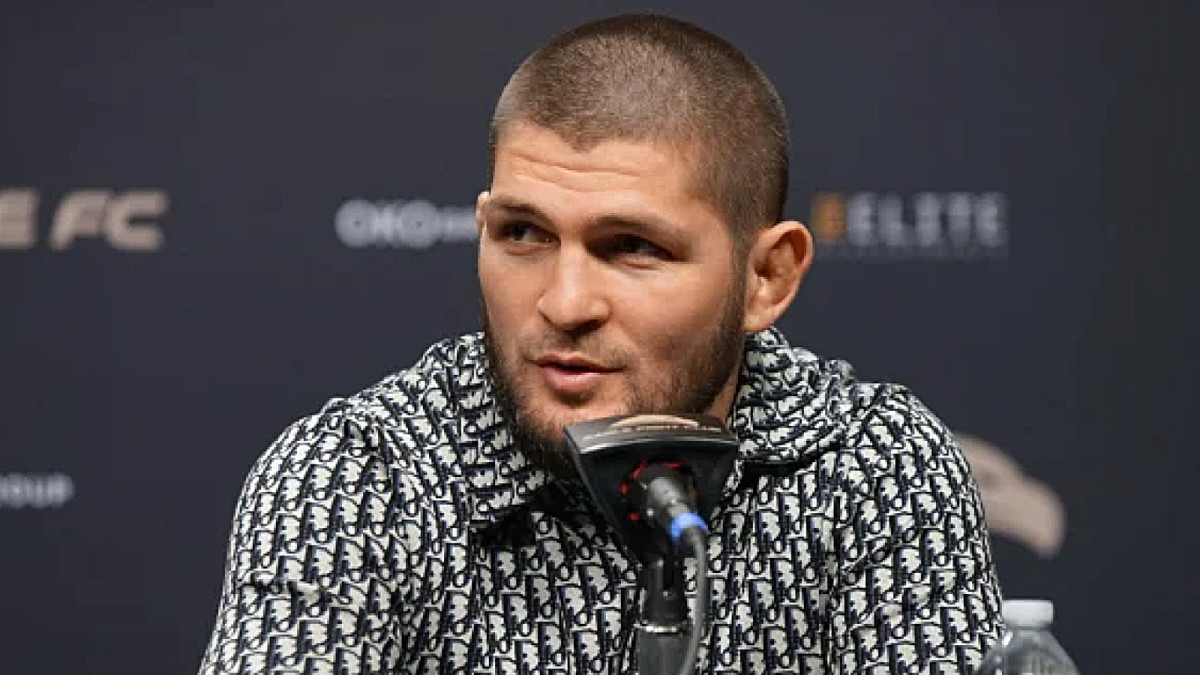
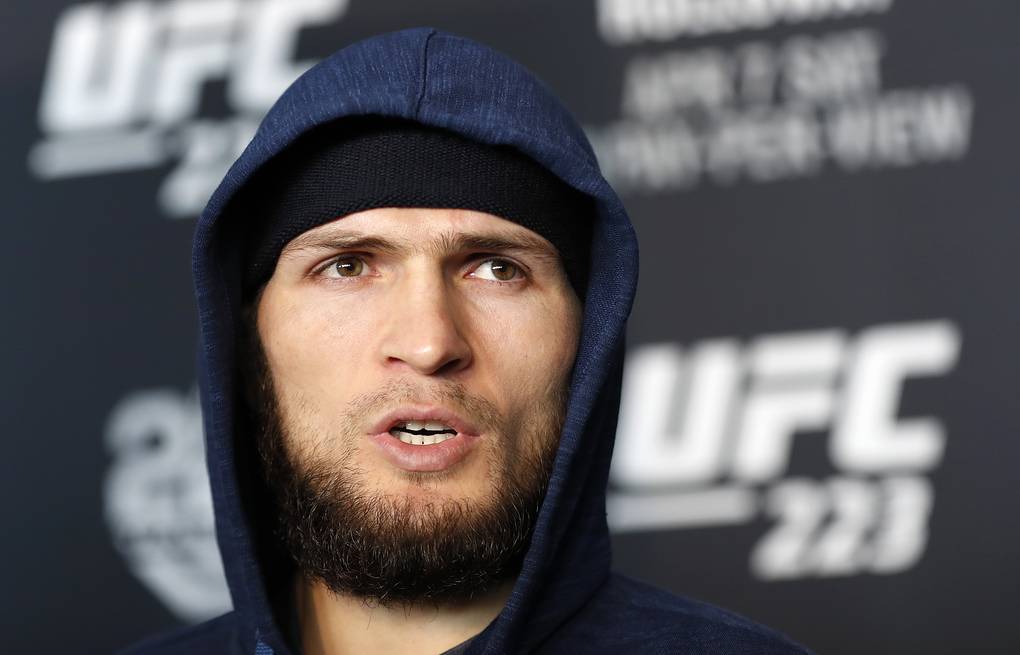
Khabib Nurmagomedov in a press conference

Khabib dominated McGregor from the start

Controlling the fight with his superior grappling and striking. In the fourth round, Khabib secured a submission victory, forcing McGregor to tap out.

After the fight, Khabib leaped over the cage and charged toward McGregor’s cornermen, which led to a chaotic post-fight brawl. Despite the controversy surrounding the aftermath, Khabib’s victory solidified his status as the UFC lightweight champion and reaffirmed his place as one of the best fighters in MMA.

Khabib continued to defend his title in dominant fashion, dispatching top contenders such as Dustin Poirier and Justin Gaethje. His fight against Poirier at UFC 242 was a showcase of his well-rounded game, with Khabib mixing his grappling with precise striking, submitting Poirier in the third round.

Against Gaethje at UFC 254, Khabib delivered a clinical performance, finishing the fight in the second round with a triangle choke, even though he had previously lost his father and coach, Abdulmanap, to COVID-19.

After his victory over Gaethje, Khabib made the decision to retire from the sport, citing a promise he made to his mother that he would not continue fighting without his father by his side.

Khabib’s retirement shocked the MMA world, as fans and analysts believed he had the potential to extend his undefeated streak even further. However, Khabib stuck to his word, retiring at the peak of his career with an unblemished record.

Conor McGregor vs. Khabib Nurmagomedov intense video footage surfaces
Conor Mcgregor vs Khabib Nurmagomedov

Khabib’s legacy extends beyond his undefeated record

His discipline, work ethic, and respect for the sport have made him a role model for aspiring fighters worldwide. He always emphasized the importance of hard work, humility, and respect, both inside and outside the cage.

Khabib’s influence on the sport of MMA, particularly in Dagestan and Russia, cannot be overstated. His success has inspired a new generation of fighters, many of whom have followed in his footsteps to make their mark on the global stage.

Khabib’s legacy in MMA is one of dominance, discipline, and honor. He remains an iconic figure in the sport, whose impact will be felt for years to come. Despite his retirement, Khabib continues to contribute to the sport by coaching and mentoring other fighters, ensuring that his influence will remain long after his time inside the cage.

Through his unparalleled accomplishments and his commitment to the values of combat sports, Khabib Nurmagomedov has cemented his place as one of the all-time greats in MMA history.

Categories
Football (Premier League)

How Sven-Göran Eriksson’s Tactical Brilliance and Cultural Diplomacy Shaped Modern Football

Sven-Goran Eriksson’s journey in football began not on the grand stages of international tournaments but in the local circuits of Swedish football. His early years as a coach were marked by a deep passion and an unwavering determination to understand the game. At IFK Gothenburg, he laid the foundation for his coaching career, demonstrating a keen eye for tactics and a commitment to innovative footballing philosophies.

His time in Sweden was not just about victories but about developing a global perspective that would later define his managerial style. As Eriksson progressed to managing Benfica, he began absorbing the nuances of different football cultures, a crucial aspect of his future success.

Eriksson’s success at club level was undeniable. His time in Portugal with Benfica saw him win multiple league titles, and his foray into Italian football with clubs like Roma and Lazio cemented his reputation as a tactical genius. However, the question remained: could his expertise translate to the international stage? The football world took notice when England came calling, marking a significant transition in his career.

Eriksson’s appointment as England’s first foreign manager was met with skepticism, but it also opened doors for a new era of international coaching that was not restricted by nationality. His ability to manage elite players and adapt to different footballing philosophies made him a trailblazer in global football management.

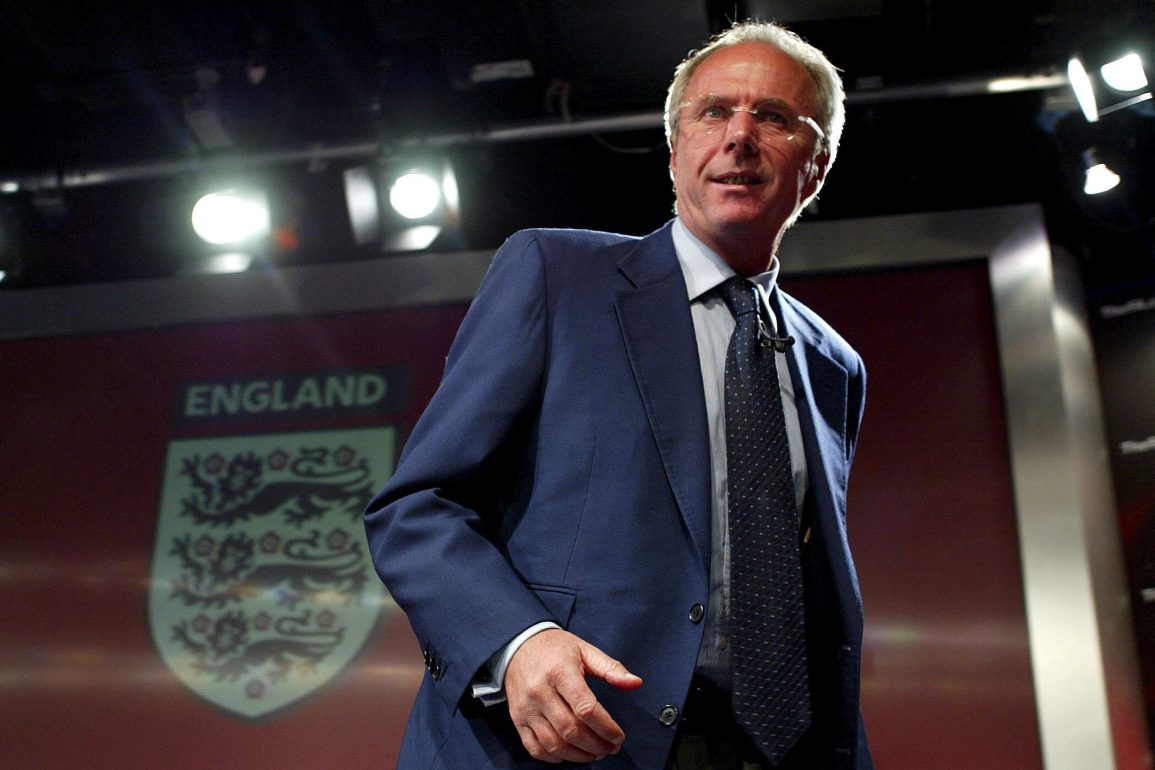
Sven-Göran Eriksson
Sven-Göran Eriksson (Premier League)

Sven-Göran Eriksson a Football Diplomat Who United Cultures Through Tactical Brilliance

Beyond the tactical intricacies of the game, Eriksson played a crucial role as a football diplomat. His managerial stints spanned multiple continents, from England to Mexico and China, making him one of the most well-traveled football managers of his time.

Eriksson’s ability to communicate and build strong relationships with players from diverse backgrounds showcased his strength as a unifier. He utilized football as a tool to bridge cultural divides, demonstrating that the sport transcends national boundaries. His diplomatic approach not only influenced teams on the pitch but also shaped the perception of football as a global phenomenon.

One of Eriksson’s defining qualities was his ability to integrate various footballing cultures into a cohesive unit. His time in Serie A, the English Premier League, and international football required him to navigate different tactical approaches and expectations. At Lazio, he managed a multicultural squad and led them to a Serie A title, proving his ability to blend styles effectively.
Similarly, with England, he faced the challenge of managing players with diverse club allegiances and transforming them into a unified team. Eriksson’s cultural sensitivity allowed him to turn diversity into strength, fostering an environment where players felt valued and motivated to perform at their best

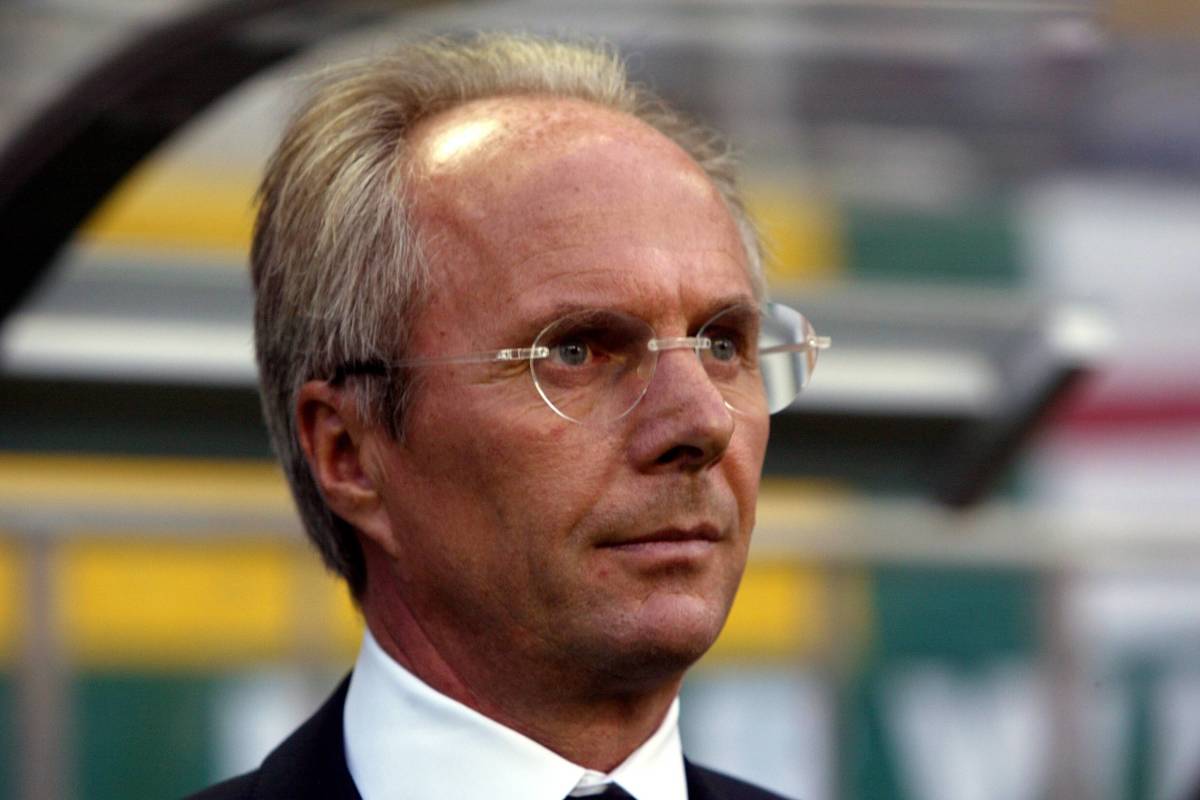
Sven-Göran Eriksson
Sven-Göran Eriksson (Premier League)

Sven-Göran Eriksson a Visionary Tactician Who Transformed Modern Football Strategies

Eriksson’s tactical approach was both adaptable and revolutionary. At Roma, he emphasized attacking football, while with England, he focused on disciplined, structured play. His ability to adjust his tactics based on the strengths of his team set him apart from many of his contemporaries.

Beyond the tactics, his coaching philosophy extended beyond the pitch, influencing players’ professional and personal growth. Eriksson’s legacy is not just about the trophies he won but also about the influence he had on a generation of coaches and players. His impact on football strategy continues to be felt, inspiring future managers to adopt a holistic approach to coaching.

Sven-Goran Eriksson’s influence extends far beyond his managerial career. His ability to adapt, innovate, and build bridges between cultures has left an indelible mark on the footballing world. From mentoring players who went on to become legends to shaping the way international teams are managed, Eriksson’s contributions have had a ripple effect across generations.

Though skepticism about his impact may linger, his legacy is evident in the continued success of the teams and individuals he shaped. As football continues to evolve, Eriksson’s philosophy of inclusivity, adaptability, and tactical ingenuity remains a guiding force for future generations.

Categories
Wrestling

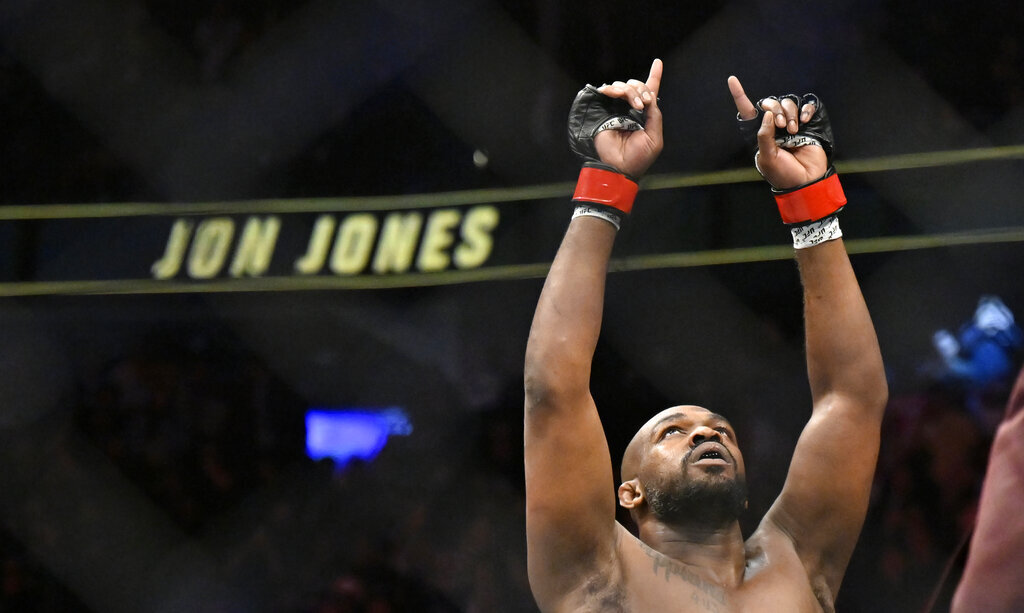
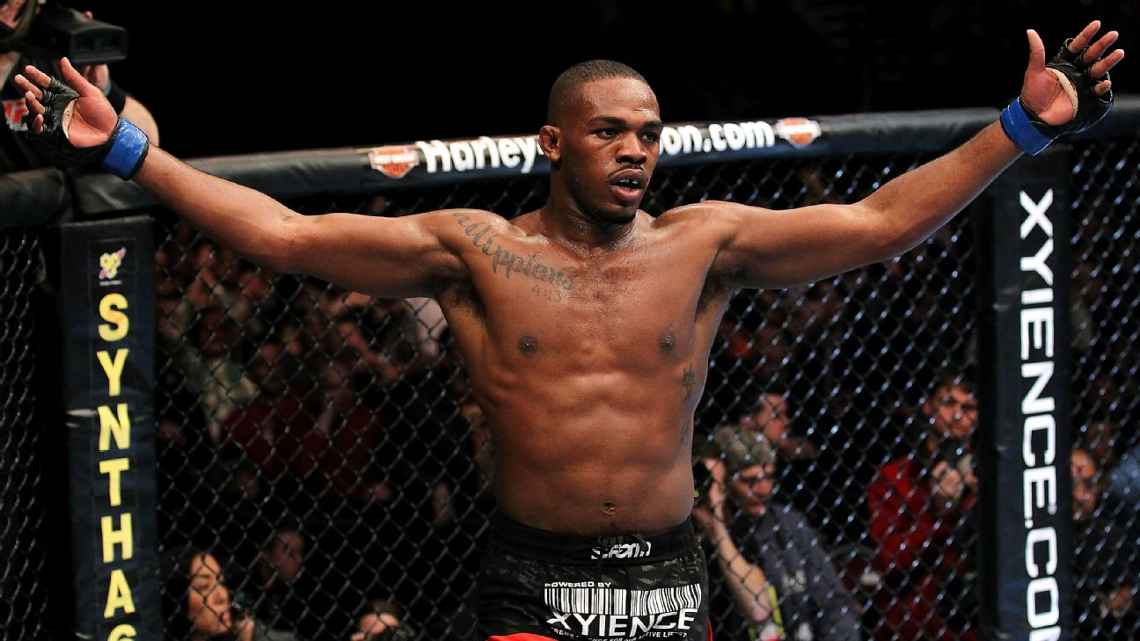
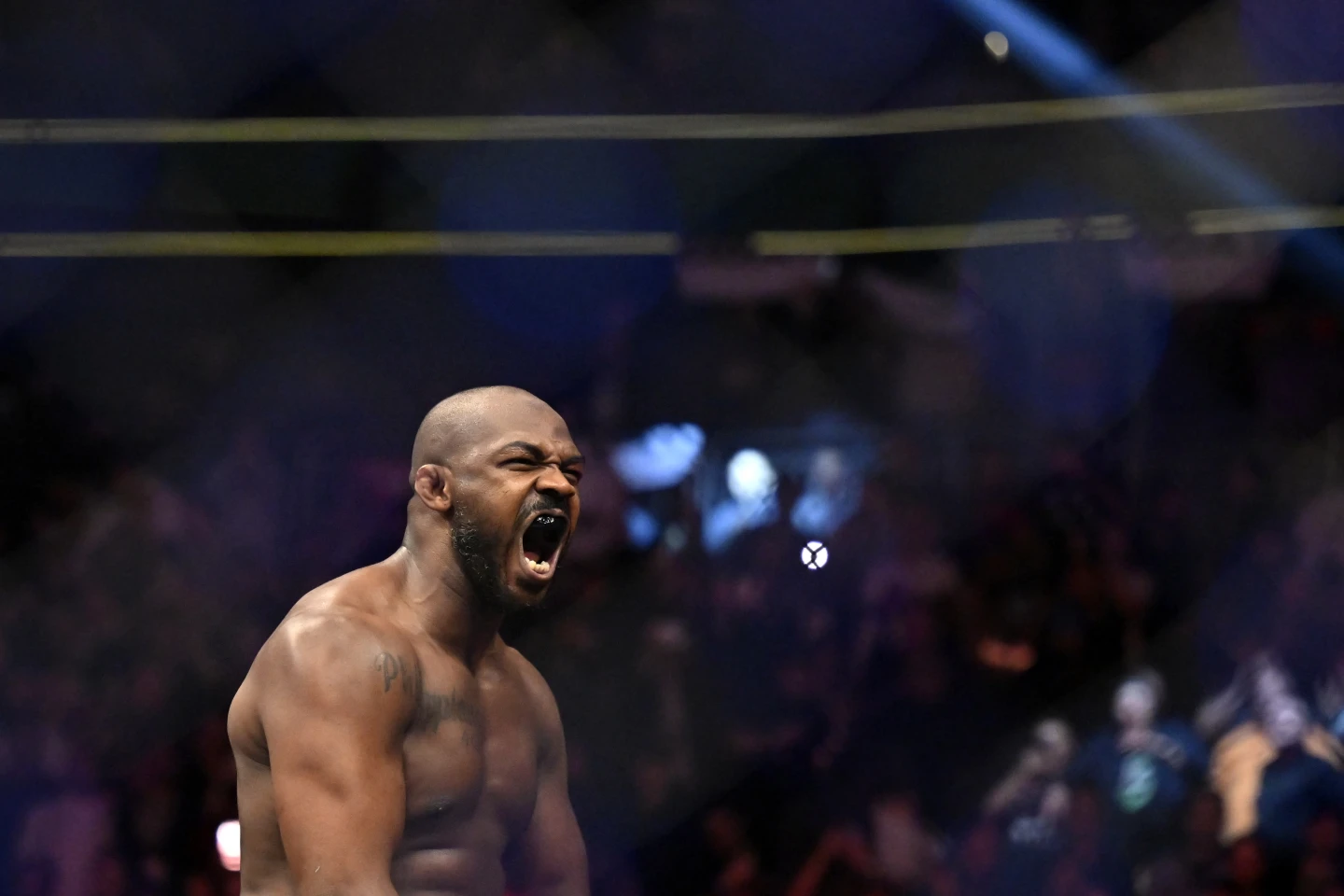
Jon Jones: The Gifted yet Controversial Champion of MMA

Jon Jones is widely regarded as one of the most gifted mixed martial artists in history. His combination of athleticism, fight IQ, and versatility has earned him a reputation as a once-in-a-generation talent. He became the youngest fighter to win the UFC Light Heavyweight Championship at the age of 23, and his reign as champion was nothing short of dominant.

Despite this, Jones’s career has been plagued by controversies, legal issues, and personal struggles that have tarnished his legacy. His story is one of greatness tempered by self-sabotage, a pattern that has defined his career both inside and outside the octagon.

Jones’s rise to fame began in 2008, when he made his UFC debut. Despite being relatively unknown at the time, he quickly proved himself as a force to be reckoned with. His unorthodox fighting style, which combined a diverse range of strikes, submissions, and takedowns, made him a nightmare for opponents.

Jones’s dynamic striking, using everything from elbows to spinning back fists, kept his opponents off balance and unable to find a rhythm. His grappling was equally dangerous, as he dominated his opponents with ground control and vicious ground and pound.

It didn’t take long for Jones to reach the pinnacle of the sport. In 2011, he defeated Mauricio “Shogun” Rua to claim the UFC Light Heavyweight Championship, becoming the youngest fighter in UFC history to win a title.

Over the next few years, Jones continued to dominate the division, successfully defending his belt multiple times against some of the best fighters in the world, including Quinton “Rampage” Jackson, Lyoto Machida, and Rashad Evans. His technical prowess and ability to adapt to any opponent made him a seemingly unbeatable champion.

Jon Jones became the youngest champion in UFC history

Jones’s personal life began to spiral out of control

In 2015, he was involved in a hit-and-run incident that left a pregnant woman injured. Jones was arrested and charged with felony counts of leaving the scene of an accident and tampering with evidence.

This incident led to a suspension from the UFC and the stripping of his title. It was a major setback in his career and brought his troubled past into the spotlight.

While Jones’s legal troubles were mounting, his time away from the sport also allowed him to reflect and rebuild his life. He returned to the UFC in 2016, where he regained the Light Heavyweight Championship with a dominant performance against Daniel Cormier.

However, his troubles were far from over. In 2017, Jones was flagged for a doping violation ahead of his scheduled fight against Cormier. He was suspended from the sport for 15 months, and his victory over Cormier was overturned to a no-contest. This incident was another blow to Jones’s legacy, as it cast further doubt on his commitment to the sport and his ability to remain clean.

Jones’s return to the UFC in 2018 was met with high expectations, but his career continued to be marred by controversy. In 2020, he vacated his title and announced that he would be moving up to the heavyweight division.

While this was seen as a new chapter in his career, his time in the heavyweight division has yet to materialize, as he has been embroiled in a public feud with the UFC regarding his contract and compensation.

Jon Jones reacts after winning UFC 285

Despite these setbacks, Jones’s talent remains undeniable

His victories in the octagon are a testament to his skill, and his ability to adapt to any opponent is unmatched. He has proven time and time again that he is one of the most skilled fighters to ever compete in mixed martial arts.

However, his personal demons have held him back from reaching his full potential. Jones’s career is a tale of what could have been, as his actions outside the cage have frequently overshadowed his achievements inside it.

Jones’s legacy is a complicated one. He is undoubtedly one of the greatest fighters to ever grace the octagon, but his repeated run-ins with the law and his inability to stay out of trouble have tarnished his reputation. He is a fighter who could have been even greater if not for his self-destructive behavior.

His story serves as a cautionary tale for athletes and fans alike, showing that talent alone is not enough to guarantee success. In the case of Jon Jones, his greatness was often overshadowed by his inability to make the right choices off the mat.

Jones’s journey has been a rollercoaster ride, with moments of brilliance followed by setbacks and controversy. His skillset is unparalleled, and his impact on the sport of mixed martial arts is undeniable.

However, his career will always be tainted by the mistakes he has made outside the cage. Jon Jones is a tragic figure in MMA history—one of the most talented athletes to ever compete in the sport, but one whose career will forever be clouded by his personal struggles.

In the end, Jones’s legacy will likely be defined by the contrast between his incredible talent and the mistakes he made off the mat. He is a fighter whose potential was endless, yet who repeatedly sabotaged his own success.

His story is one of talent, but also of missed opportunities, wasted potential, and the consequences of poor decisions. Whether or not Jones will be able to fully redeem himself remains to be seen, but his place in MMA history is secure.

He is, without a doubt, one of the greatest fighters to ever compete in the sport, but his story will always be one of what could have been.

Categories
Football (Premier League)

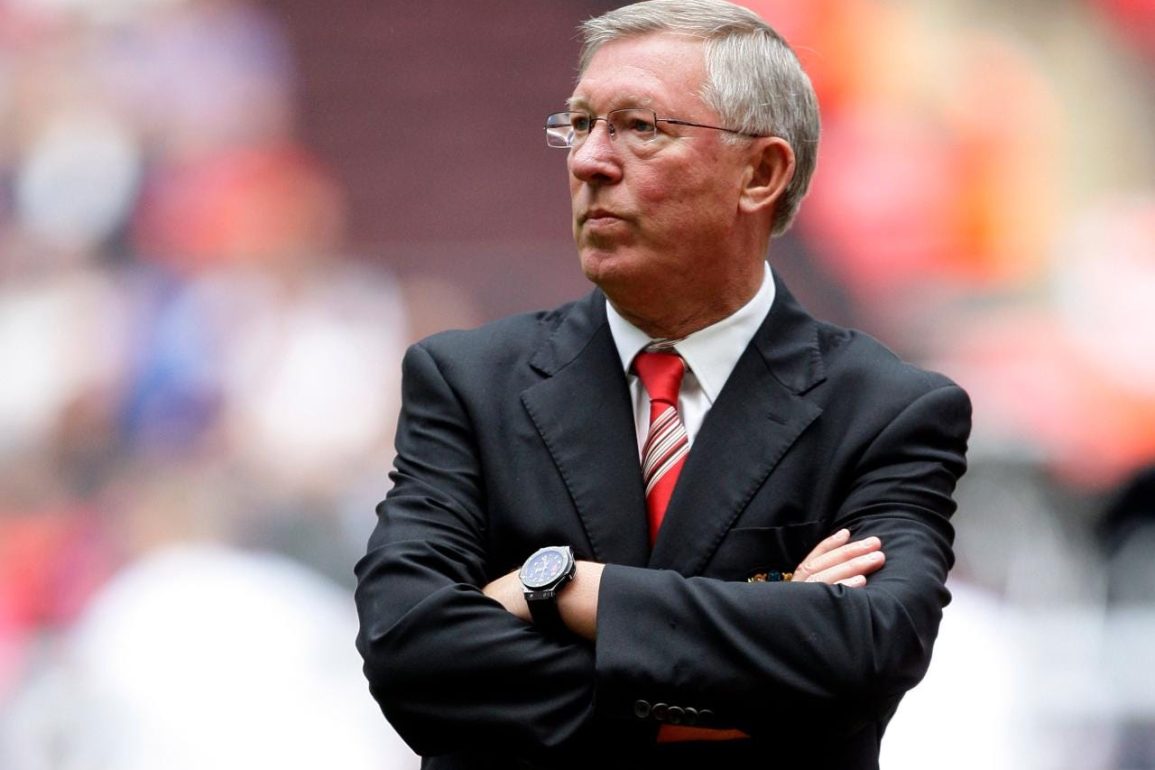
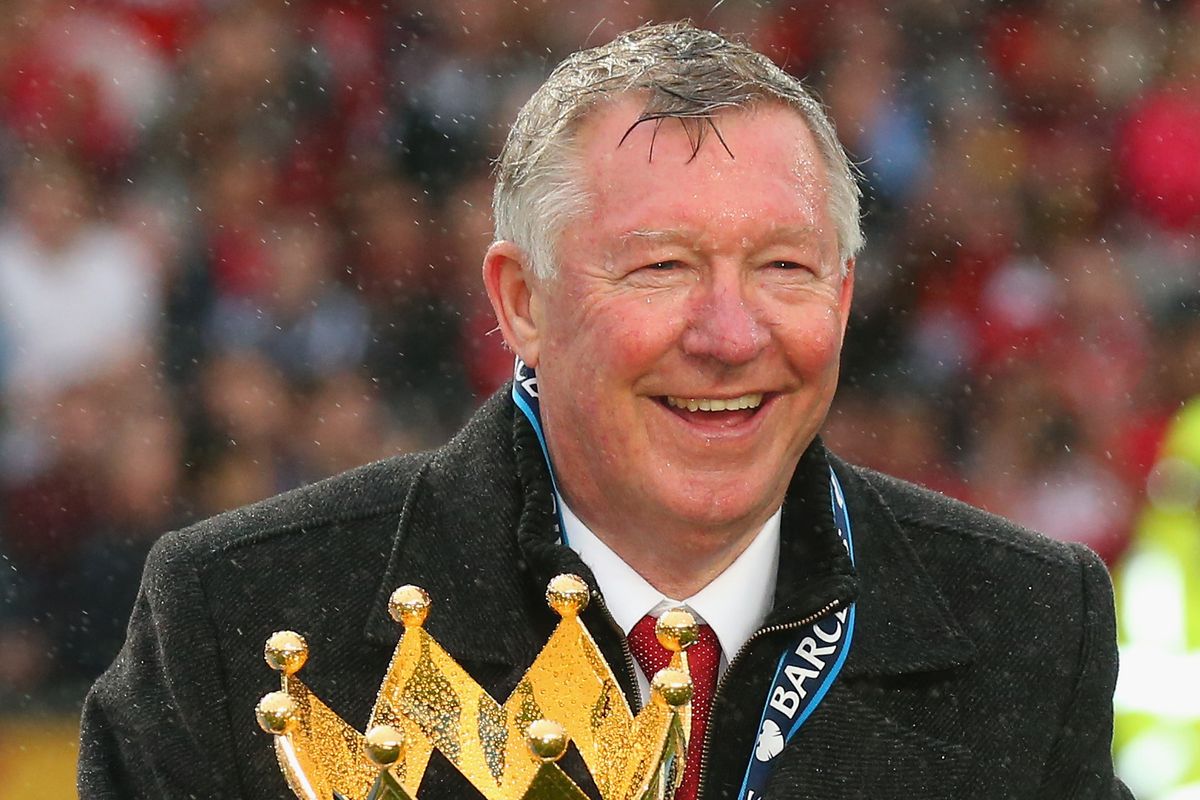
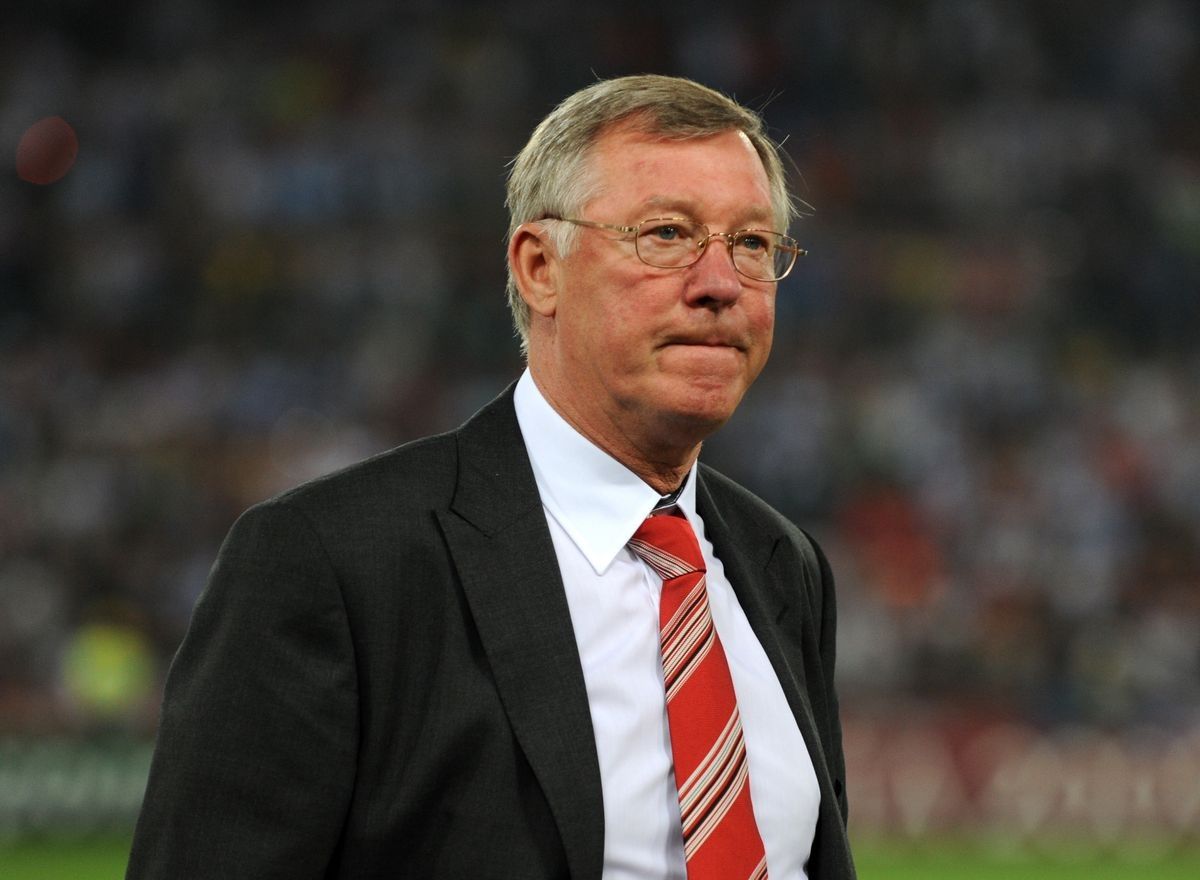
How Sir Alex Ferguson’s Leadership and Tactical Genius Led Manchester United to Champions League Glory

The 2008 Champions League final at Moscow’s Luzhniki Stadium is etched in football history. Millions watched as Manchester United and Chelsea battled for European supremacy. The defining moment came in a penalty shootout when John Terry slipped, missing the chance to secure Chelsea’s first Champions League title. This failure, combined with United’s victory, solidified Sir Alex Ferguson’s legendary status.

However, Rio Ferdinand believes that United’s triumph was set in motion years earlier, not in Moscow, but behind the closed doors of Estadio do Benfica in Portugal. This moment, often overshadowed by the grand spectacle of the final, played a crucial role in shaping the mentality and determination of United’s squad. It was a tale of resilience, discipline, and managerial genius that ultimately led to European glory.

Sir Alex Ferguson’s Tough Love Transformed Ronaldo and Revived United’s Championship Ambitions

Three years before the Moscow final, a young Cristiano Ronaldo experienced one of Ferguson’s most intense managerial moments. After a poor performance against Benfica, Ferguson unleashed his infamous “hairdryer treatment” on the young star, questioning his arrogance and ability. Ronaldo, who had been trying too hard to impress, was left in tears. Ferdinand recalls this moment as a turning point for the Portuguese forward, shaping his mentality and work ethic.

Alex Ferguson
Alex Ferguson (Manchester United)

It was the spark that ignited Ronaldo’s journey to becoming one of the world’s best players. Ferguson’s tough love was instrumental in molding Ronaldo, ensuring that he learned to harness his talent effectively rather than rely solely on natural ability. The incident in Lisbon was a catalyst, setting the stage for Ronaldo’s transformation into a global footballing icon.

In the early 2000s, United had lost their dominance in English football. Having won the league in 2002-03, Ferguson watched as Arsenal’s ‘Invincibles’ claimed the title in 2003-04, followed by Chelsea’s back-to-back triumphs in 2004-05 and 2005-06 under Jose Mourinho. Ferguson, known for his relentless drive, refused to accept defeat. ‘

The rebuild of United’s squad began, driven by a mixture of youth, tactical reinvention, and Ferguson’s trademark motivational skills. This period of transition was not without its challenges. The pressure to reclaim dominance weighed heavily on the squad, but Ferguson’s leadership ensured that the team remained focused and driven. Each setback was met with an immediate plan for improvement, reflecting Ferguson’s commitment to excellence and his refusal to accept mediocrity.

Sir Alex Ferguson’s Vision and Leadership Drove United’s Rise to European Glory

A crucial factor in United’s resurgence was the return of Carlos Queiroz as Ferguson’s assistant. His deep tactical knowledge and ability to connect with international players helped modernize United’s approach. Queiroz emphasized European-style tactical discipline, ensuring United could adapt to different styles of play. His impact was profound, particularly in shaping players like Ronaldo, Rooney, and Nemanja Vidic.

Alex Ferguson
Alex Ferguson (Manchester United)

His presence provided a crucial bridge between Ferguson’s old-school methods and the evolving demands of modern football. Queiroz’s influence extended beyond tactics; his ability to communicate with players from different backgrounds helped create a cohesive squad. His role in transforming United’s playing style made them more competitive in European competitions, an area where they had previously struggled.

Wayne Rooney’s arrival in 2004 marked another turning point for United. Fresh from his breakout performances at Euro 2004, Rooney’s aggressive and fearless playing style complemented Ronaldo’s flair. Together, they formed a dynamic partnership that gave United a cutting edge in attack. Their work ethic and hunger for success aligned perfectly with Ferguson’s philosophy, providing the foundation for the club’s resurgence.

This duo, alongside key signings like Michael Carrick, laid the groundwork for future success. The impact of Rooney and Ronaldo was immediate, with their performances proving decisive in key matches. Ferguson’s ability to integrate these young talents into the squad while maintaining team harmony was a testament to his managerial brilliance.

United’s 2006-07 Champions League campaign provided a glimpse of their potential. Despite a 3-2 win over AC Milan in the semi-final first leg, they were ultimately outclassed in the return fixture, losing 3-0. However, this defeat proved invaluable. Rooney recalls that the team, despite their youth, realized they were capable of competing with Europe’s elite.

The experience gained from that campaign became instrumental in shaping the squad’s mentality for the following seasons. The disappointment of falling short in 2007 served as motivation, driving the players to push harder. Ferguson ensured that lessons were learned, making tactical adjustments that would prove crucial in their eventual European triumph.

Sir Alex Ferguson’s Masterstroke Leading United to Glory in Moscow 2008

By the 2007-08 season, United had assembled a squad capable of challenging for the Champions League. The defense, marshaled by Ferdinand and Vidic, provided stability, while Carrick’s composure in midfield allowed Ronaldo, Rooney, and Carlos Tevez to flourish in attack.

Alex Ferguson
Alex Ferguson (Manchester United)

Ferguson’s tactical adjustments, influenced by Queiroz’s European expertise, ensured United could compete both domestically and on the continent. The team’s evolution was complete, and they stormed to the Premier League title, setting the stage for their crowning moment in Moscow. Every signing, every tactical change, and every motivational speech led to this moment. The meticulous planning paid off, with United emerging as the dominant force in European football.

On the morning of the final, Ferguson delivered what many players regard as one of his greatest team talks. He spoke about his working-class roots, the struggles of ordinary people, and the sacrifices made to reach this moment. Ferdinand recalls being so inspired that he felt ready to run through walls.

Rooney emphasizes how Ferguson’s speech humbled the team, reminding them of their privileged position and the responsibility they carried. This emotional connection played a crucial role in their mental preparation for the final. Ferguson’s ability to tap into the players’ emotions and backgrounds created a strong sense of unity and purpose, essential for handling the pressure of such a significant match.

The final itself was a tense affair. Ronaldo opened the scoring with a towering header, but Frank Lampard equalized for Chelsea. The match went into extra time and eventually to penalties. When Ronaldo missed his spot-kick, Chelsea had the opportunity to win. However, fate intervened as John Terry slipped, sending his penalty wide.

Edwin van der Sar’s save from Nicolas Anelka secured United’s victory, cementing Ferguson’s legacy as one of football’s greatest managers. The celebrations that followed highlighted the significance of the victory, not just for the club, but for the players who had fought so hard to reach this pinnacle.

United’s triumph in Moscow was more than just a trophy win; it was the culmination of years of meticulous planning, relentless drive, and Ferguson’s ability to rebuild and reinvent. The lessons learned from failures, the impact of key individuals like Queiroz, Rooney, and Ronaldo, and the unwavering belief of Ferguson all contributed to this defining moment.

Moscow 2008 remains a testament to Ferguson’s genius, a victory that encapsulated his footballing philosophy and cemented his place as one of the greatest managers in history. The echoes of that night still resonate, a reminder of what can be achieved through vision, determination, and unyielding belief in success.

Categories
Football (Premier League)

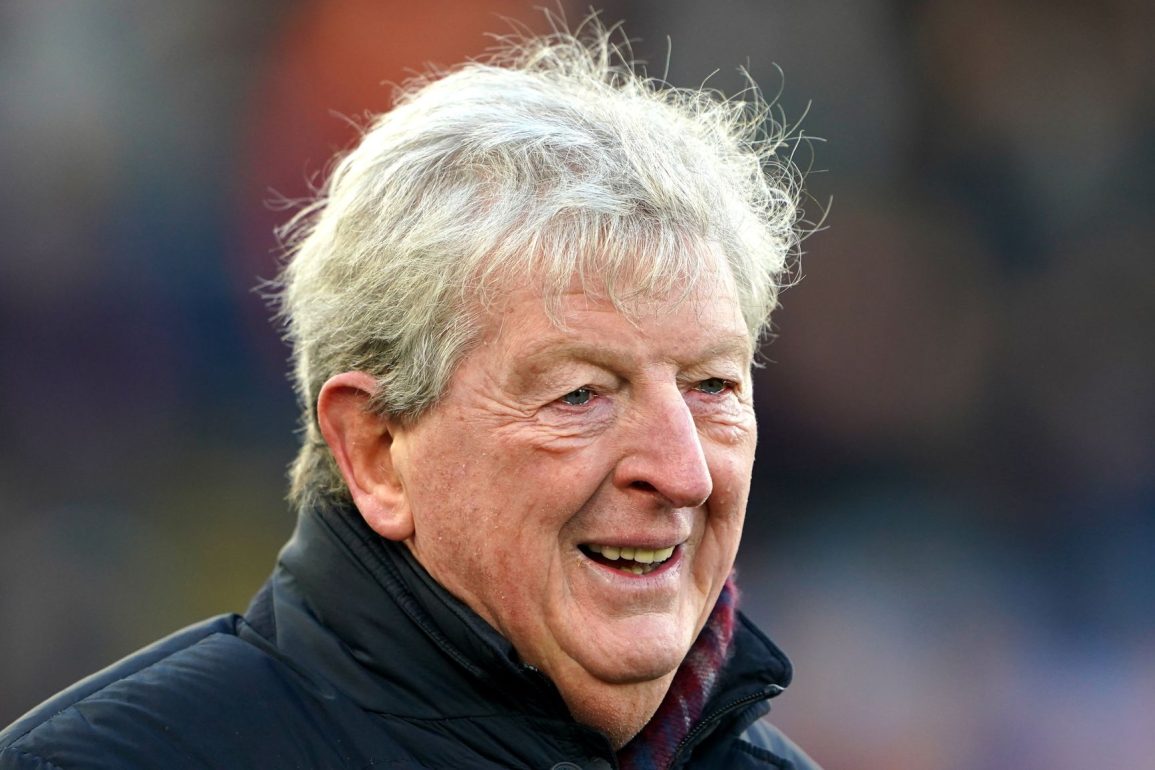
How Roy Hodgson Transformed Switzerland Into a Respected Footballing Nation

Before Roy Hodgson’s arrival, Switzerland’s national football team had endured decades of disappointment. Despite reaching the quarter-finals of the 1958 World Cup, they failed to qualify for another major tournament for 28 years. Several Swiss coaches attempted to revive the team, but their efforts fell short.

Even German coach Uli Stielike was unsuccessful in guiding Switzerland to the 1990 World Cup, finishing second-bottom in their qualification group. The Swiss Football Association turned to Hodgson, a relatively unknown Englishman managing in Switzerland, with little expectation of a major turnaround.

Hodgson’s arrival marked a turning point for Swiss football, not only improving short-term results but also revolutionizing the team’s mentality. Under his leadership, Switzerland transformed into a competitive side, rising to third in the FIFA World Rankings.

Former Swiss international Ciriaco Sforza credited Hodgson with instilling a new football philosophy, inspiring confidence, and galvanizing both players and the Swiss football federation. This newfound belief led to a remarkable qualification campaign for the 1994 World Cup, finishing top of a tough group that included Italy, Portugal, and Scotland.

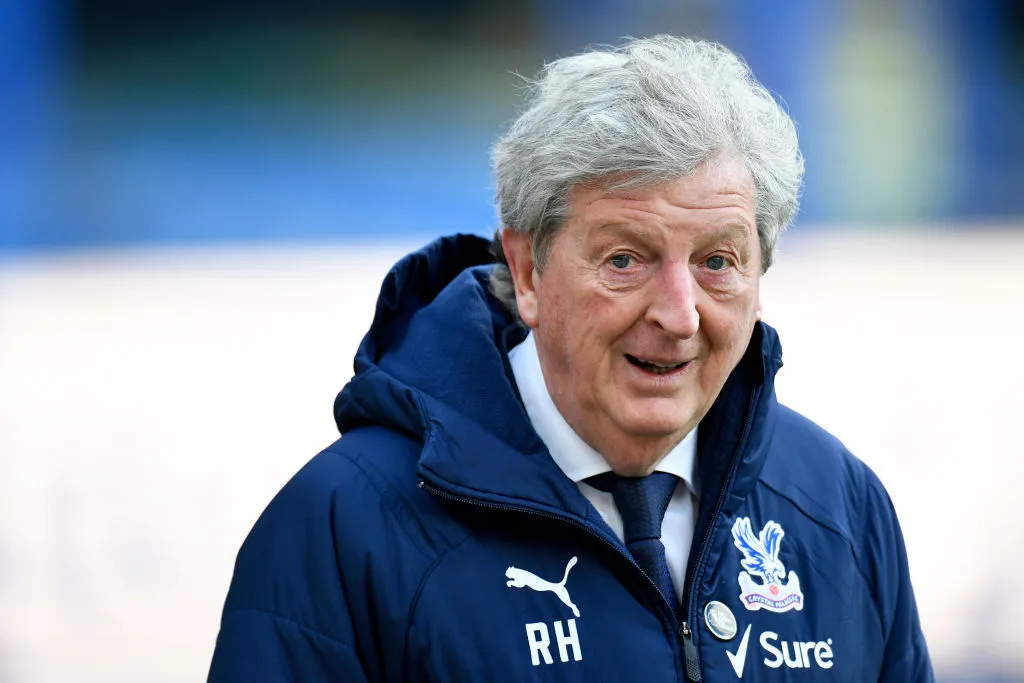
Roy Hodgson
Roy Hodgson (Crystal Palace F.C.)

Roy Hodgson’s Leadership Transformed Switzerland Into a Competitive Footballing Nation

Against the odds, Switzerland qualified for the knockout rounds of the 1994 World Cup. Their group-stage victory over Romania, featuring the legendary Gheorghe Hagi, propelled them into the Round of 16, where they ultimately fell to Spain. Despite their exit, Hodgson’s impact was undeniable.

Sforza noted that qualifying for the World Cup opened doors for Swiss players in European leagues, marking the beginning of a new era. Before Hodgson’s tenure, only a handful of Swiss players competed abroad; after his influence, Swiss football became a talent pool for European clubs.

Hodgson continued to strengthen Switzerland’s reputation by guiding them to their first-ever European Championship in 1996. Losing only one qualification match, the Swiss topped their group and secured a place at Euro 96.

However, before the tournament, Hodgson left to take charge at Inter Milan, a move that signified his growing reputation. Without him, Switzerland struggled at the tournament, finishing last in their group. His departure also led to a period of decline, with the team failing to qualify for the next three major tournaments.

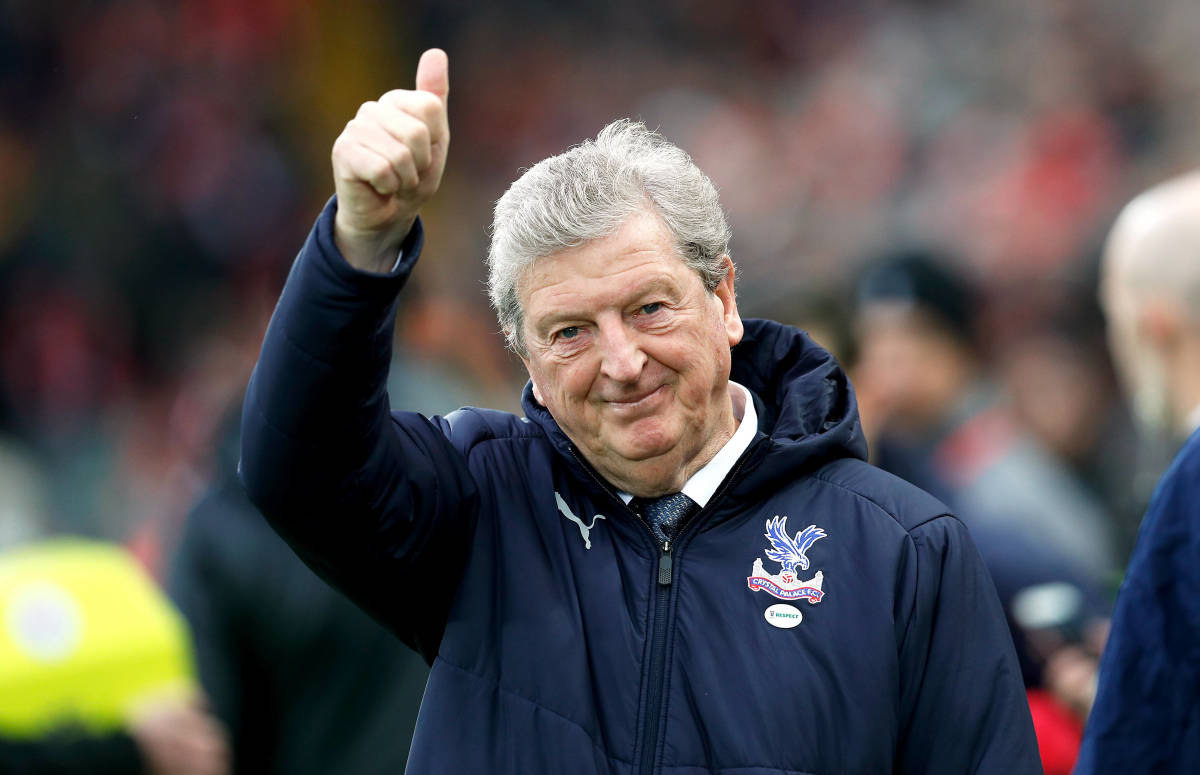
Roy Hodgson
Roy Hodgson (Crystal Palace F.C.)

Roy Hodgson’s Lasting Influence on Swiss Football’s Tactical Evolution

Despite his brief tenure, Hodgson left a lasting legacy in Swiss football. His innovative training methods modernized the country’s approach to the game, and his tactical expertise helped shape a generation of Swiss footballers. Oliver Zesiger, a researcher for Football Manager, highlighted Hodgson’s linguistic abilities in German and French, which helped him connect with players.

Hodgson’s meticulous preparation and attention to detail earned him immense respect, with former striker Adrian Knup famously remarking, “This man knows a lot more about football than I do.” His influence extended beyond the national team, contributing to reforms in the youth system and tactical training.

Switzerland’s resurgence in international football can be traced back to Hodgson’s impact. They have since qualified for five of the last six major tournaments and returned to the top ten in FIFA’s rankings. Even today, his role in shaping Swiss football is widely recognized.

Sforza, who followed Hodgson to Inter Milan, credited him with instilling a winning mentality that shaped his career. With Switzerland continuing to compete at the highest level, those who witnessed Hodgson’s work remember him as the man who made it all possible, cementing his place as a Swiss football legend.

Categories
Football (Premier League)

How Pep Guardiola’s Tactical Innovations Are Redefining Player Roles in Modern Football

Pep Guardiola’s tactical innovations have redefined traditional football positions, making it increasingly difficult to pinpoint where players truly belong. Julián Álvarez, a prime example, is officially listed as a center-forward, second striker, and right-winger. However, under Guardiola, he plays wherever he can be most effective. This shift reflects a broader trend in modern football, where players no longer adhere to fixed roles but instead operate within a fluid system that maximizes their impact on the game.

Guardiola’s Tactical Revolution Shaping Modern Football Through Positional Versatility and Adaptability

Guardiola’s coaching career, spanning Barcelona, Bayern Munich, and Manchester City, has been marked by his ability to redefine player roles. His tactical philosophy demands versatility, as seen with Bernardo Silva morphing into a left-back, John Stones transforming into a central midfielder, and Matheus Nunes potentially playing as a full-back. This flexibility has influenced other managers, such as Mikel Arteta, Roberto De Zerbi, and Ange Postecoglou, who prioritize adaptable players for their evolving tactical setups.

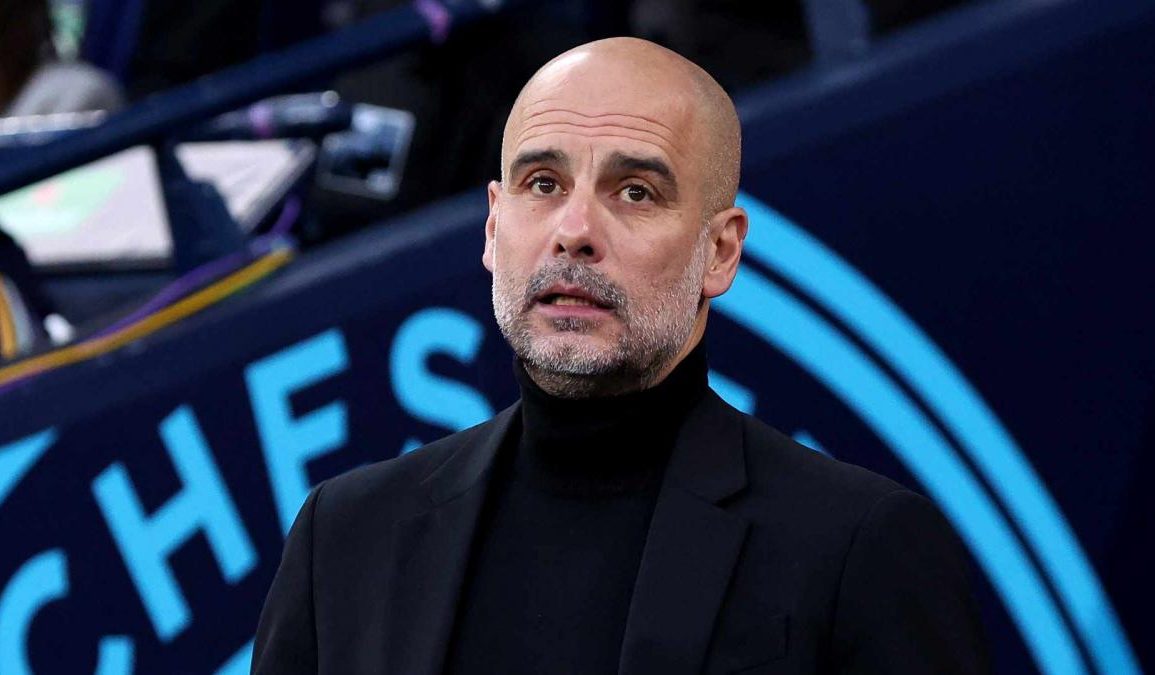
Pep Guardiola
Pep Guardiola (Manchester City FC)

Despite the apparent freedom given to players, Guardiola employs a meticulously structured system known as “positional play.” In this setup, the pitch is divided into zones, with each player assigned a specific area to maintain numerical superiority. Every movement is interconnected, triggering shifts in teammates’ positioning to disrupt opponents. This system demands intelligent, flexible footballers like Álvarez, who can instinctively find space and link up play seamlessly.

Historically, utility players were seen as stopgaps rather than specialists. However, modern football has flipped this perception. Players like Álvarez, who can perform multiple roles effectively, are now invaluable assets. His transition from a striker to a right-sided No. 8, filling in for Kevin De Bruyne, exemplifies how tactical adaptability enhances a player’s importance. Guardiola’s meticulous approach ensures that every player understands their function within the team’s overall structure.

Guardiola’s Tactical Evolution The Dynamic Shifts in Modern Football

Guardiola’s Manchester City exemplifies how formations change dynamically. While defending, they employ a 4-4-2 setup, but in possession, they transition into a 2-3-5 to create attacking overloads. This controlled chaos allows players to interchange roles within a defined framework. Tottenham manager Ange Postecoglou describes this approach as structured fluidity—players appear to roam freely, but each movement is calculated to exploit spaces and dismantle defensive setups.

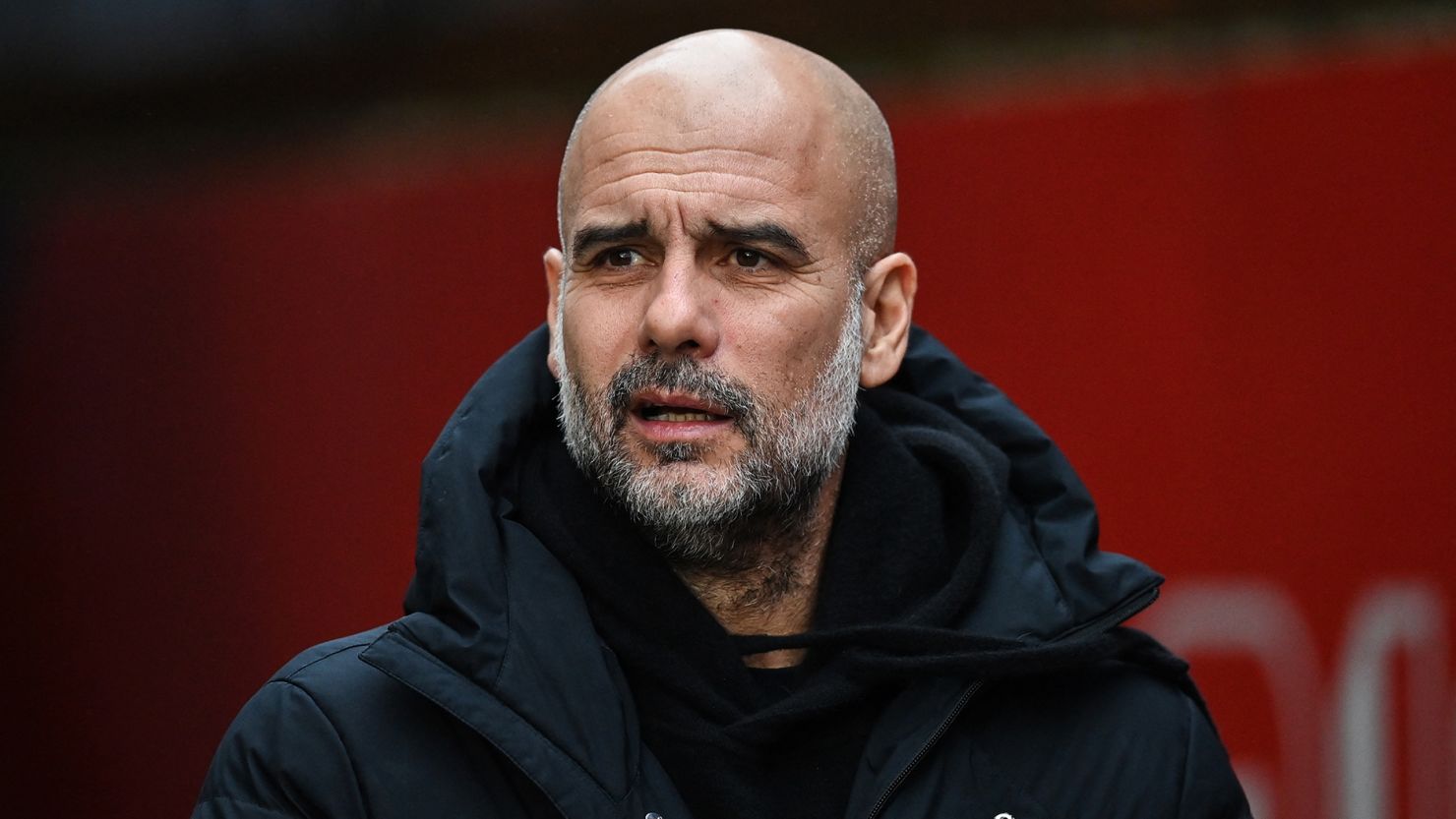
Pep Guardiola
Pep Guardiola (Manchester City FC)

Modern football’s emphasis on tactical intelligence is reinforced by data analytics. Clubs employ analysts to study opponent patterns, helping managers develop strategies that leave minimal room for unpredictability. This methodical approach has led to positionless football, where players operate based on their skill sets rather than rigid positional labels. Guardiola excels at identifying players who can thrive in multiple areas, making his teams unpredictable and difficult to counter.

Football’s current positional fluidity isn’t entirely new. The 2-3-5 formation seen today dates back to the 1890s, while the “Total Football” philosophy of the 1970s emphasized similar positional interchanges. The game has evolved from rigid formations to space-oriented strategies, with players adapting based on match situations. While current trends favor structured positional play, the future may see a resurgence of true free roles, allowing gifted players greater creative license.

Guardiola’s ability to stay ahead of tactical trends has reshaped football’s understanding of positions. As managers continue to refine positional play, the demand for multifunctional players will only grow. However, to counteract the predictability of structured play, the next evolution may prioritize individual brilliance—players who can break patterns and improvise beyond preordained tactics. As football continues to evolve, the balance between structure and freedom will shape the next era of tactical innovation.

Categories
Football (Premier League)

How Luciano Spalletti Revolutionized Italian Football with Tactical Innovation and Bold Leadership

Luciano Spalletti was born on March 7, 1959, in Certaldo, Italy, a country deeply passionate about football. Though his playing career was modest, he primarily spent time in lower-league clubs such as Entella and Spezia, and his love for the game was evident.

As a midfielder, he never reached the top tier of Italian football, but these experiences provided him with a solid foundation for his future coaching career. Spalletti’s keen tactical awareness and deep understanding of the game were nurtured during his playing days, setting the stage for his successful managerial journey.

Spalletti’s managerial career began in 1994 with Empoli, a club in Italy’s lower divisions. His impact was immediate, guiding the team to back-to-back promotions from Serie C1 to Serie A. This early success showcased his ability to develop players and implement an effective tactical approach.

Spalletti became known for his meticulous planning, fluid formations, and aggressive pressing, which disrupted opponents’ build-up play. His tactical identity—characterized by flexibility, adaptability, and an attack-minded philosophy—was already beginning to take shape, marking him as one of Italy’s most promising young coaches.

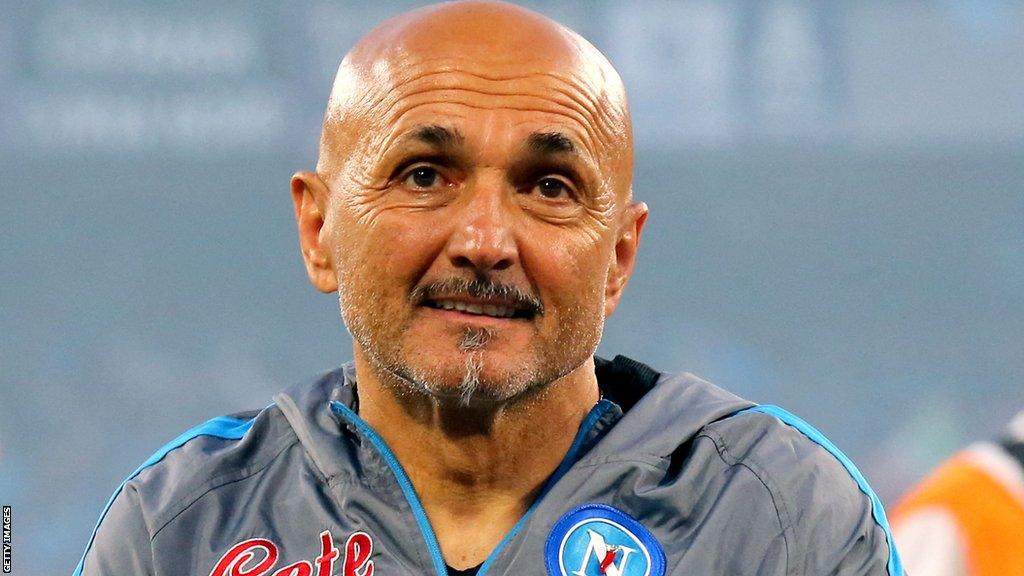
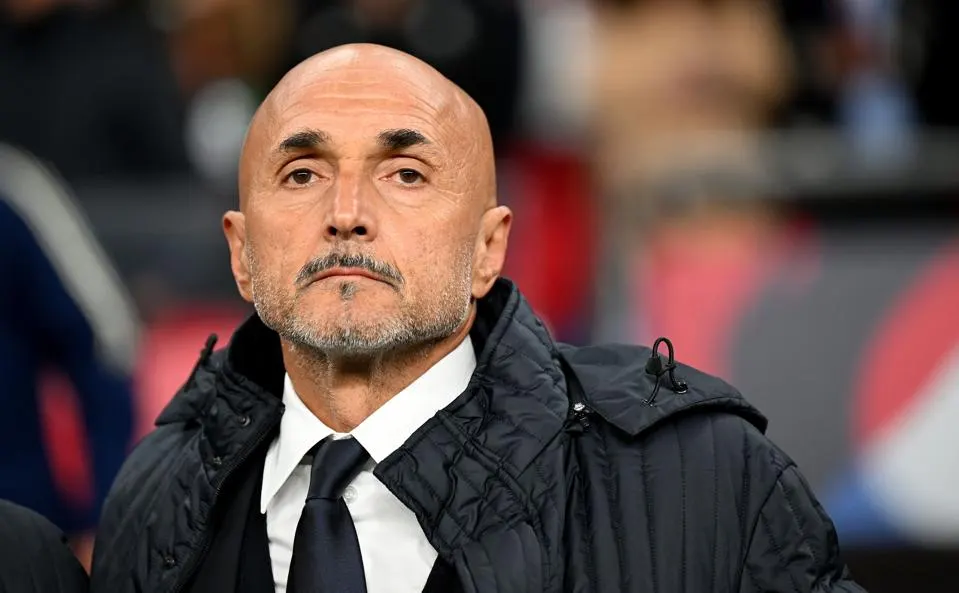
Luciano Spalletti
Luciano Spalletti (Inter Milan)

Spalletti’s Tactical Evolution From Udinese to Inter Milan’s Revival

Spalletti’s managerial breakthrough came with Udinese (2002-2005), where he led the club to its first-ever UEFA Champions League qualification. Utilizing a 3-4-2-1 formation, he maximized the attacking potential of players like Antonio Di Natale, making Udinese one of Serie A’s most exciting teams.

His biggest tactical innovation, however, came at AS Roma (2005-2009), where he revolutionized the team by deploying Francesco Totti as a “false nine.” This unconventional approach revitalized Totti’s career, influenced future managers like Pep Guardiola, and became a widely studied tactical blueprint. During his tenure, Spalletti led Roma to back-to-back Coppa Italia titles (2007, 2008) while establishing the club as an attacking powerhouse.

Spalletti’s success in Italy attracted the attention of Russian club Zenit Saint Petersburg, where he managed from 2009 to 2014. He secured two Russian Premier League titles (2010, and 2012), proving his ability to adapt to different footballing cultures and tactical demands.

His return to Italy in 2017 saw him take over Inter Milan, a club struggling to regain its former glory. Spalletti focused on discipline, defensive solidity, and tactical organization, guiding Inter to a top-four finish in his first season and securing a return to the Champions League. His tenure at Inter laid the foundation for the club’s resurgence, despite internal tensions that led to his departure.

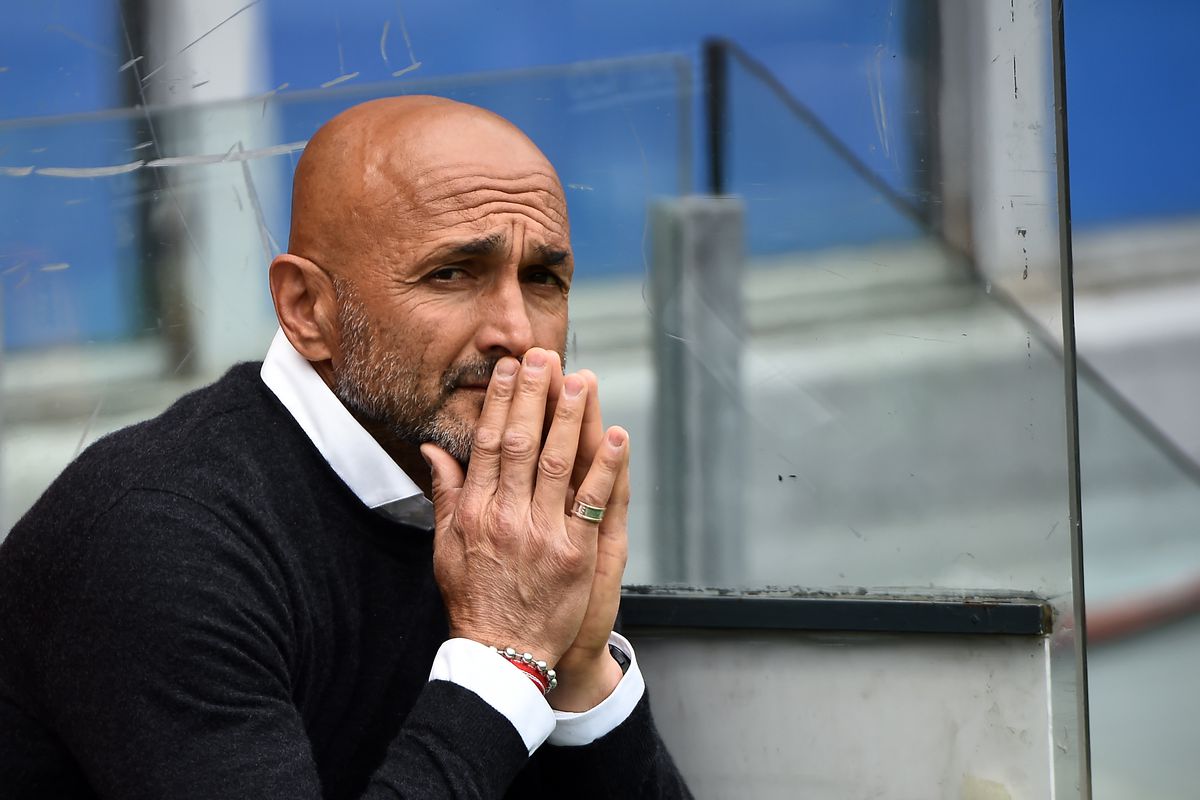
Luciano Spalletti
Luciano Spalletti (Inter Milan)

Luciano Spalletti The Mastermind Behind Napoli’s Historic Serie A Triumph

Spalletti’s most defining achievement came with Napoli, where he was appointed head coach in 2021. He inherited a talented squad in need of direction and transformed them into one of Europe’s most thrilling teams. Employing a dynamic 4-3-3 formation, Spalletti emphasized width, quick passing, and high pressing.

Under his guidance, Victor Osimhen and Khvicha Kvaratskhelia flourished, forming a lethal attacking partnership. Napoli not only played beautiful football but also boasted one of Serie A’s best defensive records. In the 2022-2023 season, Spalletti masterminded Napoli’s first Serie A title in 33 years, etching his name in the club’s history and reaffirming his status as a tactical genius.

Following his triumph with Napoli, Spalletti was appointed head coach of the Italian national team in 2023, a move welcomed by fans and pundits alike. His task is to restore Italy’s dominance on the international stage, blending youth with experience while emphasizing attacking football and tactical flexibility.

Spalletti’s managerial philosophy is built on three core principles: adaptability, player development, and offensive football. His influence extends beyond the teams he has managed, inspiring a generation of coaches and players. As he continues his journey, Spalletti’s legacy as an innovator and visionary in modern football is already cemented, ensuring his impact will be felt for years to come.

Categories
Football (Premier League)

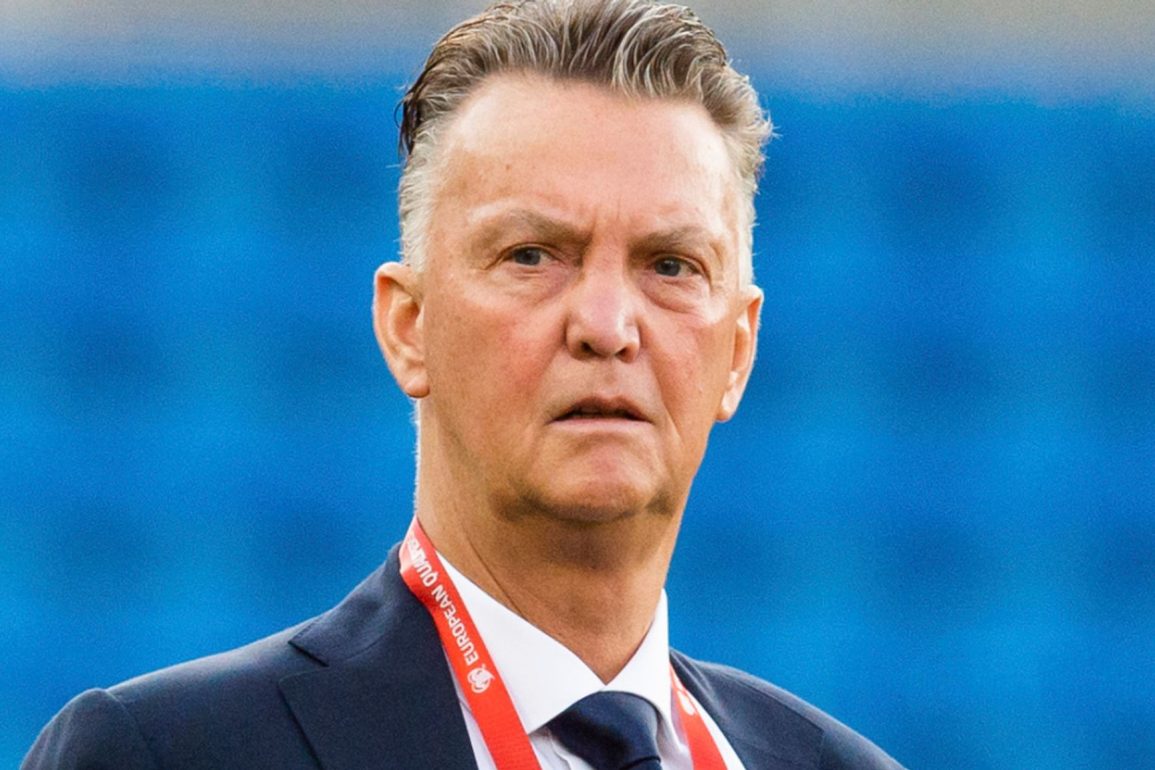
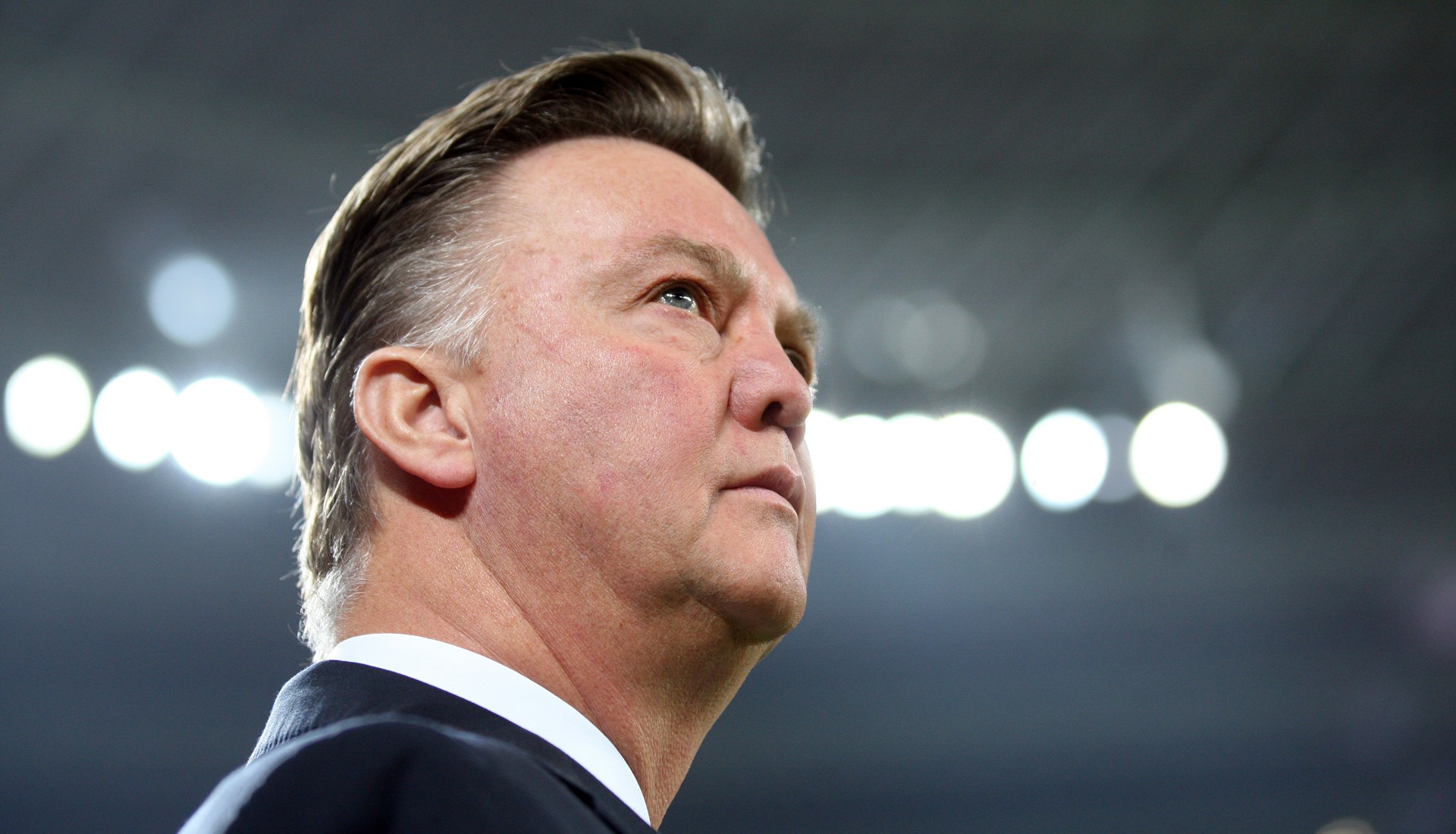
How Louis van Gaal Transformed Football with Tactical Discipline, Youth Development, and Strategic Brilliance

Louis van Gaal is renowned for his disciplined and structured tactical approach. He frequently employs the 4-3-3 formation, which offers a balance between defensive solidity and attacking creativity. His teams maintain a compact shape, allowing for seamless transitions between defense and attack.

One of his key tactical principles is “positional discipline,” ensuring players adhere to their roles to maximize efficiency on the field. This structured style of play not only strengthens defenses but also creates purposeful and intelligent attacking movements, making his teams both effective and visually appealing.

Louis van Gaal Developing Future Stars and Mastering Tactical Game Management

Beyond his tactical prowess, van Gaal is a strong advocate for youth development. Throughout his career, he has given young players opportunities to flourish, shaping the next generation of football stars. At Ajax, he nurtured talents like Clarence Seedorf, Patrick Kluivert, and Edwin van der Sar, while at Barcelona, Bayern Munich, and Manchester United, he continued this tradition.

His philosophy goes beyond just providing opportunities—he instills a deep tactical understanding in young players, helping them develop both technically and mentally. By investing in youth, van Gaal not only strengthens his teams but also leaves a lasting impact on football’s future.

Louis van Gaal
Louis van Gaal (Ajax)

Van Gaal is known for his bold and strategic in-game decisions. His ability to adapt and make tactical changes during matches has led to some of football’s most memorable moments. A prime example is the 2014 World Cup, where he substituted his goalkeeper just before a penalty shootout, a move that ultimately secured victory for the Netherlands against Costa Rica.

His meticulous preparation ensures his teams can adapt to different opponents and playing styles, making them resilient and versatile. This level of game management sets him apart as a coach who not only strategizes but also executes his plans with confidence.

Louis van Gaal Blending Tradition and Innovation for Tactical Excellence in Football

While influenced by Total Football, van Gaal has adapted the philosophy to emphasize defensive structure alongside attacking fluidity. Unlike the traditional model that prioritizes constant positional rotation, his version focuses on maintaining a solid defensive foundation while enabling creative attacking play.

His teams are known for their precision in passing, intelligent positioning, and disciplined team efforts. This balance between tradition and innovation has made his style of play both effective and aesthetically pleasing. His ability to evolve football tactics while respecting its core principles highlights his lasting influence on the game.

Van Gaal’s legacy extends beyond his personal achievements, as many of his former players have become successful coaches, implementing his philosophies in their own careers. His emphasis on tactical discipline, youth development, and adaptability has shaped modern football management.

The principles he introduced continue to inspire managers across the world, proving that his influence is not just about trophies but also about revolutionizing the way football is played and coached. Van Gaal’s relentless pursuit of excellence has cemented his status as one of football’s greatest visionaries, ensuring that his impact will be felt for generations to come.

Categories
Football (Premier League)

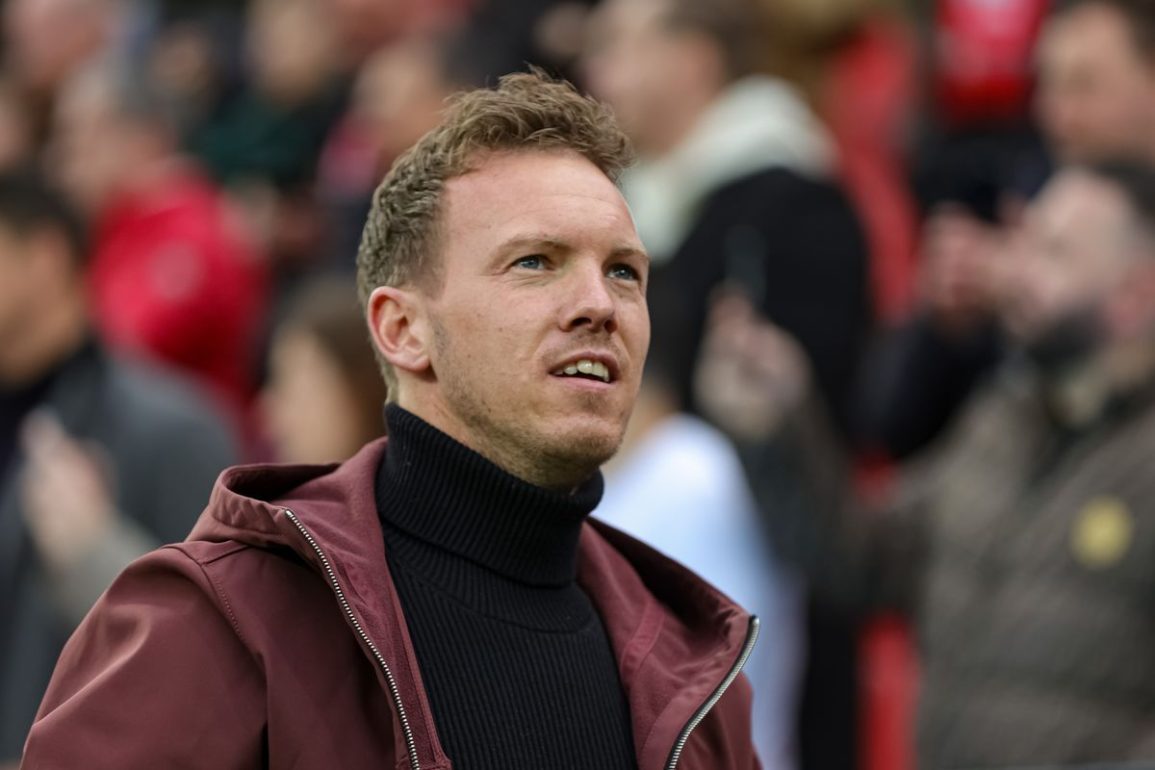
Julian Nagelsmann Defying Football Traditions and Redefining Modern Management

In Germany, managing a professional football team traditionally requires a solid playing career followed by a formal coaching education. However, Julian Nagelsmann defied this convention. His rise to prominence challenges the traditional belief that only former top players can become elite managers. His story is both inspiring and perplexing, demonstrating that football management in the modern era is as much about knowledge and innovation as it is about experience on the pitch.

Nagelsmann’s career has redefined what it means to be a football manager in the Bundesliga. While other managers have relied on their playing history to gain credibility, Nagelsmann had to take an entirely different route. His coaching education and ability to analyze the game have become his strongest assets. By proving that tactical knowledge and leadership skills can outweigh playing experience, he has opened the door for a new wave of coaches who prioritize intellect over reputation.

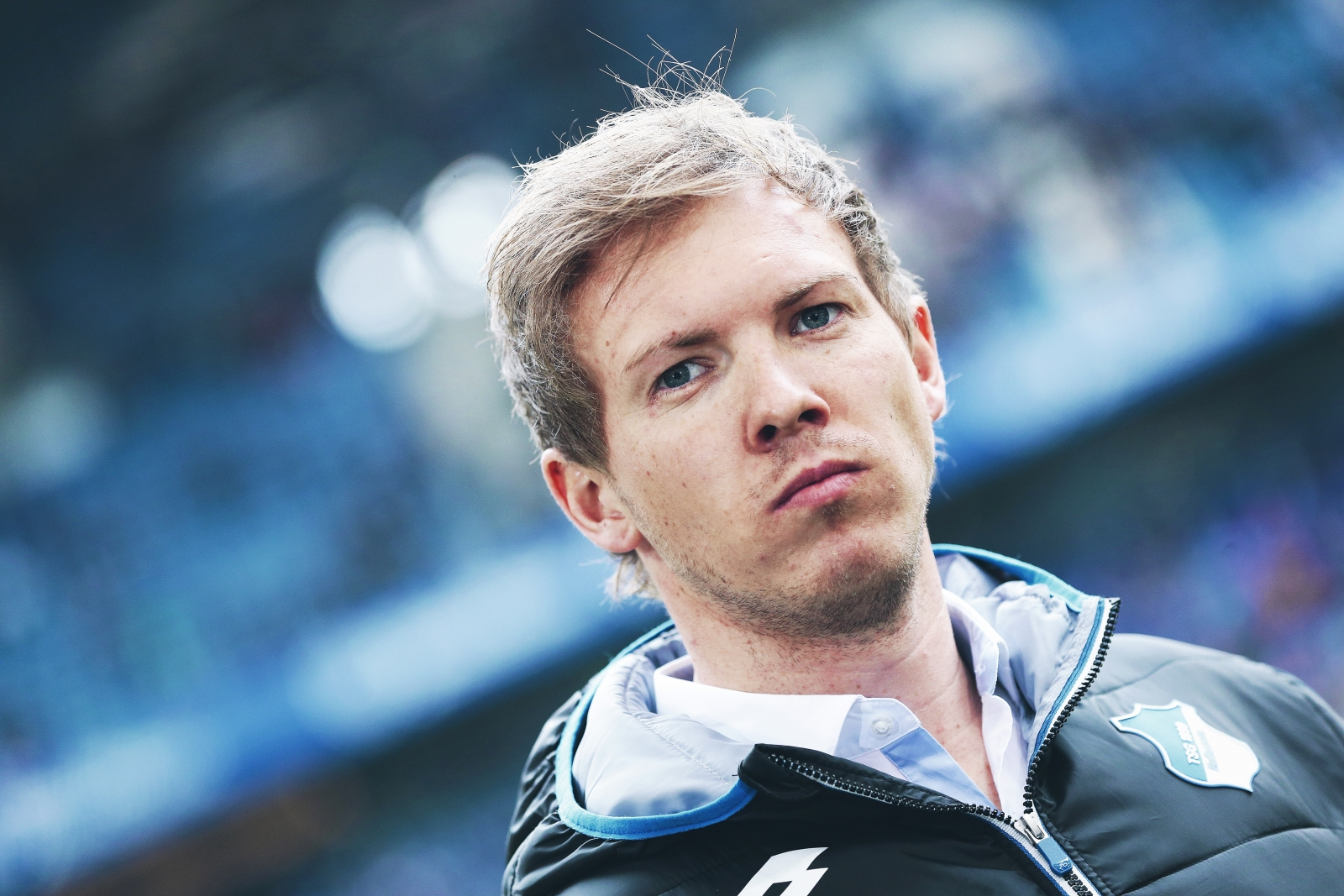
Julian Nagelsmann
Julian Nagelsmann (Germany National Football Team)

Julian Nagelsmann Redefining Football Management Through Innovation and Adaptability

Nagelsmann’s career trajectory breaks away from football’s established norms, especially in Germany. Without a decorated playing history, his appointment as Hoffenheim’s senior team manager raised eyebrows. His success, however, has paved the way for a new generation of coaches who focus on tactical understanding and innovation rather than personal playing accolades. He has become a symbol of the evolving nature of football management in the 21st century.

A key element of Nagelsmann’s success has been his adaptability. While many young managers struggle to assert themselves in a dressing room filled with experienced players, he has excelled by treating his squad as individuals and focusing on psychology as much as tactics.

His willingness to embrace new training methodologies, data analytics, and modern sports science has given Hoffenheim a competitive edge. This innovative mindset has demonstrated that football management is no longer just about experience but about the ability to learn, adapt, and implement new ideas effectively.

A promising youth career at 1860 Munich and Augsburg was cut short by persistent knee injuries. While many would have struggled with such a loss, Nagelsmann saw an opportunity. He shifted his focus from playing to studying the game, pursuing a business degree before transitioning to sports science. His setback became the foundation for his coaching career, proving that resilience and adaptability are essential in football.

Rather than lamenting his bad luck, Nagelsmann used his time off the pitch to study the game from a different perspective. His analytical mind allowed him to dissect tactical setups, player movements, and team dynamics, which later helped him develop an advanced understanding of the game.

He immersed himself in coaching theory, recognizing that football could be mastered in multiple ways. By turning a setback into an opportunity, he has shown aspiring coaches that intelligence and determination can be just as valuable as natural talent.

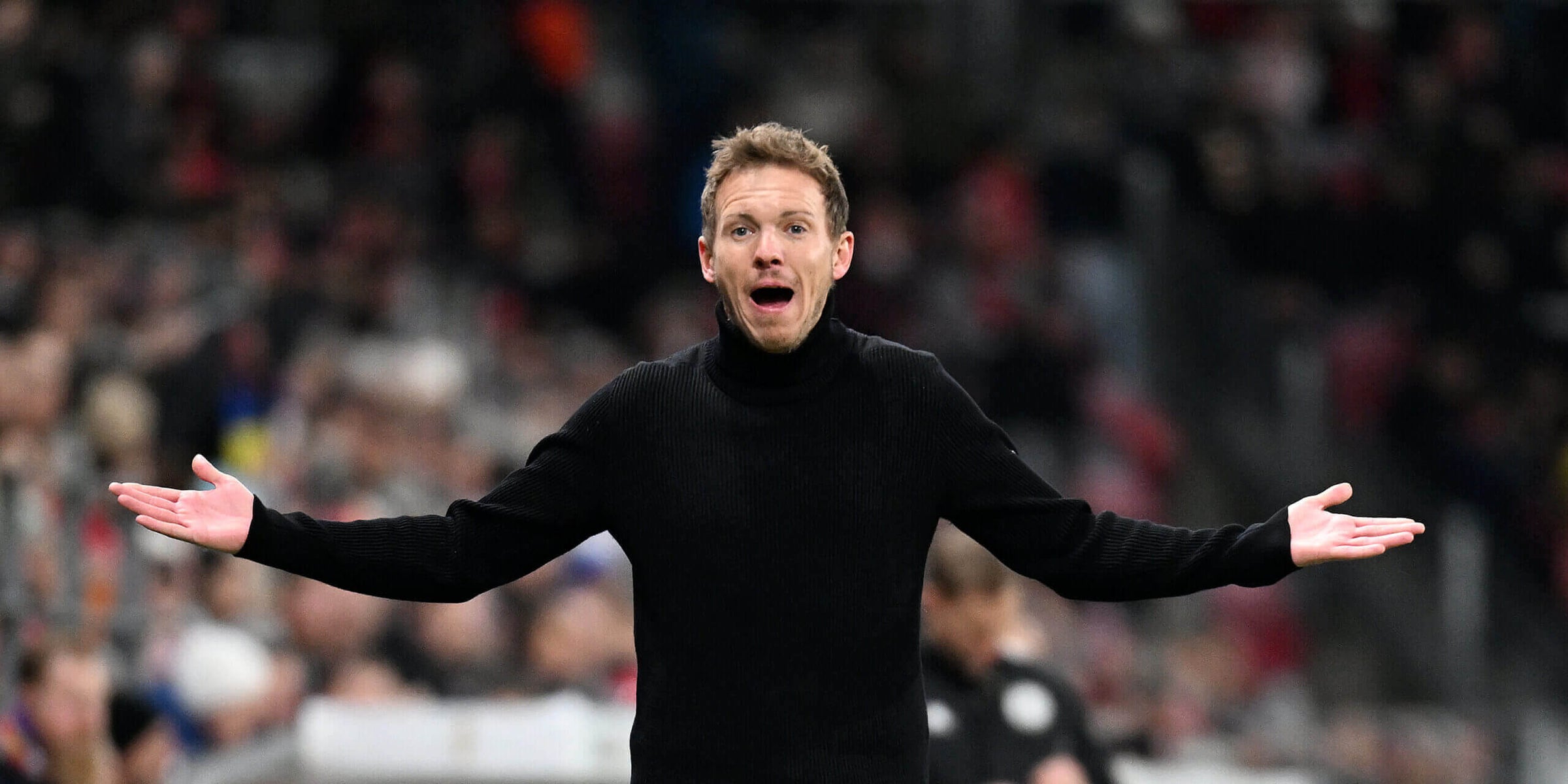
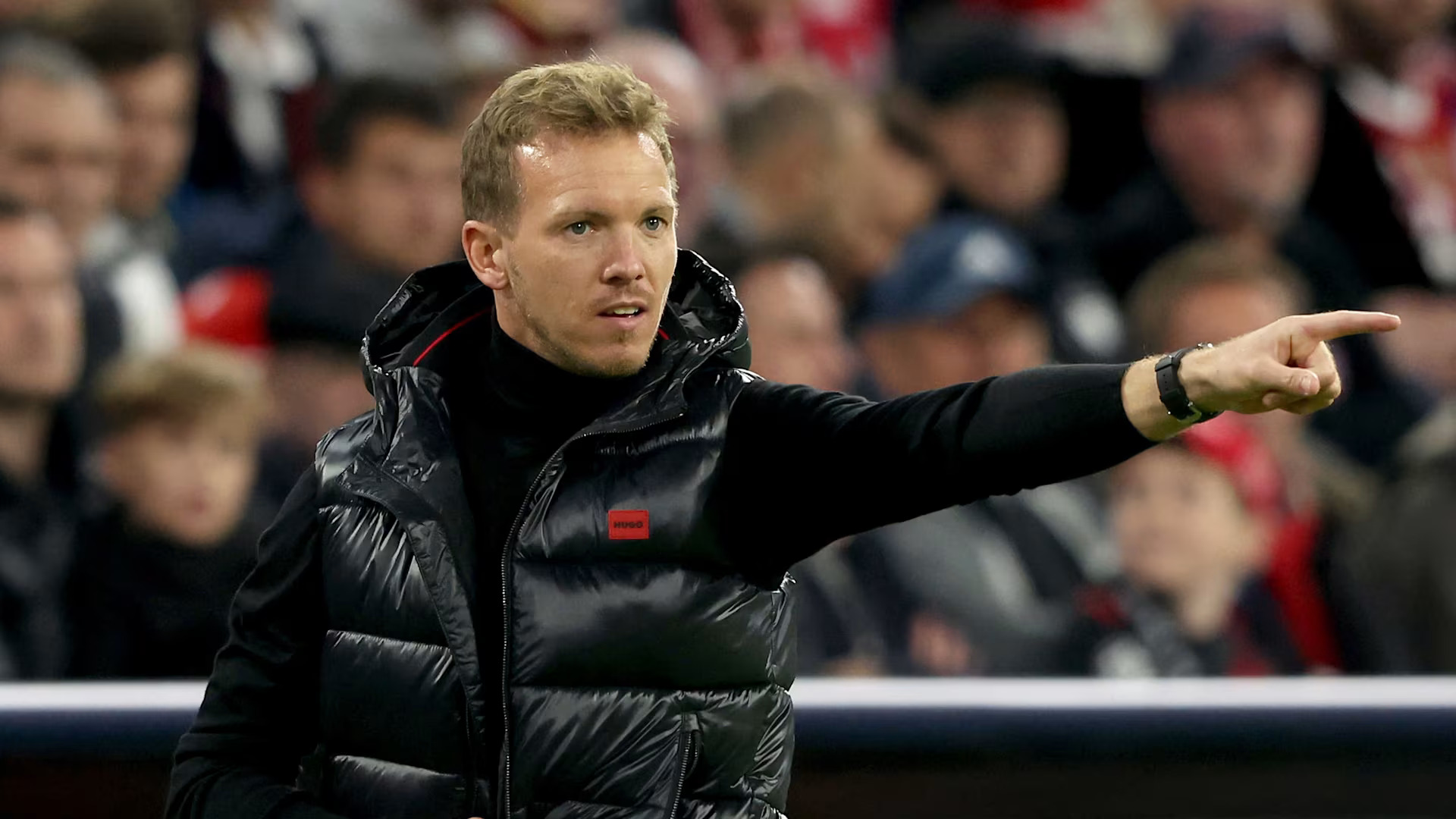
Julian Nagelsmann
Julian Nagelsmann (Germany National Football Team)

Julian Nagelsmann and Germany’s Football Revolution Through Tactical Innovation

Nagelsmann’s rise aligns with Germany’s systemic football overhaul. Recognizing stagnation, German football authorities invested in youth development, coaching education, and a new tactical philosophy. This transformation, as detailed in Raphael Honigstein’s Das Reboot, saw clubs like Hoffenheim emerge as competitive forces through progressive coaching and talent cultivation. Nagelsmann’s journey reflects the effectiveness of this new approach.

Germany’s coaching revolution did not happen overnight. After disappointing international performances, the country recognized the need for a change in its football structure. Investment in coaching education became a priority, ensuring that managers were not just former players but trained tacticians. Nagelsmann, a product of this new philosophy, exemplifies how modern managers can blend strategic thinking with hands-on leadership. His journey embodies the shift from experience-based hiring to merit-based selection, setting a precedent for future managers.

Hoffenheim’s rise through the German football pyramid was rapid and strategic. From the Oberliga Baden-Württemberg in 2000 to the Bundesliga within a decade, the club embraced modern methodologies in player development and management. When Nagelsmann joined Hoffenheim’s youth coaching setup, he became an integral part of this growth, learning from experienced figures while refining his own tactical ideas.

Unlike traditional football powerhouses, Hoffenheim built their success on data-driven scouting and player development. Nagelsmann played a crucial role in shaping the club’s tactical identity, focusing on high pressing, quick transitions, and positional flexibility. His deep involvement in youth coaching gave him valuable insights into player development, which he later applied at the senior level. By nurturing young talent and integrating them into the first team, he ensured Hoffenheim remained competitive despite financial constraints.

Nagelsmann’s coaching education was significantly influenced by Thomas Tuchel, under whom he worked at Augsburg. Tuchel’s recommendation helped Nagelsmann advance through the coaching ranks. Additionally, his admiration for clubs like Barcelona and Arsenal shaped his tactical philosophy. By blending influences from Guardiola, Wenger, Mourinho, and Cruyff, he developed a versatile and adaptive approach to coaching.

His ability to absorb knowledge from different footballing cultures has been a defining trait. Whether studying Barcelona’s positional play or Wenger’s emphasis on attacking football, he has created a hybrid approach that suits his team’s strengths. His willingness to learn and experiment has set him apart from traditional managers who often stick to rigid philosophies.

Julian Nagelsmann
Julian Nagelsmann (Germany National Football Team)

Julian Nagelsmann Redefining Modern Football Management with Tactical Innovation

In 2013, Hoffenheim faced relegation. Despite being an assistant coach at the time, Nagelsmann played a key role in the club’s dramatic survival, including a crucial win against Jürgen Klopp’s Borussia Dortmund. This experience proved invaluable as he learned to manage high-pressure situations. When he officially became Hoffenheim’s head coach in 2016 at just 28 years old, he was well-prepared for the challenge.

Nagelsmann emphasizes simplicity and adaptability in his tactics. While often deploying a 3-5-2 or 3-1-4-2 formation, he prioritizes fluid movement over rigid systems. Hoffenheim became known for high pressing, quick transitions, and defensive organization. His philosophy—30% tactics and 70% psychological management—ensured that players were mentally and tactically prepared for any match situation.

One of Nagelsmann’s strengths is his ability to tailor his approach to different players. He recognizes the need to educate young players while fine-tuning the skills of experienced professionals. His focus on motivation, adaptability, and man-management has enabled him to extract the best from his squad.

At just 30, Nagelsmann established himself as one of the Bundesliga’s top managers. His success at Hoffenheim proved that coaching talent can thrive without an illustrious playing career. As football evolves, so does its approach to management. Nagelsmann’s journey has set a precedent for aspiring young coaches worldwide, proving that innovation, education, and tactical intelligence can overcome traditional barriers in professional football.

Categories
Football (Premier League)

The Special One Arrives as Jose Mourinho Leads Chelsea to Premier League Dominance

Jose Mourinho’s appointment as Chelsea manager in 2004 followed his remarkable Champions League triumph with Porto. His arrival was dramatic, with the Portuguese coach boldly declaring himself “The Special One” during his first press conference.

Chelsea had finished second under Claudio Ranieri the previous season, but owner Roman Abramovich sought a manager who could transform the club into champions. Mourinho’s confidence, tactical intelligence, and ability to handle the pressure immediately caught the attention of the English football world.

Chelsea had already been a competitive side, but Mourinho refined the squad with key signings. Players like Petr Cech, Didier Drogba, Ricardo Carvalho, and Arjen Robben were added to complement the talents of Frank Lampard, Claude Makelele, and John Terry.

These additions proved crucial in Chelsea’s dominance, as they lost just one league game and conceded only 15 goals throughout the season—an incredible defensive achievement. The blend of tactical discipline and star quality made them a formidable force.

Jose Mourinho’s Tactical Adaptation, Fiery Leadership, and Intense Premier League Rivalries

Initially, Mourinho experimented with a 4-4-2 diamond formation, similar to what had worked for him at Porto. However, he quickly adapted when Chelsea struggled to create enough chances.

He made use of Makelele’s defensive abilities by implementing the “open diamond,” which allowed wingers Damien Duff and Arjen Robben to cut inside while giving more attacking freedom to players like Eidur Gudjohnsen and Didier Drogba. The tactical shift proved highly effective, as Chelsea went on an incredible run, dropping just 10 points after their sole league defeat in October.

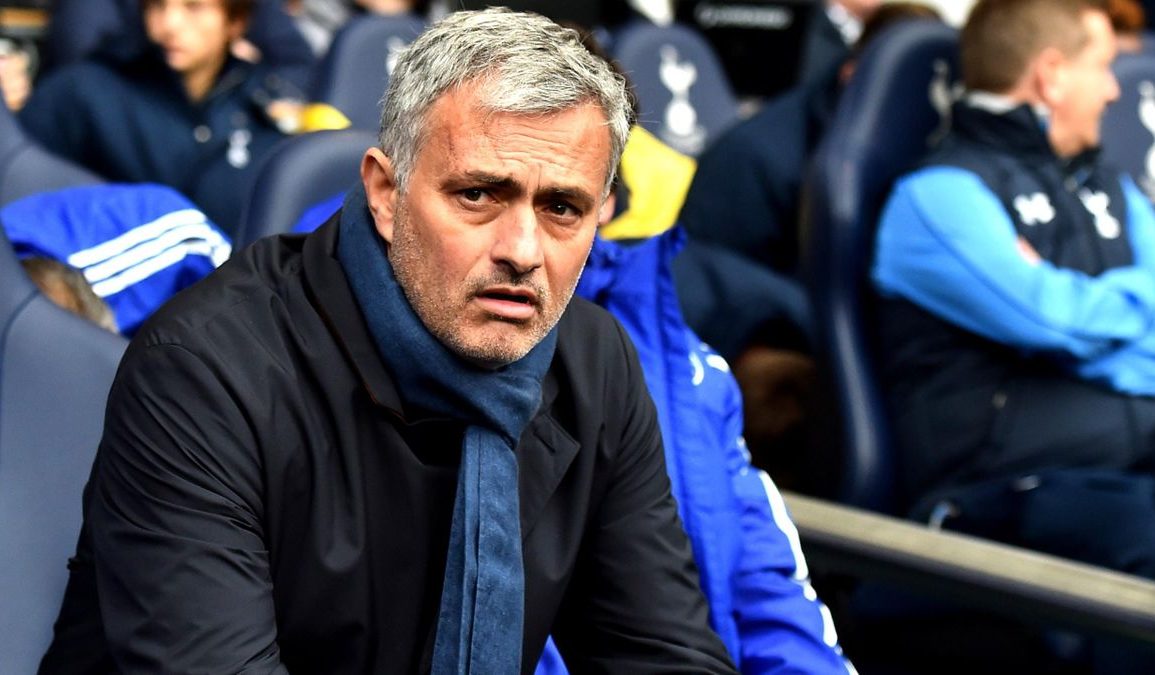
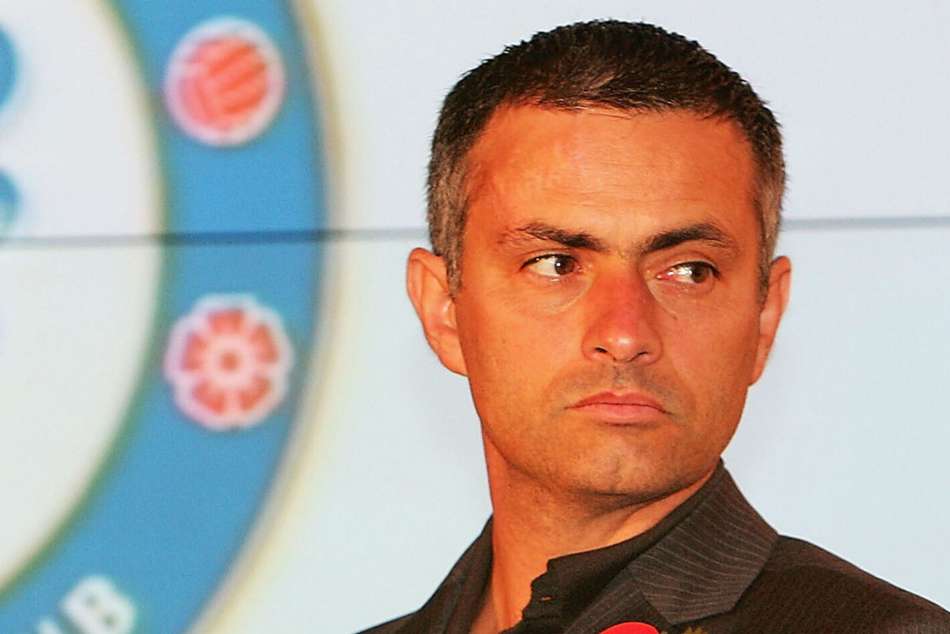
Jose Mourinho
Jose Mourinho (Chelsea)

Mourinho’s leadership was a blend of psychological manipulation and fiery passion. He was known for his intense half-time team talks, famously throwing bottles and kicking objects in frustration during a match against Arsenal. His players responded to his methods, and his belief in their ability to win the title early was validated when they secured the championship with three games remaining. His motivational tactics, combined with his tactical expertise, made Chelsea a mentally strong and resilient team.

Mourinho’s outspoken nature added an extra layer of drama to the Premier League. He famously coined the term “parking the bus” after Tottenham defended deep against his Chelsea side.

His rivalry with Arsène Wenger and Sir Alex Ferguson intensified as they engaged in verbal battles over Chelsea’s dominance. Wenger questioned Chelsea’s ability to maintain their lead, while Ferguson suggested their northern away fixtures would be a true test. Mourinho, however, thrived in these mind games, using them to fuel his squad’s determination.

Dominance Through Defense and Attack

Despite accusations that Mourinho’s Chelsea played overly defensive football, statistics tell a different story. Chelsea’s 2004-05 team set records for most wins, most away wins, most points, most clean sheets, and the fewest goals conceded in a Premier League season.

The squad’s balance between defensive stability and attacking firepower made them one of the most complete teams in English football history. With players like Drogba, Lampard, Robben, and Duff, Chelsea could both dominate possession and counterattack with devastating speed.

Chelsea retained their title in 2005-06, reinforcing Mourinho’s impact on English football. However, his first stint at the club ended abruptly in September 2007. He later returned to win another Premier League title in 2014-15. Mourinho’s legacy at Chelsea remains unparalleled, as he laid the foundation for their dominance in the modern era. With his managerial journey taking him to clubs like Inter Milan, Real Madrid, and Tottenham, the question remains—can he recreate his Chelsea magic elsewhere?

Categories
Wrestling

Francis Ngannou: How The Predator Transformed Into a Knockout Powerhouse?

Francis Ngannou’s rise to prominence in mixed martial arts (MMA) is a tale of adversity, resilience, and raw power. Known as “The Predator” for his brutal knockout ability, Ngannou’s journey to UFC superstardom is one of the most inspiring stories in combat sports.

From his humble beginnings in Cameroon to becoming the UFC Heavyweight Champion, Ngannou’s path is one that highlights both his extraordinary athleticism and the relentless determination that defines his career.

Born on September 5, 1986, in Batié, Cameroon, Ngannou’s early life was marked by hardship. Raised in poverty, he didn’t have access to formal sports training or resources. His childhood was spent in an environment that wasn’t conducive to athletics.

In fact, his initial exposure to sports came from watching videos of heavyweight boxing legends like Mike Tyson and Lennox Lewis. These early influences ignited a dream in Ngannou to one day become a boxer, but his journey towards combat sports was far from linear.

At the age of 26, after spending years working in a sand quarry in Cameroon, Ngannou decided to leave his home country and pursue a career in boxing. His decision was fueled by a desire for something greater, for a life outside of the harsh conditions he had endured growing up.

He made the dangerous journey to Europe, where he eventually found himself in Paris, France. There, he lived in a homeless shelter and began training at the MMA factory, an MMA gym that would later become the foundation for his career.

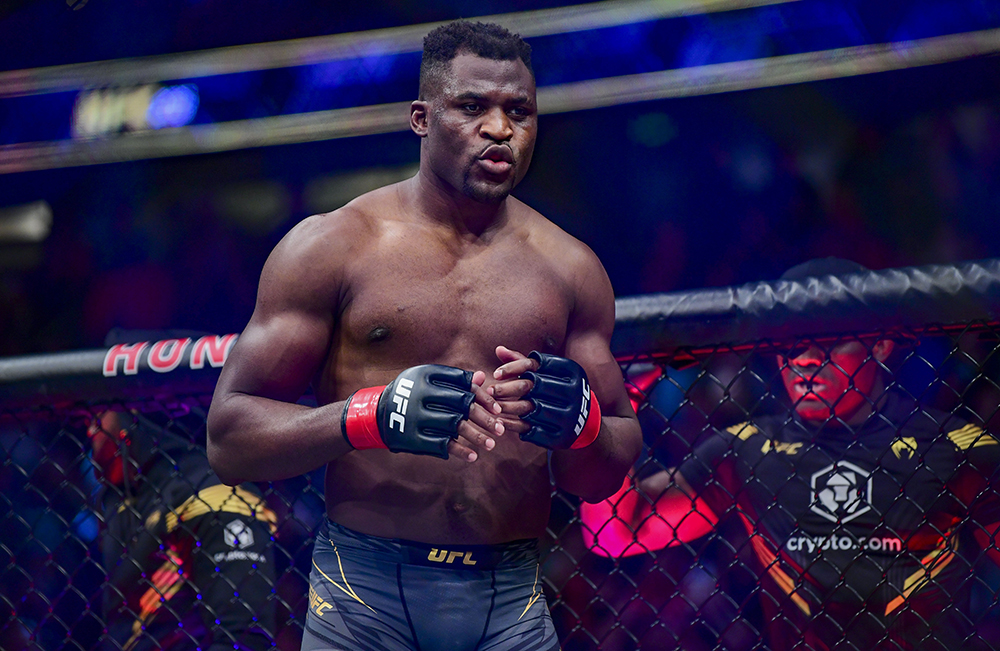
Francis Ngannou
Francis Ngannou (UFC)

Ngannou’s early days in France were not easy

The language barrier, cultural shock, and lack of financial stability created an environment that would have deterred many from continuing their pursuit of greatness.

But Ngannou’s passion for the sport kept him going, and it wasn’t long before his raw talent began to shine. Initially, Ngannou’s background was in boxing, but his transition into MMA came quickly. He was introduced to the sport by a fellow fighter, and soon after, he was hooked. His power and athleticism made him a natural in the cage, and his knockout ability became apparent early on in his MMA career.

Ngannou’s first taste of MMA competition came in 2013 when he made his professional debut in France. He won his first fight by knockout, and from that moment, it was clear that he had the potential to become a star in the sport.

His performances were nothing short of explosive, with the Cameroonian fighter knocking out opponents with terrifying force. He became known for his devastating striking power, with many of his opponents falling victim to his heavy hands. His style was straightforward: come forward, land heavy shots, and end the fight early. It wasn’t long before Ngannou caught the attention of UFC scouts.

In December 2015, Ngannou made his UFC debut against fellow prospect Luis Henrique. The fight ended in a dominant first-round knockout, announcing Ngannou’s arrival to the UFC in explosive fashion. From there, Ngannou’s stock continued to rise.

He went on a five-fight win streak, with all five victories coming by knockout, further cementing his reputation as one of the most dangerous heavyweights in the sport. His knockout victories were characterized by sheer power and speed, with Ngannou able to finish his opponents with a single strike.

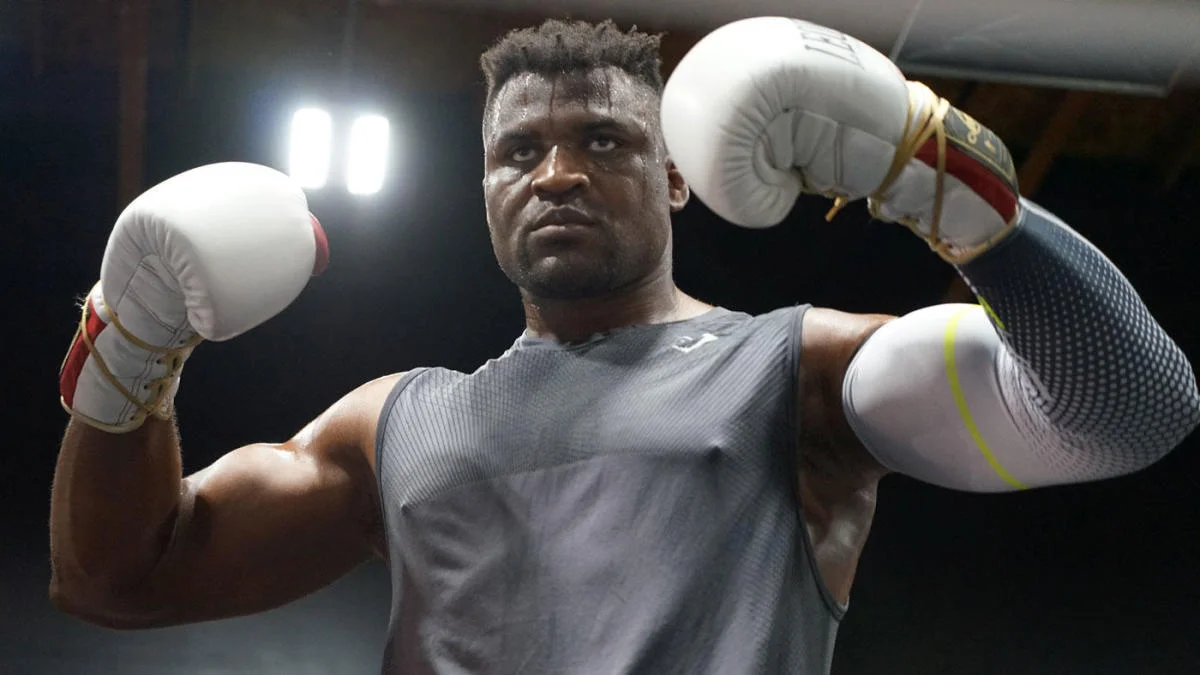
Coach Eric Nicksick says PFL star Francis Ngannou is “in a good place right now” following tragic loss
Francis Ngannou (UFC)

One of his most impactful wins

Ngannou’s most impactful fight during this streak came in January 2017, when he faced former UFC heavyweight champion Andrei Arlovski. In a dominant display, Ngannou knocked Arlovski out cold in just 1 minute and 32 seconds of the first round.

The win was a statement performance, and Ngannou’s reputation as a fearsome knockout artist reached new heights. He followed up that victory with another devastating knockout against Alistair Overeem at UFC 218 in December 2017.

Ngannou landed a brutal uppercut that knocked Overeem unconscious, and the knockout was so violent that it went viral on social media, further solidifying his place among the top heavyweights.

By the time Ngannou was ready to fight for the UFC Heavyweight Championship, he was a rising star with a perfect record in the UFC. In January 2018, he faced Stipe Miocic for the heavyweight title at UFC 220.

Despite his knockout power, Ngannou was outclassed by Miocic, who used superior wrestling and strategy to defeat him by unanimous decision. The loss was a major setback in Ngannou’s career, but it also served as a learning experience.

Ngannou acknowledged the holes in his game and vowed to improve, stating that he needed to become a more well-rounded fighter to compete at the highest level.

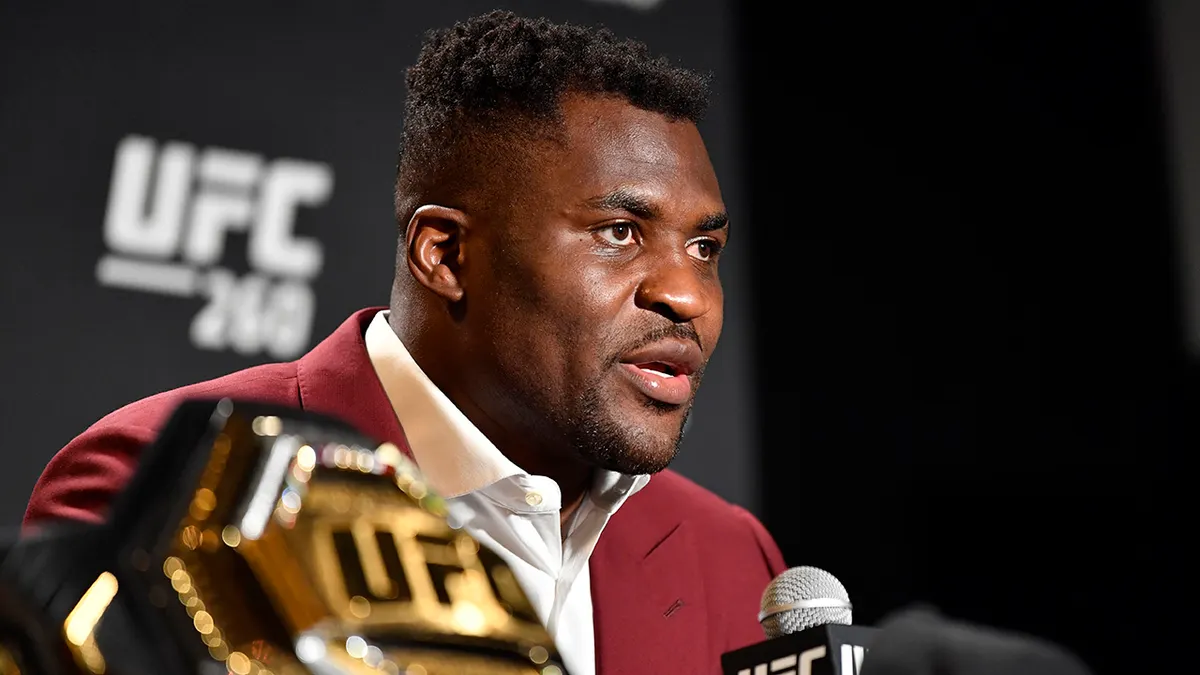
Francis Ngannou shares heartbreaking story of the last time he saw his late son Kobe
Francis Ngannou (UFC)

Ngannou worked tirelessly to refine his skills

In the years following the loss to Miocic, Ngannou worked tirelessly to refine his skills. He focused on improving his cardio, wrestling, and MMA strategy. His hard work paid off when he faced Miocic again in March 2021 for a rematch at UFC 260.

This time, Ngannou was a more complete fighter, with improved footwork, better conditioning, and a more disciplined approach. The result was a stunning second-round knockout, with Ngannou capturing the UFC Heavyweight Championship and solidifying his place among the greatest fighters in the sport’s history.

Ngannou’s journey to the title was not only a testament to his physical abilities but also to his mental fortitude. His rise from a homeless immigrant in France to the UFC Heavyweight Champion exemplifies the power of determination and hard work. It is a story that resonates with anyone who has ever faced adversity and dared to dream of a better life.

Francis Ngannou’s ascent to the top of the MMA world is a remarkable tale of perseverance, power, and passion. His knockout ability, combined with his unwavering dedication, has made him one of the most feared and respected fighters in the UFC.

As he continues to defend his title and seek new challenges, Ngannou’s story serves as an inspiration to aspiring athletes everywhere. From the sands of Cameroon to the pinnacle of MMA, Francis Ngannou’s rise is a testament to the human spirit’s ability to overcome the odds.