Giants Face Early Test of Leadership and Collaboration Over Dexter Lawrence Trade
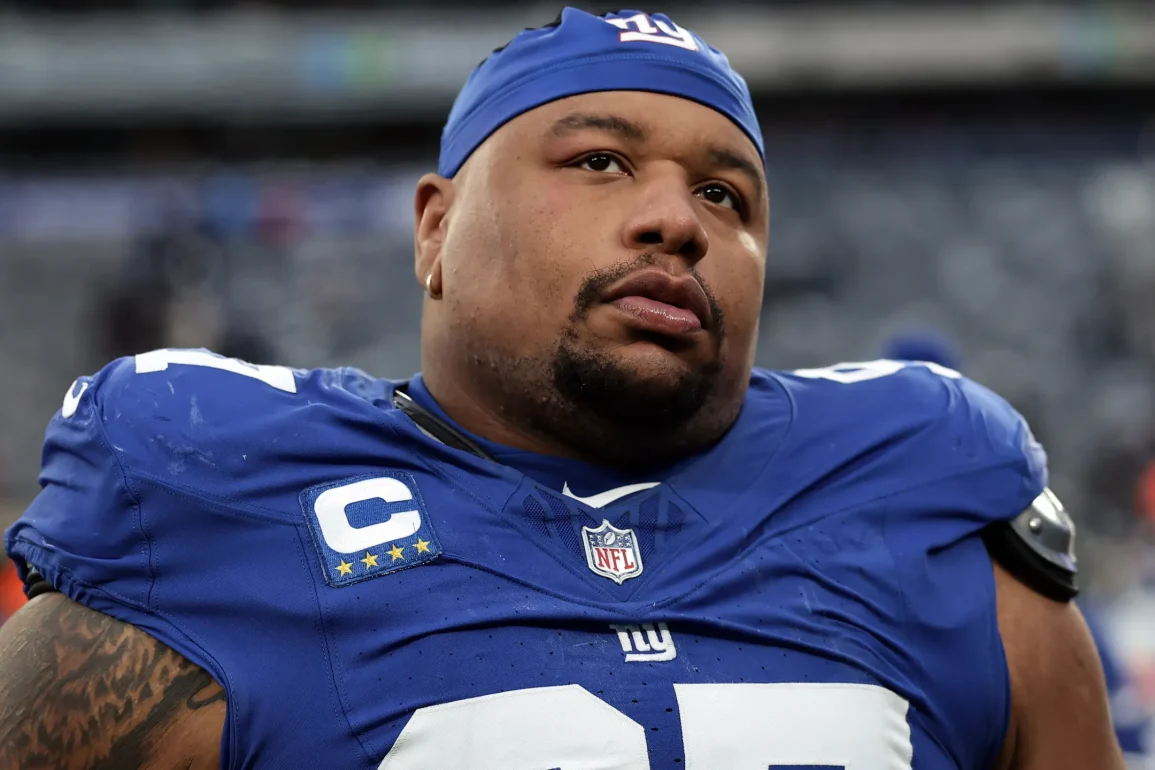
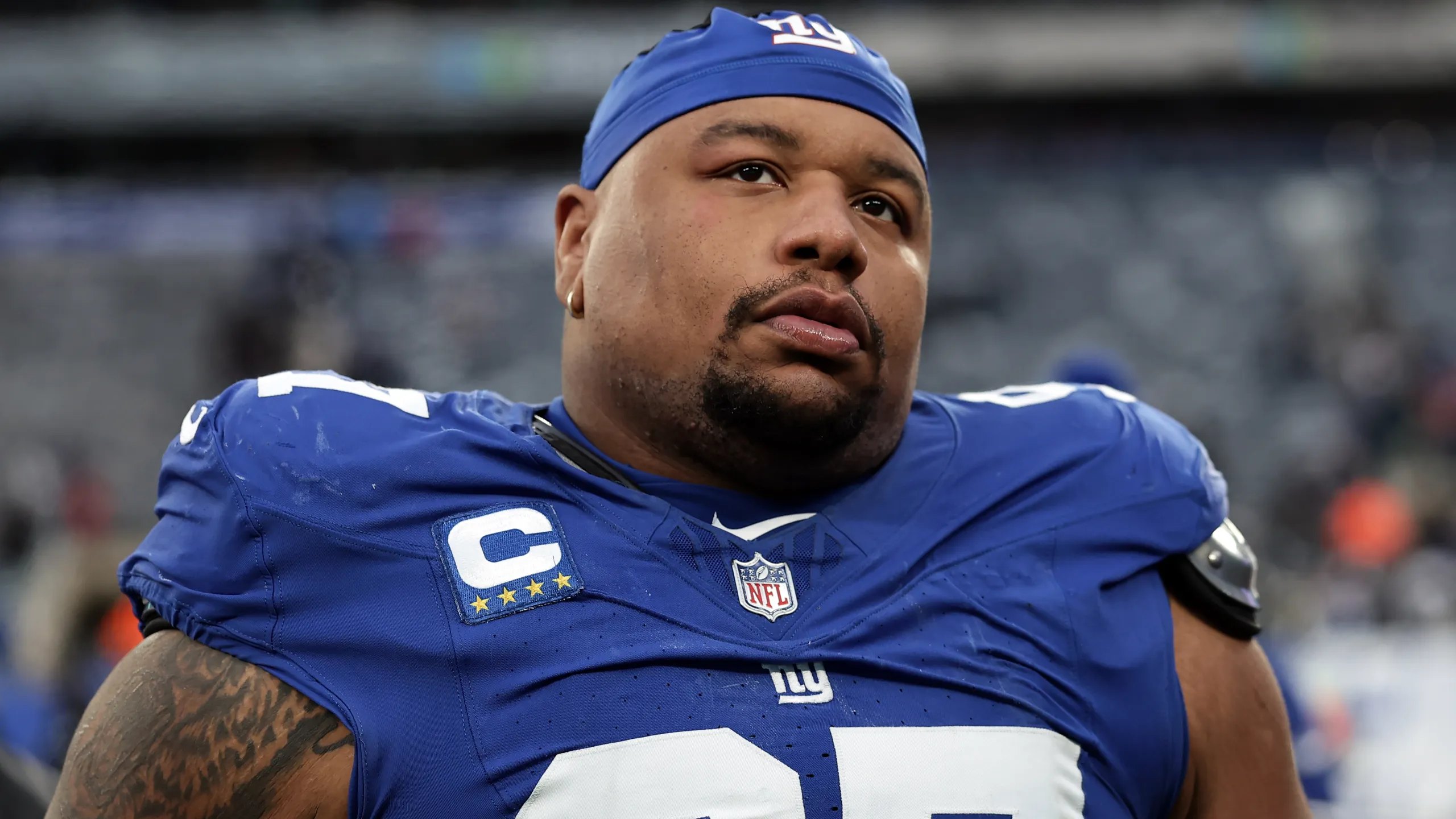
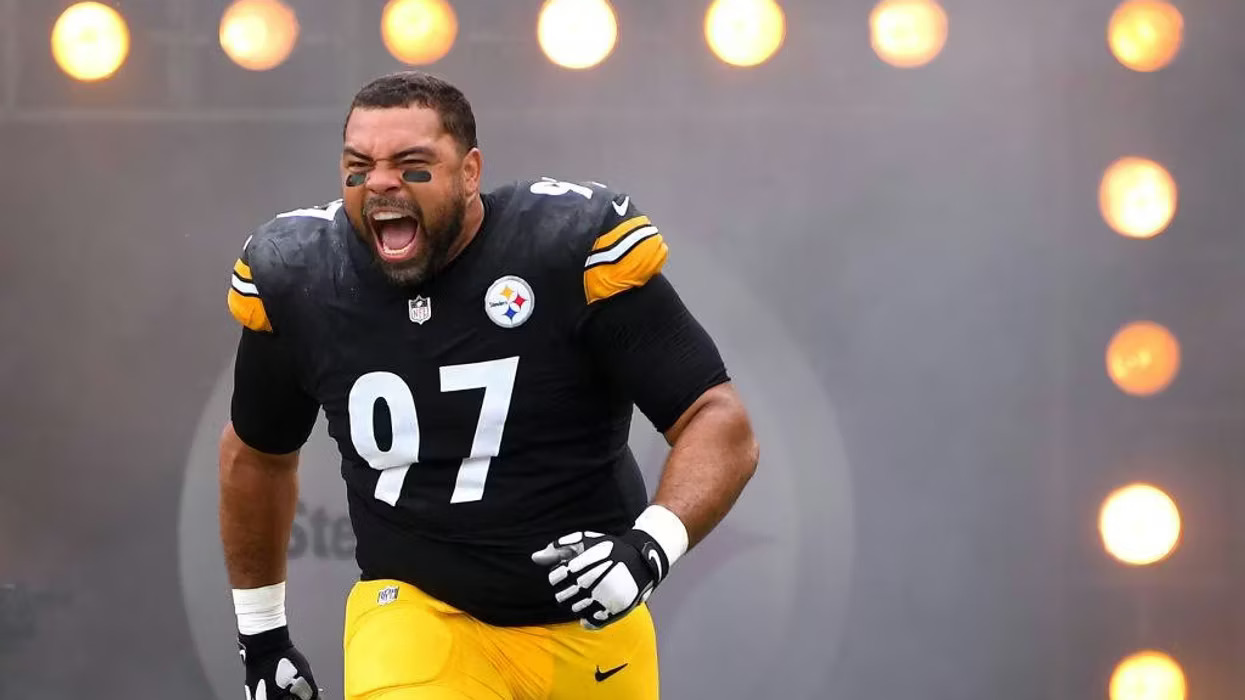
The New York Giants are facing an early test of the partnership between general manager Joe Schoen and head coach John Harbaugh, focused on defensive tackle Dexter Lawrence, who has formally requested a trade after unsuccessful attempts to renegotiate his contract. While both leaders initially downplayed the situation during the Scouting Combine, Lawrence’s demand has now become a defining challenge for the team’s decision-making and internal alignment.
Harbaugh has praised Lawrence publicly, calling him a “middle stone” of the defense and highlighting his crucial role in the team’s success. Schoen, in contrast, expressed uncertainty about the origins of the trade request, signaling the need for a coordinated strategy. The central question is whether the Giants will offer Lawrence a contract reflecting current NFL market standards or insist he honor the remainder of his deal, balancing performance, cap management, and roster construction.
Giants Face Early Test of Leadership and Collaboration Over Dexter Lawrence Trade
Giants’ Power Shift Puts Schoen and Harbaugh Collaboration to the Test
This situation highlights a significant shift in the Giants’ power structure. Historically, the general manager held primary authority over player contracts and personnel decisions. Now, Harbaugh has a direct line to ownership, granting him substantial influence in personnel matters. Schoen must navigate this carefully, ensuring his approach aligns with the coach’s vision while maintaining financial flexibility and the ability to build a competitive team.
Lawrence’s trade request is not just a contractual matter; it serves as a test of leadership, communication, and collaboration between Schoen and Harbaugh. How they resolve the issue will shape the franchise’s approach to player management, salary cap planning, and team culture.
Harbaugh’s evaluation of Schoen during this process will be critical, influencing their working relationship and setting expectations for future decision-making. The outcome of this negotiation will demonstrate whether the Giants’ new structure can function effectively and create sustainable success on the field.
North Carolina Breaks Tradition With Michael Malone Hire to Reignite Championship Ambitions
The University of North Carolina has made a historic and unconventional move by hiring Michael Malone as its next head basketball coach, marking the first time since 1952 that the program has looked outside its traditional “Carolina family.” Despite the surprise surrounding the decision, former Tar Heels players have strongly supported the hire, expressing confidence that Malone can quickly restore the program’s national relevance.
Former Players Back Malone’s Hire and Highlight Recruiting Edge and Winning Mentality
Tyler Hansbrough, a former three-time All-American, praised the decision as transformative, emphasizing Malone’s competitive mindset and urgency to win. He believes Malone will take full advantage of modern resources such as name, image, and likeness opportunities, to rebuild the program rapidly.
Rather than viewing Malone as a typical NBA-to-college transition, supporters see him as a driven coach determined to succeed immediately. His hiring came after other candidates, including Arizona’s Tommy Lloyd and Michigan’s Dusty May, were no longer available, positioning Malone as a bold but calculated choice.
North Carolina Breaks Tradition With Michael Malone Hire to Reignite Championship Ambitions
Malone’s extensive NBA experience is seen as a major advantage, particularly in recruiting. Former UNC standout Danny Green highlighted Malone’s deep understanding of professional expectations, which could appeal to players aiming to reach the NBA.
His connections with general managers and scouts, along with his credibility as a former NBA champion coach, are expected to strengthen North Carolina’s ability to attract both high school prospects and transfer portal talent. Ty Lawson and Kenny Smith also endorsed the hire, noting that Malone’s résumé stands out in college basketball and could give UNC a competitive edge.
Malone’s Experience, Discipline, and Fresh Direction Signal New Era for Tar Heels
Although Malone’s background is primarily in the NBA, he does have early coaching experience in the college ranks and maintains connections to North Carolina. He followed the team closely and even interacted with players during practices, offering insights on daily improvement and accountability. His coaching philosophy centers on consistent development, discipline, and avoiding complacency, values that align with the program’s expectations.
The decision to hire Malone follows the dismissal of Hubert Davis after five seasons, highlighted by a disappointing collapse in the NCAA Tournament. With this change, North Carolina is embracing a fresh direction, prioritizing proven leadership and adaptability. The move represents a willingness to break tradition in pursuit of sustained success, signaling a new chapter aimed at quickly returning the Tar Heels to championship contention.
Michigan’s Remarkable Two Year Rise From Struggle to National Champions
Just a little over two years before celebrating a national title, Michigan basketball was facing instability and doubt. The program had just completed a dismal eight-win season, leaving leadership with no option but to part ways with head coach Juwan Howard.
While Howard had helped reconnect the university with an important era of its history, performance on the court had declined sharply. The roster lacked depth, team morale had dropped, and the program’s direction was unclear. Michigan needed a reset, but there were no assurances that it could attract a coach capable of delivering immediate success.
Dusty May’s Arrival Sparks Immediate Success and Championship Glory at Michigan
That opportunity came in the form of Dusty May, a rising coaching figure who gained national attention after leading Florida Atlantic to a Final Four appearance in 2023. For much of his career, May had taken opportunities as they came, often without hesitation. This time, he had options. With strong interest from programs like Louisville and Vanderbilt, he carefully evaluated his next move. Ultimately, he chose Michigan, believing in its potential to compete at the highest level and its ability to support a championship vision.
Michigan’s Remarkable Two Year Rise From Struggle to National Champions
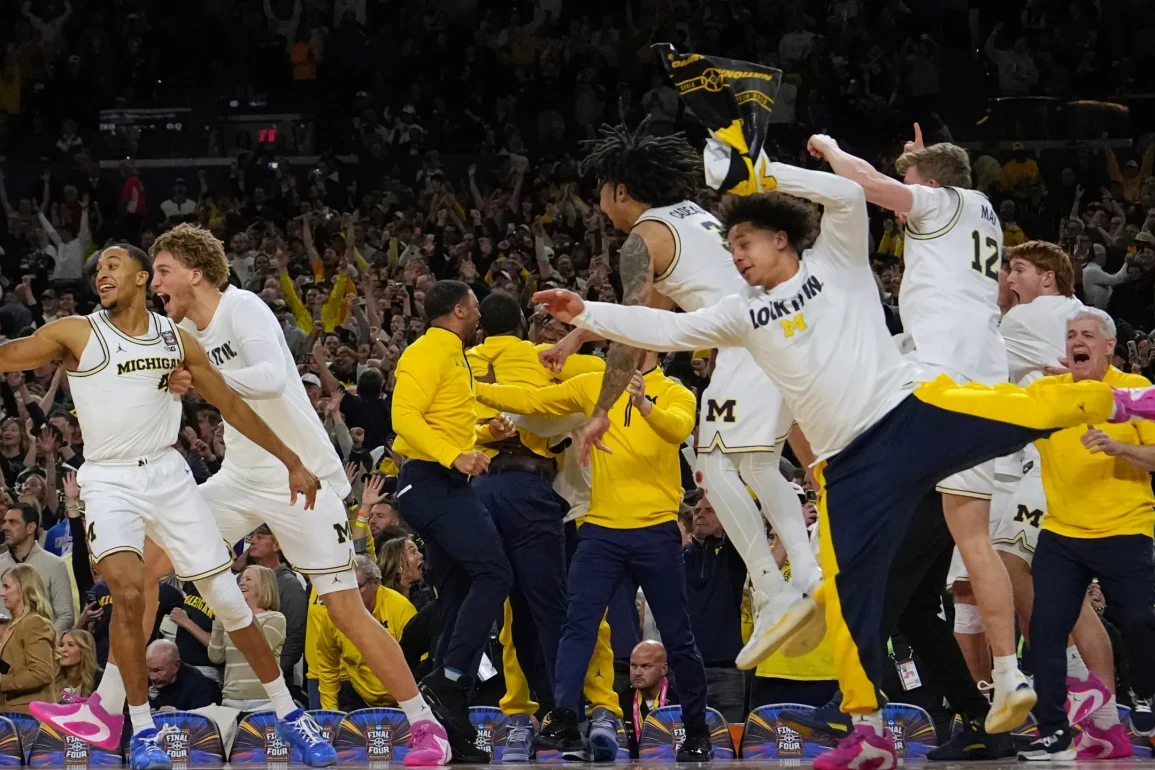
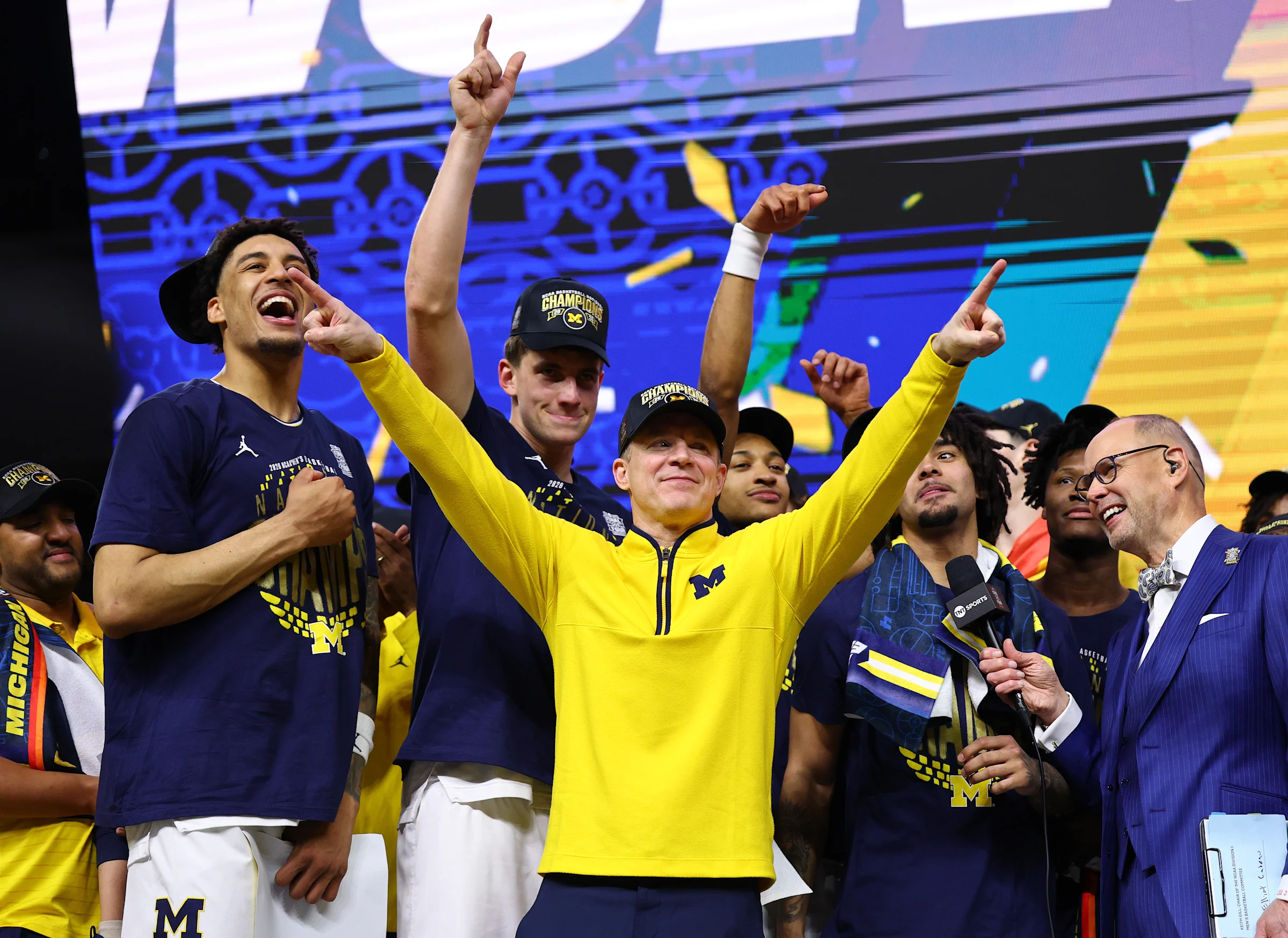
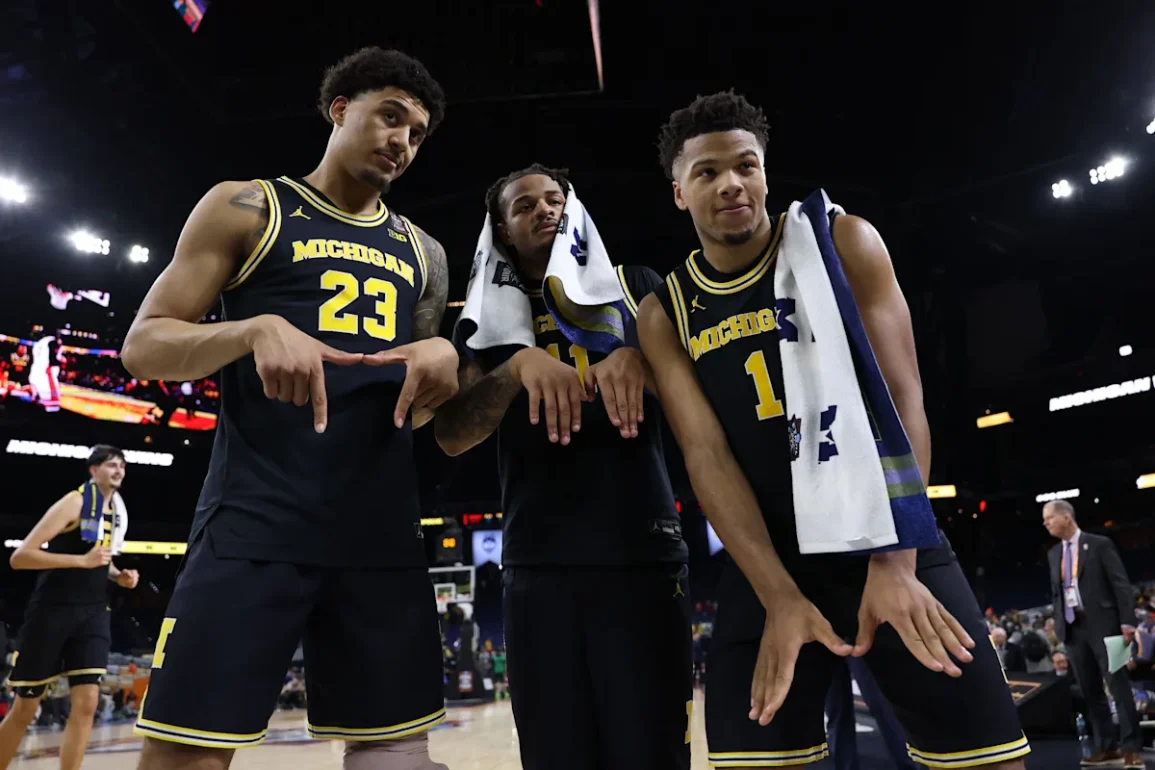
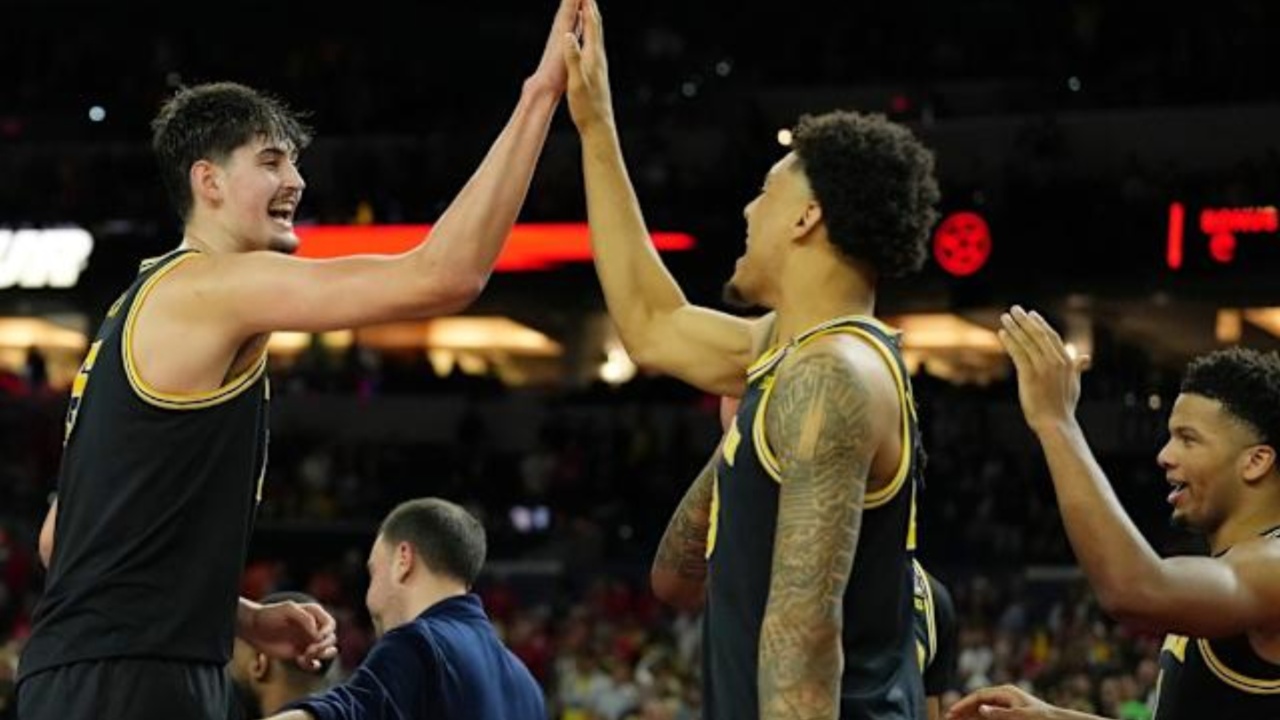
The impact of that decision was almost immediate. In his first season, May guided Michigan to a Sweet 16 appearance, signaling a major step forward. By his second season, the Wolverines had developed into one of the most dominant teams in the country. Their consistency, discipline, and resilience were on full display throughout the year, culminating in a 69 to 63 victory over UConn in the national championship game. The win secured Michigan’s first title in 37 years and ended a long drought for the Big Ten.
A key factor in Michigan’s rapid rise was May’s ability to adapt and build a competitive roster quickly. Rather than relying solely on traditional recruiting cycles, he utilized the transfer portal to assemble experienced and impactful players. This approach allowed the team to compete at a high level without enduring a prolonged rebuilding phase. The strategy proved effective, as Michigan quickly developed chemistry and depth across the roster.
Equally important was May’s emphasis on relationships and team culture. His leadership style fostered trust, accountability, and unity among players, which became evident in high-pressure moments. Even when faced with injuries and challenges late in the season, the team remained composed and connected, ultimately delivering when it mattered most.
Michigan’s journey from a struggling program to a national champion in just two years stands as a powerful example of how decisive action, strong leadership, and clear vision can reshape a team’s future. It underscores how quickly fortunes can change when the right coach meets the right opportunity, resulting in one of the most impressive turnarounds in college basketball history.
Luka Doncic Faces Award Eligibility Uncertainty After Season Ending Hamstring Injury
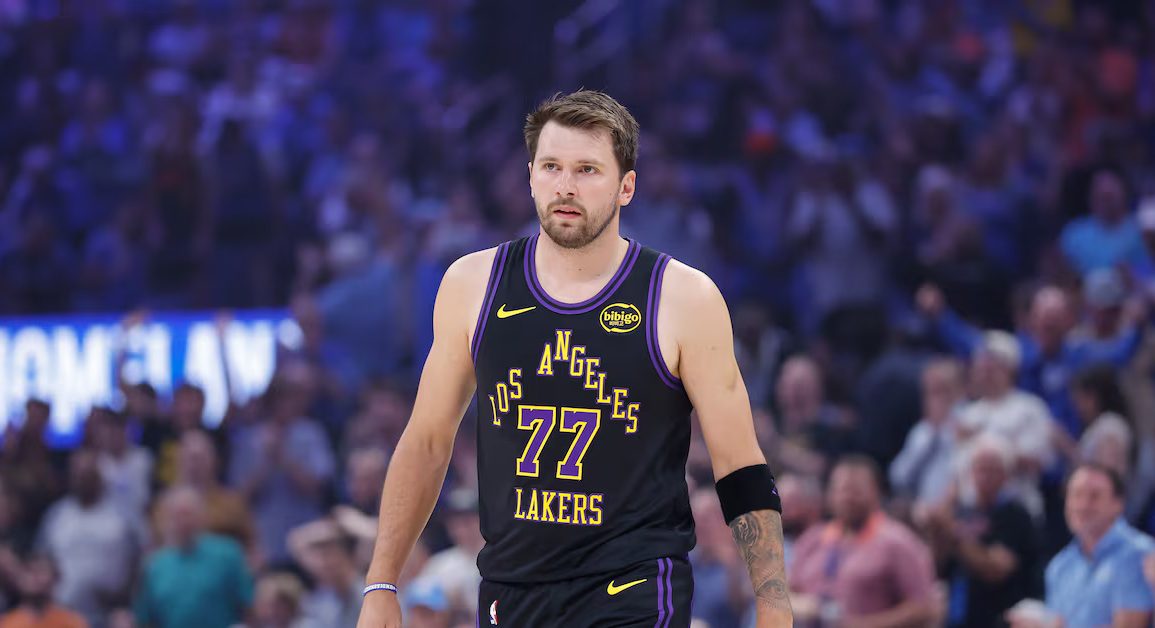
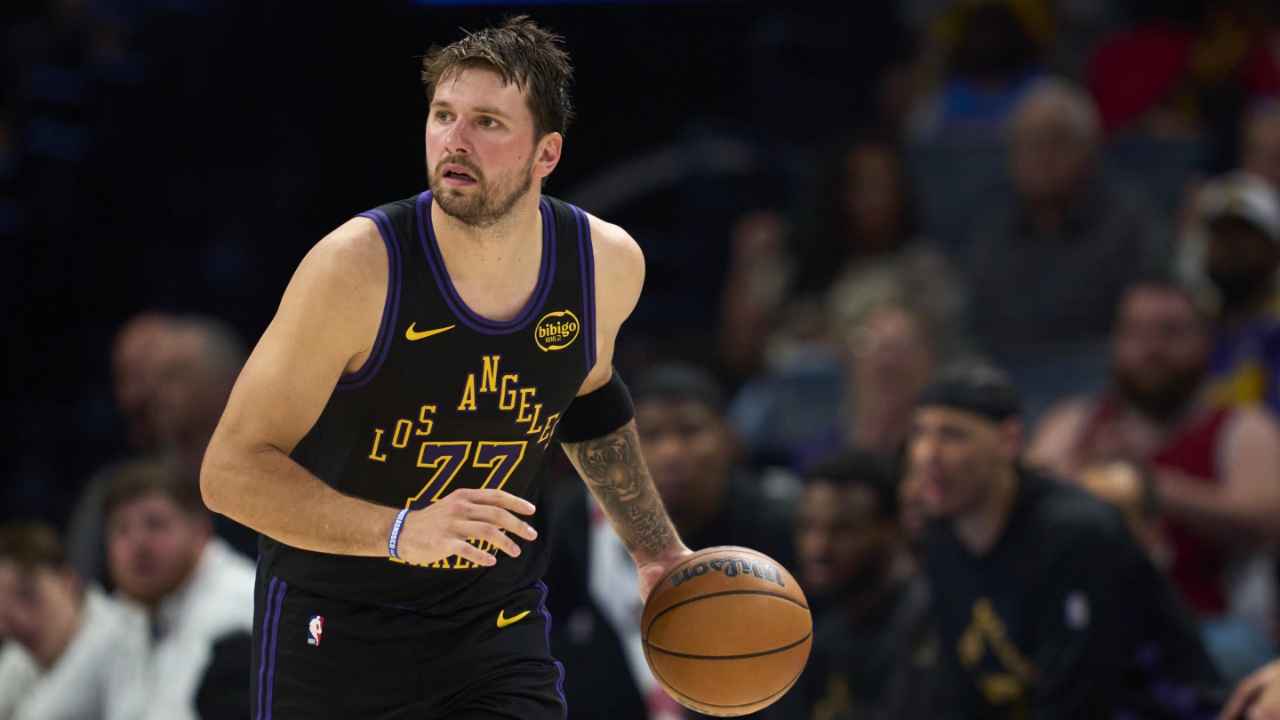
Luka Doncic’s recent hamstring strain has created a major setback for both the Dallas Mavericks and his personal accolades. Due to the NBA’s 65-game minimum rule for end-of-season awards, Doncic is now projected to appear in only 64 regular-season games, making him technically ineligible for honors like MVP. This rule, designed to discourage load management, could still allow an exception under the league’s “Extraordinary Circumstances Challenge.” Doncic’s agent, Bill Duffy, confirmed to ESPN that he will apply for this exemption, citing the two games Doncic missed earlier to be with his family for the birth of his second child in Slovenia.
Former NBA stars and Hall of Famers Tracy McGrady and Carmelo Anthony publicly supported Doncic’s case during NBC’s broadcast of the Mavericks’ 134-128 loss to the Los Angeles Lakers. McGrady emphasized that the missed games were family-related, not due to injury or load management, while Anthony highlighted that international players traveling for personal matters should not be penalized.
Luka Doncic Faces Award Eligibility Uncertainty After Season-Ending Hamstring Injury
Mavericks’ Playoff Hopes Complicated by Doncic Injury and Key Player Absences
The timing of Doncic’s injury has been particularly unfortunate for the Mavericks, who had won 16 of 18 games before his absence, positioning themselves as a potential dark-horse playoff contender. Compounding their challenges, teammate Austin Reaves is also expected to miss multiple weeks with an oblique strain, forcing the team to navigate the postseason with key players sidelined.
Doncic also missed a recent game due to a suspension for accumulating his 16th technical foul, though this absence is unlikely to affect his award exemption case. Despite these setbacks, Doncic’s performance remains elite: he was named Western Conference Player of the Month for March and is currently leading the NBA with 33.5 points per game, propelling the Mavericks from sixth to third place in the Western Conference.
Doncic faces a narrow path to award eligibility, relying on the league to grant an exception for family-related absences amid a season-ending injury and suspension.
Steelers Leverage Abundant Draft Picks To Balance Immediate Impact And Long Term Depth
The Pittsburgh Steelers enter the 2026 NFL Draft with a wealth of selections, giving general manager Omar Khan significant flexibility to shape the roster. With 12 picks in total, five of which are within the top 100, the Steelers can either trade up to secure a top-tier first-round prospect or trade down to accumulate depth on Day 2. This strategic flexibility allows Pittsburgh to address multiple needs, balancing immediate starters with developmental players who can contribute to both the present and future.
At the top of this mock draft, the Steelers select wide receiver Omar Cooper Jr. from Indiana with the 29th overall pick. Cooper, a key target for Heisman-winning quarterback Fernando Mendoza, brings a complete skill set with strong hands, speed, and a refined route tree. While not as explosive as some other top receivers in the draft, Cooper is projected to complement DK Metcalf and Michael Pittman Jr., giving head coach Mike McCarthy a trio of primary receiving threats capable of stretching defenses and creating matchup problems across the field.
Steelers Target Offensive Line And Defensive Playmakers In Second And Third Rounds
In the second round, Pittsburgh targets guard Chase Bisontis from Texas A&M with the 40th pick, using the extra selection acquired from trading down. Bisontis offers athleticism and versatility along the offensive line, excelling as both a pass protector and a pulling lead blocker. With the departure of Isaac Seumalo in free agency, Bisontis could compete for a starting role at left guard, giving the Steelers a reliable presence to strengthen their offensive front.
Later in the second round, cornerback Keionte Scott from Miami is chosen to bolster the secondary. Scott’s combination of size, speed, and coverage skills makes him a versatile option, capable of playing slot corner or contributing as a run defender and occasional pass rusher.
Steelers Leverage Abundant Draft Picks To Balance Immediate Impact And Long-Term Depth
Pittsburgh’s third-round selections focus on defensive reinforcement. Domonique Orange, a 6-foot-2, 322-pound defensive tackle from Iowa State, provides a strong interior presence, capable of controlling double-teams and keeping linebackers clean.
While his statistical production may not be eye-popping, Orange’s ability to occupy blockers could be invaluable in Patrick Graham’s defense. The Steelers also add safety Zakee Wheatley from Penn State, a long, fast, and versatile defender who can support both deep coverage and run defense. Wheatley’s 85 combined tackles and strong passer rating allowed demonstrate his potential to contribute immediately.
Steelers Use Later Rounds To Build Depth And Develop Future Positional Talent
Later rounds focus on adding depth and developmental talent. In the fifth round, tight end Marlin Klein from Michigan provides a receiving threat behind Pat Freiermuth and Darnell Washington. The seventh round is used to bolster receiver depth with J. Michael Sturdivant and Kaden Wetjen, adding a combination of size, speed, and quickness. Defensive tackle Deven Eastern from Minnesota rounds out the draft, offering size and run-stopping potential as a developmental player on the defensive line.
By combining high-end talent in early rounds with strategic depth selections later, the Steelers’ draft strategy balances immediate needs and long-term development. Targeting key positions such as wide receiver, guard, cornerback, defensive tackle, and safety allows Pittsburgh to maintain a competitive roster while building a pipeline of young talent. With careful management of their draft assets, the Steelers could maximize the value of their abundant selections and position themselves for success in 2026 and beyond.
This approach reflects a modern NFL draft philosophy: acquiring multiple skilled players rather than relying solely on a single star, giving the Steelers flexibility to address depth issues while maintaining a competitive edge across multiple positions.
Rays Return to Tropicana Field Highlights Urgency for Permanent “Forever Home” Stadium
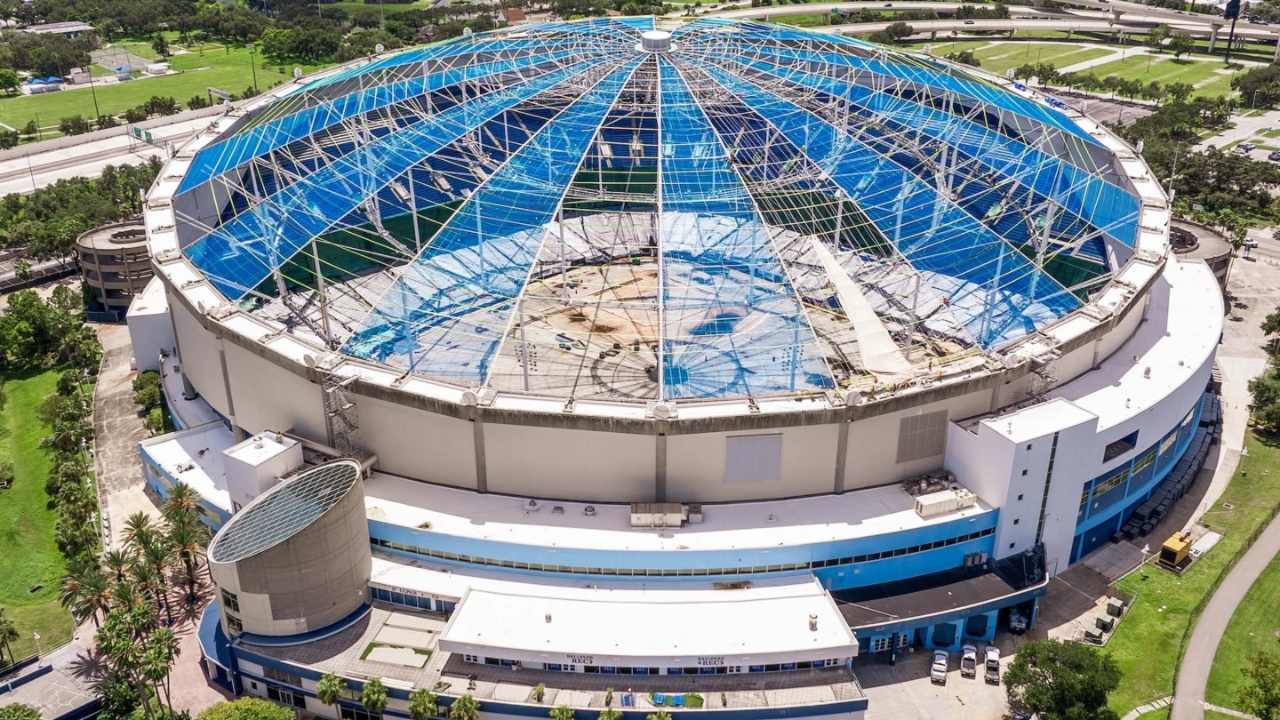
After 18 months of displacement, the Tampa Bay Rays are finally returning to Tropicana Field, marking the first proper home game since Hurricane Milton devastated the stadium in September 2024. The hurricane not only tore off the stadium’s roof but also caused extensive interior damage, leaving the Rays to play the 2025 season in temporary quarters at George M. Steinbrenner Field, the Yankees’ spring training facility.
The team faced unusual challenges, from makeshift clubhouses to playing in a stadium with another team’s logos on the seats. This period coincided with the collapse of a $1.3 billion stadium deal and a change in ownership, making the Rays’ future one of the most uncertain in franchise history.
Monday’s home opener is therefore a milestone, but largely symbolic. The city of St. Petersburg invested nearly $60 million to refurbish Tropicana Field, replacing the roof, turf, and lights, while modernizing training, recovery, and player amenities.
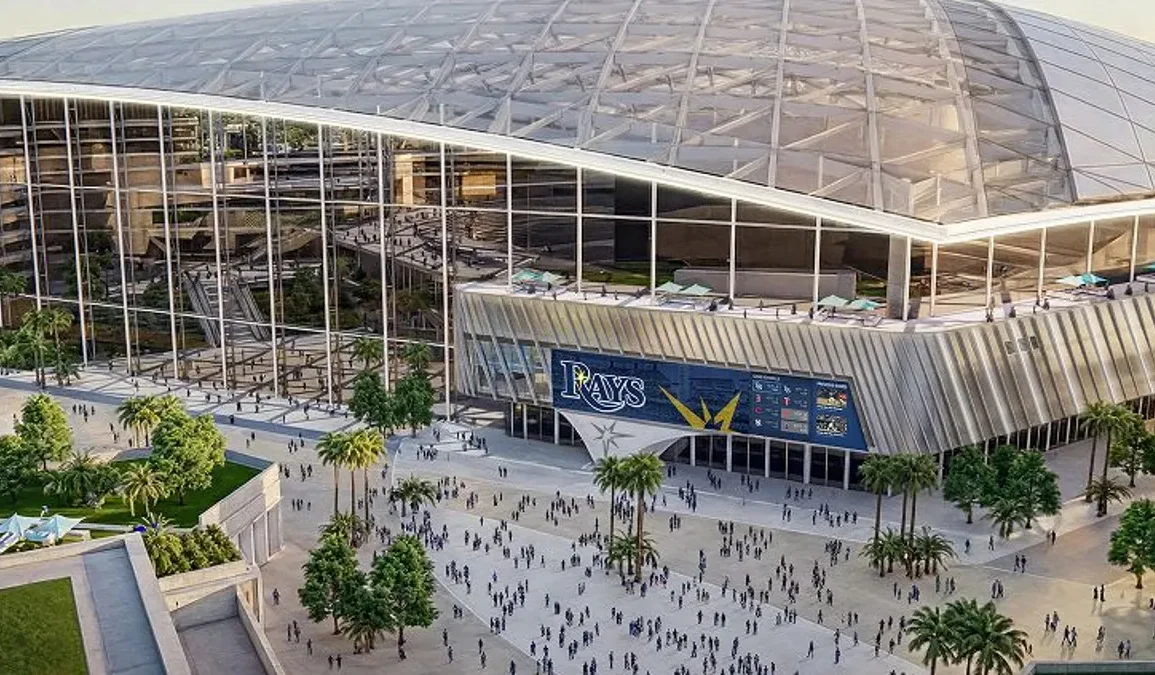
Suites were upgraded, and fan-focused areas such as the fourth-floor Baldwin Group Club and a new home plate club with a craft candy shop were added. Rays CEO Ken Babby emphasized that while the renovations are welcome, Tropicana Field is not a long-term solution. The team remains committed to a permanent stadium in Tampa, envisioning a modern facility integrated into a 130-acre mixed-use development near Dale Mabry Highway.
The proposed $2.3 billion stadium project would be partially funded by the public, $1.15 billion, with the Rays covering the remaining cost and any overages. The plan includes retail, housing, entertainment, and enhancements to Hillsborough Community College’s campus, which would temporarily relocate some operations during construction.
Babby has described the project as the Rays’ “forever home,” comparing it to Baltimore’s Camden Yards, which revitalized the Orioles’ franchise and downtown Baltimore in the 1990s. Renderings of the stadium show a modern glass-heavy design, aiming to create a year-round sports and entertainment district for Tampa Bay.
Public Concerns And Historic Challenges Highlight Rays’ Urgent Stadium Pursuit
Despite the excitement, public reaction has been mixed. Residents have voiced concerns over traffic, disruption to college life, and the use of taxpayer funds. Some questioned why alternative locations, such as historic Ybor City, were not considered.
Babby and the Rays argue that the site’s scale and accessibility make it ideal and that the project will generate economic benefits for the region, even as studies suggest stadium subsidies rarely fully pay for themselves. The Tampa Sports Authority has approved additional funding to study the stadium’s roof, but requested further details before fully endorsing the project. City and county council votes on the memorandum of understanding could occur in mid-April, a critical step toward making the stadium a reality.
Rays Return to Tropicana Field Highlights Urgency for Permanent “Forever Home” Stadium
The Rays’ current lease at Tropicana Field runs through 2028, with the team aiming to break ground soon and have the stadium operational by Opening Day 2029. Meanwhile, the temporary return to Tropicana Field offers both fans and players a sense of normalcy. The internal renovations, modernized equipment, expanded fitness and recovery areas, and updated suites make the Trop feel revitalized. For players, the return represents stability and an improved environment; for fans, it’s a chance to reconnect with the home team after a long absence.
The history of Tropicana Field underscores the Rays’ urgency for a new stadium. Originally built in 1990 as the Florida Suncoast Dome, the facility predated the Rays’ 1998 inaugural season and quickly became outdated. Its indoor design, lack of neighborhood development, and low attendance plagued the team for decades, even as the Rays achieved competitive success in the American League East with a modest payroll.
Former owner Stuart Sternberg spent 20 years attempting to secure a new stadium, with his last proposal collapsing in the aftermath of Hurricane Milton. The current ownership, led by Patrick Zalupski, purchased the team for $1.7 billion and has prioritized a modern, permanent home to secure the franchise’s future in Tampa Bay.
Rays’ Forever Home Plan Combines Ballpark, Mixed-Use Development, And Community Integration
Zalupski’s proposal at the Hillsborough Community College site is ambitious, integrating a ballpark with a larger mixed-use development similar to Atlanta’s The Battery, but nearly twice as large. The plan incorporates housing, retail, entertainment, and education while leveraging private investment to minimize public risk. The development aims to create a destination for year-round sports and entertainment, making the Rays a central part of the Tampa Bay community and economy.
While Tropicana Field’s renovations are significant, they also serve as a reminder of the stadium’s limitations. The return is a moment of celebration, but highlights the need for a long-term solution. Babby describes the Trop’s restoration as an example of the team’s dedication and vision, yet the ultimate goal remains the construction of the “forever home” that will define the Rays’ presence in Tampa Bay for decades.
As the Rays take the field against the Chicago Cubs for their home opener, fans and players alike can appreciate the improvements, but the shadow of uncertainty persists. Tropicana Field, once a symbol of temporary compromise, now stands renewed yet temporary as a bridge to the Rays’ envisioned future in Tampa. Baseball is back at Tropicana Field, at least for now, while the franchise continues its pursuit of a stadium that could transform the team and the region.
Rockets Edge Warriors as Sengun’s Late Heroics Spoil Curry’s Return Performance
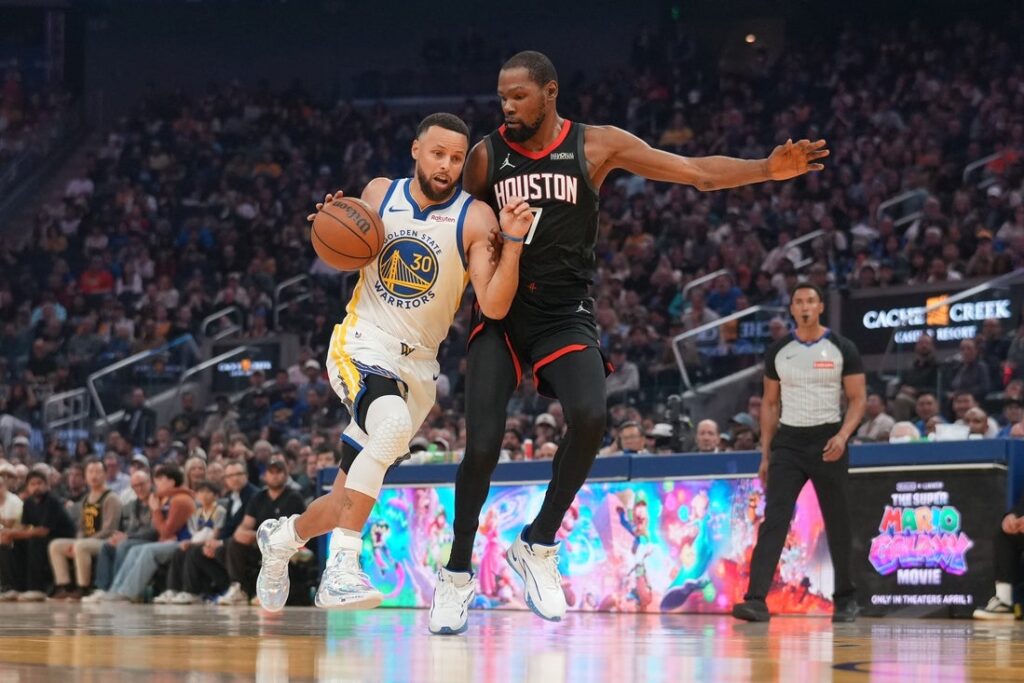
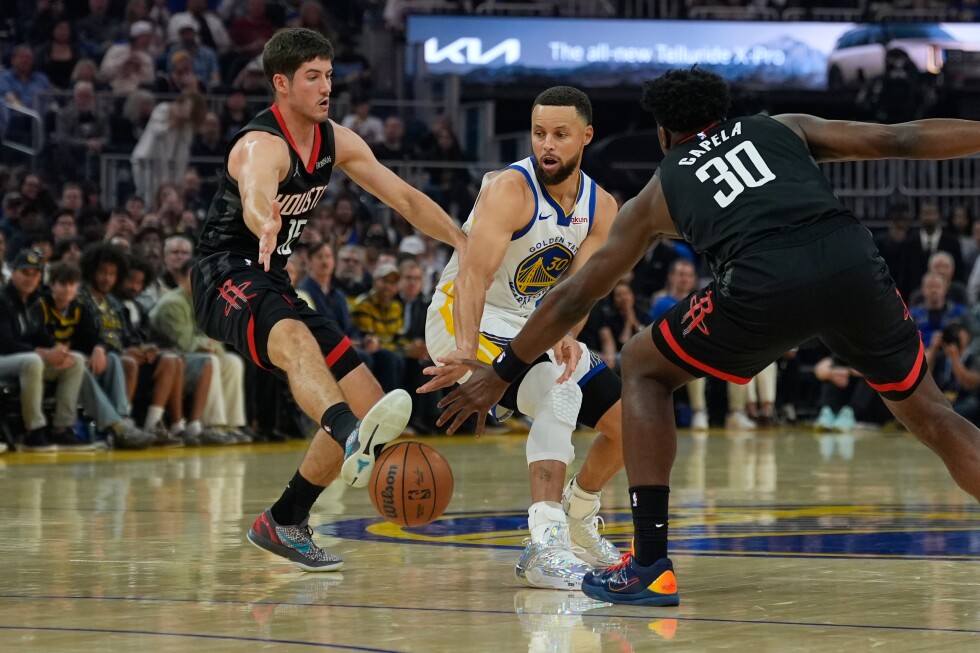
The Houston Rockets secured a dramatic 117–116 victory over the Golden State Warriors, highlighted by a clutch late sequence and the return of Stephen Curry after a lengthy injury absence. Alperen Sengun delivered the decisive moment, scoring a go-ahead layup with just 11 seconds remaining off a pass from Kevin Durant. Curry had one final opportunity to win the game but missed a deep three-pointer in the closing seconds.
The game featured multiple lead changes in the final minutes. Gary Payton II briefly put Golden State ahead after a goaltending call on Amen Thompson, but Durant quickly responded with leadership and composure. Facing his former team, Durant posted an impressive stat line of 31 points, eight rebounds, and eight assists, including a key three-pointer late in the fourth quarter that helped keep Houston within striking distance.
Rockets Edge Warriors as Sengun’s Late Heroics Spoil Curry’s Return Performance
Curry Returns Strongly, but Rockets’ Depth and Execution Secure Narrow Victory Late
Curry’s return was one of the night’s biggest storylines. After missing over two months with a knee injury, he came off the bench and made an immediate impact, scoring 29 points on efficient shooting in just 26 minutes. His performance included crucial baskets down the stretch, such as a driving layup that narrowed the deficit and a three-pointer that kept the Warriors in contention. His reappearance drew a standing ovation from fans, marking his first regular-season game as a reserve since 2012.
Houston received strong contributions across the roster. Sengun finished with 24 points, while Jabari Smith Jr. added 23 points and nine rebounds. Thompson also played a key role with 18 points and seven assists. Despite a brief on-court confrontation between Draymond Green and Smith, the game maintained its intensity throughout.
A unique moment occurred when Curry shared the floor with his brother, Seth Curry, marking a rare instance of the two playing together for Golden State. Ultimately, Houston’s late execution proved decisive, overshadowing Curry’s strong return and securing a narrow but significant win.
Lamar Jackson Kicks Off First Offseason with Ravens’ New Coaching Staff and Program
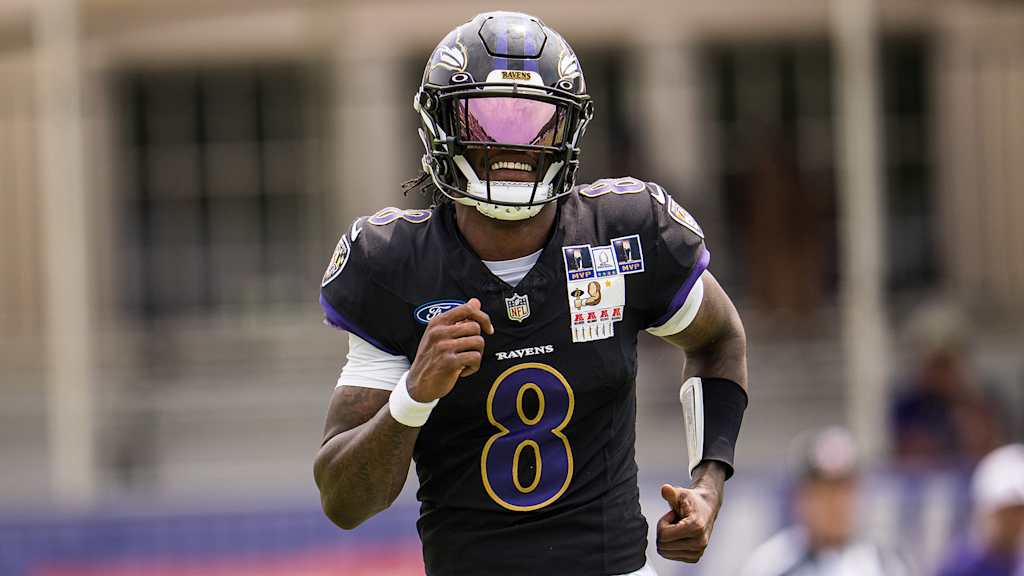
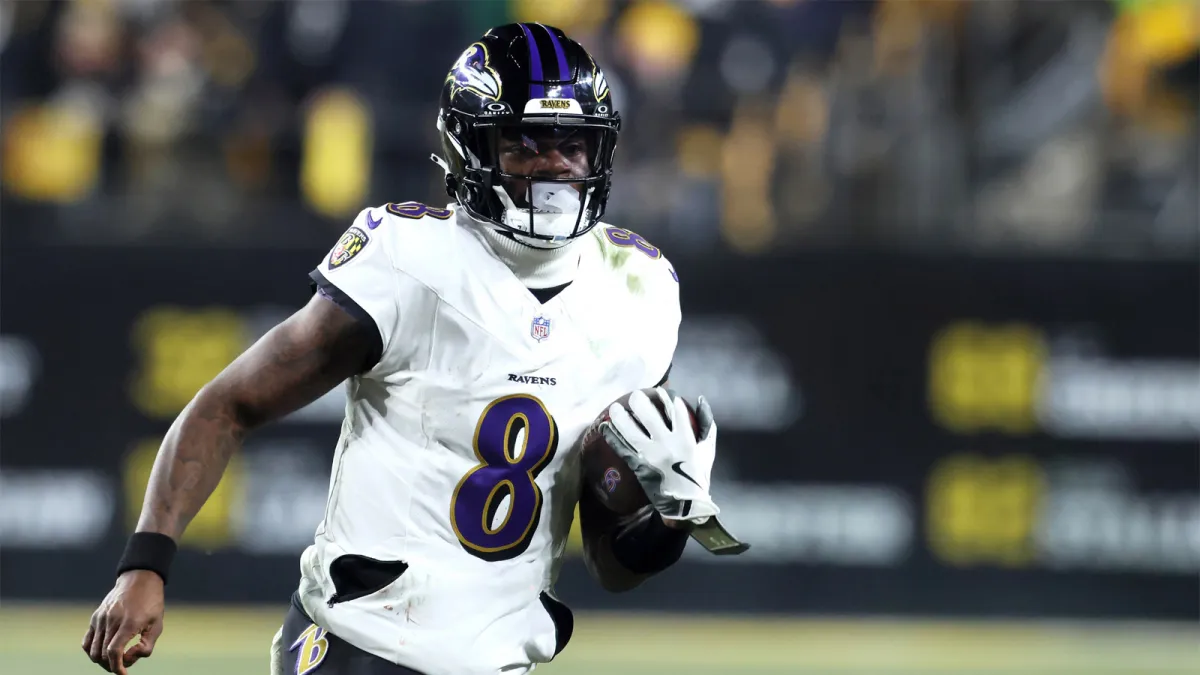
Lamar Jackson, the two-time MVP quarterback, returned to the Under Armour Performance Center on Monday for Day 1 of the Ravens’ voluntary offseason program. His participation is notable, especially as this marks his first offseason under new head coach Jesse Minter and first-time offensive coordinator Declan Doyle. Jackson spent his first eight seasons with John Harbaugh, making this a significant transition in leadership and offensive direction
Lamar Jackson Kicks Off First Offseason with Ravens’ New Coaching Staff and Program
Minter expressed excitement about working with Jackson, highlighting the quarterback’s work ethic, leadership, and commitment to growth. “He’s excited for us to connect, to build a relationship, to trust each other, and to talk through things,” Minter said. Jackson’s presence signals his readiness to embrace the new coaching staff and evolve further as a player.
Also attending were newly acquired pass rusher Trey Hendrickson and running back Derrick Henry. Monday kicked off Phase 1 of the offseason program, which spans two weeks and focuses on meetings, strength and conditioning, and rehabilitation. Phase 2 will consist of three weeks of on-field workouts, including individual and group drills, while Phase 3 includes four weeks of team-organized OTAs with non-contact drills such as 7-on-7, 9-on-7, and 11-on-11. Jackson’s early engagement sets the tone for a collaborative offseason ahead.
Baker Mayfield Overcomes Injuries While Positioning For Lucrative Buccaneers Contract
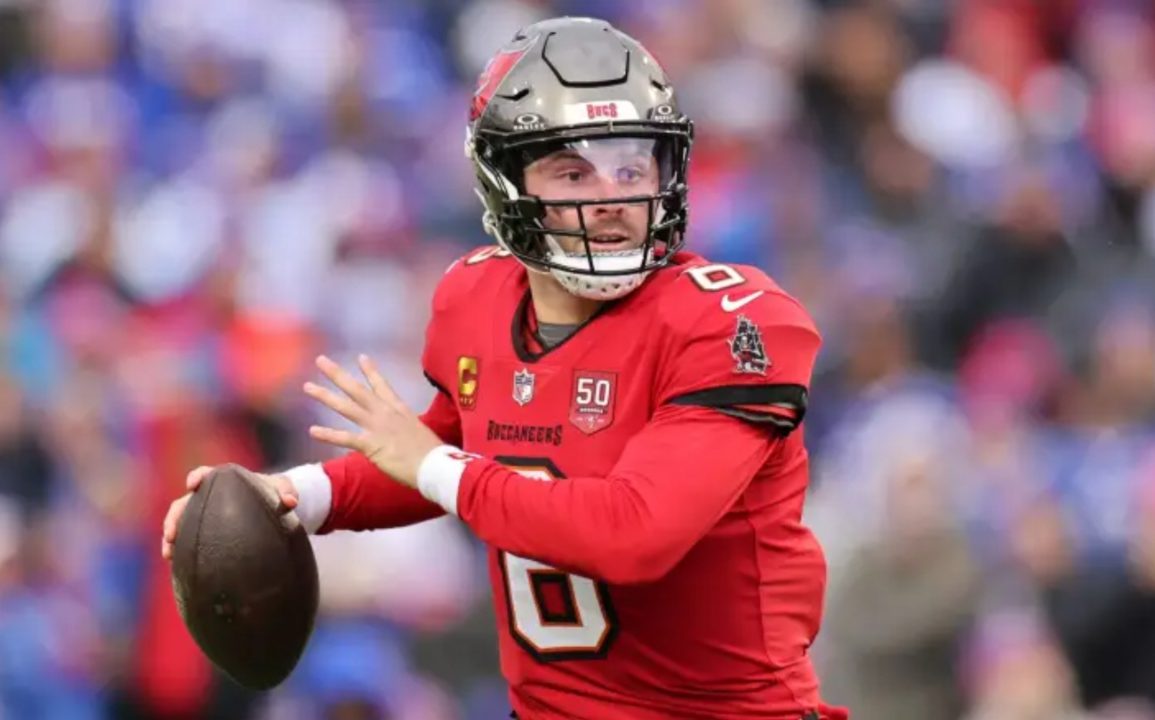
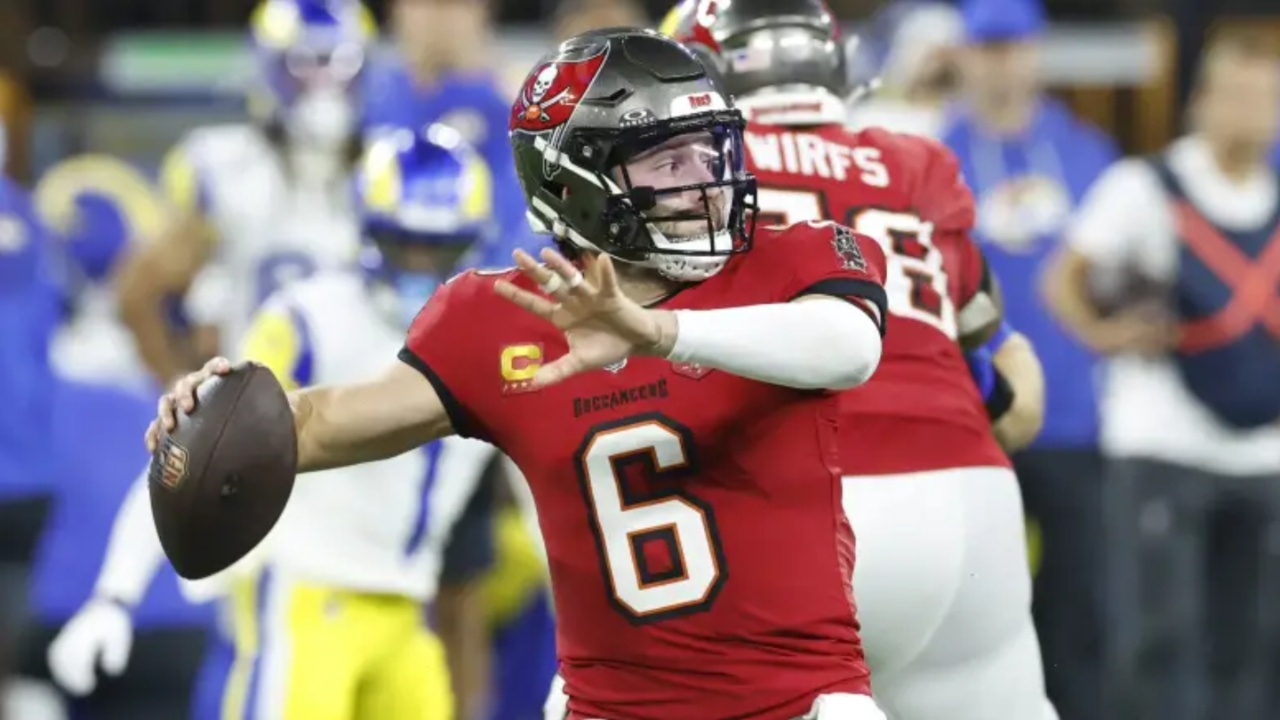
Baker Mayfield began the 2025 NFL season as a serious MVP contender, leading the Tampa Bay Buccaneers to a strong 5-1 start and generating buzz as one of the league’s top quarterbacks. However, the Buccaneers’ early momentum collapsed midseason, culminating in an 8-9 finish. A four-sack performance against Detroit in Week 7 marked a turning point, after which Mayfield never regained his early-season rhythm.
Statistically, Mayfield still produced solid numbers, throwing for 3,693 yards with 26 touchdowns, 11 interceptions, and a 90.6 passer rating over 17 games. Yet these stats did not fully reflect the challenges he faced on the field. Retired linebacker Lavonte David revealed on The Arena podcast that Mayfield played through a series of injuries that few outside the organization were aware of. David detailed that Mayfield contended with an oblique injury, a shoulder issue, ankle and knee problems, and more, all while attempting to lead the Buccaneers effectively.
Baker Mayfield Overcomes Injuries While Positioning For Lucrative Buccaneers Contract
Mayfield’s Resilience Under Pressure Shapes Contract Prospects And Team Future
Despite the physical toll, Mayfield continued to perform at a high level, especially considering the circumstances. David noted that although Tampa Bay remained in playoff contention, the locker room energy waned during the second half of the season as injuries mounted and team performance suffered. Mayfield’s resilience under pressure became a defining aspect of his year, showcasing his leadership and commitment even when facing significant adversity.
Looking ahead, Mayfield enters the final year of his three-year, $100 million contract with strong leverage. His performance, particularly while battling injuries, suggests a potential contract increase, with projections placing him in the $50 million per year range if Tampa Bay decides to secure him long-term. The key question for the franchise is whether the struggles in the latter half of 2025 are viewed as primarily injury-related or indicative of deeper issues. Mayfield’s ability to overcome adversity will be central to both his future earnings and the team’s prospects.
Cooper Flagg’s Historic Scoring Surge Lifts Mavericks Past Lakers Amid Injury Concerns
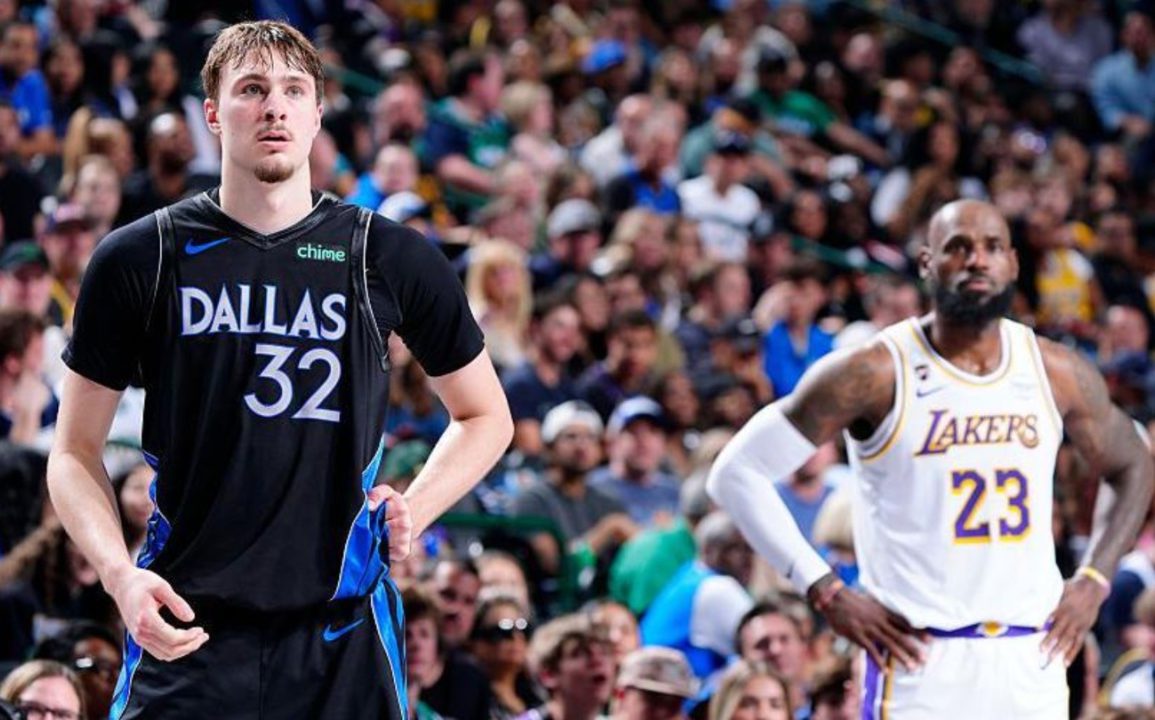
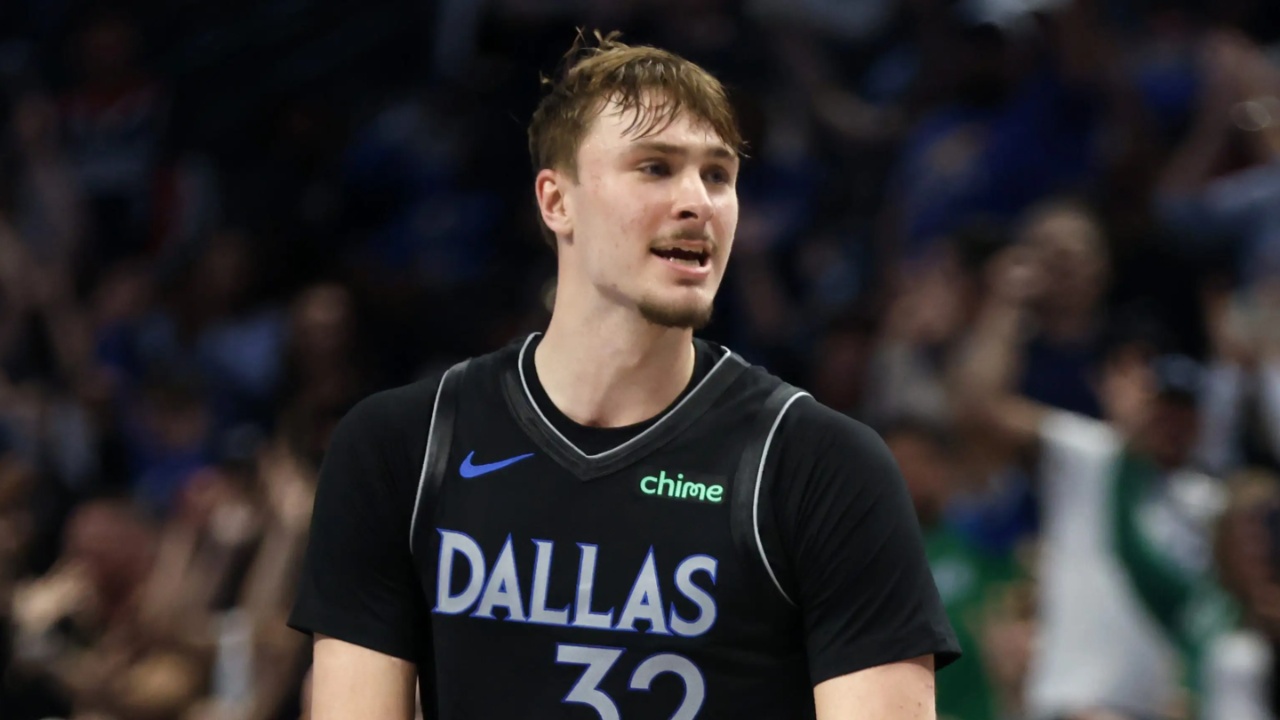
Cooper Flagg continued his remarkable rookie campaign with another standout performance, leading the Dallas Mavericks to a 134–128 victory over the Los Angeles Lakers. Just days after a 51-point outing, Flagg followed up with 45 points, along with 9 assists, 8 rebounds, 2 steals, and a block, further cementing his status as one of the league’s brightest young stars.
His back-to-back 40-point games place him in rare company, making him the first rookie since Allen Iverson in the 1996–97 season to achieve the feat. Additionally, his combined 96 points across two games mark the highest total by a rookie since Wilt Chamberlain.
Flagg’s performance was particularly impressive given the challenge on the other side. He went head-to-head with LeBron James, who delivered a strong showing of his own with 30 points, a season-high 15 assists, and 9 rebounds. With key teammates sidelined, James carried much of the offensive load for Los Angeles but ultimately could not overcome Flagg’s scoring surge and the Mavericks’ balanced effort.
Cooper Flagg’s Historic Scoring Surge Lifts Mavericks Past Lakers Amid Injury Concerns
The Lakers were significantly undermanned, missing Austin Reaves due to an oblique strain and Luka Dončić because of a hamstring injury. Both absences have raised concerns about the team’s readiness for the upcoming playoffs. Reaves is expected to miss several weeks, likely ruling him out for the first round, while Dončić’s timeline remains uncertain as he seeks treatment abroad in hopes of accelerating his recovery.
While the win had little impact on Dallas’ playoff positioning, it highlighted the franchise’s future in Flagg, whose scoring ability and all-around contributions continue to draw attention. For the Lakers, however, the loss carries more weight. The team is now tied with the Denver Nuggets for third place in the Western Conference, with only a narrow margin separating them from the Houston Rockets in fifth. Securing a top-four seed is crucial for home-court advantage in the playoffs, making every remaining game significant.
As the postseason approaches, Flagg’s historic performances provide a glimpse of a promising future for Dallas, while the Lakers face mounting pressure to regain health and form in time for a deep playoff run.
Michigan Wolverines Face Connecticut Huskies in Clash of Dominance and Championship Pedigree
The stage is set for a compelling national championship showdown between the Michigan Wolverines and the Connecticut Huskies, a matchup defined by contrast in form, history, and identity. Michigan has surged through the tournament as an offensive powerhouse, overwhelming opponents with speed, scoring, and efficiency.
Their dominant 91–73 victory over the Arizona Wildcats showcased a team operating at peak performance, one that has consistently scored at least 90 points in every tournament game while building large leads early. With balanced scoring, fluid ball movement, and relentless tempo, the Wolverines have looked nearly unstoppable, earning the perception of a team destined for a championship moment.
Yet standing in their way is a program that thrives under pressure and carries a legacy unmatched in recent college basketball history. Connecticut enters the title game with a perfect 6–0 record in national championship appearances, fueled by a culture of resilience and belief. Their path has not been as dominant statistically, but it has been equally impressive in its own way.
The Huskies defeated the Illinois Fighting Illini 71–62 in a gritty Final Four contest, relying on defense and composure rather than offensive fireworks. Illinois, typically a high-scoring team, once again struggled against Connecticut, continuing a pattern of suppressed performances when facing the Huskies’ disciplined defensive schemes.
Connecticut’s Toughness and Experience Face Michigan’s High-Powered, Dominant Offensive Run
Connecticut’s identity this season has been rooted in toughness and adaptability. Unlike Michigan’s high-scoring runs, the Huskies have often had to grind out victories, winning close games and maintaining composure in tight situations. Head coach Dan Hurley emphasized that his team is comfortable in physical, low-scoring battles, a trait that could prove crucial against a high-powered opponent.
Players like Alex Karaban have spoken about the intangible “magic” associated with wearing the UConn uniform, a belief tied to the program’s long-standing success in March and April. This sense of tradition and expectation creates confidence, even when facing a team as dominant as Michigan.
The environment in the Final Four further demonstrated Connecticut’s composure. Despite a heavily pro-Illinois crowd in Indianapolis, the Huskies remained unfazed, executing their game plan and controlling the tempo.
Michigan Wolverines Face Connecticut Huskies in Clash of Dominance and Championship Pedigree
Their ability to block out distractions reflects a program accustomed to high-pressure situations, where expectations are constant, and performance is demanded. Hurley has pointed out that this sustained pressure throughout the season prepares his team for moments like the championship game, where mental toughness often determines the outcome.
Michigan, on the other hand, brings a different kind of challenge. Their tournament run has been marked by decisive victories, with margins often exceeding 20 points. The Wolverines’ offensive efficiency, highlighted by high assist totals and multiple scoring options, makes them difficult to defend. 4
Head coach Dusty May acknowledged Connecticut’s “championship DNA,” recognizing that past success and experience can influence the outcome even against a statistically superior team. While Michigan has looked dominant, they have not yet faced an opponent with the same pedigree and defensive discipline as the Huskies.
Michigan’s Offensive Momentum Meets Connecticut’s Championship Pedigree in High-Stakes Title Showdown
The contrast between the two teams extends beyond the style of play. Michigan represents momentum and offensive brilliance, while Connecticut embodies tradition, resilience, and defensive strength. The Wolverines have controlled games from the outset, whereas the Huskies have shown an ability to adapt and persevere in challenging situations. This dynamic creates uncertainty heading into the final, as each team brings strengths that directly test the other’s identity.
History adds another layer of intrigue. While past records do not determine future outcomes, Connecticut’s unbeaten record in championship games speaks to a program that consistently rises to the occasion. Michigan’s more limited success on this stage underscores the challenge ahead. Still, players on both sides understand that the game will ultimately be decided by execution, focus, and the ability to handle pressure in the moment.
As the season reaches its conclusion, the championship game promises to be a clash of styles and philosophies. Michigan’s explosive offense will test Connecticut’s defensive resolve, while the Huskies’ experience and composure will challenge the Wolverines’ consistency under pressure. Whether the outcome favors the high-powered momentum of Michigan or the proven championship mentality of Connecticut, the matchup represents the essence of college basketball at its highest level.
Dawn Staley’s Grace in Defeat Highlights Leadership Amid UCLA’s Historic Victory
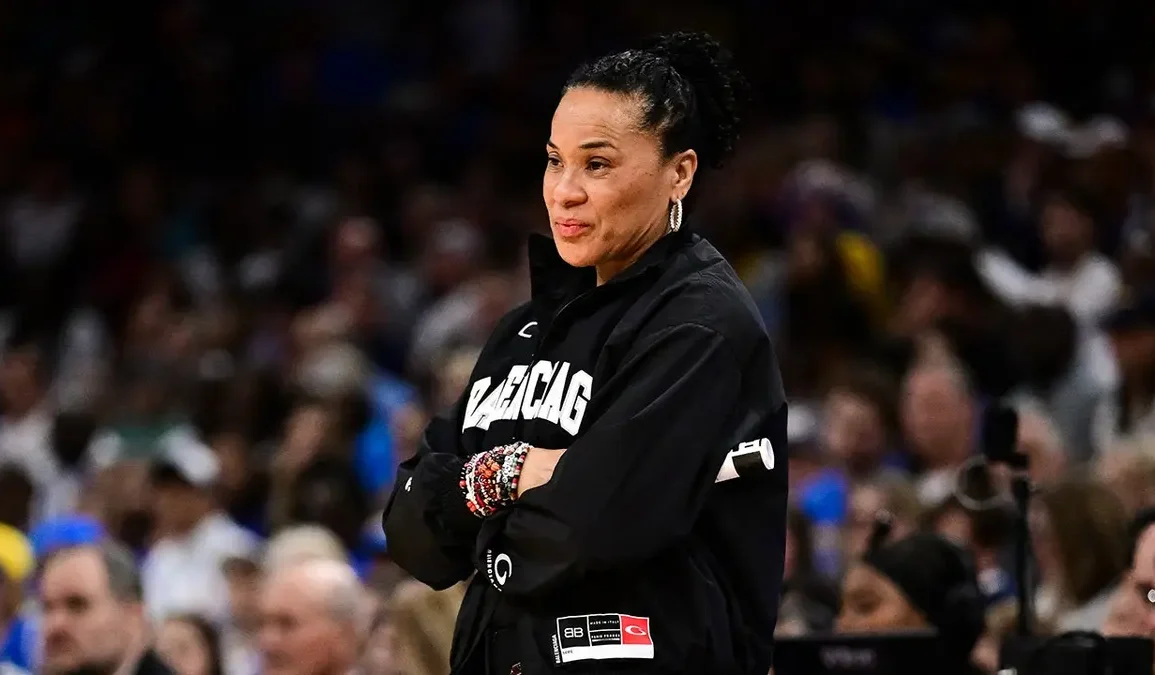
The South Carolina Gamecocks’ quest for another national championship ended with a decisive 79-51 defeat to the UCLA Bruins on Sunday in Phoenix, but head coach Dawn Staley maintained her poise and professionalism in the aftermath. While the loss was disappointing for a team that had reached the national title game for the third consecutive year, Staley focused on celebrating UCLA’s historic achievement. “I don’t want – this is UCLA’s day, right? Let’s keep it UCLA, them winning the national championship,” she told reporters, emphasizing that the Bruins’ first-ever title deserved full attention.
The championship followed a high-profile Final Four matchup against UConn, where Staley had a tense midcourt interaction with Huskies coach Geno Auriemma. That incident had drawn widespread attention after South Carolina advanced, with Auriemma appearing to frustrate Staley before walking off. Despite the tension, Staley chose not to dwell on the past, prioritizing her team’s preparation for the title game. Auriemma later apologized publicly, acknowledging that his actions were inappropriate and expressing respect for Staley and her staff.
Staley Shows Professionalism and Focus, Prioritizing Team Amid Championship-Day Interactions
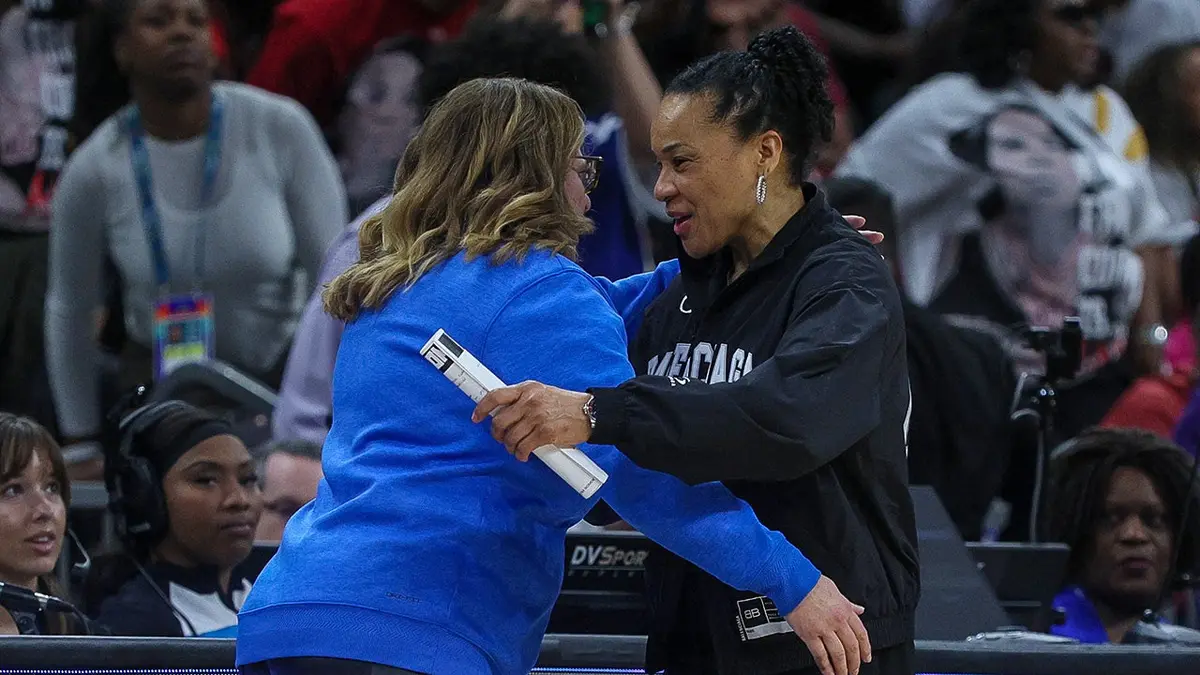
In stark contrast, Staley’s interaction with UCLA head coach Cori Close was warm and cordial. The two shared a hug and exchanged a few words after the championship, a gesture Staley highlighted with subtle humor, noting the difference from her experience with Auriemma. Her focus remained on honoring UCLA’s historic victory rather than revisiting any past conflicts.
Dawn Staley’s Grace in Defeat Highlights Leadership Amid UCLA’s Historic Victory
Staley reflected on the need to concentrate solely on her team amid distractions, highlighting her commitment to guiding the Gamecocks in pursuit of a championship. “For me, no distractions at this time. I’m concentrating on winning a national championship, that’s it,” she said after the UConn game. Her measured response underscored her professionalism, leadership, and dedication to her players.
UCLA Wins First Title While Staley Exemplifies Leadership, Sportsmanship, and Respectful Grace
UCLA’s emotional celebration marked a milestone for their program, capturing their first women’s basketball national championship. The Bruins’ dominance throughout the final highlighted their talent and preparation, while Staley’s gracious response reinforced her reputation as a coach who models respect and sportsmanship.
Although the Gamecocks fell short, their season demonstrated resilience and sustained excellence. Reaching the national final for the third year in a row confirmed South Carolina’s standing as one of the premier programs in women’s college basketball. Staley’s focus on her players’ accomplishments, combined with her recognition of UCLA’s historic achievement, exemplified the leadership and grace that have defined her career.
While the scoreboard favored UCLA, Staley’s conduct highlighted the values of professionalism, respect, and perseverance. Her commitment to celebrating opponents’ success, even in defeat, provided a powerful lesson in sportsmanship and leadership for players, fans, and fellow coaches alike.