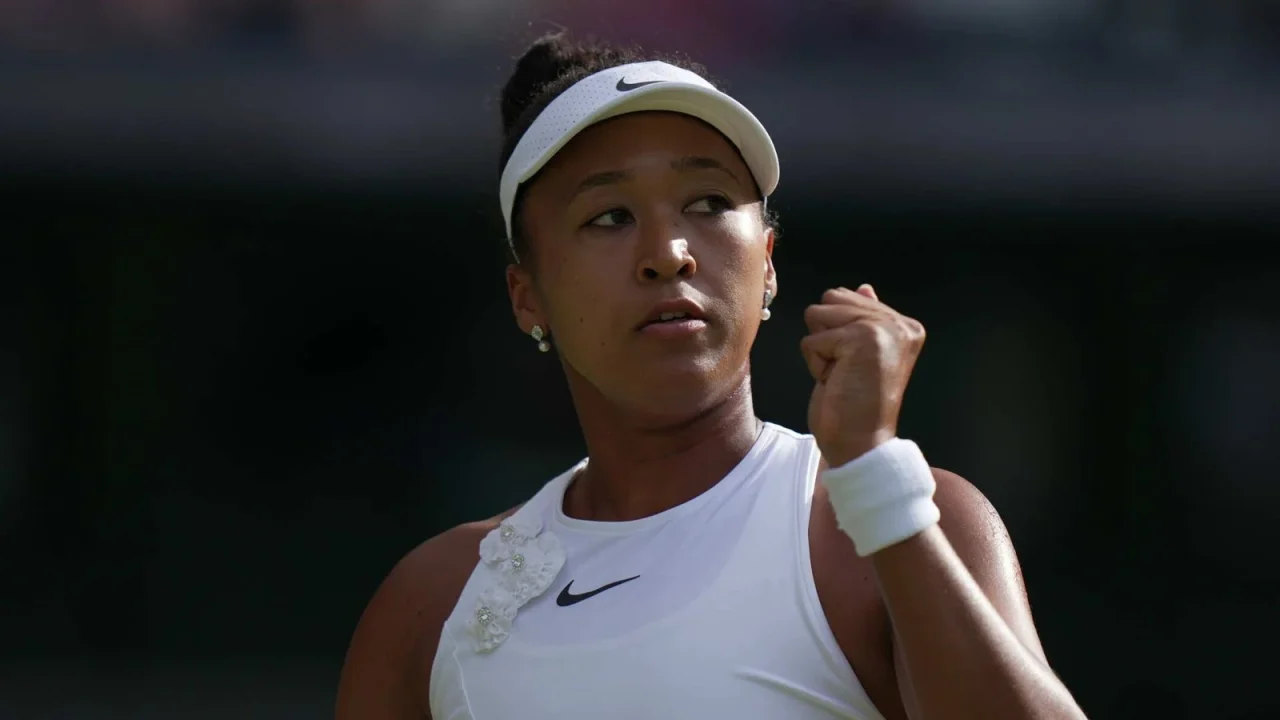
Naomi Osaka delivered one of her most commanding performances on grass as she defeated world No. 1 Aryna Sabalenka 6-2, 7-6 (2) to reach the Wimbledon quarterfinals for the first time in her career. In a high-profile clash between two of the biggest power hitters on the women’s tour, Osaka’s strategy of aggressive first-strike tennis proved decisive, allowing her to overturn a difficult recent head-to-head record and secure a landmark victory at the All England Club.
Sabalenka had dominated their recent meetings, winning all three encounters earlier in the season, including a straight-sets victory at the French Open just weeks before Wimbledon. That history influenced Osaka’s approach, as she focused on taking control of rallies early rather than reacting to Sabalenka’s power. Osaka admitted her aim was to “do it first” to avoid being pushed behind the baseline, a pattern that had hurt her in previous matches on slower surfaces.
Osaka’s Aggressive Grass Court Tactics Dismantle Sabalenka in Dominant Wimbledon Win
The tactical shift worked to perfection. On a fast grass court and in warm 28°C conditions, Osaka’s flat, penetrating groundstrokes rushed Sabalenka throughout the match. The ball speed and low bounce on grass amplified Osaka’s strengths, particularly her serve and early ball striking, making it difficult for Sabalenka to settle into her rhythm.
Osaka backed up her aggressive intent with impressive serving statistics, landing 87% of her first serves and delivering eight aces compared to Sabalenka’s five. She also saved both break points she faced and finished with more winners, 21 to 15. The match, which lasted under 90 minutes, highlighted her ability to dictate tempo against even the most powerful opponent in the women’s game.
Sabalenka acknowledged the challenge posed by Osaka’s level, admitting she felt “overpowered” and unable to counter the pace. She also conceded that, on the day, she was outplayed by someone operating at a level above her own, despite her status as world No. 1. The loss marked another disappointing Grand Slam result for Sabalenka, following an emotional French Open exit earlier in the season, where she also struggled in a key match.
For Osaka, the win carried both competitive and emotional significance. It was her first victory over a world No. 1 since defeating Ash Barty in 2019, before she stepped away from the sport for extended breaks to focus on her mental health and later maternity leave. Those absences saw her miss much of the 2023 season, and her return has been a gradual rebuilding process. Her daughter recently turned three, adding further context to her reflections on balancing tennis with life outside the sport.
Osaka’s Renewed Mindset Fuels Wimbledon Breakthrough and Quarterfinal Confidence Boost
Osaka has spoken openly about learning to manage expectations and pressure differently since returning to the tour. After a difficult loss earlier in the clay-court season, she briefly disengaged from competition before rethinking her approach. She has since emphasized enjoying her time on court rather than placing excessive pressure on results, a mindset that appears to be paying off in her current Wimbledon run.
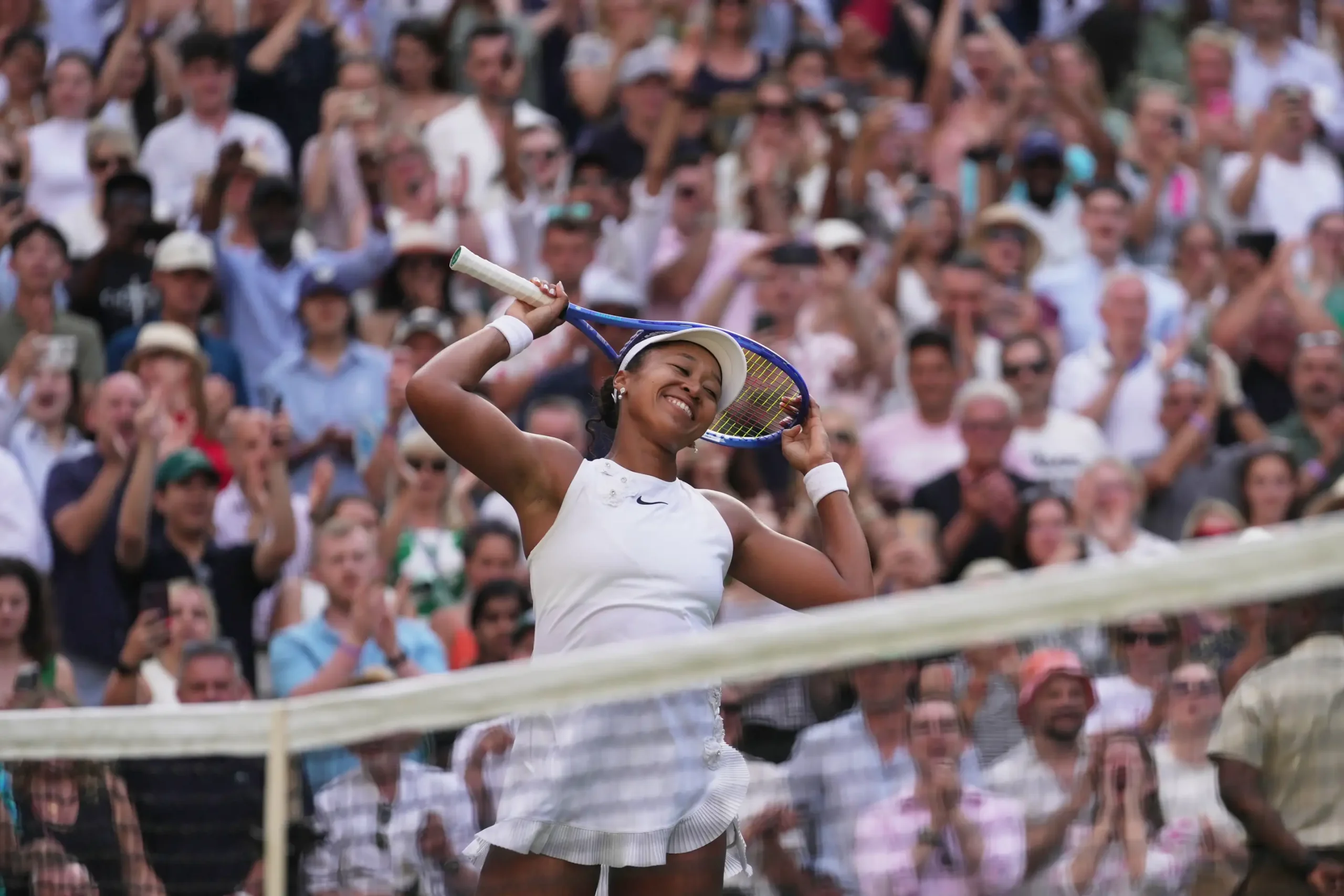
The victory also marked a personal milestone: her first win on Centre Court at Wimbledon. After the match point, Osaka celebrated with visible emotion, acknowledging how much the moment meant after years of setbacks, injuries, and time away from the sport. She described feeling genuine enjoyment on court again, something she said had been missing in recent years.
Sabalenka, meanwhile, exits Wimbledon still searching for consistency at the latter stages of Grand Slams outside hard courts, where both she and Osaka have previously found their greatest success. The Belarusian suggested she needed to reset mentally after another disappointing major tournament finish.
Osaka will now face Karolina Muchova in the quarterfinals, setting up a rematch of their recent grass-court encounter in Bad Homburg, where Osaka was forced to retire due to injury. With her form improving and confidence growing, she now stands just three wins away from a potential Wimbledon title run that once seemed far out of reach.