The IBA has asked President Trump to review boxing's exclusion from the 2028 Los Angeles Olympics
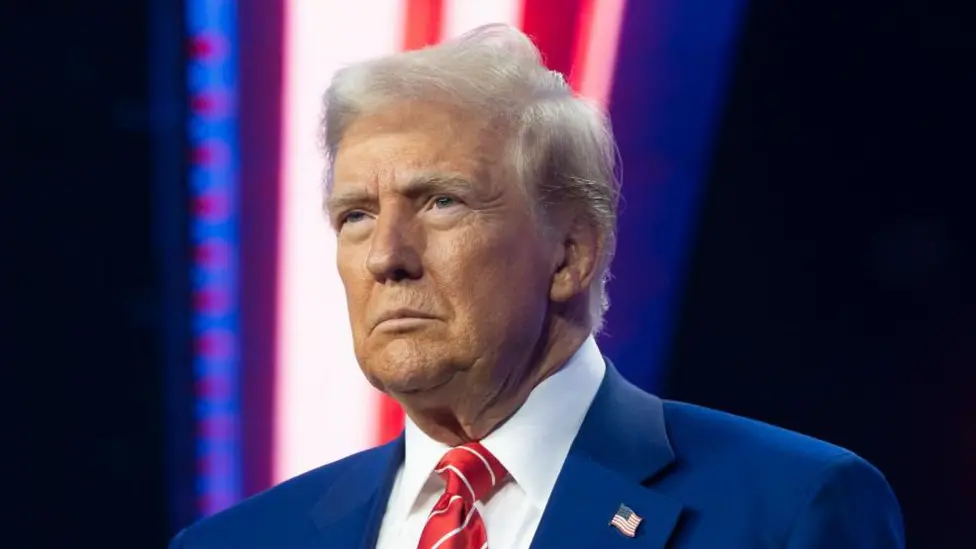
The International Boxing Association (IBA) has asked the new administration of United States President Donald Trump to “look into” why boxing has been left out of the 2028 Los Angeles Olympics.
The International Olympic Committee (IOC) suspended the IBA in 2019 due to concerns about its finances, management, ethics, and the quality of refereeing and judging. Because the IBA did not meet the reforms the IOC required, it lost its role in running the Olympic boxing program. This decision was upheld by the Court of Arbitration for Sport (CAS) in April 2024, after the IBA appealed.
Since then, the IOC has managed boxing at the Tokyo 2020 and Paris 2024 Olympics. Although the IOC has said it won’t handle boxing in the future, it hopes to see the sport return to the Olympics through a new international federation.
Boxing is not currently part of the 2028 plans, but the final decision on its inclusion has not yet been made. World Boxing, the organization hoping to take over Olympic boxing, has gained 60 members so far.
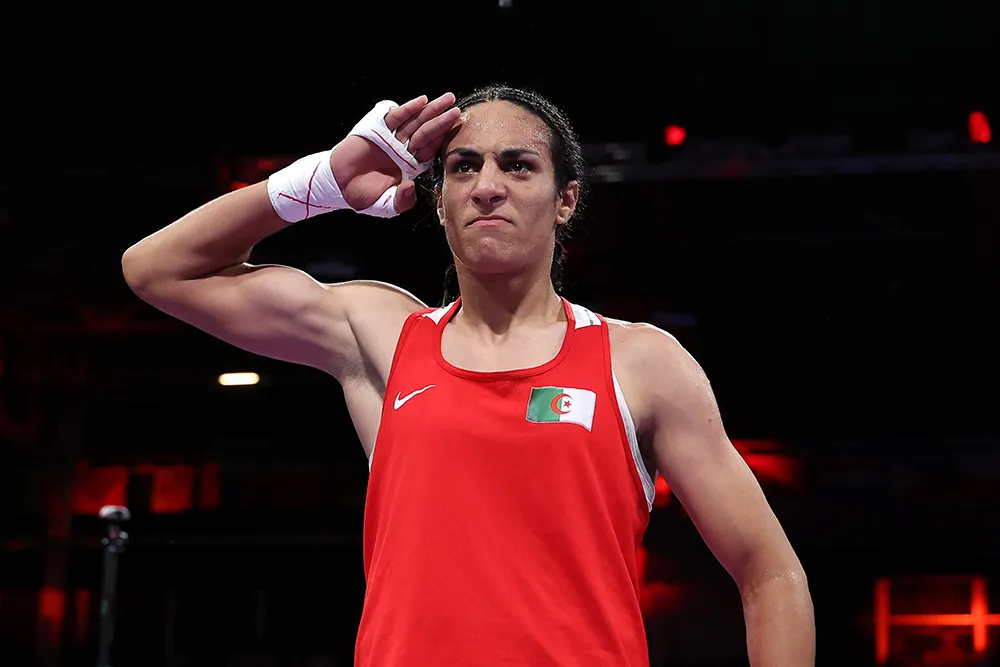
Imane Khelif (UFC)
The Russian-led IBA, which wants to regain control of Olympic boxing, has asked President Trump for help. In an open letter, the IBA said, “They [the IOC] have announced in the last 12 months that boxing will not be part of the Olympic program for LA28; it would be very much appreciated if your team could look into this situation.”
The IBA hopes boxing will be part of the 2028 Olympics and will show the world the American nation’s love for the sport.
Trump, who briefly promoted boxing in the early 1990s, was elected for a second term as president and will be in office during the 2028 Games.
The IBA also welcomed Trump’s views on “the participation of ineligible athletes” in boxing. A gender eligibility issue caused controversy during the 2024 Paris Olympics. Algeria’s Imane Khelif and Taiwan’s Lin Yu-ting won gold in Paris, even though the IBA had disqualified both athletes from the 2023 World Championships, saying they did not meet the eligibility rules for the women’s competition.
The Political Dynamics Behind Hosting International Sports Events and Their Global Impact
Political factors play a pivotal role in determining a country’s ability to host international sports events, influencing decisions on funding, security, diplomatic relations, and public perception. Governments are key players in providing financial support, as hosting requires substantial investments in infrastructure, such as stadiums, transportation, and accommodations. These decisions often weigh the potential economic and reputational benefits, like increased tourism and job creation, against other national priorities, making funding a critical political decision.
Security considerations are another significant political factor. Ensuring the safety of participants and spectators is paramount, and governments must allocate resources to prevent potential threats, such as terrorism or civil unrest. For countries facing internal conflicts, the decision to host can be particularly fraught, as failing to provide a safe environment risks international embarrassment and potential harm to their citizens and visitors.
The Political Dynamics Behind Hosting International Sports Events and Their Global Impact
Diplomatic relations also heavily influence hosting decisions and participation in international events. Historical examples, such as the Cold War boycotts of the Olympics by the United States and the Soviet Union, highlight how strained relations can impact events. Similarly, political statements, such as South Africa’s exclusion due to apartheid, demonstrate how these events can reflect broader international stances and conflicts.
The political climate and international reputation of a host country are also crucial considerations. Nations with poor human rights records or undemocratic practices risk criticism, boycotts, or negative media coverage. For example, Russia’s hosting of the 2014 Sochi Winter Olympics sparked backlash due to its anti-LGBTQ+ laws, illustrating how domestic policies can affect global perceptions.
Finally, the decision to bid for hosting rights is often driven by political motivations. Governments may seek to use these events to boost national pride, showcase their country’s capabilities, or stimulate economic development. However, critics often challenge such decisions, arguing that resources could be better allocated to pressing social needs or highlighting potential social inequalities exacerbated by hosting. These political dynamics underscore the complexity of hosting international sports events.
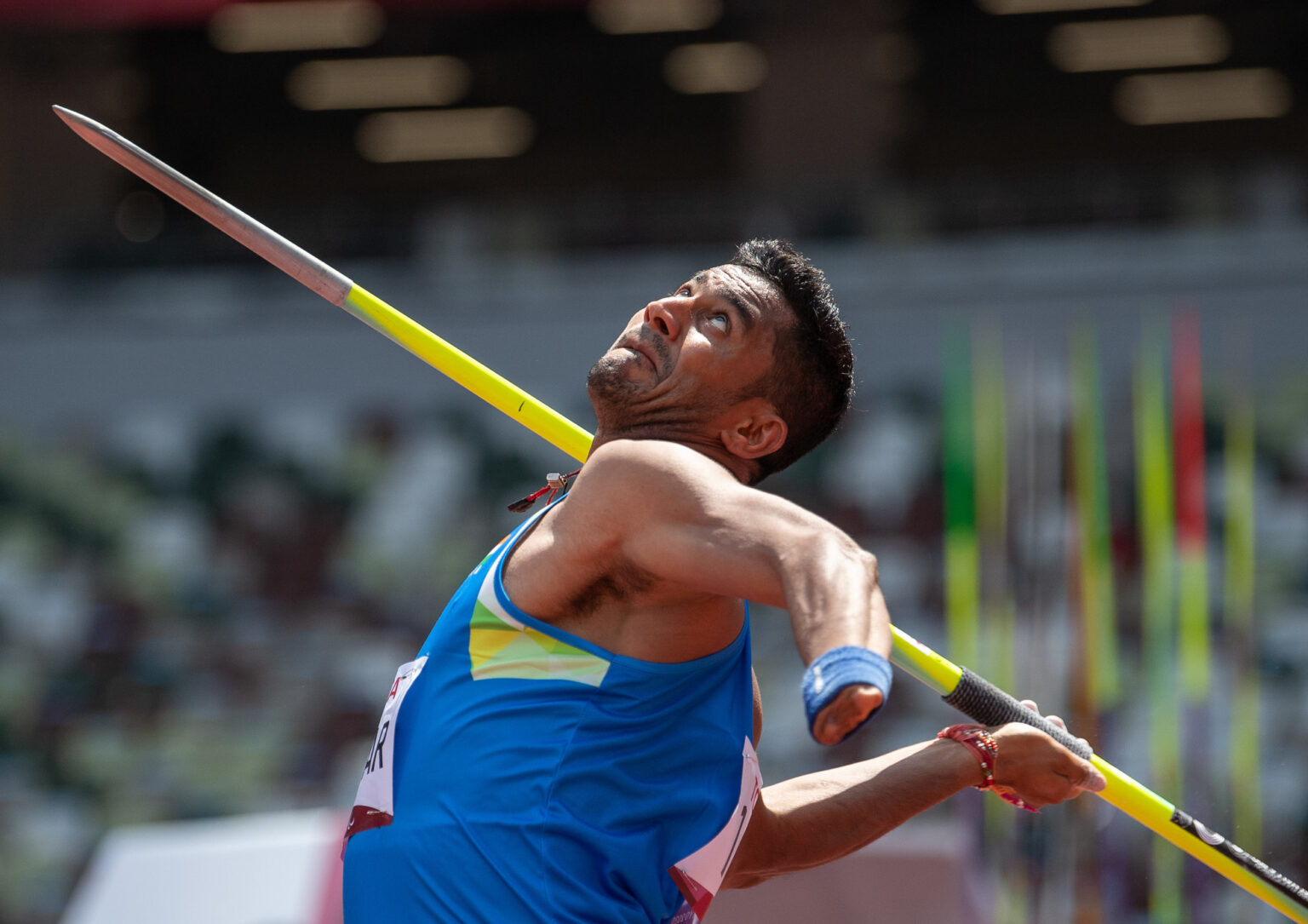
Sundar Singh Gurjar competing in the Men’s Athletics F46 Javelin Final in Tokyo 2020 Paralympic Games
The celebration of athletic success often overlooks the significant challenges faced by Paralympians. These athletes deal with serious financial difficulties that able-bodied athletes usually don’t face.
From differences in funding and limited sponsorship opportunities to the high costs of special equipment and expensive travel, Paralympians face financial obstacles that can slow down their progress. This article discusses these challenges and suggests ways to create better support systems for them.
The financial support athletes get from national sports organizations and governments is essential to their careers. However, Paralympians typically get less funding than Olympic athletes. This lack of funding means they have fewer resources for training, coaching, and medical support, all of which are crucial for success at the highest level.
For example, in countries like Canada, Paralympians have historically received a much smaller share of the funding compared to Olympians. This inequality also affects development programs and grants, leaving Paralympic athletes with less help for their training needs.
Visibility is key in athletics because it helps athletes gain sponsorships. Paralympians face major challenges in getting media attention, which makes it harder for them to attract sponsors. Without sponsorships, many Paralympians struggle to pay for their training and competition costs.
Tatyana McFadden, a famous American wheelchair racer, has spoken out about the difficulties Paralympians face in securing sponsorships that match their international success and commitment. Because Paralympic events don’t get as much media coverage as the Olympics, even top Paralympians have fewer chances to work with big brands and receive financial backing.
Xiaoyan Wen CHN winner of the Women’s 200m – T37 Athletics Final in the Olympic Stadium. Tokyo 2020 Paralympic Games
To compete at the highest level in Paralympic sports, athletes often need specialized equipment that can be very expensive. These high costs are a big obstacle for many, especially for athletes from lower-income backgrounds.
For example, adaptive rowing equipment, including special boats and seating systems, can cost thousands of dollars. National sports organizations rarely cover these costs fully, forcing athletes to look for other ways to fund them.
Travel and accommodation costs for Paralympians are usually higher because they need specialized transportation and extra medical or assistant support. These added expenses can build up quickly, especially when athletes travel for international competitions.
At the 2012 London Paralympics, some teams from developing countries could only attend after last-minute fundraising and grants. Their struggles showed how much financial support is still lacking in the Paralympic world for travel and accommodation.
Paralympians often need more frequent and specialized medical care and rehabilitation to stay in good condition and manage their disabilities. These medical costs, which include physical therapy and special treatments, are vital but often not fully funded.
For example, Ellie Simmonds, a British Paralympic swimmer, has to manage both the cost of regular training and the extra costs related to her disability, like specialized medical care and personalized physical therapy sessions, which are crucial for her to stay competitive.
The financial challenges faced by Paralympians highlight a larger issue of inequality in sports. Although the visibility of the Paralympic Games has grown, the financial support systems haven’t kept pace to offer equal opportunities.
Closing this gap requires efforts from governments, sports organizations, and the private sector to make sure that all athletes, no matter their physical ability, get the help they need to compete and succeed at the highest level. As more people in sports continue to push for change, the hope is that things will become fairer, giving Paralympians the recognition they deserve for their strength and determination.
Olympic Games' Unsustainable Legacy Persists Despite Reforms, Highlighted by Paris 2024 Challenges and Controversies
Mega-events like the Olympic Games have long been celebrated by billions worldwide, but their legacy often includes significant damage to host cities and their residents. Historically, the Games have left behind broken budgets, oversized infrastructure, security militarization, and forced evictions of vulnerable populations. For instance, host cities have faced “white elephant” projects—expensive, underused venues—and the disruption of local communities, particularly socioeconomically disadvantaged groups. Despite promises of sustainability, the Olympic Games often exacerbate these issues, as seen in recent events such as Beijing 2022 and Tokyo 2020-2021, where “green” credentials were overshadowed by negative consequences for residents. This pattern highlights the unsustainable nature of the Olympics.
In response to growing criticism, the International Olympic Committee (IOC) has introduced a series of reforms aimed at making the Games more sustainable. The IOC has emphasized using existing infrastructure to host the Olympics, rather than building expensive new facilities. This approach is expected to reduce costs and mitigate the environmental impact of constructing permanent venues. Additionally, reforms to the bidding process and planning timelines have been designed to streamline operations and reduce overspending. The Paris 2024 Olympics, as the first to be planned under these new guidelines, serves as a test case for the effectiveness of these reforms.
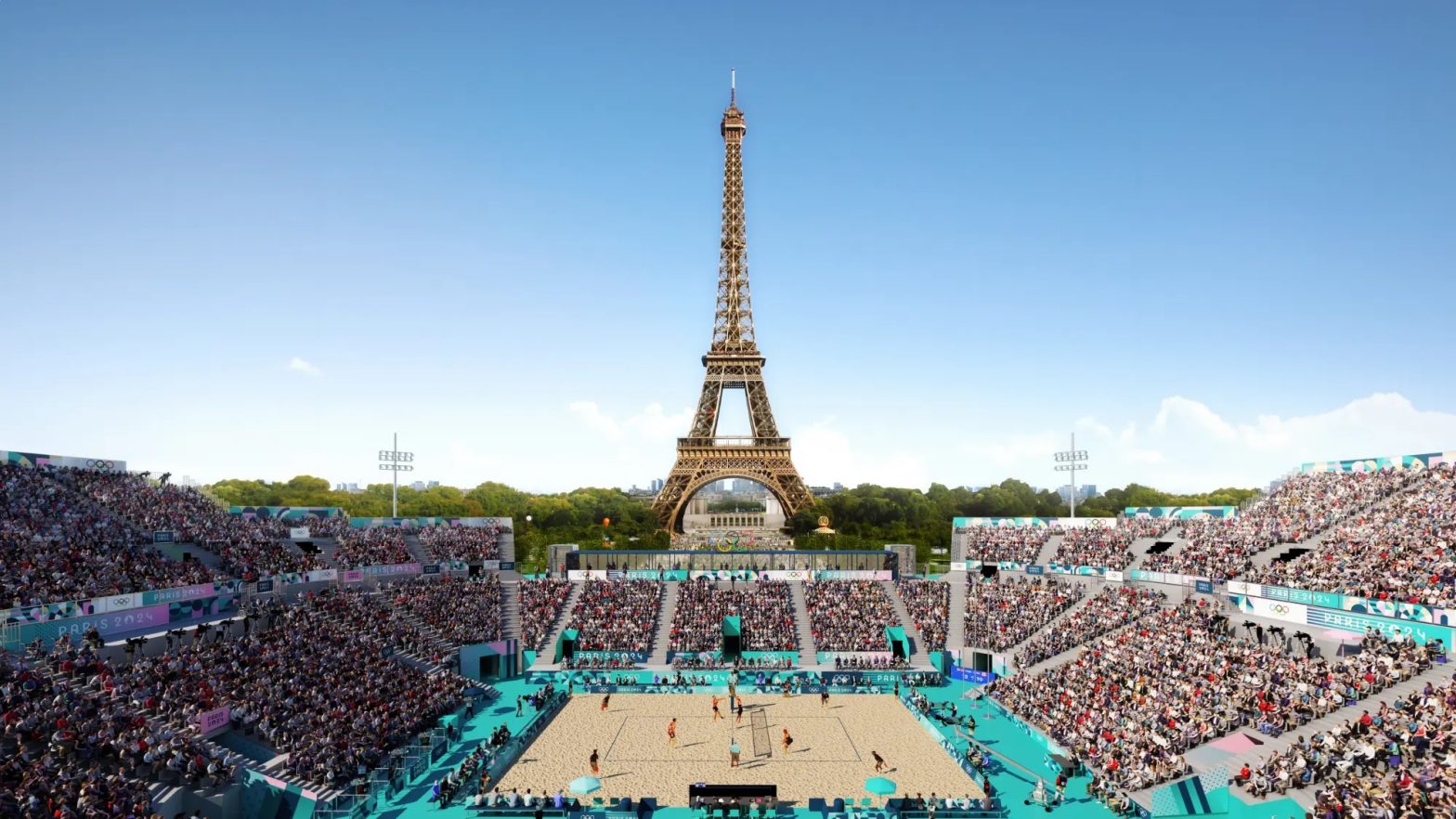
Paris 2024 has demonstrated some successes in implementing these reforms, notably through the high utilization of existing venues, which is projected to be between 80-95%. This shift towards using existing facilities reduces both the ecological and economic costs associated with new construction. Past Olympic Games, such as those in Athens, Montreal, and Brazil, have struggled with underutilized, costly sports venues. Paris’ commitment to temporary structures, such as the Grand Palais Éphémère, further aligns with the goal of minimizing permanent infrastructure. This marks a notable departure from past events and offers a promising model for a more sustainable future Olympics.
Olympic Games’ Unsustainable Legacy Persists Despite Reforms, Highlighted by Paris 2024 Challenges and Controversies
However, the Paris Games also expose persistent problems, particularly in the economically disadvantaged northern suburbs, such as Seine-Saint-Denis, where much of the construction has taken place. Local residents have been significantly affected by Olympic-related projects, including evictions of migrant workers and the clearing of squats. These actions, justified by urban renewal arguments, have resulted in the displacement of vulnerable populations without clear housing alternatives. Critics argue that this is a form of “hiding the undesirables,” a common practice in host cities before major events, and a reminder that marginalized communities often bear the brunt of preparations for global spectacles.
Moreover, the security measures in place for Paris 2024 raise concerns about the erosion of public space and civil liberties. The presence of police, military, and surveillance technologies, including AI-powered facial recognition, has led to fears that these practices will persist beyond the Games, fundamentally altering the nature of public spaces in Paris. This trend mirrors past Olympic Games, where increased security measures disproportionately affected marginalized communities. The use of these technologies during the Games highlights the ongoing tension between security concerns and the rights of residents, particularly in low-income areas like Seine-Saint-Denis.
The construction of new infrastructure, such as the highway interchange near the Stade de France, has sparked controversy due to its impact on local residents. The new road infrastructure, designed to support Olympic-related activities, is situated near a local school and has led to concerns about increased pollution levels, endangering children’s health. Residents’ protests against the project have been ignored, demonstrating a recurring theme in Olympic host cities: the voices of local communities are often sidelined in favor of broader development goals. This reflects a longstanding issue with mega-events, where the needs of the local population are frequently sacrificed for the sake of global ambitions.
Olympic Games’ Unsustainable Legacy Persists Despite Reforms, Highlighted by Paris 2024 Challenges and Controversies
While the IOC’s reforms have sought to address some of these concerns, the problem is not solely one of external influence. Local government complicity also plays a significant role in the harmful effects of hosting mega-events. In Paris, the local authorities’ failure to adequately address residents’ concerns exacerbates the negative impacts of the Games. The integration of Olympic plans with broader urban development projects in the Grand Paris scheme—while aimed at transforming the city and surrounding regions—has led to a disconnect between the promises of sustainable development and the lived realities of marginalized communities in Paris.
To achieve true sustainability in future Olympic Games, reforms must go beyond structural changes to planning and infrastructure. The voices of residents, especially those from disadvantaged communities, must be central to the decision-making process. An independent body, with the power to investigate and enforce regulations, should be established to oversee mega-events like the Olympics. This body would be responsible for ensuring that the social, economic, and environmental costs of hosting are transparently assessed and that organizers are held accountable for any harm caused to local populations. Such an approach would create a system in which vulnerable communities have more control over whether and how mega-events take place in their cities.
While Paris 2024 has made strides toward a more sustainable Olympic Games, it still faces significant challenges, particularly in its treatment of marginalized communities. The IOC’s reforms are a step in the right direction, but the long-term sustainability of the Games depends on further changes in both the international and local governance of mega-events. Authentic sustainability requires that the risks and costs of hosting are fully accounted for and that local residents have a say in the decision-making process. By empowering communities to have veto power over mega-events, the Olympics could move away from its legacy of exclusion and towards a more equitable future.
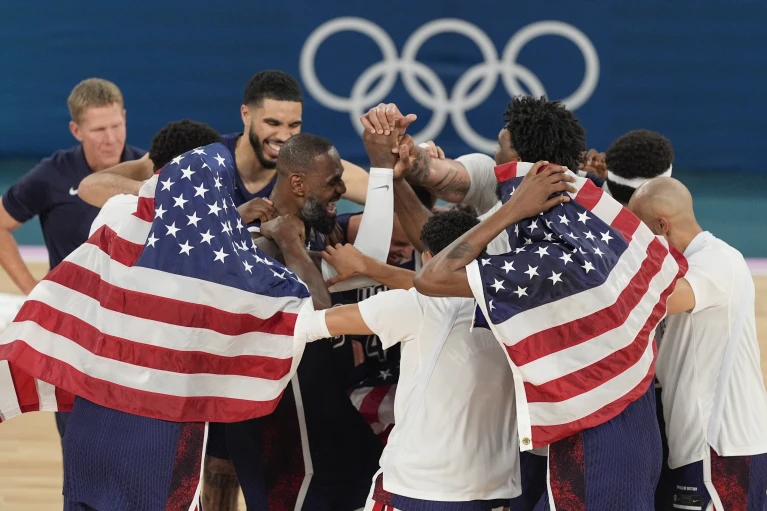
The United States basketball team reacts after winning a men's gold medal basketball game against France at Bercy Arena at the 2024 Summer Olympics
Mega-events like the Olympic Games are loved by billions of people around the world, but they have a history of causing harm to the cities and societies that host them. Recent changes made by the International Olympic Committee have helped reduce some of these harms to the host cities and their people.
However, some problems still continue, making the Games unsustainable in the long run. For the Olympic Games to become truly sustainable, there needs to be an independent group created to oversee mega-events and punish organizers when these events harm poor or disadvantaged communities.
Residents who are affected should also have the right to decide which mega-events take place in their city and how they are managed.
Restructuring the Problematic Games
The Olympic Games are a huge global event that celebrates sports and culture, attracting attention from all over the world. The Games come with high costs and often lead to significant changes in the cities that host them, both physically and socially. Hosting the Olympics has historically caused harm to cities and their societies.
Negative effects often include overspending that leaves taxpayers with the bill, large unused infrastructure projects, the use of new surveillance technologies and security practices that make public spaces feel more controlled, and the displacement of local residents through evictions, gentrification, and forced relocations.
Even though recent Olympic Games have claimed to be “green,” they still cause harm. For example, the benefits of Beijing 2022 hurt local residents, and the sustainable practices of Tokyo 2020-2021 were mostly just for show. Looking at the Olympics since 1992, it’s clear that they are not sustainable in terms of social, economic, and environmental impact.
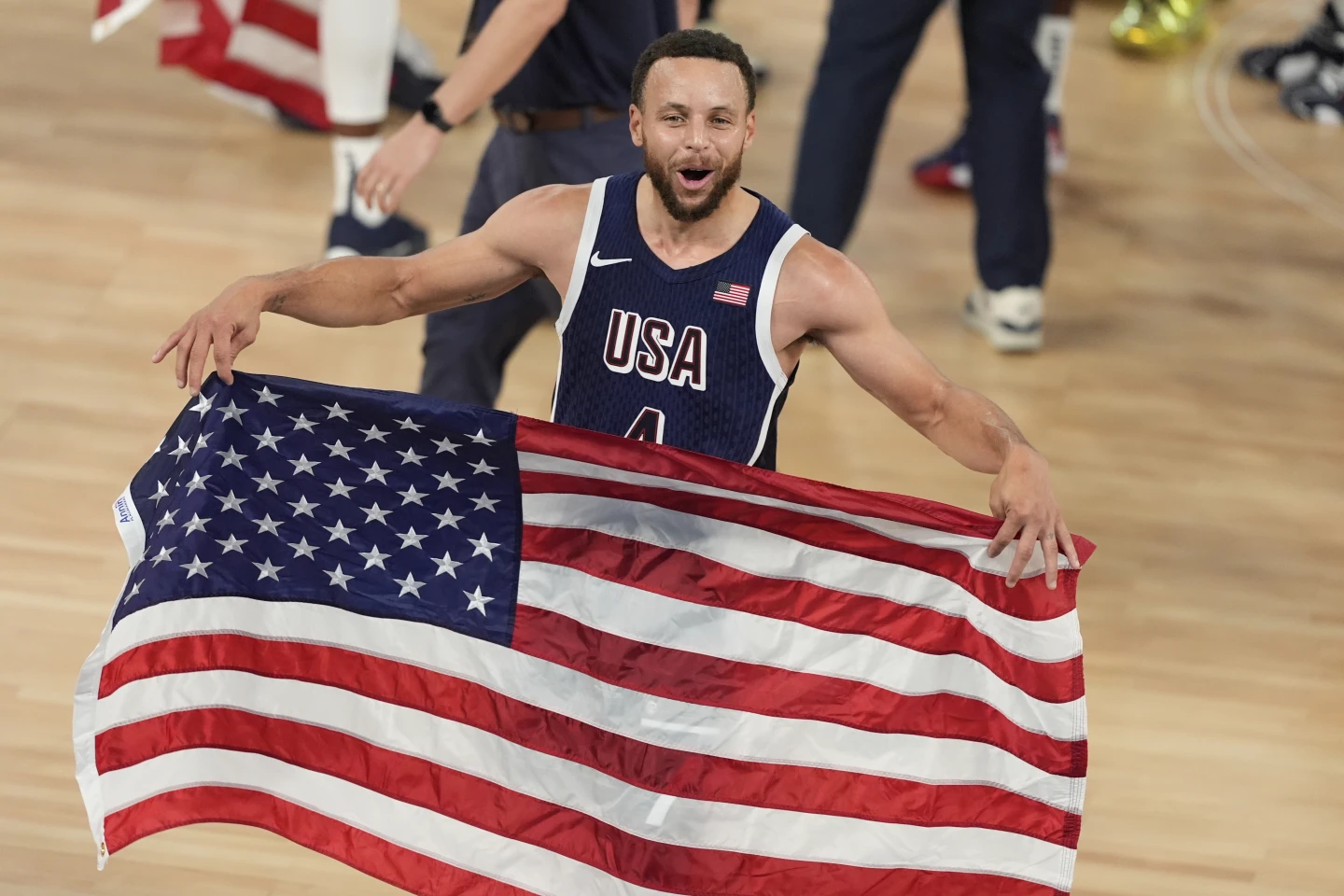
Stephen Curry reacts after winning a men’s gold medal basketball game against France at Bercy Arena at the 2024 Summer Olympics
These negative results have led to a lot of bad press, causing cities to be less eager to host the Games. Protests against Olympic bidding and hosting plans have increased, and in some cases, they have led to public votes or even the cancellation of bids. In response, the International Olympic Committee (IOC) has made some changes to its operations.
These reforms aim to make the Games fit better with the city, rather than forcing the city to adjust to host the event, as was the case in the past. One major part of these reforms is focusing on using existing venues instead of building new, expensive ones.
Other changes have also helped reduce costs and streamline the planning process, such as changing the bidding process and adjusting the timing to prevent overspending. These reforms are meant to reduce the damage caused by hosting the Games, increase their popularity, and make the Olympics more sustainable in the future.
The Summer Olympics in Paris 2024 will be the first Games planned and carried out with these new reforms.
Paris 2024 had some successes in making the Olympics more sustainable. The most important success was the high use of existing venues, estimated at 80 to 95 percent. This is a positive step for both the environment and the economy, as past Olympics have suffered from the construction of large, unused venues that are expensive to build and maintain.
From the 2016 Olympics in Brazil to the 2004 Olympics in Athens and the 1976 Olympics in Montreal, many Olympic cities have ended up with big, expensive stadiums that are not needed, leading to overspending. In Paris, most new venues were temporary structures, like the Grand Palais Éphémère, which will be taken down after the Games.
Experts who study mega-events have long called for this approach. Hosting the Games in existing venues and only building temporary structures when necessary should be praised and continued.
Problems faced in Paris
Even with some improvements, there are still problems with Paris 2024. Much of the construction took place in the northern part of Paris, in the Seine-Saint-Denis area, known as the nine-three. This area is economically poor and has a large minority population. Olympic-related projects in this area have caused a lot of harm to local people.
For example, around 400 migrant workers were forced to leave to make space for the Olympic Village, and residents are worried this will lead to the gentrification of the area. At least sixty squats, or illegal housing areas, were also cleared near Olympic sites because of a new law that makes it easier to fine and remove people living in public spaces.
Some people think this is an improvement for the city, but others argue that it is inhumane since affordable housing is hard to find for many people. The squatters were forced out without any plan for where they could live next. This is part of a bigger trend in Olympic host cities where marginalized groups are removed from view to make the city look better for the global audience.
Sadly, this is similar to what happened in Vancouver 2010 and London 2012, where marginalized youth were pushed out of sight before the event.
During the Paris Olympics, there was a strong presence of police and military in both the tourist center and the nine-three area, with many security barriers, strict travel limits, and the use of AI-powered facial-recognition cameras. While security is necessary to protect against terrorism, these measures were also used against local people.
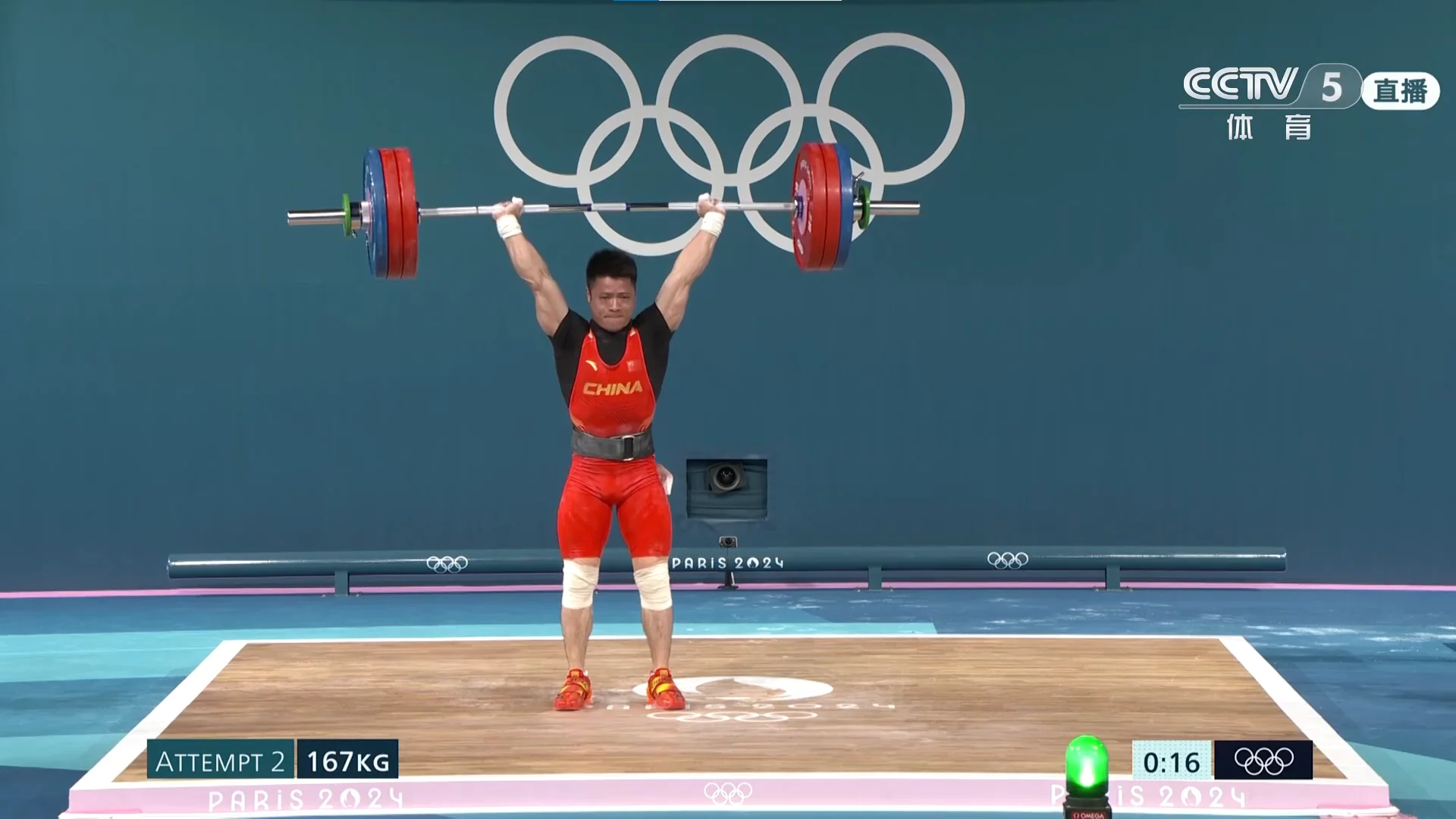
Li Fabin – Men’s 61kg Weightlifting Snatch (Photo: 2024 Paris Olympics)
One activist from the nine-three was arrested, held for ten hours, and fined when he tried to show a group of journalists around the Olympic areas in Seine-Saint-Denis. When he tried again a few days later, he was arrested again. Residents are worried that these security practices and technologies will remain after the Olympics and change the way public spaces are used in Paris and in France as a whole.
In another part of the nine-three, a new highway interchange was built near the Stade de France, the official Olympic Stadium for Paris 2024. This was part of a long-term plan to revitalize the Pleyel area by turning it into a business and entertainment district.
Along with this, the metro and train services were expanded and improved. These changes were promoted as benefits of the Olympics, which helped push the city’s development plans forward. However, many local people are unhappy with the project.
The new highway runs close to a local school, and residents say the increased traffic exposes children to dangerous levels of pollution. Despite protests from the locals, the authorities continued with the construction. In Paris, like in other cities hosting mega-events, it is often the poorest and most disadvantaged who suffer from these projects.
While these examples show some of the issues with the Paris Olympics, the situation is not simple. The IOC has made changes to make the Olympics fit better with the host city’s long-term plans. This means cities no longer have to make short-term changes just to host the event, which could hurt the city in the future.
This is a positive change, but it also highlights deeper problems with local politics and the way local leaders are complicit in harming their own people. Local officials’ refusal to listen to residents’ concerns, as shown by the issues in the nine-three, makes the negative effects of the Olympics worse. Therefore, local government should also be held responsible for the harm caused.
As part of the IOC reforms, the plans for the Paris Olympics were linked with the Grand Paris development plan, which aims to connect and transform the areas around Paris. This plan sought to improve urban and economic development, modernize the area, and re-establish Paris as a global leader.
From an outsider’s view, the Olympic reforms seem successful, as the projects for the Olympics were included in the city’s bigger development plans. But when looking at the struggles of the nine-three, it becomes clear that the reality on the ground, especially in the poorest parts of Paris, tells a very different story.
Authentic reforms suggestions
The Paris Olympics caused less harm to local people than some previous Games, but this does not mean they were perfect. These Games did make progress by using existing structures for the sports events.
However, when organizers and authorities claim that everything was developed without issues and that there will be a lasting social, economic, and environmental benefit, this should always be questioned. Every mega-event should be carefully examined by an independent group with both the authority to access information and the power to enforce actions.
Neither the host city authorities nor the IOC are the right groups for this job because both have reasons to make developments look more sustainable and less harmful. Instead, this independent group should be chosen and staffed by people who are not connected to any part of the Games’ organization.
They should have the power to examine all parts of the planning and organizing process, making sure to expose the often hidden aspects, and they should work in an open and clear way. Additionally, there should be consequences for organizers when they make mistakes or break rules. At the moment, however, such a system does not exist.
Dearica Hamby in the 2024 Summer Olympics
The ongoing problems in Paris 2024 are mainly due to the controlling attitude of the IOC and France (and other countries with weak democracy).
In Paris, as in many other places, authorities often ignore the voices of the people who are directly affected by these events and treat marginalized and minority residents with disrespect. These problems are made worse by the pressure and influence of hosting a mega-event, and sadly, Paris 2024 is no different.
True sustainability should start by carefully considering the risks, costs, and benefits of hosting the Olympics and should include a system where the residents affected by the event have the power to reject it. Mega-events like the Olympics can bring people together from all over the world.
But instead of empty promises, residents should be fully informed about the costs of hosting the Games. Too often, poor and marginalized communities lose their say when huge projects are being planned. Giving vulnerable communities the right to reject mega-events would completely change the way the Olympics are run.