
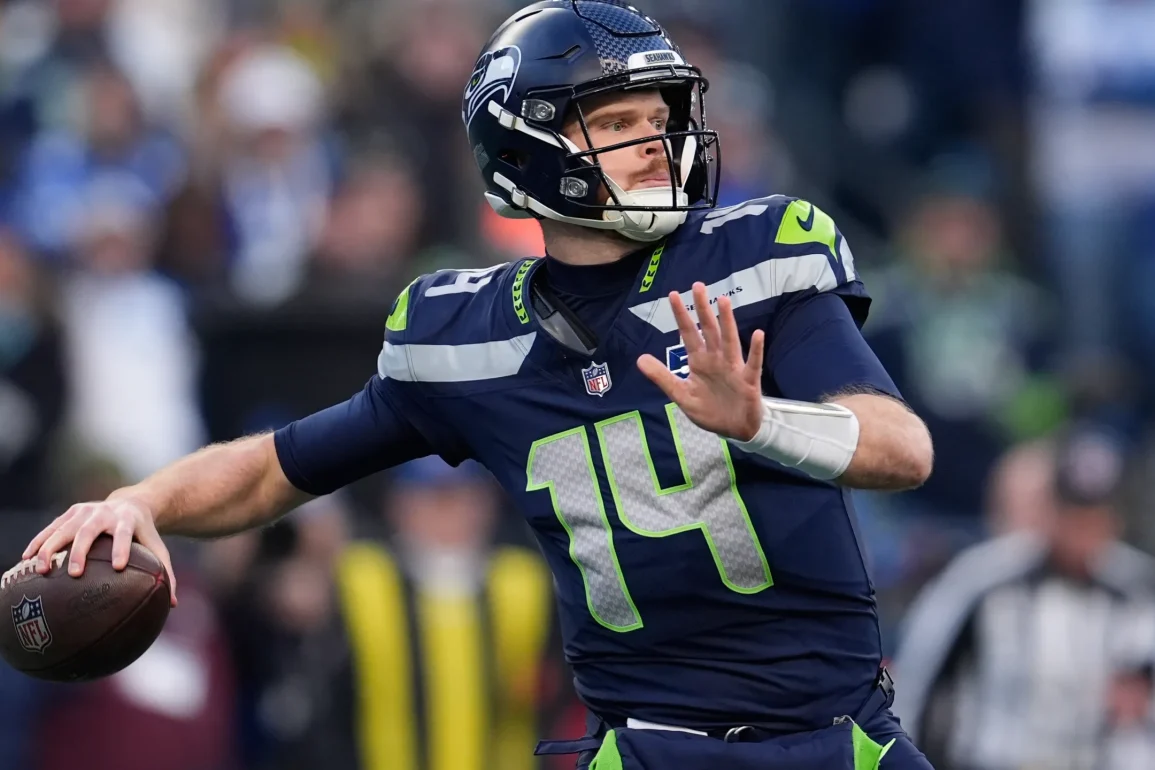
Sam Darnold’s journey to the Super Bowl is a study in patience and resilience. Long written off as a failed prospect, Darnold will now start on the NFL’s grandest stage before many of his more decorated peers from the 2018 quarterback class. It took eight seasons, multiple setbacks, and five different teams for him to arrive here, but his path has reshaped how his career is viewed.
The Seahawks placed their trust in Darnold after his revival in Minnesota, signing him to replace Geno Smith. That decision delivered immediate results. Seattle finished the regular season 14–3, claimed the NFC West, and secured the top seed in the conference. Darnold’s leadership and consistency fueled the turnaround, and his calm presence became a defining trait of the team’s identity.
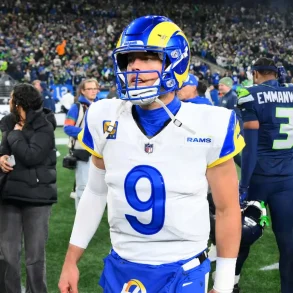
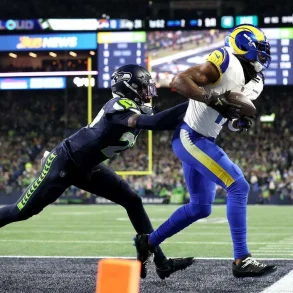
His signature moment came in the NFC Championship Game against the Los Angeles Rams. Playing through an oblique injury, Darnold delivered a poised, efficient performance, throwing for 346 yards and three touchdowns in a 31–27 victory. He completed nearly 70 percent of his passes and avoided turnovers, demonstrating the maturity critics once doubted he possessed.
Different Paths, Shared Expectations Reveal How Circumstances Shaped Careers And Darnold’s Struggles
The 2018 quarterback group was expected to define the league for a decade. Baker Mayfield, Josh Allen, Josh Rosen, and Lamar Jackson each followed unique paths. Jackson has collected two league MVP awards but has yet to reach the Super Bowl. Allen, now the league’s most recent MVP, has been stopped short in conference title games. Mayfield has found success in spurts across several teams, while Rosen’s career faded quickly.
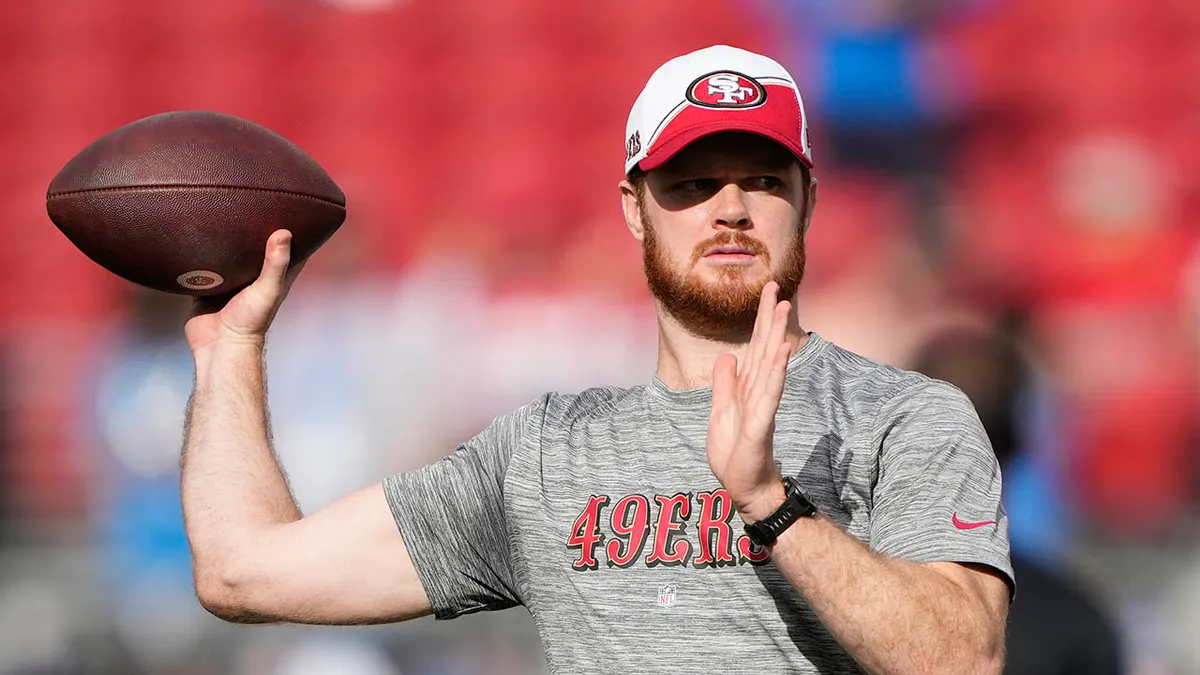 Sam Darnold (NFL)
Darnold’s rise does not invalidate their accomplishments. Instead, it reinforces how much circumstance matters in professional football. Success is shaped by coaching, continuity, and opportunity as much as raw talent.
Darnold’s early seasons were defined by constant change. With the New York Jets, he played under two head coaches and multiple offensive coordinators, rarely benefiting from a stable system. His time in Carolina followed a similar pattern, marked by shifting leadership and a thin supporting cast. The lack of consistency stalled his development and reinforced the perception that he could not succeed at the highest level.
Those years produced more frustration than progress, yet they also hardened Darnold’s approach to the game.
A Backup Year Sparks Growth, Leading To Revival In Minnesota And Seattle
The most important step in Darnold’s transformation came without headlines. In 2023, he joined the San Francisco 49ers as a backup, spending a season immersed in Kyle Shanahan’s offense. Though he seldom played, the experience reshaped his understanding of preparation, timing, and decision-making. Coaches praised his arm talent and ability to process defenses, traits that had been overshadowed earlier in his career.
That education carried into Minnesota, where Kevin O’Connell built an offense around Darnold’s strengths.
Darnold’s season with the Vikings marked his true breakthrough. He threw for more than 4,300 yards, accounted for 35 touchdowns, and guided the team to 14 wins. Even though Minnesota moved forward with a younger quarterback, Darnold had reestablished his value.
Seattle capitalized, and Darnold responded by leading a second straight 14-win team, something only a handful of quarterbacks in league history have accomplished.
Once remembered for admitting he was “seeing ghosts,” Darnold now speaks with the confidence of a seasoned leader still striving to improve. His story is less about sudden stardom and more about endurance. From discarded prospect to Super Bowl starter, Sam Darnold’s career is a reminder that growth in the NFL is rarely linear and redemption often rewards those who wait it out.