

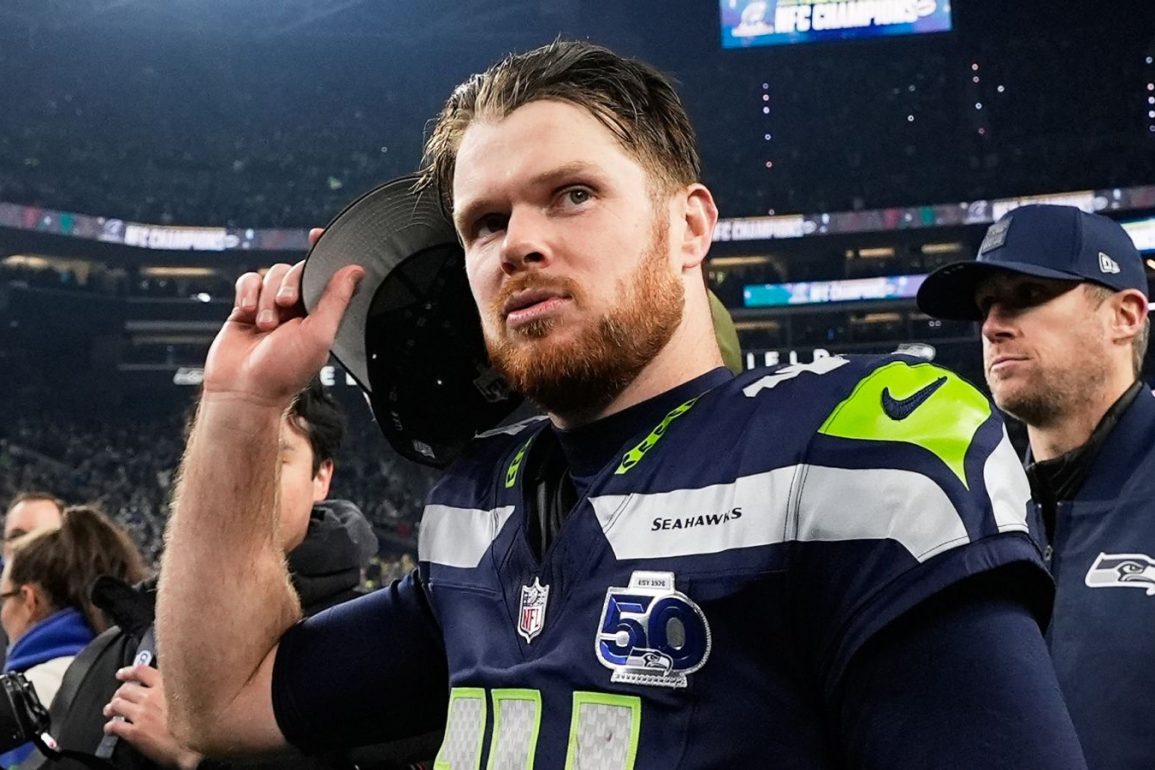
As the Seattle Seahawks arrived at San Jose Mineta International Airport ahead of Super Bowl LX, the scene was understated. Players wore standard gray sweats, cameras were scarce, and the focus was on moving efficiently from the charter plane to four waiting buses.
Amid the professional calm, a bittersweet note lingered. Offensive coordinator Klint Kubiak is expected to depart for the Las Vegas Raiders shortly after the game. This potential separation raises questions about continuity for quarterback Sam Darnold, who faces another transition in his eight-year career.
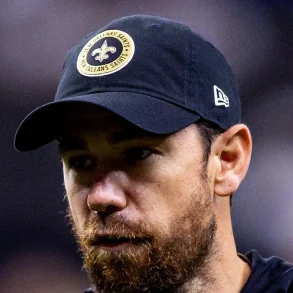
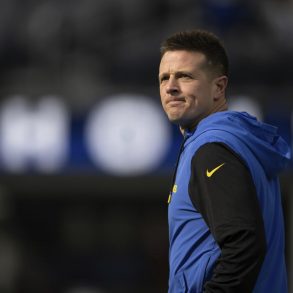
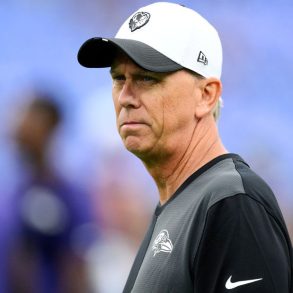
The Seahawks’ situation is not unique. Over the past eight Super Bowls, four teams headed into the championship knowing their coordinators would soon leave. Three of these instances involved the Philadelphia Eagles with Frank Reich in Super Bowl LII, Shane Steichen in LVII, and Kellen Moore in LIX.
The fourth was the Los Angeles Rams with Kevin O’Connell in Super Bowl LVI. Kubiak’s anticipated exit would make it five in nine Super Bowls. Darnold will confront his ninth offensive play-caller in nine NFL seasons if the change occurs, highlighting the challenges quarterbacks face with coaching turnover.
Darnold’s Familiarity With Kubiak Shapes Seattle Success Amid Upcoming Coordinator Transition
Darnold’s relationship with Kubiak influenced his decision to join Seattle. He noted in March that familiarity with Kubiak’s system, which he experienced during his 2023 season as a backup with the San Francisco 49ers, was an important factor. Darnold said, “Being able to work with Klint, and having talked a ton with him in San Francisco about what we liked and disliked, we have so much in common when it comes to football.” This type of trust and familiarity cannot be instantly replicated by a new coordinator, even if promoted internally.
Adjusting to a new play-caller is rarely seamless. During organized team activities in June, Darnold noted that while many NFL offenses are similar in structure, each coordinator uses different terminology and has a distinct approach. Mastering these nuances takes time and can affect on-field performance. Historical examples show the impact of coordinator changes.
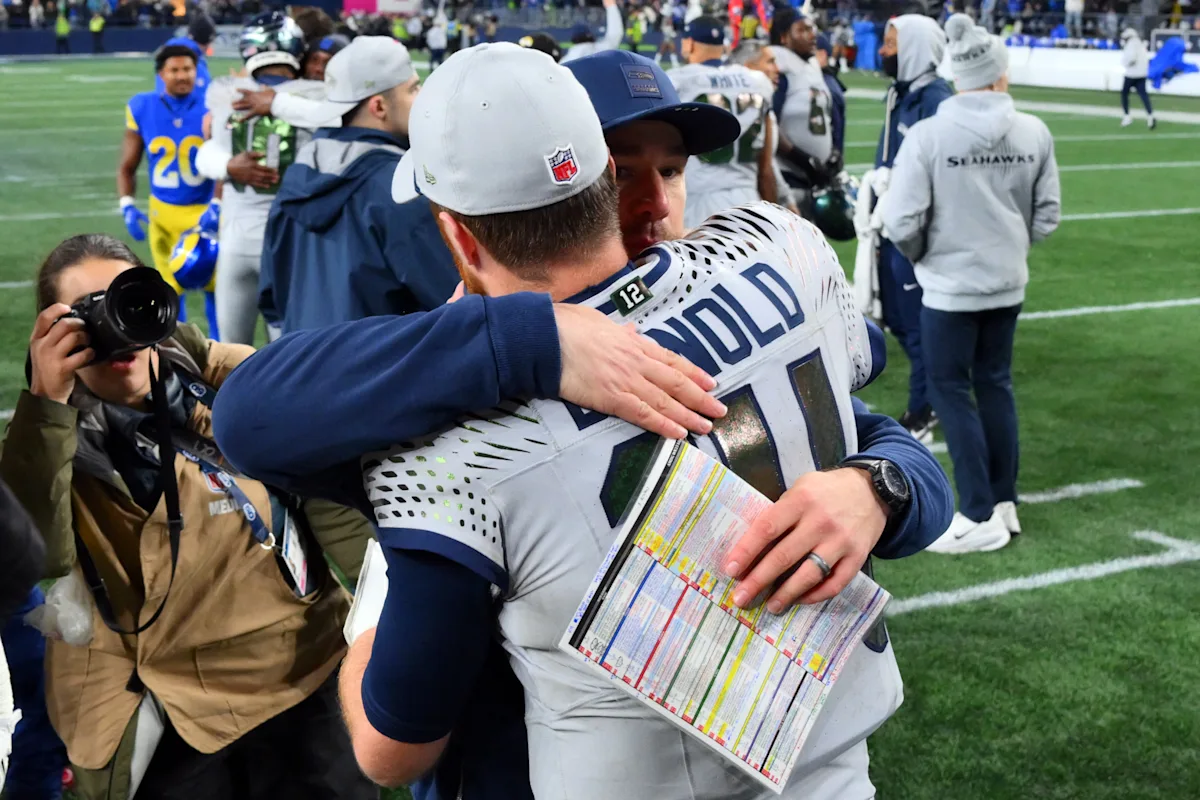 Seahawks Arrive for Super Bowl Amid Kubiak Departure, Darnold Faces Critical Transition
After Steichen left the Eagles following Super Bowl LVII, quarterbacks coach Brian Johnson was promoted to offensive coordinator. His tenure lasted just one season as the offense regressed. Similarly, Kevin Patullo took over after Kellen Moore’s departure, and the Eagles’ offense again struggled, resulting in another single-season tenure. In both cases, quarterback Jalen Hurts’ production was affected.
For Seattle, maintaining Darnold’s momentum is crucial. His previous three offensive play-callers were Kubiak, Kevin O’Connell with the Minnesota Vikings, and Kyle Shanahan during Darnold’s time as a 49ers backup. Darnold has consistently demonstrated resilience in adjusting to new systems.
Early-season struggles, including two games against the Rams where he threw six interceptions, were offset by strong performances in high-pressure situations such as the NFC title game. That victory showcased Darnold’s skill and Kubiak’s strategy with a balanced early run game transitioning into high-reward downfield throws and precise late-game situational play-calling. Critical first downs in the fourth quarter illustrated their synergy.
Kubiak’s Departure Leaves Seahawks’ Offense Facing Crucial Post-Super Bowl Transition Challenges
Kubiak’s influence on the Seahawks’ offense was significant. Although the team struggled early in the season with inconsistent running, Kubiak maximized Darnold’s strengths in key moments. The chemistry between quarterback and coordinator, built through months of practice and game experience, contributed directly to Seattle reaching the Super Bowl. However, that rhythm is expected to end with Kubiak’s departure, presenting a challenge for both Darnold and the franchise in 2026.
Despite the uncertainty, Darnold’s experience provides some reassurance. He has repeatedly shown the ability to adjust to new systems and maintain performance under change. However, history suggests that coordinator transitions after a Super Bowl can disrupt offensive continuity and hinder quarterback development. Seattle must find a replacement capable of sustaining the team’s offensive momentum, preserving rapport between play-caller and quarterback, and managing the high expectations of a post-Super Bowl season.
The Seahawks’ Super Bowl arrival reflected both achievement and the transient nature of the NFL. Players and staff focused on the immediate challenge while knowing structural changes were imminent. Kubiak’s departure looms as the next chapter. Darnold’s ability to thrive under another coordinator transition will be critical for Seattle’s future success. The journey to the championship demanded resilience, adaptability, and execution, but uncertainty now underscores the fragile balance between present accomplishment and future continuity.
The business trip to the Super Bowl has begun with a mix of anticipation and uncertainty. How Darnold and the new coordinator handle the post-Super Bowl transition will determine whether the Seahawks can build on their success or encounter setbacks like other franchises. The bond between quarterback and coordinator, forged through trust, rhythm, and shared experience, now faces a crucial turning point.