


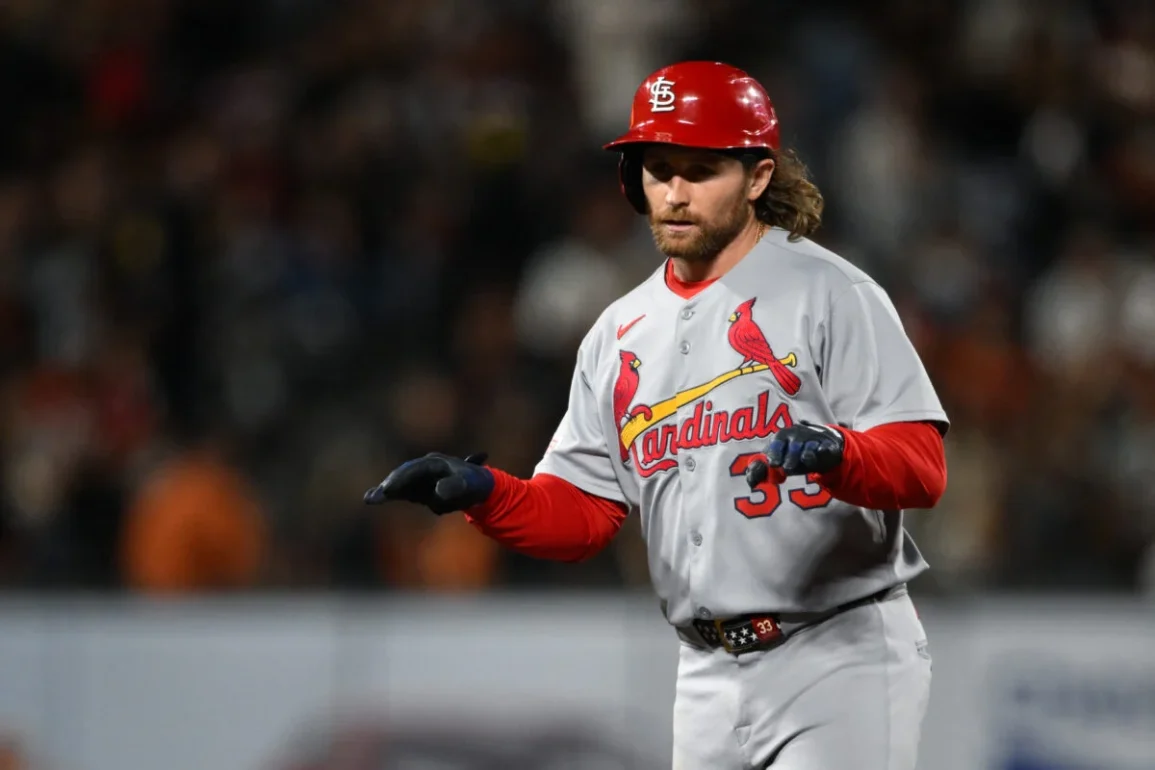
Major League Baseball’s offseason saw a significant three-team trade involving the Seattle Mariners, Tampa Bay Rays, and St. Louis Cardinals, which ultimately sent infielder and outfielder Brendan Donovan to Seattle. The transaction reshaped the rosters and talent pools of all three franchises. The Mariners added a versatile player who can contribute immediately, the Cardinals secured promising prospects and draft picks, and the Rays obtained infielder Ben Williamson to address near-term needs.
The trade unfolded with Seattle sending Ben Williamson to the Rays, along with prospects Jurrangelo Cijntje, Tai Peete, and a competitive balance round B pick to the Cardinals. In return, the Mariners acquired Donovan from St. Louis. The Cardinals sent Donovan to Seattle and received Cijntje, Peete, and the pick from the Mariners, as well as outfield prospect Colton Ledbetter and another competitive balance round B pick from Tampa Bay. Meanwhile, the Rays sent Ledbetter and the pick to the Cardinals while acquiring Williamson from Seattle.
The Donovan move had been anticipated for some time. The Cardinals are entering a rebuild phase after struggling to trade veteran players with no-trade clauses in the previous offseason. High-profile veterans such as Nolan Arenado, Sonny Gray, and Willson Contreras eventually agreed to trades, while Donovan, still in his arbitration years and earning a modest $5.8 million for 2026, became available to help St. Louis maximize value from their asset. Donovan’s free agency timeline also played a role, as the team considered that he would enter his first free agent season at age 31, by which point the Cardinals may still be several years away from contention.
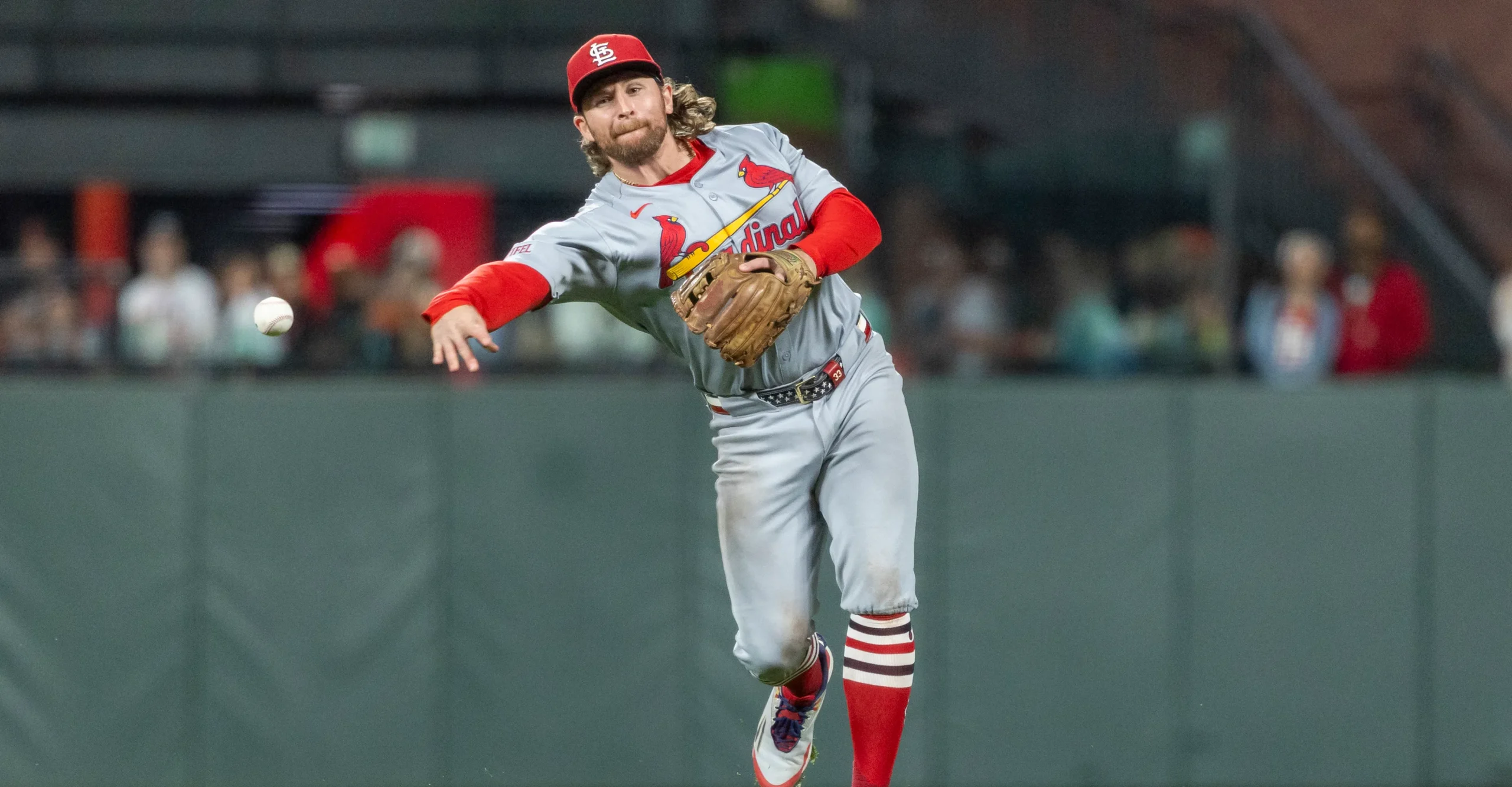 Brendan Donovan (MLB)
Donovan Provides Mariners Positional Flexibility, Consistent Offense, and Strategic Depth Across Roster
Donovan’s appeal lies in both his versatility and consistent performance. He can play every infield position and both corner outfield spots, giving managers flexibility in lineup construction. Offensively, he has maintained a low strikeout rate between 12 and 15 percent throughout his four seasons, well below the league average of approximately 22 percent.
His ability to draw walks is close to league norms, and although he is not a major power hitter, he has hit at least ten home runs in each of the past three seasons. Donovan’s career slash line stands at .282/.361/.411, with a weighted runs created plus of 119, indicating he has consistently performed above league average. A sports hernia surgery in October has not hindered his preparation for spring training, and Donovan is expected to be fully ready for the 2026 season.
Seattle proved to be an ideal destination for Donovan. The Mariners had key positions in flux following the departures of Jorge Polanco at second base and Eugenio Suárez at third base. Young players such as Cole Young, Michael Arroyo, and Ryan Bliss are developing, while top prospect Colt Emerson shows promise at third and potentially shortstop in the near future.
Outfield positions also had some uncertainty, with Víctor Robles, Dominic Canzone, Luke Raley, and Rob Refsnyder all in the mix. Donovan’s multi-positional skills allow him to fill whichever role is most needed at any given time, providing stability and giving Seattle the ability to keep developing its younger talent without losing competitiveness.
For St. Louis, the trade is a continuation of their rebuild strategy. Donovan, while productive, would not have been a long-term piece for the team. By trading him, the Cardinals received several high-upside prospects and competitive balance picks that strengthen their system. Jurrangelo Cijntje, the 15th pick in 2024, is an ambidextrous pitcher capable of throwing with both arms, though he will focus primarily on right-handed pitching. He posted a 3.99 ERA in 108 1/3 minor league innings last season and was ranked among Seattle’s top prospects.
Tai Peete, a 20-year-old selected 30th in the 2023 draft, showed power and speed in High-A, though his strikeout rate is concerning. Colton Ledbetter offers the Cardinals additional outfield depth, with solid contact hitting and base-stealing ability. These acquisitions align with the Cardinals’ goal of building a foundation for the future while freeing up playing time for other young players in their system.
Tampa Bay also benefited from the trade by acquiring Ben Williamson, who provides a glove-first option at third base and infield depth. Williamson can complement young players such as Junior Caminero and serve as a platoon partner for Gavin Lux, particularly against left-handed pitching. His experience across infield positions gives the Rays flexibility while addressing immediate needs without relying on unproven prospects.
Donovan’s role in Seattle is expected to be dynamic. He may start the season at second base, allowing Cole Young to continue developing at the big league level. If Young or Ryan Bliss improves, Donovan can shift to third base or play in the outfield, depending on injuries and team performance. His contact-oriented approach is particularly valuable for the Mariners, who have struggled with strikeouts in recent seasons. By making consistent contact, Donovan can help reduce strikeouts and produce more productive at-bats, balancing Seattle’s lineup and stabilizing the offense.
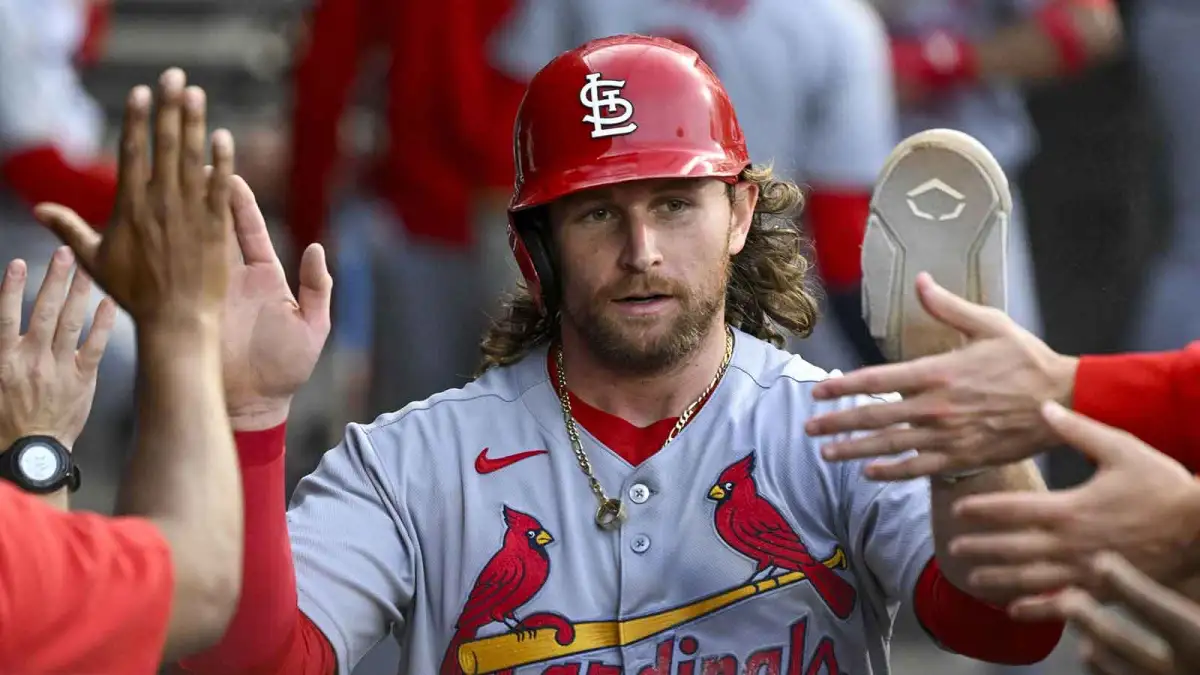 Brendan Donovan (MLB)
Mariners Acquire Donovan in Timely Trade Balancing Immediate Needs and Long-Term Planning
The timing of the trade was influenced by free agency moves throughout the winter, including high-profile signings like Bo Bichette with the Mets, Alex Bregman with the Giants, and Luis Arráez with San Francisco. Several teams considered Donovan, including the Red Sox and Giants, but Seattle’s combination of positional needs, young talent, and roster flexibility made the Mariners the best fit.
The Cardinals also benefited from perfect timing, turning Donovan’s productive seasons and relatively low salary into multiple prospects and draft picks to support a long-term rebuilding plan. Tampa Bay addressed its immediate needs with a proven infielder who can contribute right away while leaving future development intact.
Ultimately, this trade strengthens the Mariners by adding a player who can contribute immediately across multiple positions, stabilize the infield, and complement young prospects. Donovan’s experience and versatility give Seattle options for infield and outfield alignments while maintaining competitiveness in 2026 and 2027.
The Cardinals continue building for the future, acquiring promising talent to develop and eventually form the core of their next competitive cycle. The Rays gain a near-term solution in Williamson while preserving flexibility for their younger players.
This three-team deal highlights the balance between immediate competitiveness and long-term planning in Major League Baseball. The Mariners gain a productive, versatile player who enhances both depth and flexibility. The Cardinals strengthen their farm system and secure draft capital for future use.
The Rays address immediate roster needs while ensuring that prospects continue developing. With Donovan’s acquisition, Seattle is positioned to remain competitive while creating opportunities for younger players to grow and adapt within the organization. Each team benefited in ways that align with their strategies, making this one of the more impactful trades of the 2026 offseason.