Categories
NFL (American Football)

Why the Patriots chose Mike Vrabel as their next head coach in New England

The New England Patriots hired Mike Vrabel as their new head coach a week after they let go of Jerod Mayo. This decision was expected by many in the NFL. Vrabel’s experience as a coach, where he had a 54-45 record over six seasons with the Tennessee Titans and a 2-3 record in the playoffs, made him an attractive option for the Patriots.

The connection between Vrabel and Patriots owner Robert Kraft, who knew him from his time as a player for New England, also played a role in the decision. Vrabel was a linebacker for the Patriots from 2001 to 2008, and Kraft had a good relationship with him.

This marks the fourth time Kraft has hired a head coach since owning the team in 1994. The other coaches were Pete Carroll (1997-1999), Bill Belichick (2000-2023), and Jerod Mayo (2024). ESPN Patriots reporter Mike Reiss answers four key questions about Vrabel’s hiring, including what happens next. National reporter Dan Graziano shares his thoughts on the hire, while draft analyst Matt Miller looks ahead to the draft. Finally, analyst Ben Solak gives a grade for the hire.

What makes Vrabel the right choice for the Patriots?
Vrabel has shown that he can build a winning culture, which the Patriots need after Kraft mistakenly thought Mayo, who was only 38, was ready for the job after five years as an assistant coach. Vrabel, at 49, brings order, structure, and a strong understanding of game management, skills he developed as a player under Bill Belichick. Belichick often praised Vrabel for being one of the smartest players he coached.

The Patriots need a strong leader to bring together all aspects of their football operations, something they have lacked in recent years. Kraft saw Vrabel’s leadership firsthand as a player and later as an opposing coach who succeeded against New England. It also helps that Vrabel is a Patriots Hall of Famer and spoke highly of the team at his Hall of Fame induction.

Jerod Mayo watches the game from the sidelines

Did the Patriots always want Vrabel to be the coach?
The idea of Vrabel becoming the Patriots’ head coach began last year. New England had included language in Mayo’s contract that made him Belichick’s successor, but sources say that when Vrabel unexpectedly became available in January 2024 after being fired by the Titans, some people in the organization wondered if they should change their plans. However, they eventually decided to stick with Mayo. Vrabel was still available in 2025 and was interviewing with the New York Jets, a division rival, which added context to the Patriots’ decision.

How will this affect quarterback Drake Maye?
A major question surrounding Vrabel’s hiring is what kind of offensive system he plans to implement and who he will choose as the offensive coordinator. Maye will likely play in a different system than the one used by coordinator Alex Van Pelt during his rookie season, and he will also have new position coaches.

This change is significant because many credited Van Pelt and quarterbacks coach T.C. McCartney for helping Maye develop his skills and refine his footwork, as he had started just 26 games in college. Maye got a glimpse of different NFL offensive systems during the pre-draft process when he met with various teams, and he has noted that some systems place more responsibility on the quarterback than others.

What should the Patriots do next?
The next step for the Patriots is to hire a general manager who shares Vrabel’s vision for the team. This person will help align all aspects of the organization. One possible candidate is Ryan Cowden, who was a key assistant to Vrabel during his final seasons with the Titans.

The Patriots have never had a general manager under Kraft’s ownership; instead, they have preferred having an executive vice president of player personnel alongside the head coach as the two main leaders. However, this could be the right time for the Patriots to change their approach. Teams like the Patriots have grown significantly since the 1990s, and hiring a general manager to support the head coach is more important than ever.

Vrabel, who played for Bill Belichick in New England, is now tasked with leading the team.

What are people saying around the league about the hire?
Many people weren’t surprised by the Patriots hiring Vrabel. It seemed like the direction the team was headed all week, with the only uncertainty coming from the Patriots’ interest in Detroit Lions offensive coordinator Ben Johnson. However, Vrabel’s in-person interview and his prior relationship with the team played a significant role in the decision.

Some people, however, have questioned the hire. They feel that after having Belichick for 24 years and firing him, the Patriots quickly hired Mayo without much of a search, then fired Mayo after one season and quickly hired Vrabel. While Vrabel is a strong coach and likely the right choice, some believe the Patriots could have benefited from considering other candidates before choosing someone they already knew well.

New England Patriots players in the first half of the game

How can Vrabel improve the roster with the No. 4 pick?
The Patriots should focus on improving the entire team rather than just offense or defense. There will be outside pressure to build around Maye, but improving the offensive line and wide receiver corps should be priorities for the offseason. However, they don’t need to focus on these areas with the No. 4 pick.

Picking players based solely on need is what keeps bad teams stuck in a cycle of losing. Instead, the Patriots should go with the best available player, which could be someone like Penn State edge rusher Abdul Carter, who would be a perfect fit for a defense that already has strong players like Christian Gonzalez and Keion White. The Patriots should be open to improving any position other than quarterback, but Carter would be a great pick if he’s still available when they choose.

How would you grade this hire?
B+. Vrabel is definitely a solid head coach. His strong defenses and overall roster strength during his time with the Titans prove his coaching abilities. His return to New England is positive, as he was a successful player there and knows how to apply Belichick’s system while adding his own perspective from his time away.

There are questions about how Vrabel will fill out his offensive staff and whether he will be able to work well with the team’s personnel executives, but his hiring significantly improves the prospects of a Patriots team looking to get back into playoff contention.

Categories
NFL (American Football)

NFL Playoffs Wild Card Round: Predictions, Schedule, Odds, and Injury Updates

The wild-card playoff round for the 2024 NFL season features some exciting games, and we have everything you need to prepare.

Our NFL Nation reporters share the key points for all six matchups, and analytics writer Seth Walder gives a bold prediction for each game. NFL analyst Matt Bowen highlights a key player to watch, while staff writer Kevin Seifert provides insight into officiating.

The ESPN Research team shares an important stat and betting info for each game, and our Football Power Index (FPI) offers game projections. Finally, analysts Kalyn Kahler, Eric Moody, and Walder share their predictions for the final scores of each game.

Everything you need to know is in one place to get ready for a weekend filled with NFL playoff action. Let’s take a look at the wild-card games:

Byes: DET, KC

(7) Broncos at (2) Bills
Sunday, 1 p.m. ET | CBS/Paramount+ | ESPN BET: BUF -8 (47.5 O/U)

Broncos storyline to watch: After ending an eight-year playoff drought, the Broncos now face one of the AFC’s top quarterbacks. They didn’t beat Lamar Jackson, Patrick Mahomes (who didn’t start last week’s game), Joe Burrow, or Justin Herbert this season. Now, they face Josh Allen, who has as many rushing touchdowns (12) as the Broncos’ entire team. The Broncos need to limit Allen’s “second act” plays—his completions and runs after the initial reads are gone. — Jeff Legwold

Bills storyline to watch: The Bills have been successful in the wild-card round, with a 4-1 record when Allen starts. However, the big question is whether their defense can get off the field. The Bills’ defense ranks fourth worst in third-down conversion percentage allowed (43.8%), and they’ve struggled with sacks (39, tied for 18th). On the other hand, rookie quarterback Bo Nix has been difficult to sack (24 sacks, tied for third fewest). “Nix seems extremely poised for a young quarterback, and I’ve been very impressed with his mobility and ability to extend plays,” said Bills coach Sean McDermott. — Alaina Getzenberg

Stat to know: The Bills turned the ball over only eight times in the regular season, tied with the 2019 Saints for the fewest turnovers since turnovers were first tracked in 1933. — ESPN Research

Bold prediction: Allen will convert at least five first downs or score a touchdown with his legs. While cornerback Pat Surtain II may shut down a receiver, Allen has many ways to hurt a defense. I expect him to scramble a lot on Sunday, even though the Broncos allow the third-least rushing yards per game (96.4). — Walder

Matchup X factor: Broncos wide receiver Courtland Sutton. The Broncos can create open lanes for Sutton to run deep routes against a Bills defense that played zone coverage on over 68% of opponent dropbacks. Sutton had 32 receptions of 15 or more yards this season, and the Broncos will need those types of plays to upset the Bills. — Bowen

Injuries: Broncos | Bills

Betting nugget: Rookie quarterbacks are 0-5 outright and 1-4 against the spread (ATS) in road playoff games over the past 10 seasons. — ESPN Research

Officiating nugget: Referee Bill Vinovich’s crew threw the fewest flags per game in the NFL this season, with 12.9 flags per game. This benefits both teams, as the Bills (18th) and Broncos (21st) ranked in the upper half of the NFL in total flags this season. — Seifert

Kahler’s pick: Bills 28, Broncos 21
Moody’s pick: Broncos 27, Bills 24
Walder’s pick: Bills 28, Broncos 17
FPI prediction: BUF, 68.1% (by an average of 7.1 points)

(7) Packers at (2) Eagles
Sunday, 4:30 p.m. ET | Fox | ESPN BET: PHI -4.5 (45.5 O/U)

Packers storyline to watch: The Packers have their highest defensive ranking (fifth) since their Super Bowl-winning season in 2010, but they have struggled with Eagles running back Saquon Barkley. Barkley has rushed for at least 100 scrimmage yards and a touchdown in each of the last three games against the Packers, including the 2024 season opener. — Rob Demovsky

Eagles storyline to watch: Quarterback Jalen Hurts is progressing through concussion protocol and is expected to play unless there is a setback. The challenge will be whether the passing offense can get into rhythm early in his first game since Dec. 22. Slow starts were common for the Eagles this season, and they failed to score in the first quarter 10 times.

Green Bay Packers players celebrate after an interception

Their progress will be tested against a team that has allowed just 19.9 points per game, the sixth-best mark in the NFL. — Tim McManus

Stat to know: The Packers scored 30 or more points in five of their final seven games, including five straight in Weeks 12 through 16. That’s the second-longest streak in franchise history, after a seven-game streak in 1963. — ESPN Research

Bold prediction: Eagles defensive tackle Jalen Carter will bat a pass, which will then be intercepted. Carter recorded six batted passes this season, the second most in the NFL, and he’ll face an average pass-blocking guard in Sean Rhyan. Expect him to get a hand on one of Jordan Love’s throws. — Walder

Matchup X factor: Packers linebacker Edgerrin Cooper. Cooper can track the ball carrier on the edges and patrol intermediate coverage windows. If the Packers want to win in Philly, he’ll need to limit Barkley and clog the middle of the field in the pass game. — Bowen

Injuries: Packers | Eagles

Betting nugget: The Eagles are 9-3 against the spread in their past 12 games and have covered in three straight home games. — ESPN Research

Officiating nugget: Referee Brad Allen’s crew threw the third-fewest flags per game (13.4) but called 10 penalties for roughing the passer, the second most in the league. This benefits the protection of Hurts and Love, who were the beneficiaries of three roughing the passer penalties during the regular season. — Seifert

Kahler’s pick: Eagles 34, Packers 28
Moody’s pick: Eagles 31, Packers 21
Walder’s pick: Eagles 24, Packers 21
FPI prediction: PHI, 51.2% (by an average of 0.4 points)

(6) Commanders at (3) Buccaneers
Sunday, 8 p.m. ET | NBC/Peacock | ESPN BET: TB -3 (50.5 O/U)

Commanders storyline to watch: Washington’s defense has improved since facing Tampa Bay in the season opener. After three games, the Commanders ranked 29th in points allowed per game (29.3). From Week 4 through 18, they ranked 12th in scoring (21.6 points per game) and fourth in total yards (316.1).

The Bucs will be a challenge because of their improved run game with rookie Bucky Irving. Tampa Bay ranks second in rushing yards per game over the last seven weeks (183.3), while Washington’s defense ranks 30th against the run, allowing 137.5 rushing yards per game. — John Keim

Tampa Bay Buccaneers celebrates his touchdown in the 1st half

Buccaneers storyline to watch: The Bucs have seen quarterback Jayden Daniels grow since their Week 1 victory, where he rushed for two touchdowns. However, they now feel better equipped to stop Daniels. “Early in the season, we were falling short on containment and not being able to handle quarterbacks who scramble,” said cornerback Zyon McCollum.

“We’ve focused on that, and from the D-line to the DBs, we’ve improved in containing those quarterbacks.” In the first half of the season, they allowed 5.0 yards per rush to opposing quarterbacks, but that number dropped to 3.2 in the second half of the season. — Jenna Laine

Stat to know: Since the wild card was introduced in 1978, this will be the fourth instance of two teams meeting in the wild-card round after averaging 28-plus points per game during the regular season. — ESPN Research

Bold prediction: Daniels will rush for 70 or more yards. Coach Todd Bowles and the Buccaneers love to blitz, sending extra pressure 36% of the time. That gives them advantages, but Daniels scrambles more often against the blitz than anyone else. His average yardage on scrambles jumps from 7.2 on regular plays to 10.7 against the blitz. — Walder

Matchup X factor: Buccaneers wide receiver Jalen McMillan. He has seen an increase in target volume and more touchdowns down the stretch. McMillan has at least one touchdown in his last five games, bringing a deep threat to the offense. Working opposite Mike Evans, McMillan can win his matchups against Washington’s secondary. — Bowen

Injuries: Commanders | Buccaneers

Betting nugget: Four straight Buccaneers games have gone over the total, and overs are 12-5 in their games this season, including 11-3 in their last 14. — ESPN Research

Officiating nugget: Referee Craig Wrolstad’s crew threw the second-most flags per game in the NFL (18). However, he called only four penalties for roughing the passer, which benefits both teams in this game, as they each committed six roughing the passer fouls, tied for third most in the NFL. — Seifert

Kahler’s pick: Commanders 33, Buccaneers 30
Moody’s pick: Commanders 34, Buccaneers 29
Walder’s pick: Commanders 31, Buccaneers 26
FPI prediction: TB, 58.3% (by an average of 3.3 points)

Vikings at (4) Rams
Monday, 8 p.m. ET | ESPN/ABC/ESPN+ | ESPN BET: MIN -2.5 (47.5 O/U)

Location change: The NFL has decided to move this game to Arizona because of the wildfires in Southern California. It was originally scheduled to take place at SoFi Stadium in Inglewood, California, but now will be held at State Farm Stadium in Glendale, Arizona, home of the Arizona Cardinals, at the same time on Monday.

Vikings storyline to watch: When these teams played in Week 8, the Rams surprised the Vikings by activating receiver Puka Nacua from injured reserve. The Vikings were caught off guard by Nacua’s involvement, which caused some confusion.

Nacua was targeted three times on the Rams’ opening drive, finishing the game with seven catches for 106 yards, helping the Rams score a season-high 30 points. Vikings defensive coordinator Brian Flores said, “They are a very different team with Puka out there,” and added that the team will be better prepared for him this time.

Minnesota Vikings celebrates after catching a pass in the 2nd half

Rams storyline to watch: Rams quarterback Matthew Stafford had the highest Total QBR of any quarterback against the Vikings this season in Week 8, with a 87.7. Stafford was only pressured 8.8% of the time in that game, the lowest rate the Vikings allowed all year. Now, Stafford heads into the playoffs with the highest career postseason passing yards per game average (307.9).

Stat to know: Vikings quarterback Sam Darnold is aiming to become the sixth starting quarterback since 1966 to win his first career playoff game while playing for his fourth team or more. Of the five who did this before, three went on to reach the Super Bowl that same season.

Bold prediction: Coach Sean McVay will try to kick a field goal in a situation where he shouldn’t, according to ESPN’s Analytics model. This is expected to be one of the closest games in the wild-card round, and this decision could cost the Rams dearly in a close loss by three points or less.

Matchup X factor: Rams defensive tackle Braden Fiske, a rookie, has the ability to disrupt the Vikings’ quarterback and impact the pocket. Fiske had 8.5 sacks and 32 pressures during the regular season and is well-suited to take on a Vikings offensive line that struggled with power on the interior.

Injuries: Vikings | Rams

Betting nugget: The Vikings are 6-2 against the spread in their last eight games and 5-1 against the spread in their last six as favorites.

Officiating nugget: The Rams were flagged the fewest times of any playoff team this season, averaging 6.2 flags per game, ranked fifth in the NFL. Referee John Hussey’s crew also threw the second-fewest flags (13.4 per game), which is good for the Rams since the Vikings drew the most flags in the league (8.3 per game).

Kahler’s pick: Rams 28, Vikings 26
Moody’s pick: Rams 30, Vikings 26
Walder’s pick: Vikings 24, Rams 23
FPI prediction: MIN, 53.9% (by an average of 1.2 points)


Chargers at (4) Texans
Saturday, 4:30 p.m. ET | CBS/Paramount+ | ESPN BET: LAC -3 (42.5 O/U)
The Texans won 32-12.

Chargers storyline to watch: Quarterback Justin Herbert has only thrown three interceptions this season, the fewest in the NFL, while the Texans’ defense has recorded the second-most interceptions (19). This will be the third playoff game since 2000 between an offense with the fewest interceptions and a defense with the most or second-most interceptions. Will the Texans be able to force Herbert into mistakes and turnovers?

Texans storyline to watch: Both teams have strong defenses when it comes to pressuring quarterbacks. The Texans have the lowest completion percentage allowed (58.8%), while the Chargers sit at 65% (11th). Both quarterbacks, C.J. Stroud and Herbert, are vulnerable to being pressured, with both ranking in the top four for unblocked pressures. The winner will be whichever team can generate consistent pressure.

Stat to know: With a win, Chargers coach Jim Harbaugh would become the second head coach in NFL history to win a playoff game in his first season with two different teams. Pete Carroll did this with the 2010 Seahawks and 1997 Patriots.

Bold prediction: The Texans will fail to score a touchdown. After losing wide receiver Stefon Diggs to an ACL injury in Week 9 and Tank Dell to a knee injury late in the season, the Texans have struggled. They ranked 27th in offensive EPA per play since Week 9 and now face the league’s No. 1 scoring defense.

Matchup X factor: Chargers safety Derwin James Jr., who led all defensive backs with 5.5 sacks and 15 pressures, will be key. James can disrupt the Texans’ zone run game and can blitz to create pressure on their quarterbacks.

Injuries: Chargers | Texans

Betting nugget: 11 of the Texans’ 17 games this season went under the total, tied for the highest under rate in the NFL. 7-1 in home games this season, the Texans have hit the under consistently.

Officiating nugget: Referee Land Clark’s crew threw the fifth-fewest flags in the NFL (13.8 per game), especially for defensive holding (five, the fewest). The Chargers, who were flagged for the second-most defensive holding penalties in the league, will appreciate this.

Kahler’s pick: Chargers 28, Texans 20
Moody’s pick: Chargers 27, Texans 23
Walder’s pick: Chargers 20, Texans 9
FPI prediction: LAC, 52.8% (by an average of 0.9 points)


Steelers at (3) Ravens
Saturday, 8 p.m. ET | Prime Video | ESPN BET: BAL -9.5 (43.5 O/U)
The Ravens won 28-14.

Steelers storyline to watch: The Steelers’ offense has been struggling, averaging just 14 points and 258.8 yards per game during a four-game losing streak. Offensive coordinator Arthur Smith said they need to mix things up, including using quarterback Justin Fields, who has been sidelined since an abdominal injury in Week 15. Fields said he is healthy and ready to contribute however needed. The offense has struggled on first down, ranking last in yards (4.5), success rate (37%), and QBR (40).

Pittsburgh Steelers players celebrate after a touchdown in 2nd half

Ravens storyline to watch: Ravens quarterback Lamar Jackson is aiming to overcome his playoff struggles against a Steelers defense that has been faltering. Jackson is 2-4 in postseason games and has a history of turnovers, especially against Pittsburgh. However, the Steelers’ defense has been weak lately, allowing 258.5 passing yards per game during their losing streak.

Stat to know: Steelers running back Najee Harris has averaged 4.0 yards per rush, ranking 35th out of 44 qualified players. His minus-0.01 yards per rush gained over expectation ranks 31st in the NFL.

Bold prediction: Ravens tight end Mark Andrews will catch six or more passes, which would match or surpass his season-high. After a slow start to the season, Andrews has increased his route participation and has strong advanced metrics, including the highest open score among tight ends.

Matchup X factor: Ravens outside linebacker Kyle Van Noy will be key to disrupting the Steelers’ offense with his pass-rush ability. He had 12.5 sacks and 45 pressures during the regular season and fits well in the Ravens’ defensive schemes.

Injuries: Steelers | Ravens

Betting nugget: Six of the past seven Steelers road games went over the total, and five of the Ravens’ past six home games did as well.

Officiating nugget: Referee Alex Kemp’s crew threw 59 offensive holding penalties, the most in the NFL, which is significant because the Ravens were flagged for the third-most offensive holding penalties during the regular season.

Kahler’s pick: Ravens 30, Steelers 24
Moody’s pick: Ravens 28, Steelers 19
Walder’s pick: Ravens 27, Steelers 20
FPI prediction: BAL, 72.2% (by an average of 9.0 points)

Categories
MLB (Baseball)

Justin Verlander and the San Francisco Giants have agreed to a one-year, $15 million deal

Justin Verlander and the San Francisco Giants agreed to a one-year, $15 million contract on Saturday.

A three-time AL Cy Young Award winner, Verlander will join a rotation led by All-Star right-hander Logan Webb.

Last year, Verlander went 5-6 with a 5.48 ERA in 17 starts for the AL West champion Houston Astros. He started the season on the injured list due to shoulder inflammation and was also on the IL from June 18 to August 21 because of neck discomfort.

Verlander, who will turn 42 next month, had a 9.26 ERA in five starts in September. He was left off the postseason roster by Houston, which was swept by Detroit in the AL Wild Card Series. He became a free agent after he failed to pitch 140 innings, which would have activated a $35 million player option.

“I definitely feel like I want to continue to pitch and compete and I’m not ready to step away yet,” Verlander said in October.

The Virginia native, who played college baseball at Old Dominion, has a career record of 262-147 with a 3.30 ERA in 526 major league starts. He leads active players in wins, strikeouts (3,416), innings (3,415 2/3), starts, and complete games (26). He has a 17-12 postseason record with a 3.58 ERA in 38 appearances.

Justin Verlander pitches in the 1st inning

Verlander spent his first 12-plus seasons with Detroit, where he won his first Cy Young Award and was named AL MVP in 2011 after going 24-5 with a 2.40 ERA.

He was traded to Houston in August 2017 and helped the team win its first World Series title that year. He won two more Cy Young Awards and another championship during his time with the Astros.

In December 2022, Verlander signed an $86.7 million, two-year contract with the New York Mets. He made 16 starts for New York before being traded back to Houston for two minor league players.

To make room for Verlander, the Giants designated catcher Blake Sabol for assignment.

In his first offseason since Buster Posey replaced Farhan Zaidi as president of baseball operations, San Francisco also signed shortstop Willy Adames to a $182 million, seven-year deal in December.

Categories
FEATURED

Olympic Games’ Unsustainable Legacy Persists Despite Reforms, Highlighted by Paris 2024 Challenges and Controversies

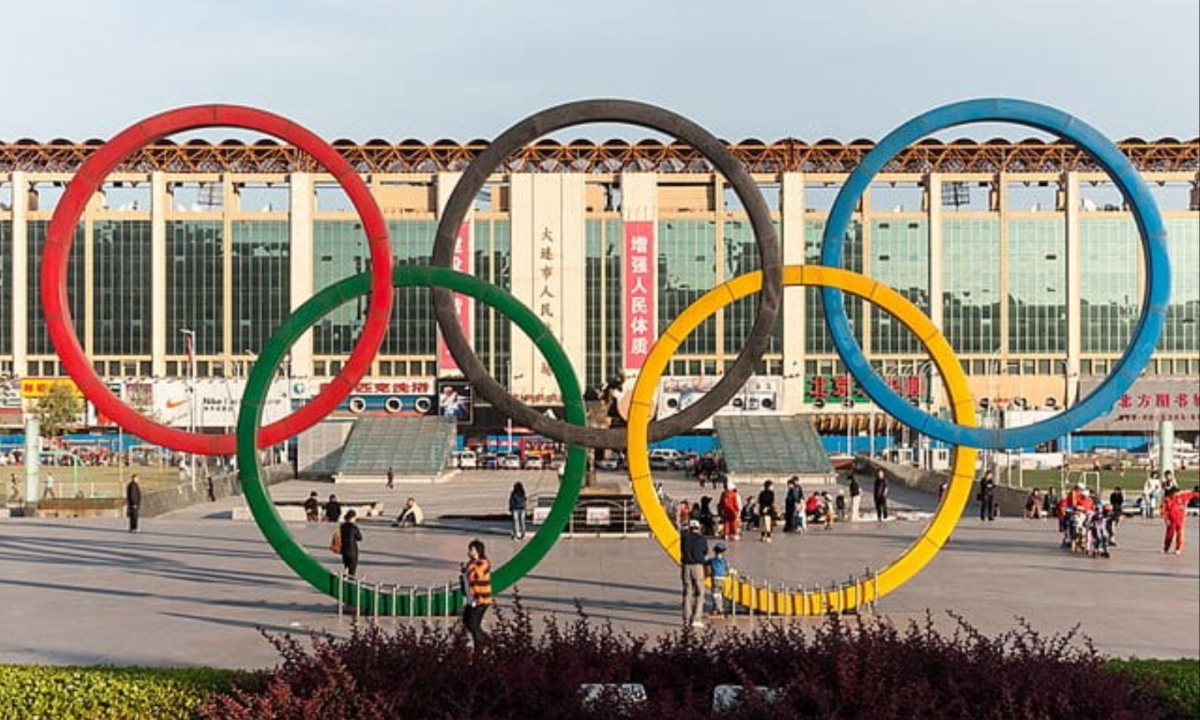
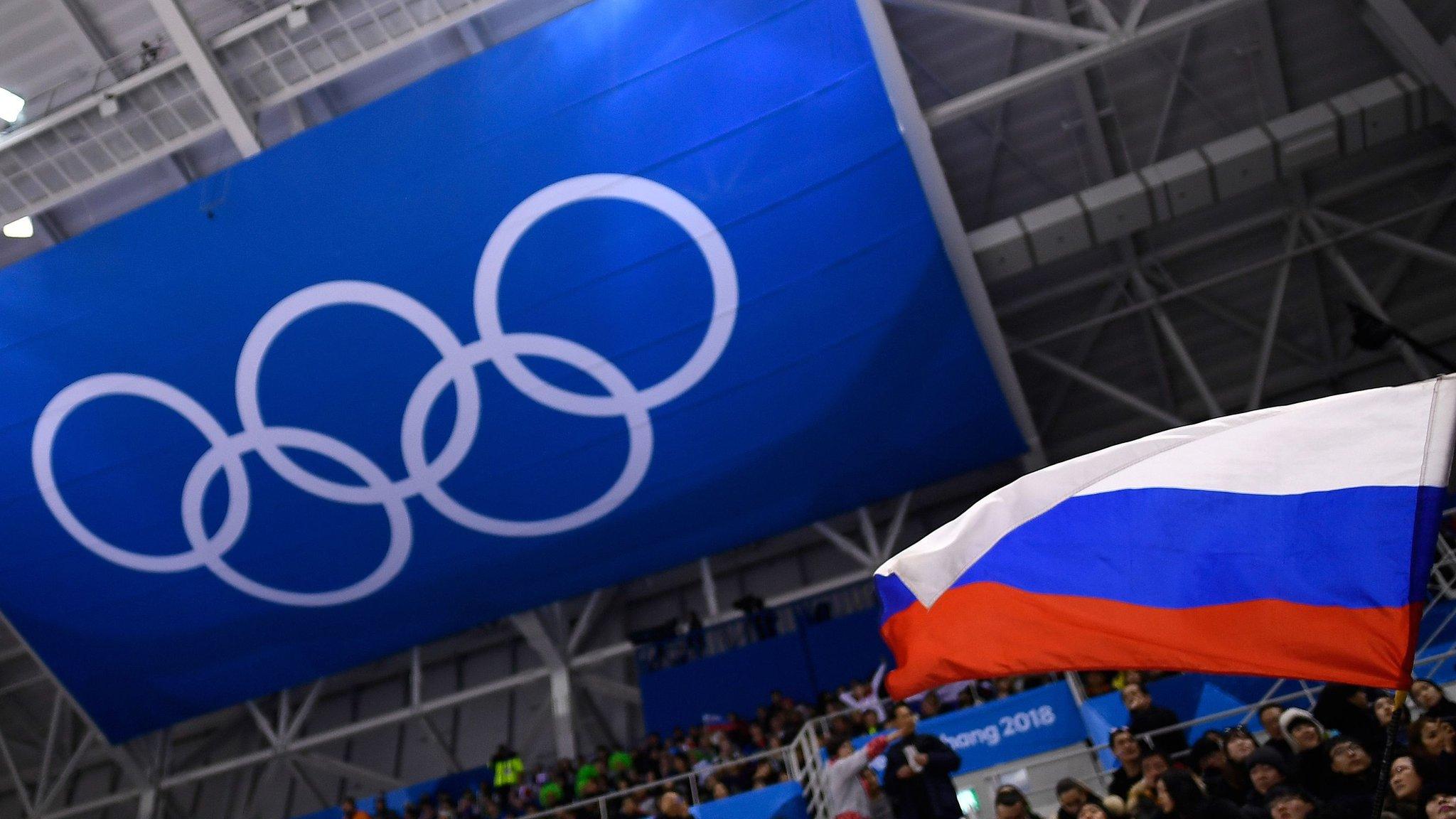
Mega-events like the Olympic Games have long been celebrated by billions worldwide, but their legacy often includes significant damage to host cities and their residents. Historically, the Games have left behind broken budgets, oversized infrastructure, security militarization, and forced evictions of vulnerable populations. For instance, host cities have faced “white elephant” projects—expensive, underused venues—and the disruption of local communities, particularly socioeconomically disadvantaged groups. Despite promises of sustainability, the Olympic Games often exacerbate these issues, as seen in recent events such as Beijing 2022 and Tokyo 2020-2021, where “green” credentials were overshadowed by negative consequences for residents. This pattern highlights the unsustainable nature of the Olympics.

In response to growing criticism, the International Olympic Committee (IOC) has introduced a series of reforms aimed at making the Games more sustainable. The IOC has emphasized using existing infrastructure to host the Olympics, rather than building expensive new facilities. This approach is expected to reduce costs and mitigate the environmental impact of constructing permanent venues. Additionally, reforms to the bidding process and planning timelines have been designed to streamline operations and reduce overspending. The Paris 2024 Olympics, as the first to be planned under these new guidelines, serves as a test case for the effectiveness of these reforms.

Paris 2024 has demonstrated some successes in implementing these reforms, notably through the high utilization of existing venues, which is projected to be between 80-95%. This shift towards using existing facilities reduces both the ecological and economic costs associated with new construction. Past Olympic Games, such as those in Athens, Montreal, and Brazil, have struggled with underutilized, costly sports venues. Paris’ commitment to temporary structures, such as the Grand Palais Éphémère, further aligns with the goal of minimizing permanent infrastructure. This marks a notable departure from past events and offers a promising model for a more sustainable future Olympics.

Olympic Games' Unsustainable Legacy Persists Despite Reforms, Highlighted by Paris 2024 Challenges and Controversies
Olympic Games’ Unsustainable Legacy Persists Despite Reforms, Highlighted by Paris 2024 Challenges and Controversies

However, the Paris Games also expose persistent problems, particularly in the economically disadvantaged northern suburbs, such as Seine-Saint-Denis, where much of the construction has taken place. Local residents have been significantly affected by Olympic-related projects, including evictions of migrant workers and the clearing of squats. These actions, justified by urban renewal arguments, have resulted in the displacement of vulnerable populations without clear housing alternatives. Critics argue that this is a form of “hiding the undesirables,” a common practice in host cities before major events, and a reminder that marginalized communities often bear the brunt of preparations for global spectacles.

Moreover, the security measures in place for Paris 2024 raise concerns about the erosion of public space and civil liberties. The presence of police, military, and surveillance technologies, including AI-powered facial recognition, has led to fears that these practices will persist beyond the Games, fundamentally altering the nature of public spaces in Paris. This trend mirrors past Olympic Games, where increased security measures disproportionately affected marginalized communities. The use of these technologies during the Games highlights the ongoing tension between security concerns and the rights of residents, particularly in low-income areas like Seine-Saint-Denis.

The construction of new infrastructure, such as the highway interchange near the Stade de France, has sparked controversy due to its impact on local residents. The new road infrastructure, designed to support Olympic-related activities, is situated near a local school and has led to concerns about increased pollution levels, endangering children’s health. Residents’ protests against the project have been ignored, demonstrating a recurring theme in Olympic host cities: the voices of local communities are often sidelined in favor of broader development goals. This reflects a longstanding issue with mega-events, where the needs of the local population are frequently sacrificed for the sake of global ambitions.

Olympic Games' Unsustainable Legacy Persists Despite Reforms, Highlighted by Paris 2024 Challenges and Controversies
Olympic Games’ Unsustainable Legacy Persists Despite Reforms, Highlighted by Paris 2024 Challenges and Controversies

While the IOC’s reforms have sought to address some of these concerns, the problem is not solely one of external influence. Local government complicity also plays a significant role in the harmful effects of hosting mega-events. In Paris, the local authorities’ failure to adequately address residents’ concerns exacerbates the negative impacts of the Games. The integration of Olympic plans with broader urban development projects in the Grand Paris scheme—while aimed at transforming the city and surrounding regions—has led to a disconnect between the promises of sustainable development and the lived realities of marginalized communities in Paris.

To achieve true sustainability in future Olympic Games, reforms must go beyond structural changes to planning and infrastructure. The voices of residents, especially those from disadvantaged communities, must be central to the decision-making process. An independent body, with the power to investigate and enforce regulations, should be established to oversee mega-events like the Olympics. This body would be responsible for ensuring that the social, economic, and environmental costs of hosting are transparently assessed and that organizers are held accountable for any harm caused to local populations. Such an approach would create a system in which vulnerable communities have more control over whether and how mega-events take place in their cities.

While Paris 2024 has made strides toward a more sustainable Olympic Games, it still faces significant challenges, particularly in its treatment of marginalized communities. The IOC’s reforms are a step in the right direction, but the long-term sustainability of the Games depends on further changes in both the international and local governance of mega-events. Authentic sustainability requires that the risks and costs of hosting are fully accounted for and that local residents have a say in the decision-making process. By empowering communities to have veto power over mega-events, the Olympics could move away from its legacy of exclusion and towards a more equitable future.

Categories
MLB (Baseball)

Blue Jays sign All-Star reliever Jeff Hoffman to a 3-year, $33 million deal in Toronto

The Toronto Blue Jays and All-Star reliever Jeff Hoffman have agreed to a three-year, $33 million contract.

The team announced the deal on Friday evening, two days after Hoffman celebrated his 32nd birthday.

Last season, Hoffman posted a 3-3 record, a 2.17 ERA, and 10 saves for the NL East champion Philadelphia Phillies. He earned his first All-Star selection in July and set personal bests in ERA, saves, and appearances (68).

The right-handed pitcher struck out 89 and walked 16 over 66 1/3 innings, holding opposing batters to a .197 average and finishing with a 0.96 WHIP before entering free agency.

“We’re thrilled to add Jeff to our bullpen. His pitching skills, ability to throw strikes, and ability to get hitters out in different situations is exceptional and will definitely improve our team,” said Toronto’s general manager Ross Atkins in a statement. “Jeff will have the chance to close games for us this season. His experience, competitiveness, and success make him a great fit for our bullpen.”

Hoffman was drafted by the Blue Jays as the ninth overall pick in the 2014 amateur draft out of East Carolina, but he never played for them. He was traded the following year to Colorado, as part of a deal that brought star shortstop Troy Tulowitzki and reliever LaTroy Hawkins to Toronto.

Philadelphia Phillies relief pitcher Jeff Hoffman delivers during Game 2 of a baseball NL Division Series

At 6-foot-5, Hoffman made his MLB debut with the Rockies in 2016. Throughout his nine seasons with Colorado, Cincinnati, and Philadelphia, he has a career record of 23-26 with a 4.82 ERA in 256 games, including 50 starts.

In the 2023 National League Championship Series against Arizona, Hoffman pitched six shutout innings across five appearances for the Phillies. However, he struggled in the playoffs against the New York Mets, posting a 1-2 record and allowing six runs in 1 1/3 innings across three outings in the Division Series.

Hoffman will receive a $5 million signing bonus from the Blue Jays, along with salaries of $6 million this year and $11 million in each of the next two seasons. He can also earn up to $2 million in annual performance bonuses for innings pitched: $500,000 for 60, 70, 80, and 90 innings.

In a related move, Toronto right-hander Brett de Geus was designated for assignment.

Categories
FEATURED

Jordan Chiles Among Athletes Stripped of Olympic Medals Due to Controversies and Violations

The stripping of Olympic medals is a rare but significant event in the history of the Games. While most athletes earn their accolades through hard work and talent, some have had their medals revoked due to various controversies, including doping violations or procedural errors. In 2024, American gymnast Jordan Chiles became the latest athlete to face such a situation when her bronze medal was taken away after a ruling by the Court of Arbitration for Sport (CAS), following a protest by the Romanian Olympic committee. This decision, which could still be reversed, is part of a long history of medal revocations, where athletes from various countries have experienced the fallout from violations or technicalities.

Jordan Chiles’ Medal Revocation

Jordan Chiles, a standout American gymnast at the 2024 Paris Olympics, earned a team all-around gold and a bronze in the individual floor exercise. However, her bronze medal was revoked five days later after a ruling by the Court of Arbitration for Sport (CAS). The ruling followed a protest by the Romanian Olympic Committee, which claimed that Chiles’ coach had submitted a difficulty score inquiry after the one-minute deadline. Originally finishing in fifth place, Chiles’ score had been boosted by the inquiry, moving her into the bronze medal position. As a result, the CAS ruled in favor of Romanian gymnasts Ana Barbosu and Sabrina Maneca-Voinea, who had finished fourth and fifth, respectively.

Jordan Chiles
Jordan Chiles

Rare Instances of Medal Revocation

While rare, the revocation of Olympic medals has occurred several times in the history of the Games, typically due to doping violations or the use of banned substances. In Chiles’ case, the USOPC has announced plans to appeal the decision, as the International Olympic Committee (IOC) had ordered Chiles to return her bronze. The appeal could potentially reverse the decision, keeping the medal in Chiles’ possession.

Jim Thorpe’s Lost Medals

One of the earliest and most notable cases of an athlete losing Olympic medals was that of Jim Thorpe, regarded as one of the greatest athletes of his time. Thorpe won gold in both the pentathlon and decathlon at the 1912 Stockholm Olympics. However, his medals were stripped the following year because he had played two seasons of semi-professional baseball, which violated the amateurism rules in place at the time. His medals were posthumously reinstated in 1982, over 70 years after the original disqualification, with a ceremony honoring his legacy and achievements.

Jim Thorpe
Jim Thorpe

Rick DeMont’s Disqualified Medal

At the 1972 Munich Olympics, swimmer Rick DeMont won gold in the 400-meter freestyle. However, his victory was marred by a doping controversy. DeMont tested positive for a banned substance after the race, but he had been taking Marax, a medication containing ephedrine, to manage his asthma. The U.S. medical team failed to verify that Marax contained any banned substances, leading to the revocation of his gold medal. Despite DeMont’s legal efforts to restore the medal, it was never returned, and the IOC’s decision stood.

Rick DeMont
Rick DeMont

Lance Armstrong’s Medal Loss

Cyclist Lance Armstrong faced one of the most high-profile cases of a stripped Olympic medal. Armstrong was awarded the bronze medal in the men’s individual road cycling time trial at the 2000 Sydney Olympics. However, after admitting to years of doping, Armstrong’s bronze medal was revoked. This incident was part of a larger doping scandal that saw Armstrong stripped of his Tour de France titles and banned from competitive cycling for life. His Olympic bronze medal was part of the fallout from his confession.

Lance Armstrong
Lance Armstrong

Marion Jones’ Doping Scandal

Track-and-field star Marion Jones also had her Olympic medals revoked in the wake of a doping scandal. Jones won three gold and two bronze medals at the 2000 Sydney Olympics, including victories in the 100 meters, 200 meters, and 4×400-meter relay. However, in 2007, she admitted to lying about using performance-enhancing drugs, leading to the IOC stripping her of her medals and records. Jones was also sentenced to six months in prison for her role in the scandal, which marked one of the most infamous doping cases in Olympic history.

Marion Jones
Marion Jones

Tyler Hamilton’s Doping Controversy

Tyler Hamilton, a prominent American cyclist, faced a doping controversy after winning gold in the individual time trial at the 2004 Athens Olympics. A positive A sample was found in his post-race doping test, but his B sample was not tested due to it being frozen. This technicality allowed Hamilton to retain his gold medal, despite the positive result. While Hamilton avoided losing his medal, his case highlighted the ongoing challenges of dealing with doping violations in Olympic sports.

Tyler Hamilton
Tyler Hamilton

Carl Lewis’ Upgraded Medal

Carl Lewis, one of the most decorated Olympic athletes of all time, had his medal standing altered at the 1988 Seoul Olympics due to a doping incident involving Canadian sprinter Ben Johnson. Johnson initially won the gold medal in the 100-meter final, but after testing positive for a banned substance, he was disqualified and stripped of the medal. As a result, Lewis, who had originally finished second, was awarded the gold. This incident added another gold to his collection, which ultimately included nine Olympic golds.

Carl Lewis
Carl Lewis

Jason Turner’s Medal Switch-Up

Jason Turner’s experience at the 2008 Beijing Olympics mirrored that of Carl Lewis in some respects. Turner, who initially placed fourth in the 10-meter air pistol competition, was later awarded the bronze medal after his competitor, North Korea’s Kim Jong-su, was disqualified. Kim had tested positive for propranolol, a banned substance, which led to his disqualification and the subsequent reassignment of the medal to Turner. This case further demonstrates how doping violations have influenced medal standings throughout Olympic history.

Jason Turner
Jason Turner

The stripping of Olympic medals, while rare, has become a significant part of Olympic history. Whether due to doping violations, technical infractions, or other reasons, several athletes have seen their Olympic achievements tarnished by the revocation of medals. As seen in the cases of Jordan Chiles, Jim Thorpe, Rick DeMont, and others, the process of stripping medals can be complex and often leads to appeals or reinstatement, though the outcome is not always in favor of the athletes involved.

Categories
NFL (American Football)

Chargers fall short again: Despite a chance to define a new identity, Jim Harbaugh’s culture falters in Los Angeles

For 17 regular-season games, the Los Angeles Chargers felt different. The team had a new approach, energy, and determination, and most importantly, a stronger backbone.

This season was about breaking free from the disappointment of underachieving, and the hope was to prove their progress when it counted. But on Saturday, the Houston Texans crushed the Chargers’ AFC playoff hopes with an unexpected 32-12 loss.

That loss set the team back, showing that the culture change in Los Angeles still has a long way to go before it becomes real, not just a surface change. The team needs more time, talent, and possibly new strategies.

The game on Saturday highlighted many self-inflicted issues across offense, defense, and special teams, which brought back memories of earlier coaching eras under Anthony Lynn and Brandon Staley.

The defense allowed Texans quarterback C.J. Stroud, who usually doesn’t scramble, to make big plays. One critical moment came late in the first half when the Chargers allowed a 14-play, 99-yard drive that revived the Texans’ offense.

The drive was fueled by a third-and-16 conversion where Stroud fumbled the snap, scrambled, and connected with wide receiver Xavier Hutchinson for a 34-yard completion.

Los Angeles Chargers players celebrate in the 1st half

The offense? It was overwhelmed by Houston’s front seven, which stopped the Chargers’ running game and pressured quarterback Justin Herbert all night.

The pressure was made worse by several dropped passes, leading to what was possibly the worst game of Herbert’s career — with four interceptions and a general lack of effectiveness from almost everyone except for Ladd McConkey, who had a great 197-yard receiving game.

One of the low points came from Quentin Johnston, who had been trying to prove himself as a reliable player after a tough rookie season filled with drops. Unfortunately, his performance on Saturday left a bad impression with several dropped passes. He also failed to convert a crucial fourth-and-2 when he ran a route that only reached 1 yard, well short of the first down.

As if the mistakes on offense weren’t enough, there was also a blocked extra point that was returned for 2 points by the Texans after a spectacular 86-yard touchdown catch by McConkey.

The special teams error included kicker Cameron Dicker, a veteran, who reacted to the blocked kick as though it was a pass, batting it down rather than recovering it. The Texans took advantage of this mistake, turning the momentum back in their favor.

If you had watched the Chargers all season, this performance was nothing like what you’d expect from a team led by Harbaugh. They couldn’t run the ball or set a physical tone, nor could they protect the football, especially on Saturday.

The defense couldn’t pressure Stroud enough or stop him from making plays when given extra time in the pocket. The Chargers looked like a team determined to earn the “Chargers are Chargering” label for yet another season.

“Not being the better team today, I’m accountable for that,” Harbaugh said after the game. “So that’s on me.”

He kept pointing the blame at himself, including for some of Herbert’s four interceptions.

“Again, on me,” Harbaugh said. “He’s got to be able to finish a throwing motion. A quarterback’s got to be able to do that. We didn’t put him in a position to do that enough.”

And Herbert? “I let the team down,” he said. “You can’t turn over the ball like that and expect to win. I put the team into a tough position there.”

C.J. Stroud
C.J. Stroud – Houston Texans (NFL)

In the long run, it won’t matter as much who was most to blame for the collapse, but the fact that it happened again. Too many times in recent years — especially with Herbert as quarterback — the team has had too much talent to keep failing when it counts.

Whether the disappointment falls on Harbaugh, Herbert, or the many failures from players on both offense and defense, the bigger concern is whether these repeated postseason problems signal deeper issues in the team’s culture.

Because that’s why Harbaugh was hired: to change the Chargers’ culture into one where the team can handle expectations and, as he says, attack them with “an enthusiasm unknown to mankind.”

That didn’t happen on Saturday. Despite many changes this season, the team fell back to a familiar low point. Now, Harbaugh, his coaching staff, and the front office will have to figure out what went wrong, starting with players who were supposed to step up but failed in key moments.

It’s unlikely that one bad playoff loss will undo all the progress Harbaugh and his staff made during the season. Similarly, it’s unlikely that every problem can be fixed in the coming months. The truth is, a lot of work is still needed. And if anyone within the franchise needs a reminder, Saturday’s game film will serve as a lesson.

“Favorite ball team I’ve ever been on,” Harbaugh said after the loss. “One thing I can promise you is that the sun will come up tomorrow and we’ll be attacking it with an enthusiasm unknown to mankind.”

For now, Chargers fans will have to hold on to that promise and Harbaugh’s strong optimism, even after defeat, hoping it will help create change and reshape a franchise identity that still hasn’t changed when it matters most.

Categories
Football (Premier League)

Des Roache Criticizes VAR for Missing Penalty Call in League Cup Final Between Rangers and Celtic

Des Roache, a former top-tier referee, has raised concerns over a controversial moment in the League Cup final between Rangers and Celtic. Roache believes Rangers were unfairly denied a penalty during extra time after Celtic’s Liam Scales fouled Vaclav Cerny inside the penalty area. According to Roache, VAR, led by Alan Muir, missed the foul, and the protocol was not correctly followed. Roache argued that Muir should have advised referee John Beaton to review the incident on the pitch-side monitor, as the foul clearly occurred within the penalty box.

Roache further explained that according to the laws of the game, if a foul is committed outside the penalty area but continues inside, it should still result in a penalty. He pointed out that Scales held onto Cerny while the player’s foot was on the penalty area line, which should have been interpreted as part of the penalty box. Roache was firm in his belief that this situation met the criteria for a penalty kick and questioned why VAR failed to identify the mistake, especially since it was evident when the footage was reviewed.

Des Roache Criticizes VAR for Missing Penalty Call in League Cup Final Between Rangers and Celtic

The former referee expressed his astonishment at VAR’s oversight, stressing that the system is designed to correct clear errors in officiating by providing a slower, more detailed analysis of the footage. Roache emphasized that VAR should have caught the mistake and recommended a review. He was particularly surprised because the technology allowed for a more precise evaluation, and he felt this was a clear example of where it should have been used to overturn the decision.

Despite his criticism of VAR, Roache offered praise for John Beaton’s overall performance during the match. He acknowledged that Beaton had a strong game, and initially, he too did not think it was a penalty when viewing it live. However, after seeing still images of the incident, Roache changed his opinion, realizing that the initial decision was wrong. This shift in perspective led him to believe that Beaton could have benefited from a second look at the situation.

Finally, Roache proposed that VAR should have intervened and recommended that Beaton take a closer look at the incident, given the uncertainty surrounding the decision. While he respected Beaton’s autonomy to review or not review the call, Roache felt that the role of VAR is to ensure accuracy when there is doubt. He stressed that in cases where uncertainty arises, it’s essential for VAR to act and guide the on-field referee to ensure the right decision is made.

Categories
FEATURED

Cheltenham Festival 2025 Faces Controversy Over Race Changes and New Features to Improve Fan Experience

The Cheltenham Festival in 2025 is undergoing significant changes, with adjustments to key races and new features designed to improve the overall experience for attendees. One of the most significant changes is the downgrading of the Turners Novices’ Chase, previously a Grade 1 race over 2m4f, to a handicap. This alteration has led to the voiding of thousands of bets. Additionally, the Cross Country Chase, which has been won by legendary horses like Tiger Roll and Delta Work, will also become a handicap. These changes have sparked frustration, particularly from famous trainer Willie Mullins, who has expressed concerns about the impact of these decisions.

Willie Mullins, the most successful trainer in Cheltenham Festival history, has voiced his strong disapproval of the changes, especially the lack of consultation with amateur riders. He criticized the downgrading of races that have significant historical value and prestige, such as the National Hunt Chase. Mullins also highlighted the rising costs of attending the festival, making it increasingly difficult for ordinary punters to afford tickets and experience the races. According to Mullins, the focus should be on reducing the financial burden on attendees, rather than changing the race formats.

Cheltenham Festival 2025 Faces Controversy Over Race Changes and New Features to Improve Fan Experience

Despite Mullins’ objections, the organizers aim to make the races more competitive with these changes. For example, the National Hunt Chase, which was previously contested by amateurs, will now be open to professional jockeys and converted into a handicap. Additionally, the introduction of the ‘State Man rule’ will require horses to compete in at least four chase races or five hurdle races before entering a non-novice handicap. These changes are expected to result in stronger competition, with the best horses facing off against each other.

In an effort to improve the experience for the 68,500 punters attending each day of the festival, several new features will be introduced. A sports bar-style area will be set up in the main grandstand, showing various sports alongside the races. Restrictions on where pints can be consumed will also be lifted. Ticket prices for 2025 will remain the same as in 2024, and new deals with local hotels aim to combat high accommodation prices during race week. A multi-day ticket option will offer racegoers a 20% discount for attending additional days, excluding Gold Cup day.

Alongside these changes, food and drink prices will see a slight increase, with a pint of Guinness rising to £7.80. A new meal deal will also be introduced, and improvements to car parks are planned following last year’s issues with cars getting stuck in the mud. These changes are designed to enhance the overall experience of attending the four-day festival, ensuring that attendees have a smoother and more enjoyable time at the event.

Categories
FEATURED

Top 25 roundup: Cooper Flagg breaks ACC freshman scoring record in No. 4 Duke’s win over Notre Dame in Durham

Freshman Cooper Flagg scored 42 points, and No. 4 Duke defeated Notre Dame 86-78 on Saturday afternoon in Durham, N.C.

Flagg made 11 of 14 field goals, including 4 of 6 from three-point range, and hit 16 of 17 free throws. His performance set a record for the most points by a freshman in Atlantic Coast Conference history. He became the first Duke player to score 40 points since J.J. Redick did it twice in January 2006 and scored the most points for a Blue Devil since Danny Ferry’s 58 in 1988. Flagg also led the team with seven assists and grabbed six rebounds.

Duke (14-2, 6-0 ACC) has now won 10 consecutive games, starting the game with the first 14 points to take control early.

Markus Burton scored 23 points for Notre Dame (7-9, 1-4), who was coming off two one-point losses. The Irish made 14 of 23 shots from three-point range.

No. 1 Tennessee 74, Texas 70

Zakai Zeigler scored 16 points, including a basket and four important free throws in the final minute, to help Tennessee defeat Texas in a Southeastern Conference game in Austin, Texas.

After Texas (11-5, 0-3) briefly took a 60-58 lead with just over four minutes left, Tennessee (15-1, 2-1) responded with an 8-0 run, including a three-pointer by Jordan Gainey that gave them a 66-60 lead with 2:41 remaining. Texas then scored three points in a row to cut the lead to three, but Zeigler secured the win.

He pushed the lead back to five with a layup with 59 seconds left. After grabbing a defensive rebound, he was fouled and hit two free throws with 32 seconds to go.

No. 2 Auburn 66, South Carolina 63

Dylan Cardwell made a key dunk with 1:32 left to give Auburn the lead and help them hold off South Carolina for a victory in Columbia, S.C., despite an ankle injury to star Johni Broome.

Auburn (15-1, 3-0 SEC) won its eighth straight game, even after Broome injured his left ankle while defending a shot under the basket with 13:45 to go. Broome had scored six points on 3-of-11 shooting in 24 minutes before being hurt when he stepped on a teammate’s foot while trying to defend a basket by Collin Murray-Boyles. This gave South Carolina (10-6, 0-3) a 47-45 lead.

Auburn coach Bruce Pearl said after the game that Broome had a “significant sprain” and would be getting tests to determine how bad the injury is.

No. 3 Iowa State 85, Texas Tech 84 (OT)

Joshua Jefferson made two free throws with 4.1 seconds remaining in overtime to give Iowa State an 85-84 victory over Texas Tech in Lubbock, Texas. This win gave Iowa State their 11th consecutive win.

Jefferson passed the ball inbounds with 8.4 seconds left in overtime, received it back on the left side near the basket, and got fouled while trying to score. Iowa State (14-1, 4-0) finished 6-for-6 from the free-throw line in overtime after struggling earlier in regulation (11 of 18).

Texas Tech (11-4, 2-2) led 84-83 with 15.4 seconds left after Darrion Williams grabbed an air-ball and made a blind reverse layup. This was the eighth of nine lead changes in the final minutes of regulation and overtime.

No. 5 Alabama 94, No. 10 Texas A&M 88

Mark Sears scored 27 points and made four crucial free throws in the final 21 seconds to help Alabama defeat Texas A&M in a key SEC game in College Station, Texas.

Alabama (14-2, 3-0) was ahead by eight points at halftime and led by 15 with eight minutes left, but they had to hold off a strong rally from Texas A&M (13-3, 2-1). The Aggies came within three points with less than 90 seconds left.

Texas A&M, which was missing injured leading scorer Wade Taylor III, suffered its first loss of the season to a Top 25 team after winning their first four games against ranked teams.

No. 6 Kentucky 95, No. 14 Mississippi State 90

Jaxson Robinson scored a season-high 27 points to lead Kentucky past Mississippi State in an SEC game in Starkville, Miss.

Ansley Almonor, who scored 11 points, hit two important three-pointers in the second half to help Kentucky (13-3, 2-1 SEC) rally after Mississippi State (14-2, 2-1) had made a big comeback. This victory also gave Kentucky coach Mark Pope his 200th career win.

No. 19 Ole Miss and Southern Mississippi

Kentucky, who had lost to unranked Georgia earlier in the week, was up by as much as 14 points with less than 16 minutes left. However, Mississippi State managed to take the lead with eight minutes to go. With Kentucky trailing 80-78 with about 7 1/2 minutes remaining, Almonor made two back-to-back three-pointers to put Kentucky ahead 84-80, and the Wildcats never trailed again.

No. 8 Florida 71, Arkansas 63

Alijah Martin scored 14 points, and Alex Condon had a double-double with 12 points and 10 rebounds to help Florida beat Arkansas in an SEC game in Fayetteville, Ark.

Will Richard added 12 points and eight rebounds for Florida, who led by as much as 12 points. Walter Clayton Jr. also contributed 12 points and five assists. Condon scored all of his points in the second half. Florida (15-1, 2-1 SEC) won despite two of their starters fouling out and limiting Arkansas to just 30 percent shooting.

Adou Thiero led Arkansas with 17 points. Boogie Fland had 15 points, and Jonas Aidoo added 11 points and nine rebounds. Arkansas (11-5) is now 0-3 in the SEC for the second consecutive season.

No. 9 UConn 68, Georgetown 60

Alex Karaban scored 19 points to help UConn defeat Georgetown in Washington, D.C. The Huskies used a strong second-half performance to secure the win.

Karaban scored 12 points in the second half, hitting all three of his three-point attempts, as UConn (13-4, 5-1 Big East) bounced back from a close 68-66 loss to Villanova. Solo Ball added 15 points, and the Huskies extended their winning streak over Georgetown to nine games.

Curtis Williams Jr. led Georgetown (12-4, 3-2) with a season-high 15 points off the bench. Micah Peavy added 14 points, and Thomas Sorber contributed nine points and 10 rebounds. Georgetown has now lost two games in a row.

No. 11 Kansas 54, Cincinnati 40

Hunter Dickinson had 14 points and 12 rebounds, and Kansas showed strong defense in the second half to defeat Cincinnati in a Big 12 game.

Kansas (12-3, 3-1) won its third straight game despite shooting poorly from beyond the arc, hitting just 2 of 21 three-pointers. They also shot 35.3 percent from the field. Dillon Mitchell was the only other player in double figures for Kansas with 10 points.

Cincinnati (10-5, 0-4) struggled with shooting, making just 3 of 22 three-pointers and shooting 30.5 percent overall. Kansas trailed 25-24 at halftime but outscored Cincinnati 30-15 in the second half to win.

No. 12 Houston 87, Kansas State 57

Houston won against Kansas State in Manhattan, Kan., with a balanced scoring effort. Emanuel Sharp led with 15 points, and five other Houston players scored in double digits. The Cougars also had two players who scored eight points each.

Houston (12-3, 4-0 Big 12) is now tied with Iowa State at the top of the Big 12 standings, having won eight straight games. Kansas State (7-8, 1-3 Big 12) has lost six of its last seven games.

In addition to Sharp, Houston got 13 points from Joseph Tugler, 11 from LJ Cryer and Ja’Vier Francis, and 10 from J’Wan Roberts. Kansas State was led by Brendan Hausen with 15 points and Max Jones, who added 13. The Wildcats made 40 percent of their three-point attempts, hitting 10 out of 25.

Southern California 82, No. 13 Illinois 72

Desmond Claude scored a season-high 31 points to help Southern California win over Illinois in Champaign, Ill. The Trojans took control in the second half of the game.

No. 1 Tennessee and Illinois

Wesley Yates III added 15 points, shooting 7-of-8 from the field, and Southern California (10-6, 2-3 Big Ten) shot 52.3 percent overall.

Ben Humrichous led Illinois (12-4, 4-2) with 15 points, while Tre White and Dra Gibbs-Lawhorn both scored 11 points.

Georgia 72, No. 17 Oklahoma 62

Asa Newell and Dakota Leffew each scored 15 points to help Georgia beat Oklahoma in Athens, Ga. This was Georgia’s second straight win over a ranked team, after they defeated No. 6 Kentucky earlier in the week.

Silas Demary Jr. added 10 points and eight rebounds for Georgia (14-2, 2-1 SEC).

Jalon Moore led Oklahoma (13-3, 0-3) with 17 points and nine rebounds before fouling out. Kobe Elvis and Duke Miles each scored 14 points, and Mohamed Wague added 10 points off the bench. Oklahoma has now lost three games in a row.

No. 18 Gonzaga 88, Washington State 75

Graham Ike scored 21 points to lead Gonzaga in a victory over Washington State in Spokane, Wash., during a West Coast Conference game.

Nolan Hickman added 19 points, while Ben Gregg contributed 11 points, nine rebounds, and five assists. Khalif Battle and Braden Huff each added 10 points for Gonzaga (14-4, 5-0).

Nate Calmese led Washington State (13-5, 3-2) with 20 points, shooting 9-of-14, and also had eight assists. LeJuan Watts scored 17 points, and Dane Erikstrup added 11 points for the Cougars.

No. 19 Memphis 74, East Carolina 70

PJ Haggerty scored 25 points to help Memphis win against East Carolina in an American Athletic Conference game. Memphis built an 18-point lead in the first half and was still up by 14 points at halftime, but East Carolina made a comeback.

East Carolina (9-8, 1-3) tied the game at 68-68 with 1:11 left. Memphis then made two free throws, got a defensive stop, and Tyrese Hunter scored a layup to secure the win.

Both teams struggled with shooting and turnovers. Memphis finished at 41.0 percent from the floor and had 16 turnovers, while East Carolina shot 39.3 percent and committed 18 turnovers.

No. 23 Ole Miss 77, LSU 65

Malik Dia scored 19 points, and Ole Miss used a strong second half to pull away from LSU in Oxford, Miss.

Jaemyn Brakefield added 16 points, and Sean Pedulla scored 11 points. Dre Davis and Jaylen Murray each contributed 10 points for Ole Miss (14-2, 3-0 SEC), who outscored LSU (11-5, 0-3) 49-39 in the second half.

Cam Carter led LSU with 16 points. Daimion Collins scored 14 points, and Jordan Sears, playing off the bench for the first time this season, added 10 points and six assists.

No. 25 Utah State 81, Boise State 79

Ian Martinez hit a crucial four-point play with 7.3 seconds left to lead Utah State past Boise State in Logan, Utah, in a Mountain West Conference game.

Martinez led Utah State (16-1, 6-0 MWC) with 18 points. Deyton Albury added 14 points, and Dexter Akanno had 12 points. Utah State shot 61.2 percent from the field and made 11 of their 21 three-point attempts (52.4 percent).

Tyson Degenhart scored 22 points to lead Boise State (12-5, 4-2). Alvaro Cardenas added 15 points and eight assists, while Javan Buchanan contributed 13 points, and Andrew Meadow scored 12 points.

Categories
College Football

Controversial No-Call on Targeting Ignites Debate in Texas vs. Arizona State Playoff Thriller

The College Football Playoff quarterfinal between Texas and Arizona State featured a controversial moment in the final minutes of the fourth quarter. With the game tied at 24-24 and just over a minute remaining, Arizona State quarterback Sam Leavitt threw a short pass to wide receiver Melquan Stovall. As Stovall caught the ball and was tackled, Texas defender Michael Taaffe delivered a hard hit that involved helmet-to-helmet contact. Despite a review by officials, no targeting penalty was called, which stirred significant debate.

The lack of a targeting call was further scrutinized when ESPN’s rules expert, Matt Austin, examined the play. Austin noted that Stovall, a defenseless receiver, was hit in the head just as he was turning to make the catch. He expressed surprise that the officials didn’t call targeting, suggesting that the play could have warranted such a penalty from the booth. Despite this, the officials did not flag the play, and Arizona State was forced to punt on the ensuing fourth down.

Controversial No-Call on Targeting Ignites Debate in Texas vs. Arizona State Playoff Thriller

In the final moments of the game, Texas had an opportunity to win with a field goal, but the attempt was missed. Arizona State’s chances were also dwindling, and the game went into double overtime. Texas ultimately won 39-31 in the overtime period, but the non-call on targeting remained a hot topic of conversation in the aftermath.

Social media erupted in disbelief and frustration after the play, with many commentators and analysts expressing outrage over the lack of a targeting penalty. Football analyst Warren Sharp and NFL RedZone’s Scott Hanson both criticized the officials for missing what seemed to be a clear targeting violation. Sports radio personality Mike Francesa went further, calling it “one of the most gutless, non-calls” he had ever seen, emphasizing how obvious the hit seemed to him.

After the game, Arizona State’s head coach, Kenny Dillingham, addressed the controversy by admitting his confusion over what constitutes targeting. He stated that he was unsure about the definition of targeting and preferred not to comment further until he had a better understanding. This response reflected the widespread confusion and dissatisfaction with how the play was handled by the officials.

Categories
Football (Premier League)

VAR Controversy Sparks Debate Over Liverpool’s Penalty in 2-2 Draw with Manchester United

In the Premier League’s 2-2 draw between Liverpool and Manchester United on Sunday, a penalty awarded to Liverpool became the focus of widespread debate, particularly regarding the use of VAR. The match, held at Anfield, saw Manchester United take an early lead through Lisandro Martinez’s brilliant strike, only for Liverpool to quickly equalize with Cody Gakpo’s goal. However, the key moment came in the second half, when VAR intervened after Matthijs de Ligt was penalized for a handball.

The handball occurred when the ball, after deflecting off Alexis Mac Allister’s head, struck De Ligt’s arm from a short distance. Referee Michael Oliver initially did not award a penalty, but VAR advised him to review the incident. After reviewing the footage, Oliver concluded that De Ligt’s arm was in an “unnatural position” and decided to award Liverpool a penalty. Mohamed Salah successfully converted the spot-kick, putting Liverpool ahead and sparking further controversy among fans.

VAR Controversy Sparks Debate Over Liverpool's Penalty in 2-2 Draw with Manchester United
VAR Controversy Sparks Debate Over Liverpool’s Penalty in 2-2 Draw with Manchester United

Following the match, the Premier League issued an explanation stating that VAR had suggested the review because De Ligt’s arm was deemed to be in an unnatural position. This led to the referee overturning his initial decision and awarding the penalty. Despite the Premier League’s statement, many fans expressed dissatisfaction, arguing that the short distance between the players made the decision seem unfair. Some fans even criticized the VAR officials for not understanding the nuances of the game.

The penalty decision also led to comparisons with a similar incident from the previous season, in which Cristian Romero was not penalized for a handball in a comparable close-range situation. This raised questions about the consistency of officiating and whether similar situations were being treated in the same way. Fans expressed frustration over the apparent inconsistency, further fuelling concerns over the quality of decision-making in the league.

At the heart of the controversy is the unclear interpretation of Premier League handball rules, particularly around what constitutes an “unnatural hand position.” The lack of clarity surrounding these guidelines has caused confusion among both fans and players, leading to widespread criticism of the officiating standards. This ambiguity has been a recurring issue, with many calling for a more consistent and transparent approach to handball decisions in the Premier League.