Categories
Basketball

BYU’s Richie Saunders claims tater tot king status as he leads to the Sweet 16

Some players thrive under pressure. BYU’s Richie Saunders prefers something a bit different: the deep fryer.

The tough forward who helped BYU make it to the Sweet 16 is a descendant of the man who invented tater tots. Saunders landed an endorsement deal, which has him in ads and gives out free tater tots whenever BYU wins in the NCAA Tournament.

BYU is hungry for more.

“When all you eat is tater tots,” Saunders said, “it definitely makes it easier.”

The famous side dish has become a regular on the BYU lunch tray.

BYU coach Kevin Young was surprised it took so long for tater tots to make it to the menu. Saunders has teamed up with the frozen food company Ore-Ida — or should we say Ore-Richie during BYU’s tournament run — becoming the most well-known potato spokesperson since Napoleon Dynamite. The team enjoys the crispy snack, from those who’ve eaten them with hamburgers and hot dogs to players who are trying them for the first time.

“It was good. It’s potato, I guess,” said Russian player and five-star recruit Egor Demin. “I found out that it’s potato. I always thought it’s something sweet.”

BYU has become the talk of the tournament during March Madness, reaching the Sweet 16 for the first time since Jimmer Fredette led them there in 2011. They haven’t made it to a regional final since 1981 and could do so with a win against second-seeded Alabama on Thursday at the Prudential Center in New Jersey.

Saunders, with his tater tot connection — his great-grandfather, F. “Nephi” Griggs, founded Ore-Ida — has become one of the unexpected stories of the tournament, which hasn’t seen many surprising upsets. Saunders is quick to point out that while tater tots are big business for the Big 12’s Most Improved Player, BYU’s success isn’t just about eating carbs.

BYU plays fast, focusing on 3-point shots, where they rank 23rd in the nation in attempts, and easy baskets in the paint, which has helped them rank 10th in the KenPom offensive efficiency rankings.

“I think the reason we’re here is to play basketball,” Saunders said. “You win (at) basketball, good things happen off the court.”
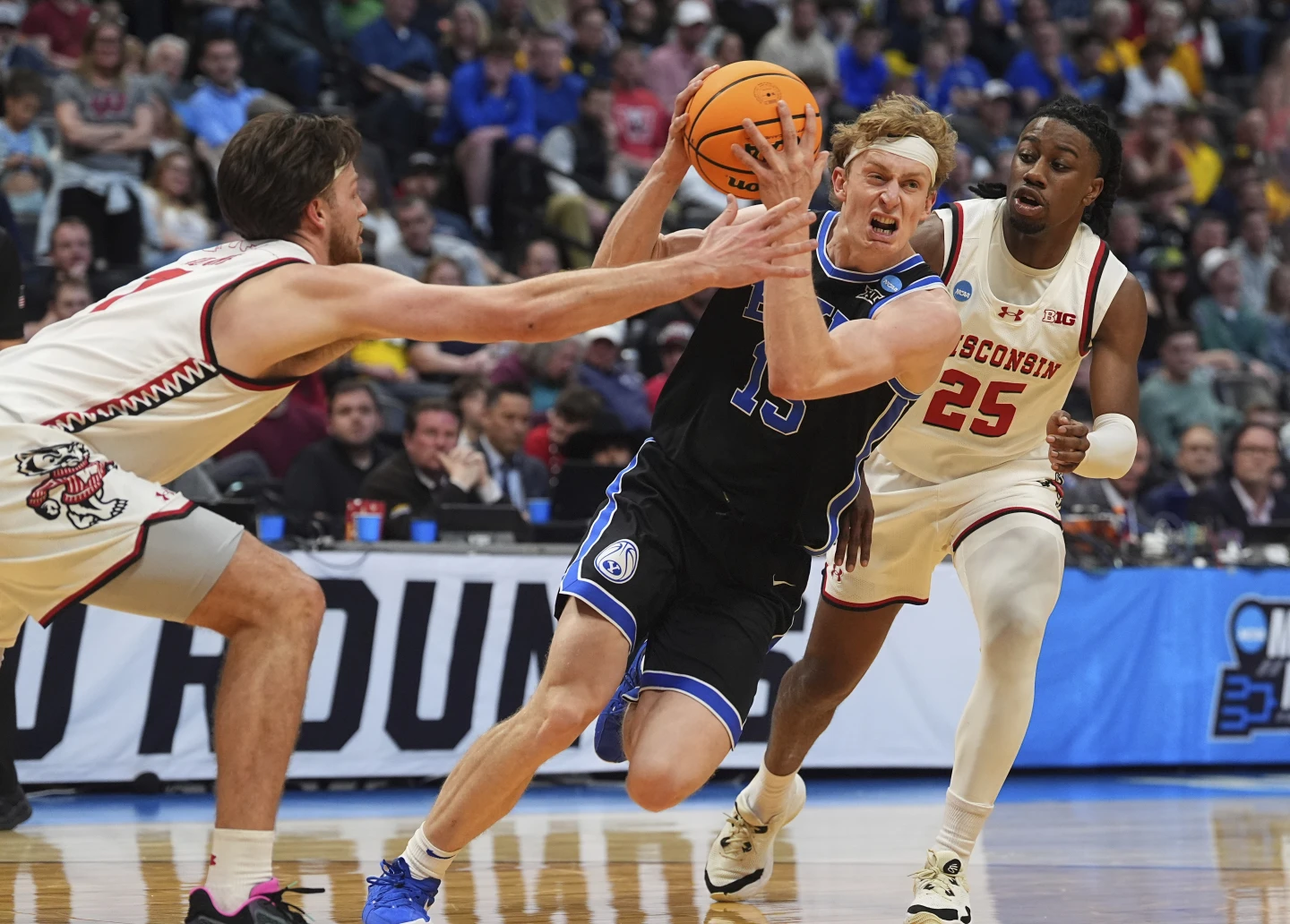
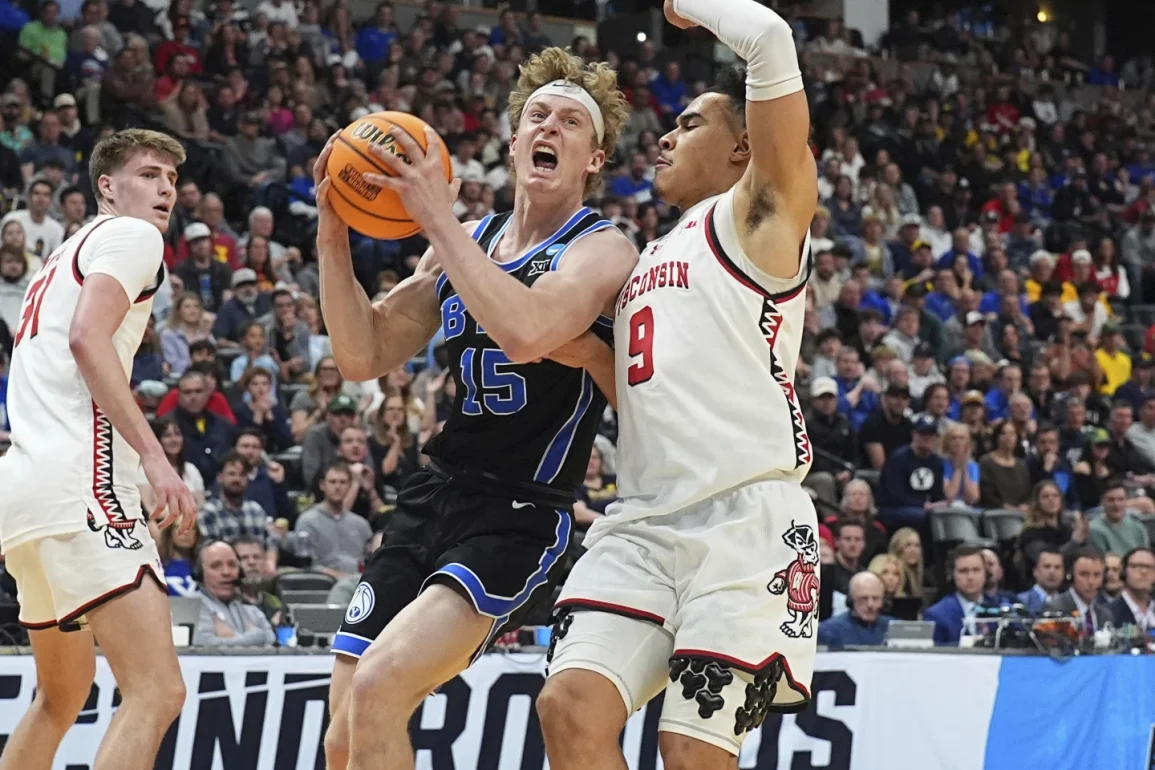
BYU and Wisconsin in the 2nd half

The good luck has been a big deal for Saunders

Ore-Ida not only changed its name in honor of Saunders, but the company is giving away free tots across the country from tipoff to the final buzzer of BYU’s Sweet 16 game. If BYU wins their first national championship — they’re 80-1 longshots, according to BetMGM Sportsbook — Ore-Ida will release a new limited-edition product: “Richie’s Tater Shots,” inspired by his shot.

“It’s been a super-fun partnership,” Saunders said. “It’s been so random, but so awesome. They’ve been super good.”

Saunders’ connection to the tater tot became big news during the Big 12 Tournament, and the story followed him last weekend to Denver, where BYU beat VCU and third-seeded Wisconsin. Saunders — who’s averaging 20.5 points, 5.5 rebounds, and 1.5 assists in the tournament — not only studied the game plan but took on a potato pitch.

“I think Ore-Ida has done a really good job because they jumped on the ship real quick,” he said. “They flew a team to Denver when we were there. I think a lot of it is up to them if they want to try to cash in just like I feel like they have. Tater tots have been sold out in Utah County this whole week.”

While some coaches might worry about the tots being a distraction, Young told his players to embrace all the new chances in the NIL world.

“Balancing all that has been interesting, especially during a time like this where your focus needs to be so high,” Saunders said. “Usually, I like to just kind of segment myself. I’m going to worry about NIL and all that stuff after the season. (Young) has kind of helped me, for example, being a professional basketball player, you have to have these kinds of conversations during the season.”

BYU and Wisconsin in the 2nd half

This is just the beginning for BYU: Win or lose against the Crimson Tide, the Cougars will have top recruit AJ Dybantsa next season, who made headlines this year after signing an NIL deal with BYU reportedly worth between $5 million and $7 million.

Not everyone is a fan of the tater tot: Three-time AP NFL Defensive Player of the Year JJ Watt — who played college football at Wisconsin — posted on social media that he was “boycotting tater tots for the next 48 hours” after BYU beat the Badgers last weekend.

That’s good news in Utah and for all the BYU fans. More tots for everyone else!

“It’s kind of funny to have tater tots be like the whole thing with the whole team now,” BYU guard Trevin Knell said. “Every time we go to team meals, we’re always joking about, where’s the tater tots. But shout-out to Richie and his great-grandpa, honestly.”
Categories
Basketball

T-shirts are everywhere during March Madness. Why? “It’s all about that dripper vibe.”

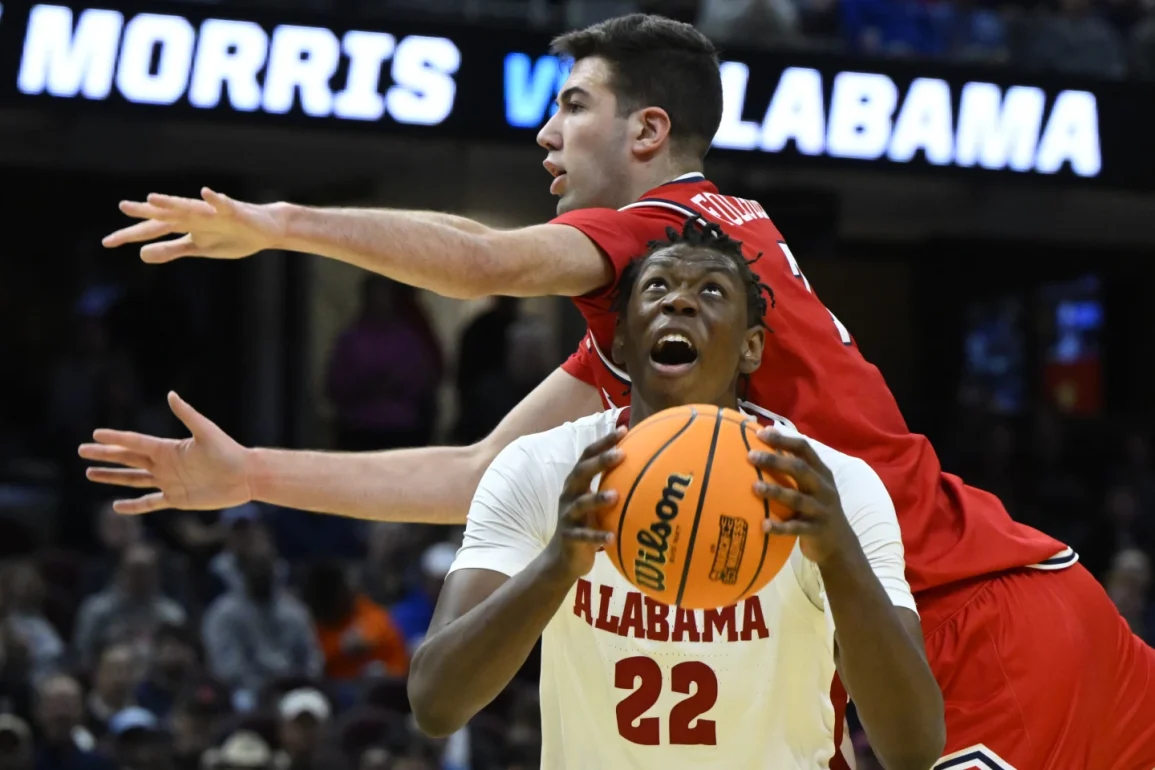
Mouhamed Dioubate would like to tell you he had a solid, practical reason for wearing a compression shirt under his Alabama jersey.

Maybe it keeps his arms warm. Maybe he enjoys how it feels. Maybe it’s a nod to the past, to players like Patrick Ewing and Chris Mullin, who wore T-shirts while playing basketball decades ago.

But that’s not the case. “It’s drippy,” Dioubate said with a laugh.

In case you’re unfamiliar, “drippy” is Gen Z slang for “stylish,” if you remember when Mullin and Ewing were young stars in the Big East, not Hall-of-Fame legends.

And it’s catching on. During March Madness, whether in the men’s or women’s tournament, players can be seen wearing short-sleeved and long-sleeved shirts. (For example, Maryland’s Allie Kubek played 49 minutes in a double-overtime game against Alabama on Monday with long sleeves under her white No. 14 jersey).

Every generation of basketball has its own look. From the afros and short shorts in the 1970s, to the baggy styles of the Fab Five in the 1990s, to Allen Iverson and his one-sleeve style in the 2000s.

Now, it seems like layers are becoming the trend. For years, between players like Ewing, Mullin, Cooper Flagg, and JuJu Watkins, T-shirts were mostly worn by a certain type of player. The kind of player you didn’t want to leave open for a 3-pointer.

“You know he’d be feeling good in that T-shirt,” said Robert Morris guard Kam Woods. “If you left him open, it’s over with.”

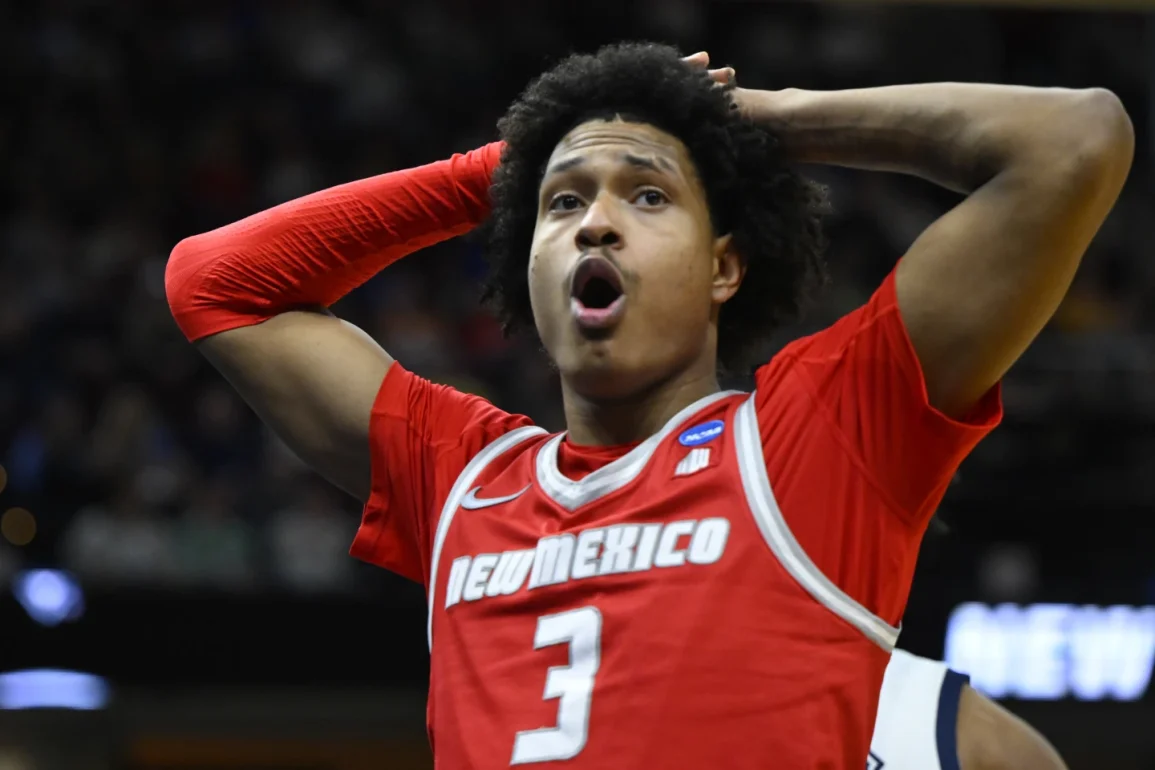
Tru Washington of New Mexico tried wearing an arm sleeve early in his career. He even tried pairing it with a tank top, but it felt odd. He then switched to a T-shirt but worried it might affect his jump shot. So, he played without one, but that didn’t feel right either.

Eventually, he returned to the T-shirt and — whether by chance or not — his 3-point shooting improved.

Flagg, who will lead top-seeded Duke against fourth-seeded Arizona in the Sweet 16 on Thursday, isn’t sure when he first started wearing a T-shirt. He’s pretty certain it wasn’t for fashion.

“For me, it’s just about being comfortable with what I’m wearing,” he said.

The same is true for Lipscomb’s Gyasi Powell, who had a specific reason for wearing a compression shirt when he joined the team. Without it, his jersey would stick to his chest because of sweat. “I sweat a lot,” Powell said. “After the game, I struggle to take it off. It helps with the struggle.”

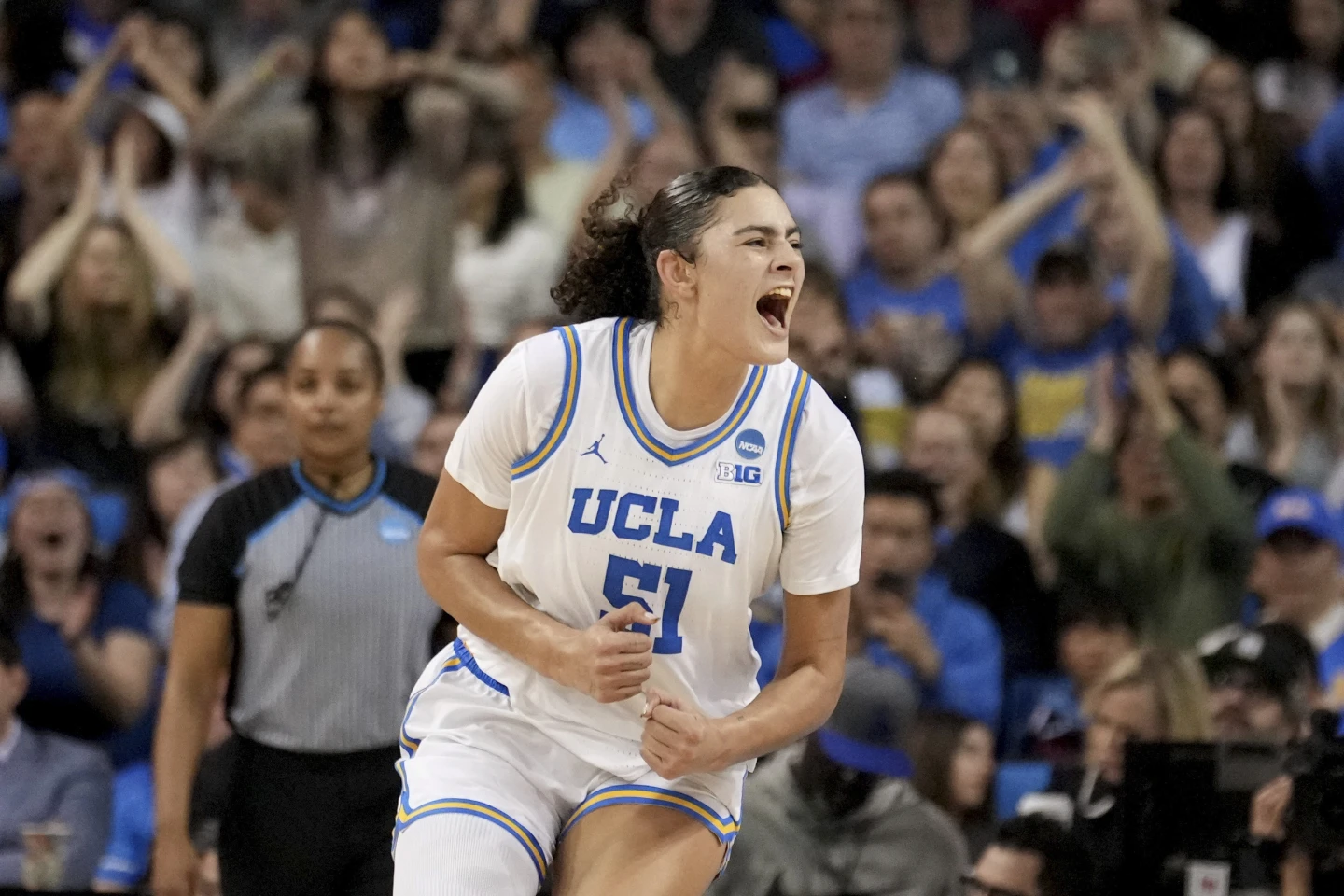
Lauren Betts reacts in the 2nd half

LSU’s Mikaylah Williams had a similar need for something to stop the sweat from running down her arms and onto her hands during games

Powell and Williams are part of the majority who choose moisture-wicking shirts. Lipscomb teammate Jack Ingold said the improvements in fabric are one reason these shirts have become so popular. They’re not like the heavy cotton shirts that turned Patrick Ewing’s gray undershirt nearly black by halftime.

“All the technology stuff that’s going into it now is making it more useful and accessible to athletes,” Ingold said.

Not everyone is a fan. Ole Miss guard Jaylen Murray prefers a looser shirt, saying the compression one feels “too tight.” It’s hard to argue with him, as the Rebels are in the Sweet 16 against Michigan State on Friday.

When Murray looks across the court, he might spot Spartans forward Frankie Fidler, who wears white sleeves and a white headband to hold back his shaggy black hair. Fidler started wearing this combination in late November after moving from the starting lineup to the bench.

“I thought I’d just switch everything up,” said Fidler, who scored 10 points in 17 minutes during a second-round win over New Mexico. “I think the headband came a little after that.”

When asked if he ever thought about wearing long sleeves, the 6-foot-7, 217-pound senior jokingly replied, “No, I like having my guns showing.”

Robert Morris guard Kam Woods made a change when his shot started to struggle later in the season. He didn’t have that issue when he wore a T-shirt in practice.

“I’m superstitious,” Woods said. “So anything that I feel like works, I’m going with.”

Walter Clayton Jr. celebrates after scoring in the 2nd half

In some teams, the T-shirt is everywhere. Most players on the Tennessee women’s team headed to the Sweet 16 wear one. But at Vanderbilt, Tyler Nickel was the only one who added a T-shirt under his jersey, even if it covered some of his tattoos on his left arm, a small price to pay for shooting 40% from 3.

The look also has a style to it. When Dioubate sees someone wearing a T-shirt, it means “they’re a hooper.” Not a baller. Not a player. A hooper. What’s the difference?

“Hoopers are more fluid,” he said. “If you’re wearing (a shirt), that means you’re a hooper.”

When Washington heard this, he nodded.

“You look good, you play good,” Washington said. “It’s all a part of that dripper vibe.”

Categories
Basketball

Will Wade paid for his LSU mistakes and is now grateful for a second chance at NC State

Will Wade stood on stage, receiving applause from Wolfpack supporters excited about his plan to restore a strong men’s basketball program and make it a consistent contender in the Atlantic Coast Conference.

The feeling was mutual. Three years had passed since Wade was fired at LSU due to allegations of recruiting violations involving money, which were part of a federal corruption investigation into college basketball that also affected N.C. State, along with several other schools.

Now, he’s back in a power-conference role, but the college environment has changed significantly.

“I’d be lying if I told you I thought three years ago that I knew an opportunity like this would come again,” Wade said during his introductory press conference on Tuesday. “I did not, I did not. I’m thankful.”

Wade’s coaching abilities have never been in doubt. At 30, he became Chattanooga’s head coach and has since led teams at VCU, LSU, and McNeese to seven NCAA Tournament appearances in eight years.

However, his firing at LSU left him with baggage that made him a controversial figure. He spent a year out of coaching before serving a 10-game NCAA suspension at McNeese to begin his tenure there.

Two things stood out on Tuesday during his press conference. First, Wade remained confident, making bold promises about future success. Second, he showed humility and regret. He thanked McNeese for giving him a chance and promised to approach the job with passion but without the arrogance that had caused problems for him before. He assured N.C. State fans that they would “get the best version of me.”

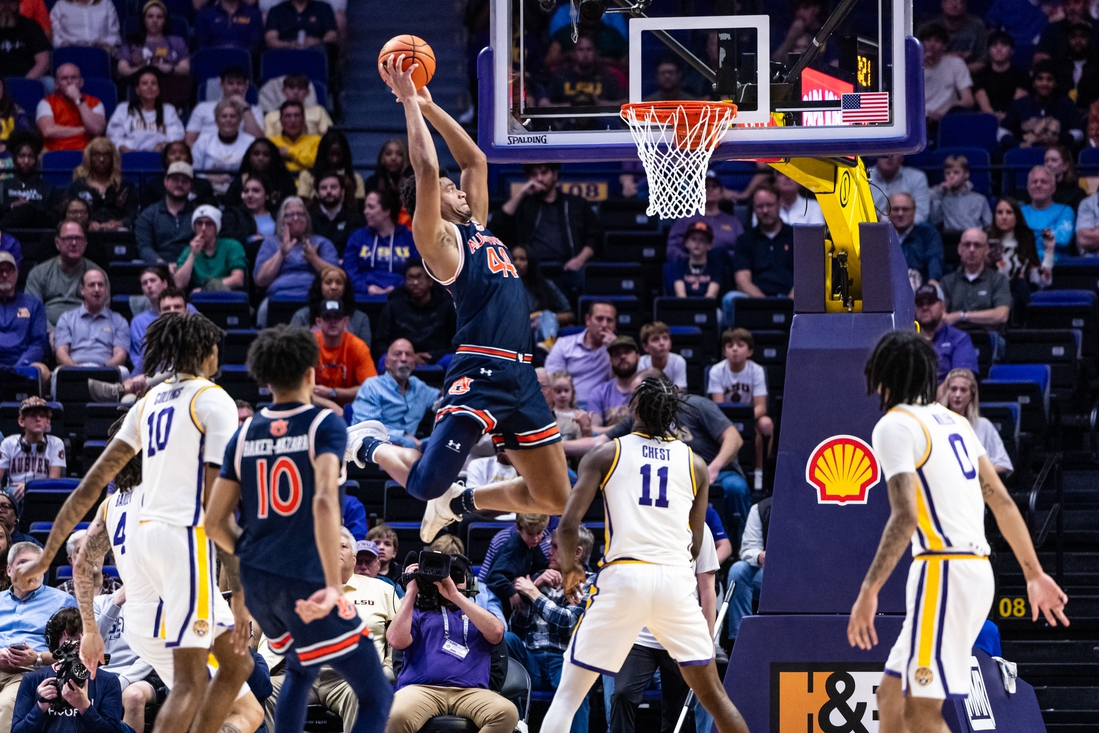
No. 1 Auburn and LSU

‘I paid for it’

In a later interview with The Associated Press, Wade made it clear that he wouldn’t use the current changes in the sport as an excuse for his past actions. Even though payments connected to his LSU firing would be legal today, with college athletes now allowed to earn money from their name, image, and likeness, Wade did not see it that way.

“To me, that’s a cop-out,” Wade told the AP. “When I was doing that, it was illegal. Just because it’s legal now doesn’t mean it was the right thing to do then. And I think that’s how some people justify things, but that’s not the reality. It wasn’t right to do then and, you know, I paid for it.”

Wade had been under suspicion since 2019 when reports revealed leaked excerpts from an FBI wiretap, in which he was heard talking to a person convicted of funnelling illegal payments to recruits’ families. In the transcripts, Wade discussed making a “strong” offer to a third party representing then-LSU player Javonte Smart.

Wade mentioned during his press conference that dealing with the fallout from LSU forced him to have “some hard conversations” with himself. Wolfpack athletic director Boo Corrigan needed to hear about these reflections when he met with Wade in Houston during the hiring process.

“To hear him be repentant for what occurred, to hear him own what occurred, to hear him talk about what he’s learned,” Corrigan told the AP. “Think about it: how hard is it when you’re 35 years old, making millions of dollars, you’ve never lost, and everyone’s telling you how great you are? Imagine your ego gets bigger and bigger and bigger.

“I think it’s one of those things that he’s learned it’s not about him, it’s about what he does and everyone around him. He was just really, really good when we were there.”

Despite everything, Wade’s confidence in himself remains strong.

“You’ve still got to have the same confidence, but it’s not a cockiness or an arrogance to the sense of you’re never going to get caught or nothing’s ever going to happen,” Wade told. “That’s where the line is.”

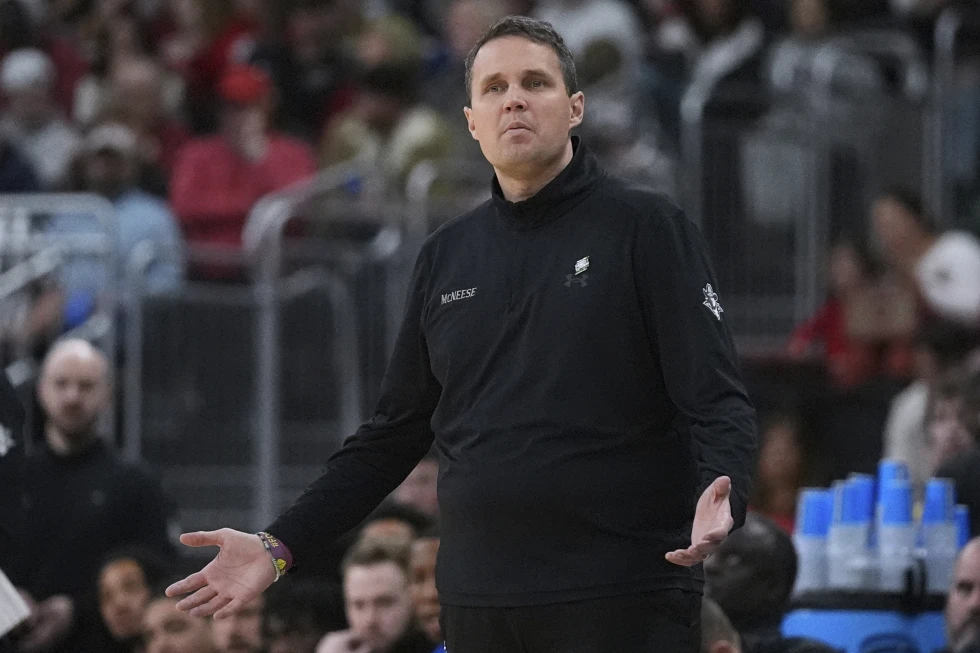
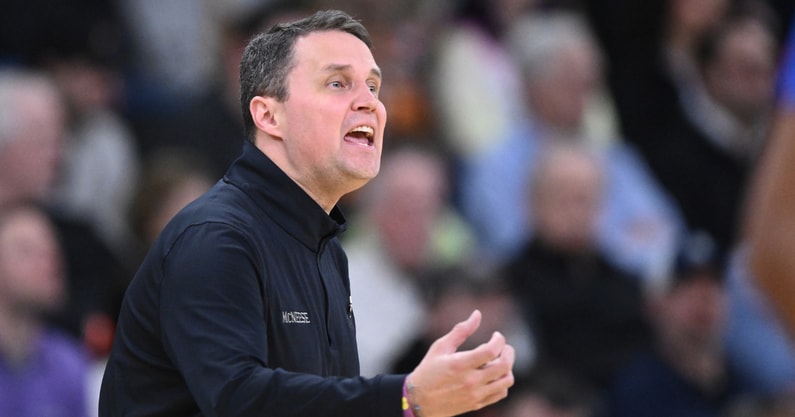
Will Wade yells from the sidelines

Pushing the Pack

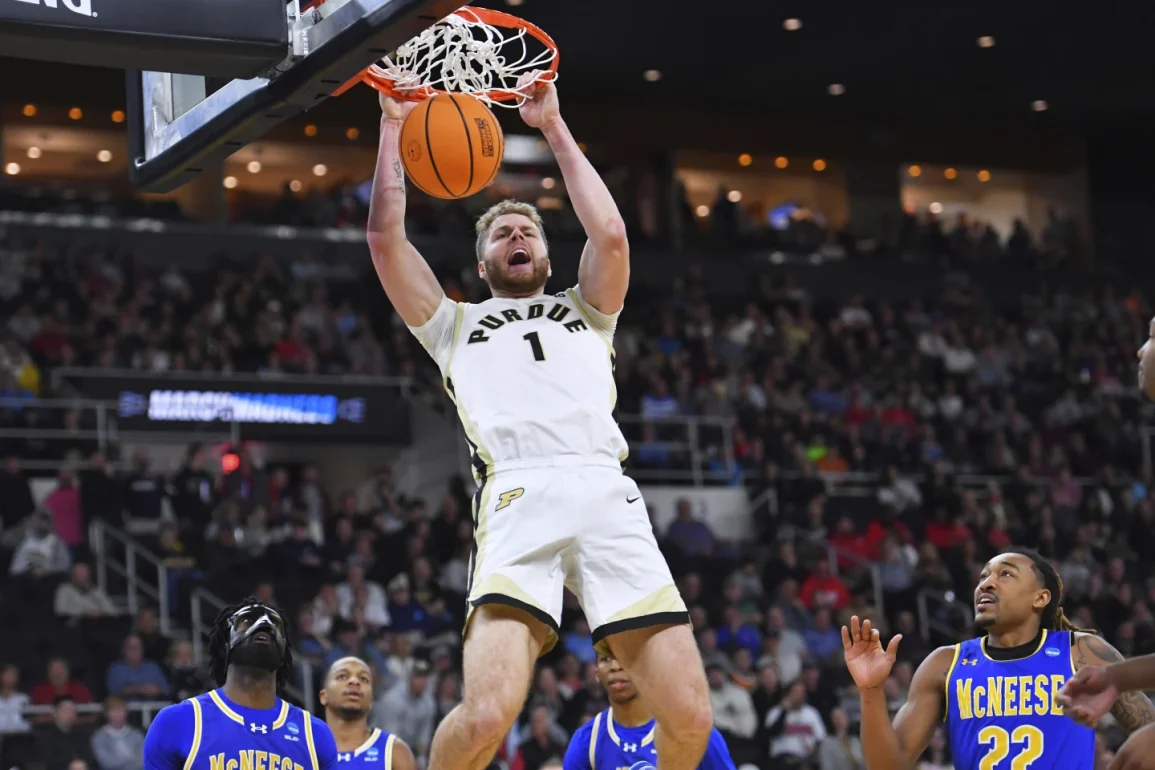
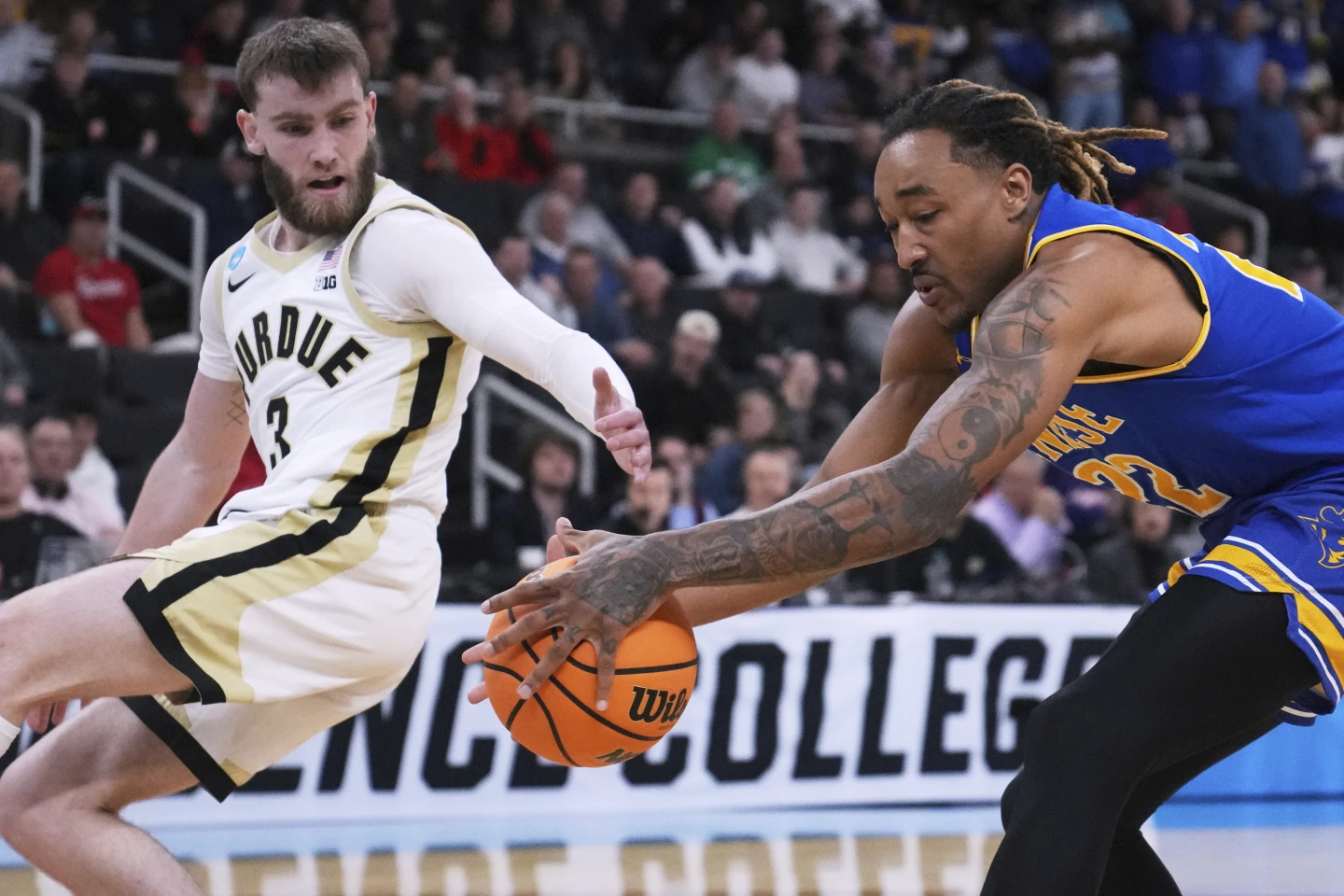
The Wolfpack announced Wade’s hiring on Sunday, just one day after his McNeese team lost to Purdue in the second round of the NCAA Tournament, following an upset win over Clemson in the first round.

The hiring wrapped up a smooth search for the Wolfpack and athletic director Corrigan, who brought in a coach that had strong support among N.C. State fans on social media. Fans even pointed out that Wade Avenue, fittingly named, runs right by the Wolfpack’s home arena in Raleigh.

Under Kevin Keatts, N.C. State made three NCAA Tournament appearances in eight seasons, and they were on track for another trip before the COVID-19 pandemic led to the cancellation of the 2020 NCAA Tournament.

Last year, Keatts led the team on a remarkable run, winning N.C. State’s first ACC Tournament title since 1987 and making it to the Final Four for the first time since Jim Valvano’s “Cardiac Pack” made their surprise 1983 NCAA title run.

However, this season ended with a disappointing 12-19 record, continuing a trend of the program struggling to maintain consistent success. N.C. State faces a tough challenge in the Triangle area of North Carolina, where they share the region with UNC and Duke, two powerhouse programs with a combined 13 NCAA championships, all within a half-hour’s drive from one another.

Wade is not intimidated by this challenge. During his news conference, he got the group of Wolfpack donors and supporters excited about his plans for the team.

“Everybody’s singing from the same sheet of music,” he said. “When that happens at N.C. State, there’s going to be a reckoning for the ACC, there’s going to be a reckoning for college basketball. And it’s coming. And it’s coming soon.”

He made it clear: “I want to be very clear: this is not a rebuild. We’re going to be in the top part of the ACC next year and we’re going to the NCAA Tournament.”

Supporters immediately erupted into applause and cheers. Wade seized the moment and added, “Make sure you got that on camera,” with a confident smile.

Categories
Basketball

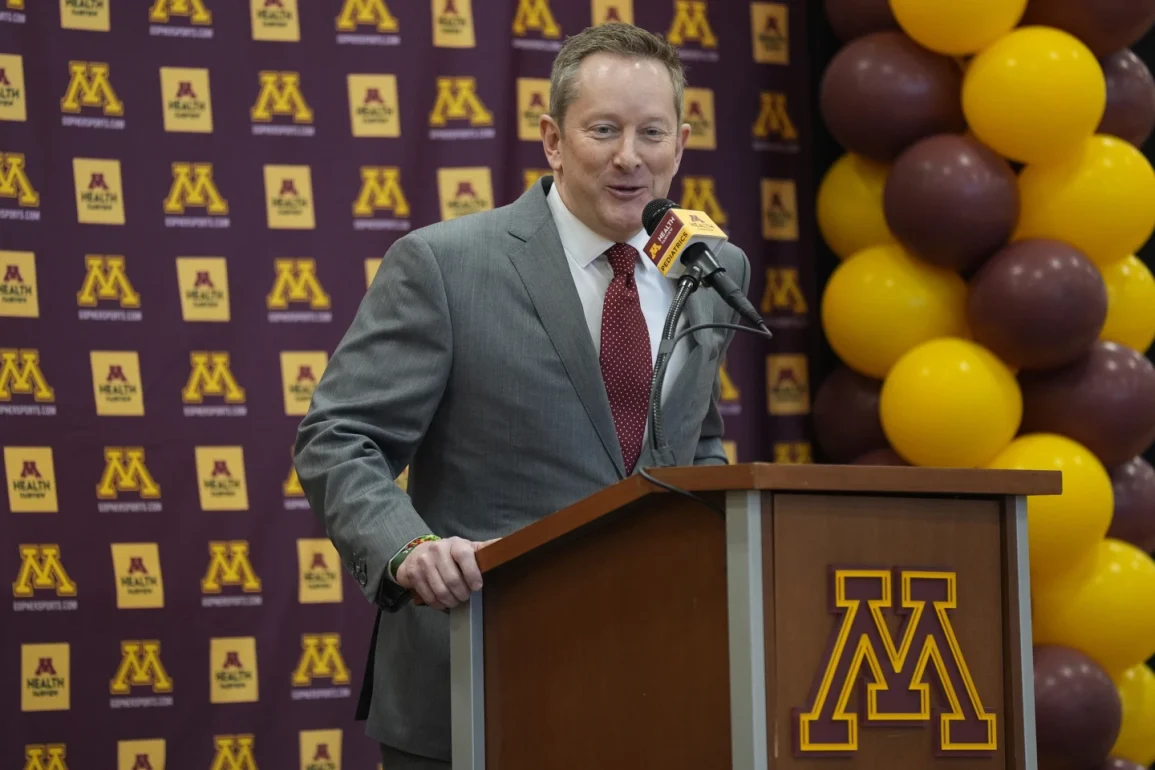
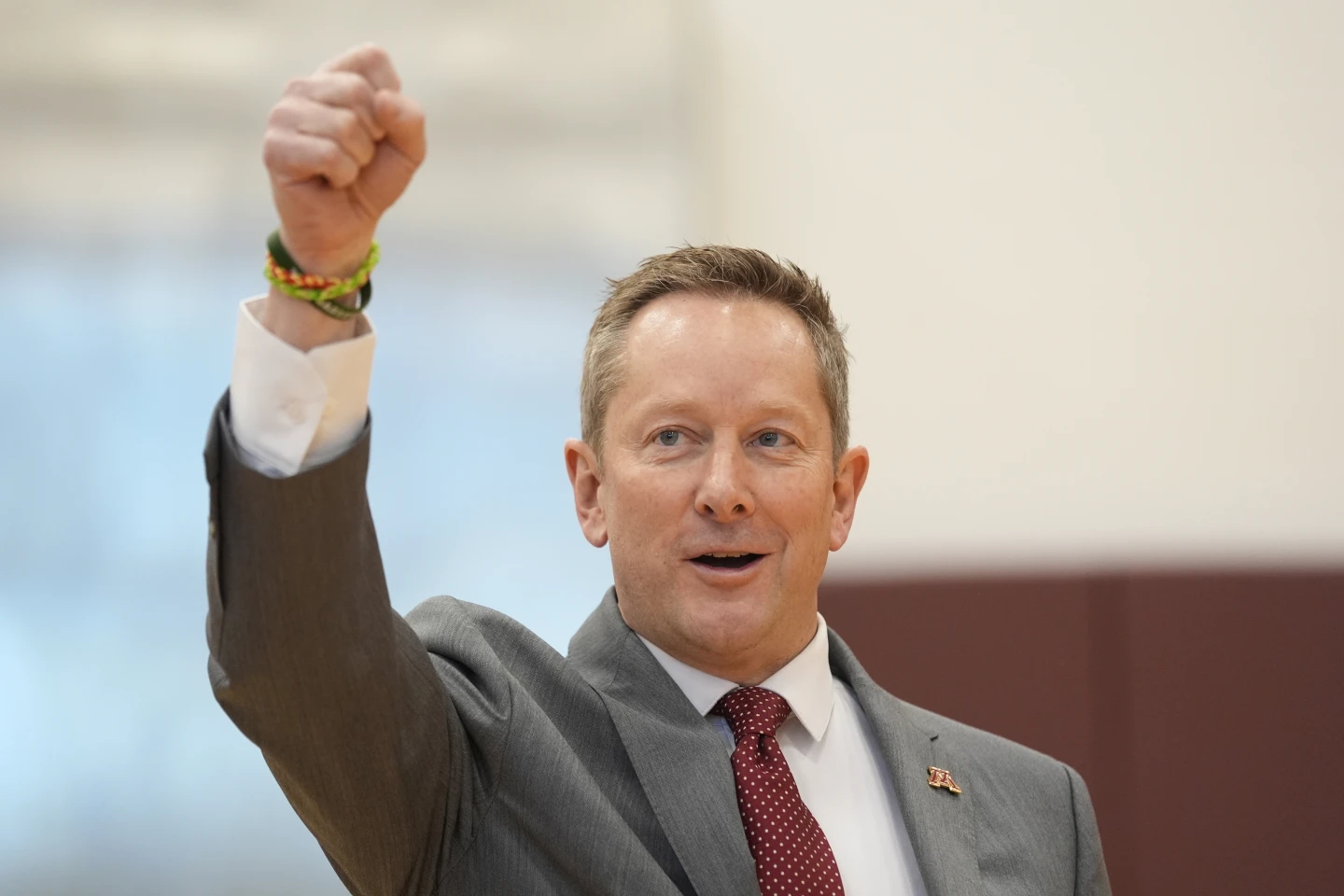
Niko Medved grew up in a Gophers basketball family and is now the team’s head coach

Niko Medved’s connection to the Gophers started even before he was born, when his father purchased season tickets that sparked his love for college basketball.

With this early introduction, it seemed almost certain that he would eventually become the coach at Minnesota, even though part of him still couldn’t believe the job he left Colorado State for was actually his.

“If you really believe in something and you stick with it and you get the right people who support you, anything can happen,” Medved said during his introductory press conference, which was attended by his family, current players, program supporters, and other Gophers coaches and cheerleaders in maroon and gold.

Medved, who was given a six-year contract starting at $3 million annually, never imagined such a salary when he enrolled at Minnesota in 1992 and became a student manager on the team under coach Clem Haskins.

At that time, Williams Arena was much harder for opponents to win in, and Gophers basketball was extremely popular in town.

“It’s just a magical place,” Medved said.

Williams Arena, often called “The Barn,” is 97 years old and has an uncertain future. Gophers fans often argue whether it should be torn down and replaced or simply renovated to improve the fan experience. But Medved made it clear that his focus is on recruiting, staff, and community support, not the age of the arena. The Gophers do have a new practice facility that opened in 2018.

“When that place is packed, there’s a certain energy in there that’s different than anywhere you go,” Medved said. “There’s ghosts in Williams Arena. Do you know what I mean? In a good way. I want that to be a strength of our program.”

Details of his contract, released by the university on Tuesday, include annual raises of $100,000 and automatic one-year extensions for each NCAA Tournament appearance. The deal still needs to go through a background check and be approved by the Board of Regents within two weeks.

Athletic director Mark Coyle has made it clear that improving men’s basketball is a priority, a commitment that comes at a high cost. Colorado State is owed a buyout for Medved, which is one-third of the remaining value on his contract.

Niko Medved gestures while arriving for a game

Minnesota also has a buyout of about $2.9 million for his predecessor, Ben Johnson

Including Medved’s $1 million salary increase compared to Johnson’s, the total cost of this transition, even with the money coming from different sources, is more than $10 million.

Coyle stated that the athletic department’s budget can cover these expenses without going into debt, with reserve funds being used for Medved’s buyout. His goal is for the men’s basketball team to be paid, including revenue sharing and NIL money, at a level that ranks in the top one-third of the Big Ten.

One way to help achieve this is by filling more seats at Williams Arena. The average attendance for 19 home games this season was 8,923 fans per game, which is about 61% of the arena’s total capacity.

“Our crowds weren’t what we hoped they would be. When the fans did show up, they were awesome and they were loud, but there’s no doubt we need that energy, that excitement,” Coyle said. “That’s no disrespect to anybody before, but we needed something different.”

Johnson, who was from the Twin Cities area and had been an assistant with the team, was replaced by Medved, who brings 12 years of head coaching experience at Furman, Drake, and Colorado State. Medved took a moment to praise Johnson at the start of his speech, showing respect for their friendship in the competitive world of coaching.

Under Johnson, the Gophers never made the NCAA Tournament in four years, and they’ve only been there twice in the past 12 years. That makes it a good starting point for Medved.

“I just feel like now is a time,” Medved said. “We’ve gone through this transition in college athletics, and now is the time more than ever that Minnesota is poised to take the next step forward.”

Categories
Baseball

Derik Queen, known as ‘Baby Jokic,’ shines in March Madness

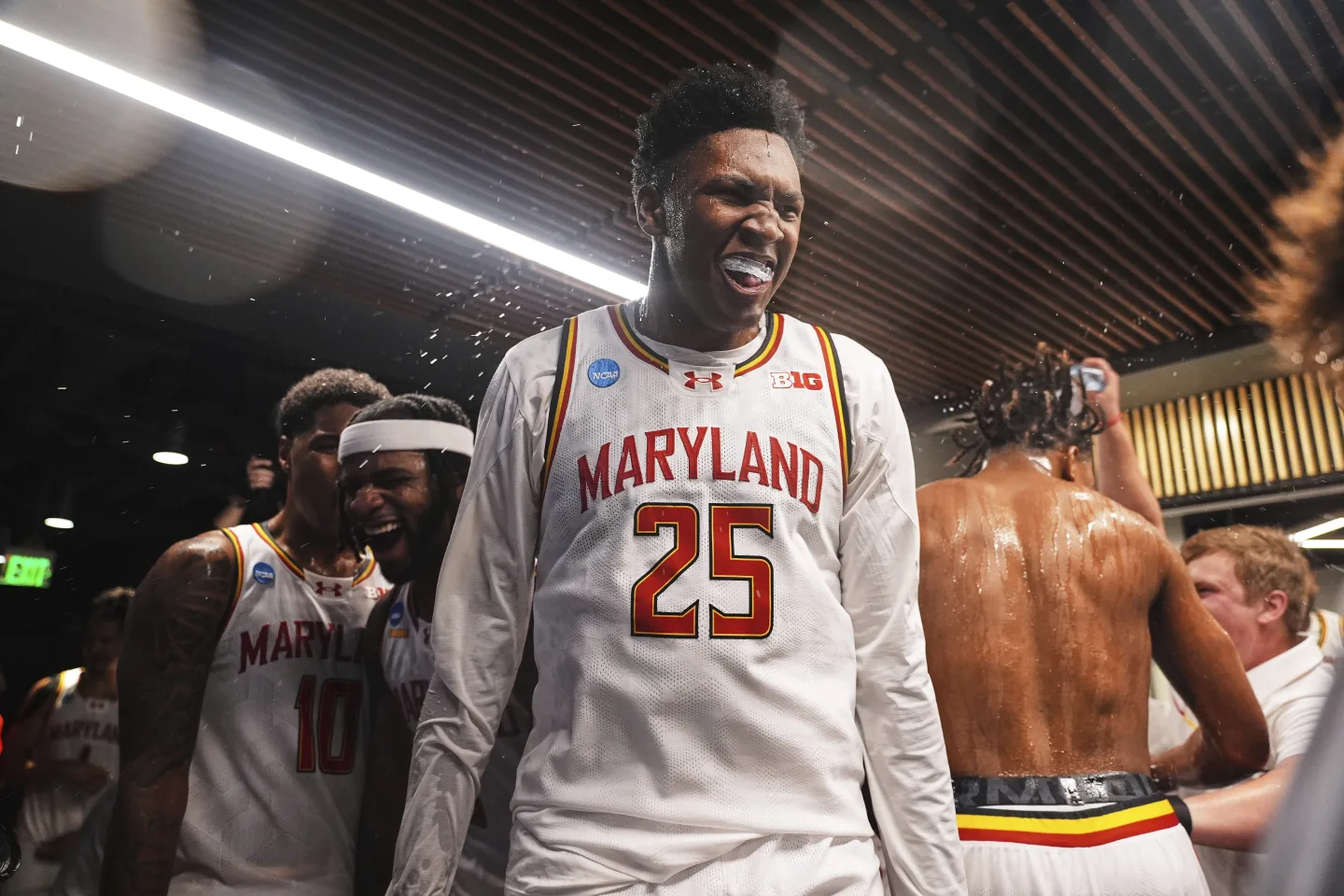
Derik Queen’s teammates at Maryland call him “Baby Jokic.”

Although Queen is a very skilled big man, he’s still young at heart, always joking around with a big smile that shows his braces.

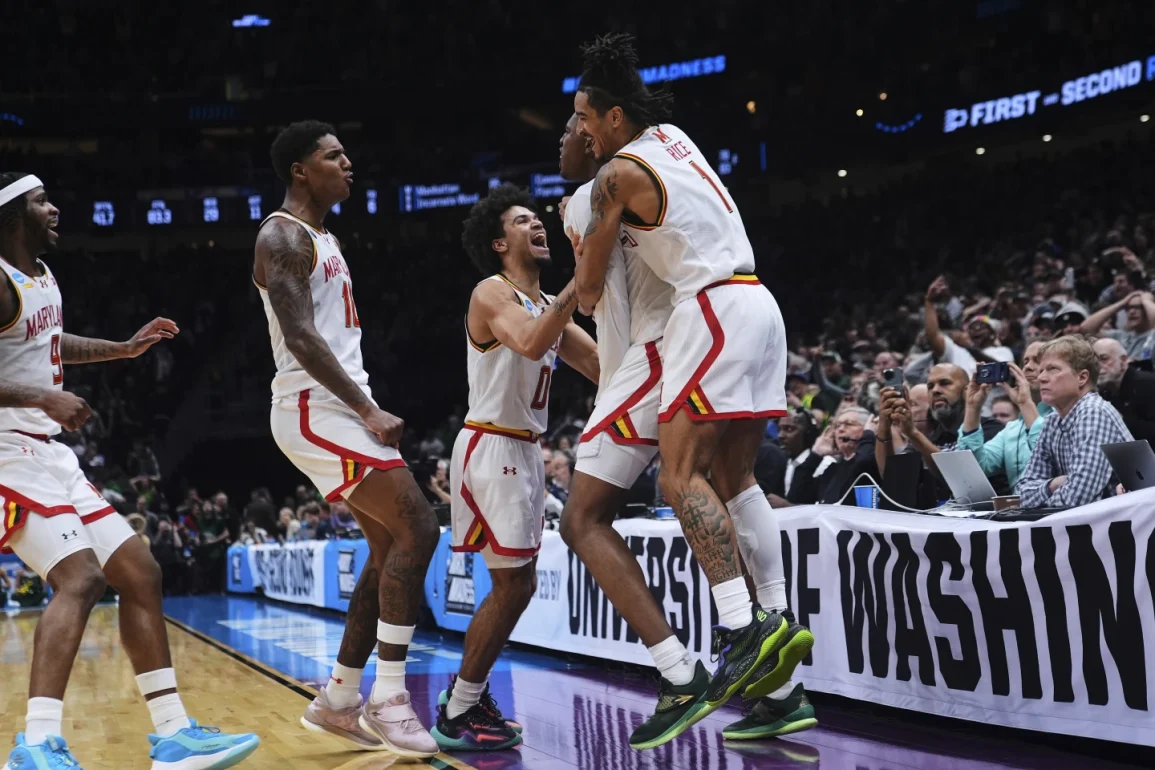
The Big Ten Freshman of the Year helped Maryland reach the Sweet 16 with a last-second, off-balance fadeaway shot against Colorado State, which gave the Terrapins a 72-71 victory.

Next, the fourth-seeded Terps will play No. 1 Florida in San Francisco in the NCAA Tournament.

“I think everyone calls him Baby Jokic because he plays in the low post and gets everyone involved,” said teammate DeShawn Harris-Smith. “He’s my roommate and probably my closest friend on the team, so I love playing with him and being part of his journey.”

Standing 6-foot-10 and weighing 250 pounds, Queen is the key player for Maryland’s starting lineup, known as the “Crab Five,” a reference to the famous Michigan Fab Five from the early 1990s and Maryland’s well-known food.

The Crab Five has started every game for the Terps since Nov. 19, with all of them averaging in double figures heading into the tournament.

Queen’s teammates all mention how much he enjoys the game and life in general.

“He just has such a great energy about him,” said Terps coach Kevin Willard. “When you’re around him, you’re going to smile, laugh, and hug him.”

In the win against the Rams, Queen scored 17 points, Rodney Rice had 16, and Julian Reese contributed 15 points and 11 rebounds, with each of Maryland’s starters scoring in double figures. The bench scored only two points.

Derik Queen celebrates with the team after the win

Queen proudly shared that the game-winning shot against the Rams was his first

Willard said that during a timeout, he asked who wanted the ball for the final play, and Queen was the obvious choice.

“It was just a simple zipper, give him the ball, and let him go to work,” Willard said.

After being swarmed by his teammates in celebration, Queen was asked by a reporter where his confidence came from. “Well, I think I’m from Baltimore, that’s why,” he said.

Queen is indeed proud of his Baltimore roots. After impressing as a freshman at St. Frances Academy, he moved to Florida to play for the well-known Montverde Academy.

But he returned to Maryland to play for Willard. Throughout the season, Queen has averaged 16.2 points and 9.1 rebounds.

“A lot of people don’t really make it out of Baltimore, and I just wanted to come here and make a change,” Queen said. “And hopefully, I did make a change, so Coach Willard can keep getting a lot of local kids.”

It’s still too early to know if Queen will make the jump to the NBA, as he’s focused on the tournament, but his game-winning shot against the Rams certainly increased his chances, even as a potential lottery pick.

For now, Queen is focused on Florida, which won 77-75 against UConn on Sunday, ending the Huskies’ pursuit of a third straight title.

Florida (32-4) reached the Sweet 16 for the first time since 2017. The Terps (27-8) haven’t been this far in the tournament since 2016.

There are many reasons why people compare the 20-year-old Queen to Denver Nuggets star Nikola Jokic, such as his passing, ball control, defense, and ability to make shots from everywhere on the court.

So the nickname wasn’t far off, and it was confirmed when WNBA star Angel Reese, the sister of Maryland’s Julian Reese, posted on social media: “Derik is literally baby Jokic omg.”

And it turns out that Queen can also make game-winning shots.

“When he said he wanted the ball and the way he said it, I knew something good was going to happen because good things happen to great people,” Willard said. “And he is a great, great person.”

Categories
Basketball

Ryan Odom highlights his Virginia roots in his coaching debut

Ryan Odom grew up surrounded by Virginia basketball and now, he’s been given the job of bringing the Cavaliers back to the top of college basketball.

“This is the place that I fell in love with basketball,” Odom said on Monday during his introduction as coach. “This is the place where I was shaped in so many ways.”

Odom spent much of his childhood in Charlottesville while his father, Dave, worked as an assistant coach for Virginia’s Terry Holland from 1982 to 1989. Odom even worked as a ball boy for the team.

During a homecoming event filled with fans, the pep band, and cheerleaders, Virginia officially named Odom as the permanent replacement for Tony Bennett, who led the team to its only national championship in 2019.

That win came the year after one of the biggest upsets in NCAA history, when Odom’s Maryland-Baltimore County team shocked Virginia by defeating them in the first round of the 2018 NCAA tournament, making history as the first 16-seed to beat a 1-seed.

“I feel very prepared to take on what everyone knows is a daunting task, following Coach Bennett, following a legend,” Odom said. “I’ll be honest. I’m at peace with that. I’m not afraid of it. I wouldn’t be standing here if I was afraid of it.”

Ron Sanchez, who served as Virginia’s interim coach after Bennett unexpectedly retired three weeks before the season, had a record of 15-17 and was not kept on.

While Odom’s connection to Charlottesville certainly helped him become a candidate, Virginia’s athletic director, Carla Williams, made it clear that he was chosen not just because of that or his time coaching at VCU in Richmond, which is only an hour away.

Williams said Odom’s solid record as a head coach — with a 221-127 career record over 11 years — along with his character and ability to adapt, made him the right person for the job.

“We trust him with this program,” Williams said. “Which is saying a lot because so many have put so much into this program. We trust Ryan with it.”

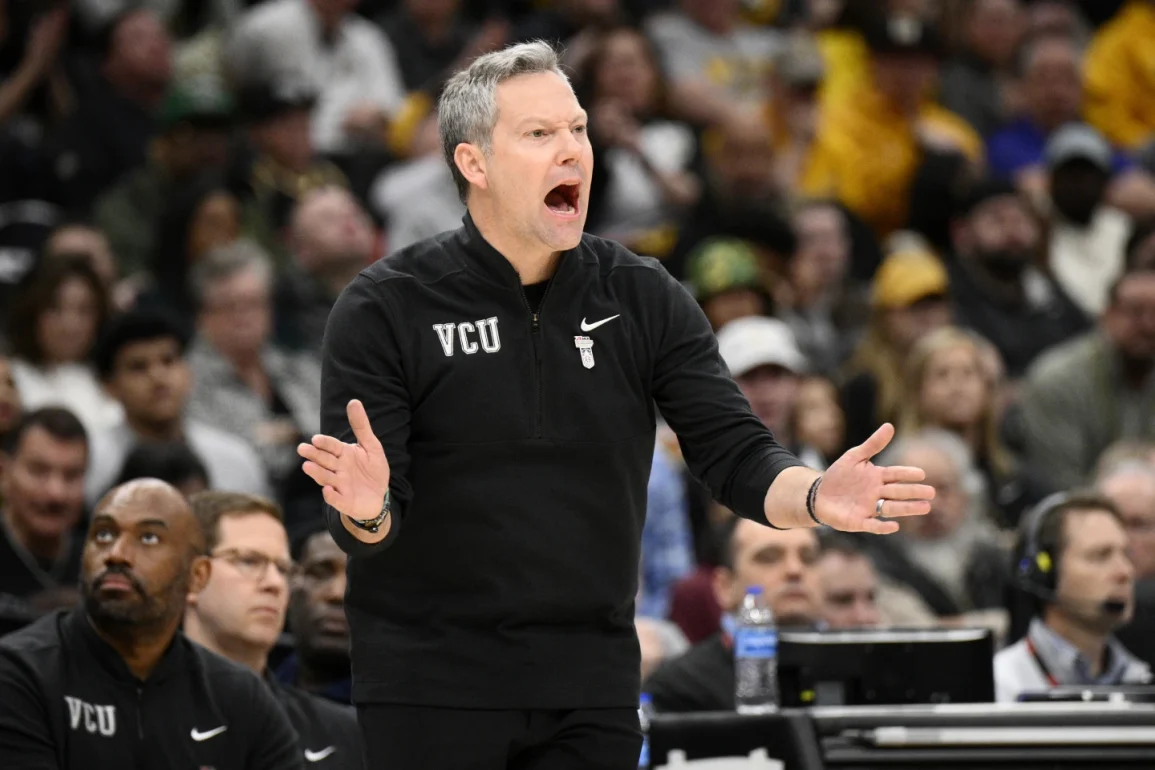
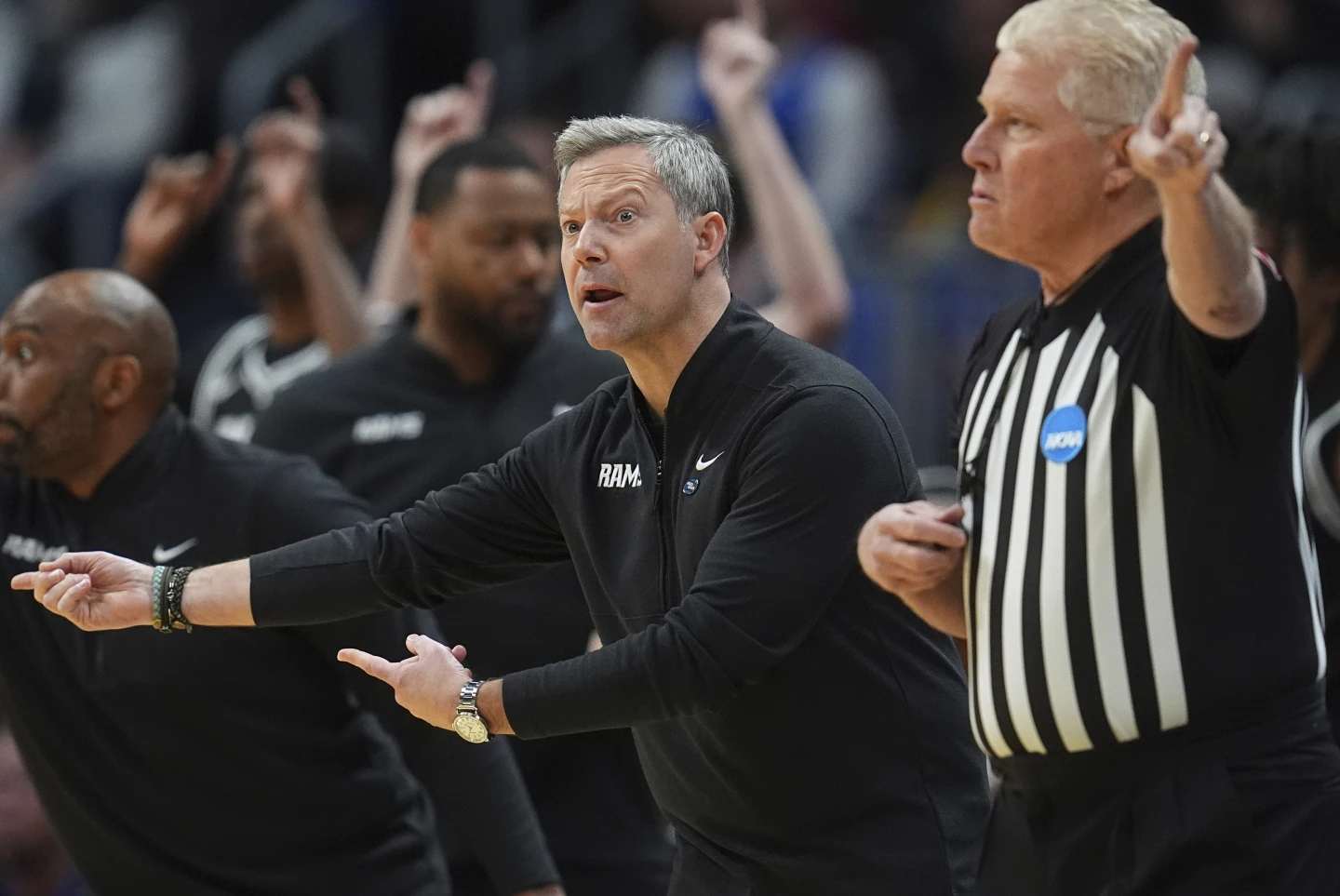
Odom led VCU to a 28-7 record this season, winning the Atlantic 10 championship and taking his third team to the NCAA tournament. He had previously led UMBC and Utah State into the tournament as well.

VCU’s season ended with a first-round loss to BYU last Thursday.

With the NCAA transfer portal opening on Monday, Virginia wasted no time finalizing an agreement with Odom, announcing his hiring on Saturday.

Ryan Odom directs his team in the 1st half

Williams mentioned that Odom’s contract is still being worked out, but she did not share any details

Odom said that most of his staff at VCU would be joining him at Virginia, including assistants Matt Henry and Bryce Crawford. He also mentioned that longtime Virginia strength and conditioning coach Mike Curtis would stay with the program.

Longwood coach Griff Aldrich, a close friend of Odom’s, stepped down from his role with the Lancers on Sunday and will join Virginia as the associate head coach.

As Odom walked out onto the court at John Paul Jones Arena, through a tunnel of blue and orange balloons and to the sounds of AC/DC’s “Thunderstruck,” he smiled as the crowd cheered. This new beginning seemed to overshadow the painful memory of Virginia’s loss that many fans still associate with Odom.

Odom’s UMBC team, which played with confidence, shocked Bennett’s more methodical Virginia team in a 74-54 upset during March Madness.

Williams and Wally Walker, who was part of the search committee that selected Odom, said the upset didn’t come up much during Odom’s interviews.

“It hasn’t left any of our memories,” Walker said. “That was a hell of a coaching job.” Odom, wisely, did not bring it up in his introductory speech. Instead, he focused on his strong connection to the Virginia program.

Jim Larrañaga, who retired this past season after 41 years as a college head coach, was an assistant coach for Virginia under Holland. He shared an office with Dave Odom.

“He was always around the gym,” Larrañaga said, remembering how his son Jay became childhood friends with Odom.

Larrañaga said his memories of the young Odom — who would ride his bike to University Hall after elementary school to attend practices — were not as clear as his recent experiences with Odom as a coach.

In fact, a 77-70 loss to Odom’s VCU team was one of the 12 games Larrañaga coached this season for Miami before retiring.

“One of my last losses was against VCU,” Larrañaga said. “They beat us. You could tell they had a good team and they’d be very competitive in the A-10.”

Odom, who served as interim coach at Charlotte for 19 games in 2015 and spent a year at Division II Lenoir-Rhyne in 2015-16, has won over 20 games in six of his nine full seasons as a Division I coach.

It will be challenging for him to change the fact that most people know him as the coach who upset Virginia in a historic way.

However, as Bennett showed, winning a national championship with the Cavaliers can significantly change how a coach is remembered.

Categories
Basketball

Coach Matt Painter’s skill in adjusting strategies has led Purdue back to the Sweet 16

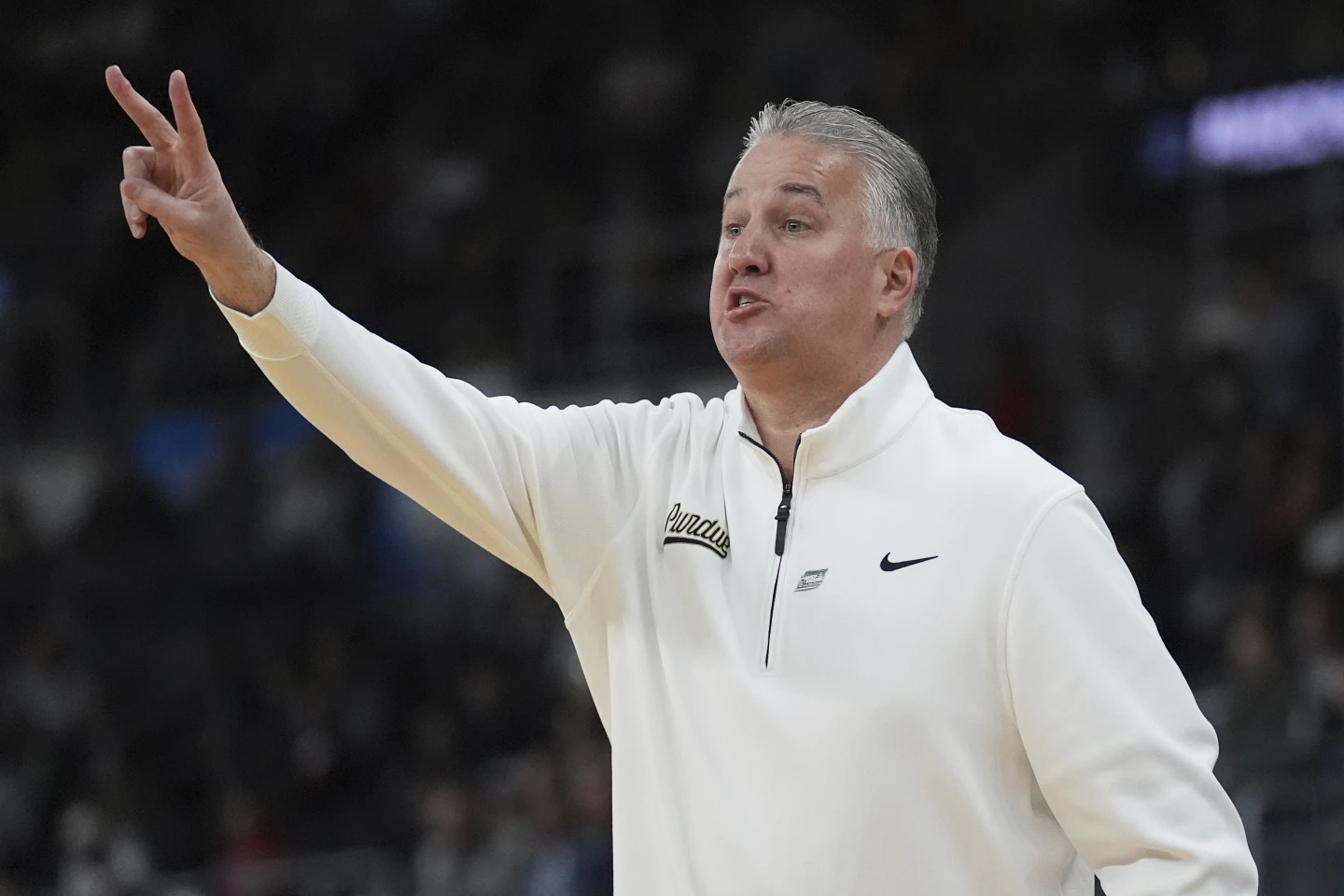
Matt Painter has experienced almost everything during his 20 years as Purdue’s coach.

He has won nearly 500 games, five conference regular-season titles, and two Big Ten tournament championships. He has reached the Final Four, played in a national championship game, and is one of only two coaches to lose to a No. 16 seed in March Madness. He has even finished last in the league twice.

Yet, in a time when change is constant in college basketball, Painter has remained consistent due to his ability to win with a simple, tested approach and his remarkable skill in adjusting to Purdue’s strengths and weaknesses.

“It’s a really unique deal,” said the 54-year-old Painter before last week’s first-round NCAA Tournament victory. “When we win, people say we’re great at developing players, and when we lose, we don’t go in the (transfer) portal enough. It’s kind of like being married, right? Damned if you do, damned if you don’t.”

The results speak for themselves.

Purdue has finished in the Big Ten’s top four in 10 of the last 11 seasons, made it to 10 straight NCAA tournaments, and reached the Sweet 16 six times in the last eight years. The Boilermakers (24-11) are now just one win away from their fourth consecutive 25-win season and a return to the Elite Eight, even without two-time national player of the year Zach Edey.

Fourth-seeded Purdue will face top-seeded Houston (32-4) in the second Midwest Region semifinal Friday in Indianapolis, about an hour’s drive from the school’s campus.

The Change

How has Painter stayed successful for so long?

He learned some tough lessons after his team, the “Baby Boilers,” took him to his first two Sweet 16 appearances in 2009 and 2010. Purdue lost in the second round in 2011 and 2012 and then missed the tournament entirely in 2013 and 2014 with losing records in conference play.

So, Painter made changes and returned to some of the lessons he had learned from other coaches he worked with and played for.

“At Purdue, it’s don’t look at what other people are doing, don’t get to that point. Just look at what’s the best way to recruit,” he said. “I’ve yet to meet a really good coach with bad players.

Matt Painter calls to his players in the 1st half

You’ve got to get good players, but you’ve got to get good people and it’s that combination. We lean more toward skill because we struggled the other way.”

The results didn’t change immediately.

While Purdue returned to the tournament after a two-year absence, some people believed Painter’s teams underachieved in the postseason because of early losses to Cincinnati in 2015 and Little Rock in 2016—long before the loss to Fairleigh Dickinson in 2023.

Different Styles

People started to see Painter in a new light when a well-balanced, experienced team helped the Boilermakers return to the Sweet 16 in 2017 and 2018. These teams reminded many of the 2009 and 2010 Purdue teams.

Since then, Painter, except for the no-tournament COVID-19 season in 2020 and the disappointing loss to Fairleigh Dickinson in 2023, has found different ways to win.

In 2019, the Boilermakers relied a lot on the sharp-shooting guard Carsen Edwards. In 2022, they depended heavily on power forward Trevion Williams and future NBA lottery pick Jaden Ivey. Last year, it was the 7-foot-4 Zach Edey who helped Purdue reach its first Final Four since 1980.

Now, they are back in the Sweet 16 with another new look thanks to the dynamic play of point guard Braden Smith, the Big Ten player of the year, and the rise of forward Trey Kaufman-Renn, a unanimous all-conference selection.

“I’m proud that the older guys get to experience this without one of the best basketball players in college basketball history,” Kaufman-Renn said after beating McNeese in Saturday’s second-round game. “I know they had something to prove.”

This success hasn’t happened by chance.

Christian Shumate and Braden Smith in the 1st half

Smith won the prestigious 2022 Indiana Mr. Basketball Award over his current teammate Fletcher Loyer, but Painter was the first Power 5 coach to offer Smith a scholarship.

Two days later, Smith accepted, and by the next March, they all had to deal with the loss to Fairleigh Dickinson, which motivated last year’s deep tournament run. Now, they’re on another mission—trying to win the national championship they lost to UConn last April.

“I think it’s just the confidence we’ve continued to have in each other in this locker room and the coaching,” Loyer said Saturday. “We were playing at one point our best basketball (of the season) and we can get back to that point if we rebound.”

Back then, the Boilermakers without Edey were a top-10 team, and they could return to that level if they continue playing with the same edge they showed against two lower-seeded teams last weekend. But that’s all Painter has ever wanted: a chance to prove that old-school basketball still works in an era where transfers, NIL deals, and 3-point shooters dominate.

“We’ve been able to develop and make guys better, but we’ve just tried to get really good skill,” Painter said. “We’ve always been able to get size, for whatever reason. Now we have a really good point guard to go along with that. We’ve had some good point guards, but not to the level of him, and we just try to play off of our best players.”

Categories
Basketball

Florida’s Walter Clayton Jr. stays calm under pressure, playing with patience and shooting with confidence

Florida’s practice court is almost empty. Towels and sweaty jerseys are piled by the door, and most of the players and coaching staff are rushing around, preparing for the trip. The bus is waiting for them.

They need to shower, pack, and grab a quick meal before heading to the airport for the NCAA Tournament.

But Walter Clayton Jr. is still in the gym. Two team managers are waiting for the last basketball, which will be added to the bag already packed and hanging on Clayton’s shoulder.

He’s in no rush. His calmness on and off the court is noticeable.

The All-American guard never seems to panic, rarely forces anything, and plays with a smoothness that’s uncommon at the college level. He’s the definition of calm.

He’s certainly the main reason the top-seeded Gators (32-4) made it to the Sweet 16, where they’ll face No. 4 seed Maryland (27-8) on Thursday in the West Regional.

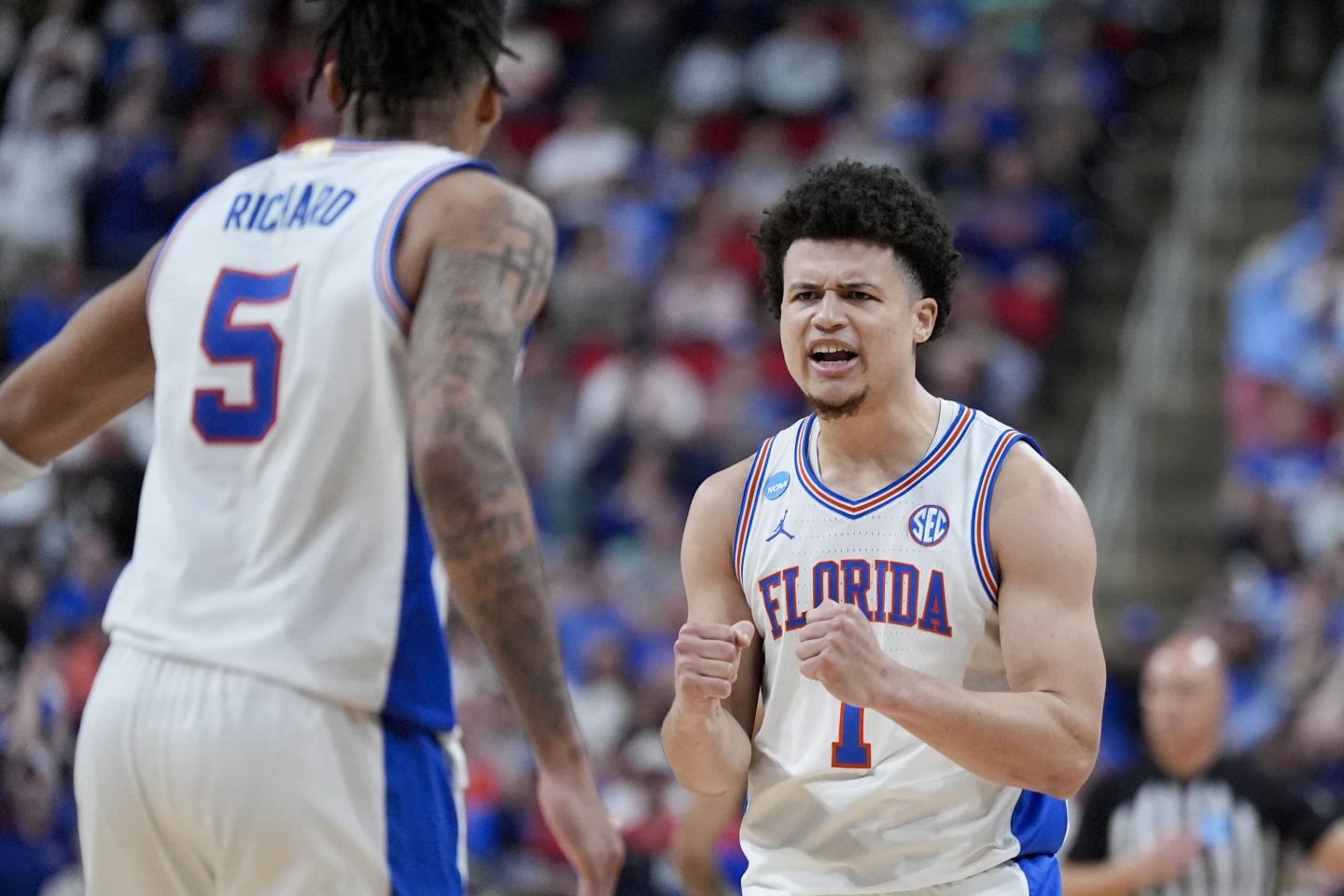
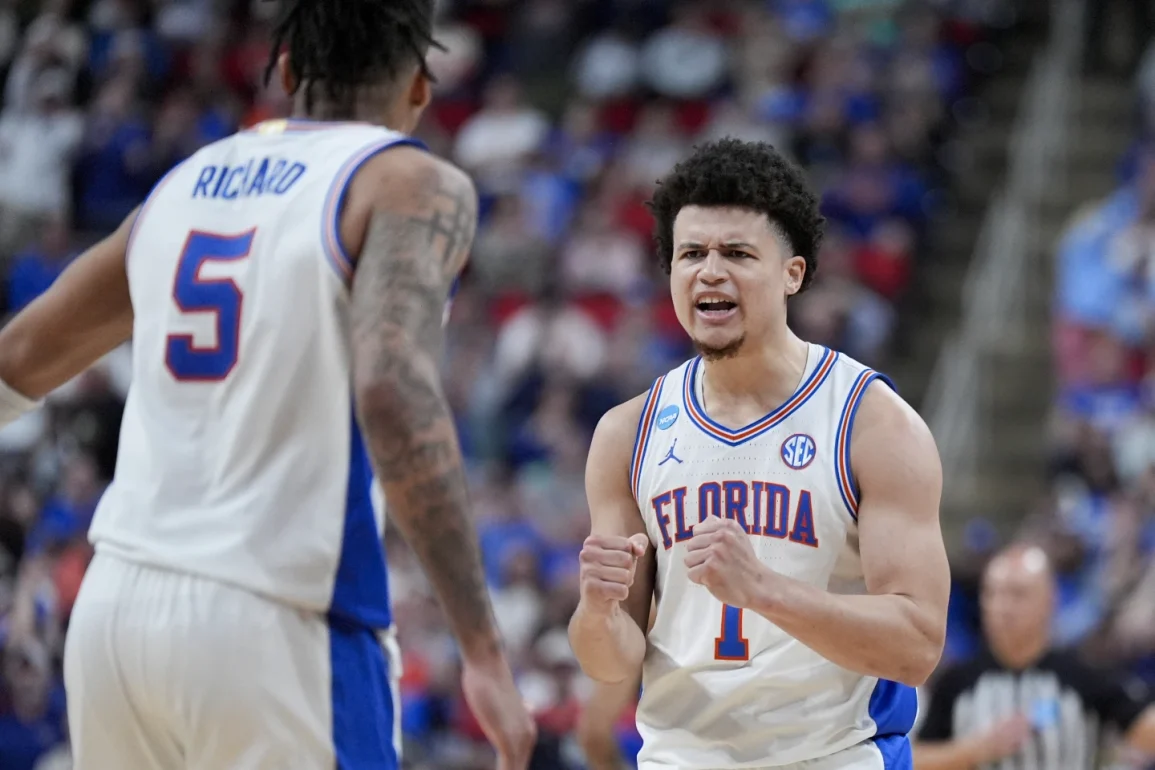
Clayton scored 13 of his 23 points in the last eight minutes of Sunday’s game, helping Florida come back to beat two-time defending NCAA champion UConn in Raleigh, North Carolina. He made two tough 3-pointers with defenders right in his face, showing off his skills: one came after he patiently took advantage of a mismatch against Alex Karaban, giving Florida their first lead of the second half. The other came when he waited for a double team to clear before hitting the shot.

“I’ve hit some big shots in my life,” Clayton said. “Those were probably two of the biggest.”

Florida coach Todd Golden added, “He’s a beast. People don’t understand. They’re kind of like, ‘Oh, he’s never emotional, looks like he’s not trying.’ I’m like, ‘Dude, it’s because the game comes easy to him.’ I just love it.”

“This guy is legit,” Golden continued.

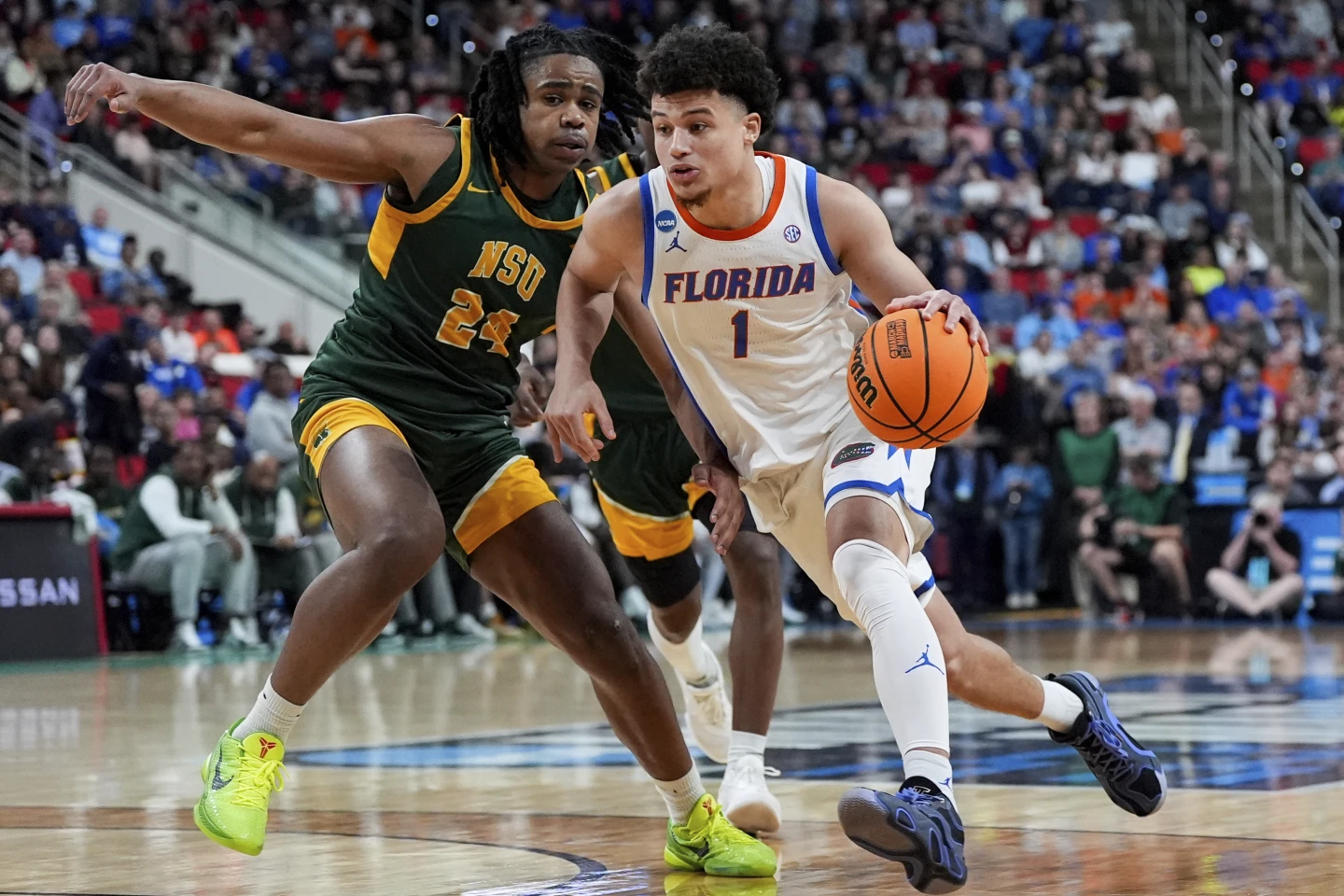
Walter Clayton Jr. drives past Chris Fields Jr. in the 2nd half

Clayton also scored 23 points in Florida’s first tournament game against Norfolk State

The 6-foot-2 senior from Lake Wales has now scored over 20 points in six of Florida’s last seven games, raising his average to nearly 18 points per game. He’s exceeded expectations, especially after moving from shooting guard to point guard in his final year.

“Everybody was on my (butt) all summer about the point-guard play,” Golden said. “I’m like, ‘This guy is legit.’ Even though he was great for us last year, people didn’t understand how elite of an offensive player he was.”

This development is something few saw coming.

Florida’s top basketball programs overlooked Clayton when he came out of high school. Stetson and Florida A&M were the only in-state schools that recruited him. Clayton eventually went to Iona in New Rochelle, New York, under Hall of Fame coach Rick Pitino.

Attorney and Florida booster John Frost, whose firm is in Bartow (where Clayton finished high school), saw something in Clayton that Florida’s Mike White, Florida State’s Leonard Hamilton, and Miami’s Jim Larrañaga missed. Frost recommended Clayton to coach Golden shortly after he took the Florida job in 2022.

Having never heard of Clayton, Golden went home that night and looked him up on an analytics website.

“He had great numbers as a freshman,” Golden said. “A freaking shot-maker.”

An Easter Surprise

Golden had been keeping an eye on Clayton since his sophomore year, and he was eventually named the Metro Atlantic Athletic Conference’s player of the year. When Pitino left Iona for St. John’s, it became clear that Clayton was planning to leave as well.

It came down to whether he would follow Pitino or come back to his home state to play for Golden and the Gators.

“We have him on a visit, and we think we’re getting him,” Golden said.

Then, on Easter morning, Clayton’s mom called crying.

“She was worried he was going to stay up there at St. John’s,” Golden said. “She wanted him down here, not more than we did, but equal for sure.”

Golden called the athletic department to book Florida’s jet, grabbed assistant coach/recruiter Korey McCray, and headed to New York to “figure out how we’re going to get this to the finish line.” They met Clayton at a local restaurant, only to find out that he had invited Steve Masiello, Pitino’s assistant, to dinner.

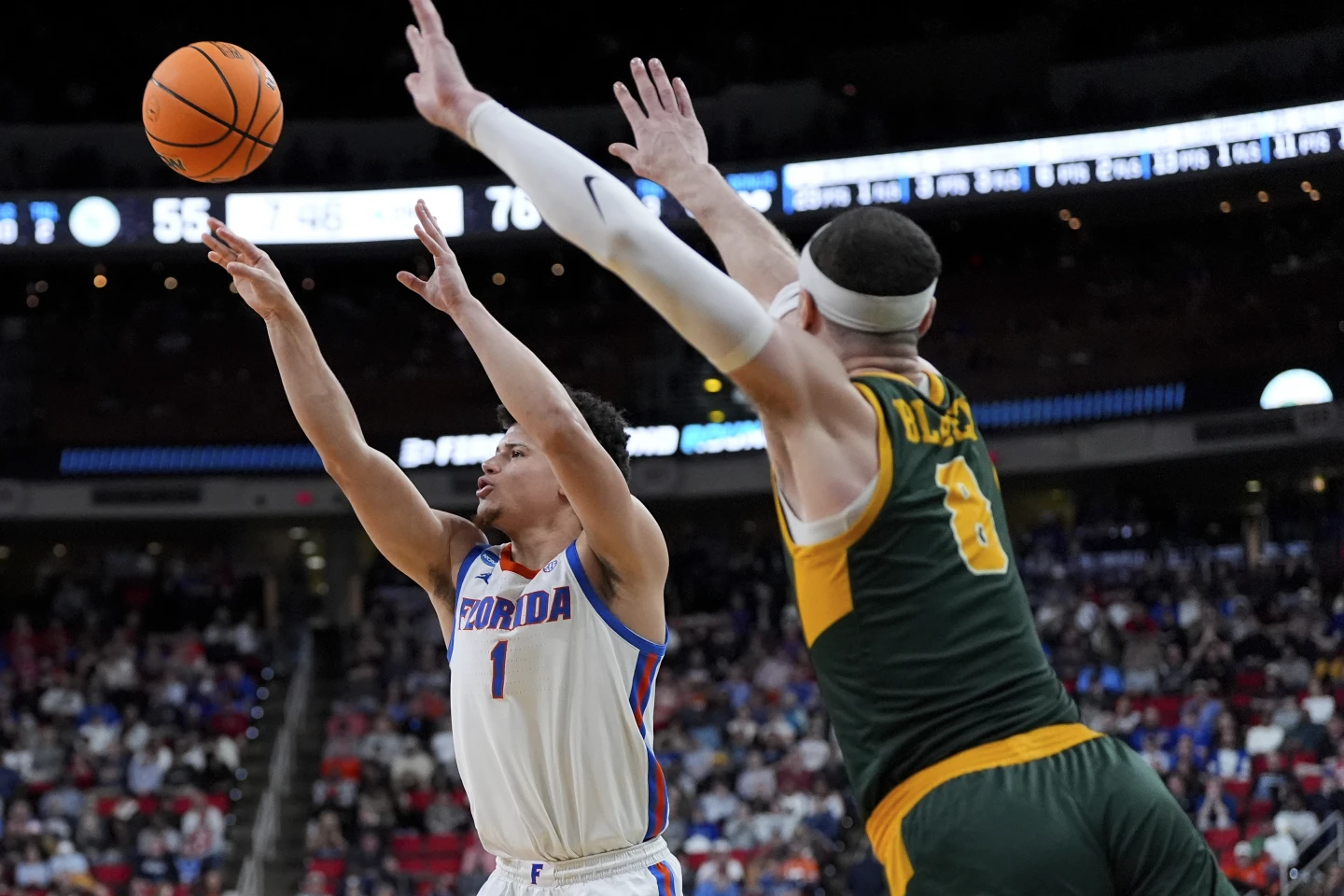
Walter Clayton Jr. and Tyrel Bladen in the 2nd half

Was this bad news? A bidding war? Golden and McCray looked at each other, unsure of what was happening. Clayton left them in suspense, and after an awkward silence, just before Masiello arrived, he shared the news.

“I’m coming to Florida,” Clayton said. “I just want you guys to be able to ask (Masiello) any questions about me that you might have. I’m coming home.”

Golden added, “It was a crazy day. I’d say that Easter was very important to the return of Florida basketball.”

“It’s Amazing to Watch”

With everyone else gone from the practice court, Clayton is still getting in extra shots — 3-pointers, free throws, and even a layup or two. The managers wait, then slip the last ball into the bag and rush it to the bus.

Clayton takes his time getting ready; the Gators won’t leave without him. Everyone knows how important he is to Florida’s offense, whether it’s finding teammates in transition, running half-court plays, hitting shots from deep, or stepping up when it matters most.

“What makes him such a great player is his ability to score from anywhere on the court,” said teammate Will Richard.

Clayton showed that skill all season, especially when the Gators needed him the most against UConn.

“Super clutch, man,” said teammate Alijah Martin. “That’s Walter Clayton Jr. for you right there. He put us on his back — just so proud of him. I see the work he puts in every day. It’s amazing to watch.”

Categories
Baseball

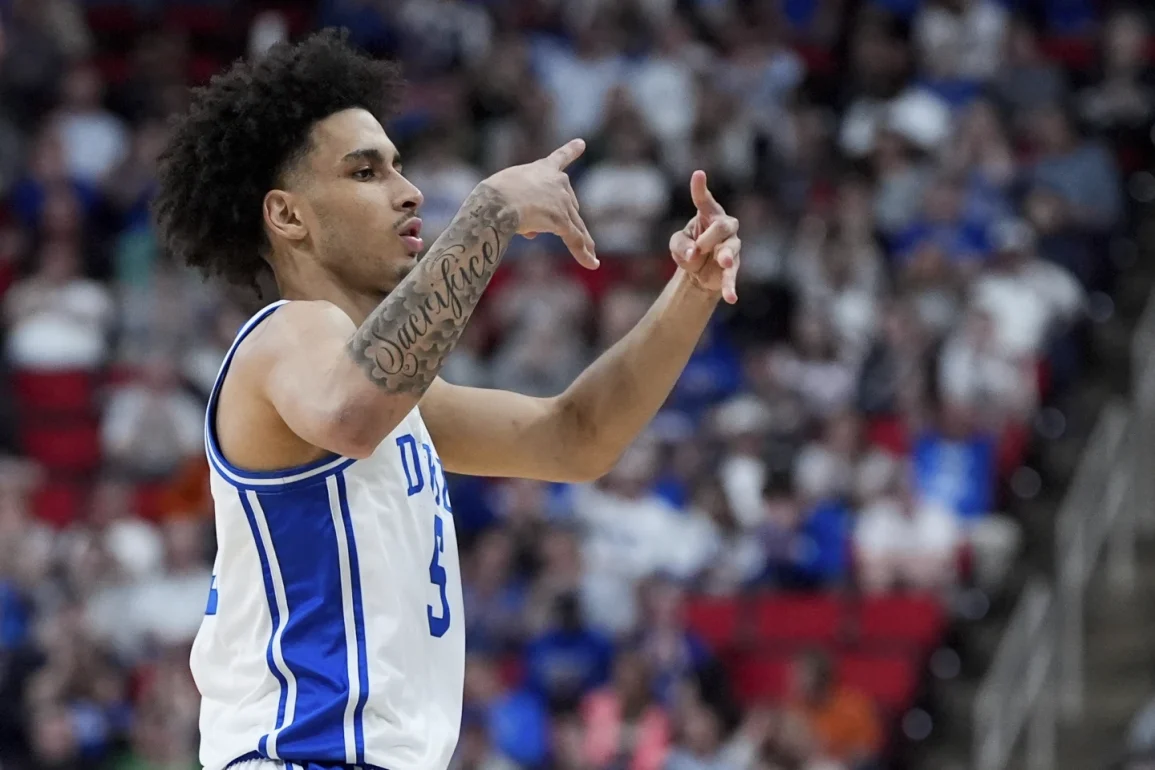
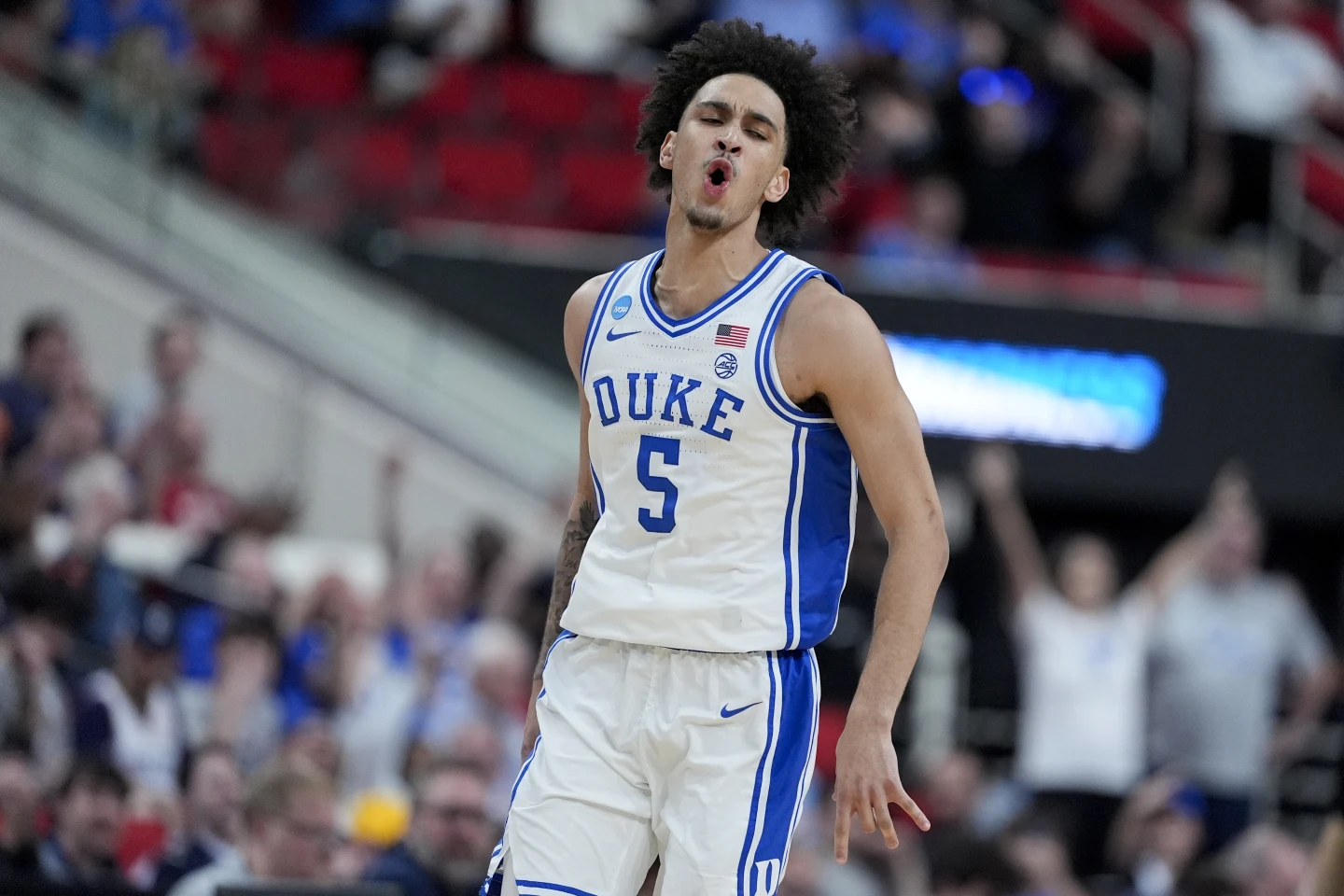
Tyrese Proctor of Duke struggled with his 3-point shooting before March Madness, but now he’s on fire

Not long ago, Tyrese Proctor was having trouble making shots from beyond the arc. For almost a month, he missed shot after shot, leaving him frustrated during Duke’s run for a national title.

Now, he can’t miss.

The junior guard has been on fire with his outside shooting, making at least six 3-pointers in the past three games, dating back to the Atlantic Coast Conference Tournament final. This has been a big help to an offense that is already performing at a high level as the top-seeded Blue Devils prepare for their Thursday game against Arizona in the Sweet 16 of the NCAA Tournament’s East Region in Newark, New Jersey.

“The main thing is the mentality of it,” Proctor said after Duke’s win against Baylor on Sunday. “I’m just shooting knowing the ball is going to go in and not hoping it’s going in as the big thing.”

Proctor, who is 6-foot-6 and from Australia, has made 19 of 28 3-pointers (67.9%) since missing his first two attempts in the ACC title-game win over Louisville. He’s only gotten better with each game.

His first big performance came in the first round against Mount St. Mary’s, when he hit 6 out of 8 shots — a performance that could have been seen as a one-time fluke.

But then, he topped that performance two days later by making 7 out of 8 shots against Baylor.

That’s 13 out of 16 3-pointers through two March Madness games, an amazing 81.3% shooting rate. The 13 3-pointers made are the most by any player in the Sweet 16, with Houston’s LJ Cryer and Tennessee’s Chaz Lanier each hitting 10 as the only other players in double figures.

Proctor has been hitting shots in many different ways: catching in transition, curling around a screen, using a stepback move, even pump-faking a defender off his feet and resetting with a dribble to his right — a move he used three times to fake a Baylor player on Sunday.

As he kept making shots, he celebrated with triumphant gestures and screams toward the home-state crowd as he moved back to play defense.

“Such a talented player, such a weapon for us when he’s being confident looking for his shot,” said freshman star Cooper Flagg.

The Blue Devils (33-3) have always counted on Proctor as a starter with good length, which helps him create matchup problems for smaller guards on both ends of the floor. He’s been a complementary scorer behind Flagg and another freshman, Kon Knueppel, and was averaging 11.8 points per game before the Louisville game.

Tyrese Proctor in the 2nd half

But with his improved shooting, his scoring average has gone up to 12.5 points per game

A few weeks ago, it was hard to predict this kind of improvement.

After a strong start in February, Proctor’s outside shooting began to slump. Over the next seven games, he missed 23 of 29 3-pointers, including two 0-for-5 performances at the start of the ACC Tournament. By the time he missed his first two shots against Louisville in the final, he had missed 14 straight 3-pointers, stretching back to missing his last two in the regular-season finale against rival North Carolina.

Proctor spent time watching film of his shooting with assistant coach Will Avery after the first two games of the ACC Tournament, trying to figure out what was going wrong.

“It’s just little things — just my balance and stuff like that,” Proctor said. “At the end of the day, it’s just confidence. As soon as my feet get set and I hold my follow-through, I’m just going to keep trusting it.

“All the 0-for, whatever it was, all that felt good. A couple of them I knew what I did wrong. I think it’s just realizing and understanding that, and just fixing it on the fly is a big thing.”

It’s a challenge that many shooters can relate to: figuring out the balance between making small adjustments and not overthinking what has worked in the past.

So far, it’s been working for Proctor.

“It’s hard, earlier this season I struggled with that,” Knueppel said. “You’ve just got to keep shooting it, that’s the only way you can make more shots, is you keep shooting them. So he’s done a great job of just being confident. He’s really attacking his catches and getting locked and loaded, and ready to go.”

Categories
Basketball

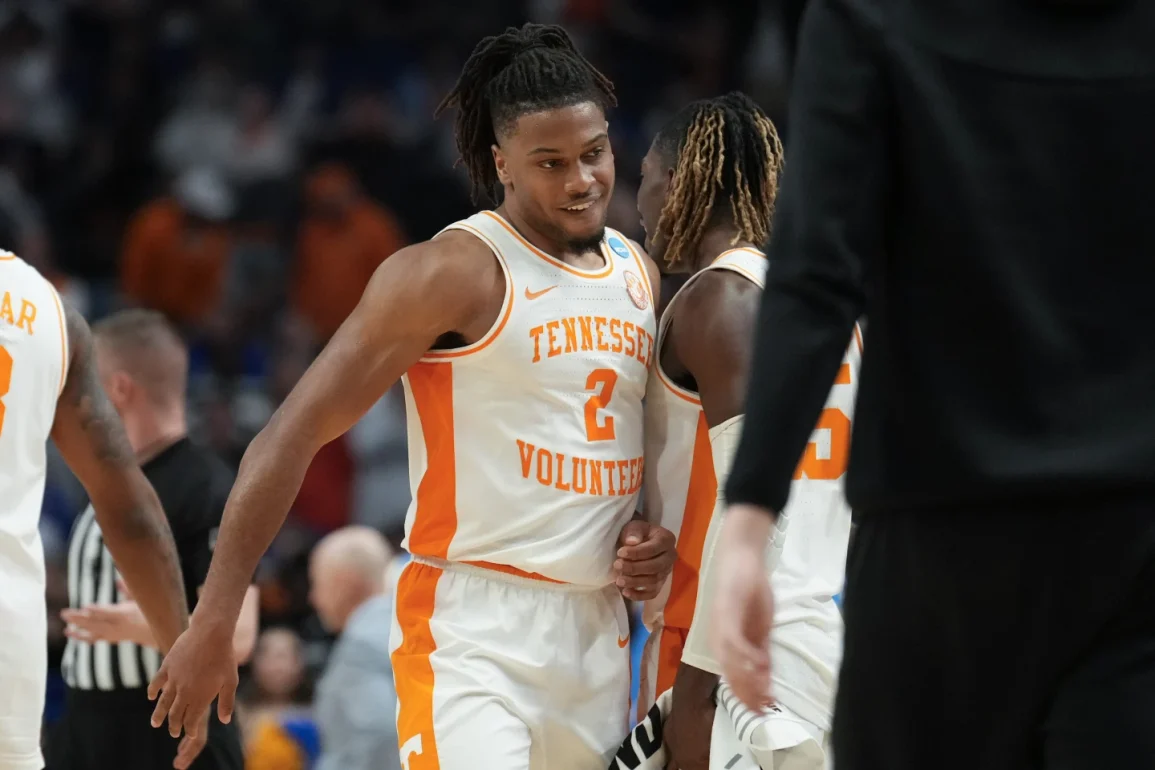
Chaz Lanier is making the most of his one chance at March Madness with No. 2 seed Tennessee

Chaz Lanier is taking full advantage of his chance in the NCAA Tournament for both himself and No. 2 seed Tennessee.

The Tennessee native returned home last spring as a graduate transfer after four seasons at North Florida, hoping to follow in the footsteps of Dalton Knecht, who played one year with the Volunteers before reaching the NBA.

Now, Lanier heads into Friday night’s Midwest Region semifinal against Kentucky in Indianapolis as Tennessee’s best 3-point shooter in a single season. He’s also been performing at his best during his one opportunity at March Madness, averaging 24.5 points in the first two games. He’s made 10 of 18 3-pointers, breaking the record for the most 3-pointers in a season with 120, surpassing Chris Lofton’s 118 in 2007-08.

“Blessed to be able to leave my mark on Tennessee Basketball…” Lanier wrote on social media. “Thank you for all the support!! Let’s keep building!!”

The Vols (29-7) will need Lanier to keep making shots to reach their second straight Elite Eight and chase the program’s first Final Four appearance. The 6-foot-5 guard is Tennessee’s leading scorer, averaging 18.1 points per game.

“You expect him to take those shots, and I tell him every time he shoots the ball, I think it’s going in,” senior point guard Zakai Zeigler said of Lanier. “So if he misses, I want him to shoot the next one.”

Lanier has certainly improved as a player and physically since returning to Tennessee for his final season. He already had a 6-10 arm span, allowing him to shoot over taller defenders. Working with Tennessee’s training staff, Lanier added more than 2 1/2 inches to his vertical jump and gained 12.9 pounds, now weighing in at 209 pounds.

He ranks fifth in the Southeastern Conference for points per game

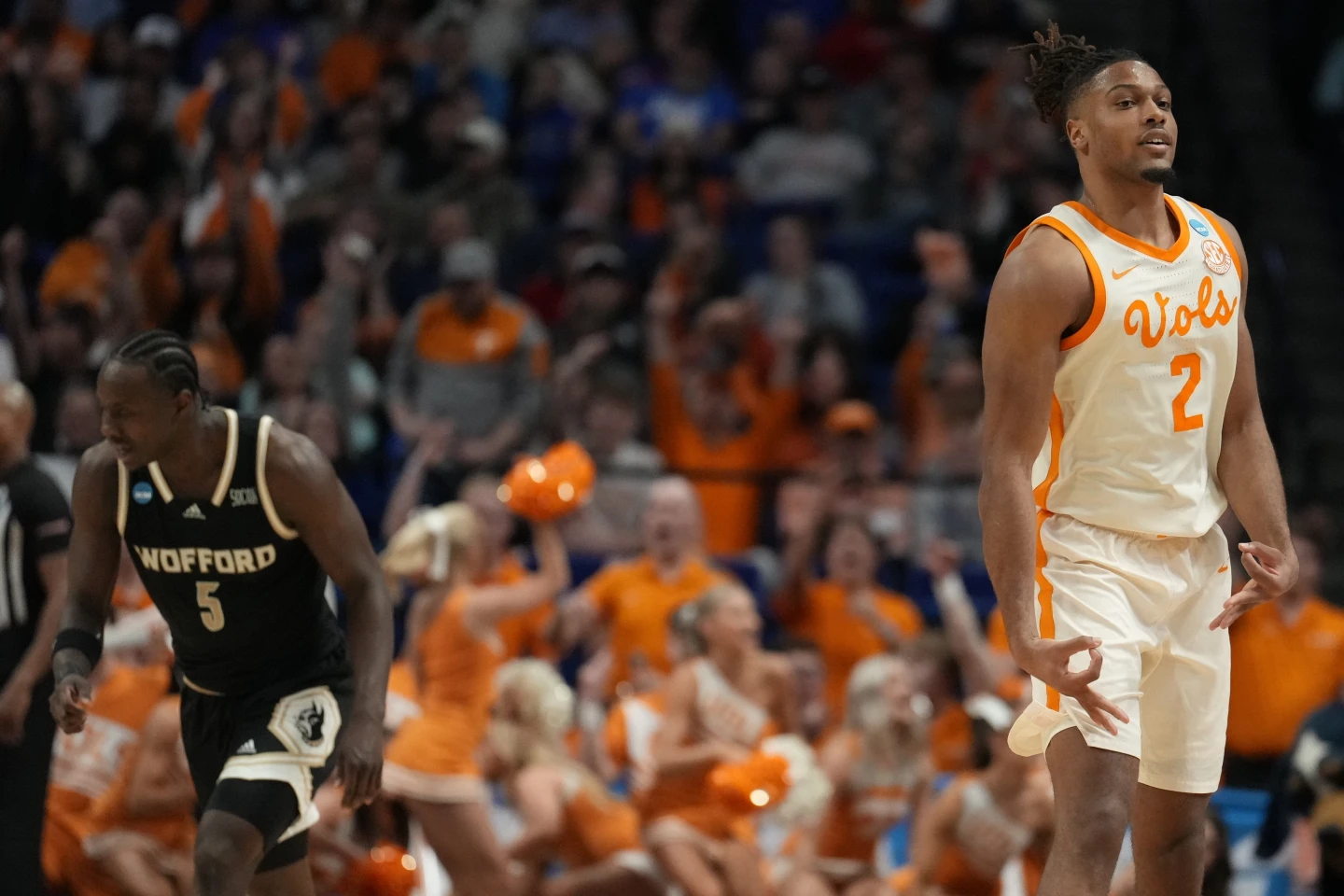
Lanier made a big impact in the opening game of the tournament against Wofford by scoring 29 points, the third-most by a Volunteer in an NCAA Tournament game and the most in a win. He made six 3-pointers, tying the program’s record for most 3s in a single NCAA Tournament game.

In the second-round win over UCLA at Rupp Arena, he was tied for fourth in Division I with 116 made 3-pointers. He led the Vols with 20 points, hitting 4 out of 5 3-pointers, and celebrated by showing three fingers.

Lanier leads the SEC in 3-pointers made per game, with an average of 3.3. He is shooting 41% and playing 31.6 minutes per game. Only AP All-American Johni Broome (238) has made more field goals in the SEC than Lanier’s 226.

Chaz Lanier celebrates after scoring

Coach Rick Barnes, whose only Final Four appearance came at Texas in 2003, wants Lanier to keep shooting. “I’m always wanting him to come off and shoot 3s, but I said, ‘You’ve got to do what you think,’ and he’s really comfortable at the mid-range as well,” Barnes said.

Lanier has developed his mid-range shot, especially after coming off screens set by 6-10 Felix Okpara and others. Barnes credited Okpara for setting 14 screens against Wofford that led to points for Lanier.

“I think that Chaz probably leads the nation in shirts pulled out…,” Barnes said of Lanier. “His shirt tail is always out because he has learned to really cut, move, and he’s going to get down. They’re going to down him.

And what that means is they’re going to try to face-guard him and keep him from cutting to the ball. He’s learned how to handle that and he’s learned how to use it to his advantage.”

Barnes said Lanier has really improved in the past three weeks at reading not just his own defender but also where the help is coming from when Tennessee sets a screen. This helps him go to the basket more.

Lanier has also worked on his defensive skills, seeking advice from Zeigler and senior guard Jahmai Mashack. Lanier’s scoring also gives the Vols extra energy on defense.

“It definitely frees us up for getting a lot of energy on the defensive end, trying to create turnovers,” Mashack said about Lanier. “But when he’s hot, you try to give him the basketball and that’s kinda how you play. I think we did a good job of doing that.”

Barnes believes Lanier will keep getting better.

“He’s just getting started,” Barnes said. “You think about how much he’s improved this year and how much he’s really improved in the last month, it’s really pretty remarkable. It’s really been neat coaching him because we’ve expected a lot from him, and he’s come in and has been just a great teammate.

He’s never made it about himself… I think he’s done as good a job as any incoming player as a transfer.”

Categories
Basketball

Niko Medved departs Colorado State for his home state of Minnesota following the Rams’ NCAA tournament appearance

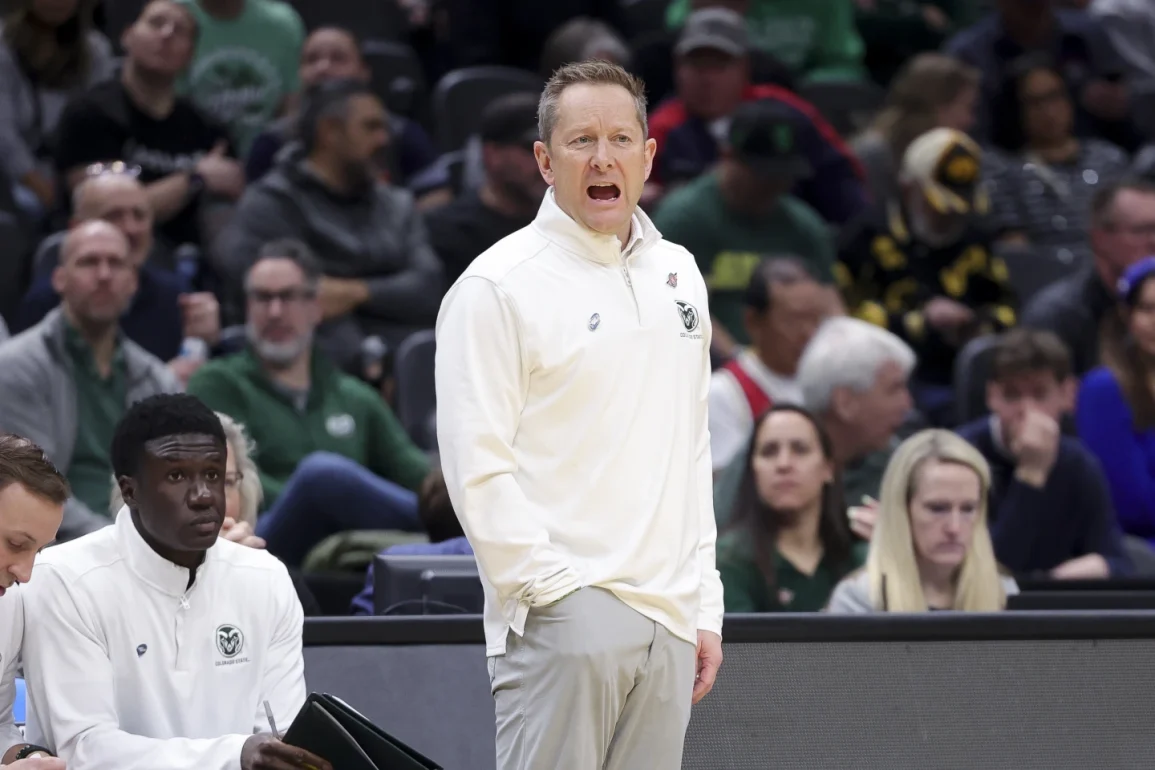
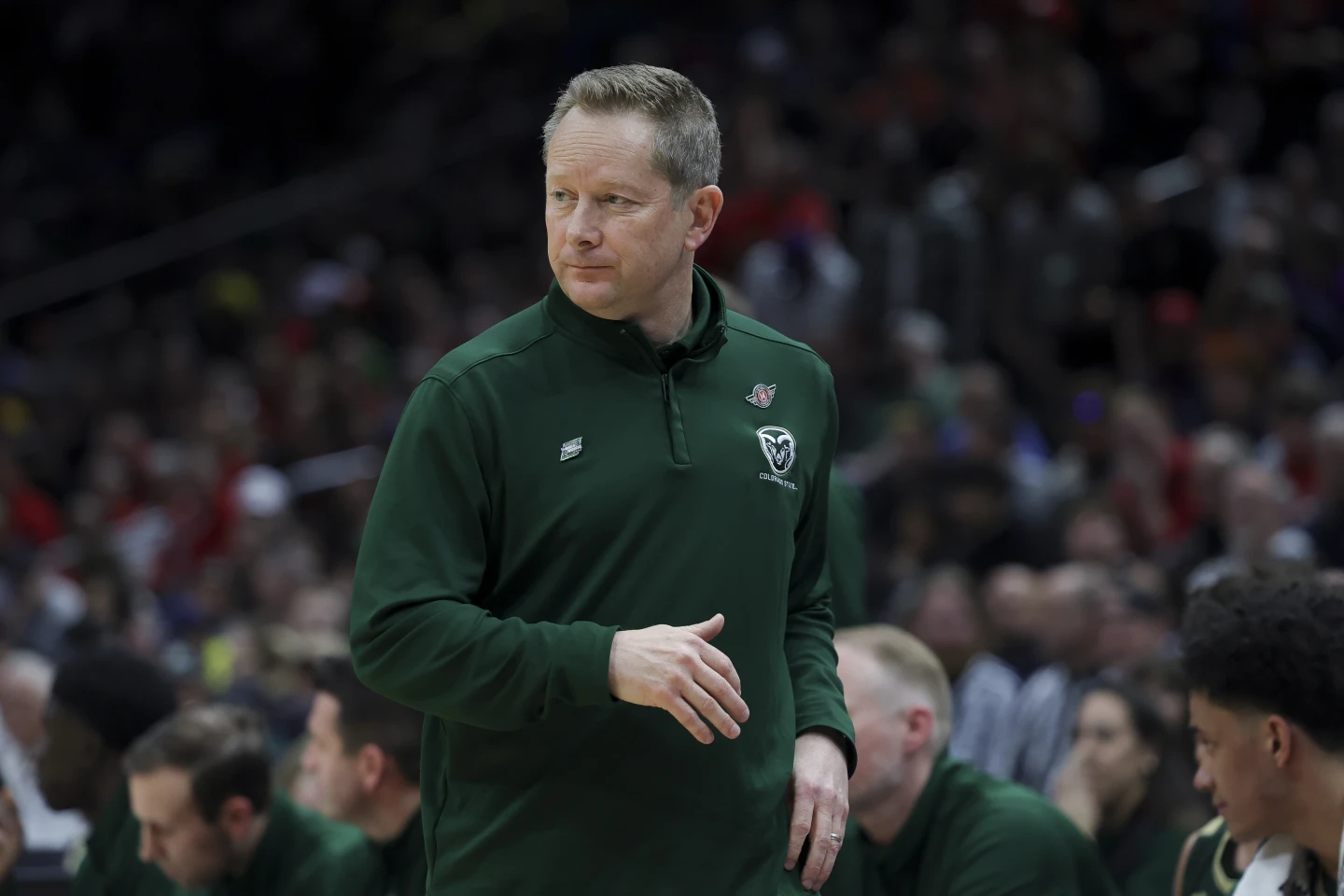
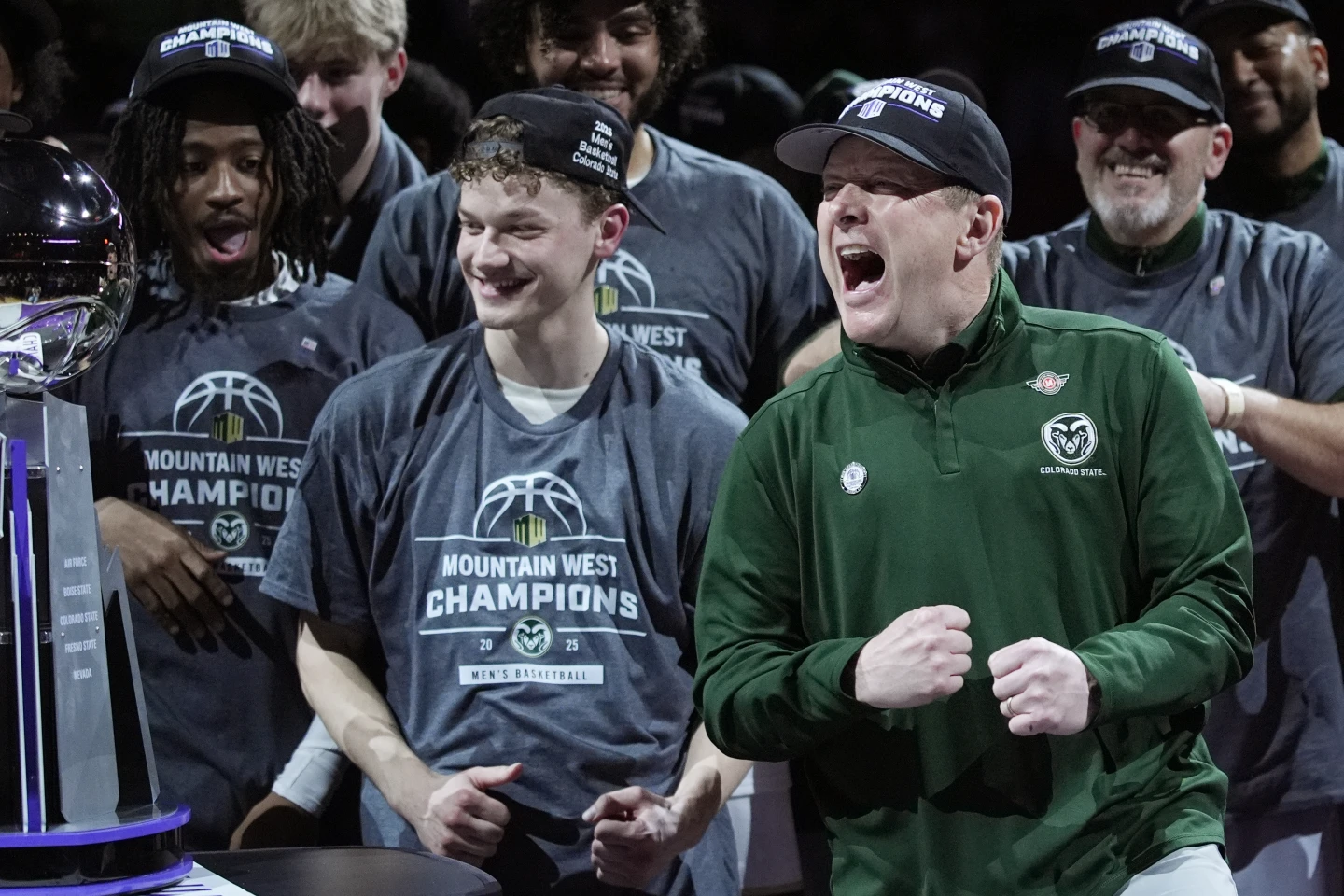
Minnesota hired Niko Medved from Colorado State on Monday, giving him a six-year contract. Medved, a Twin Cities-area native and former student manager for the Gophers, had Colorado State just one basket away from the Sweet 16.

Medved was the top choice from the beginning to replace Ben Johnson, who was fired on March 13 after a 56-71 record and 22-57 in the Big Ten over four seasons. Minnesota athletic director Mark Coyle has been working to improve a struggling program that has made the NCAA Tournament only twice in the last 12 years.

“This really is a dream job for me,” Medved said in a statement from the university. “I loved my time at Colorado State, and I worked with amazing people who made a lasting impact on my life. Those are memories I’ll always cherish. This job was too special to pass up, and when the chance came, I had to take it.”

Colorado State finished the season with a 26-10 record. They beat No. 5 seed Memphis 78-70 in the first round and lost 72-71 in the second round to No. 4 seed Maryland on a buzzer-beating bank shot.

This was the third time in seven years under Medved that the Rams reached 25 wins and made the NCAA Tournament out of the Mountain West, one of the toughest mid-major conferences in the country.

“I’ve had as much fun and joy coaching this group as any group I’ve ever been a part of, and they just keep giving us more,” Medved said after the loss to Maryland in Seattle on Sunday. “It’s just gut-wrenching. It’s a season you never want to end. It’s been an incredible ride, and it goes by so fast.”

The 51-year-old Medved has been a head coach for 12 seasons, including four years at Furman and a one-year stint at Drake. He’s from Roseville, a suburb near the Minnesota campus, where he earned degrees in kinesiology and sport management.

Medved was once a team manager for the Gophers under coach Clem Haskins, who led them to their only Final Four appearance in 1997. He began his coaching career later that year as an assistant at Macalester, followed by assistant roles at Furman, Minnesota, and Colorado State.

Niko Medved in the 1st half

Medved got a contract extension last year, which included a significant pay raise, bringing his salary to $1.7 million this season

The contract also had options that would carry it through the 2030-31 season. He finished with a 143-85 record at Colorado State, making it the second-best winning percentage in the school’s history. Medved has a 222-173 record in his 12-year coaching career.

Under Medved, the Rams had at least one first-team All-Mountain West player in every season he coached. Last year, their highest ranking in The Associated Press college basketball poll was 13th, which was the best in school history.

Minnesota struggled with a 9-22 record and a 2-17 Big Ten record in 2022-23. However, the team showed improvement in 2023-24 by making the NIT and finishing with a 19-15 record. This season, the Gophers had one of the worst records in the conference, finishing 15-17.

In the 28 years since their one and only Final Four appearance, which was later vacated due to NCAA penalties for academic fraud exposed by a Pulitzer Prize-winning investigation by the St. Paul Pioneer Press, Minnesota has only made the NCAA Tournament seven times, with just two wins.

Over the past 20 seasons, the Gophers have had a winning record in Big Ten play just once, finishing 11-7 in 2016-17 under coach Richard Pitino.

Coloado State players celebrate after the win

Medved’s buyout from Colorado State is 33% of the remaining value of his contract, which is around $3.7 million

Ben Johnson, who had an annual salary of $1.95 million, the lowest in the 18-team Big Ten, had a buyout of about $2.9 million.

This is a costly transition for athletic director Mark Coyle, whose goal is to make the program relevant again in both the local sports scene and in the competitive, expanded Big Ten. This will likely require the university to make a greater financial commitment, especially with the revenue-sharing system in college sports.

Johnson had to rebuild the team’s rosters multiple times due to the transfer portal era, with some of his best players being drawn away by better NIL deals. While Johnson had strong local ties as a Minneapolis native, he struggled to tap into the state’s talent pool to build a successful foundation for the program.

One of Johnson’s assistants, Dave Thorson, was previously an assistant at Colorado State under Medved and would be a good fit for the new staff. Thorson could help recruit local talent from Minnesota, which consistently produces players good enough for power conferences.

Medved also coached Minneapolis native David Roddy at Colorado State. Roddy was a first-round pick in the 2023 NBA draft and currently plays for the Houston Rockets.

“We need somebody who embraces Minnesota,” Coyle said after firing Johnson. “We need somebody who’s going to generate excitement. At the end of the day, I’m a firm believer: When you’re winning games, people want to be a part of that.”

Categories
Basketball

When March Madness collides with the transfer portal, it sparks the massive global scouting event

Players compete for more than just a chance to reach the Final Four and win at March Madness. It’s also an opportunity to be noticed by other teams and to make moves for their future.

The transfer portal opened on Monday, allowing basketball players a 30-day period to switch schools. This means that some of the 1,000 players from the 68 teams that made it to the NCAA Tournament – including the 250 still competing in the Sweet 16 – are playing to win, but also to get more money, more playing time, or to improve their chances for the next season.

In many ways, the NCAA Tournament has become the most important three-week scouting event on the college basketball calendar.

“Anytime you can show up on a big stage and realize there are certain guys who are wired different, to take a hold of big moments, that’s almost a personality trait,” said Doug Stewart, the chief of staff for coach Kevin Young at BYU. “It’s the data that doesn’t come up in analytics and film.”

By the time the tournament begins, teams have already done a lot of scouting.
However, that doesn’t mean there’s no data.

For Stewart and others in similar roles, scouting and finding the best fits is a year-round task. Marc VandeWettering, the chief of staff for basketball operations at Wisconsin, explained, “You know who people are before they become available.”

“If you wait to do your research until a name pops up in the portal, you’re going to be behind and not be able to move quickly enough,” VandeWettering said.

Wisconsin’s 91-89 loss to BYU on Saturday also made the need for roster management more urgent. VandeWettering and his staff had hoped to delay some parts of the process, such as keeping players who might be considering transferring.

“We’ve been proactive with the guys who are eligible for retention,” he said. “We’ve had some good conversations with those guys, but it takes some time to get things finalized.”

CJ Hines and Johni Broome in the 1st half

Now, a player who wants to move doesn’t have to go pro

In 2021, due to legal pressure, the NCAA relaxed and eventually removed the rule that forced players to sit out a year before transferring. That same year, name, image, and likeness (NIL) deals were allowed, enabling players to make money while playing college sports.

This change reshaped how programs are built and how players’ futures are viewed. Now, there’s another option besides staying at one school or going pro: finding another team to play for.

“March Madness is a great opportunity to see great players, and for athletic departments to go back and check their budgets and see if they can afford these players,” said Len Elmore, who played at Maryland in the early ’70s, then spent 10 years in the NBA, followed by decades of calling games on TV.

“When you think about institutions that hire general managers for athletic departments, the line of demarcation between pros and colleges has been blurred, if not obliterated.”

Transfer portal, NIL benefit some but leave others behind

After the best moment of the tournament so far — Derik Queen’s buzzer-beating bank shot that sent Maryland to the Sweet 16 — Queen was asked what his coach, Kevin Willard, means to him and his teammates.

“First, he did pay us the money, so we’ve got to listen to him,” Queen said.

He got laughs, but his comment highlighted the reality of today’s college sports. Beneath the millions being made from NIL deals, there are many concerns that don’t make the headlines.

Trends since 2021 suggest that around 2,000 men’s players will enter the portal this year, with a quarter of them not getting signed by anyone.

There’s also the issue of timing. This problem first came up last season when the portal opened right after the March Madness brackets were announced (it was delayed a week this year), causing some players (and schools) to be torn between playing in the tournament and looking for another team.

This situation was especially clear during football season when players — like Penn State backup quarterback Beau Pribula, who became the face of the issue — were leaving teams as the transfer portal opened just in time for the playoffs.

“We’re doing a disservice to the sport when we have the transfer portal, which is de facto free agency, in the middle of a very important playoff,” Michigan athletic director Warde Manuel said. “I’m hopeful that kids will focus.

But we know there are people around them, in their ears, about what value they have and where they can go. It doesn’t lend itself to a great look for college athletics.”

Declan Dillon and L.J. Cryer in the 1st half

Programs (and players) realize they have to adjust to rules they don’t like

But the rules are in place, and programs that don’t adjust will quickly fall behind.

One could argue that the same three weeks that lead to a title for one team and lasting memories for others in 2025 are just as important for teams that want to be on the biggest stage in 2026, 2027, and beyond.

Stewart at BYU is part of a coaching and scouting staff similar to those in the NBA, set up by Young, a longtime NBA assistant who has brought many of his philosophies to the college game.

The Cougars, whose recruiting class for next year is already strong thanks to the signing of high school star AJ Dybantsa, look for players who can move quickly up and down the court, shoot 3-pointers, and avoid getting stuck in the mid-range jumper game.

“The most important thing in all these games is ‘KYP,’ know your personnel,” Stewart said. “Understanding the analytics side, and style of play, those things start to merge and you get great perspective on players who fit certain coaching styles.”

Once all that is in place, it’s the player’s chance to perform when the lights are brightest.

“If people are considering other options for future years, then yeah, absolutely, this is the best time of year for our sport and they’re getting a chance to showcase what they can do,” VandeWettering said.